
Soils of Canada C The deepest layer where



- Slides: 12
Soils of Canada
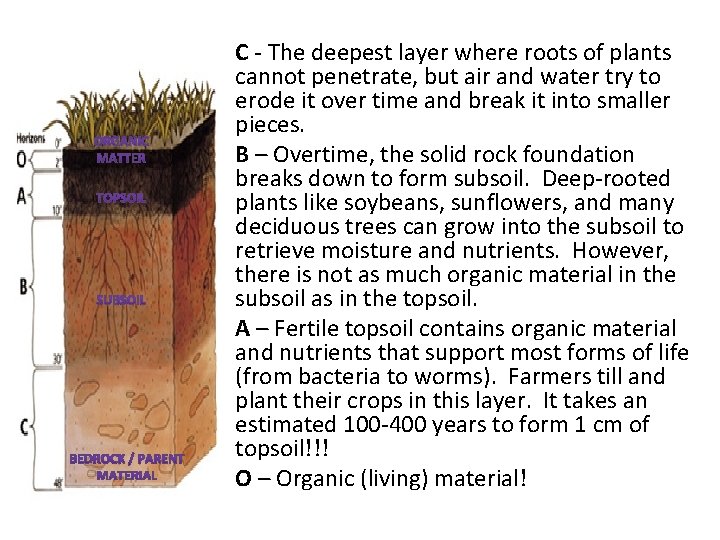
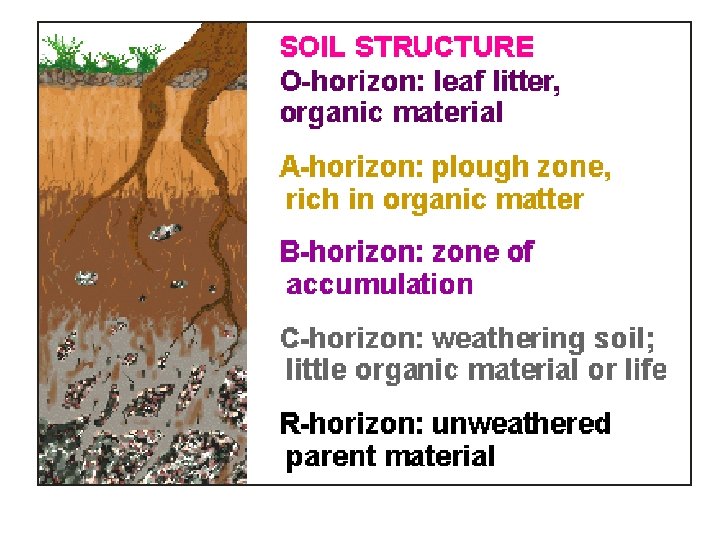
C - The deepest layer where roots of plants cannot penetrate, but air and water try to erode it over time and break it into smaller pieces. B – Overtime, the solid rock foundation breaks down to form subsoil. Deep-rooted plants like soybeans, sunflowers, and many deciduous trees can grow into the subsoil to retrieve moisture and nutrients. However, there is not as much organic material in the subsoil as in the topsoil. A – Fertile topsoil contains organic material and nutrients that support most forms of life (from bacteria to worms). Farmers till and plant their crops in this layer. It takes an estimated 100 -400 years to form 1 cm of topsoil!!! O – Organic (living) material!
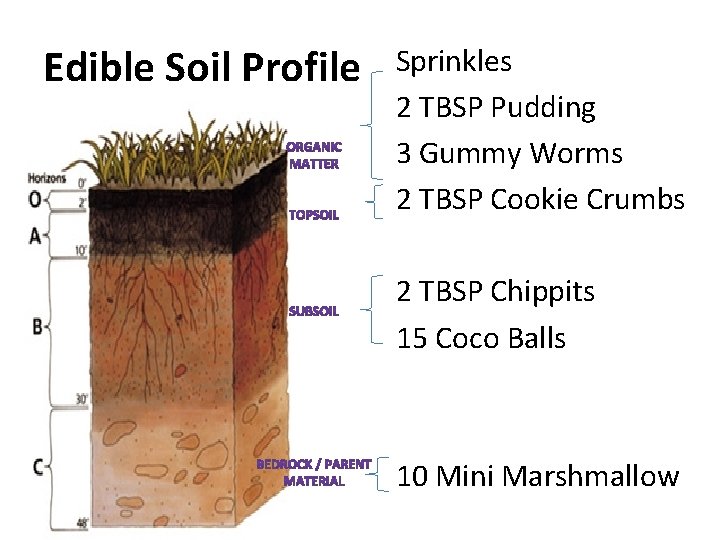
Edible Soil Profile Sprinkles 2 TBSP Pudding 3 Gummy Worms 2 TBSP Cookie Crumbs 2 TBSP Chippits 15 Coco Balls 10 Mini Marshmallow
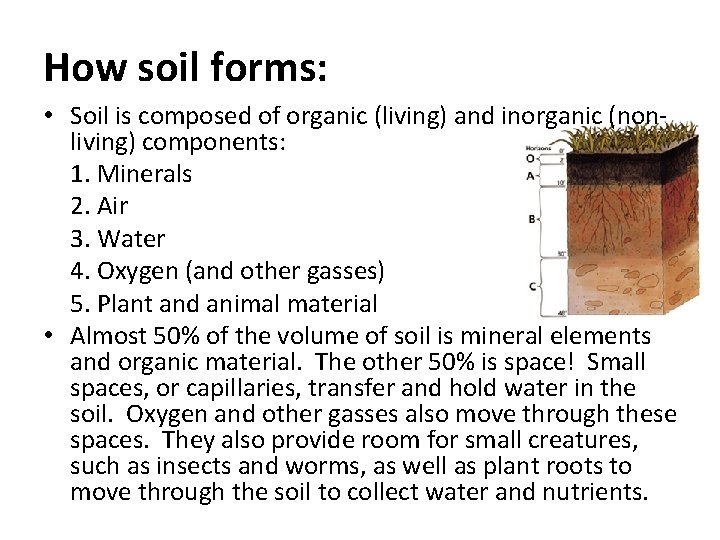
How soil forms: • Soil is composed of organic (living) and inorganic (nonliving) components: 1. Minerals 2. Air 3. Water 4. Oxygen (and other gasses) 5. Plant and animal material • Almost 50% of the volume of soil is mineral elements and organic material. The other 50% is space! Small spaces, or capillaries, transfer and hold water in the soil. Oxygen and other gasses also move through these spaces. They also provide room for small creatures, such as insects and worms, as well as plant roots to move through the soil to collect water and nutrients.
Factors that help form soil: 1. 2. 3. 4. 5. Climate Living organisms (flora and fauna) Bedrock (parent material) Topography (landscape – ex. Hilly, flat, etc) Time
Soil Classification: • Soil is classified according to its texture. • Soils texture is determined by the amount of sand, silt, or clay in the soil. These vary in size with sand particles being the largest and clay particles being the smallest. – All soil needs some clay to hold moisture – Sand helps keep soil from being too compact or solid Soils with medium texture and equal amount of all particle sizes are ideal for crops
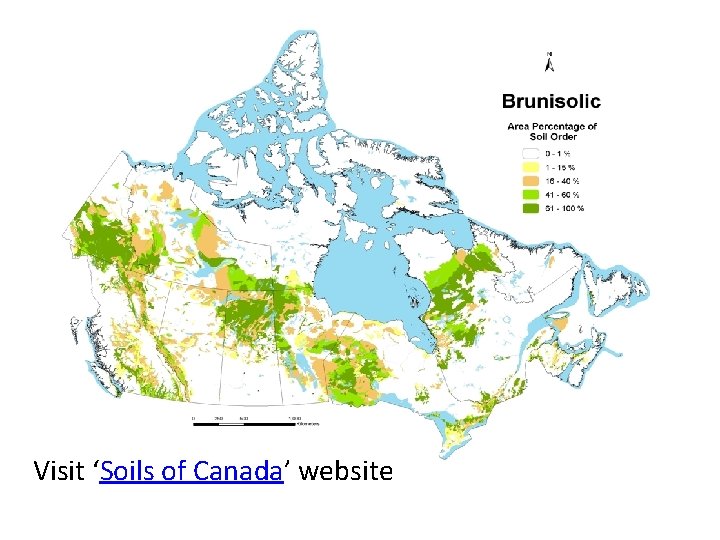
Specific examples • Chernozems are thick grassland soils • Podzols are forest soils
Now look at the vegetation that grows there…
How soil is lost: • Erosion occurs when soil is moved by water, wind or gravity • When plant roots are no longer there to hold down the soil - Salting roads can increase the salinity of the soil and kill plants - Overgrazing can kill plants - Farming, construction and mining can all effect plant cover.
Different ways to protect the soil: Farmers and conservationists could: - Reduce frequency of tillage - Crop rotations - Planting crops during dormant seasons - NO-TILL METHOD = plowing, planting and fertilizing all at the same time to reduce the chances of wind removing topsoil - CONTOUR FARMING = Farming along the contour of the land (working with the shape of the land) see p. 143 - STRIP-CROPPING = a crop that leaves bare ground between rows alternating with a crop that completely covers the ground (ex. Corn & Alfalfa) - WINDBREAKS – Belts of trees along the edge of fields - GRASS, WATERWAYS and TERRACES (Flatten hill slopes) to slow the flow of water and erosion
Visit ‘Soils of Canada’ website