
SOILS Chapter 5 Std 11 ISC Soil Definition

- Slides: 38
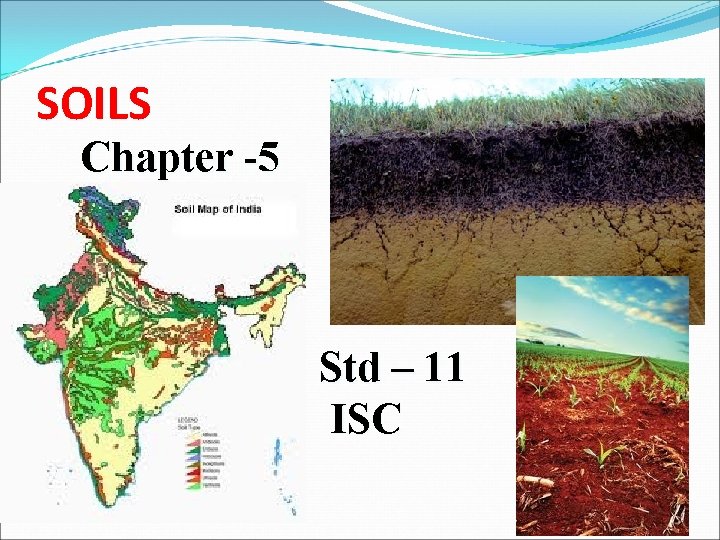
SOILS Chapter -5 Std – 11 ISC
Soil – Definition Soil is the thin (5 to 8 m) layer of the earth’s continental crust which is capable of supporting life
Factors effecting the formation of soil Parent material. Few soils weather directly from the underlying rock. Climate. Soils vary, depending on the climate. Temperature and moisture amounts cause different patterns of weathering and leaching. Topography or Landscape Position. Slope and aspect affect the moisture and temperature of soil. Steep slopes facing the sun are warmer, just like the south-facing side of a house. Biological factors. Plants, animals, micro-organisms, and humans affect soil formation Time for all these factors to interact with the soil is also a factor. Over time, soils exhibit features that reflect the other forming factors.
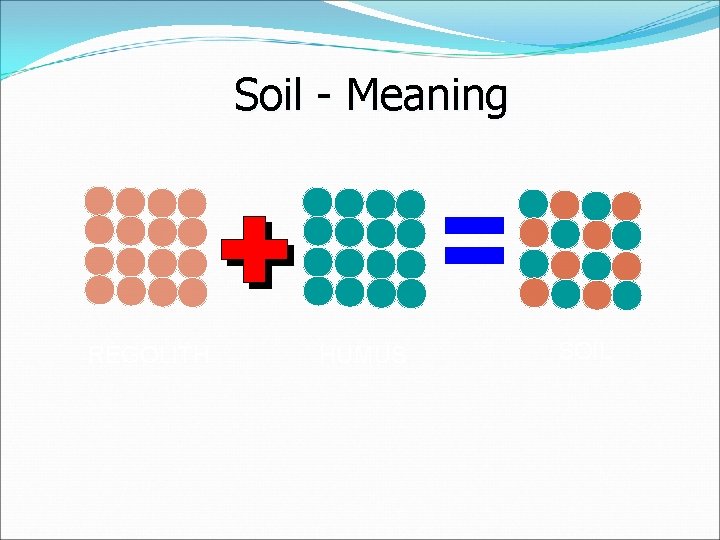
Soil - Meaning REGOLITH HUMUS SOIL
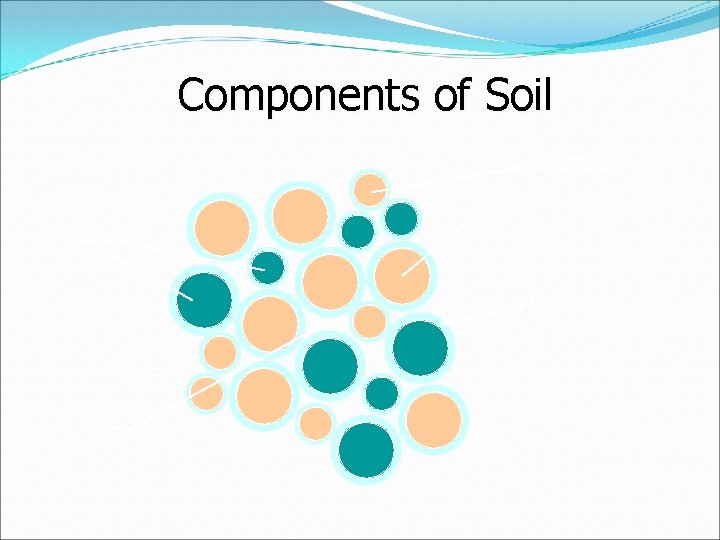
Components of Soil MINERALS HUMUS MOISTURE AIR
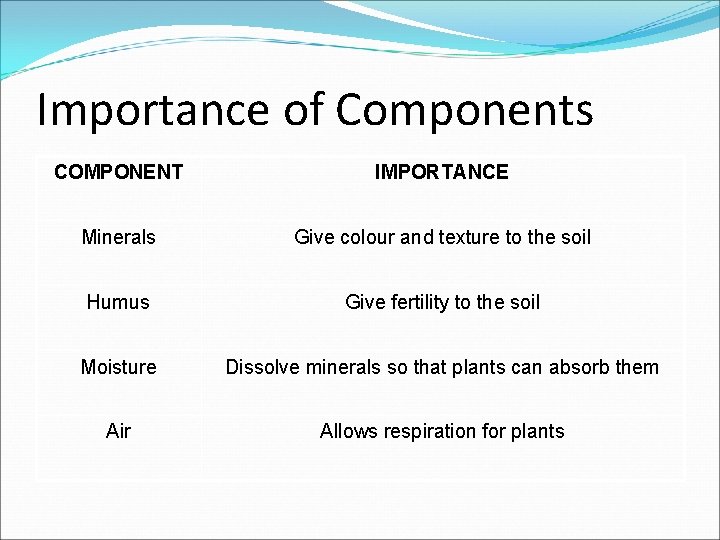
Importance of Components COMPONENT IMPORTANCE Minerals Give colour and texture to the soil Humus Give fertility to the soil Moisture Dissolve minerals so that plants can absorb them Air Allows respiration for plants
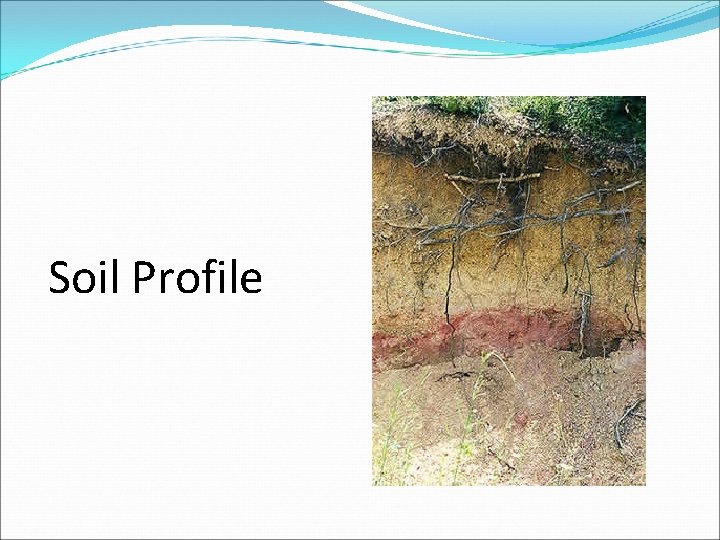
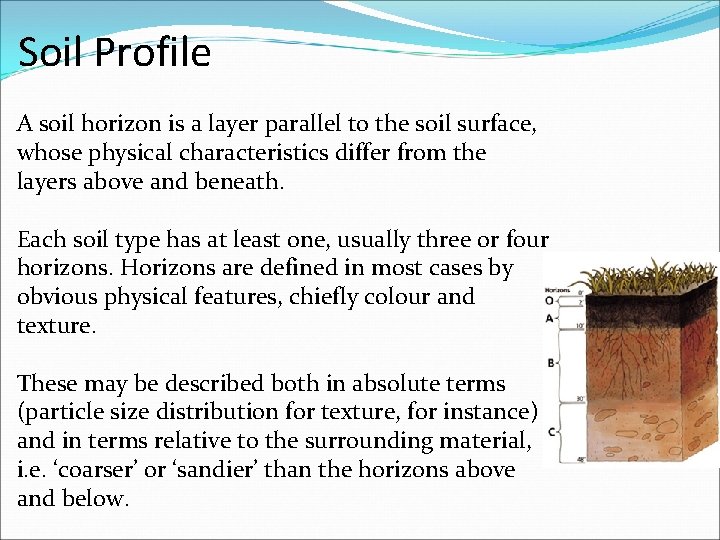
Soil Profile
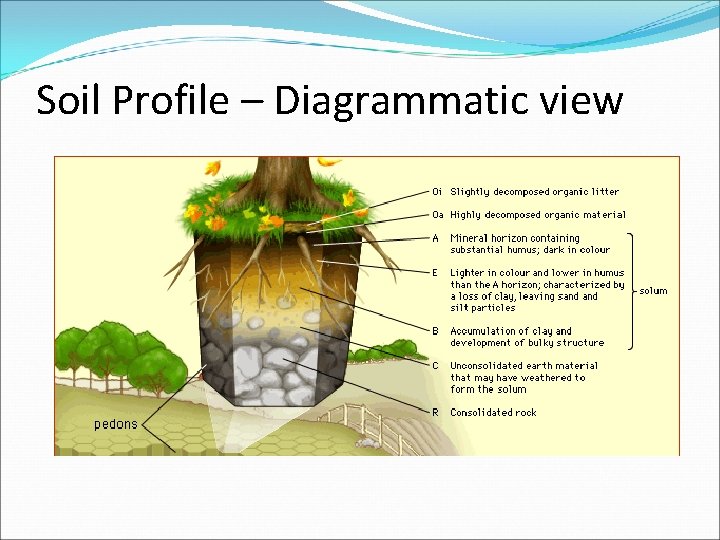
Soil Profile – Diagrammatic view
Soil Profile A soil horizon is a layer parallel to the soil surface, whose physical characteristics differ from the layers above and beneath. Each soil type has at least one, usually three or four horizons. Horizons are defined in most cases by obvious physical features, chiefly colour and texture. These may be described both in absolute terms (particle size distribution for texture, for instance) and in terms relative to the surrounding material, i. e. ‘coarser’ or ‘sandier’ than the horizons above and below.
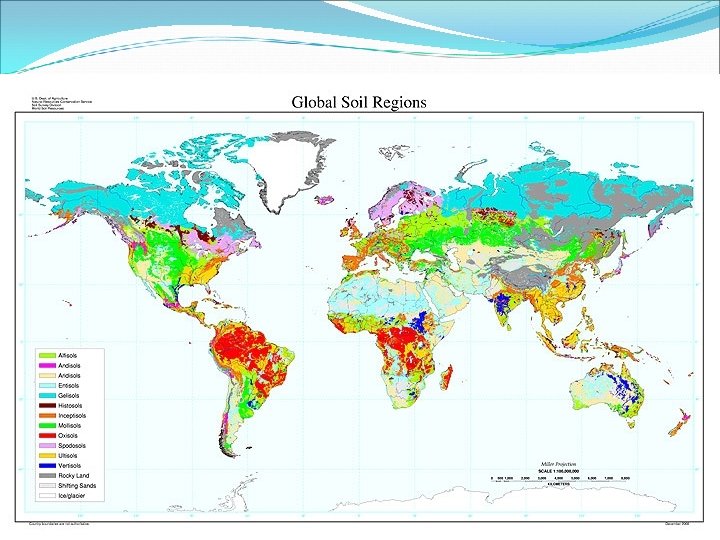
Distribution and Characteristics - World The Twelve Soil Orders ---- Soil Taxonomy In 1975, Soil Taxonomy was published by the United States Department of Agriculture's Soil Survey Staff. This system for classifying soils has undergone numerous changes since that time, and the 2 nd edition was published in 1999. Soil Taxonomy remains one of the most widely used soil classification systems in the world. At the highest level, Soil Taxonomy places soils in one of 12 categories known as orders.
TEXTURE OF SOIL
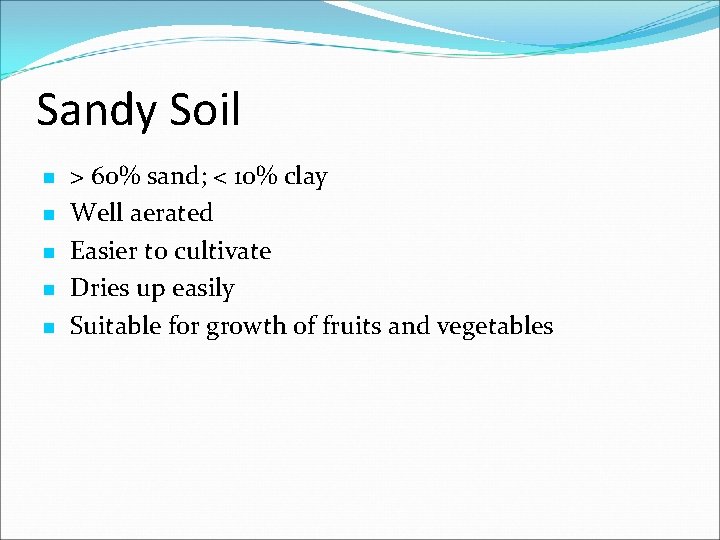
Sandy Soil > 60% sand; < 10% clay Well aerated Easier to cultivate Dries up easily Suitable for growth of fruits and vegetables
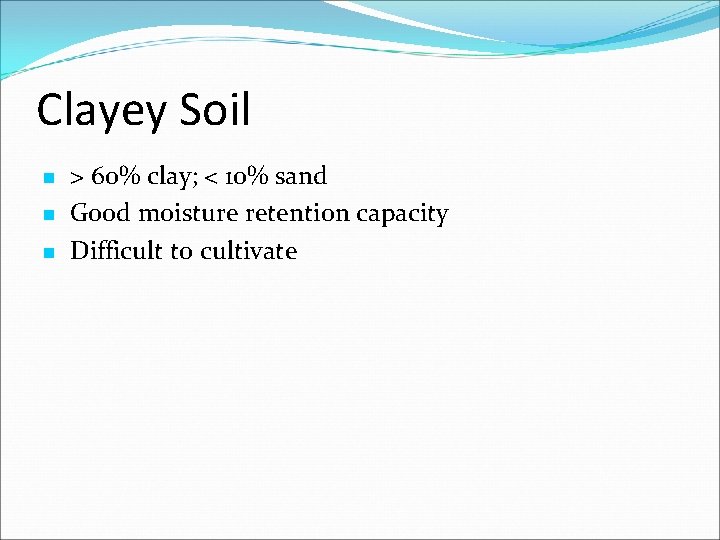
Clayey Soil > 60% clay; < 10% sand Good moisture retention capacity Difficult to cultivate
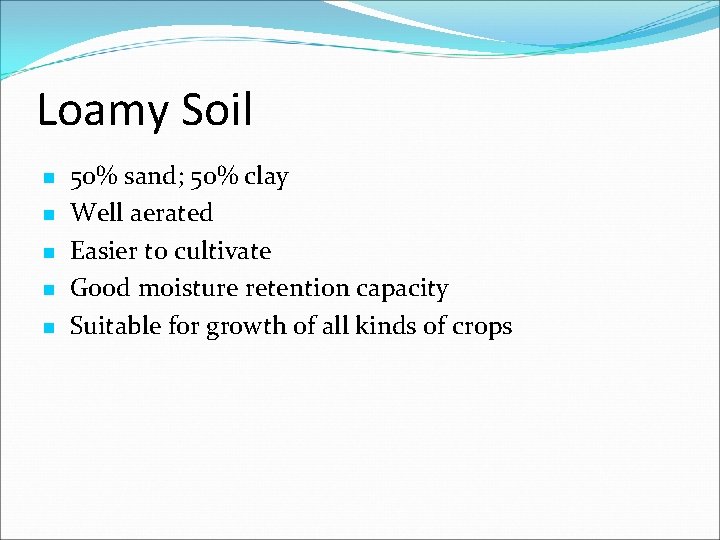
Loamy Soil 50% sand; 50% clay Well aerated Easier to cultivate Good moisture retention capacity Suitable for growth of all kinds of crops
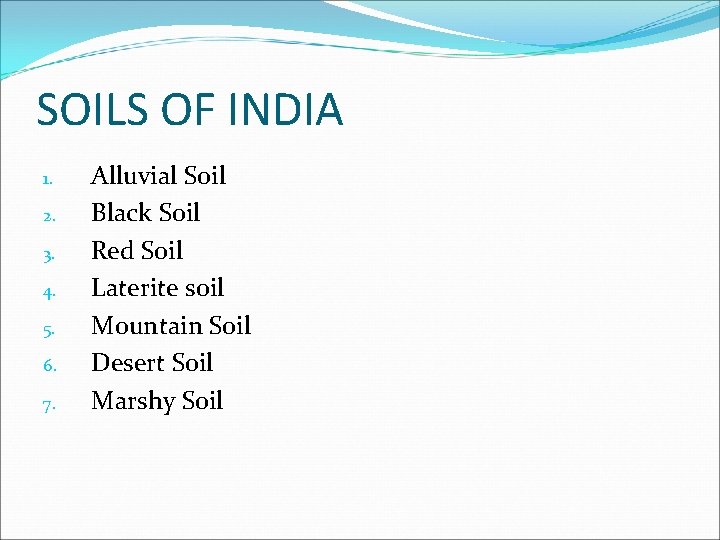
SOILS OF INDIA 1. 2. 3. 4. 5. 6. 7. Alluvial Soil Black Soil Red Soil Laterite soil Mountain Soil Desert Soil Marshy Soil
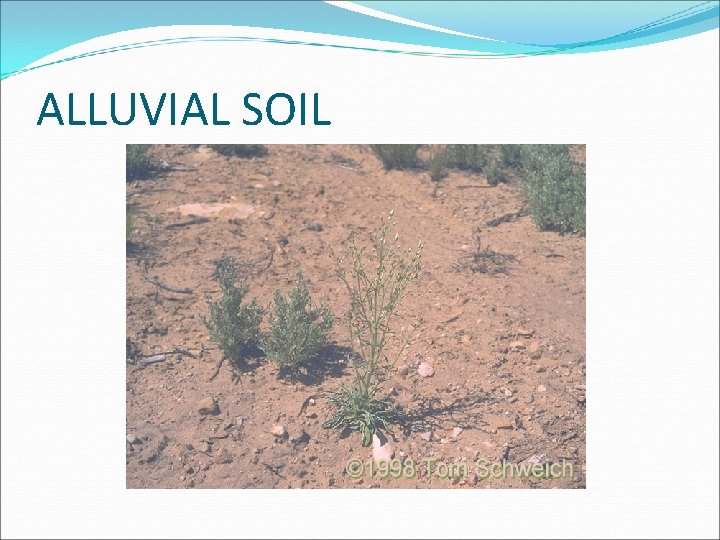
ALLUVIAL SOIL
Alluvial Soil - Occurences Inland Alluvium Deltaic Alluvium Ganga-Brahmaputra Plain Ganga-Brahmaputra Delta Coastal Aluvium Peninsular India, Plains of Gujarat
Alluvial Soil - Types Khadar Bhangar
Alluvial Soil - Characteristics Formed due to deposition of regolith brought by rivers; transported soil Coarse in the upper course, medium in the middle course and fine in the lower course
Alluvial Soil - Characteristics Rich in Potash, Alumina and Lime Poor in Nitrogen and Phosphorus Suitable for growing all kinds of crops
Black Soil - Occurences Deccan Plateau Maharashtra Karnataka Andhra Pradesh Madhya Pradesh Saurashtra & Kutch
Black Soil - Characteristics Black colour due to presence of Iron Formed due to in situ weathering of basalt; sedentary soil Clayey in nature Good moisture retention capacity Difficult to cultivate
Black Soil - Characteristics Rich in LIMCAP Poor in Nitrogen and Phosphorus Good for growth of cotton, sugarcane, groundnut, tobacco, etc.
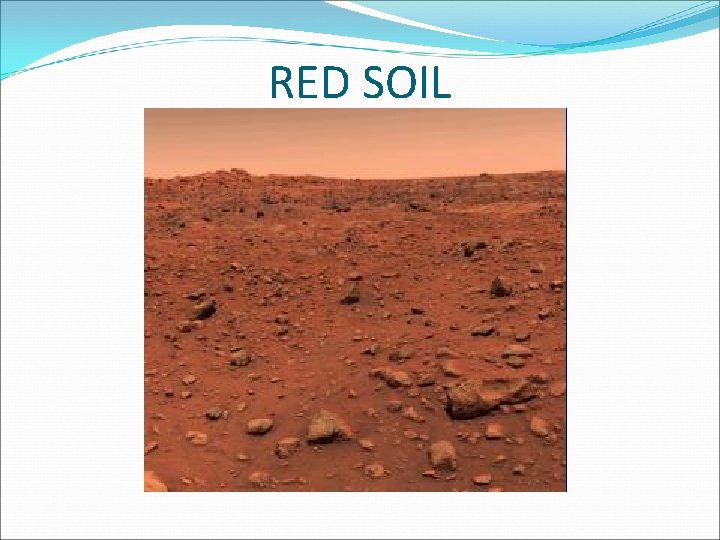
RED SOIL
Red Soil - Occurences Tamil Nadu Inland Kerala Karnataka Andhra Pradesh Orissa Chhota Nagpur Plateau
Red Soil - Characteristics Forms due to weathering of older metamorphic and igneous rocks Sedentary Soil May be brown, greyish or blackish in colour Good moisture retention capacity
Red Soil - Characteristics Rich in Iron Poor in lime, phosphorus and nitrogen Can be cultivated with the use of fertilisers Suitable for dry farming Pulses, Rice, Cotton etc can be grown
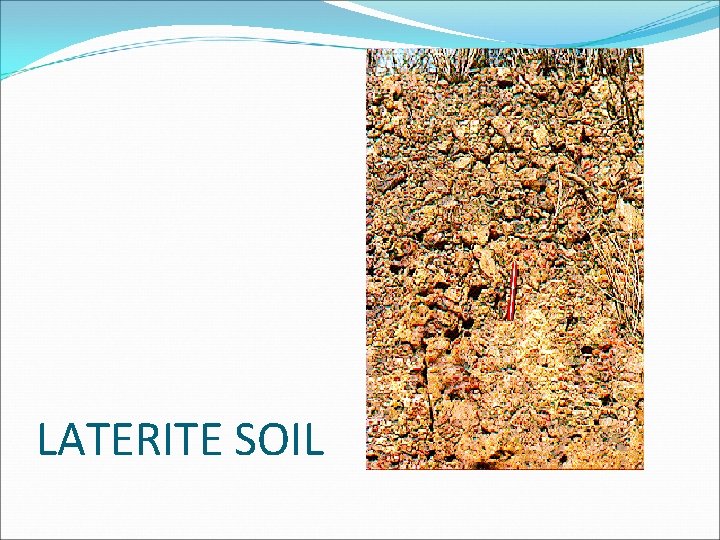
LATERITE SOIL
Laterite Soil - Occurrences Hilly regions of Western Ghats Kerala Chhota Nagpur Plateau Assam Meghalaya
Laterite Soil - Characteristcs Formed due to leaching of essential silicates by heavy rain Acidic in nature
Laterite Soil - Characteristics Due to leaching Lime and silica are reduced Iron and Alumina proportion increases Reddish to yellowish in colour Poor in Nitrogen and Phosphorus Coffee, Rubber, Cashewnuts can be cultivated
Mountain Soil - Occurence Jammu & Kashmir Sikkim Assam Arunachal Pradesh
Mountain Soil - Characteristics Immature Soil Contain large pieces of regolith which are not well mixed with humus Highly porous and permeable Rich in Iron and Humus Poor in lime and potash Apples, plums, cherries etc can be grown
Desert Soil - Occurrences Western Rajasthan Northern Gujarat Southern Punjab
Desert Soil - Characteristics Transported Soil Formed due to erosion and deposition of sand Alkaline in nature Contains high proportion of salts Very little humus Millets, wheat, etc can be grown with the use of fertilisers and irrigation
Marshy Soil Found in Sunderbans of West Bengal Coastal areas of Orissa, Andhra Pradesh and Tamil Nadu Terai belt of U. P. Constantly waterlogged Contains iron and salts Good for cultivation of jute
End of Presentation Source – USGS, National Geographic, Wikipedia, Britannica, TERI and Educational Sites Reference books Indian Weather and Climate