
Soil texture The soil textural triangle The delicacy



- Slides: 19
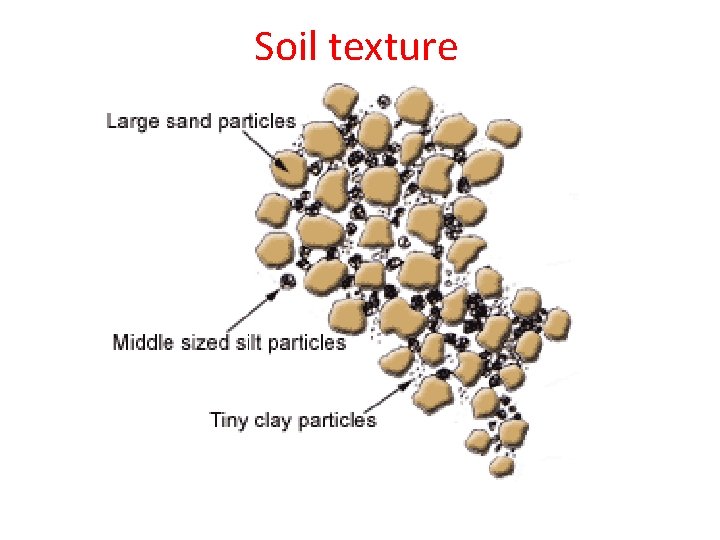
Soil texture
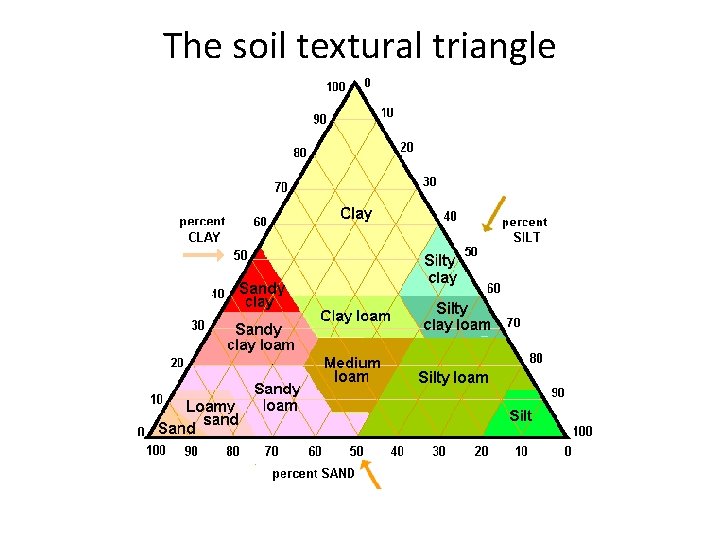
The soil textural triangle
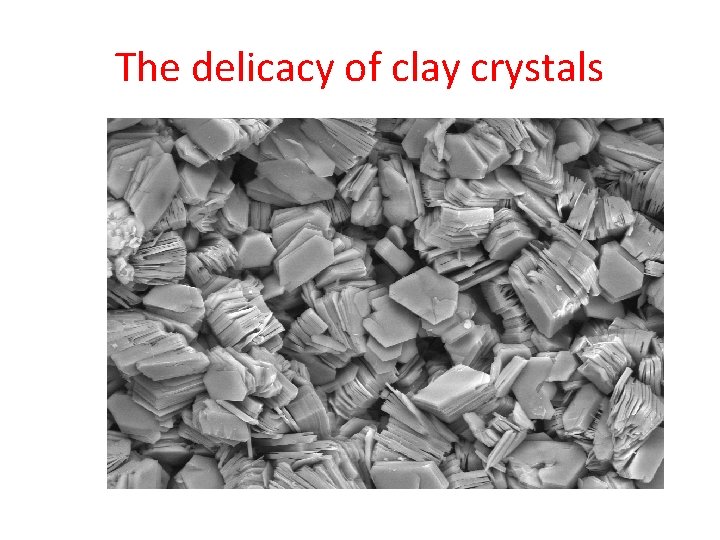
The delicacy of clay crystals
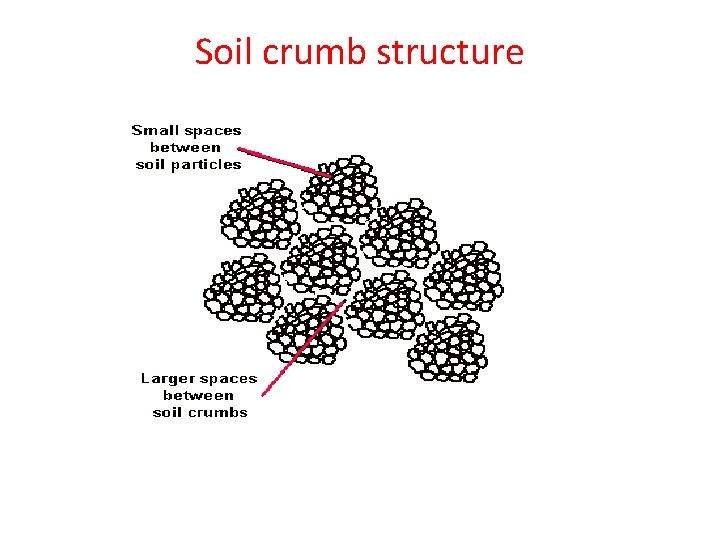
Soil crumb structure
Do not abuse clay! • Add plenty of organic matter • Avoid over-cultivation especially rotary cultivation • Use lime of gypsum to improve structure • Use green manure or mulch to cover the surface • Encourage earthworms
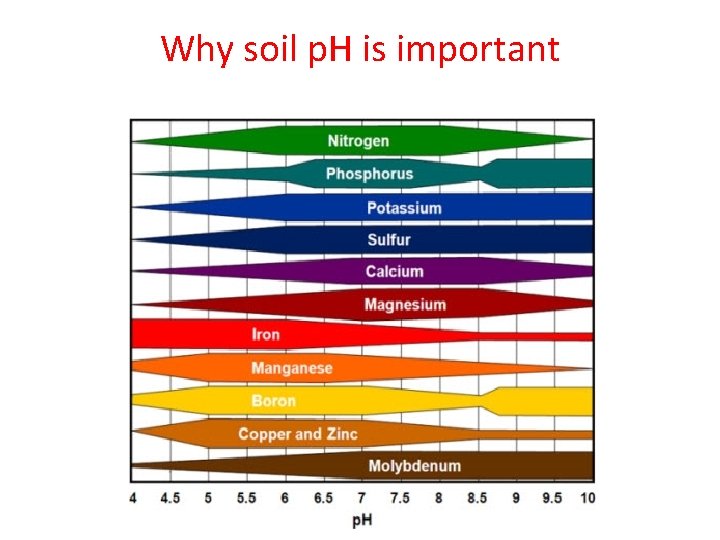
Why soil p. H is important
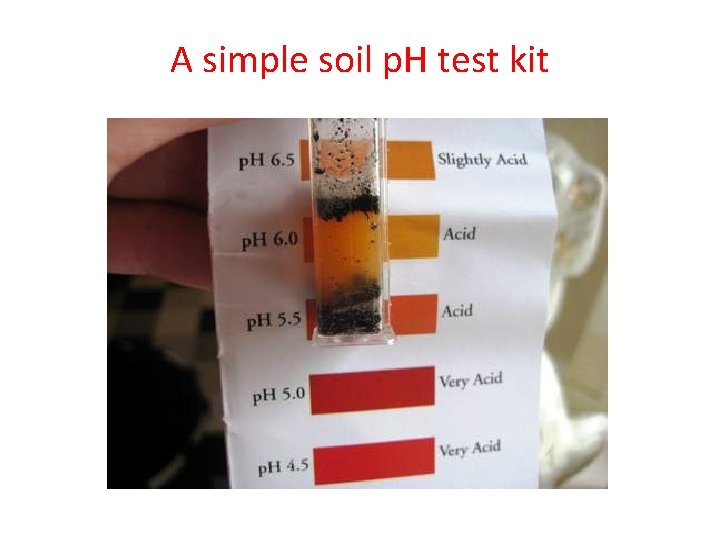
A simple soil p. H test kit
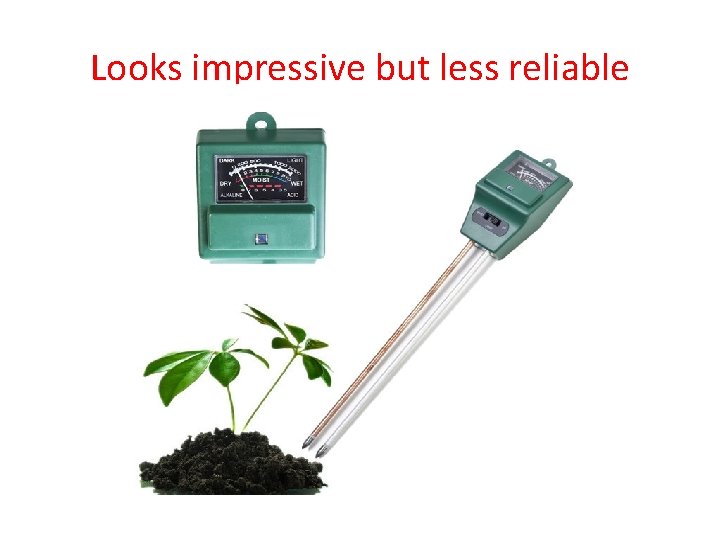
Looks impressive but less reliable
Accurate but can be expensive
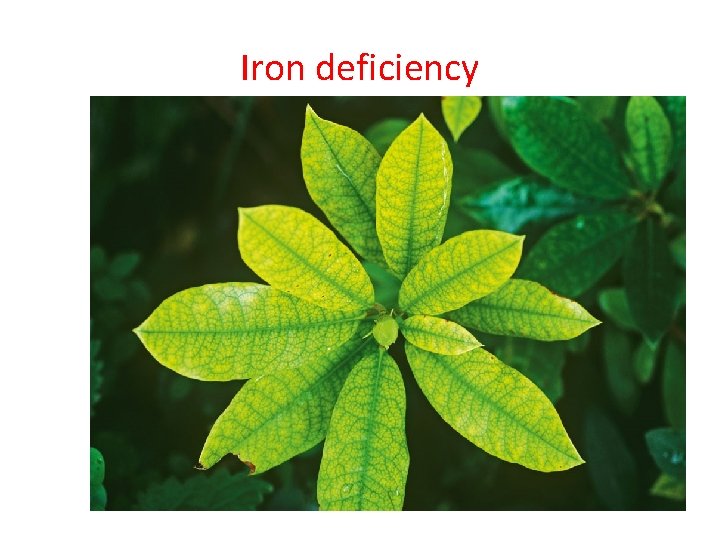
Iron deficiency
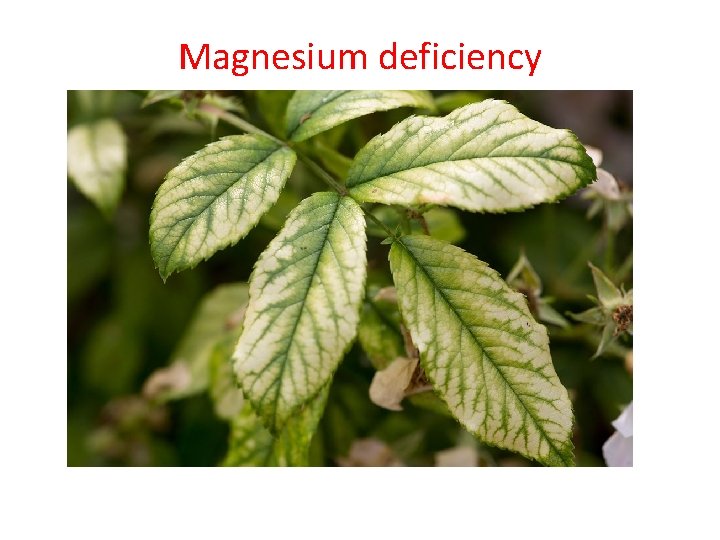
Magnesium deficiency
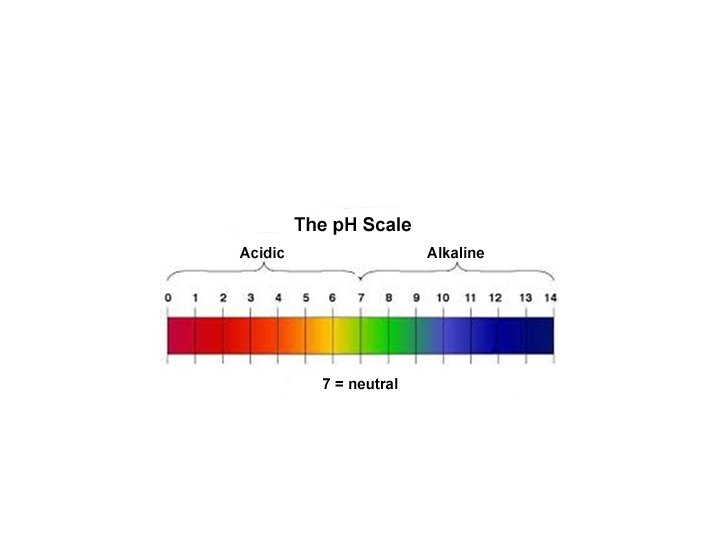
Lowering p. H • This may be necessary when growing acid loving plants such as Rhododendrons on neutral or alkaline soils. • Treatment usually has a limited effect and must be repeated. • Acidifying materials include Ammonium sulphate, Sulphur and pine needles.
Raising p. H • This may be necessary to achieve the optimal p. H so that fertilisers work effectively. • May help to discourage club root of brassicas • Hydrated lime and ground limestone commonly used. • Always modify p. H after testing the soil p. H using reliable test equipment.
Phosphorus • Associated with promoting root growth and seed germination but also has a vital role in processes involving energy exchange. • Bone meal and superphosphate of lime are popular sources. • Concern has been raised about the sustainability of Phosphorus fertilisers.
Nitrogen • Promotes leaf and shoot growth • Excess can cause frost damage and susceptibility to disease • Usually does not last long in the soil and is washed out by rain • Taken up as Nitrate but supplied as Ammonia and Urea as well
Potassium (K) • Promotes flowering and fruiting • Can increase hardiness and disease resistance such as rose blackspot. • Excess can prevent the uptake of Magnesium
Micronutrients or trace elements • Needed in small amounts but perform vital functions. • Include Iron, Calcium, Magnesium, Molybdenum, Boron and Copper.
Types of fertiliser • • Organic Synthetic Fast, slow and controlled release Solid Liquid Foliar General purpose Specialist