
Soil Testing Katy Tara Heather Soil Testing determines
- Slides: 17
Soil Testing Katy, Tara, & Heather
Soil Testing determines what kind of fertilizer is necessary to produce the best product.
There are four major soil groups: n Sandy Soils n Loamy Soils n Fine textured clayey Soils, high in organic matter n Fine textured Clayey soils from the Central Black belt Region
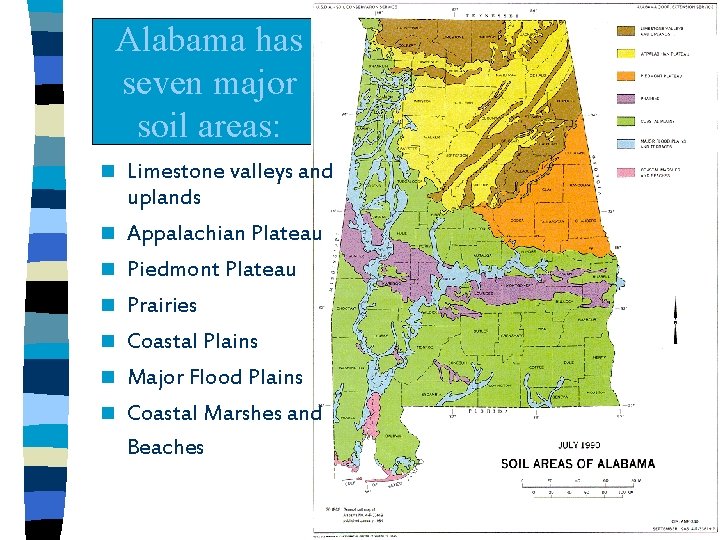
Alabama has seven major soil areas: n n n n Limestone valleys and uplands Appalachian Plateau Piedmont Plateau Prairies Coastal Plains Major Flood Plains Coastal Marshes and Beaches
Coastal Plains n Coffee County is located in the coastal plains. n In this region soil is either loamy or clayey subsoil and sandy loam surface layers.
Soil Testing n. Soil Testing determines the amount of minerals and the p. H level of the soil.
Step 1: Take your sample!
Tools needed n Soil test probe or shovel n Bucket n Soil test box n Soil test mailing box
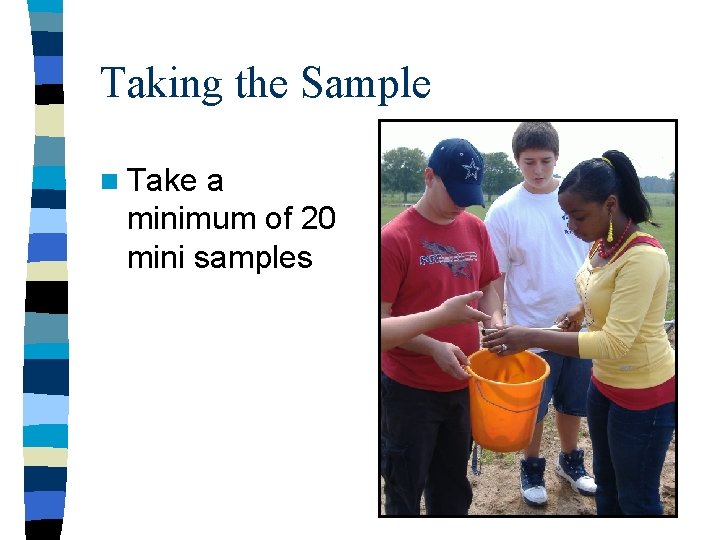
Taking the Sample n Take a minimum of 20 mini samples
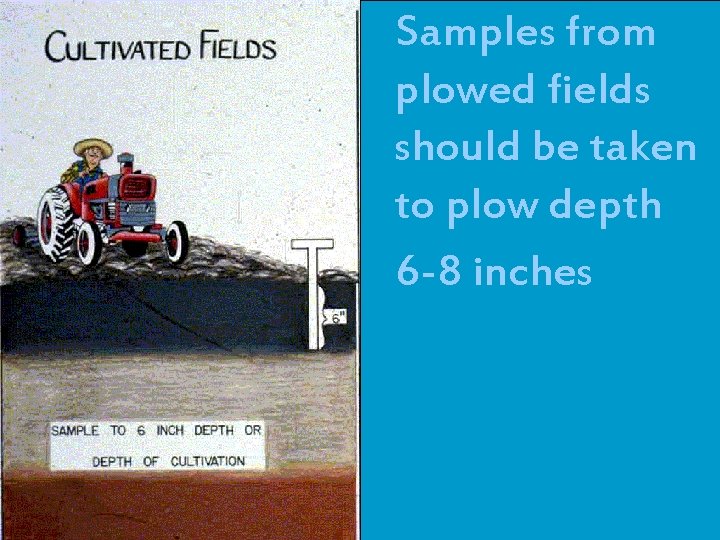
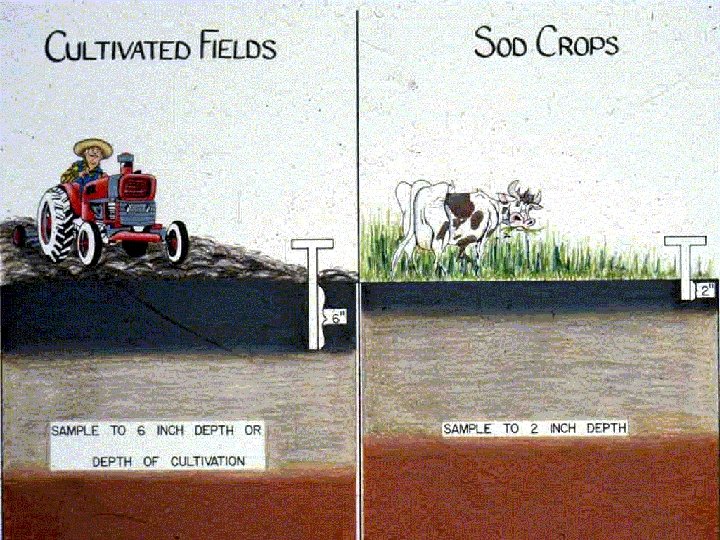
n. Samples from plowed fields should be taken to plow depth n 6 -8 inches
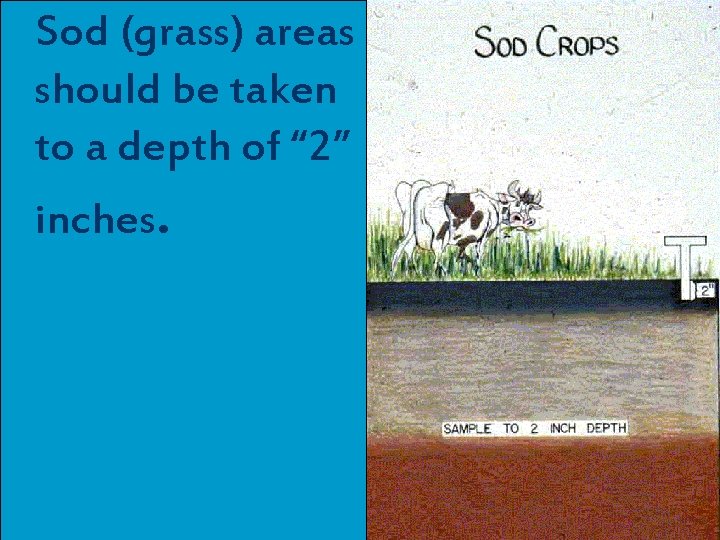
n. Sod (grass) areas should be taken to a depth of “ 2” inches.
Step 2: Analyze your sample!
n. Chemical extraction and testing procedure n. The procedures used must be correlated to plant growth and nutrient uptake in Alabama.
Step 3: Use your results!
n. When you receive a soil test report, you must make decisions about how to use readily available fertilizers or ordering custom blended fertilizer.
The End A friendship can weather most things and thrive in thin soil; but it needs a little mulch of letters and phone calls and small, silly presents every so often- just to save it from dying out completely.