
Soil Testing Civil Engineering and Architecture Unit 4
- Slides: 35
Soil Testing Civil Engineering and Architecture Unit 4 – Site Planning
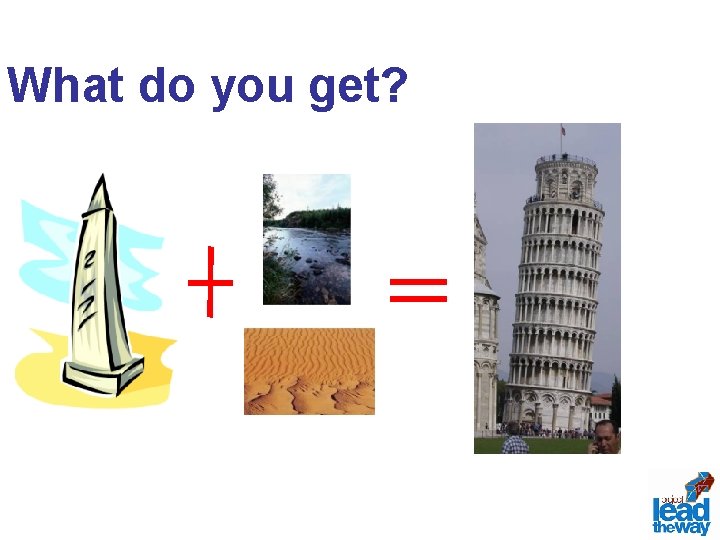
What do you get?
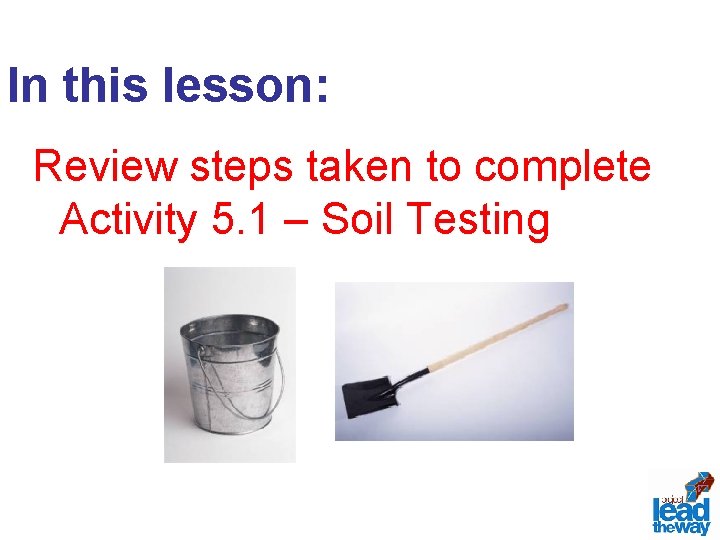
In this lesson: Review steps taken to complete Activity 5. 1 – Soil Testing
Lesson 5. 1 – Soil Testing Click here to obtain Act. 5. 1 – Soil Testing
Equipment Needed Sample of soil 2 mason jars with tops 5 gallon pail Water Mixing bowl A 2’ x 2’ metal pan and rubber mallet Sieve collection Triple-beam balance or Digital Scale
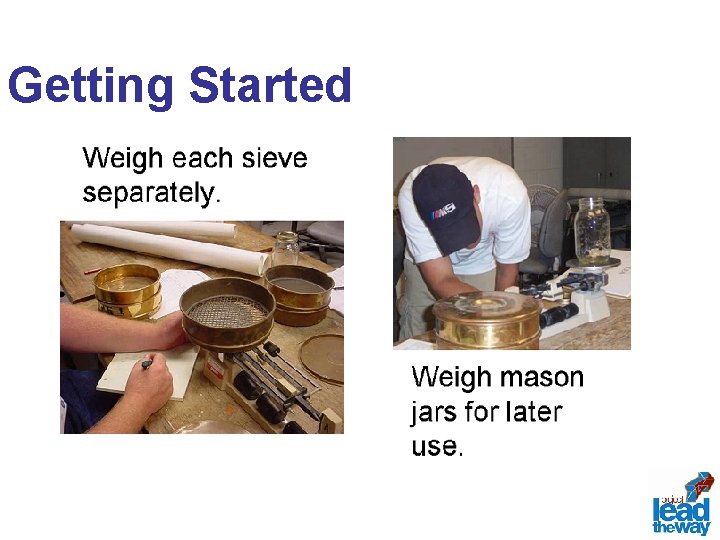
Getting Started
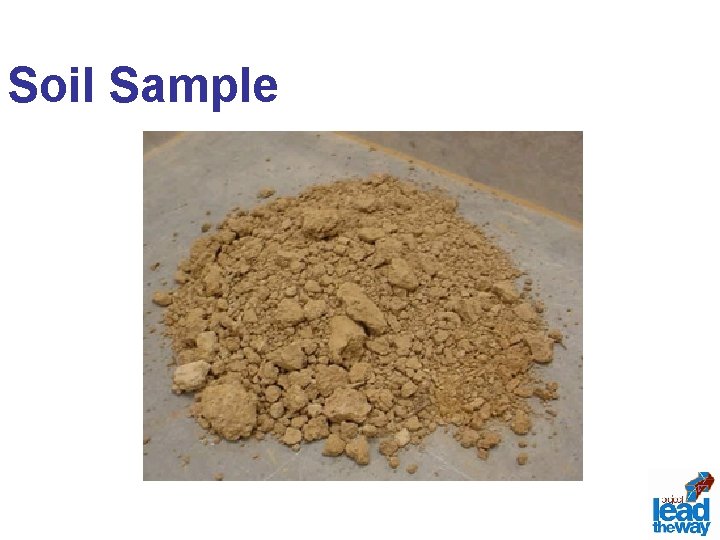
Soil Sample
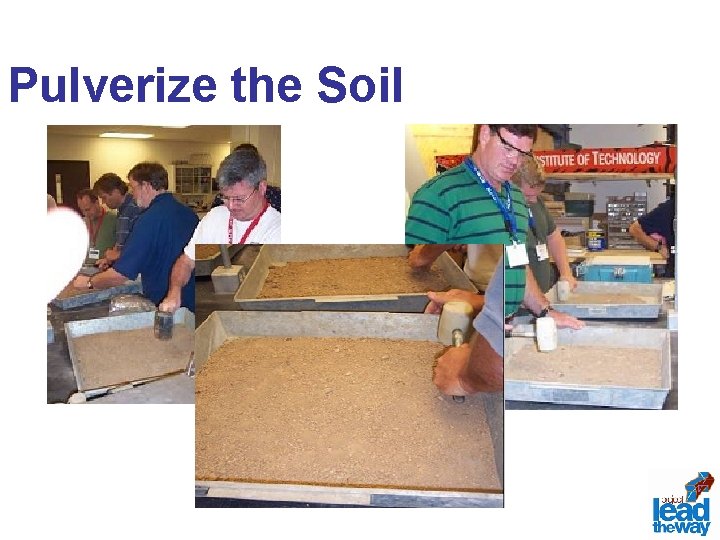
Pulverize the Soil
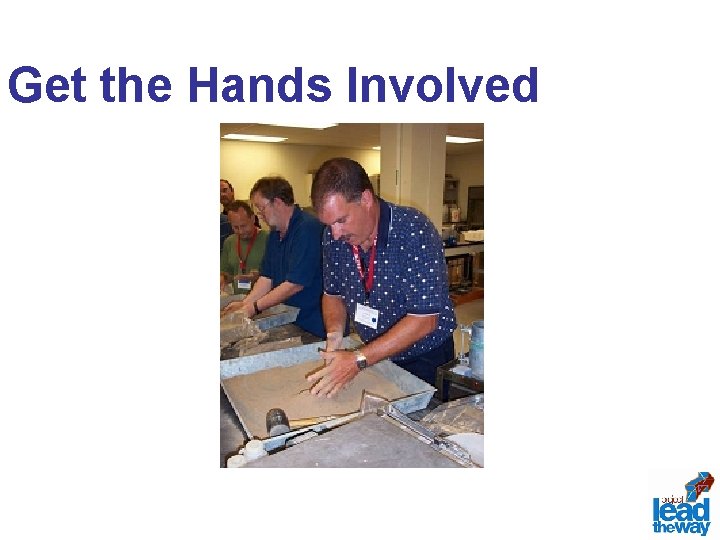
Get the Hands Involved
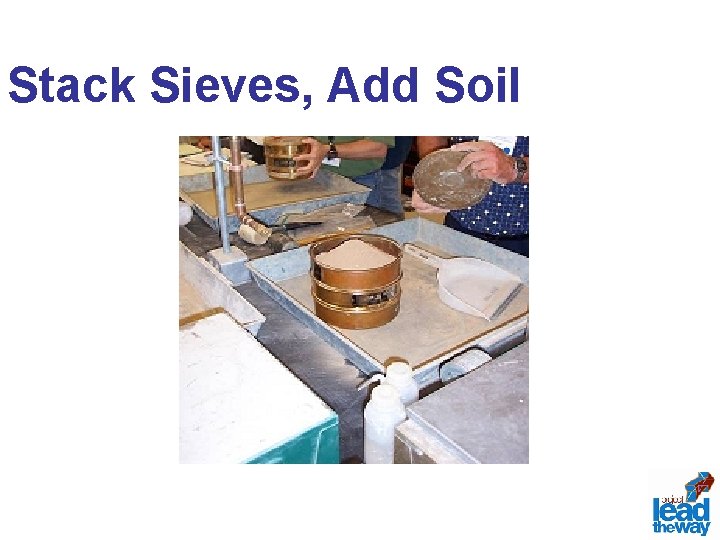
Stack Sieves, Add Soil
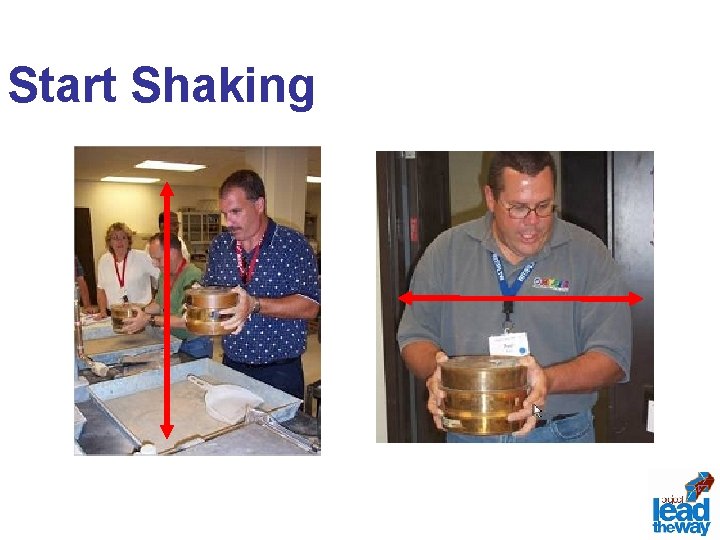
Start Shaking
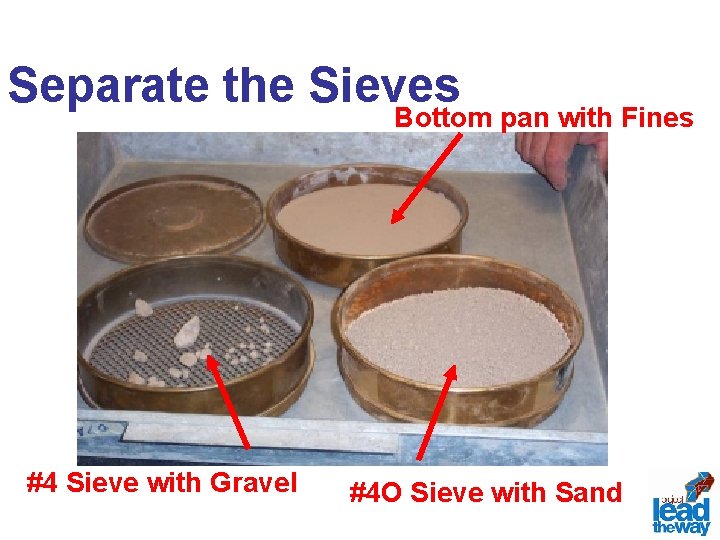
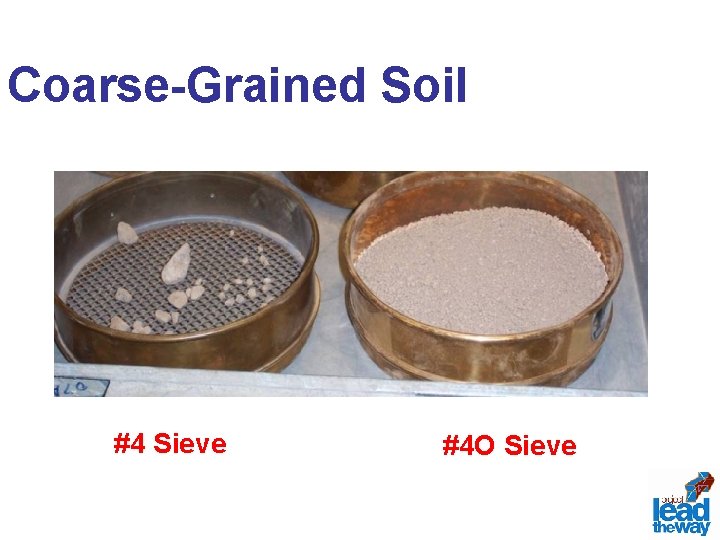
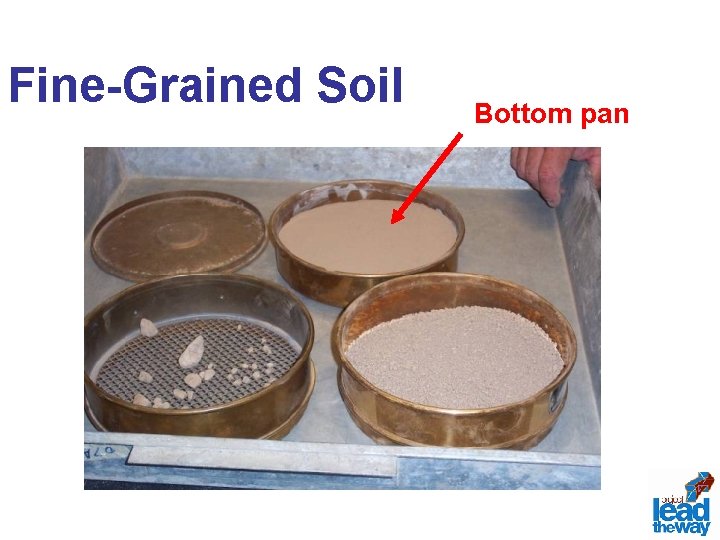
Separate the Sieves Bottom pan with Fines #4 Sieve with Gravel #4 O Sieve with Sand
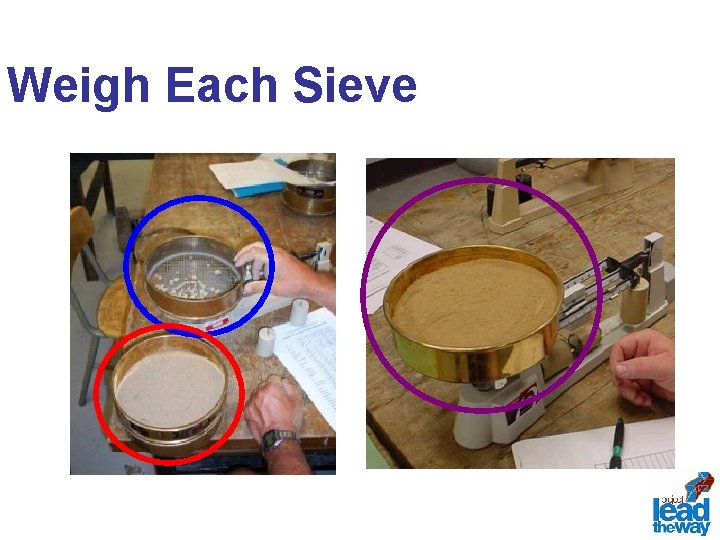
Weigh Each Sieve
Sieve Analysis Results Professional Development Lesson ID Code: 8007
Coarse-Grained Soil #4 Sieve #4 O Sieve
Fine-Grained Soil Bottom pan
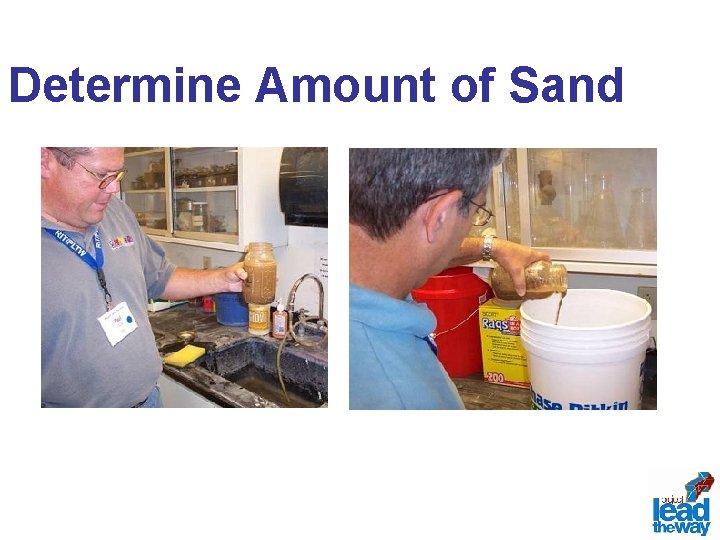
Determine Amount of Sand
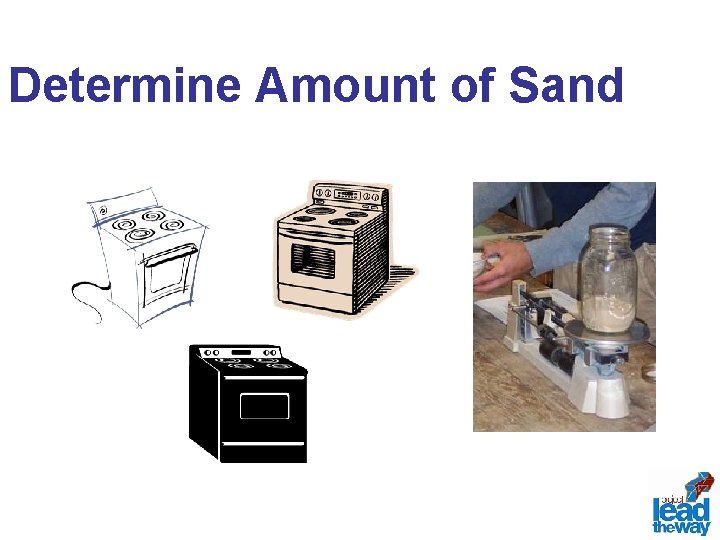
Determine Amount of Sand
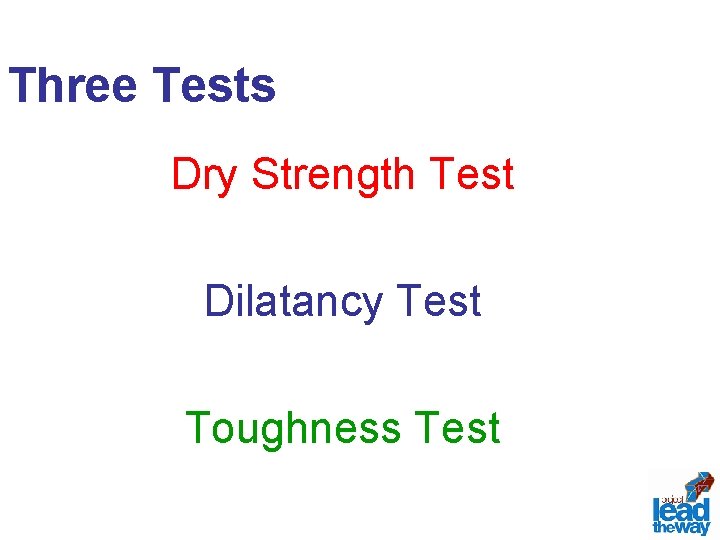
Three Tests Dry Strength Test Dilatancy Test Toughness Test
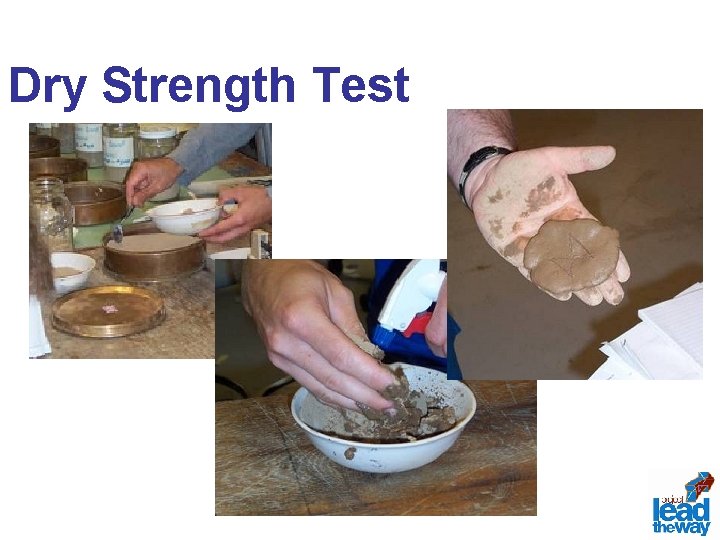
Dry Strength Test
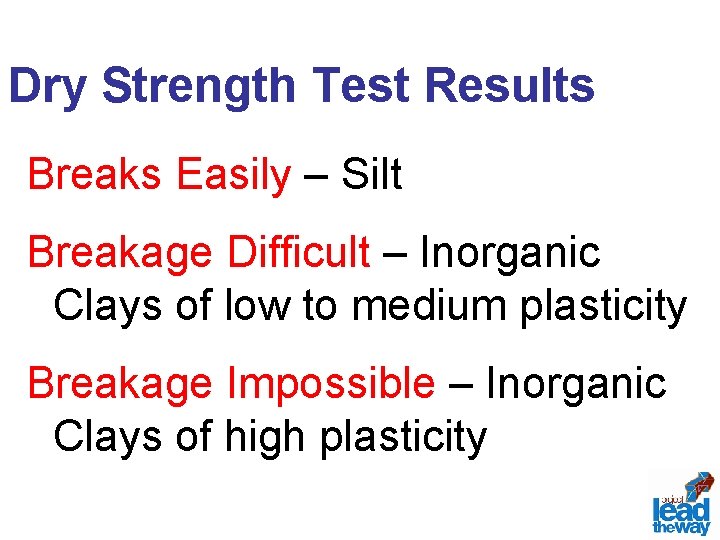
Dry Strength Test Results Breaks Easily – Silt Breakage Difficult – Inorganic Clays of low to medium plasticity Breakage Impossible – Inorganic Clays of high plasticity
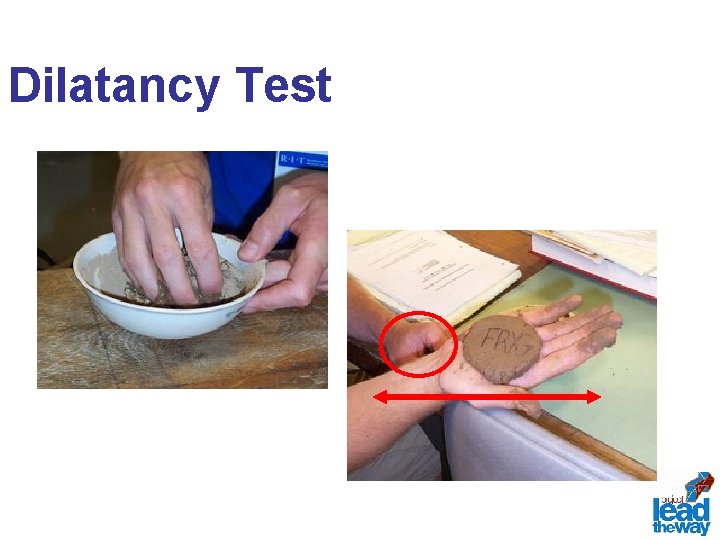
Dilatancy Test
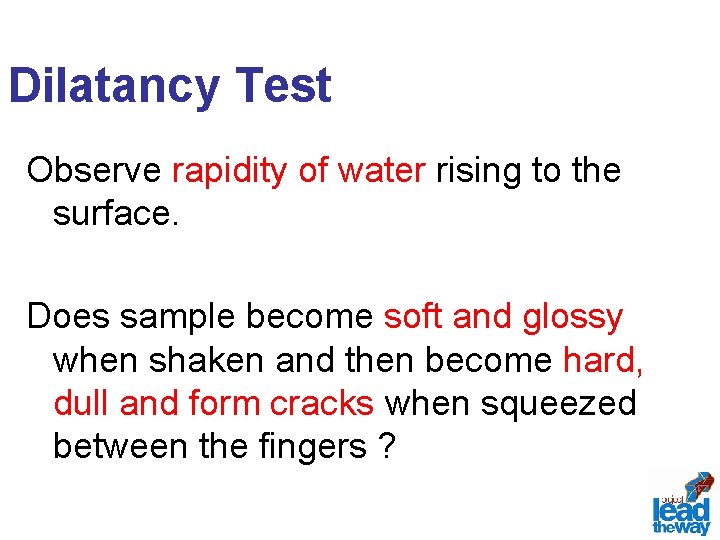
Dilatancy Test Observe rapidity of water rising to the surface. Does sample become soft and glossy when shaken and then become hard, dull and form cracks when squeezed between the fingers ?
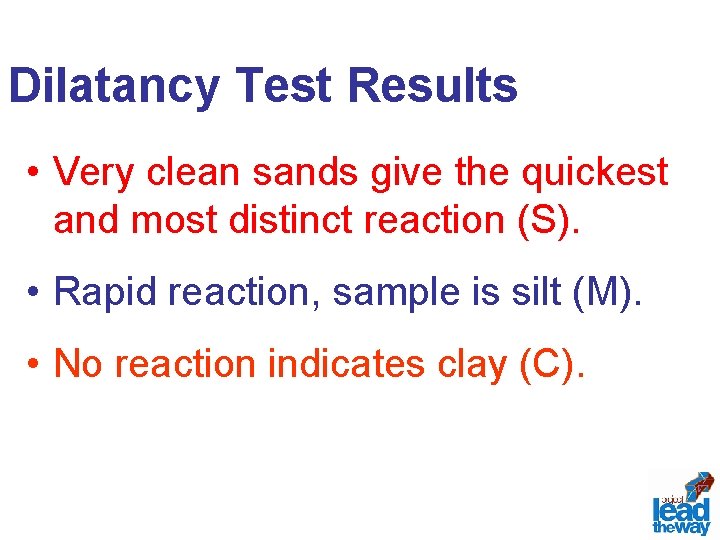
Dilatancy Test Results • Very clean sands give the quickest and most distinct reaction (S). • Rapid reaction, sample is silt (M). • No reaction indicates clay (C).
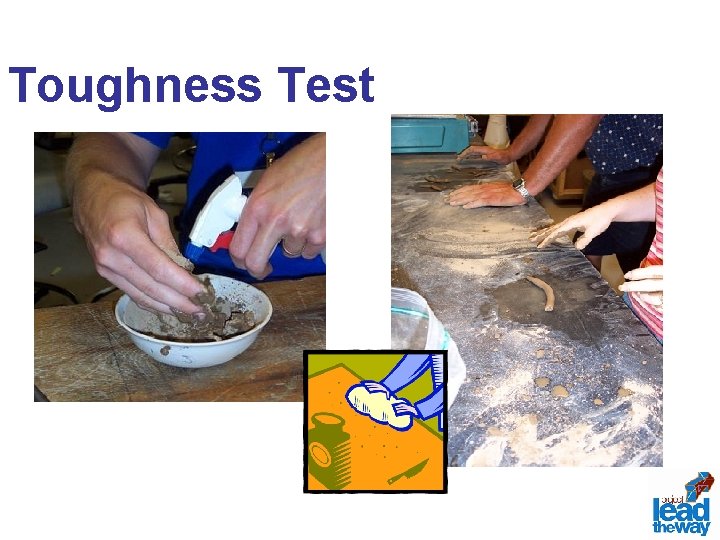
Toughness Test
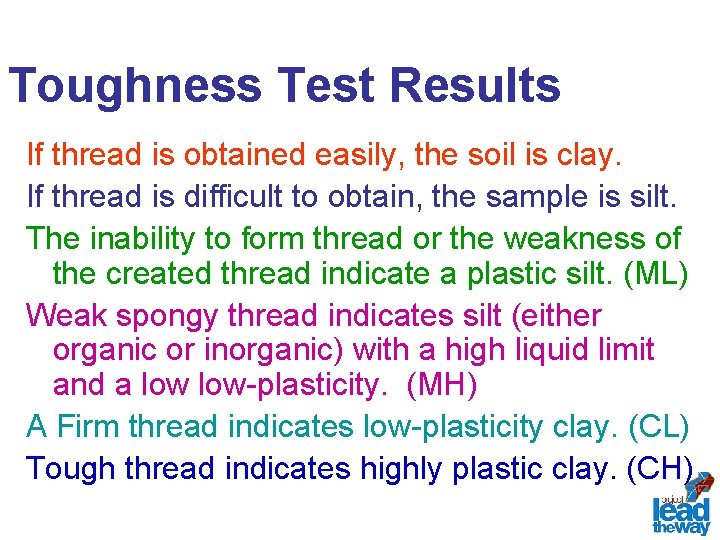
Toughness Test Results If thread is obtained easily, the soil is clay. If thread is difficult to obtain, the sample is silt. The inability to form thread or the weakness of the created thread indicate a plastic silt. (ML) Weak spongy thread indicates silt (either organic or inorganic) with a high liquid limit and a low-plasticity. (MH) A Firm thread indicates low-plasticity clay. (CL) Tough thread indicates highly plastic clay. (CH)
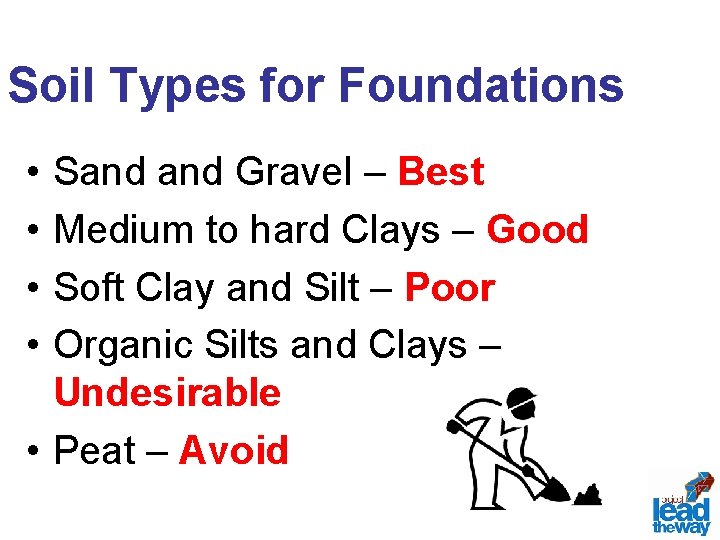
Soil Types for Foundations • • Sand Gravel – Best Medium to hard Clays – Good Soft Clay and Silt – Poor Organic Silts and Clays – Undesirable • Peat – Avoid
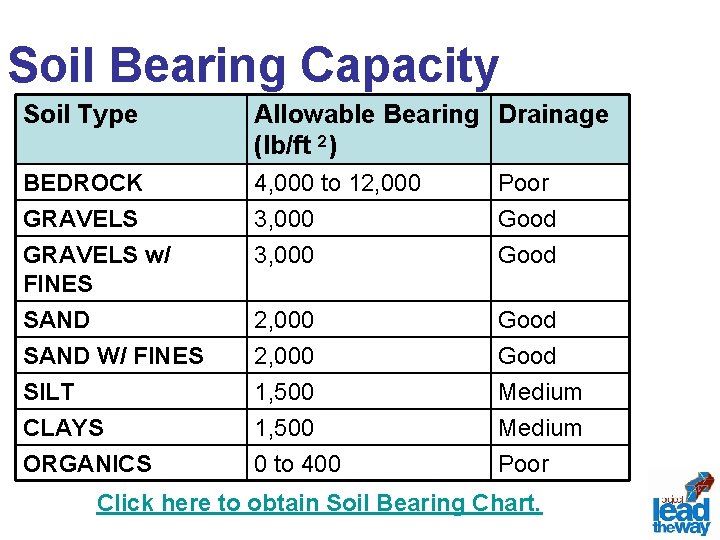
Soil Bearing Capacity Soil Type Allowable Bearing Drainage (lb/ft 2) BEDROCK GRAVELS 4, 000 to 12, 000 3, 000 Poor Good GRAVELS w/ FINES SAND W/ FINES SILT CLAYS ORGANICS 3, 000 Good 2, 000 1, 500 0 to 400 Good Medium Poor Click here to obtain Soil Bearing Chart.
Soil Preparation • Compaction • Bring in “Engineered Fill” • Blast
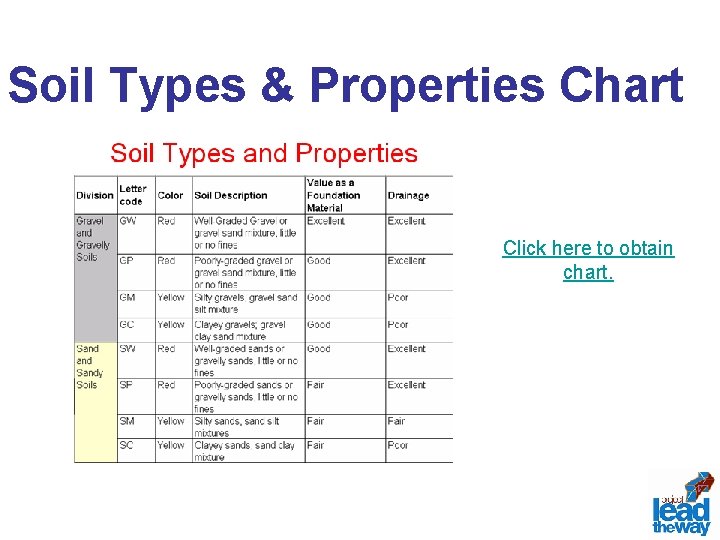
Soil Types & Properties Chart Click here to obtain chart.
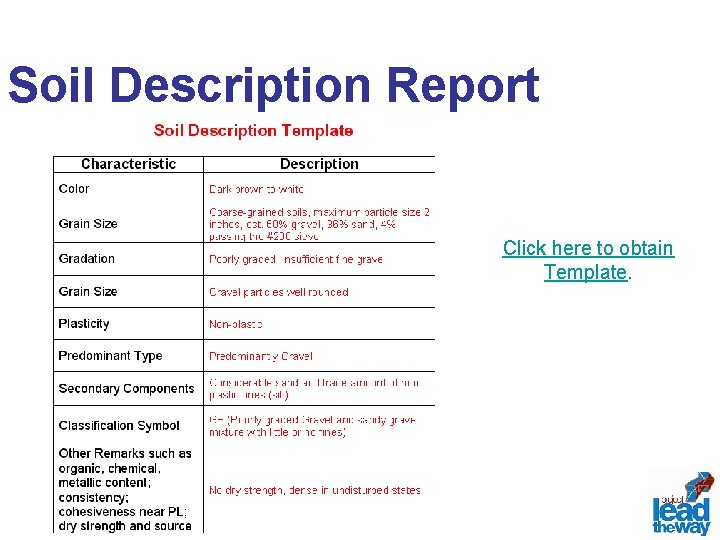
Soil Description Report Click here to obtain Template.
Curriculum Alignment: Unit 4 – Site Planning Lesson 4. 5 – Site Grading Act. 5. 1 – Soil Testing
References: Guthrie, P. (2003). Architects Portable Handook: First Step Rules of Thumb for Building Design. New York, NY: Mc. Graw-Hill Lindeburg, M. R. (1994). Civil Engineering Reference Manual, 9 th ed. Belmont, CA: Professional Publications, Inc. Sowers, G. F. (1979). Introductory Soil Mechanics and Foundations: Geotechnical Engineering. New York, NY: Macmillan Publishing
References: US Army Unified Soil Classification System. Retrieved August 5, 2004, website: http: //www. adtdl. army. mil/cgibin/atdl. dll/fm/5 -472/apb. pdf US Army Corps of Engineers (1953). The Unified Soil Classification System. US Army Technical Memorandum, No. 3 -357
Credits: Writer: Constance Bertucci Content Editor: Donna E. Scribner Narration: Donna E. Scribner PLTW Editor: Ed Hughes Production: CJ Amarosa Video Production: CJ Amarosa Audio: CJ Amarosa Project Manager: Donna E. Scribner