
Sociology Chapter 3 Section 4 Beliefs and Material
Sociology Chapter 3 Section 4: Beliefs and Material Culture

Beliefs and Physical Objects • Nonmaterial Culture- involves beliefs, ideas, and knowledge.
• Material culture – how we relate to physical objects.
• Values, norms, knowledge, ideas (nonmaterial), and physical objects (material) make up a culture.

Why do beliefs matter? • Belief – ideas about the nature of reality. • Can be true or false. • The Romans believed Caesar Augustus to be a god.

• Tanala, a hill tribe of Madagascar, believed that the souls of their kings passed into snakes.

• Many Germans believed that pictures of Hitler on their walls would prevent the walls from crumbling during bombing raids.
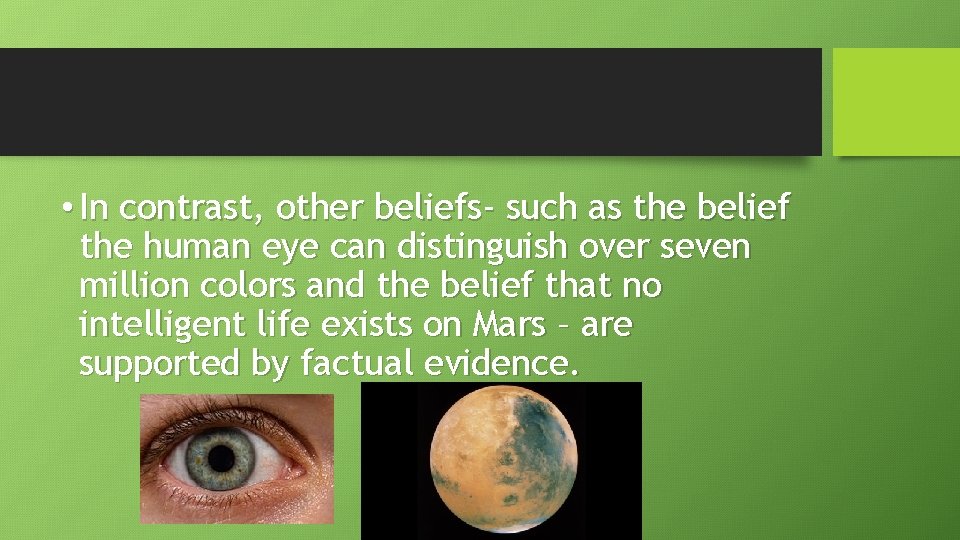
• In contrast, other beliefs- such as the belief the human eye can distinguish over seven million colors and the belief that no intelligent life exists on Mars – are supported by factual evidence.
• Beliefs are important because people base their behavior on what they believe, regardless of how true or false the beliefs are.
What is material culture? • Consists of the concrete tangible objects with a culture – automobiles, basketballs, chairs, highways, and art. • Physical objects have no meaning or use apart from the meanings people give them.

• Combinations of physical objects • Newspaper and pepper – “Nettling”
How is material culture related to nonmaterial culture? • 747 jet is used for traveling. • 747 downed jet in a remote jungle could be used as a place of worship.
• The meanings of physical objects are based on the beliefs, norms, and values people hold with regard to them.
Ideal and Real Culture • Ideal culture – refers to cultural guidelines publicly embraced by members of a society. • Real culture- refers to actual behavior patterns which often conflict with these guidelines.

• Value of America’s ideal culture – honesty. • In real culture, honesty is not always practiced.
• Ideal culture provides high standards. • These ideals are targets that most people attempt to reach most of the time. • Ideal culture also permits the detection of deviant behavior.
- Slides: 16