
Social Reconstruction Ideology Curriculum Theory Conflicting Visions and


- Slides: 27
Social Reconstruction Ideology Curriculum Theory: Conflicting Visions and Enduring Concerns Lacy Freeman Kevin Johnson Matthew Short
Pre- assessment 1. Basic definition of Social Reconstruction: 2. How can S. R. be utilized within classrooms? 3. Positives and negatives:
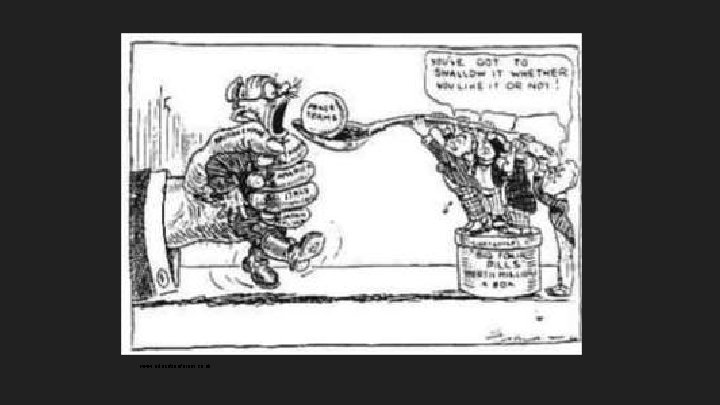
Non-Example The main causes of World War II: • Treaty of Versailles • Japanese expansion • Fascism • Hitler and the Nazi Party • Appeasement • Great Depression
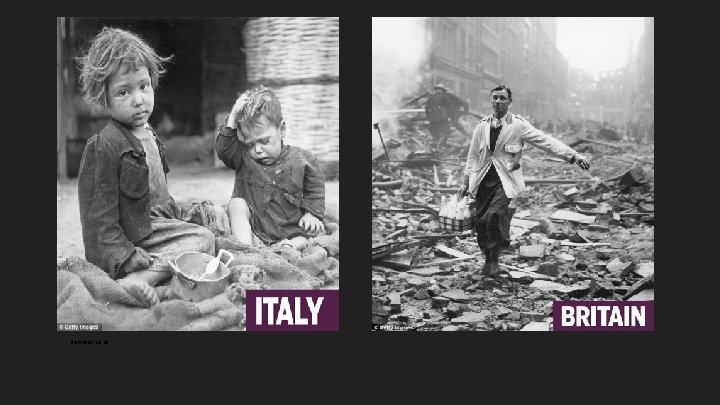
Social Reconstruction Example The main causes of World War II
www. educationforum. co. uk
dailymail. co. uk
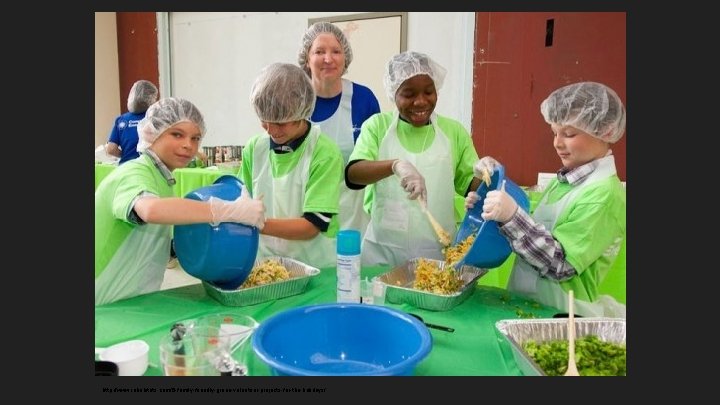
http: //www. inhabitots. com/6 -family-friendly-green-volunteer-projects-for-the-holidays/
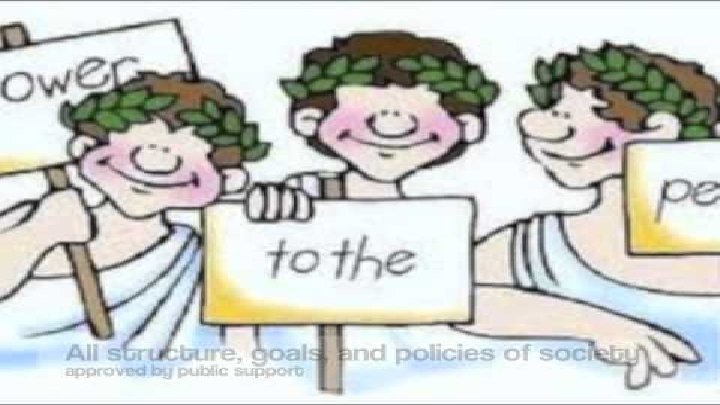
What is Social Reconstruction Ideology?
Overview • • Based on the idea that existing societies are imperfect Provides us with a social perspective on education Is a social process that’s influenced by cultural factors Education should be used for transformation to a new society –Just –Moral –Satisfying –Empowering
Goals of Social Reconstruction • Education should not be used as a way of fixing the flaws within our society • To build a better, more just society through education
Highlander Folk School • Founded by Myles Horton in 1932 • Social Reconstructionist School that educated members of the labor movement to be social activists. • Students had to actively participate in the labor movement so they could have real experiences to apply to their education • Students shared their personal experiences to create an understanding of the social crises which affected them. • Student were educated on how to affect change.
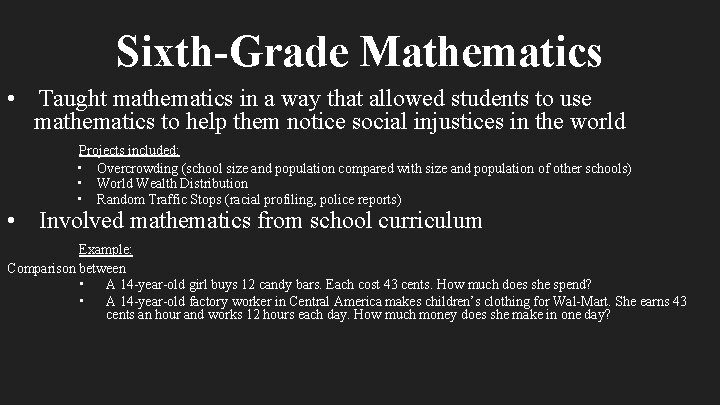
Sixth-Grade Mathematics • Taught mathematics in a way that allowed students to use mathematics to help them notice social injustices in the world Projects included: • Overcrowding (school size and population compared with size and population of other schools) • World Wealth Distribution • Random Traffic Stops (racial profiling, police reports) • Involved mathematics from school curriculum Example: Comparison between • A 14 -year-old girl buys 12 candy bars. Each cost 43 cents. How much does she spend? • A 14 -year-old factory worker in Central America makes children’s clothing for Wal-Mart. She earns 43 cents an hour and works 12 hours each day. How much money does she make in one day?
Historical Perspective • During the Great Depression, Progressive educators set out to reform education by calling for a social reconstruction curriculum • Progressives believed that schools could be structured in a new way, and, in turn, encouraged students as future citizens to reconstruct society.
• Advocates John Dewey – His philosophy is based on the problems of: • Women's suffrage • Progressive education • Educator's rights • Humanistic movement • World peace – Influenced Theodore Brameld's educational philosophy
Aim • Students learn to take ownership, invest in their work/world, and learn content through real life situations.
Child • Children are the product of society and social actors • Children are born helpless. –At birth they are neither good nor bad, just a bundle of potential. • Children are primarily members of a social group.
Learning • A mindset of social constructivism • Based on what someone already knows about the world – Becomes meaningful only when it can be accommodated by a person's overall interpretation of reality • Learning is a social act not an individual one. • Takes place in classrooms and communities through language. • Requires the interaction of learners with their outside environment • Curriculum should be based on the cultural resources that the students bring with them to school.
Teaching • The purpose of teaching is to: – Reconstruct society – Stimulate students to reconstruct themselves – Teach how to contribute to the reconstruction of society • Helping students construct a set of meaningful structures so that when they encounter social problems they can: – Analyze and understand them – Formulate a vision for a better society – Act in a way to eliminate these problems
Knowledge • Knowledge is: –Socially constructed –Culturally mediated –Historically situated –Interconnected with values –Meaning and value applied to sensory data. • Contributes to the attainment of a better future society • Found in both individuals and societies. • Members of a society create the knowledge they possess.
Evaluation • Social Reconstructionist use subjective evaluations rather than formal objective evaluations during curriculum development. • Testing is used to control students, teachers, and schools rather then monitor them. • More control is given to teachers and students regarding their lives and society.
Concluding Perspective • The Social Reconstruction Ideology has made contributions in: – Introducing the knowledge of the social dimensions for education to our schools – Helping us comprehend education as a social process – Understanding hidden curriculum has enormous influence on learners • We, as educators, must attend to the social, political, and moral values of our students. • This ideology has laid a seed for the ways of thinking, feeling, and acting that help children deal with issues like: –Civil rights –Racial and gender biases –Environmental pollution
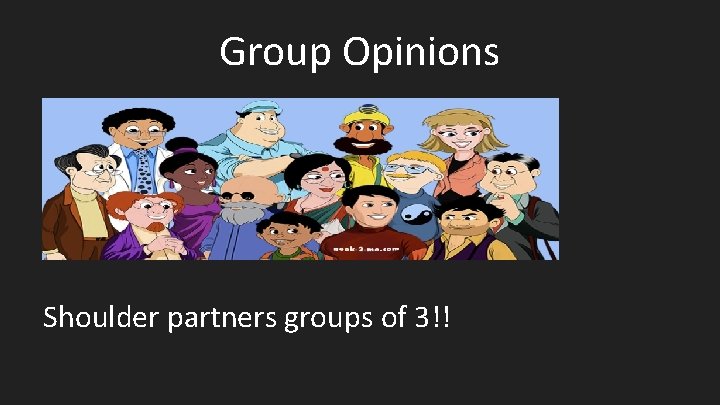
Group Opinions Shoulder partners groups of 3!!
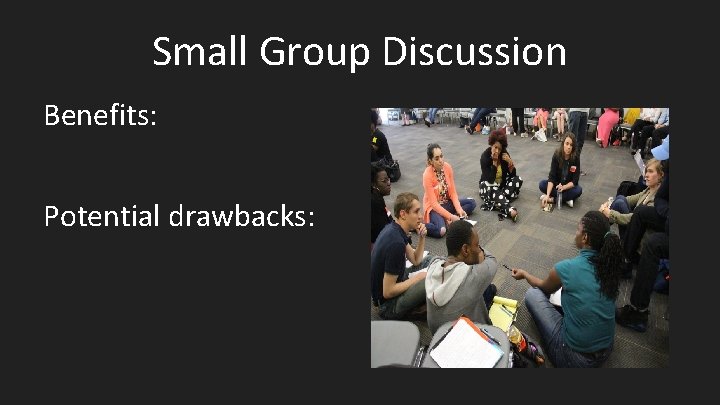
Small Group Discussion Benefits: Potential drawbacks:
Shared Debates Share your group’s ideas about Social Reconstruction.
Survey Link to Google Form: https: //goo. gl/forms/DQj. Bs. GVN 4 Hlf. We. Jb 2
Exit Ticket Revise your original answers on your exit ticket.