
SOCIAL IMPACT OF THE INDUSTRIAL REVOLUTION People Move


- Slides: 30
SOCIAL IMPACT OF THE INDUSTRIAL REVOLUTION
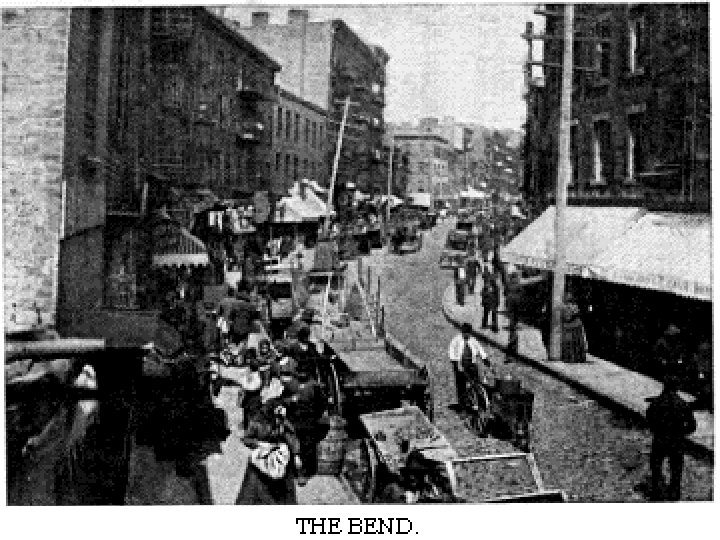
People Move to New Industrial Cities • The Industrial Revolution brought rapid urbanization, or the movement of people to cities.
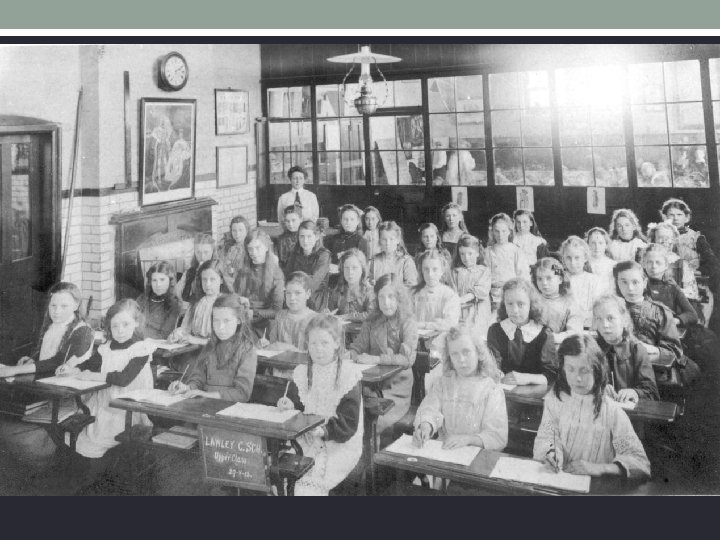
Benefits of Industrialization Ø Ø A New Middle Class Education Health and Sanitation Entrepreneurial Class
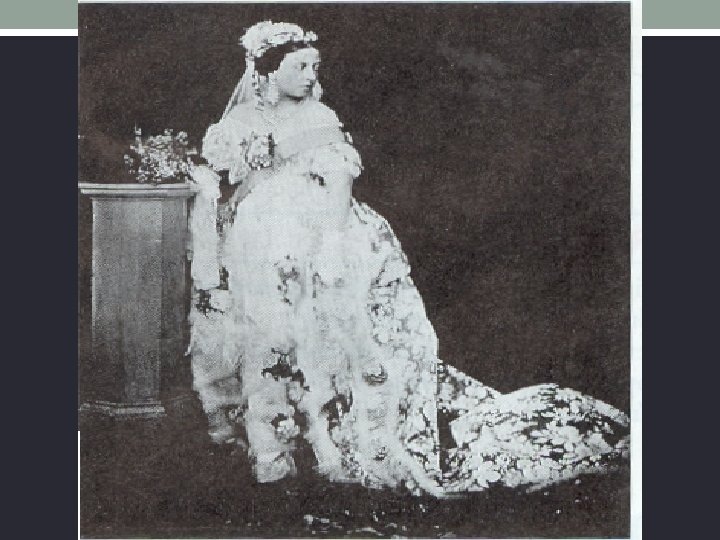
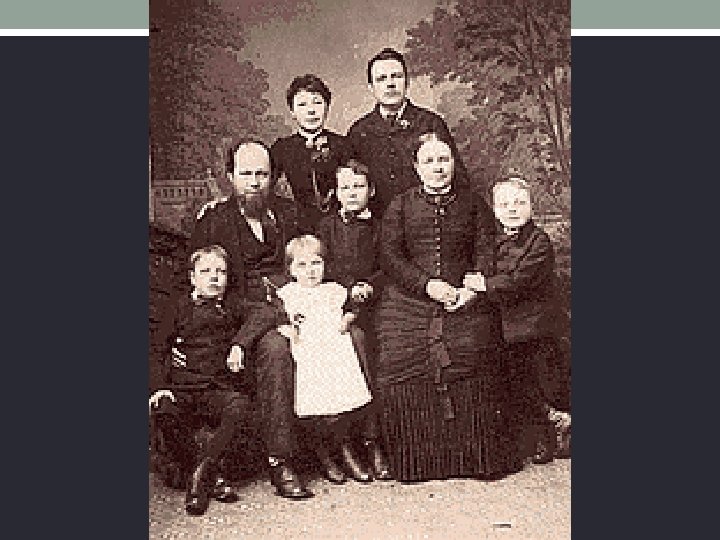
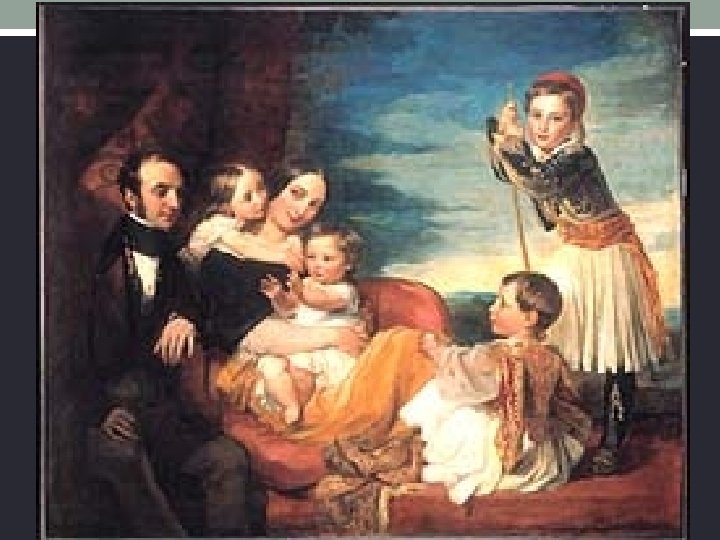
New Social Classes Emerge Industrial Middle Class • Bourgeoisie or “middle class”- whose members came from varied backgrounds.
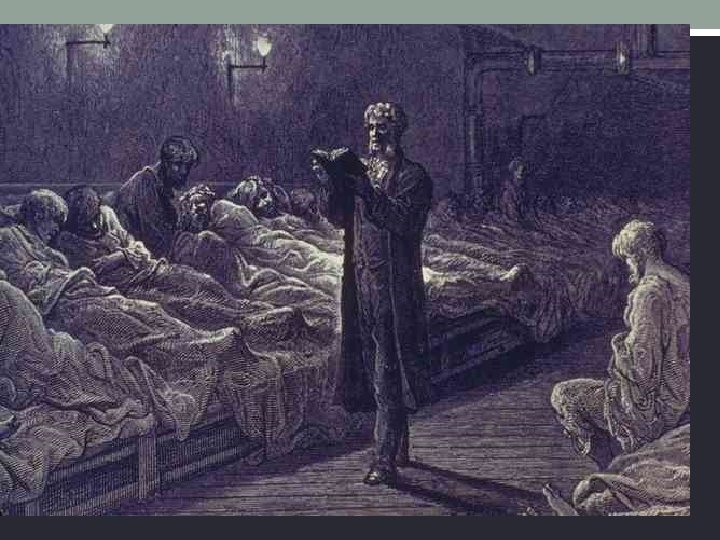
Workers find Comfort in Religion Many working-class people found comfort in a religious movement classed Methodism. Methodist meetings featured hymns and sermons promising forgiveness of sin and a better life to come.
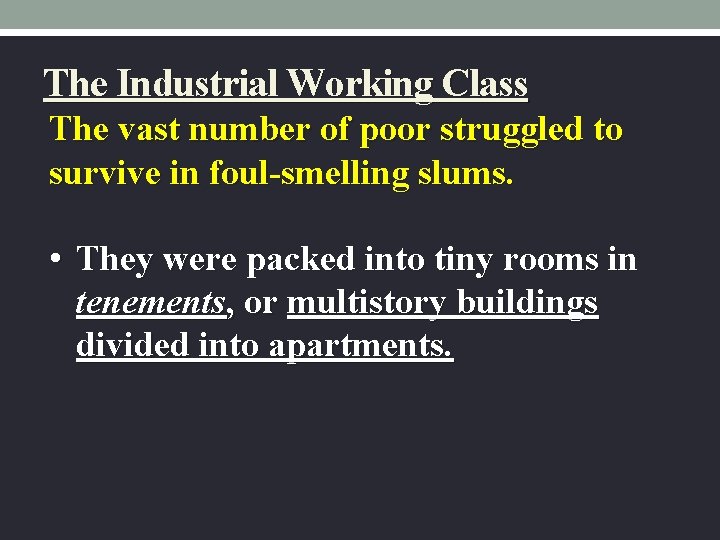
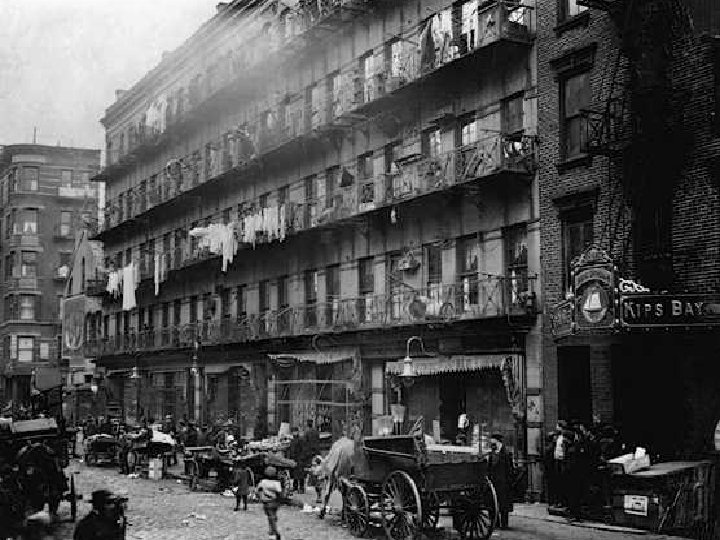
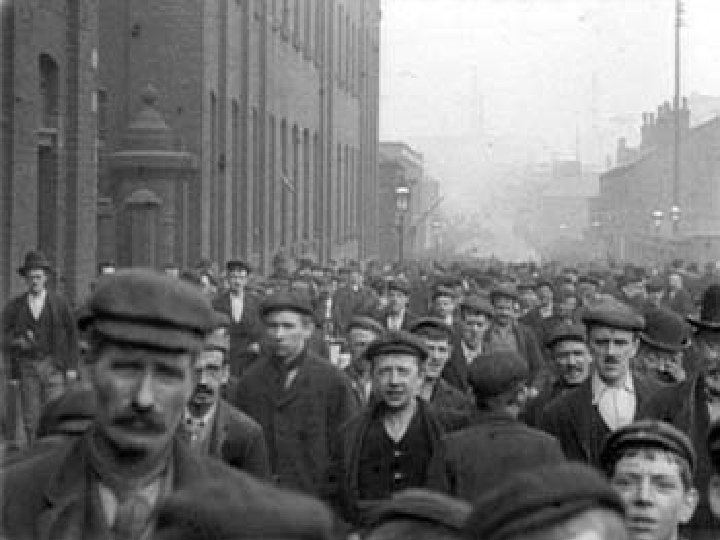
The Industrial Working Class The vast number of poor struggled to survive in foul-smelling slums. • They were packed into tiny rooms in tenements, or multistory buildings divided into apartments.
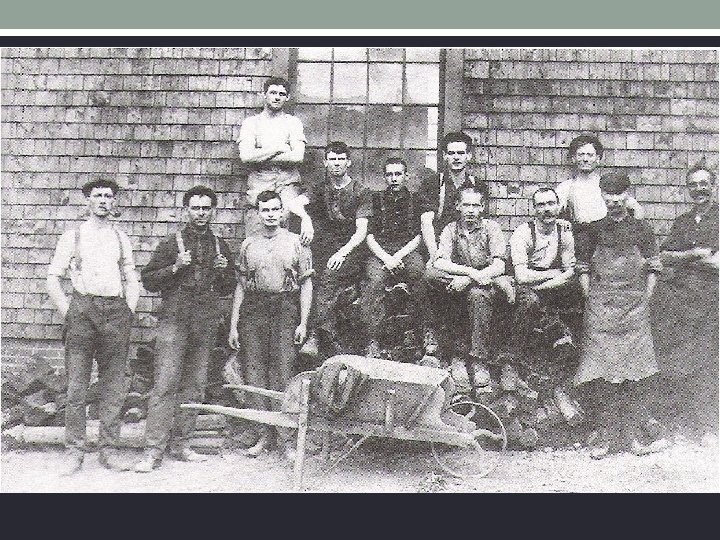
Workers Stage Protests Labor unions, or workers organizations, were illegal at this time, however secret unions did exist. (Britain). ØThey wished to initiate worker reforms, such as increase pay, but had no political power to effect change.
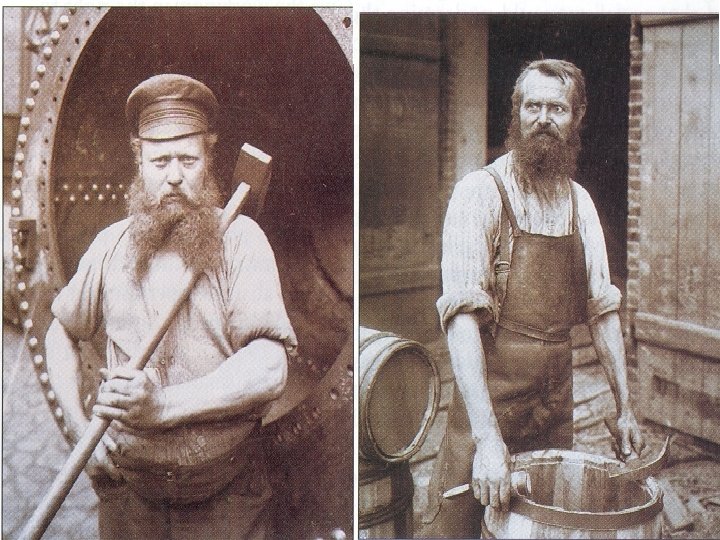
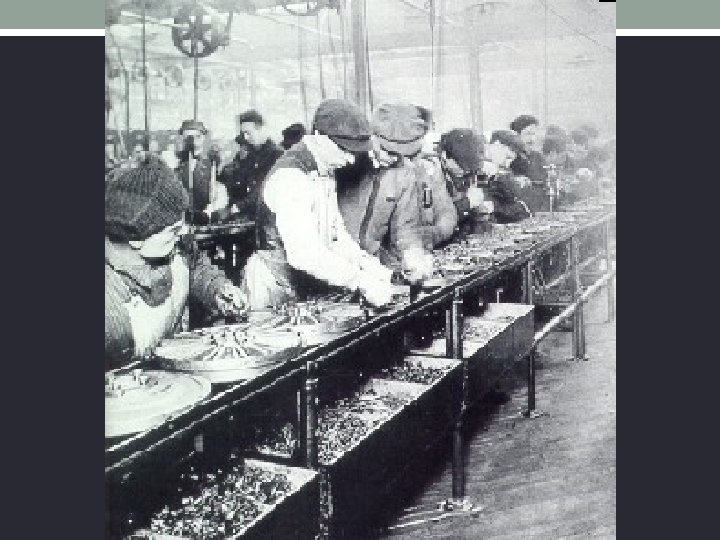
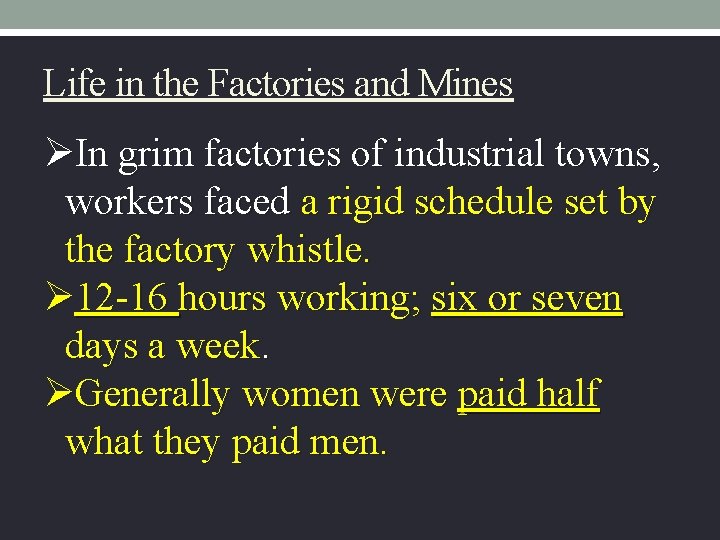
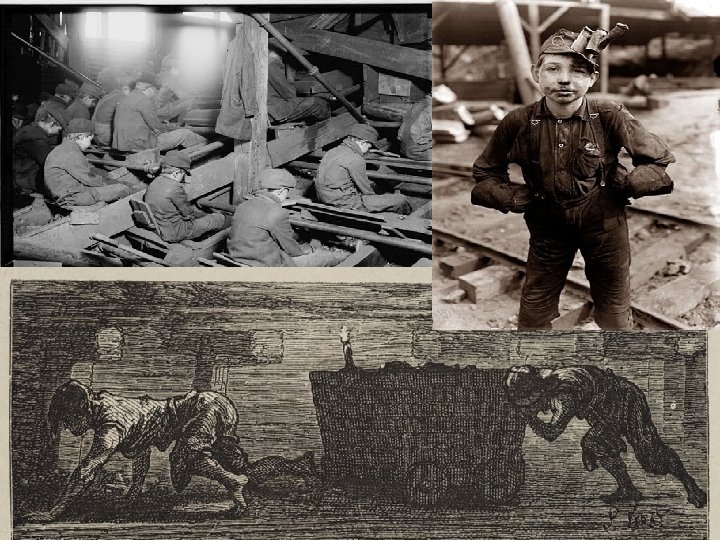
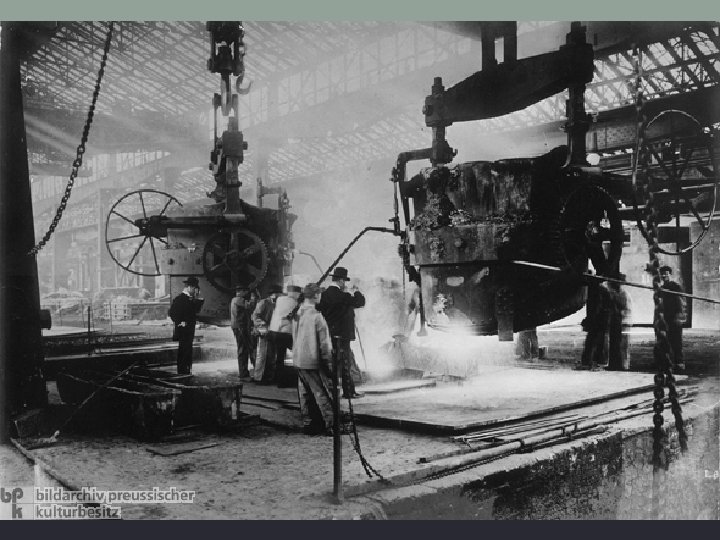
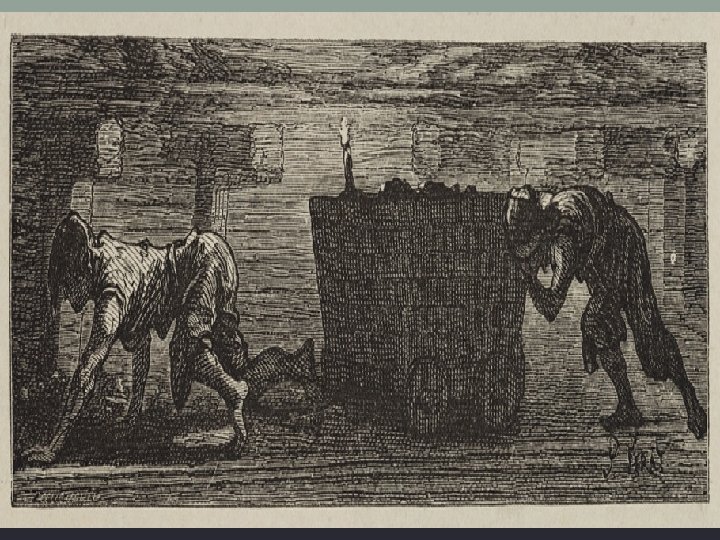
Life in the Factories and Mines ØIn grim factories of industrial towns, workers faced a rigid schedule set by the factory whistle. Ø 12 -16 hours working; six or seven days a week. ØGenerally women were paid half what they paid men.