
Soaps and Sitcoms Gender Theoretical contexts Theoretical contexts
- Slides: 46
Soaps and Sitcoms: Gender
Theoretical contexts
Theoretical contexts feminism film studies cultural studies
Theoretical contexts - genre - representation and identification - everyday viewing practices
Genre example: soaps
Genre example: soaps. . . a “feminine” genre?
Genre example: soaps. . . a “feminine” genre? • openness: a feminine aesthetic?
Genre example: soaps. . . a “feminine” genre? • openness: a feminine aesthetic? • “tragic structure of feeling, ” melodramatic imagination as feminine?
Everyday viewing practices David Morley, “The framework of family viewing in Great Britain”
Everyday viewing practices David Morley, “The framework of family viewing in Great Britain” • power and control over program choice
Everyday viewing practices David Morley, “The framework of family viewing in Great Britain” • • power and control over program choice styles of viewing
Everyday viewing practices David Morley, “The framework of family viewing in Great Britain” • • • power and control over program choice styles of viewing ‘solo’ viewing and guilty pleasures
Representation and identification
Representation and identification representation: • mimesis vs. constructivism
Representation and identification representation: • mimesis vs. constructivism • authenticity, ideology
Representation and identification representation: • mimesis vs. constructivism • authenticity, ideology identity and identification:
Representation and identification representation: • mimesis vs. constructivism • authenticity, ideology identity and identification: • identity and difference(s) • psychoanalysis
Representation and identification representation: • mimesis vs. constructivism • authenticity, ideology identity and identification: • identity and difference(s) • psychoanalysis power:
Representation and identification representation: • mimesis vs. constructivism • authenticity, ideology identity and identification: • identity and difference(s) • psychoanalysis power: • hegemony, (dis)empowerment
Representation and identification representation: women’s movements!. . . struggles for representation
Representation and identification CS brings these two strands--theoretical and historical--together: “representation” = multi-dimensional political term/concept
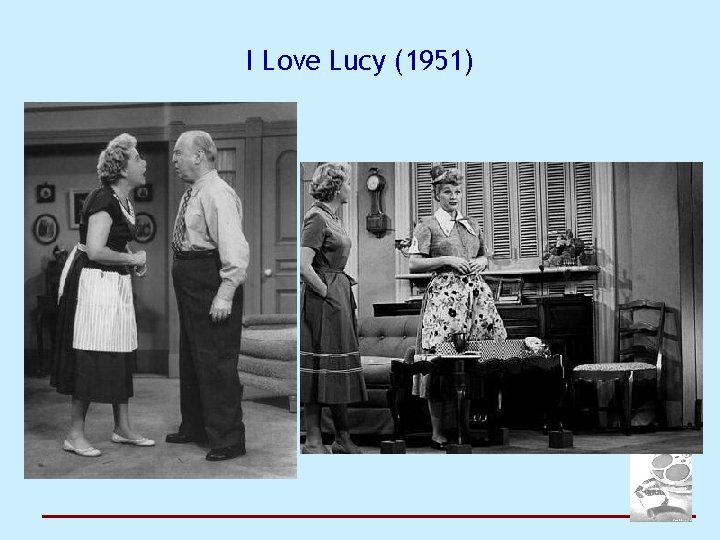
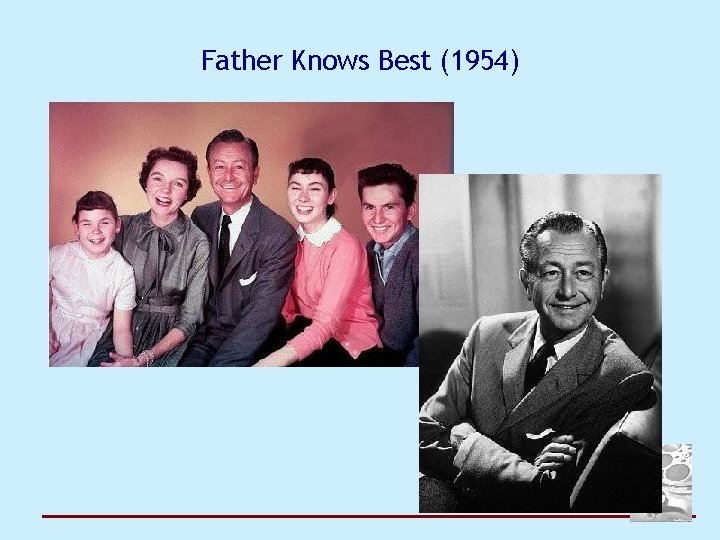
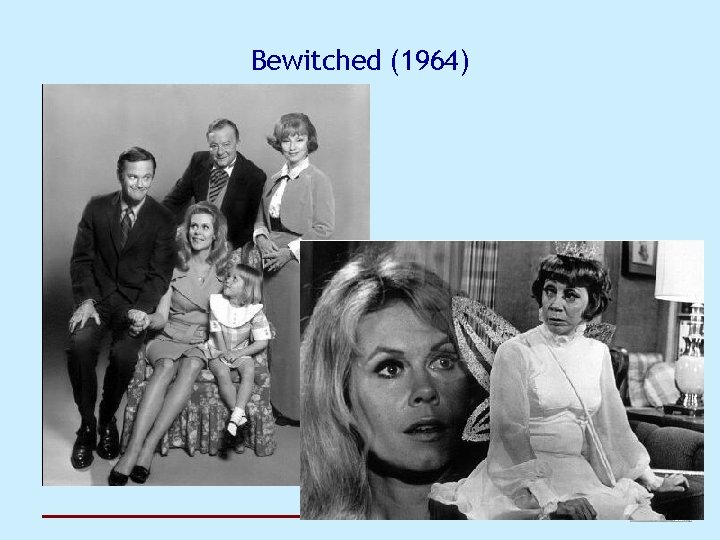
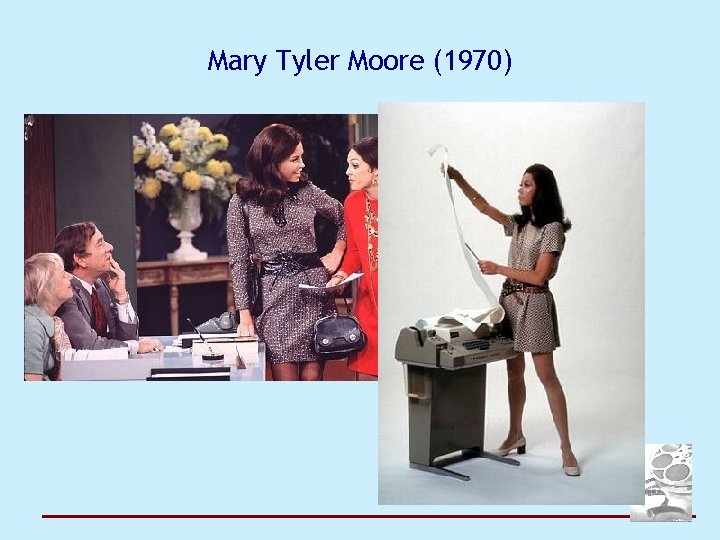
Example: Female “types” in U. S. sitcoms: the goodwife the witch the liberated woman the harpy
I Love Lucy (1951)
Father Knows Best (1954)
Bewitched (1964)
Mary Tyler Moore (1970)
Female “types” Roy Stafford: matron/working battleaxe sexy assistant business matriarch woman in a man’s world the vamp (1980 s) woman in power women who fight other women woman who watches her ‘biological clock’
Female “types” Jordan (in Dyer 1981) several broad types in Coronation Street: Grandmother figures marriageable characters: mature, sexy, women; spinsterly types; young women; mature, sexy, men; fearful, withdrawn men; conventional young men married couples rogues (including 'ne'er-do-wells' and confidence tricksters)
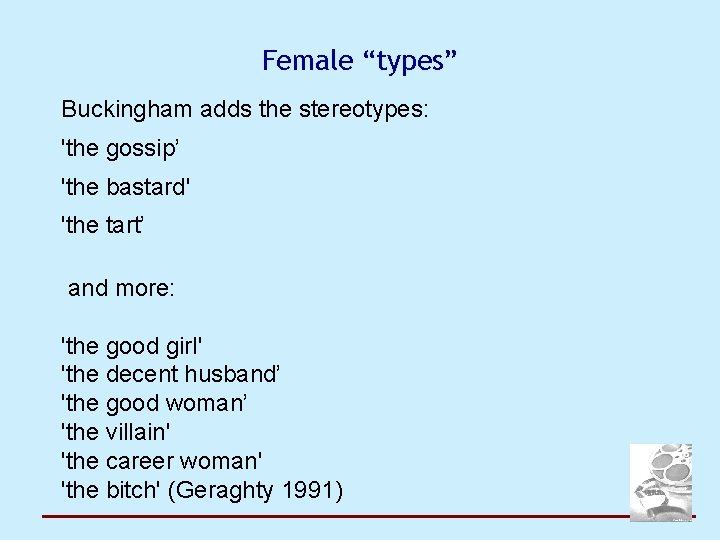
Female “types” Buckingham adds the stereotypes: 'the gossip’ 'the bastard' 'the tart’ and more: 'the good girl' 'the decent husband’ 'the good woman’ 'the villain' 'the career woman' 'the bitch' (Geraghty 1991)
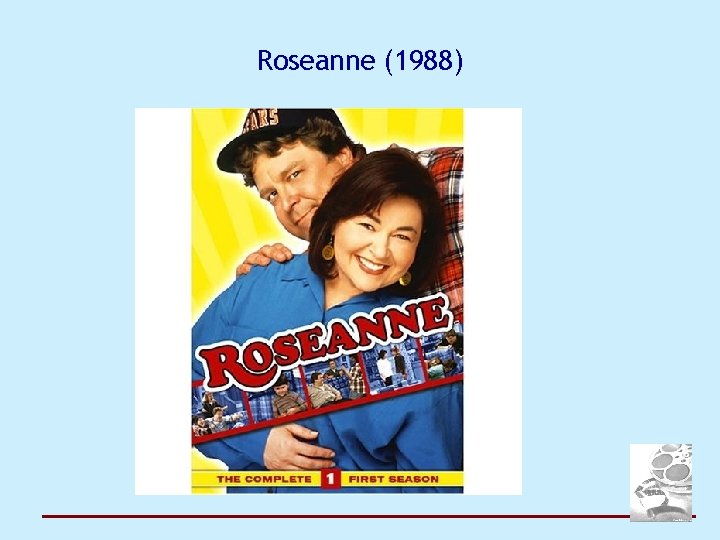
Roseanne (1988)
Gender: Men, too? ! contexts:
Gender: Men, too? ! contexts: • masculinity studies • gender studies
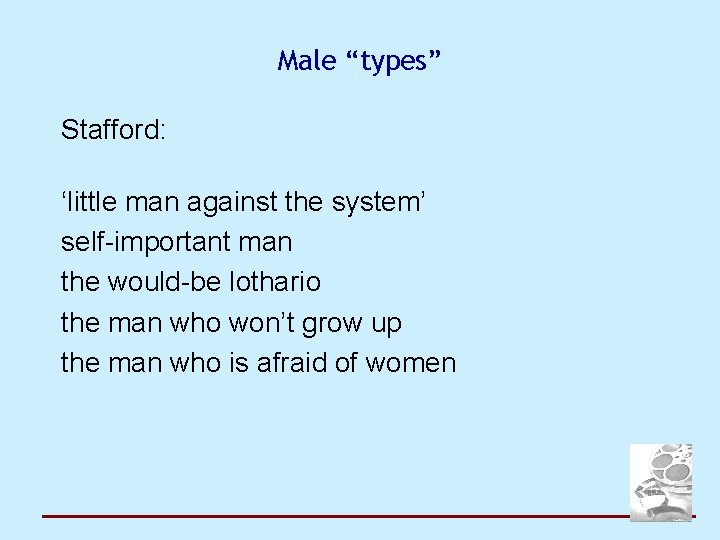
Male “types” Stafford: ‘little man against the system’ self-important man the would-be lothario the man who won’t grow up the man who is afraid of women
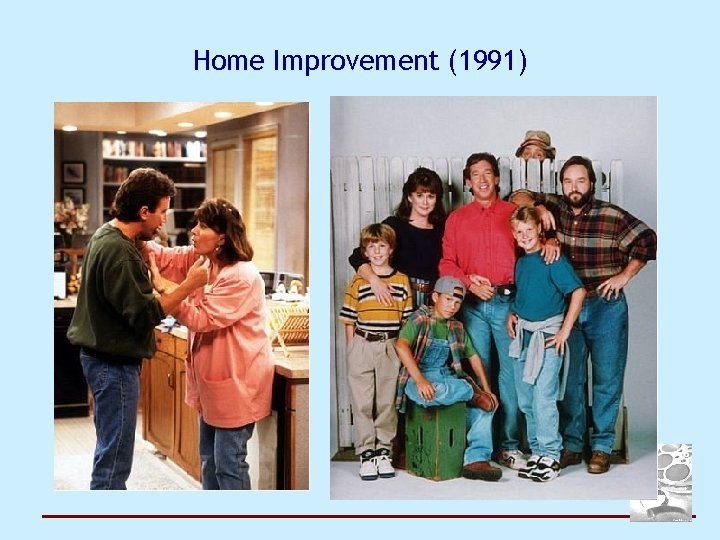
Home Improvement (1991)
“Other Sexes”: 1990 s and onwards representation? heteronormativity?
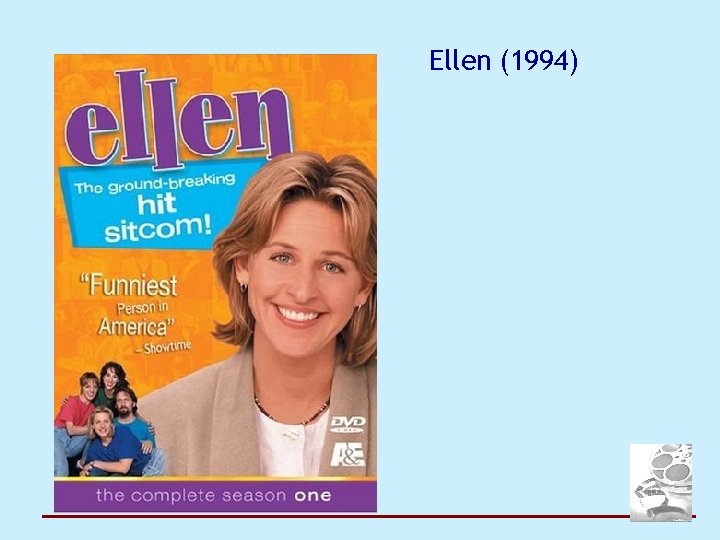
Ellen (1994)
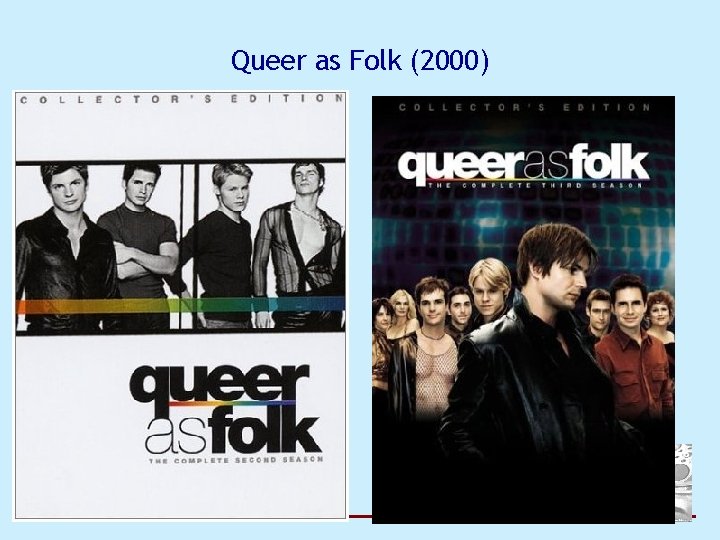
Queer as Folk (2000)
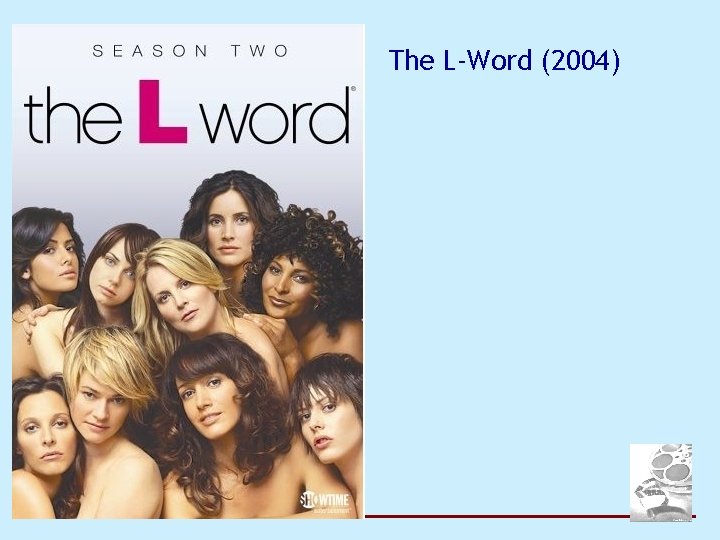
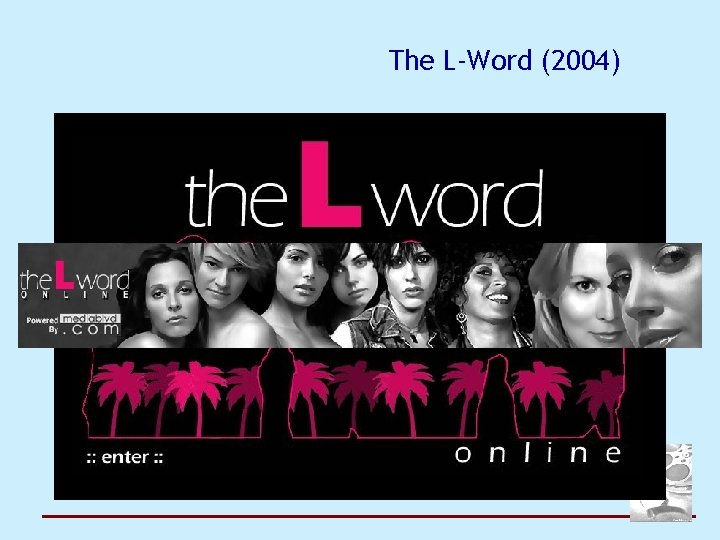
The L-Word (2004)
The L-Word (2004)
The L-Word (2004)
The L-Word (2004)
The L-Word (2004)
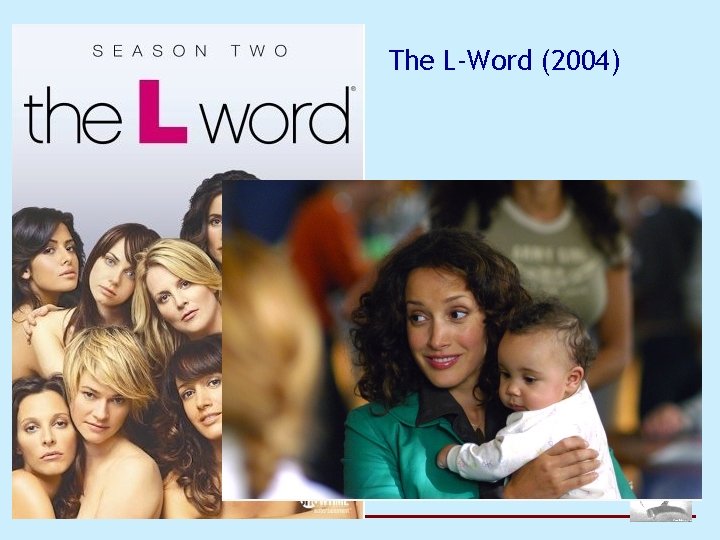
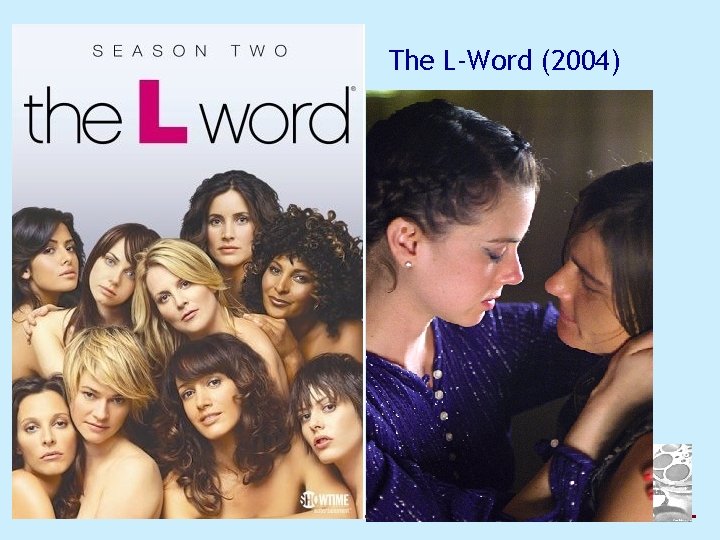
The L-Word (2004) IMDB audience review: „I've read a lot of comments in different forums about how these women don't look like "lesbians". I'm not sure what "lesbians" they've been looking at but the ones that I know look a lot like these women. Progressive, professional, feminine, sexy and proud of it. Keep up the good work Chaiken and crew!“ Representation and authenticity?
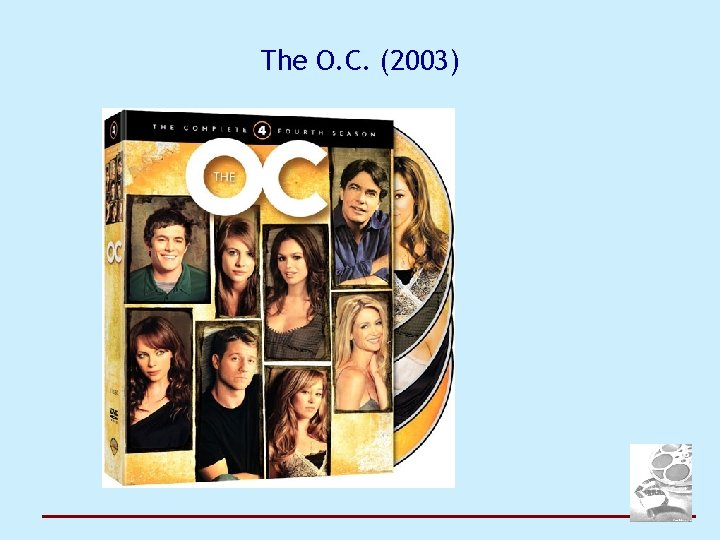
The O. C. (2003)
Gender cultural studies: contextualization!
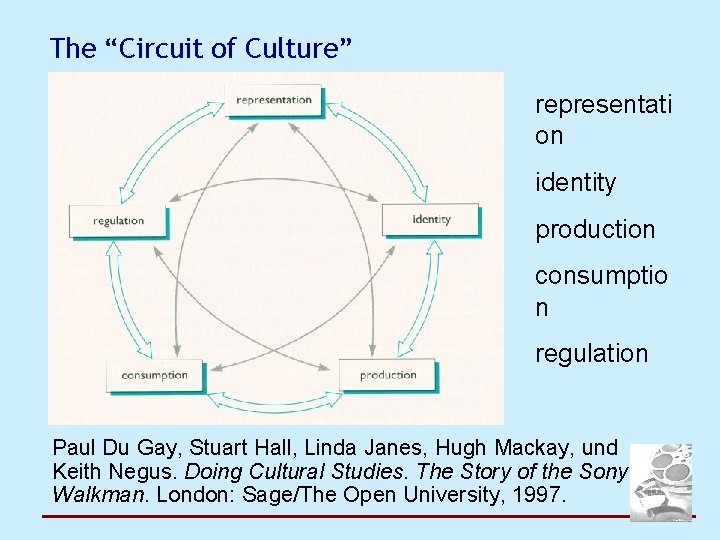
The “Circuit of Culture” representati on identity production consumptio n regulation Paul Du Gay, Stuart Hall, Linda Janes, Hugh Mackay, und Keith Negus. Doing Cultural Studies. The Story of the Sony Walkman. London: Sage/The Open University, 1997.