
SNS ACADEMY A fingerprint International School Affiliated to
- Slides: 25
SNS ACADEMY A fingerprint International School Affiliated to CBSE New Delhi Affiliation No : 1930610 GRADE XII A (2020 -21) COURSE NAME : BIOLOGY(044) Chapter-6 MOLECULAR BASIS OF INHERITANCE – INTRODUCTION 1
Topics to be covered • • Structure of DNA Replication of DNA Transcription process (making RNA to DNA) The genetic code The translation process – protein synthesis Genomics Essentials of human genome sequencing or project 2
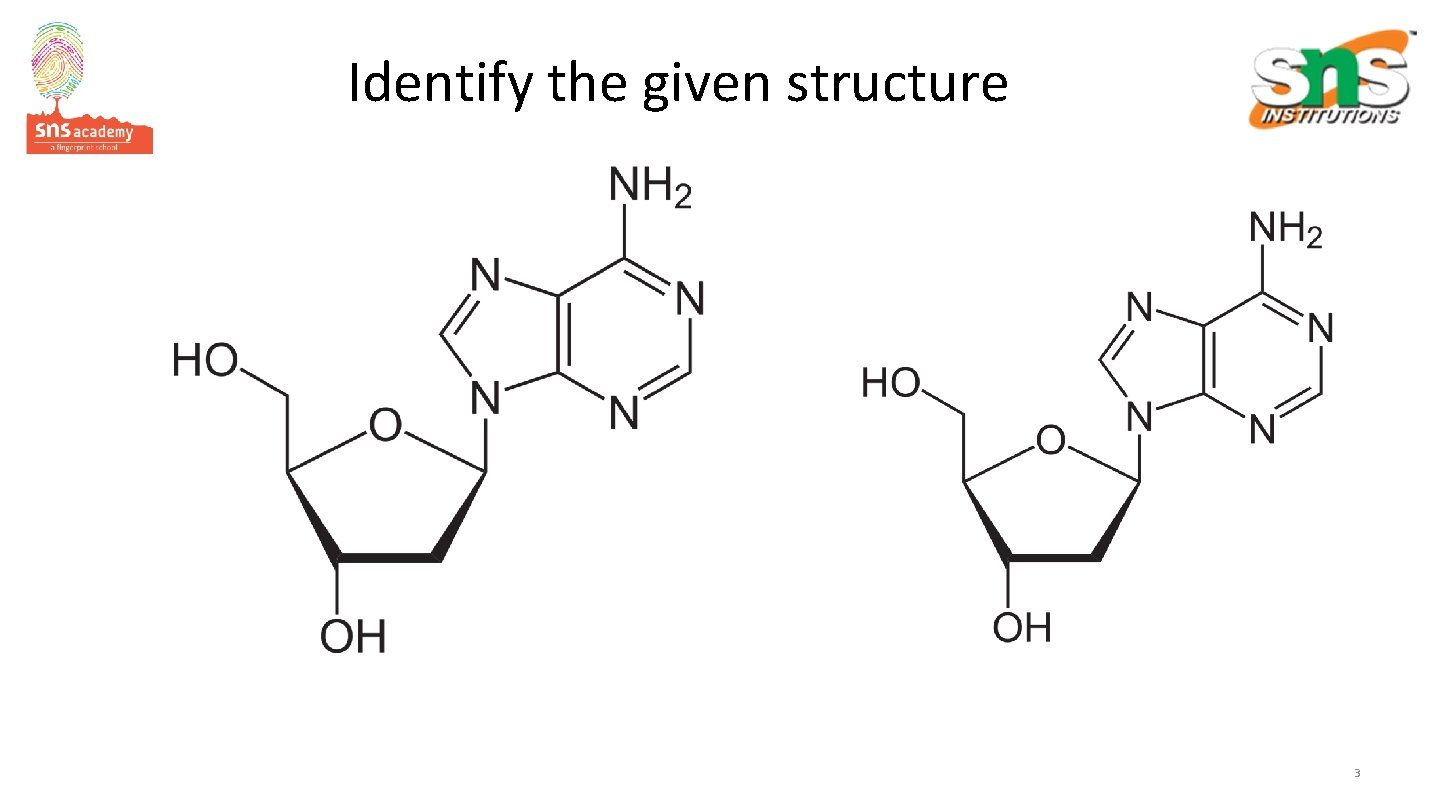
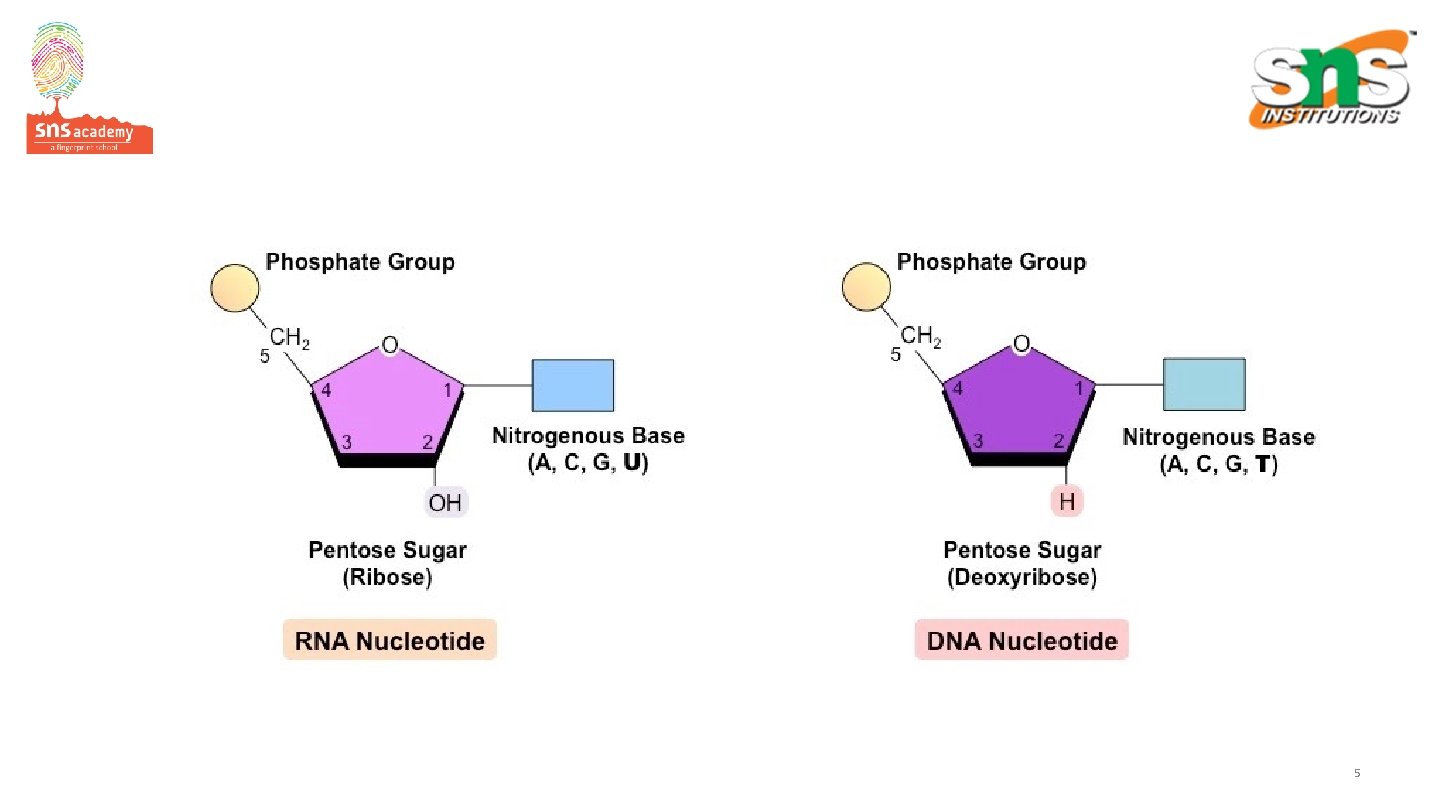
Identify the given structure 3
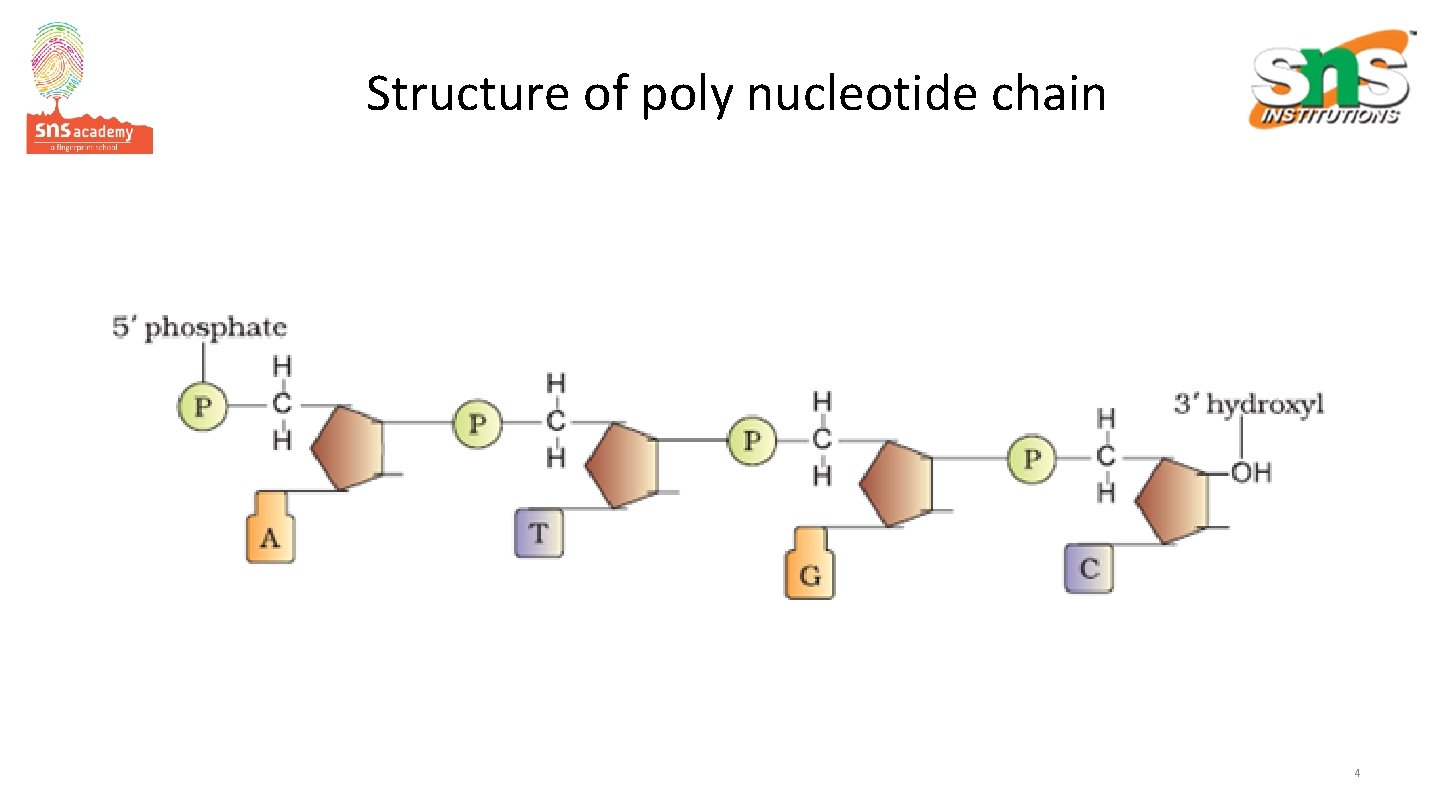
Structure of poly nucleotide chain 4
5
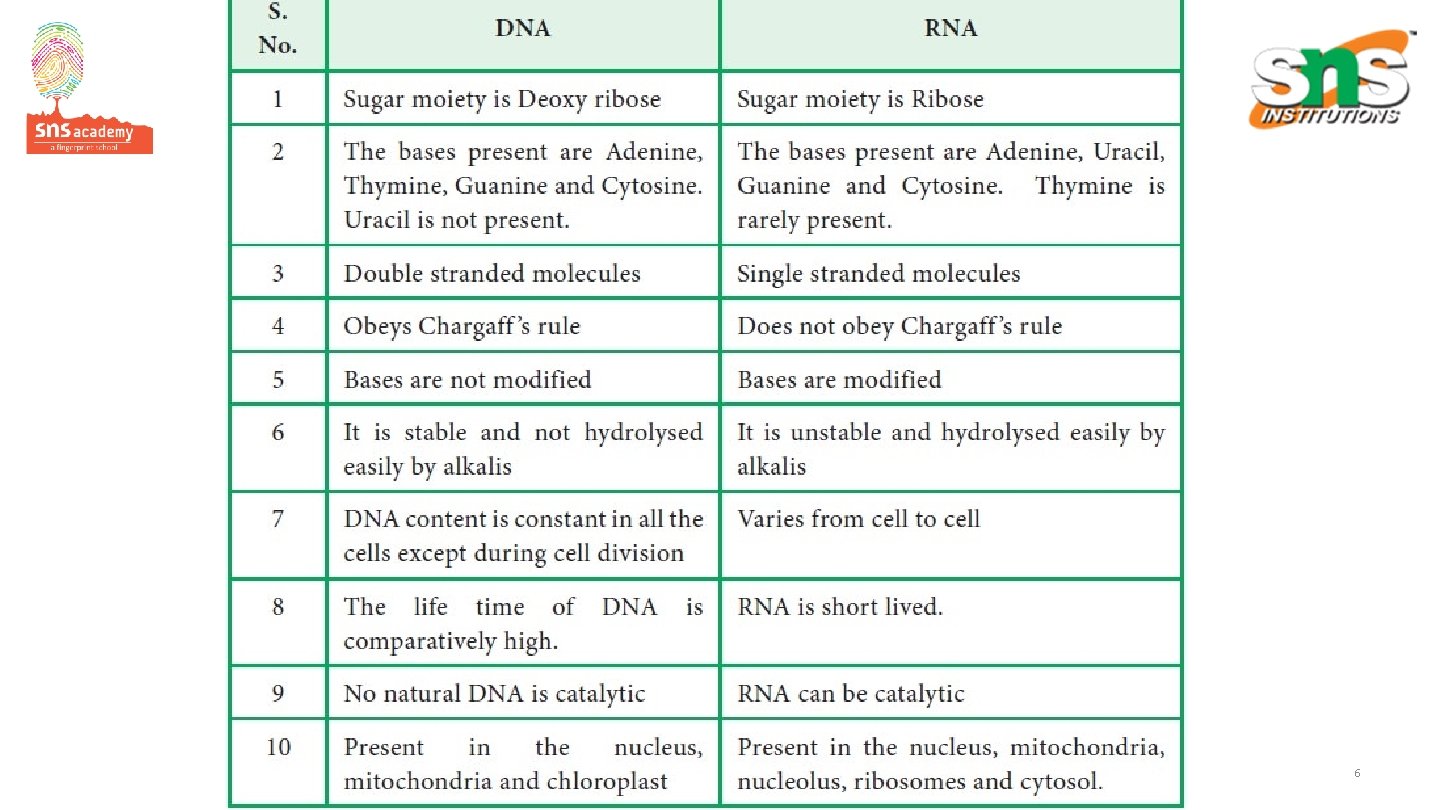
6
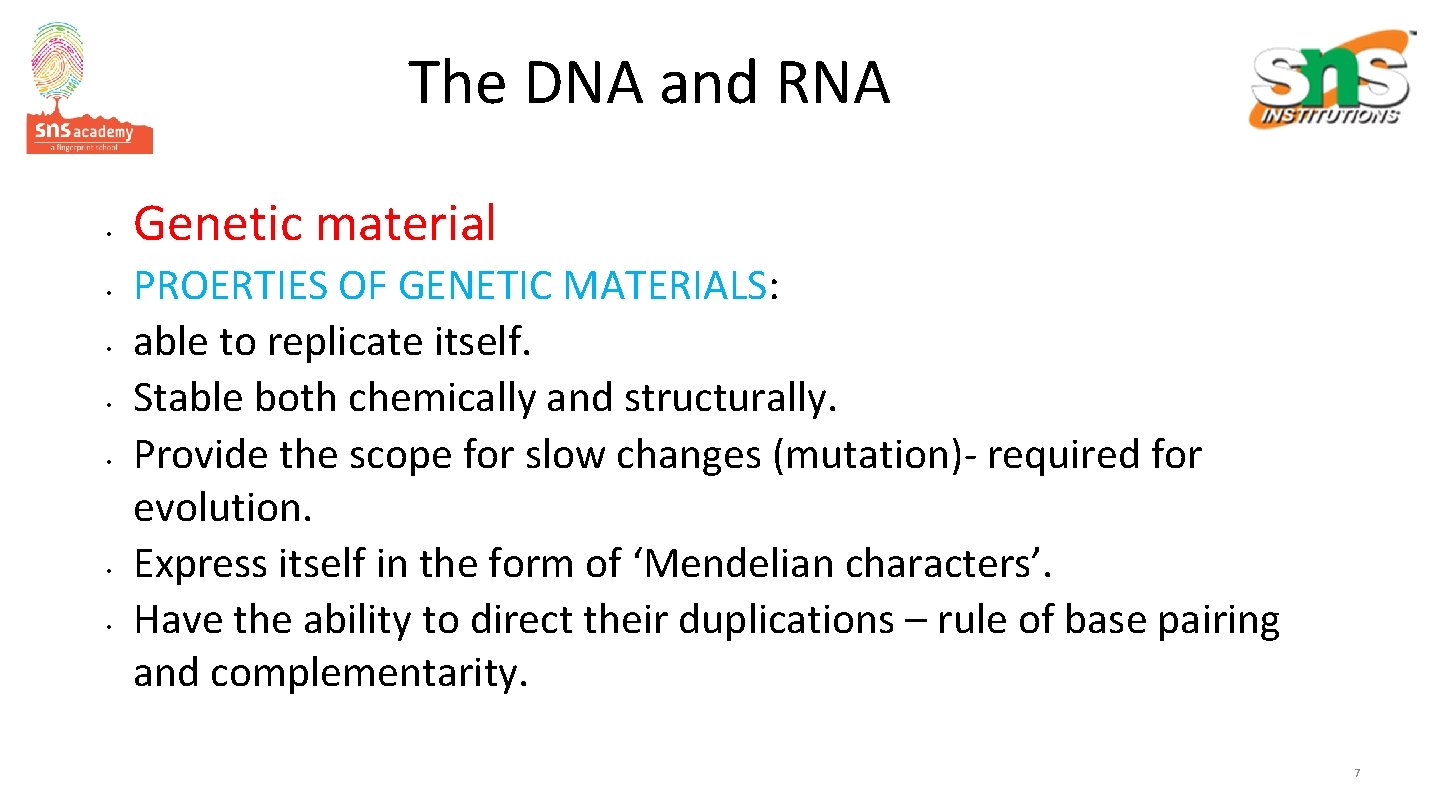
The DNA and RNA • • Genetic material PROERTIES OF GENETIC MATERIALS: able to replicate itself. Stable both chemically and structurally. Provide the scope for slow changes (mutation)- required for evolution. Express itself in the form of ‘Mendelian characters’. Have the ability to direct their duplications – rule of base pairing and complementarity. 7
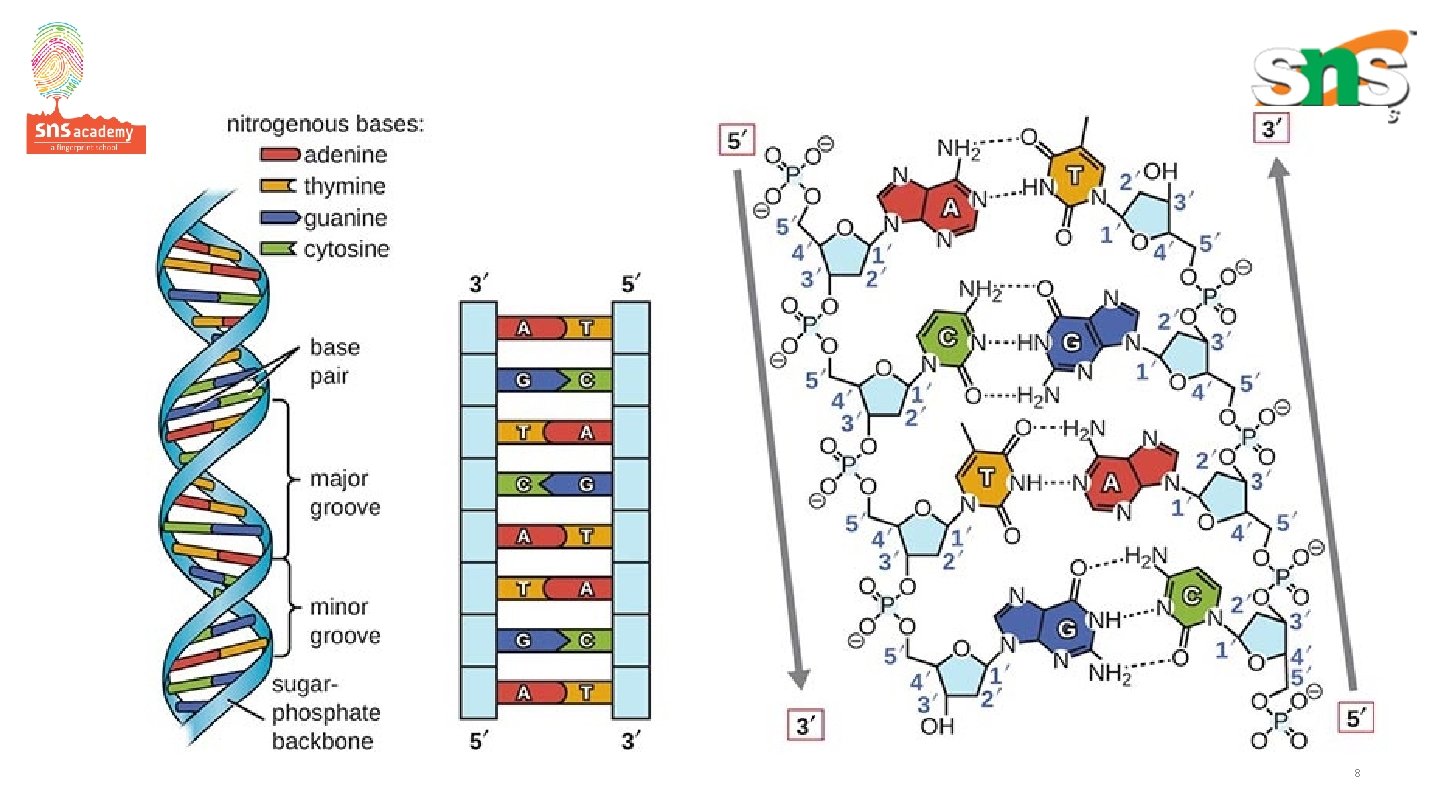
8
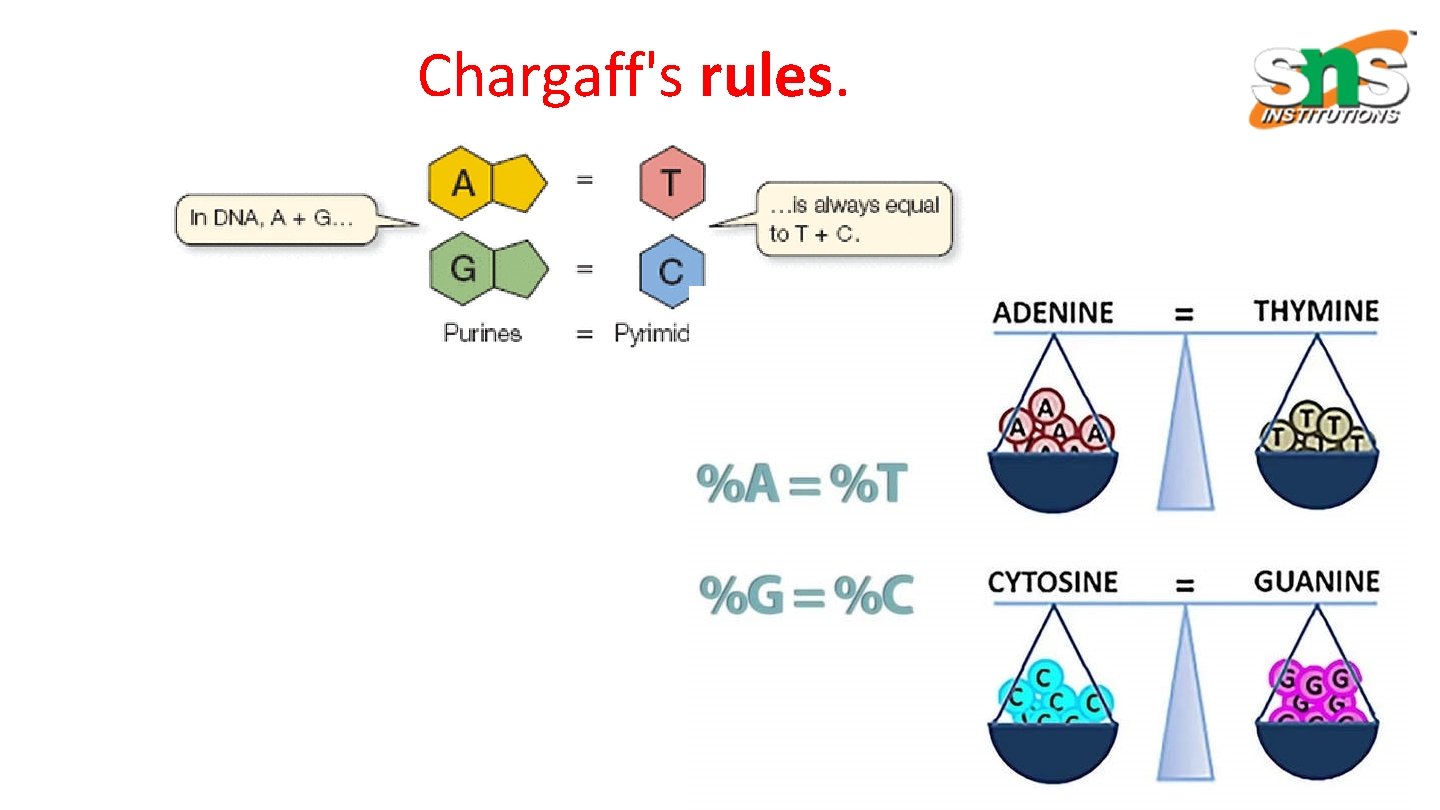
Chargaff's rules. 9
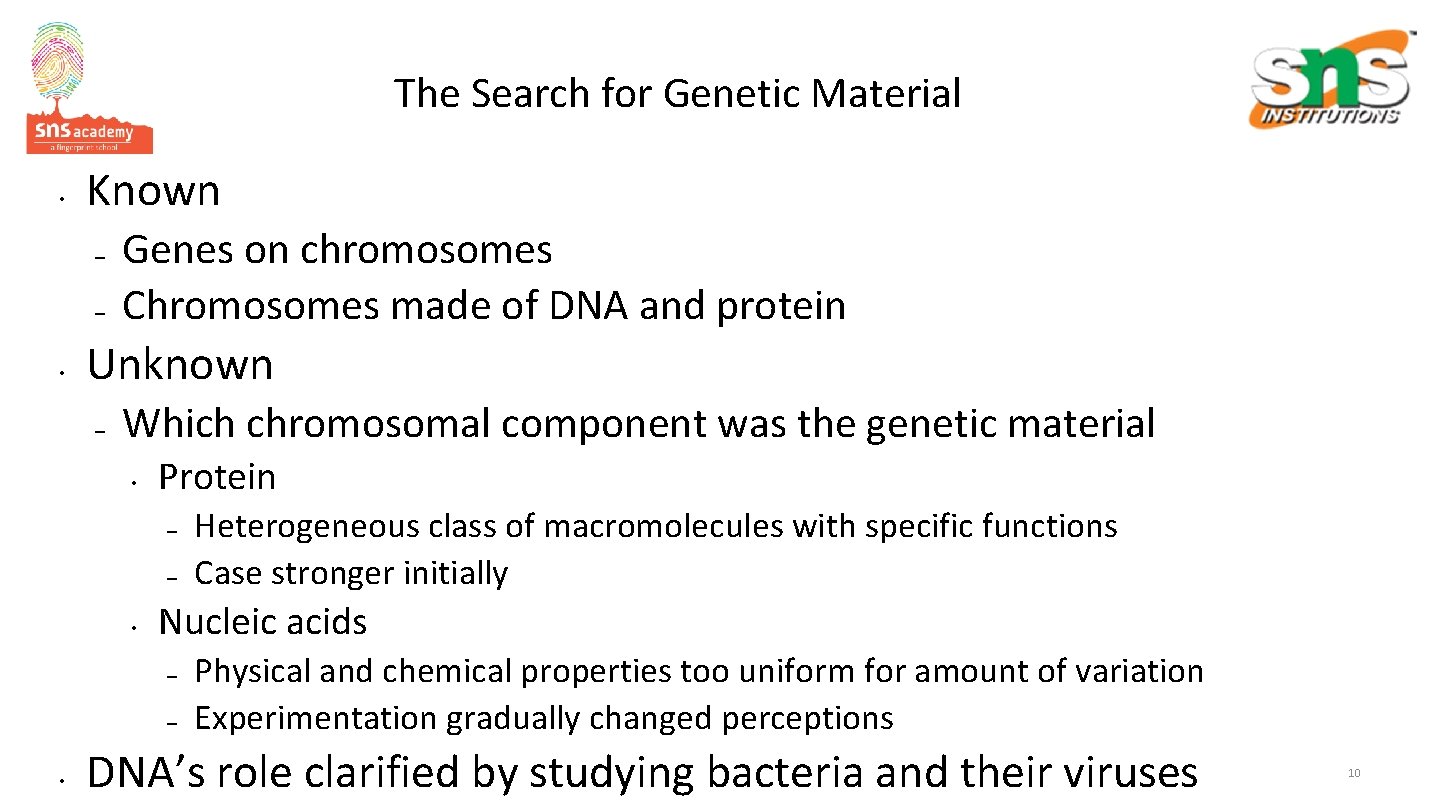
The Search for Genetic Material • Known – – • Genes on chromosomes Chromosomes made of DNA and protein Unknown – Which chromosomal component was the genetic material • Protein – – • Nucleic acids – – • Heterogeneous class of macromolecules with specific functions Case stronger initially Physical and chemical properties too uniform for amount of variation Experimentation gradually changed perceptions DNA’s role clarified by studying bacteria and their viruses 10
11
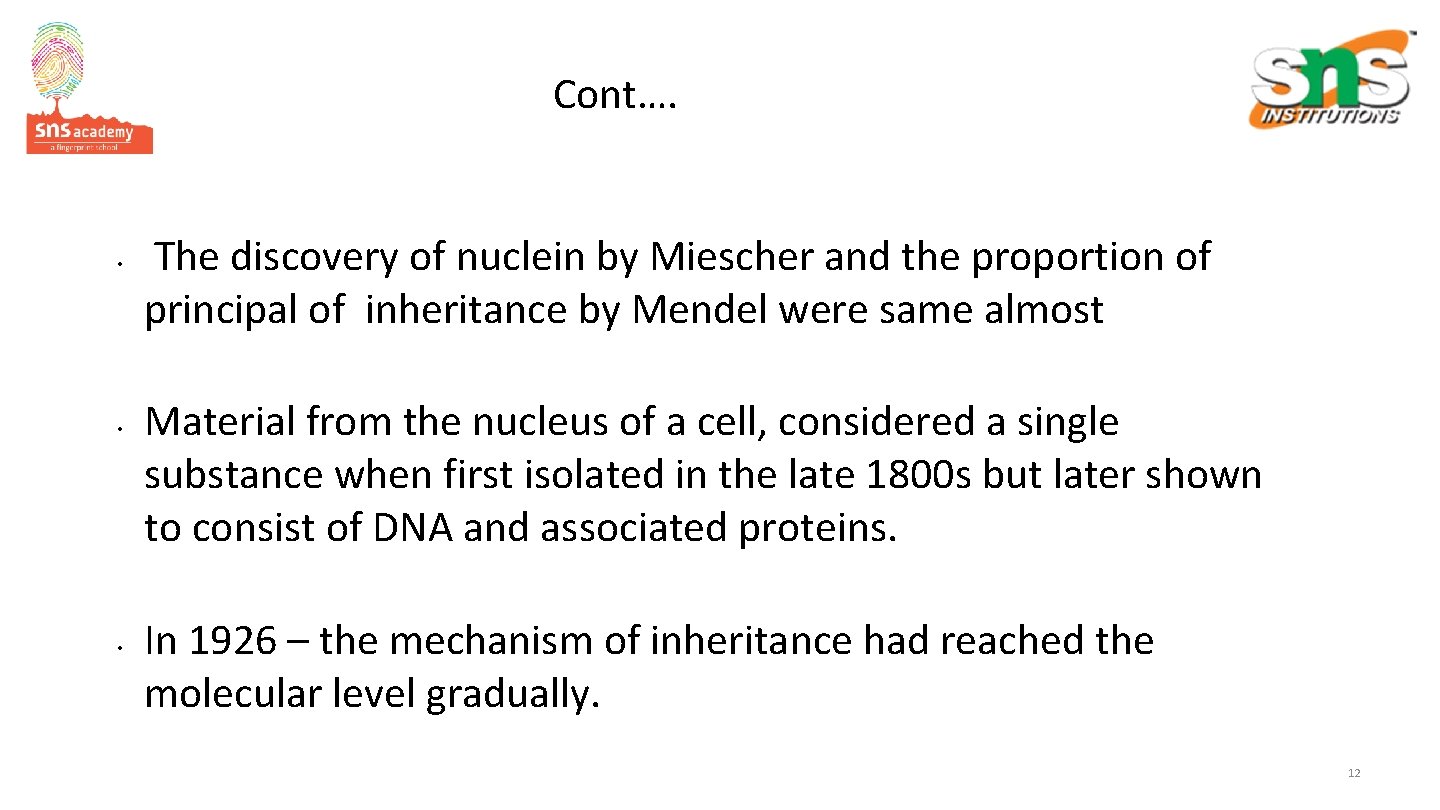
Cont…. • • • The discovery of nuclein by Miescher and the proportion of principal of inheritance by Mendel were same almost Material from the nucleus of a cell, considered a single substance when first isolated in the late 1800 s but later shown to consist of DNA and associated proteins. In 1926 – the mechanism of inheritance had reached the molecular level gradually. 12
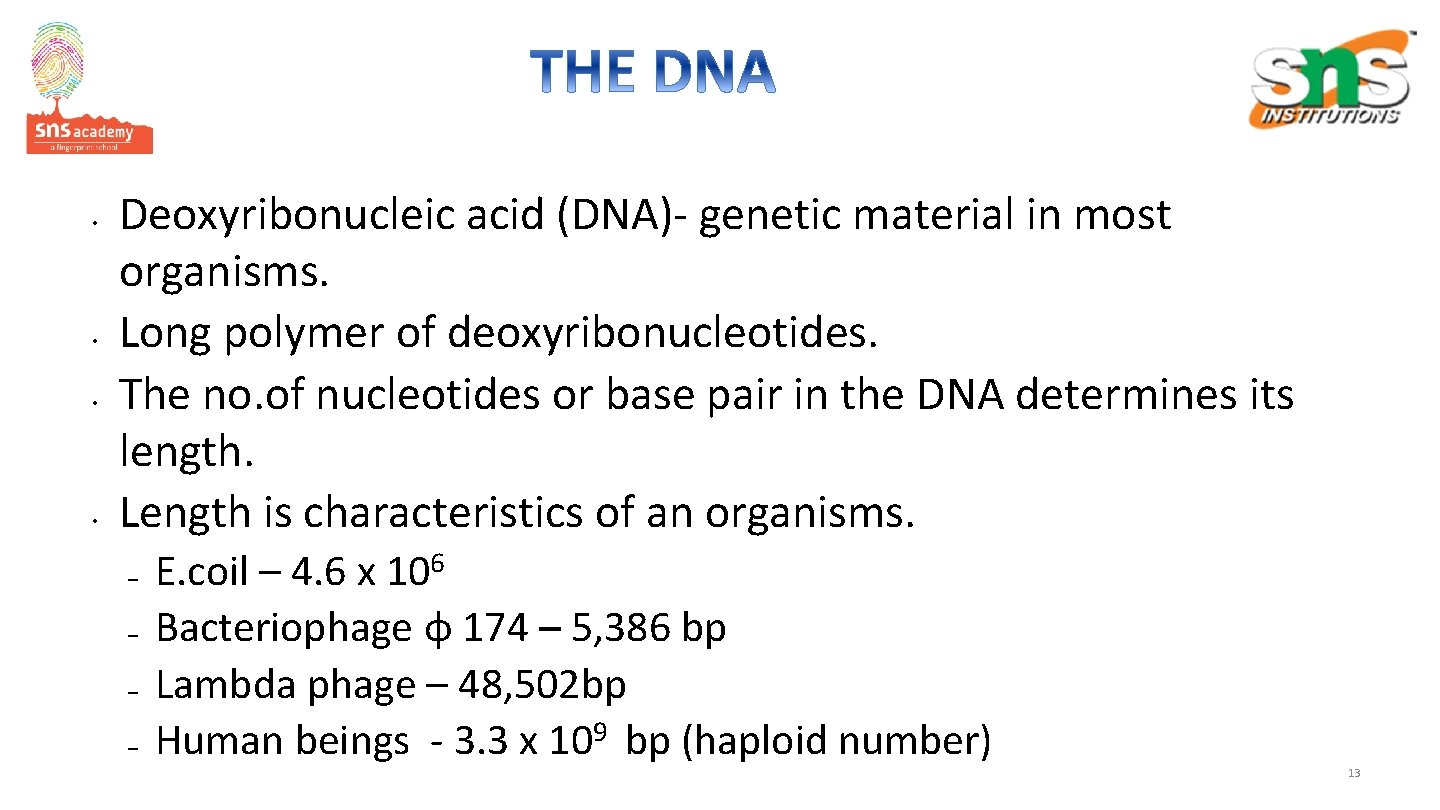
• • Deoxyribonucleic acid (DNA)- genetic material in most organisms. Long polymer of deoxyribonucleotides. The no. of nucleotides or base pair in the DNA determines its length. Length is characteristics of an organisms. – – 6 10 E. coil – 4. 6 x Bacteriophage φ 174 – 5, 386 bp Lambda phage – 48, 502 bp Human beings - 3. 3 x 10⁹ bp (haploid number) 13
14
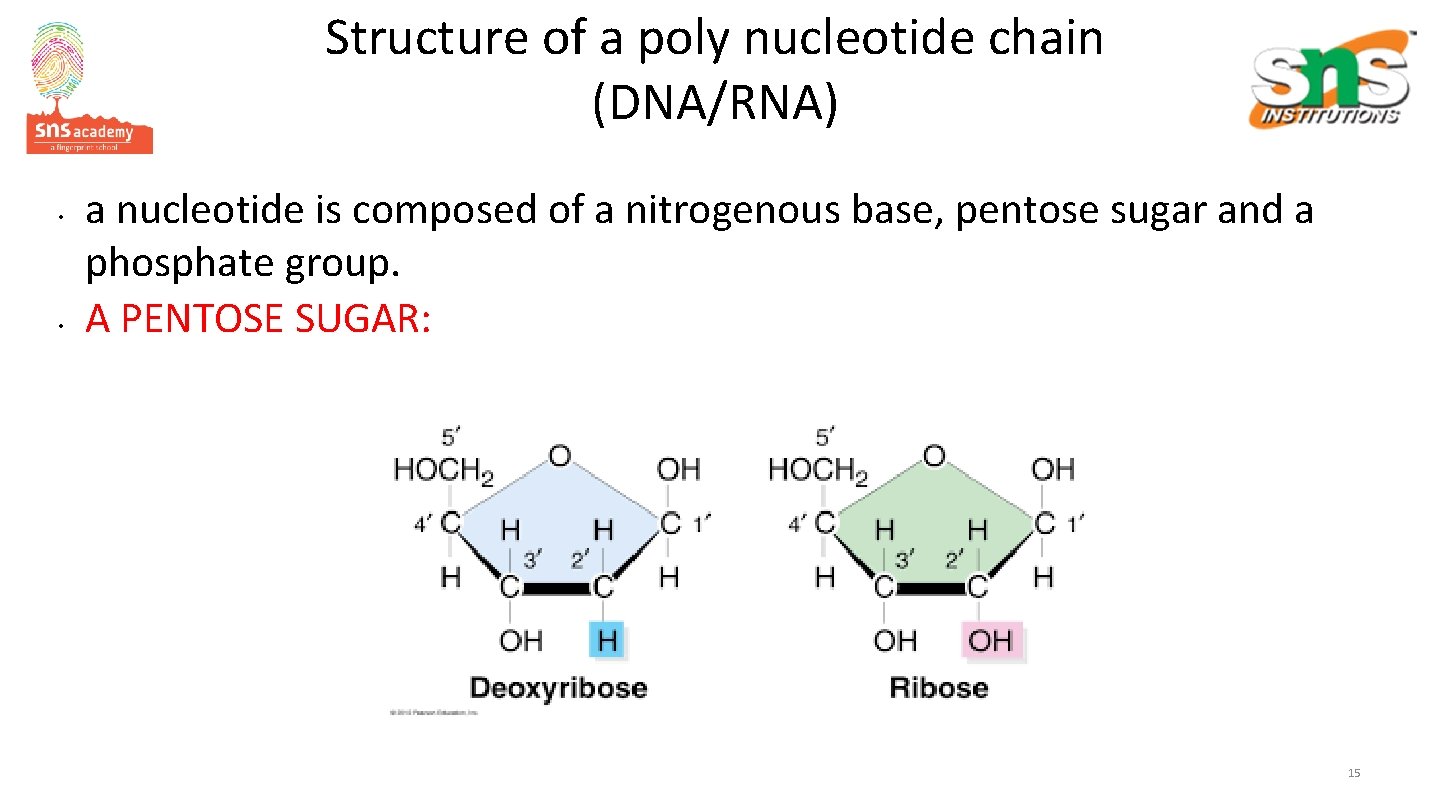
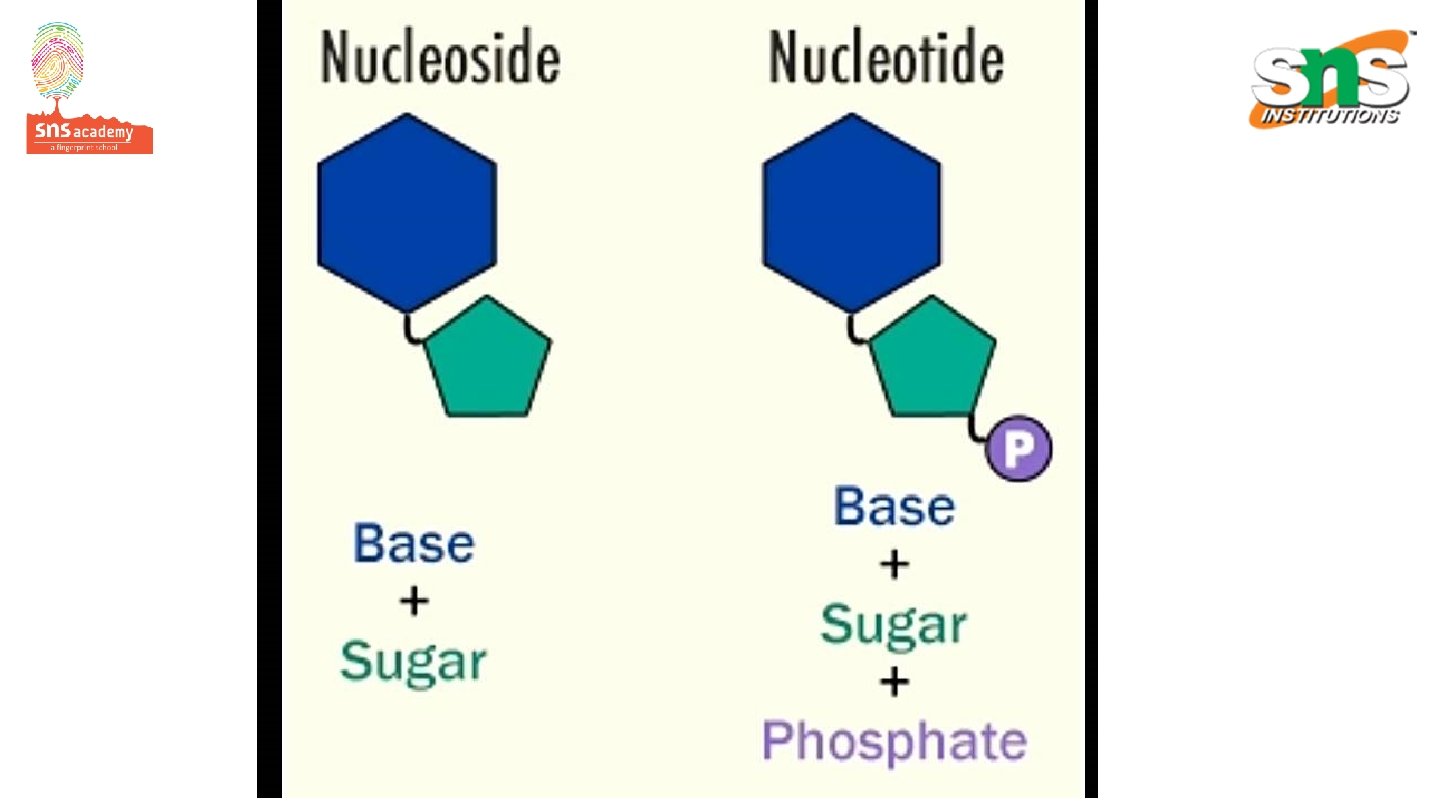
Structure of a poly nucleotide chain (DNA/RNA) • • a nucleotide is composed of a nitrogenous base, pentose sugar and a phosphate group. A PENTOSE SUGAR: 15
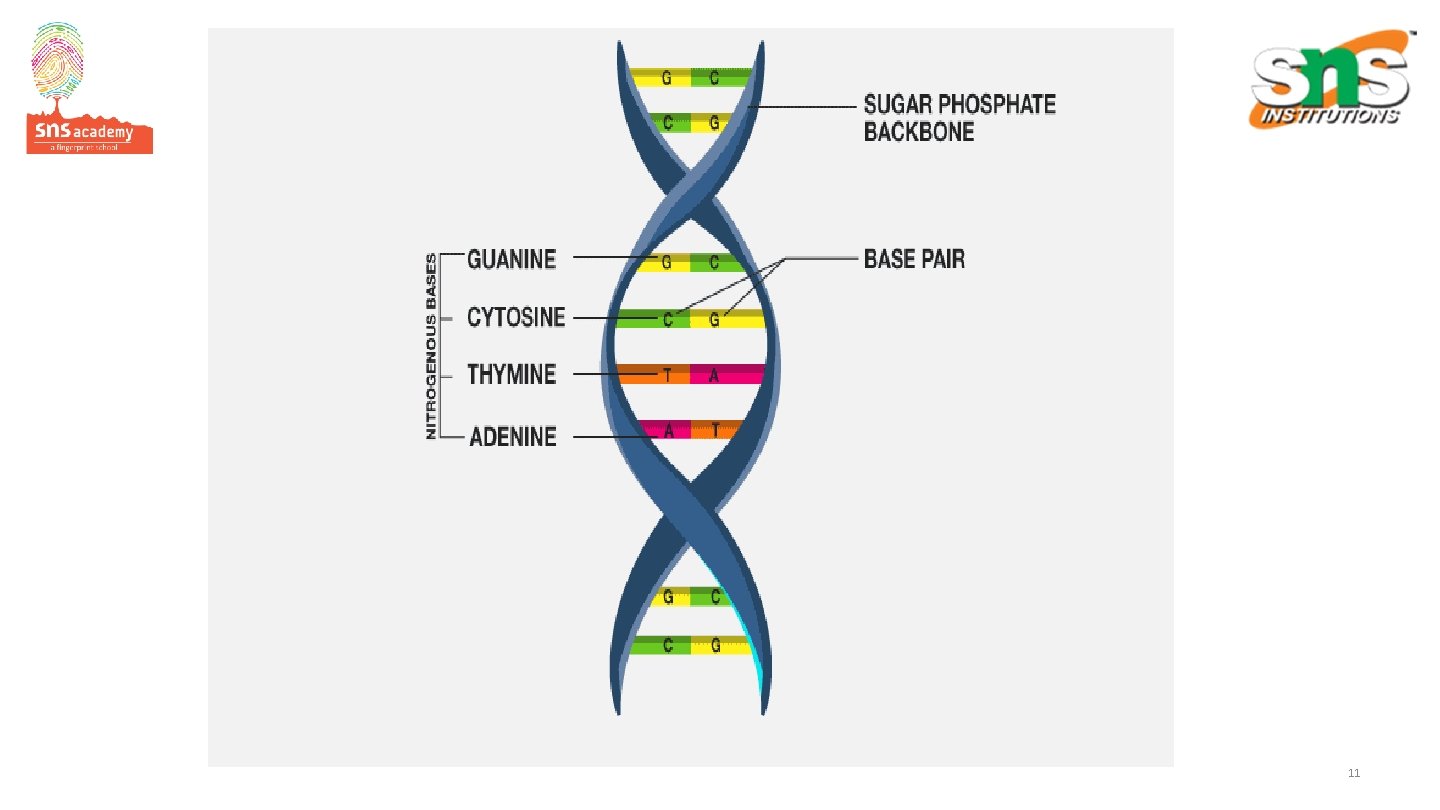
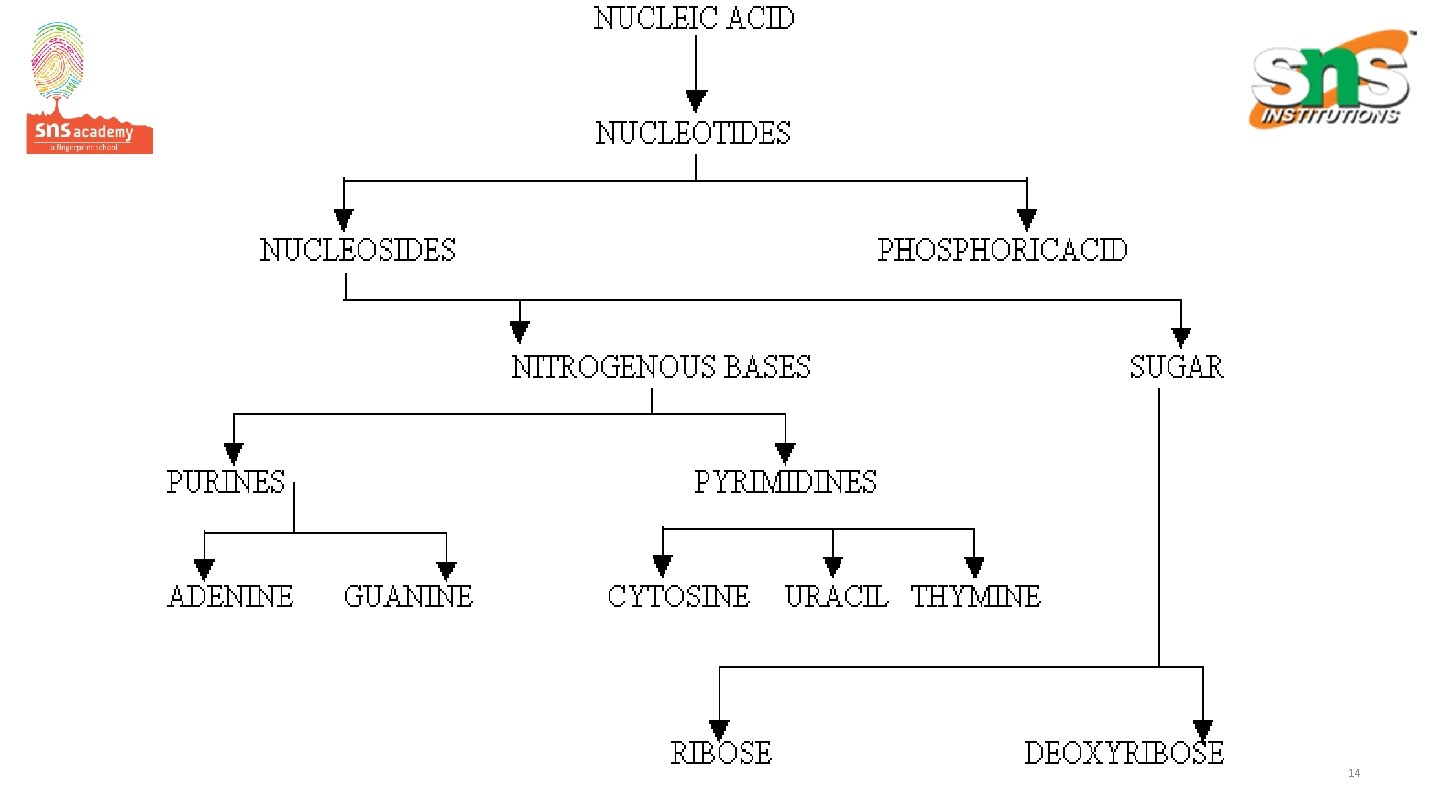
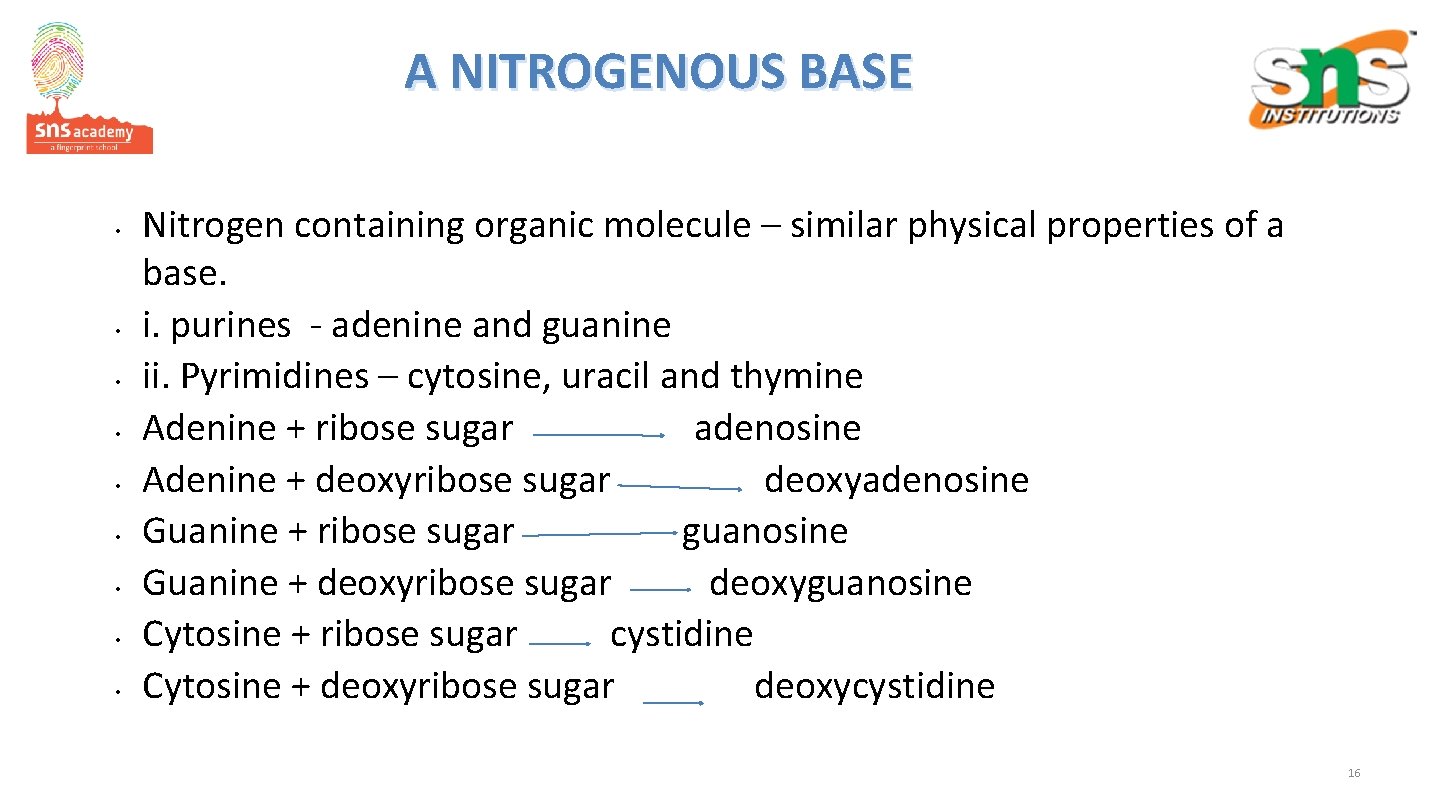
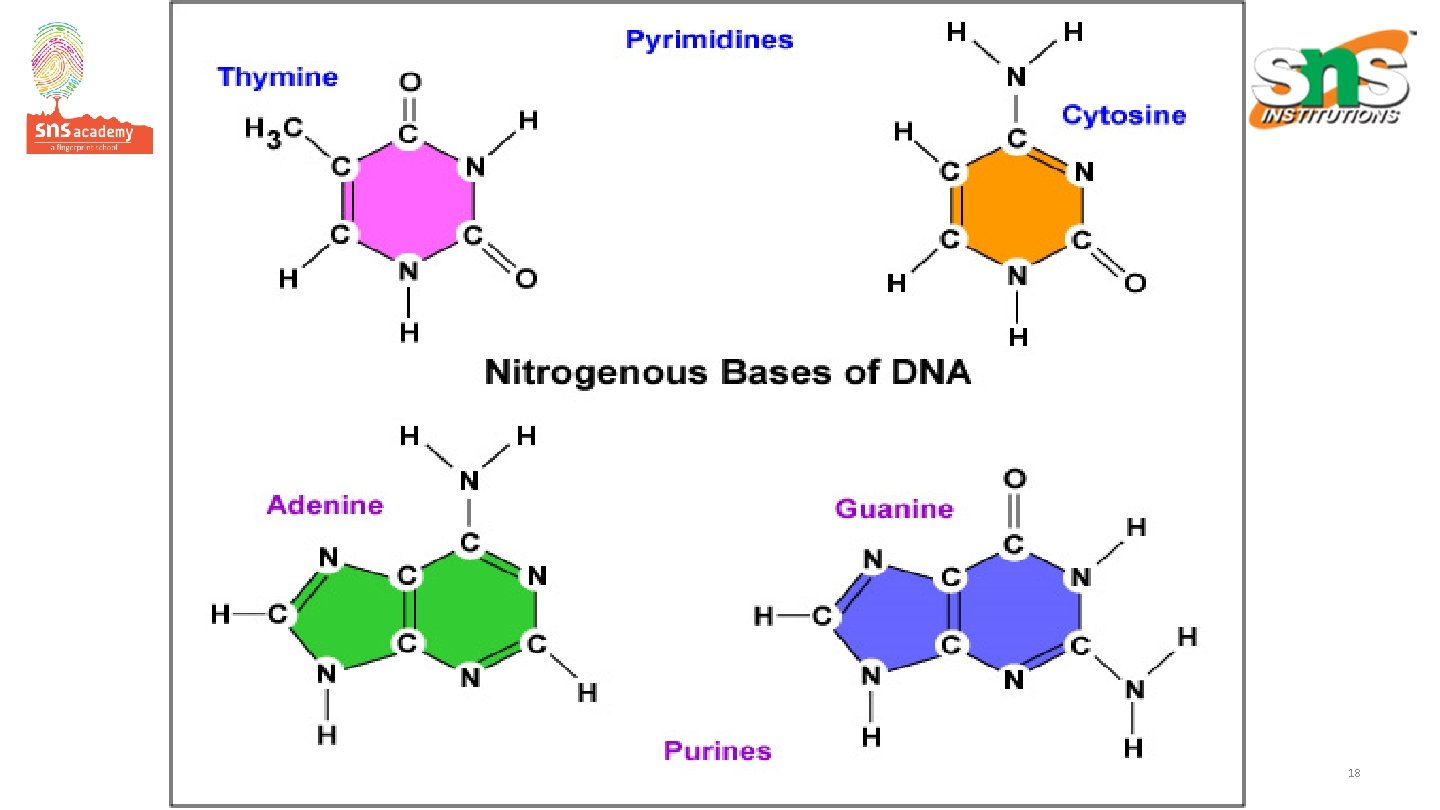
A NITROGENOUS BASE • • • Nitrogen containing organic molecule – similar physical properties of a base. i. purines - adenine and guanine ii. Pyrimidines – cytosine, uracil and thymine Adenine + ribose sugar adenosine Adenine + deoxyribose sugar deoxyadenosine Guanine + ribose sugar guanosine Guanine + deoxyribose sugar deoxyguanosine Cytosine + ribose sugar cystidine Cytosine + deoxyribose sugar deoxycystidine 16
18
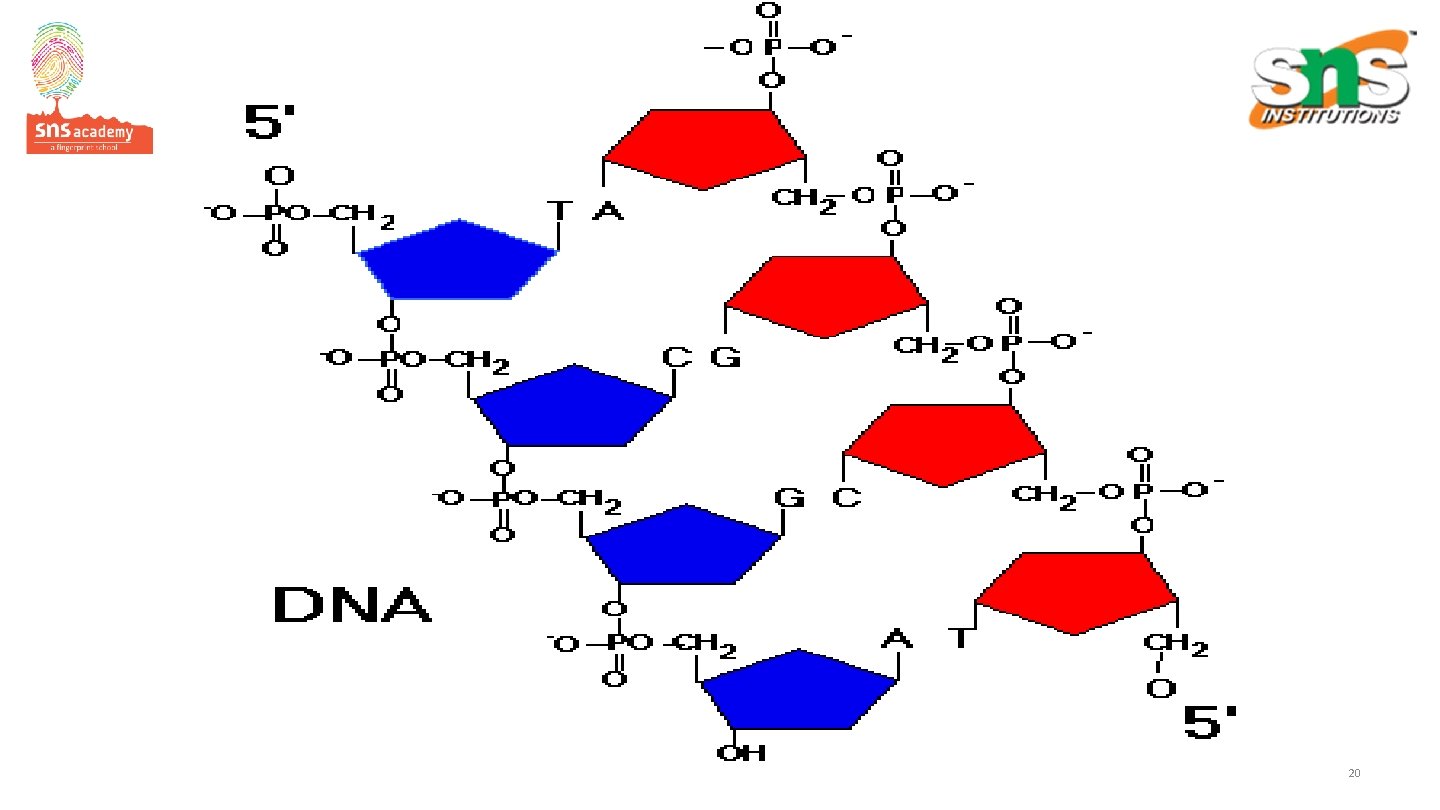
A PHOSPHATE GROUP • • • A nucleotide ( or deoxynucleiotide depending upon the type of sugar present) is formed. Phosphate group is linked to 5’ OH of a nucleoside through a phosphoester linkage. Two nucleotides when liked through a 3’ to 5’ phophodiester linkage form a dinucleotide. a. one end with a free phosphate moiety at 5’ end of ribose sugar. b. the other end with a free hydroxyl 3’ OH group. 19
20
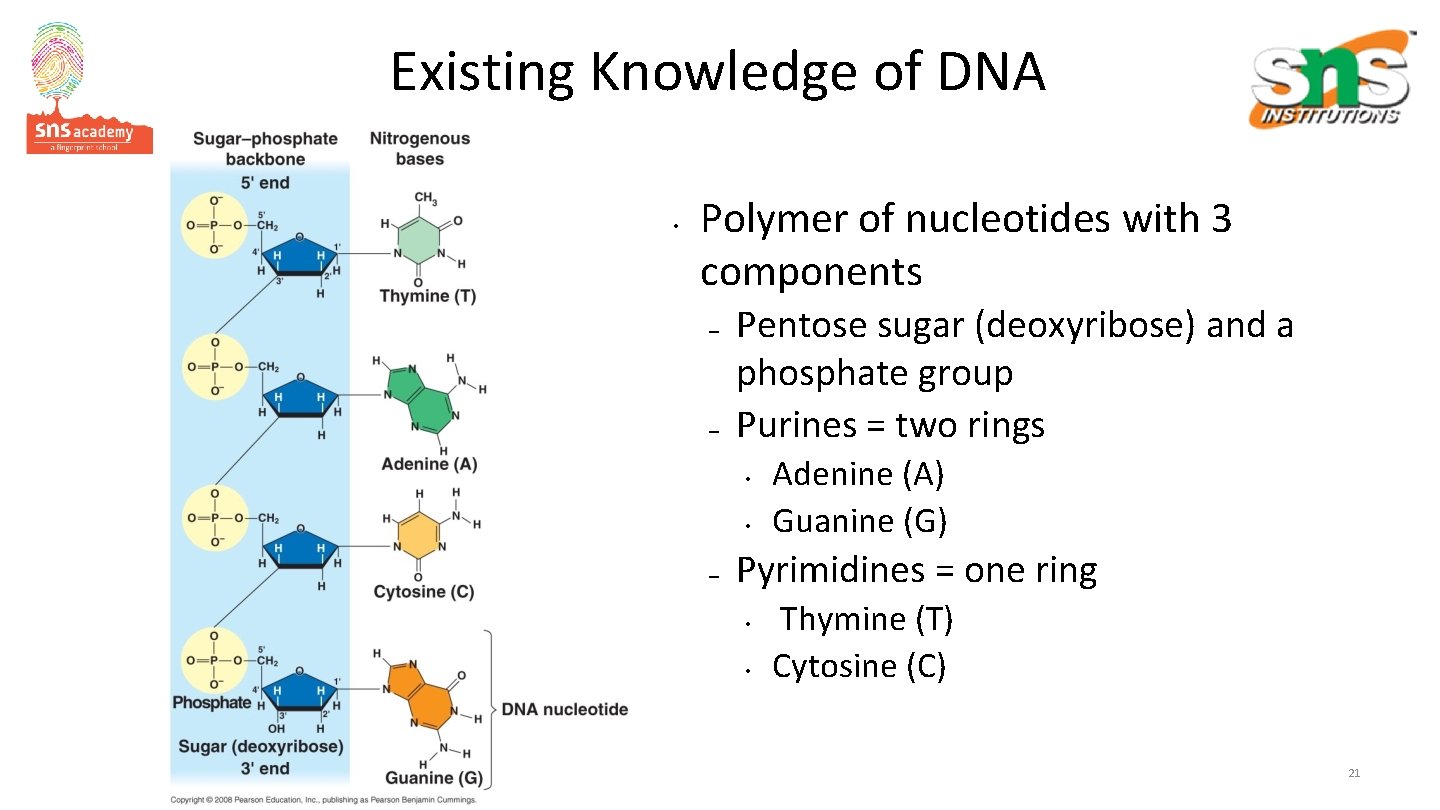
Existing Knowledge of DNA • Polymer of nucleotides with 3 components – – Pentose sugar (deoxyribose) and a phosphate group Purines = two rings • • – Adenine (A) Guanine (G) Pyrimidines = one ring • • Thymine (T) Cytosine (C) 21
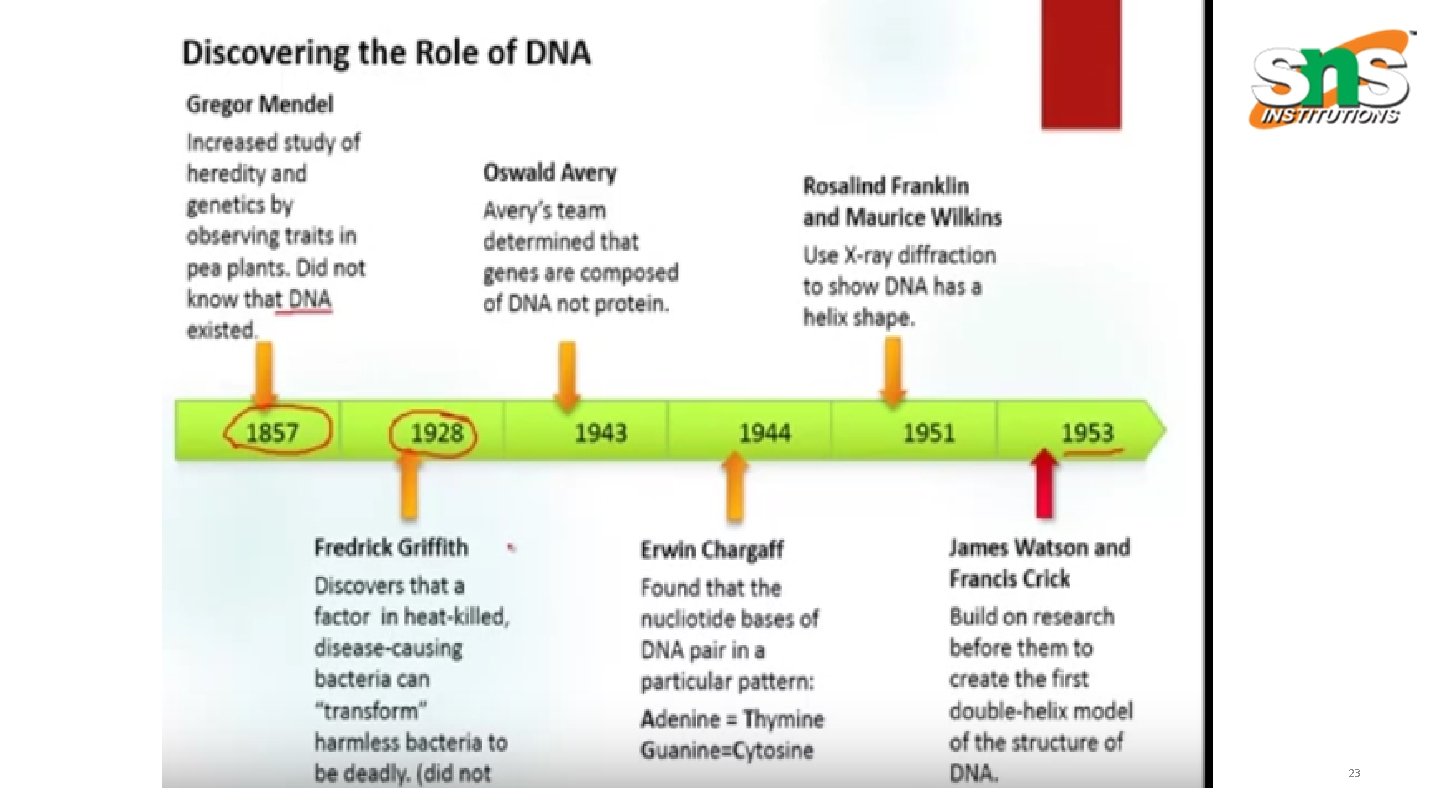
Discoveries related to structure and composition of DNA • • Friedrich Meischer (1869) – nuclein Levene (1910) – found DNA contain phosphoric acid and deoxyribose sugar. Erwin Chargaff (1950) – chargaff rule James Watson and Francis Crick – double helical structure 22
23
24
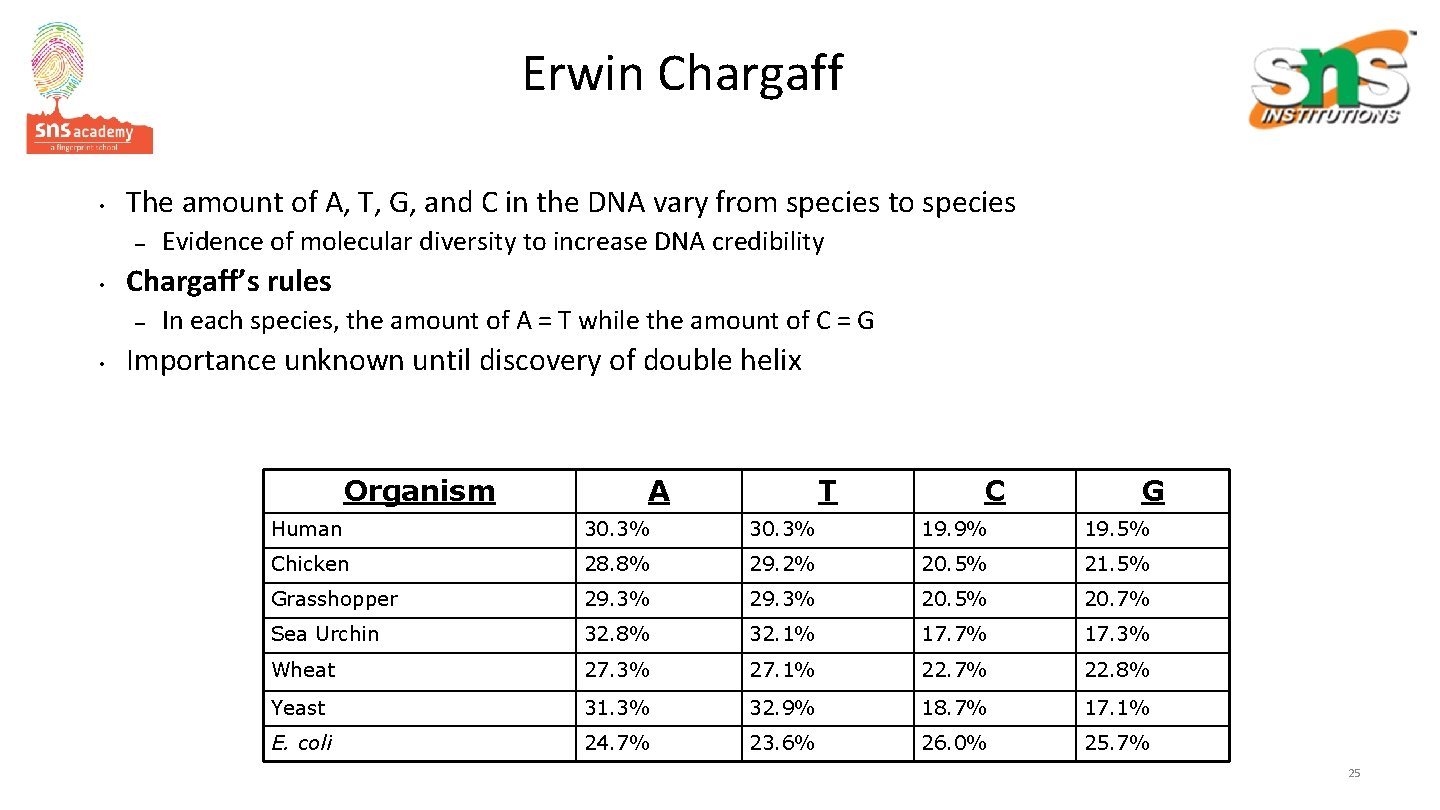
Erwin Chargaff • The amount of A, T, G, and C in the DNA vary from species to species – • Chargaff’s rules – • Evidence of molecular diversity to increase DNA credibility In each species, the amount of A = T while the amount of C = G Importance unknown until discovery of double helix Organism A T C G Human 30. 3% 19. 9% 19. 5% Chicken 28. 8% 29. 2% 20. 5% 21. 5% Grasshopper 29. 3% 20. 5% 20. 7% Sea Urchin 32. 8% 32. 1% 17. 7% 17. 3% Wheat 27. 3% 27. 1% 22. 7% 22. 8% Yeast 31. 3% 32. 9% 18. 7% 17. 1% E. coli 24. 7% 23. 6% 26. 0% 25. 7% 25