
Smashing the Standard Model Physics at the CERN
- Slides: 29
Smashing the Standard Model: Physics at the CERN LHC Kenneth Johns University of Arizona 1
Outline Ø Opening remarks – 5 min n Destroyed magnets, black hole video Ø Standard model and Higgs – 12 min Ø CERN and LHC accelerator – 8 min Ø ATLAS detector – 5 min Ø October disaster – 5 min Ø Higgs – 12 min n Production Decay Discovery potential Ø Other LHC physics and conclusions – 5 min Ø Total Ø UA contributions
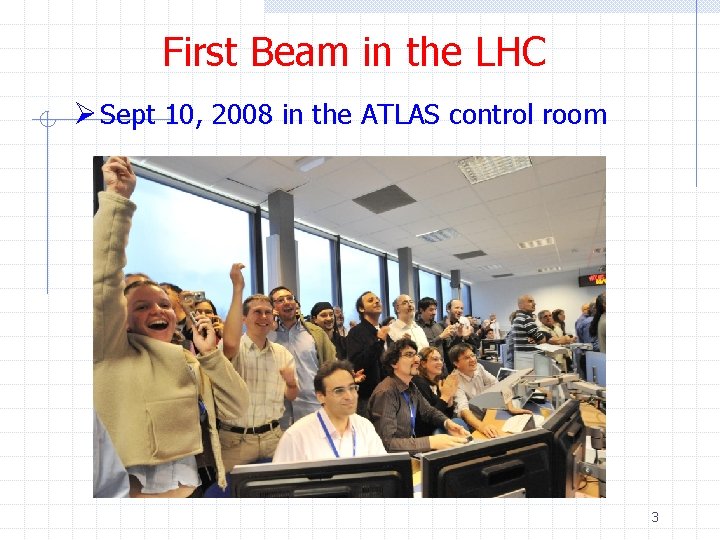
First Beam in the LHC Ø Sept 10, 2008 in the ATLAS control room 3
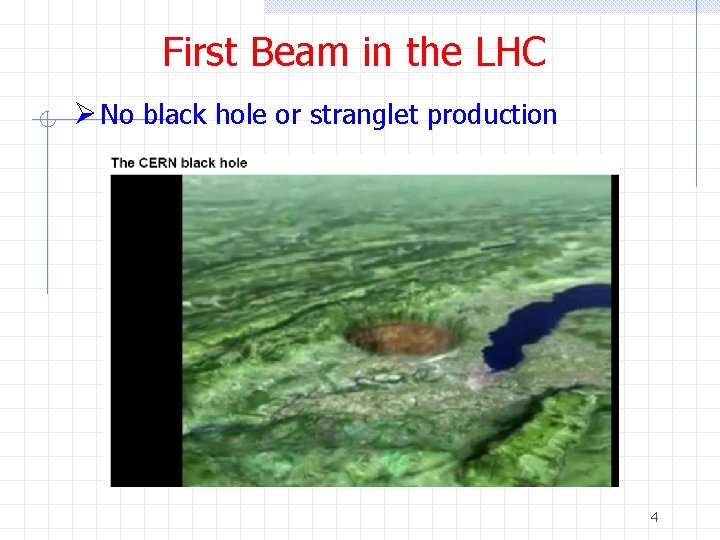
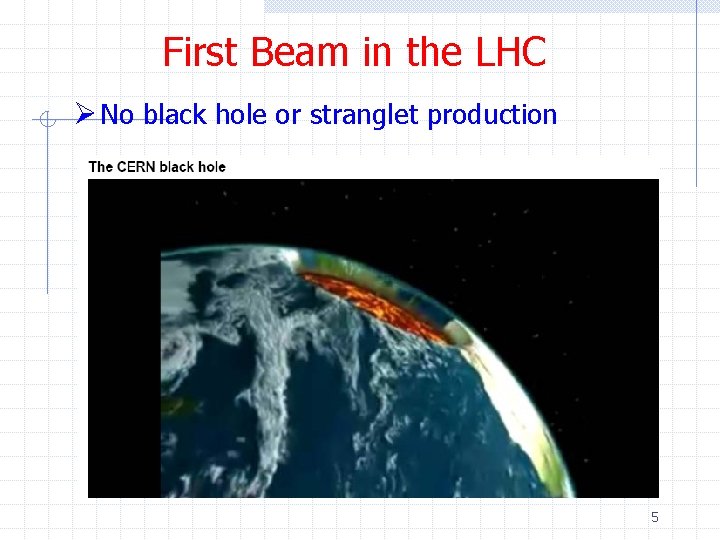
First Beam in the LHC Ø No black hole or stranglet production 4
First Beam in the LHC Ø No black hole or stranglet production 5
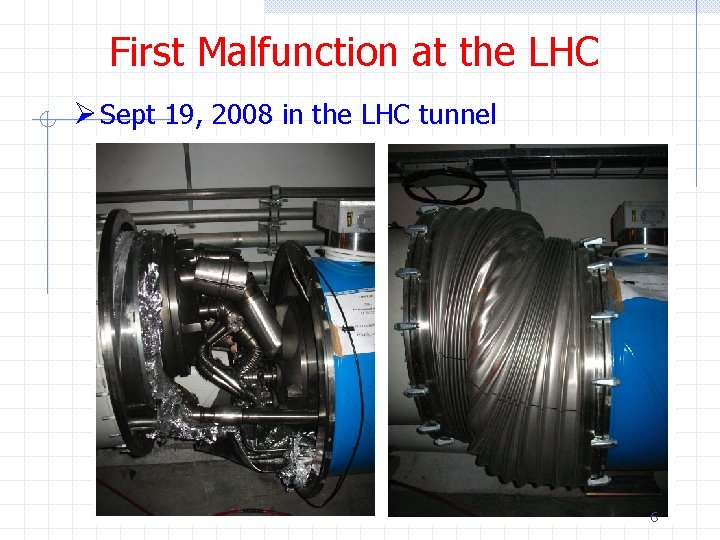
First Malfunction at the LHC Ø Sept 19, 2008 in the LHC tunnel 6
Physics at the LHC Ø“There are knowns. These are things we know that we know. There are known unknowns. That is to say, there are things that we know we don't know. But there also unknowns. There are things we don't know. ” Donald Rumsfeld
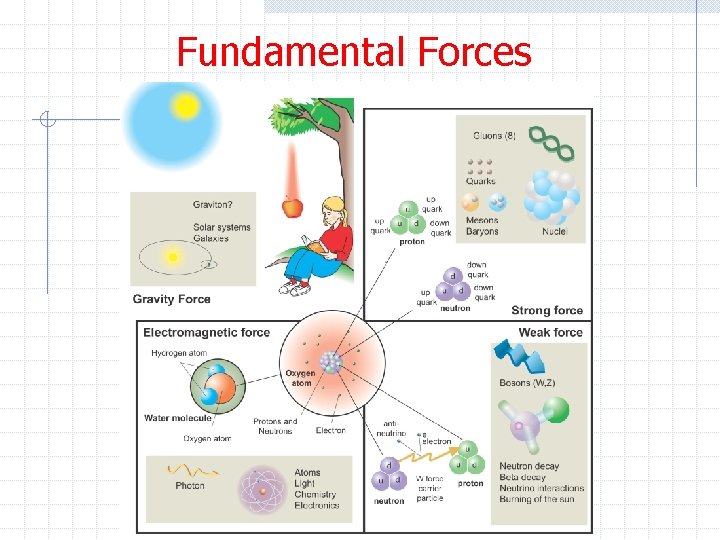
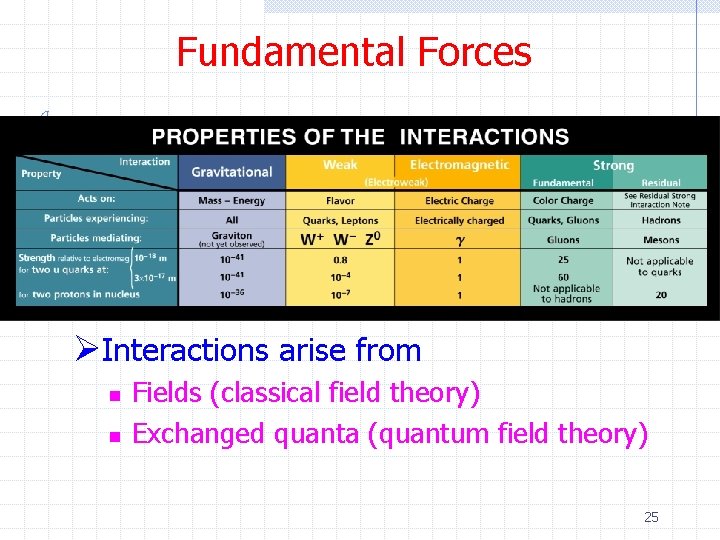
Fundamental Forces
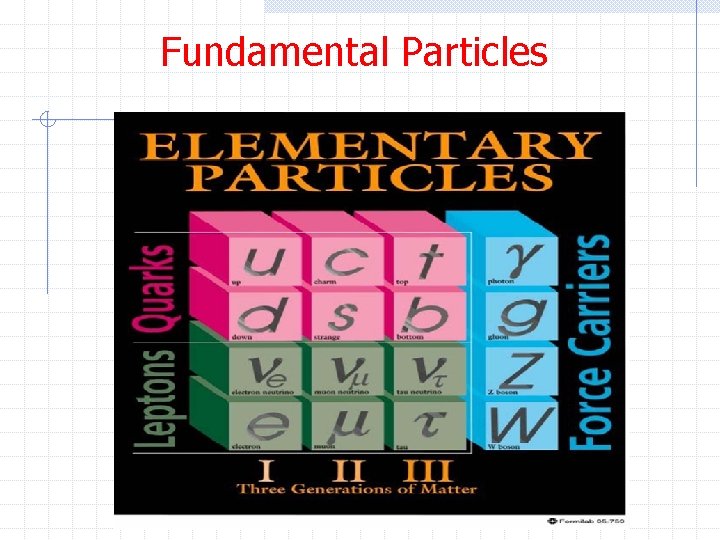
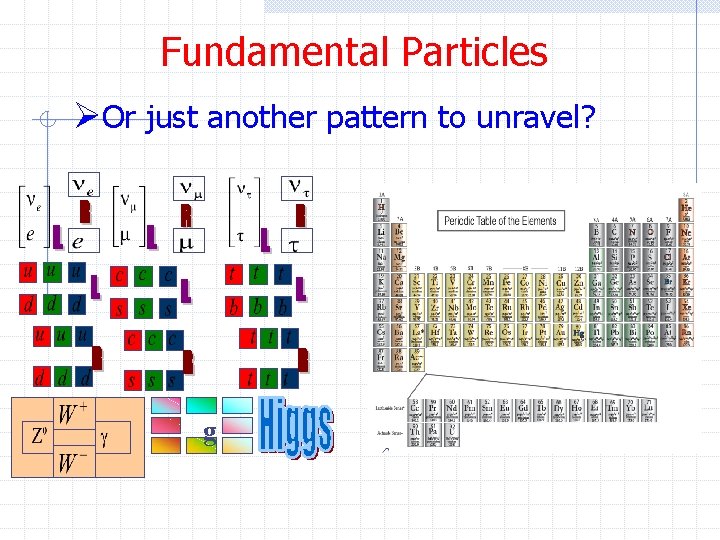
Fundamental Particles
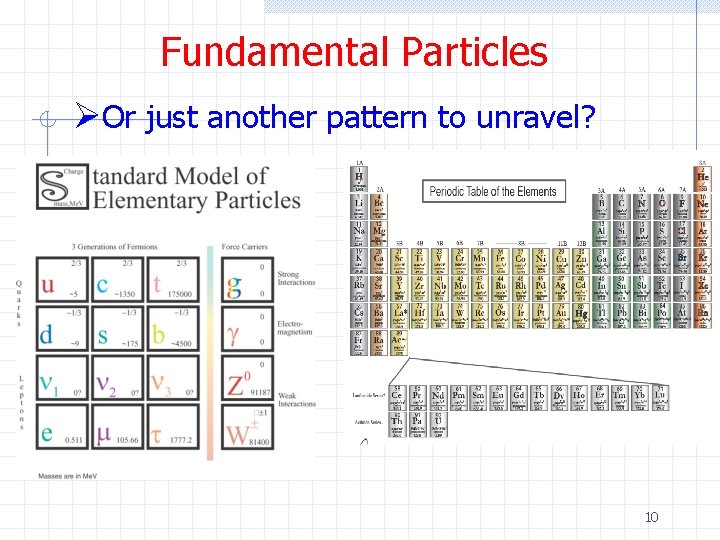
Fundamental Particles ØOr just another pattern to unravel? 10
Standard Model Ø The Standard Model unifies the strong, weak, and electromagnetic interactions in the sense that they all arise from a local symmetry principle n n Local gauge invariance A minor problem is that the symmetries of the Standard Model do not allow for massive gauge bosons Ø There are no experimental contradictions to the predictions of the Standard Model, which is complete in that its mathematical structure allows calculations to be carried out n Tested to a high precision (1 part in 1000)
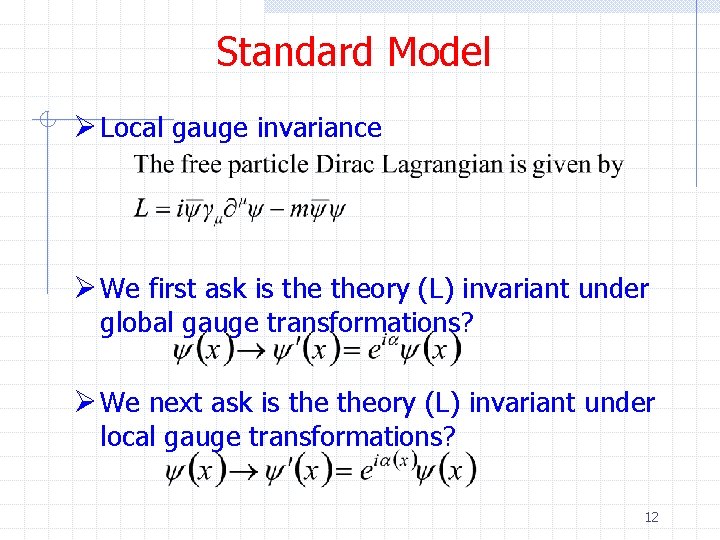
Standard Model Ø Local gauge invariance Ø We first ask is theory (L) invariant under global gauge transformations? Ø We next ask is theory (L) invariant under local gauge transformations? 12
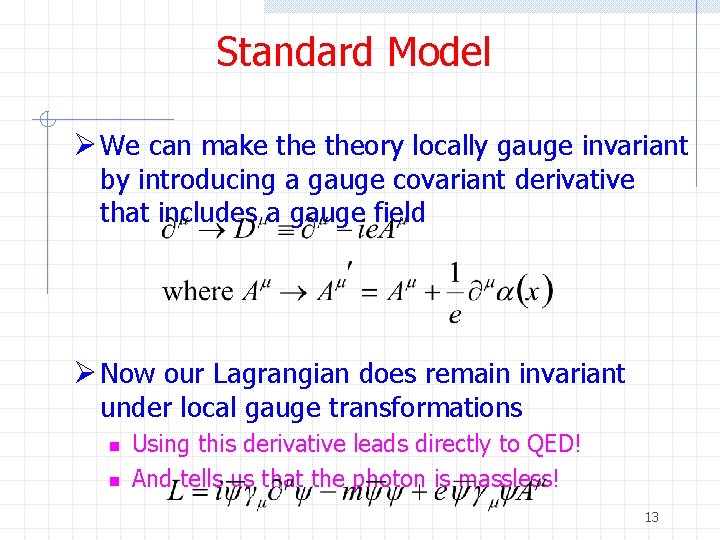
Standard Model Ø We can make theory locally gauge invariant by introducing a gauge covariant derivative that includes a gauge field Ø Now our Lagrangian does remain invariant under local gauge transformations n n Using this derivative leads directly to QED! And tells us that the photon is massless! 13
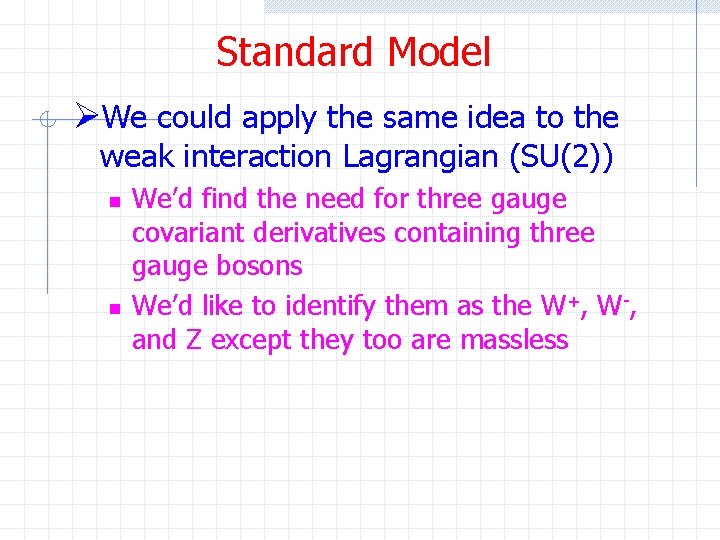
Standard Model ØWe could apply the same idea to the weak interaction Lagrangian (SU(2)) n n We’d find the need for three gauge covariant derivatives containing three gauge bosons We’d like to identify them as the W+, W-, and Z except they too are massless
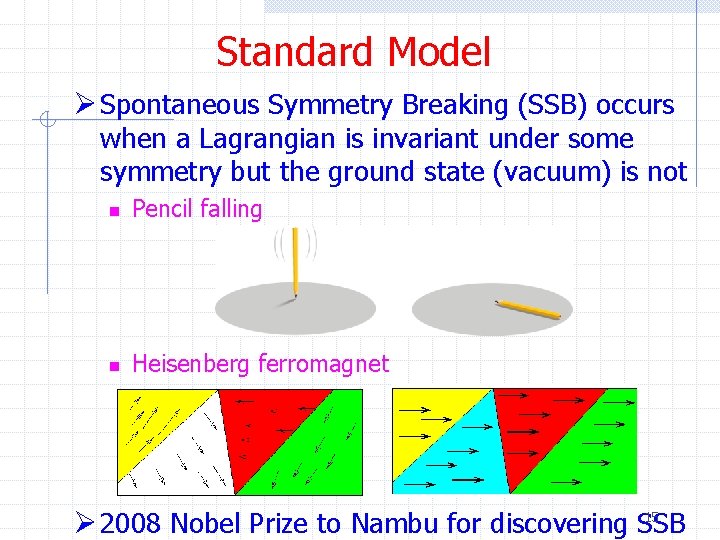
Standard Model Ø Spontaneous Symmetry Breaking (SSB) occurs when a Lagrangian is invariant under some symmetry but the ground state (vacuum) is not n Pencil falling n Heisenberg ferromagnet 15 Ø 2008 Nobel Prize to Nambu for discovering SSB
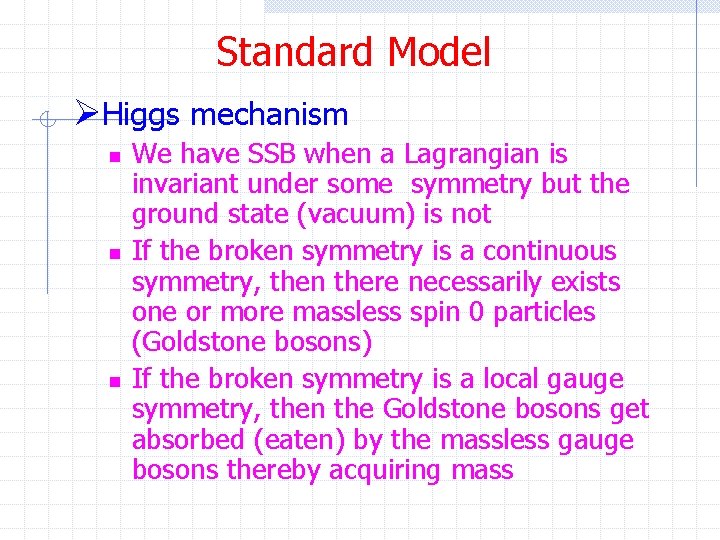
Standard Model ØHiggs mechanism n n n We have SSB when a Lagrangian is invariant under some symmetry but the ground state (vacuum) is not If the broken symmetry is a continuous symmetry, then there necessarily exists one or more massless spin 0 particles (Goldstone bosons) If the broken symmetry is a local gauge symmetry, then the Goldstone bosons get absorbed (eaten) by the massless gauge bosons thereby acquiring mass
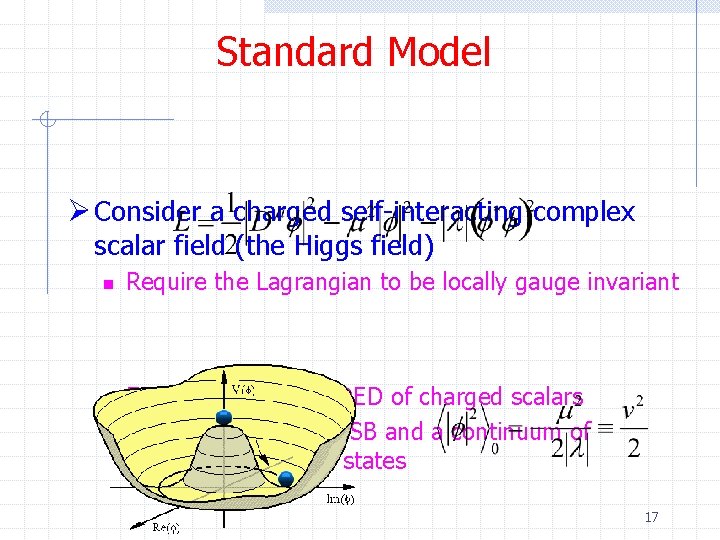
Standard Model Ø Consider a charged self-interacting complex scalar field (the Higgs field) n n n Require the Lagrangian to be locally gauge invariant For m 2 > 0 we have QED of charged scalars For m 2 < 0 we have SSB and a continuum of degenerate vacuum states 17
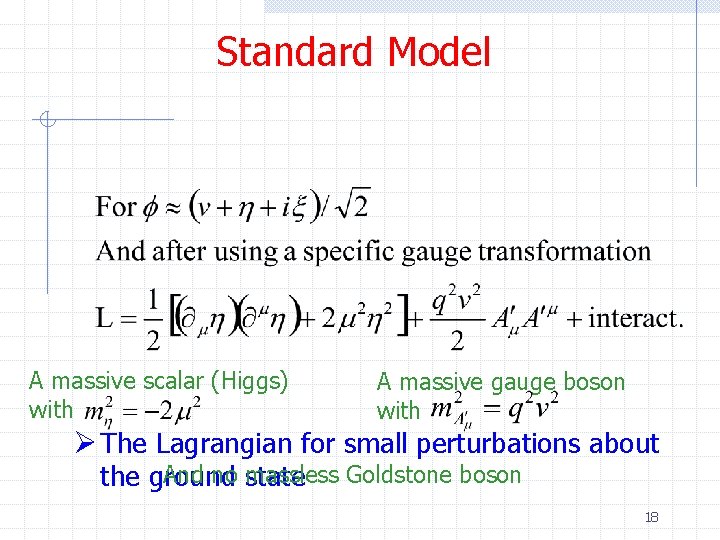
Standard Model A massive scalar (Higgs) with A massive gauge boson with Ø The Lagrangian for small perturbations about And no state massless Goldstone boson the ground 18
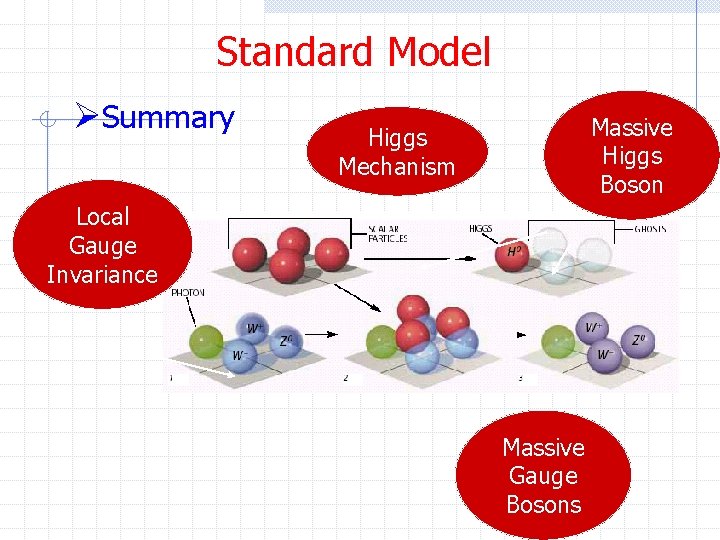
Standard Model ØSummary Massive Higgs Boson Higgs Mechanism Local Gauge Invariance Massive Gauge Bosons
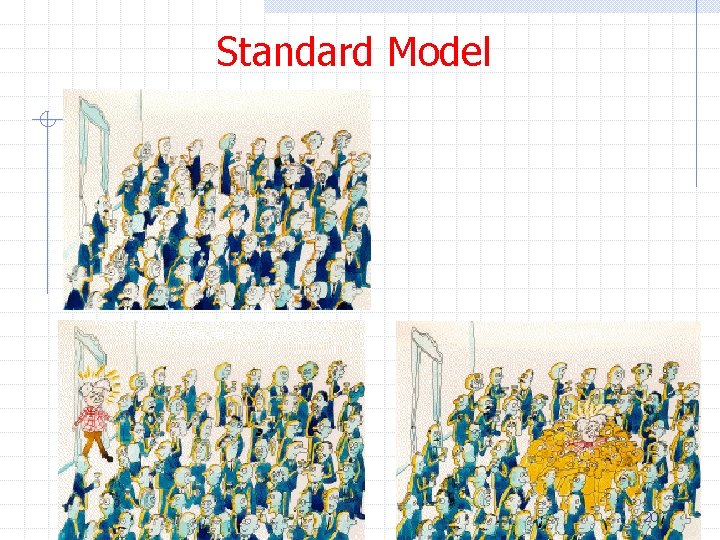
Standard Model Ø An often used analogy for mass generation 20
Standard Model Successes ØTested from 10 -17 to 1022 cm ØNo significant deviations (including quantum corrections) at the 10 -3 level ØPredicted weak neutral currents – discovered ØRequired the existence of W±, Z – discovered ØNecessitated charm and top – discovered ØPredicts only 3 neutrino families
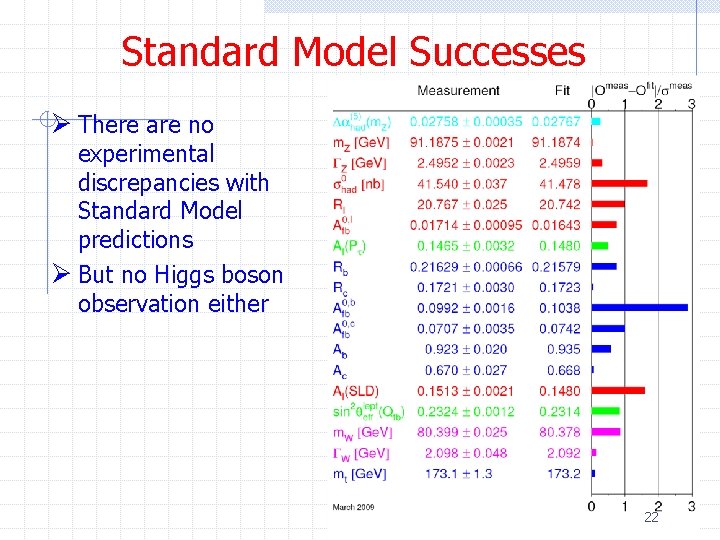
Standard Model Successes Ø There are no experimental discrepancies with Standard Model predictions Ø But no Higgs boson observation either 22
Standard Model Parameters ØOn the other hand, the Standard Model does contain a lot of parameters
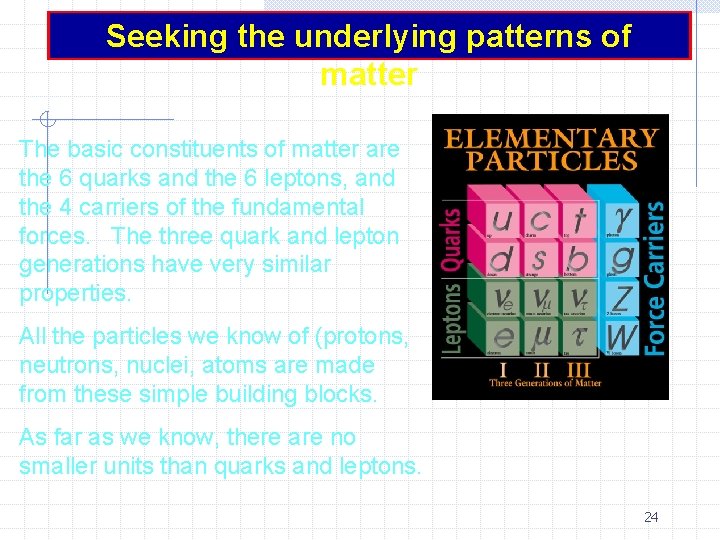
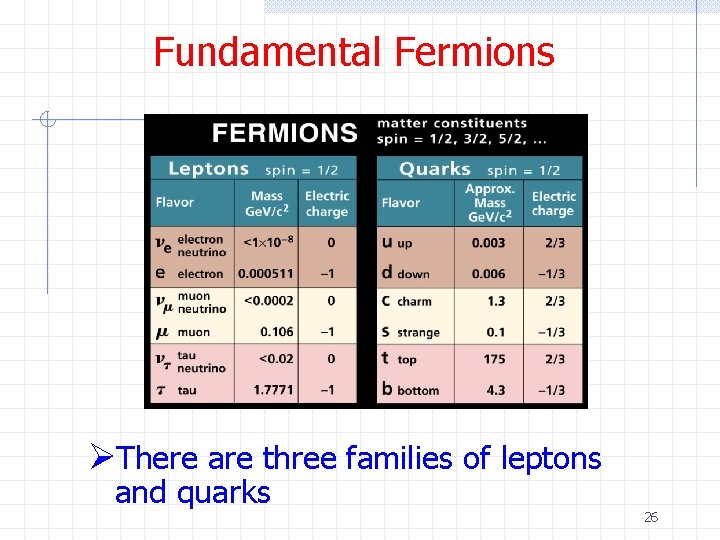
Seeking the underlying patterns of matter The basic constituents of matter are the 6 quarks and the 6 leptons, and the 4 carriers of the fundamental forces. The three quark and lepton generations have very similar properties. All the particles we know of (protons, neutrons, nuclei, atoms are made from these simple building blocks. As far as we know, there are no smaller units than quarks and leptons. 24
Fundamental Forces ØInteractions arise from n n Fields (classical field theory) Exchanged quanta (quantum field theory) 25
Fundamental Fermions ØThere are three families of leptons and quarks 26
Fundamental Particles ØOr just another pattern to unravel? g
ØSo what is thing called the Standard Model we are trying to smash – and why ØLet’s start with the fundamental particles and their interactions ØYou’ve seen this many times so I won’t linger here
ØOne of the goals of physics is to understand the common elements of these forces and particles ØPerhaps they can be unified in the sense that electricity and magnetism are unified as electromagnetism ØAnd in fact, in the 1960’s it was shown that the electromagnetic force and weak force had a common origin