
Sludge Drying Reed Beds Rastlinske istilne naprave Ekoremediacije
Sludge Drying Reed Beds Rastlinske čistilne naprave » Ekoremediacije – učinkovite in varčne metode za čiščenje odpadne vode in obdelavo komunalnega mulja « Workshop “YOUTH FOR ENVIRONMENT“ Introduction to Ecoremediations Vlora, 7. 4. 2016
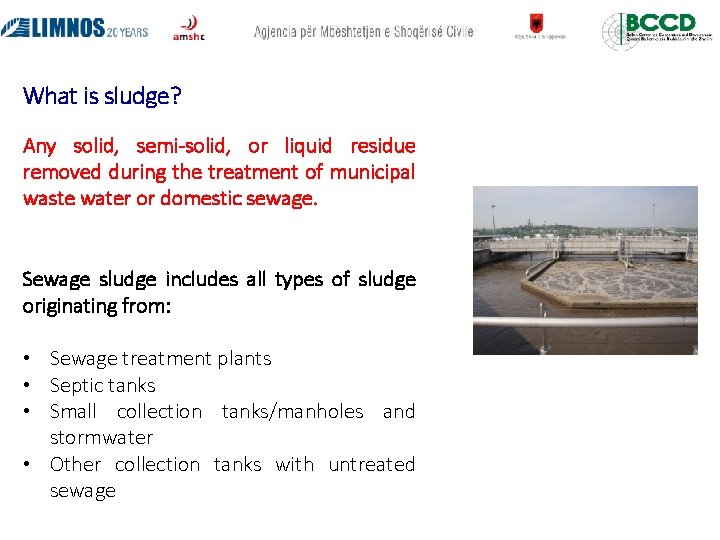
What is sludge? Any solid, semi-solid, or liquid residue removed during the treatment of municipal waste water or domestic sewage. Sewage sludge includes all types of sludge originating from: • Sewage treatment plants • Septic tanks • Small collection tanks/manholes and stormwater • Other collection tanks with untreated sewage
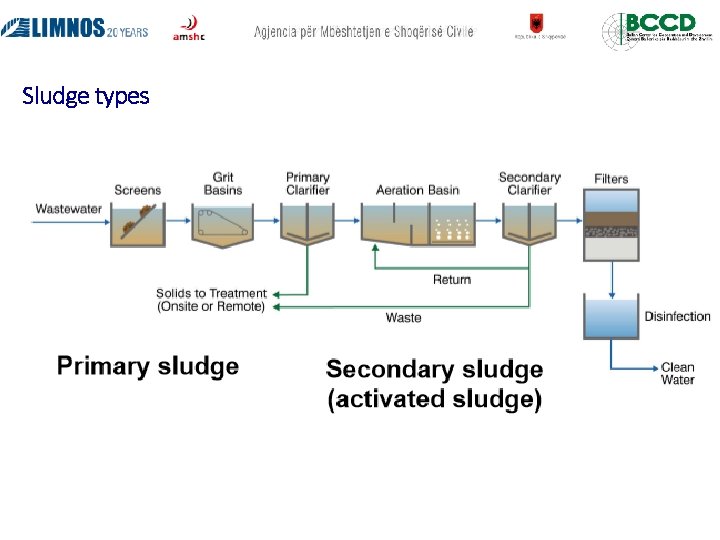
Sludge types
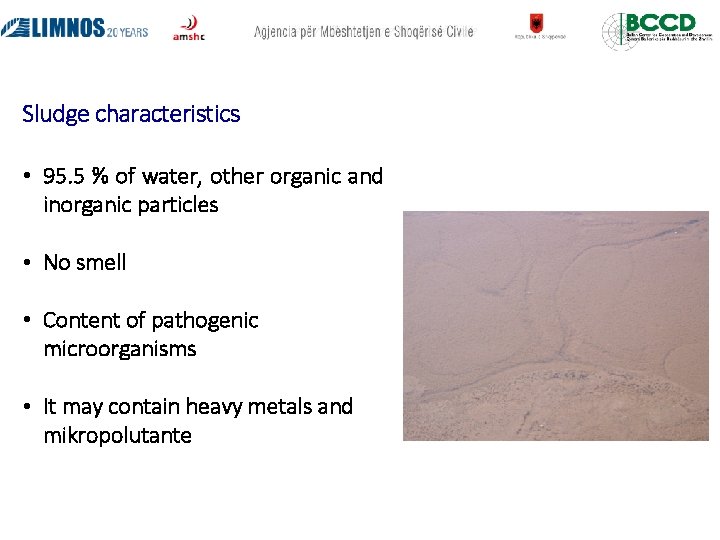
Sludge characteristics • 95. 5 % of water, other organic and inorganic particles • No smell • Content of pathogenic microorganisms • It may contain heavy metals and mikropolutante
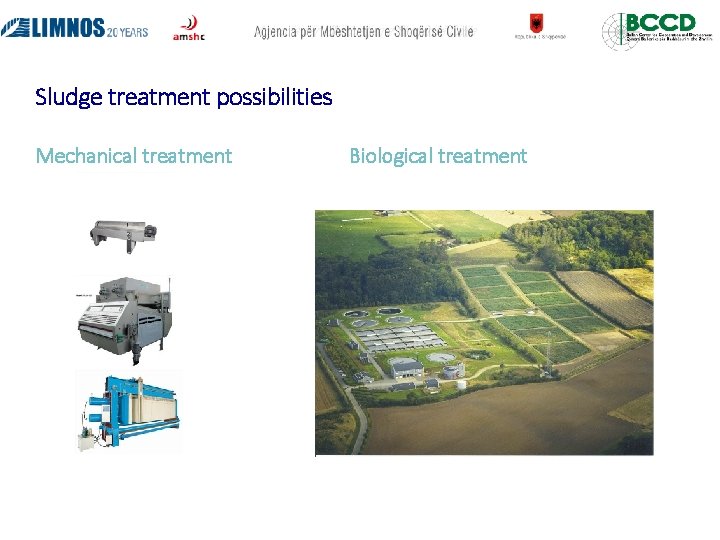
Sludge treatment possibilities Mechanical treatment Biological treatment
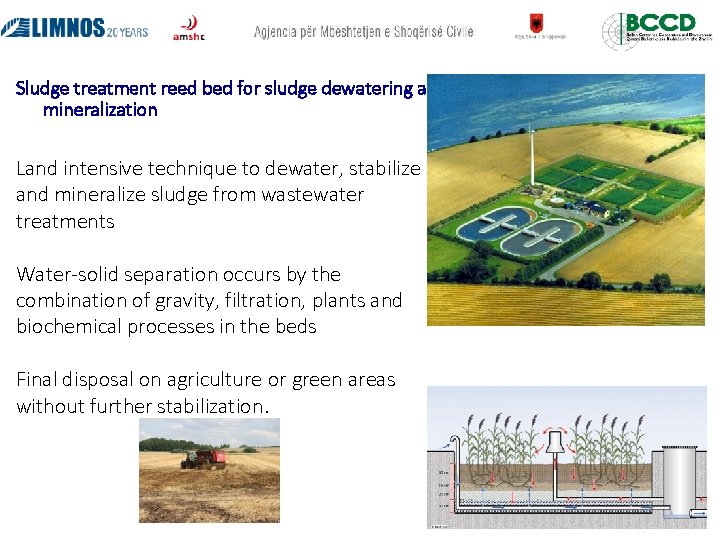
Sludge treatment reed bed for sludge dewatering and mineralization Land intensive technique to dewater, stabilize and mineralize sludge from wastewater treatments Water-solid separation occurs by the combination of gravity, filtration, plants and biochemical processes in the beds Final disposal on agriculture or green areas without further stabilization.
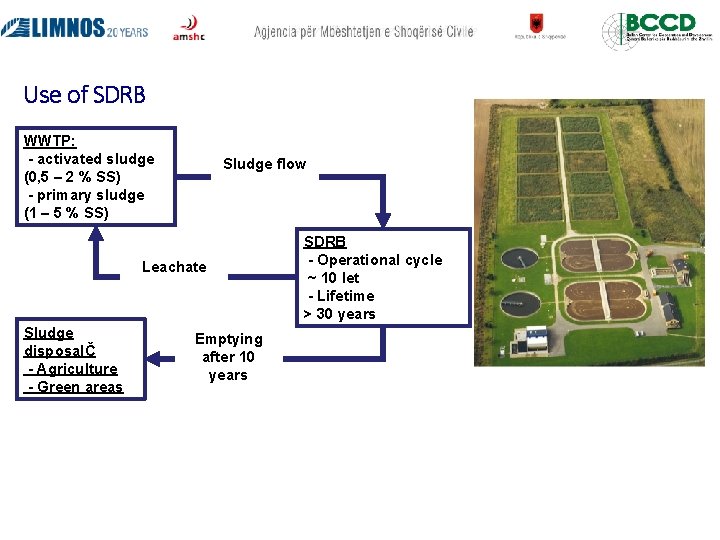
Use of SDRB WWTP: - activated sludge (0, 5 – 2 % SS) - primary sludge (1 – 5 % SS) Sludge flow Leachate Sludge disposalČ - Agriculture - Green areas Emptying after 10 years SDRB - Operational cycle ~ 10 let - Lifetime > 30 years
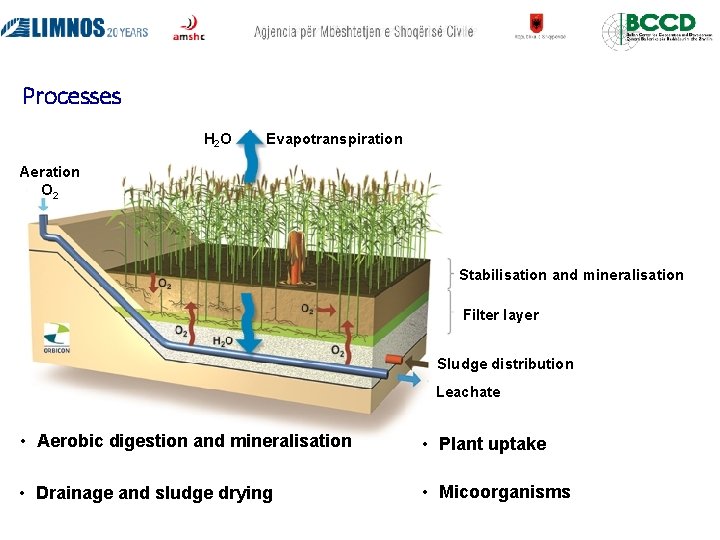
Processes H 2 O Evapotranspiration Aeration O 2 Stabilisation and mineralisation Filter layer Sludge distribution Leachate • Aerobic digestion and mineralisation • Plant uptake • Drainage and sludge drying • Micoorganisms
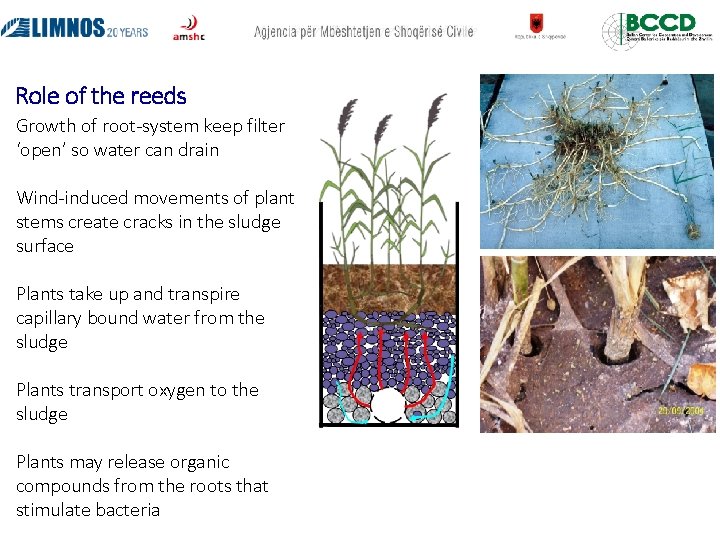
Role of the reeds Growth of root-system keep filter ‘open’ so water can drain Wind-induced movements of plant stems create cracks in the sludge surface Plants take up and transpire capillary bound water from the sludge Plants transport oxygen to the sludge Plants may release organic compounds from the roots that stimulate bacteria
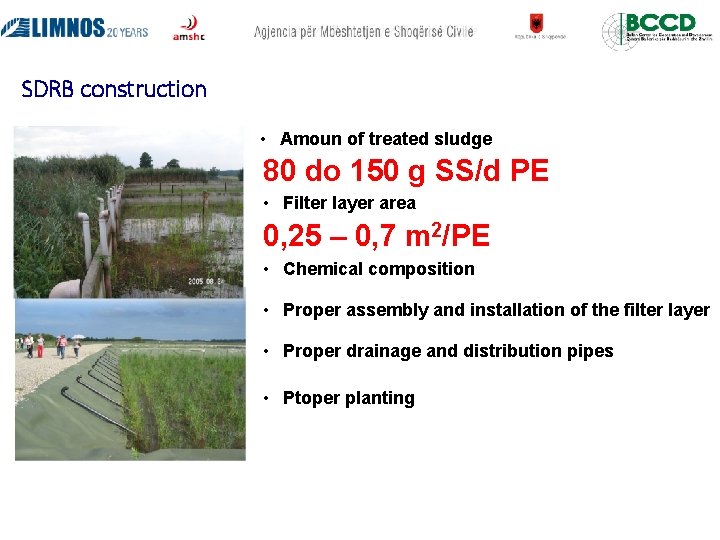
SDRB construction • Amoun of treated sludge 80 do 150 g SS/d PE • Filter layer area 0, 25 – 0, 7 m 2/PE • Chemical composition • Proper assembly and installation of the filter layer • Proper drainage and distribution pipes • Ptoper planting
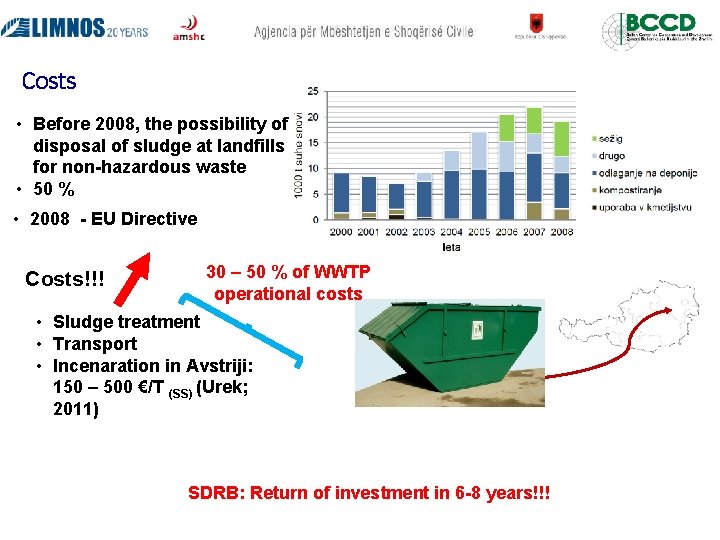
Costs • Before 2008, the possibility of disposal of sludge at landfills for non-hazardous waste • 50 % • 2008 - EU Directive Costs!!! 30 – 50 % of WWTP operational costs • Sludge treatment • Transport • Incenaration in Avstriji: 150 – 500 €/T (SS) (Urek; 2011) SDRB: Return of investment in 6 -8 years!!!
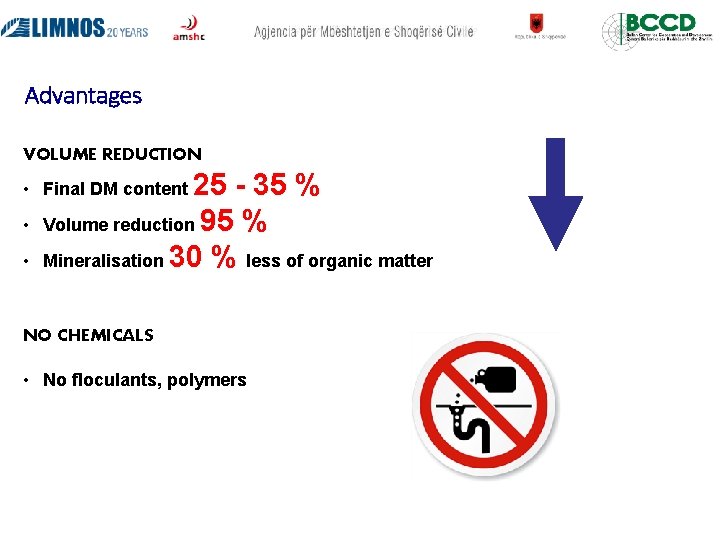
Advantages VOLUME REDUCTION 25 - 35 % Volume reduction 95 % Mineralisation 30 % less of organic matter • Final DM content • • NO CHEMICALS • No floculants, polymers
Advantages ENERGY ASPECT 20 - 60 % • Energy savings • Only pumps and constrol system ECOLOGICAL ASPECT • No smell • Healthy work environment • Smaller CO 2 impact – green technology!
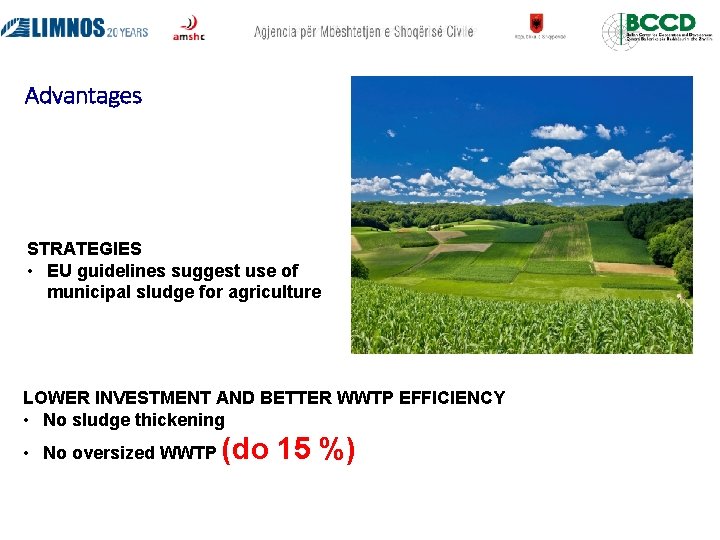
Advantages STRATEGIES • EU guidelines suggest use of municipal sludge for agriculture LOWER INVESTMENT AND BETTER WWTP EFFICIENCY • No sludge thickening • No oversized WWTP (do 15 %)
Implementation • Single households • Settlements • Turistic facilities • Towns • Industrial plants
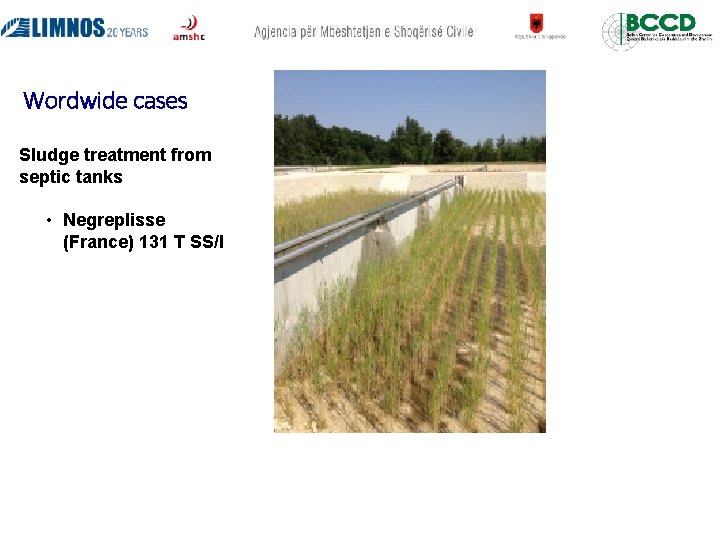
Wordwide cases Sludge treatment from septic tanks • Negreplisse (France) 131 T SS/l
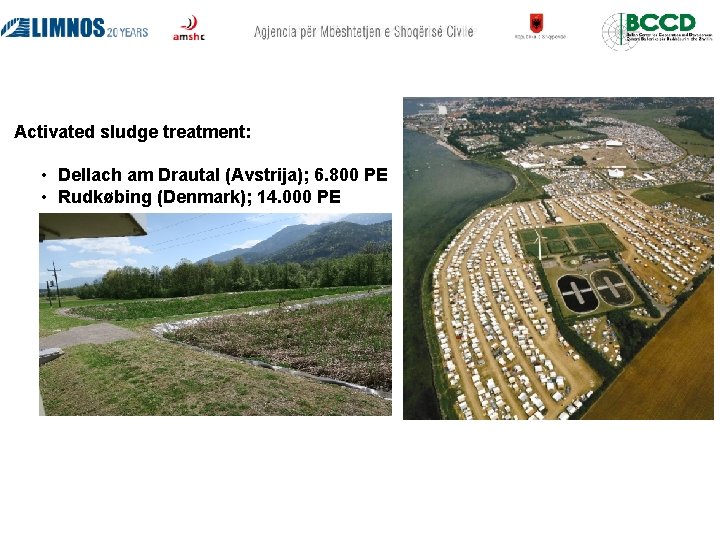
Activated sludge treatment: • Dellach am Drautal (Avstrija); 6. 800 PE • Rudkøbing (Denmark); 14. 000 PE
- Slides: 17