
SLP 2 revision materials for Gurkhas Language File
- Slides: 26
SLP 2 revision materials for Gurkhas Language File 6: Capital letters • When you should use them and when you shouldn’t.
Capital letters • Can you think when you should use capital letters? • Think of FIVE occasions.
Capital letters • Always use capital letters for people’s names, titles and ranks. • For example: • John, Santosh, Mr Jones, Mrs Brown, Capt, Major.
Capital letters • Always use capital letters for names of towns and places. • For example: • Kathmandu, Pokhara, Catterick, Richmond, Leeds.
Capital letters • Always use capital letters for countries, languages and nationalities. • For example: • Afghanistan, English, a British soldier, Nepali food.
Capital letters • Always use capital letters for the names of companies, organisations and businesses. • For example: • Tesco, Ministry of Defence, the King’s Head, Mc. Donald’s.
Capital letters • Always use capital letters when writing days of the week or months of the year. • For example: • July, Saturday, November, Monday.
Capital letters • Always use capital letters to start a new sentence. • For example: • Yesterday he went swimming. • He went swimming last week.
Capital letters • Always use capital letters when writing the word I. • NEVER write i – even if it is in the middle of a sentence! • For example: • Last week I bought a new computer.
Capital Letters • Always use capital letters for abbreviations where each letter represents a word. • • For example: The UK (=United Kingdom) BBC (=British Broadcasting Corporation) IT; USA; GLW; EU; NATO.
It’s also important to know when you don’t need capital letters.
• You don’t need to use capital letters • after commas; • for general things (e. g. supermarket), but you do for specific names (like Tesco); • for jobs (e. g. soldier, teacher); • in the middle of words.
How much can you do?
• These sentences were written in the SLP 2 exams last year. • There are mistakes in each one with capital letters. • Write the correct version in your notebooks. • Check against the answer on the screen.
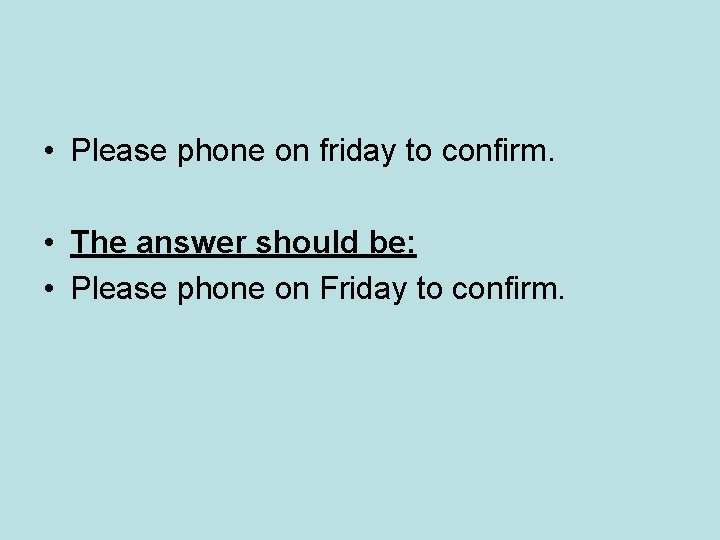
• Please phone on friday to confirm. • The answer should be: • Please phone on Friday to confirm.
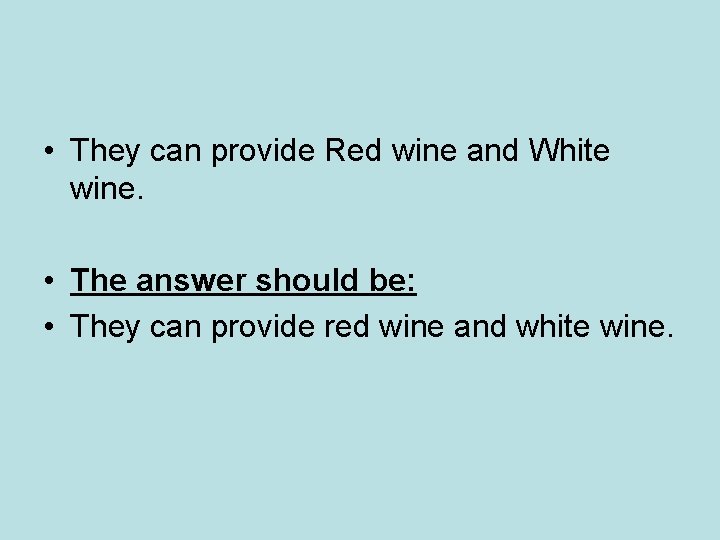
• They can provide Red wine and White wine. • The answer should be: • They can provide red wine and white wine.
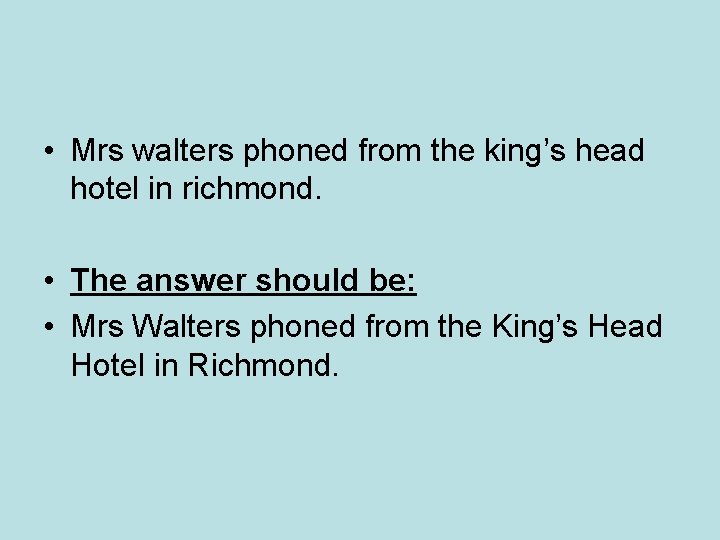
• Mrs walters phoned from the king’s head hotel in richmond. • The answer should be: • Mrs Walters phoned from the King’s Head Hotel in Richmond.
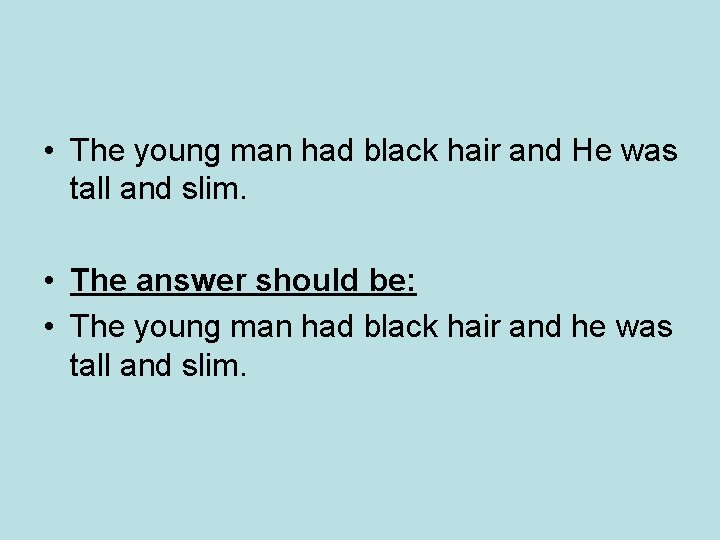
• The young man had black hair and He was tall and slim. • The answer should be: • The young man had black hair and he was tall and slim.
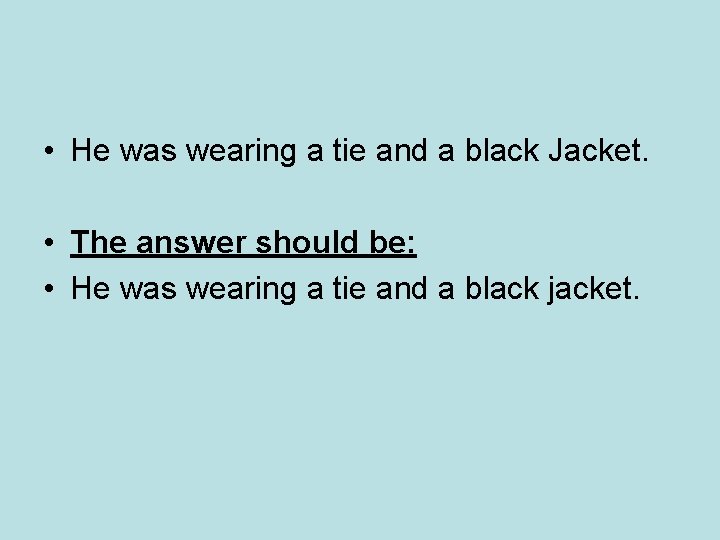
• He was wearing a tie and a black Jacket. • The answer should be: • He was wearing a tie and a black jacket.
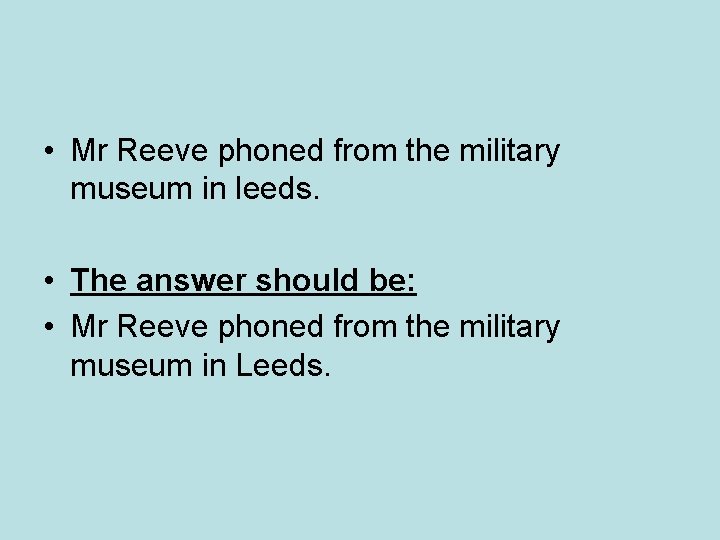
• Mr Reeve phoned from the military museum in leeds. • The answer should be: • Mr Reeve phoned from the military museum in Leeds.
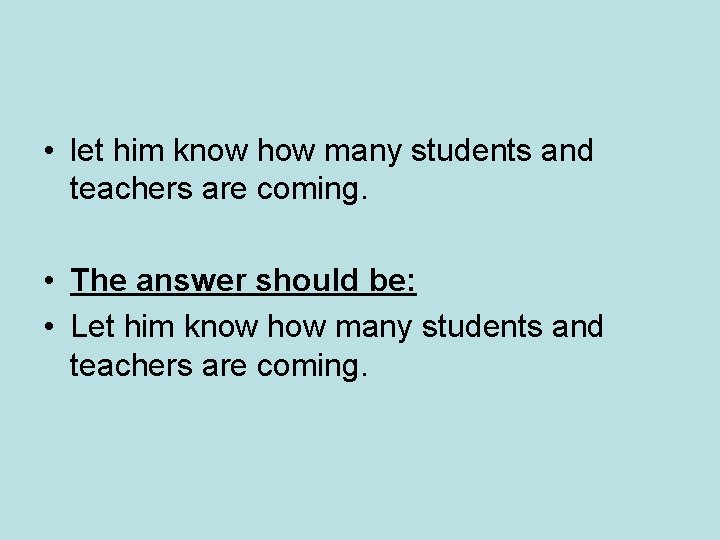
• let him know how many students and teachers are coming. • The answer should be: • Let him know how many students and teachers are coming.
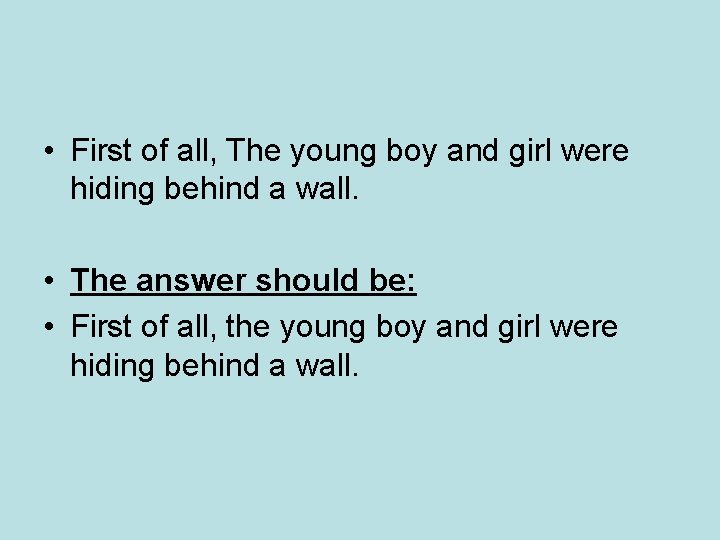
• First of all, The young boy and girl were hiding behind a wall. • The answer should be: • First of all, the young boy and girl were hiding behind a wall.
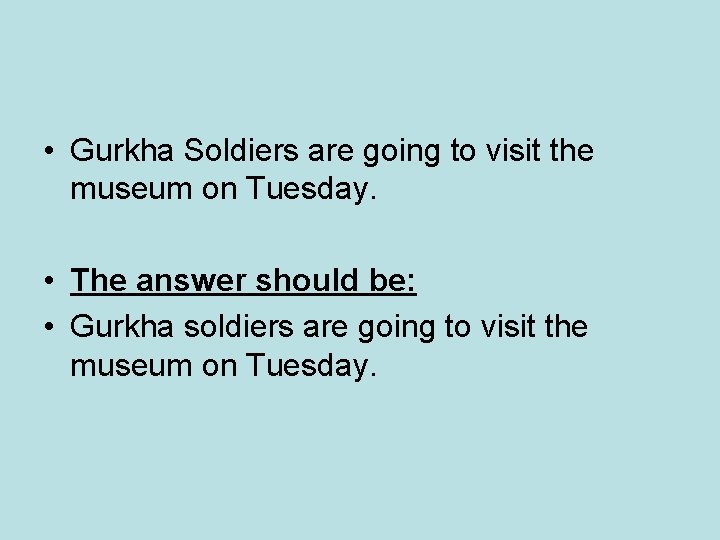
• Gurkha Soldiers are going to visit the museum on Tuesday. • The answer should be: • Gurkha soldiers are going to visit the museum on Tuesday.
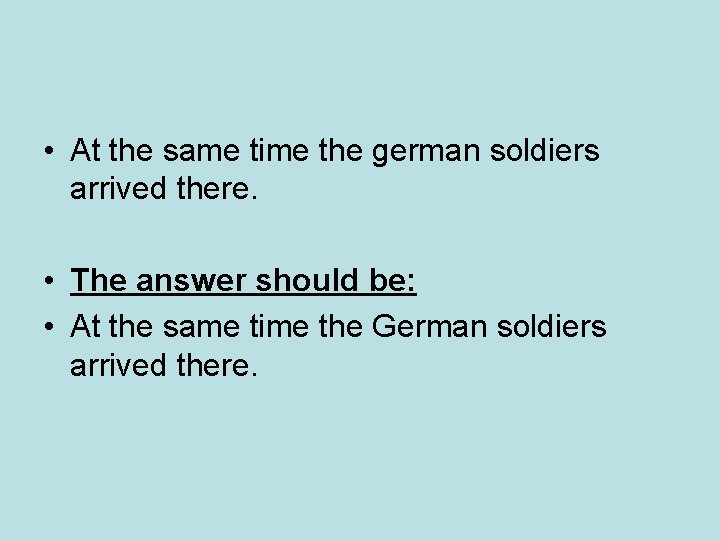
• At the same time the german soldiers arrived there. • The answer should be: • At the same time the German soldiers arrived there.
How well did you do?
Do you need more help? • This website might be helpful: • http: //www. bbc. co. uk/skillswise/topic/punct uation