
Slow Extraction in Electron Machines Wolfgang Hillert Physics



- Slides: 48
Slow Extraction in Electron Machines… Wolfgang Hillert Physics Institute of Bonn University …based on the experience at our in-house accelerator Darmstadt 02 -Jun-2016
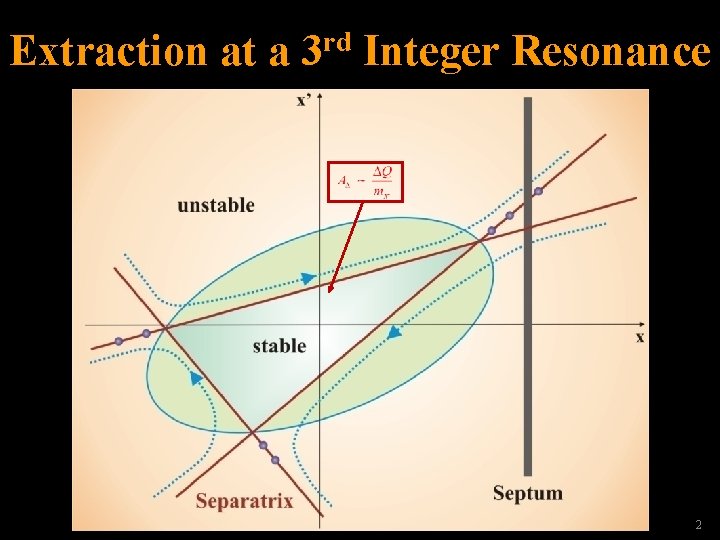
Extraction at a rd 3 Integer Resonance 2
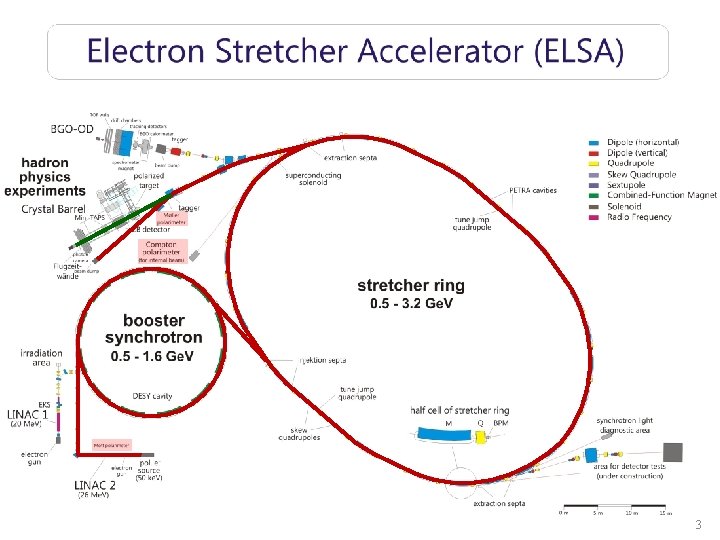
3
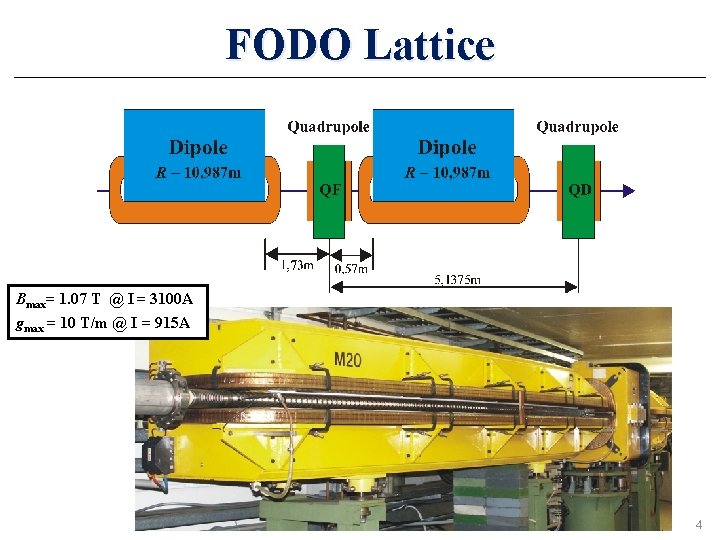
FODO Lattice Bmax= 1. 07 T @ I = 3100 A gmax = 10 T/m @ I = 915 A 4
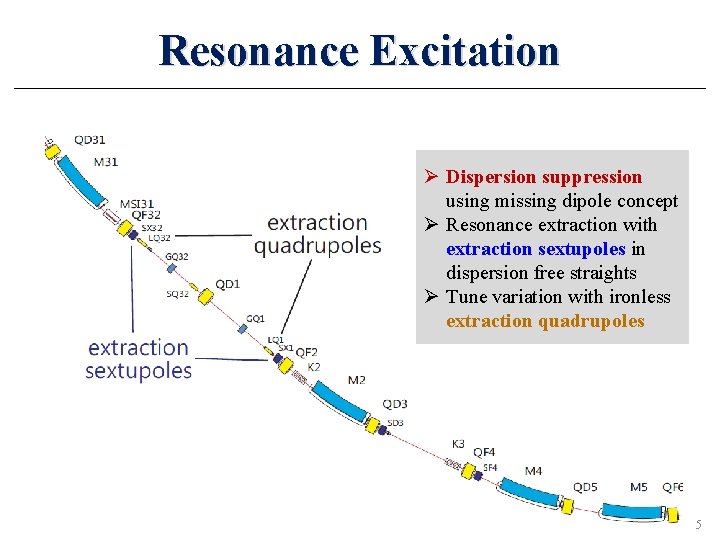
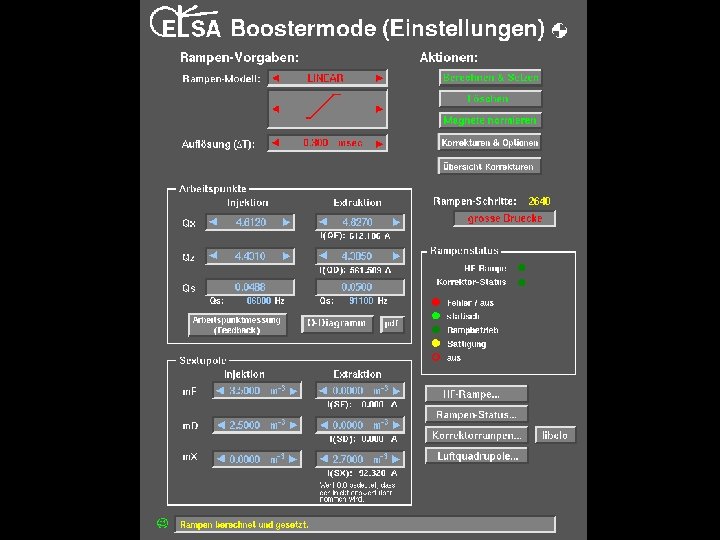
Resonance Excitation Ø Dispersion suppression using missing dipole concept Ø Resonance extraction with extraction sextupoles in dispersion free straights Ø Tune variation with ironless extraction quadrupoles 5
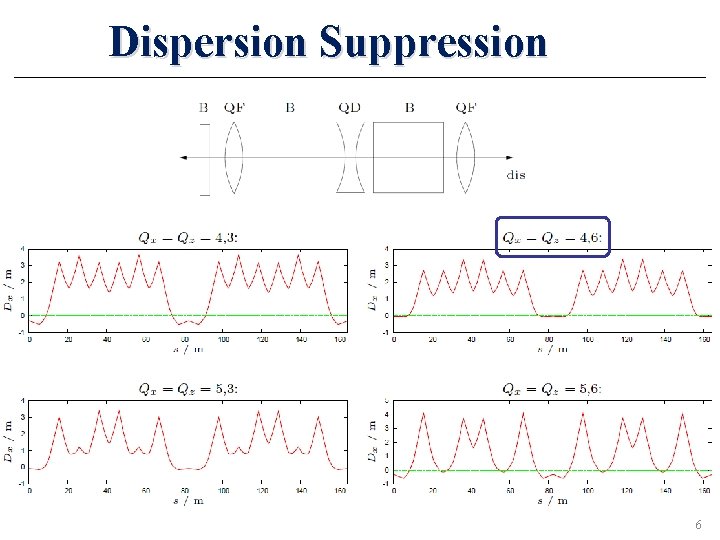
Dispersion Suppression 6
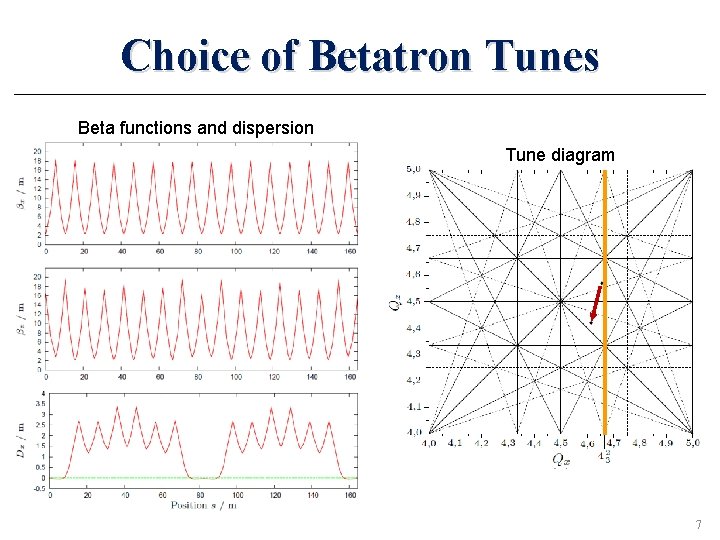
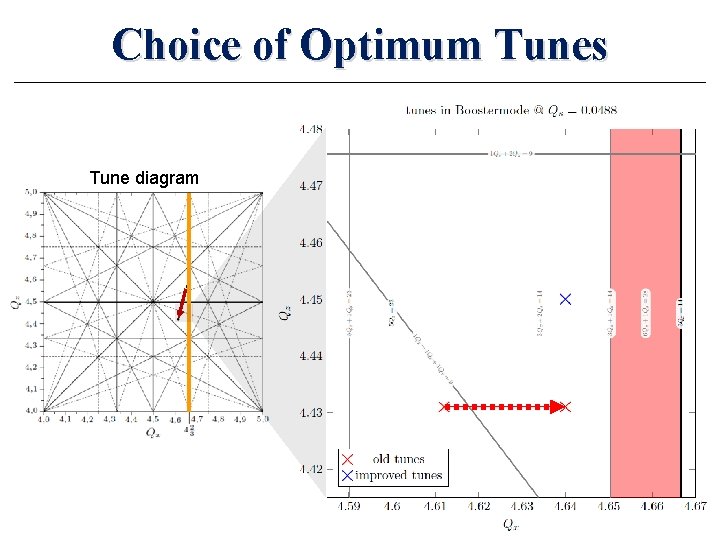
Choice of Betatron Tunes Beta functions and dispersion Tune diagram 7
8
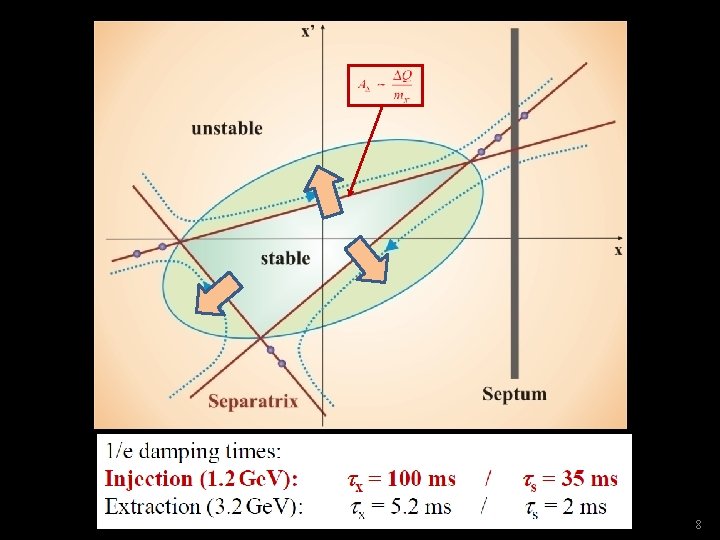
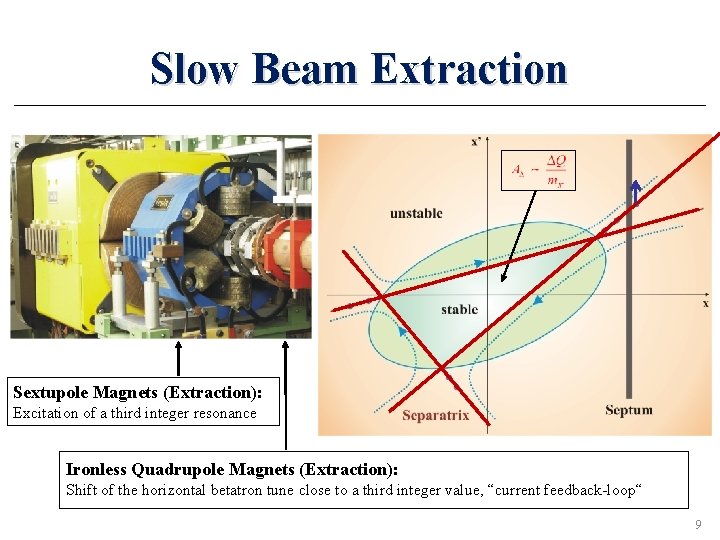
Slow Beam Extraction Sextupole Magnets (Extraction): Excitation of a third integer resonance Ironless Quadrupole Magnets (Extraction): Shift of the horizontal betatron tune close to a third integer value, “current feedback-loop“ 9
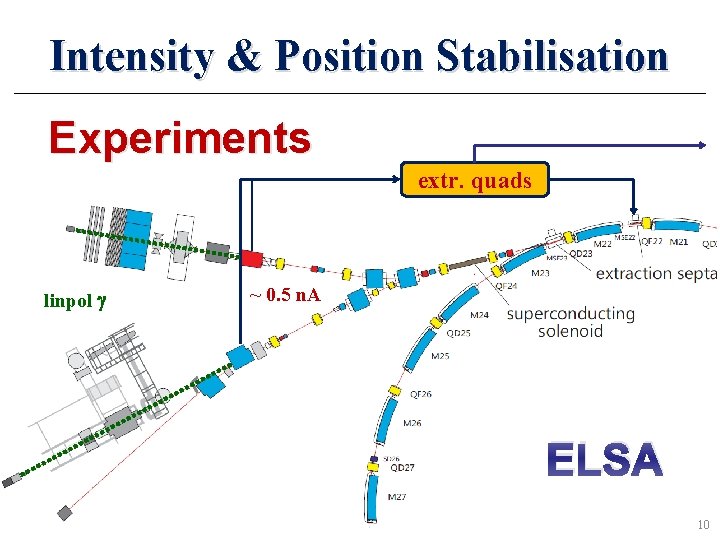
Intensity & Position Stabilisation Experiments extr. quads Lin. linpol g Pol g ~ 0. 5 n. A ELSA 10
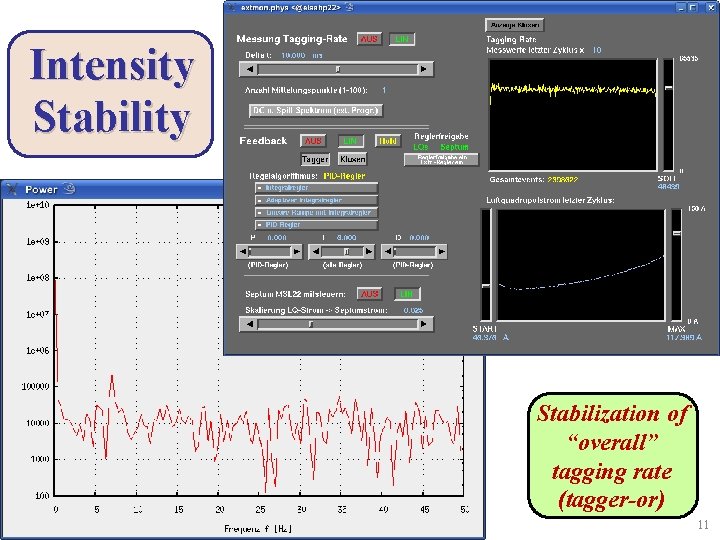
Intensity Stabilization of “overall” tagging rate (tagger-or) 11
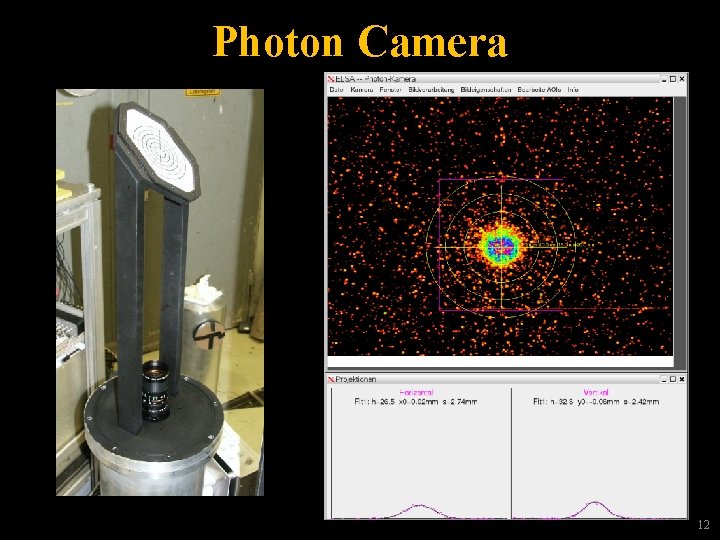
Photon Camera 12
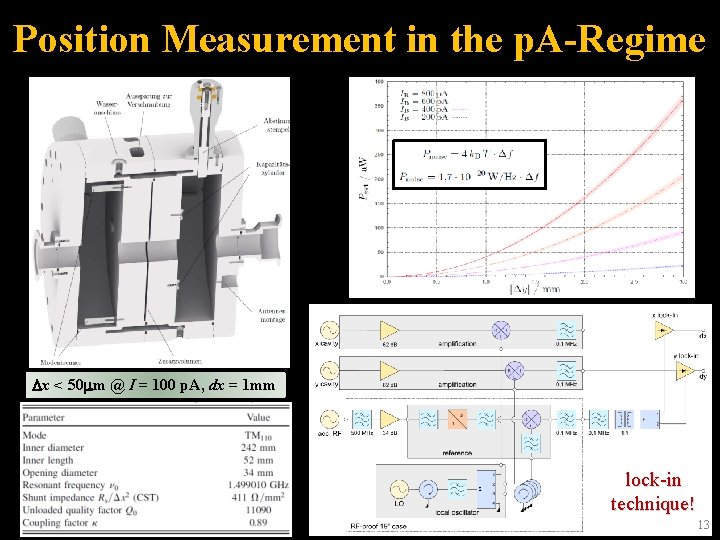
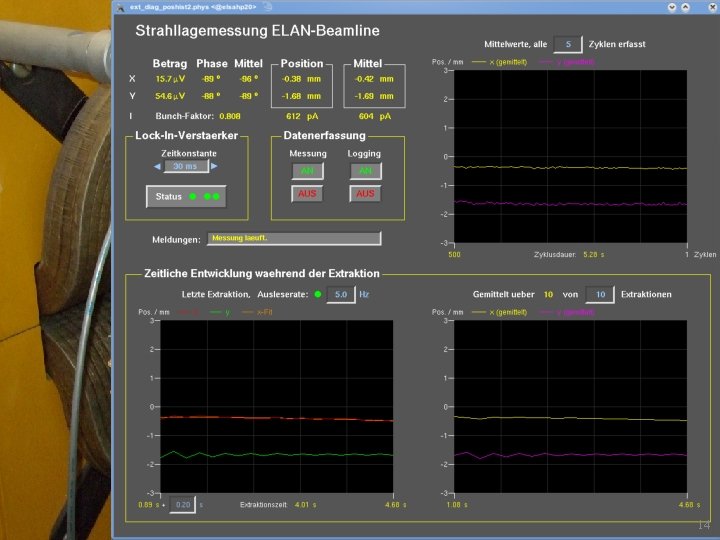
Position Measurement in the p. A-Regime Dx < 50 mm @ I = 100 p. A, dx = 1 mm lock-in technique! 13
14
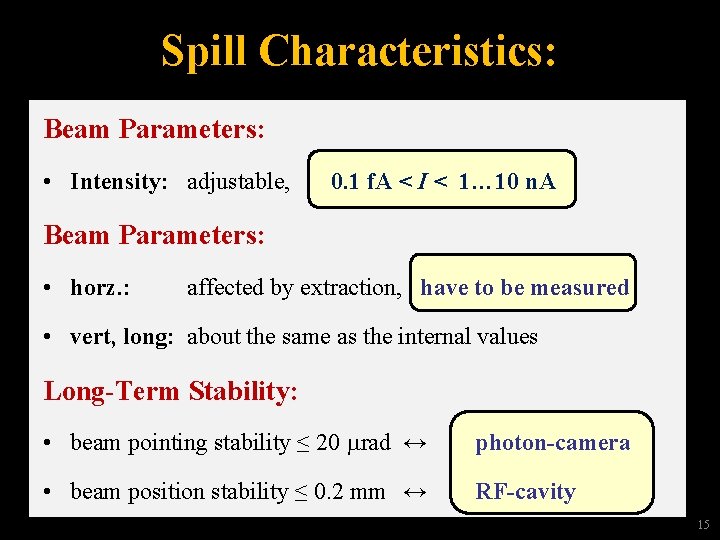
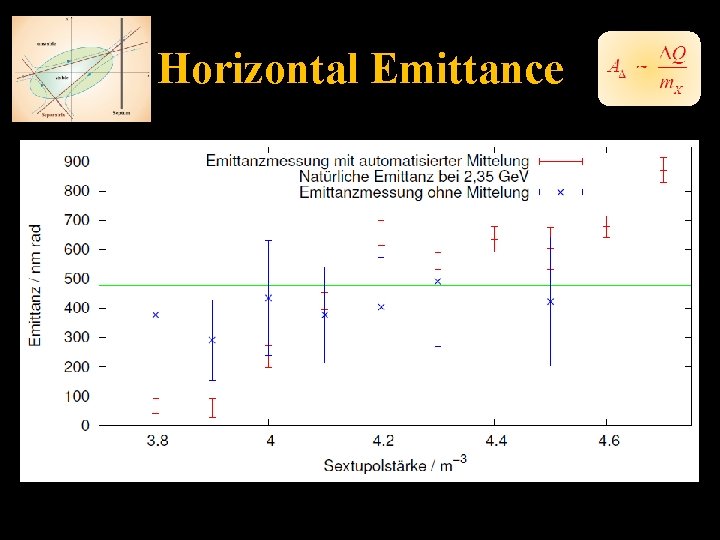
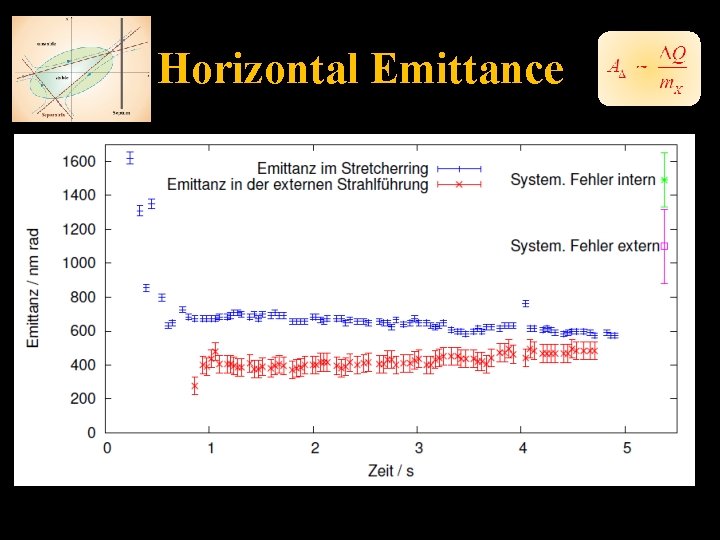
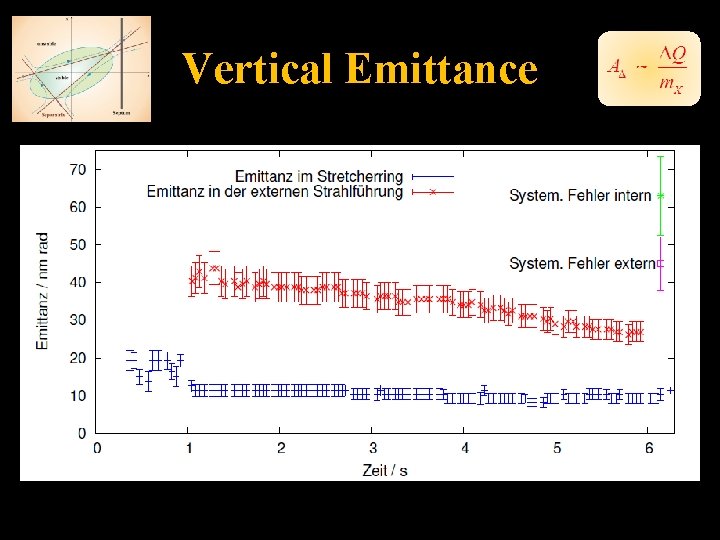
Spill Characteristics: Beam Parameters: • Intensity: adjustable, 0. 1 f. A < I < 1… 10 n. A Beam Parameters: • horz. : affected by extraction, have to be measured • vert, long: about the same as the internal values Long-Term Stability: • beam pointing stability ≤ 20 mrad ↔ photon-camera • beam position stability ≤ 0. 2 mm ↔ RF-cavity 15
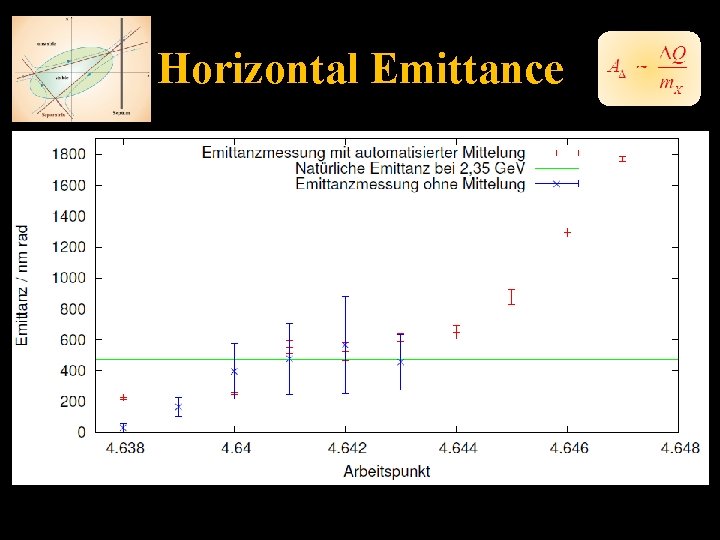
Horizontal Emittance
Horizontal Emittance
Horizontal Emittance
Vertical Emittance
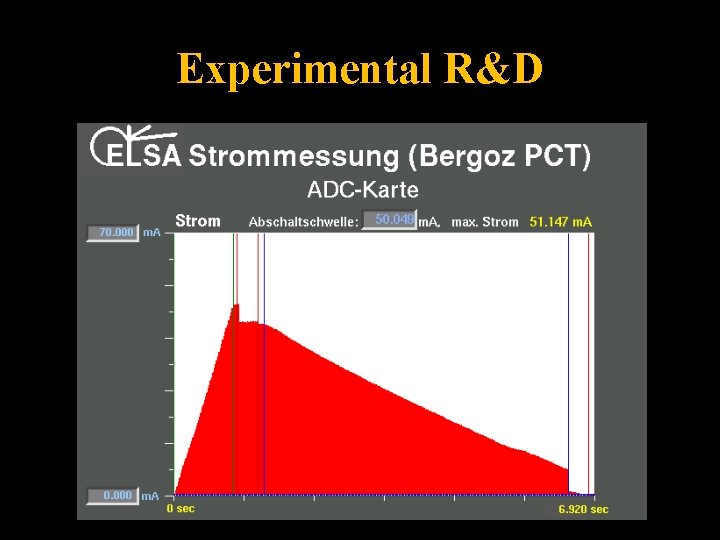
Experimental R&D
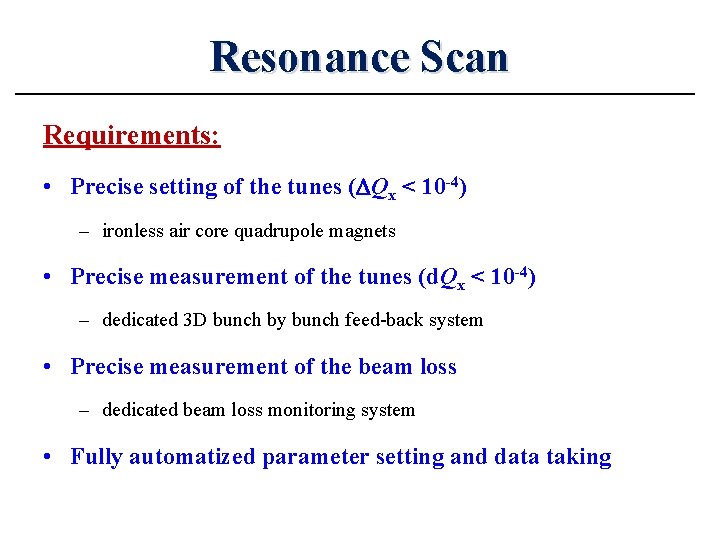
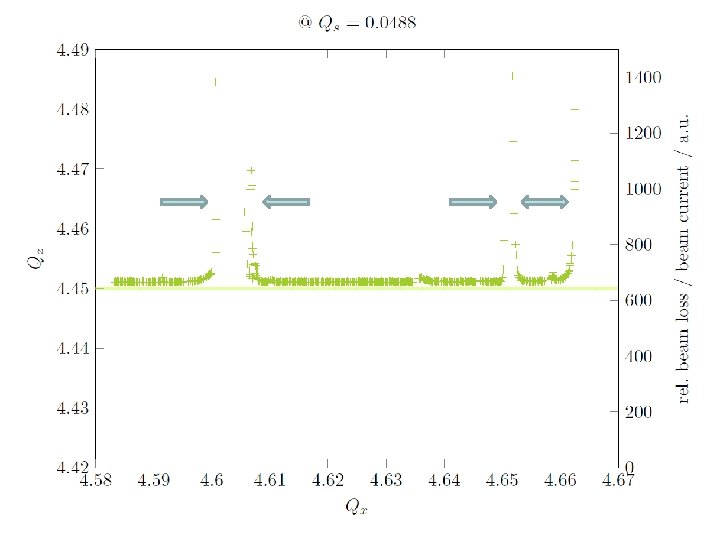
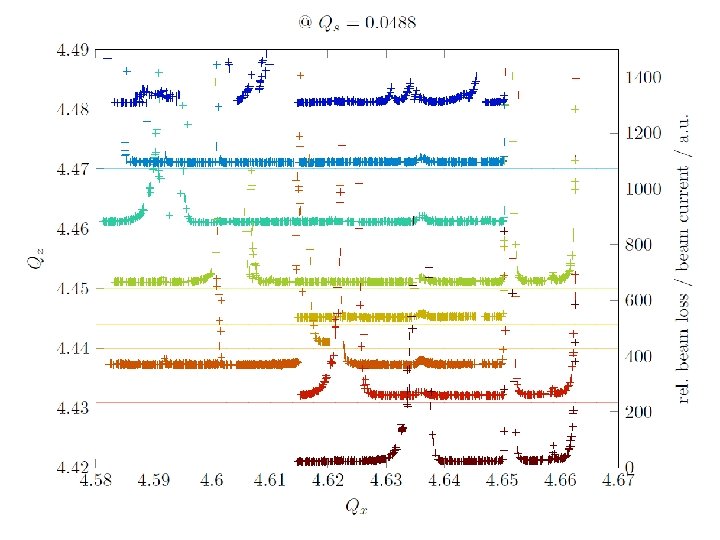
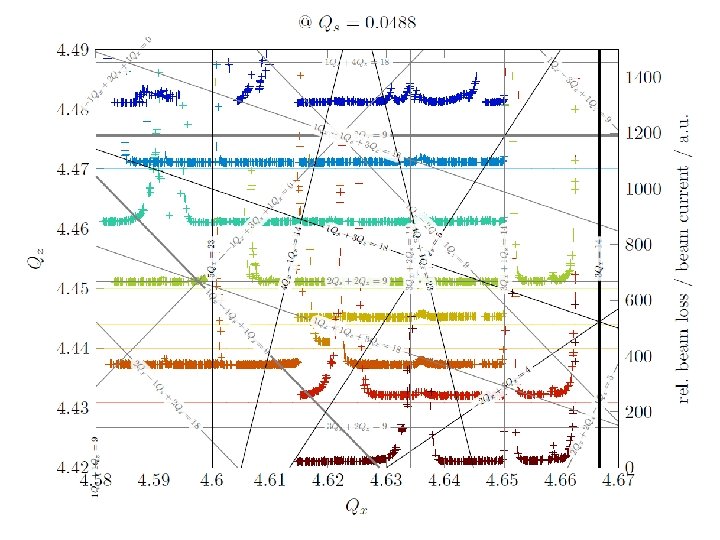
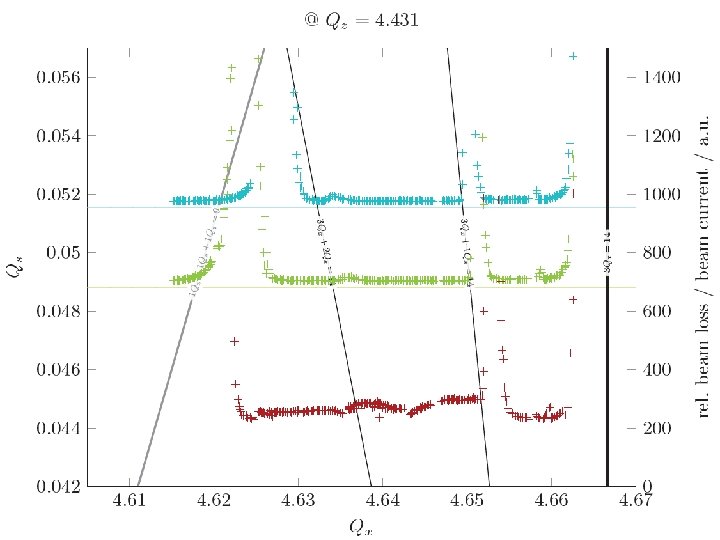
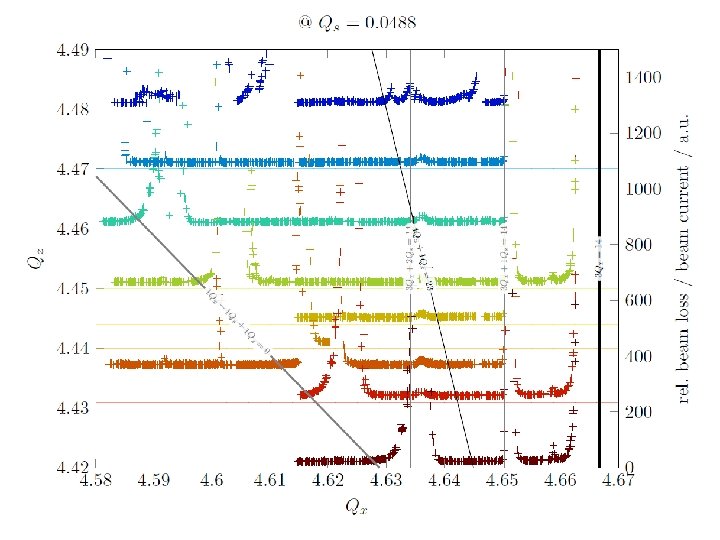
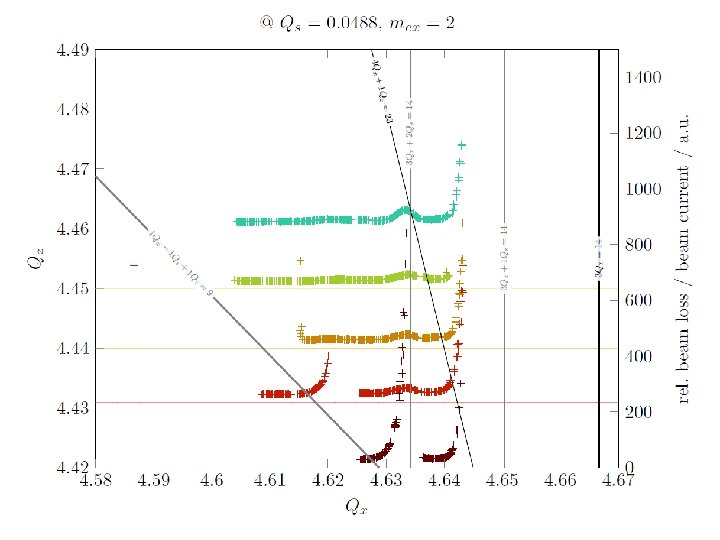
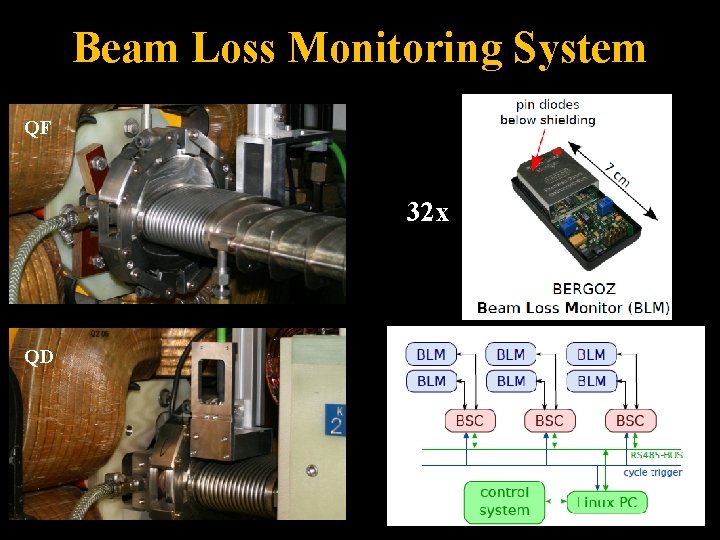
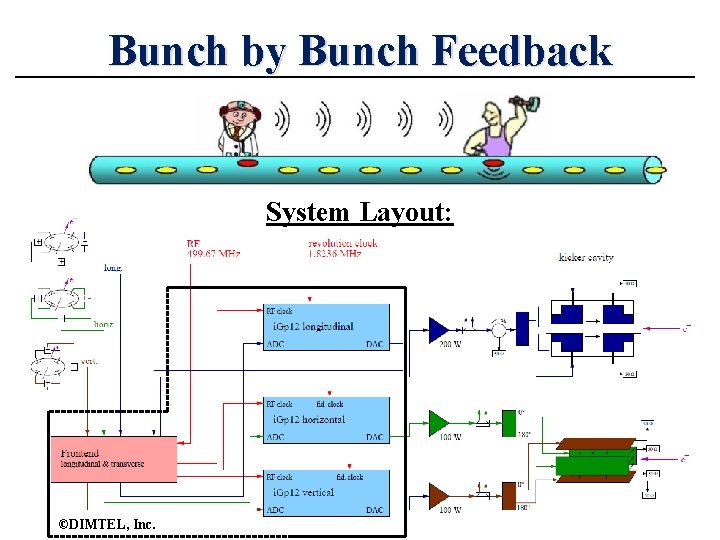
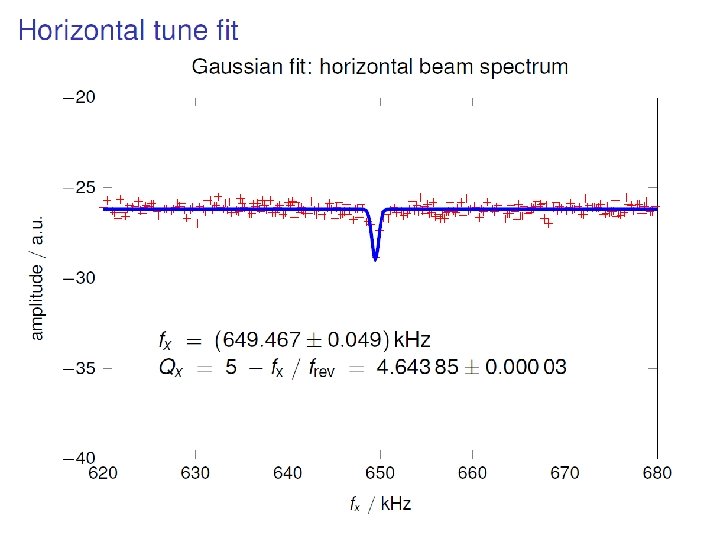
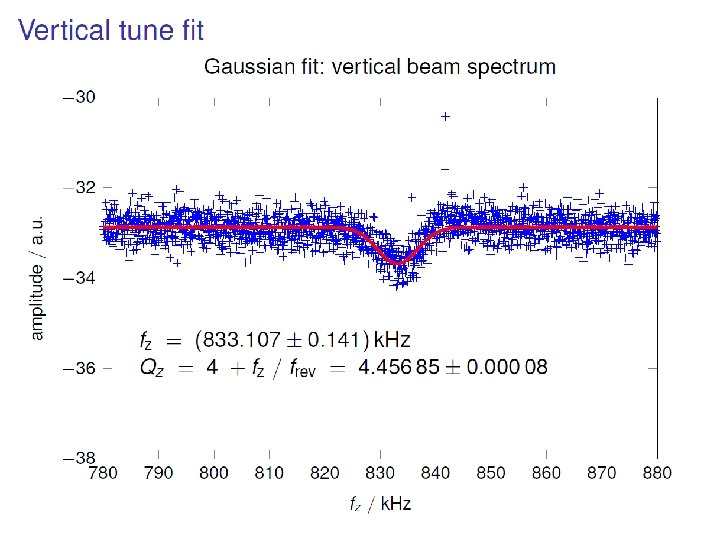
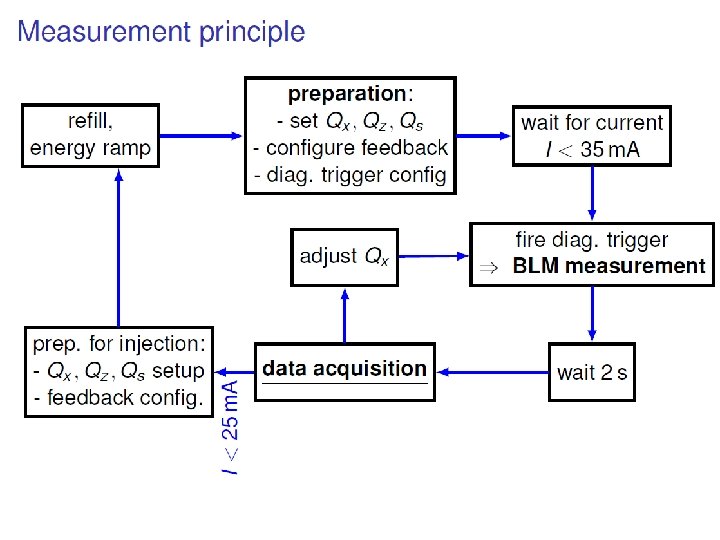
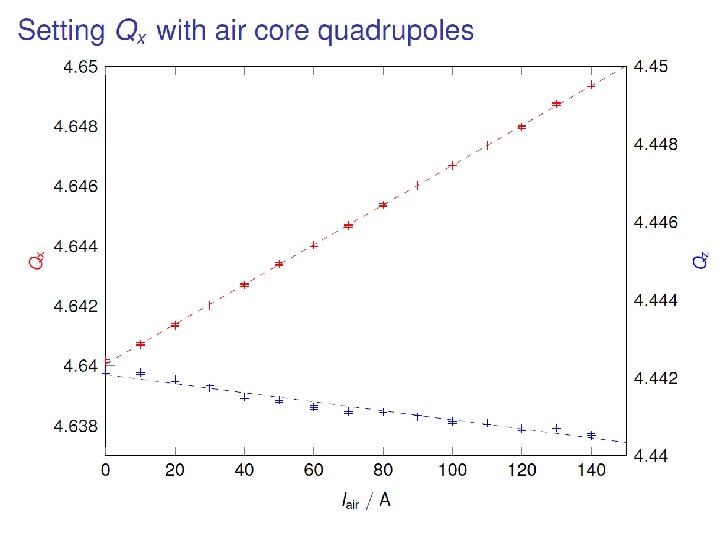
Resonance Scan Requirements: • Precise setting of the tunes (DQx < 10 -4) – ironless air core quadrupole magnets • Precise measurement of the tunes (d. Qx < 10 -4) – dedicated 3 D bunch by bunch feed-back system • Precise measurement of the beam loss – dedicated beam loss monitoring system • Fully automatized parameter setting and data taking
Choice of Optimum Tunes Tune diagram
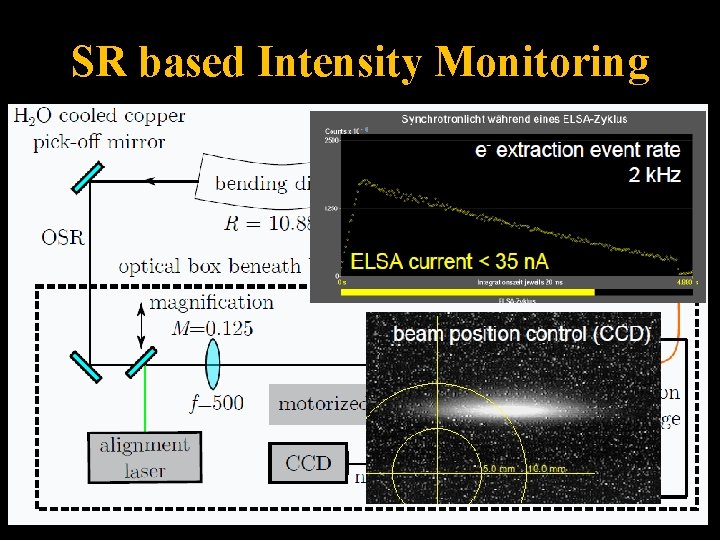
SR based Intensity Monitoring
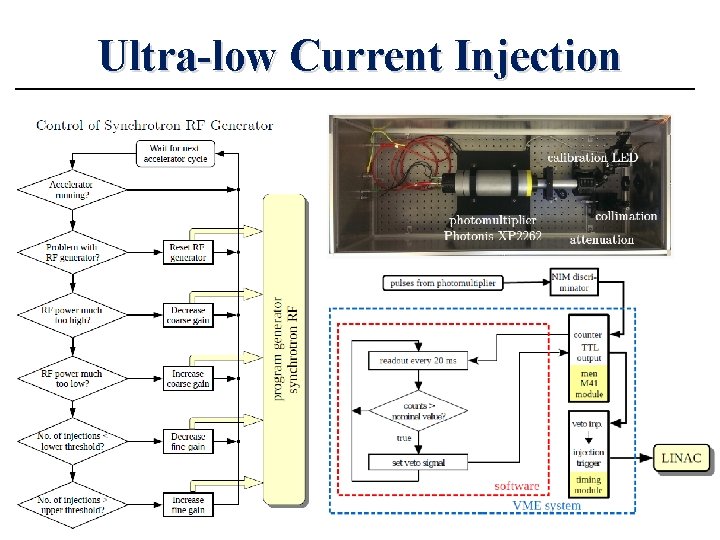
Ultra-low Current Injection
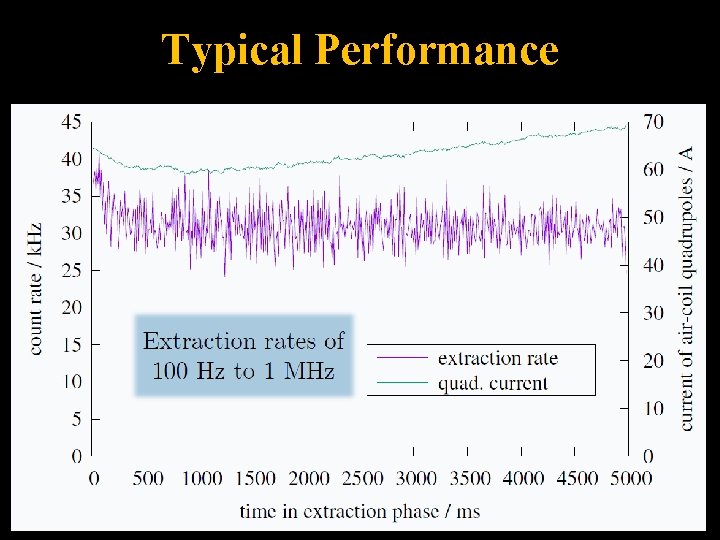
Typical Performance
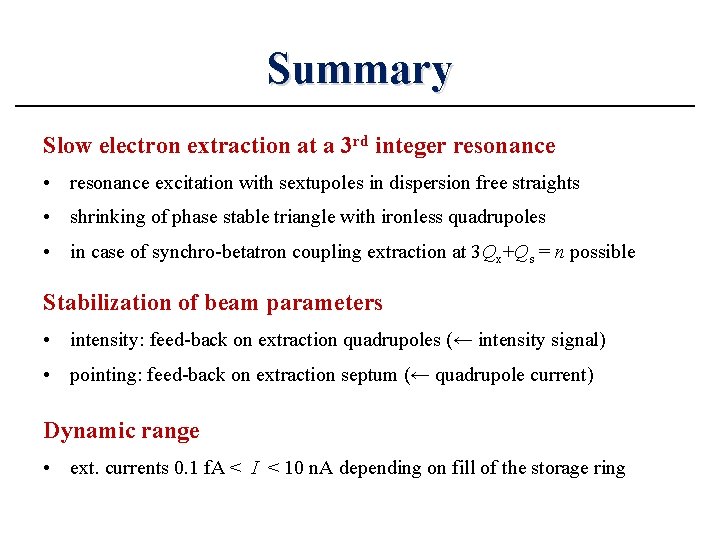
Summary Slow electron extraction at a 3 rd integer resonance • resonance excitation with sextupoles in dispersion free straights • shrinking of phase stable triangle with ironless quadrupoles • in case of synchro-betatron coupling extraction at 3 Qx+Qs = n possible Stabilization of beam parameters • intensity: feed-back on extraction quadrupoles (← intensity signal) • pointing: feed-back on extraction septum (← quadrupole current) Dynamic range • ext. currents 0. 1 f. A < I < 10 n. A depending on fill of the storage ring
Appendix … spares …
Beam Loss Monitoring System QF 32 x QD
Bunch by Bunch Feedback System Layout: ©DIMTEL, Inc.
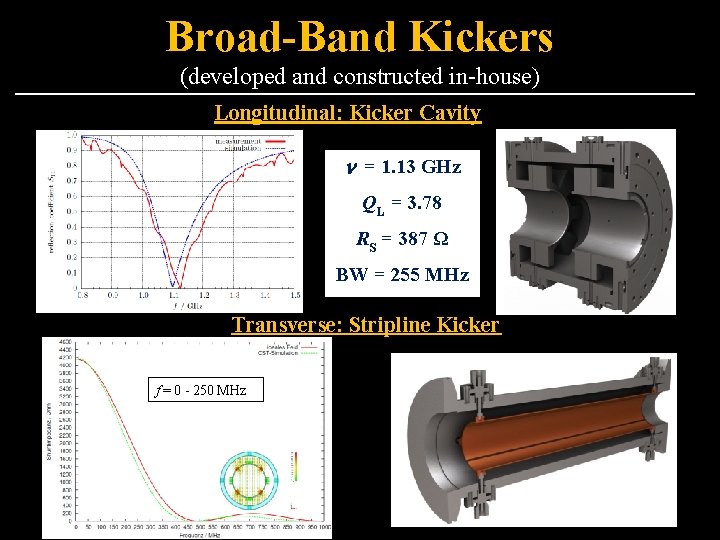
Broad-Band Kickers (developed and constructed in-house) Longitudinal: Kicker Cavity n = 1. 13 GHz QL = 3. 78 RS = 387 Ω BW = 255 MHz Transverse: Stripline Kicker f = 0 - 250 MHz
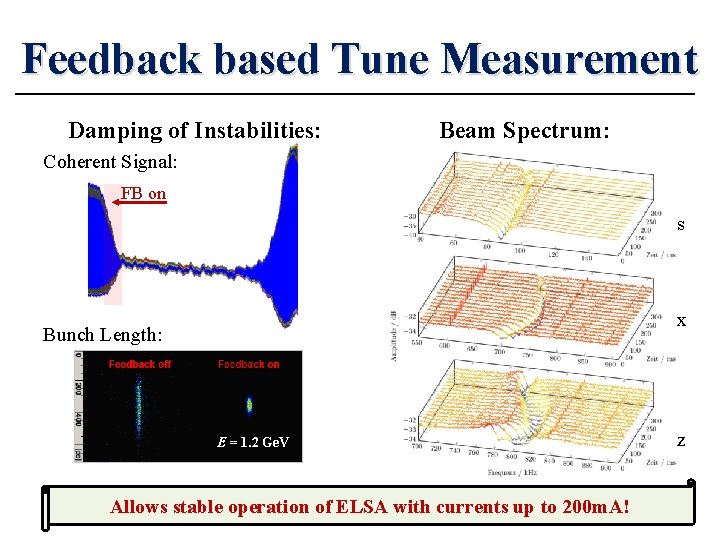
Feedback based Tune Measurement Damping of Instabilities: Beam Spectrum: Coherent Signal: FB on s x Bunch Length: E = 1. 2 Ge. V Allows stable operation of ELSA with currents up to 200 m. A! z
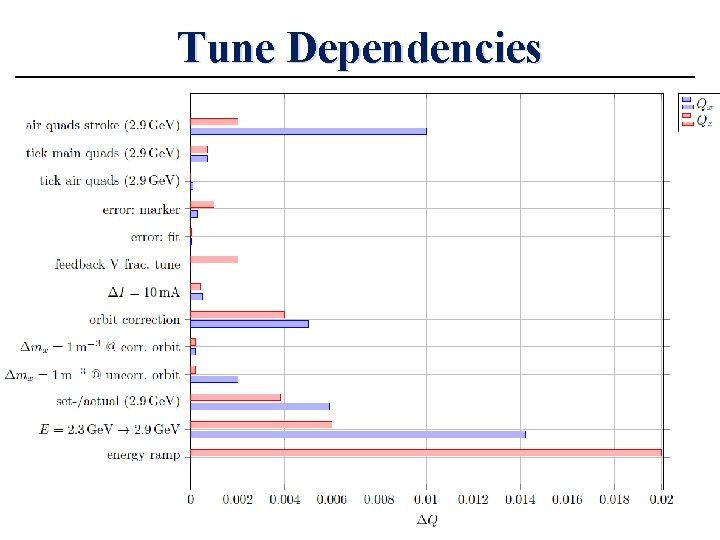
Tune Dependencies
43/38
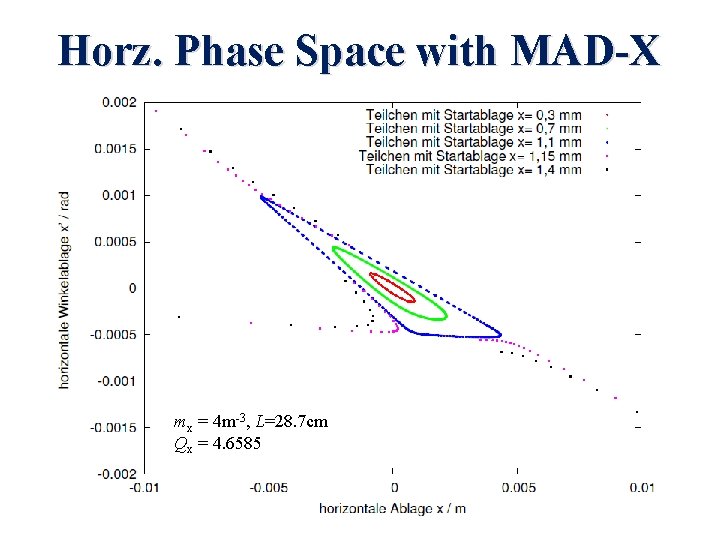
Horz. Phase Space with MAD-X mx = 4 m-3, L=28. 7 cm Qx = 4. 6585
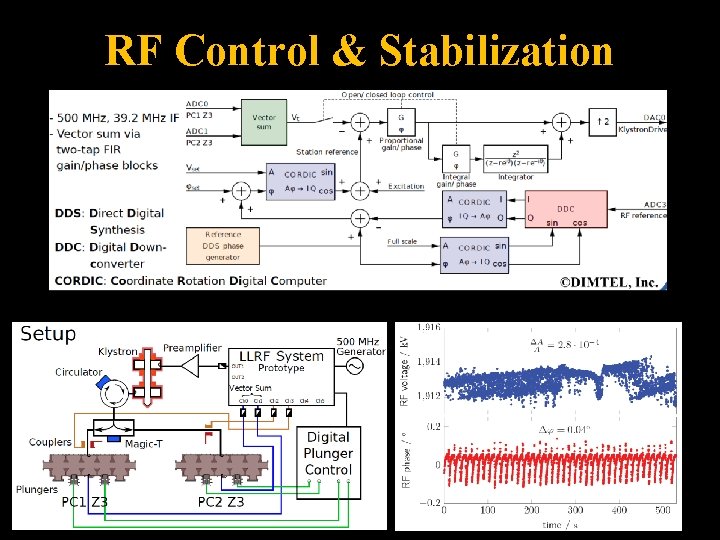
RF Control & Stabilization
Accelerator Cycle