
Slide 1 of 22 Crustal magnetic field mapping
- Slides: 22
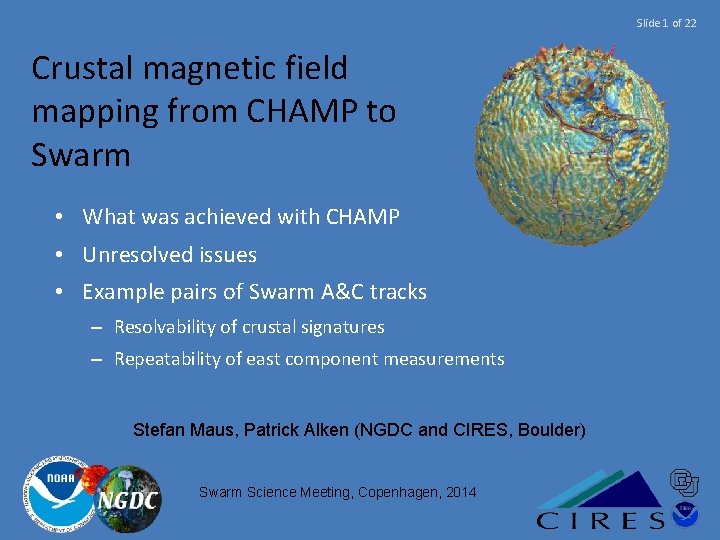
Slide 1 of 22 Crustal magnetic field mapping from CHAMP to Swarm • What was achieved with CHAMP • Unresolved issues • Example pairs of Swarm A&C tracks – Resolvability of crustal signatures – Repeatability of east component measurements Stefan Maus, Patrick Alken (NGDC and CIRES, Boulder) Swarm Science Meeting, Copenhagen, 2014
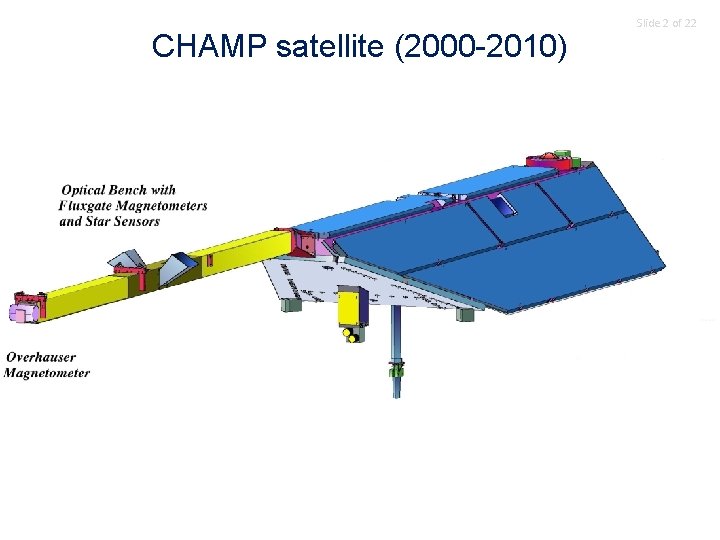
CHAMP satellite (2000 -2010) Slide 2 of 22
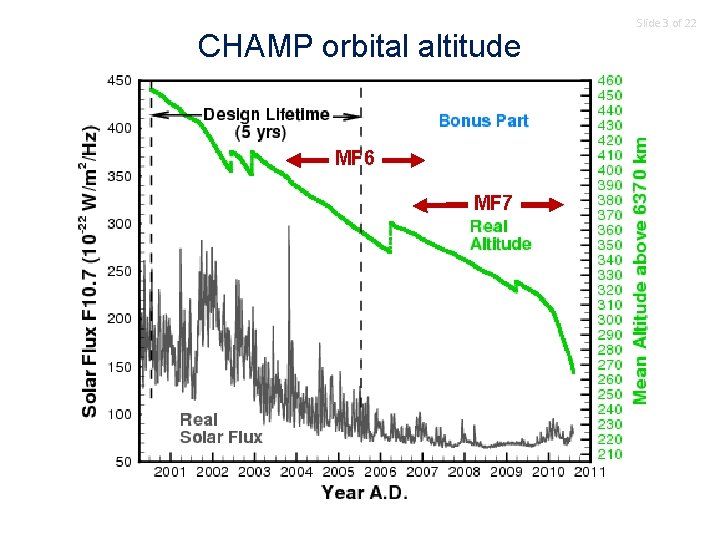
CHAMP orbital altitude MF 6 MF 7 Slide 3 of 22
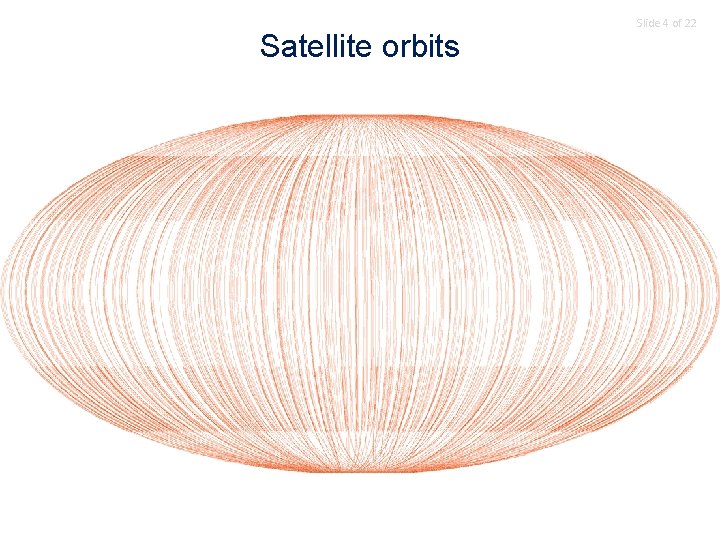
Satellite orbits Slide 4 of 22
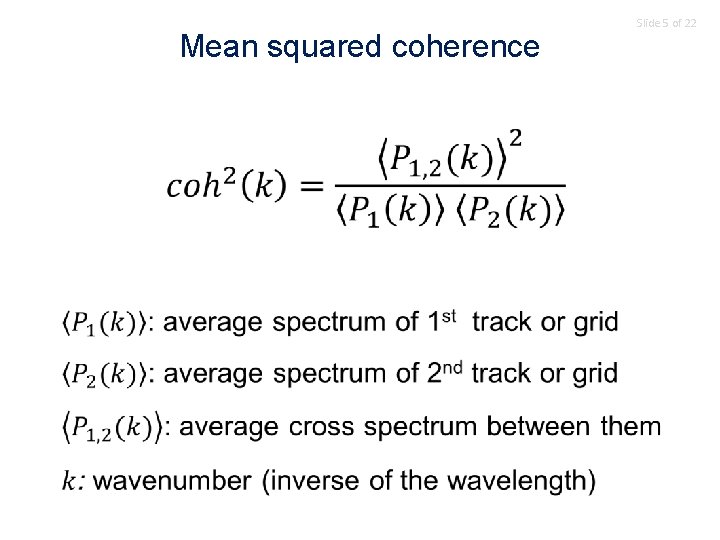
Mean squared coherence Slide 5 of 22
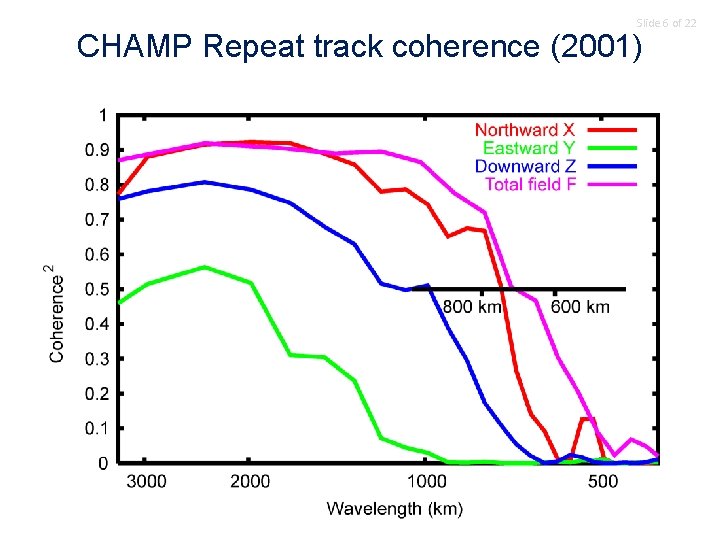
Slide 6 of 22 CHAMP Repeat track coherence (2001)
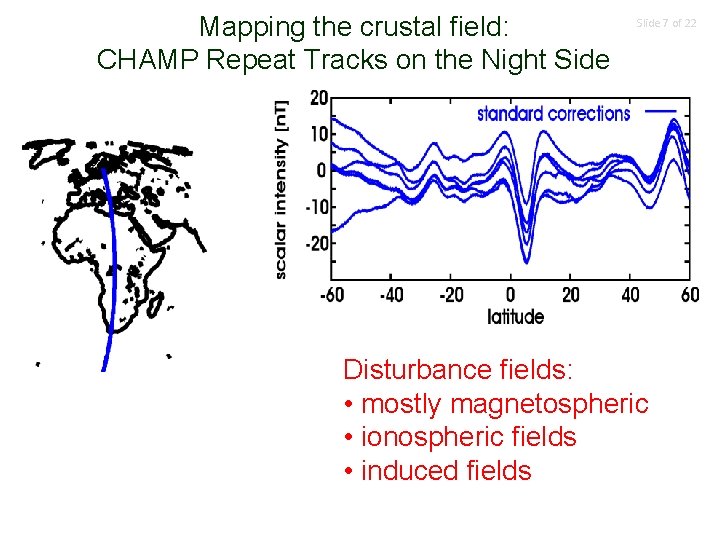
Mapping the crustal field: CHAMP Repeat Tracks on the Night Side Slide 7 of 22 Disturbance fields: • mostly magnetospheric • ionospheric fields • induced fields
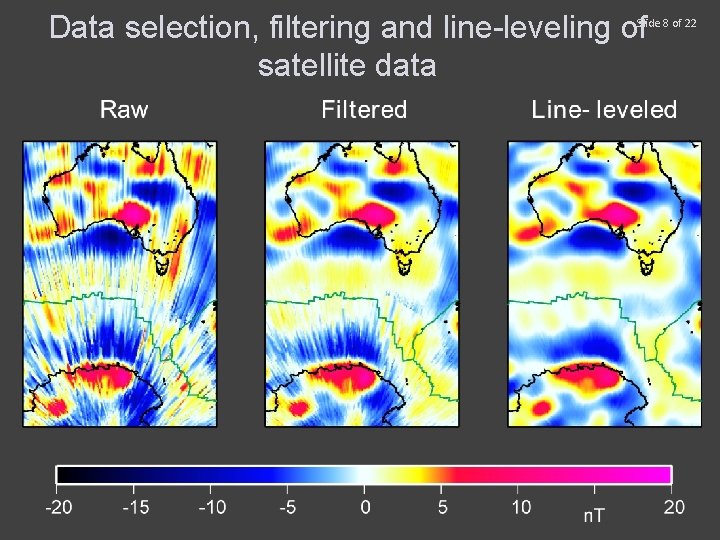
Data selection, filtering and line-leveling of satellite data Slide 8 of 22
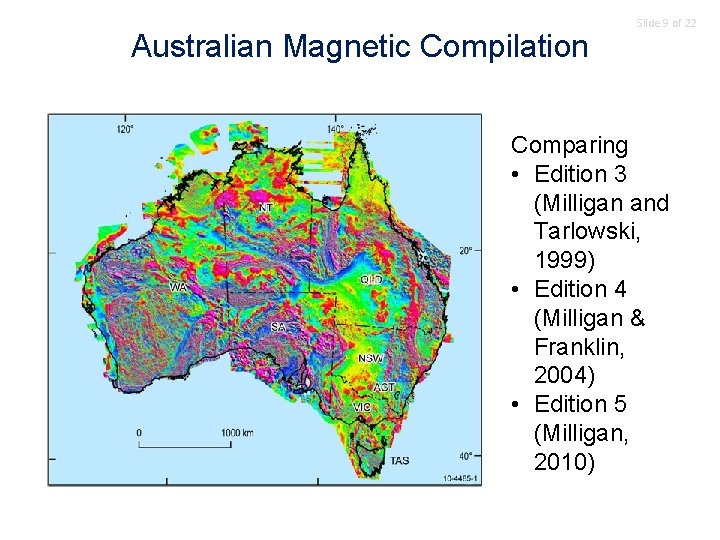
Australian Magnetic Compilation Slide 9 of 22 Comparing • Edition 3 (Milligan and Tarlowski, 1999) • Edition 4 (Milligan & Franklin, 2004) • Edition 5 (Milligan, 2010)
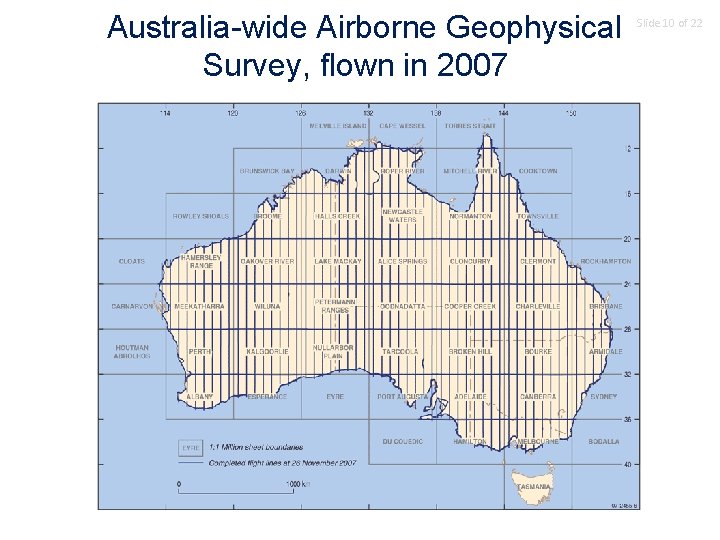
Australia-wide Airborne Geophysical Survey, flown in 2007 Slide 10 of 22
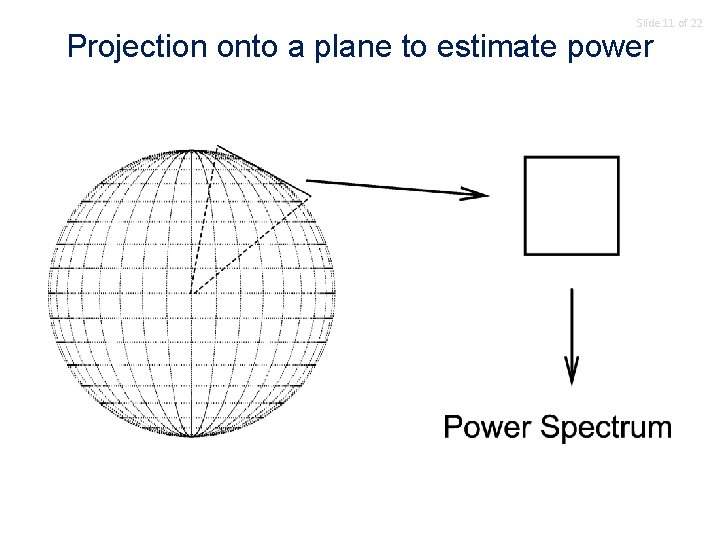
Slide 11 of 22 Projection onto a plane to estimate power
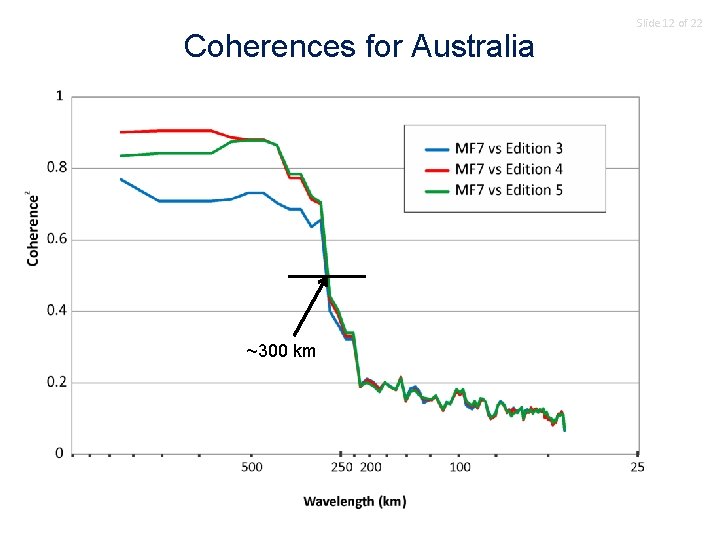
Coherences for Australia ~300 km Slide 12 of 22
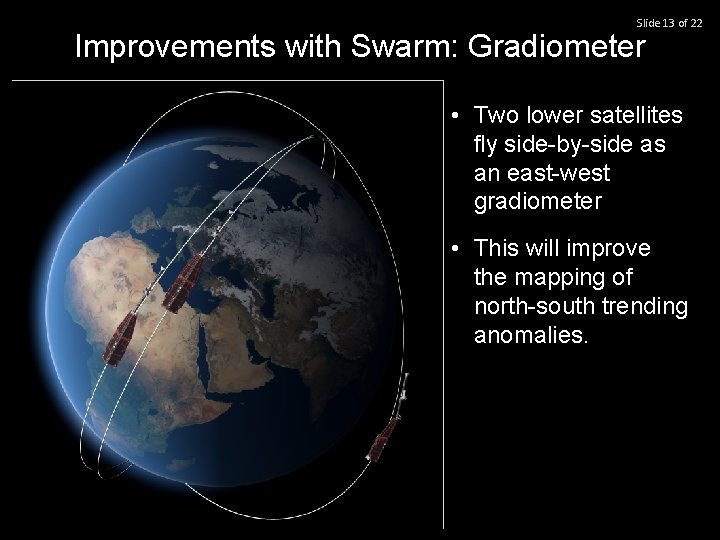
Slide 13 of 22 Improvements with Swarm: Gradiometer • Two lower satellites fly side-by-side as an east-west gradiometer • This will improve the mapping of north-south trending anomalies.
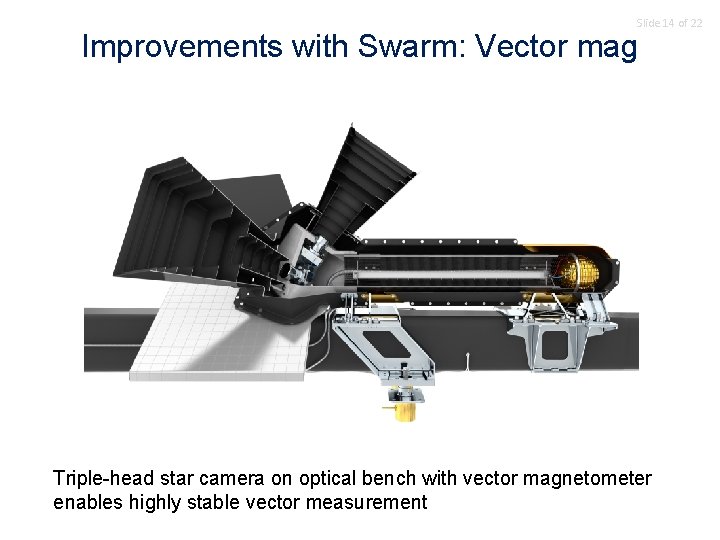
Slide 14 of 22 Improvements with Swarm: Vector mag Triple-head star camera on optical bench with vector magnetometer enables highly stable vector measurement
Swarm crustal anomaly tracks Slide 15 of 22 • Subtracted main and external field model Fit and subtract: • Star camera misalignment angles (3 per satellite) • Degree-2 internal and external fields Minimization of residuals against MF 7 • Simultaneously for pairs of Swarm A & C tracks 15
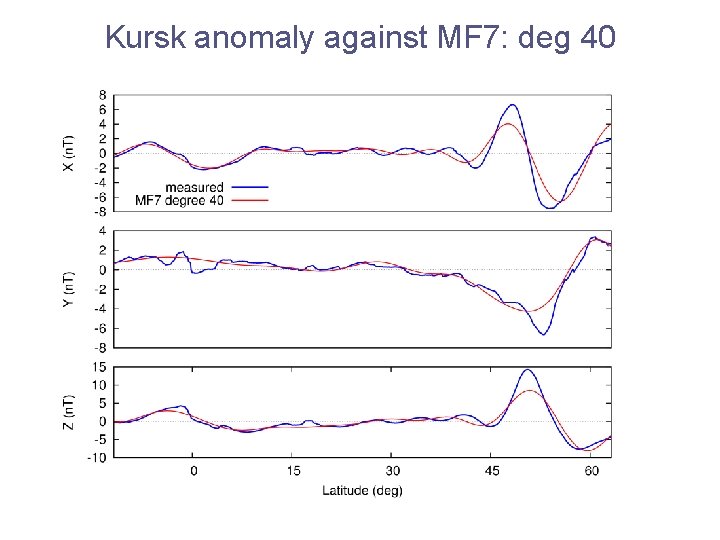
Kursk anomaly against MF 7: deg 40
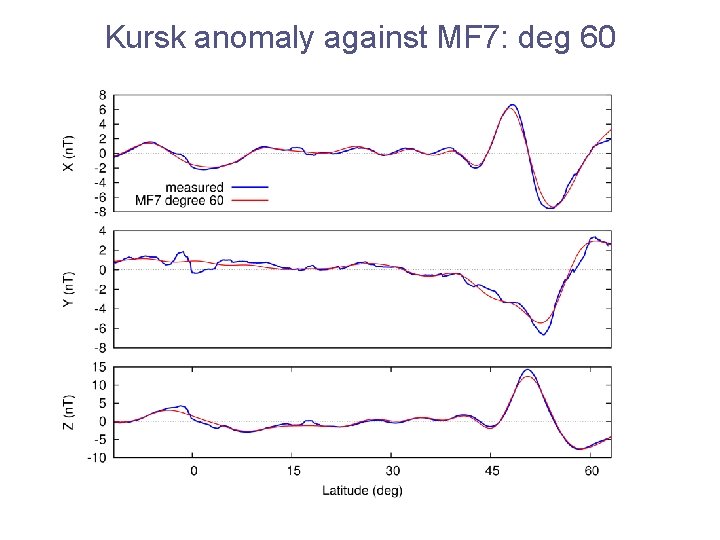
Kursk anomaly against MF 7: deg 60
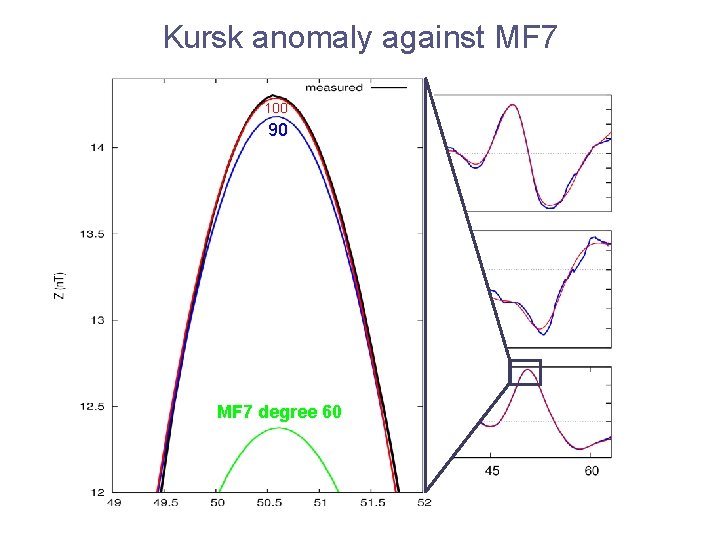
Kursk anomaly against MF 7 100 90 MF 7 degree 60
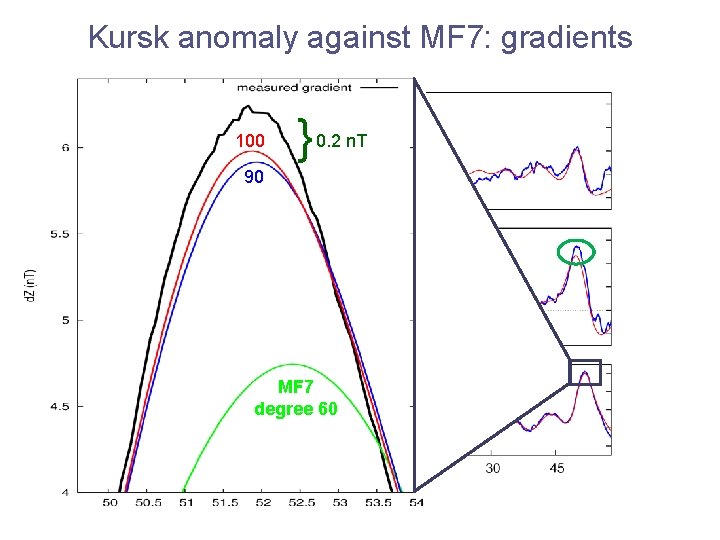
Kursk anomaly against MF 7: gradients 100 } 0. 2 n. T 90 MF 7 degree 60
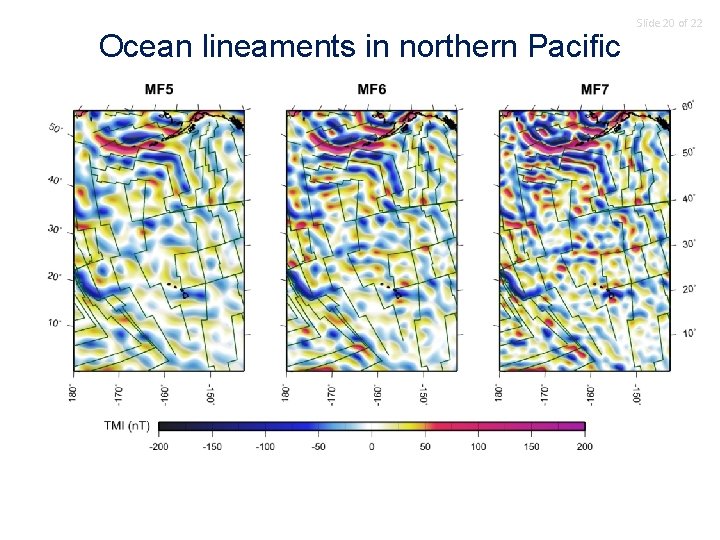
Ocean lineaments in northern Pacific Slide 20 of 22
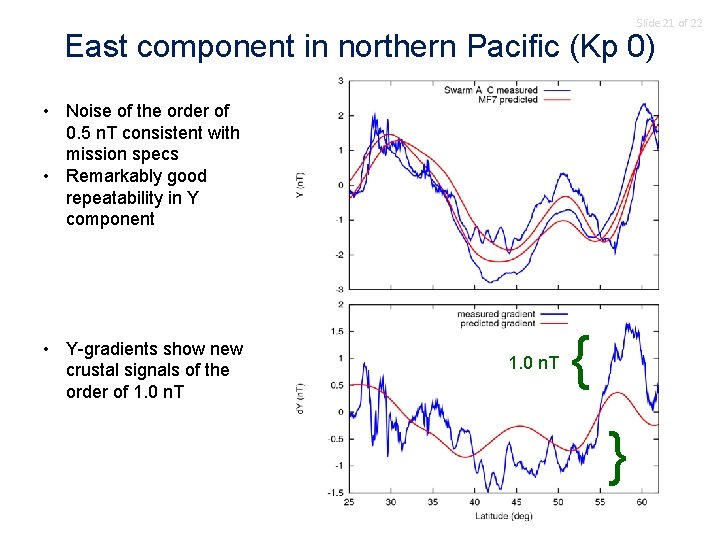
Slide 21 of 22 East component in northern Pacific (Kp 0) • Noise of the order of 0. 5 n. T consistent with mission specs • Remarkably good repeatability in Y component • Y-gradients show new crustal signals of the order of 1. 0 n. T { }
Slide 22 of 22 Conclusions and Outlook Only 7 months into the mission: • Already high quality vector magnetic data • Crustal features down to 400 km wavelength visible • Confirmation that north-south trending features are not fully represented in CHAMP crustal models • Excellent quality of east magnetic vector component Decreasing orbital altitudes will strongly amplify crustal field signatures in Swarm data over the coming years