
Slavery in Africa European African PreSlavery Trade European

- Slides: 38
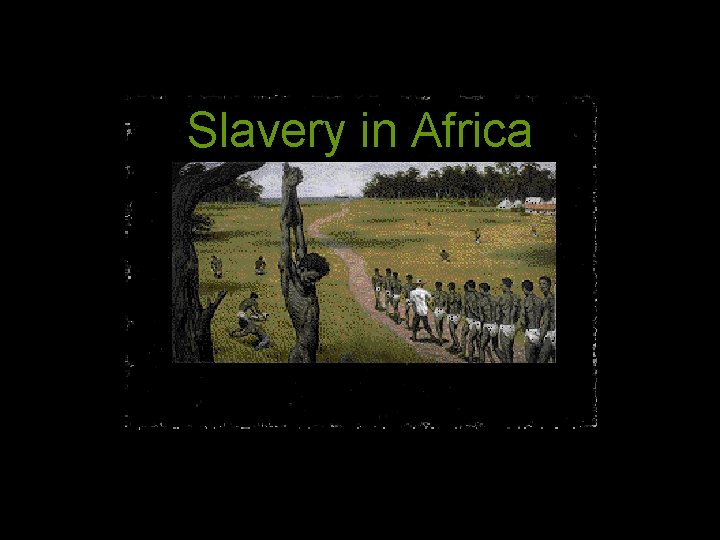
Slavery in Africa
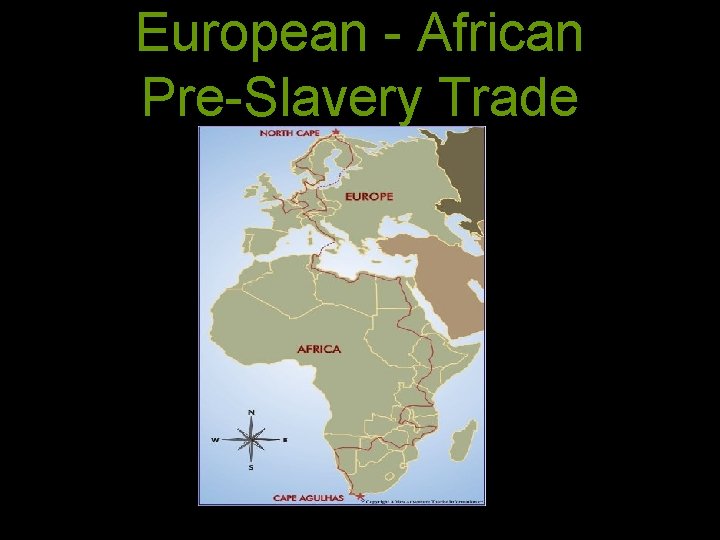
European - African Pre-Slavery Trade
European Background • Portuguese started African slave trade in 1441 • First Africans in Hispanola in 1505 • 1450 -1850 ~12 million Africans sent to Americas
Why Africans? • No written language , many languages • Native Americans dying off Some degree of disease resistance • No muskets and gunpowder • Africans participated in trade by enslaving others, selling debtors and criminals, and kidnapping • Skilled workers – Knew how to extract precious ore from mines – Familiar with soils and crops • Not familiar with the land—making escape less likely
How to Get Slaves? • TRADE! – Africans traded slaves for manufactured goods like clothe, silk, guns, pots, and copper • African Kingdoms (Asanti) gained wealth and power from the trade – States sold POW (method of deportation) – Participated to defend themselves • African “entrepreneurs” Middle Men – Kidnapping
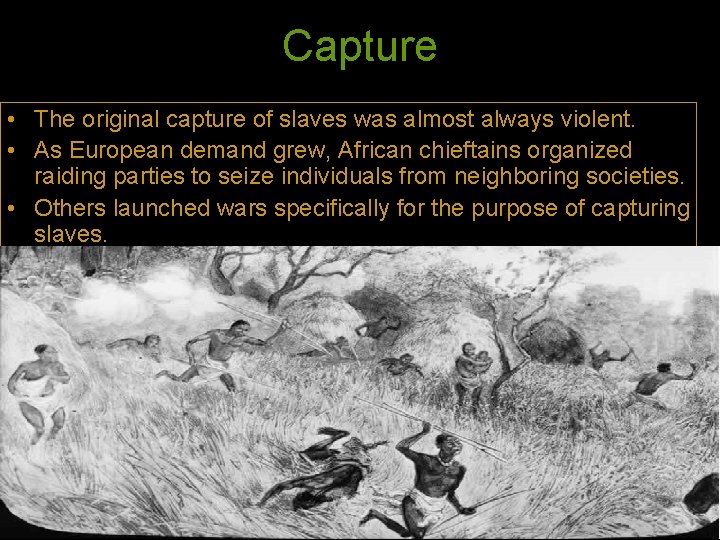
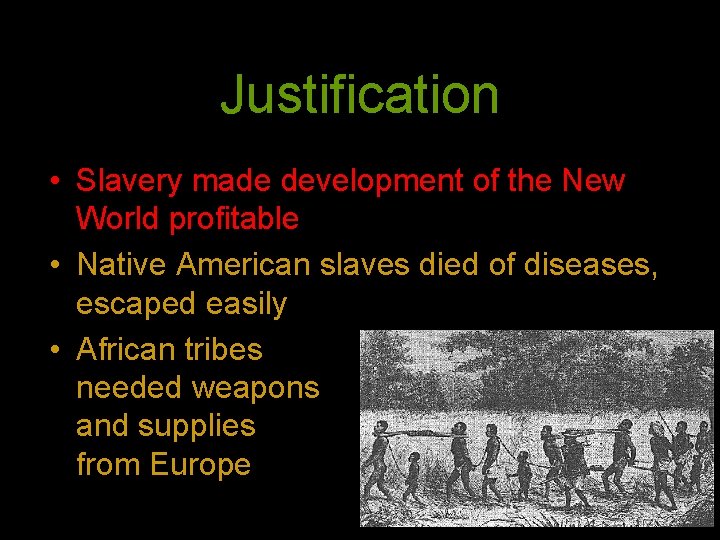
Capture • The original capture of slaves was almost always violent. • As European demand grew, African chieftains organized raiding parties to seize individuals from neighboring societies. • Others launched wars specifically for the purpose of capturing slaves.
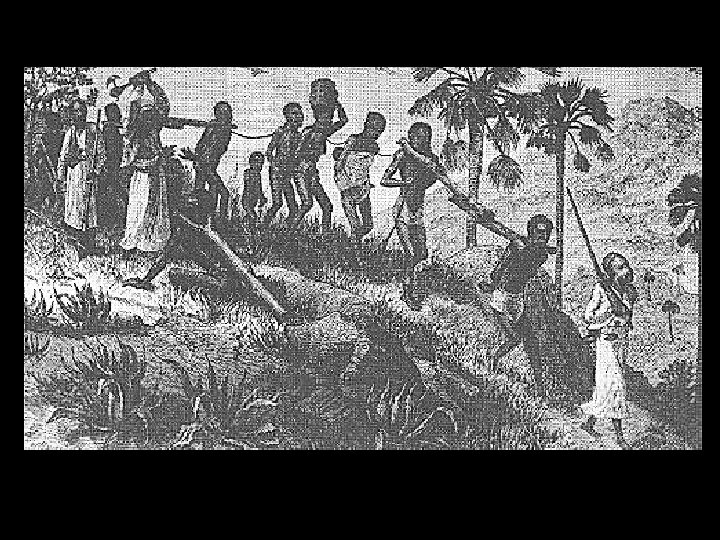
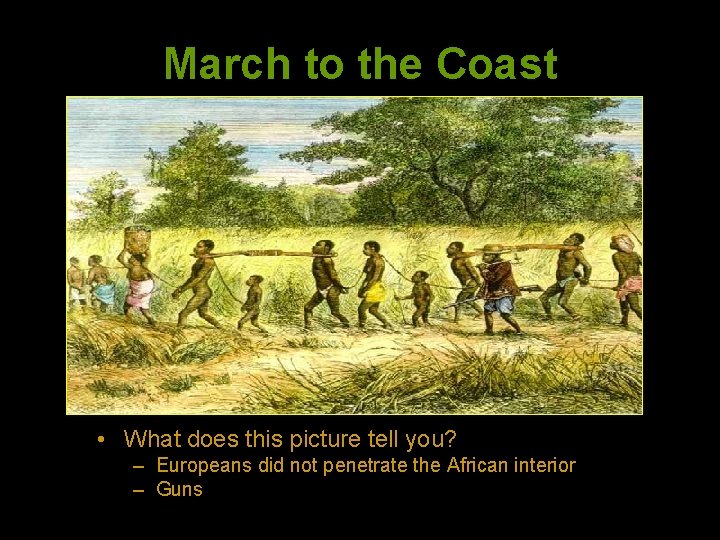
March to the Coast • What does this picture tell you? – Europeans did not penetrate the African interior – Guns
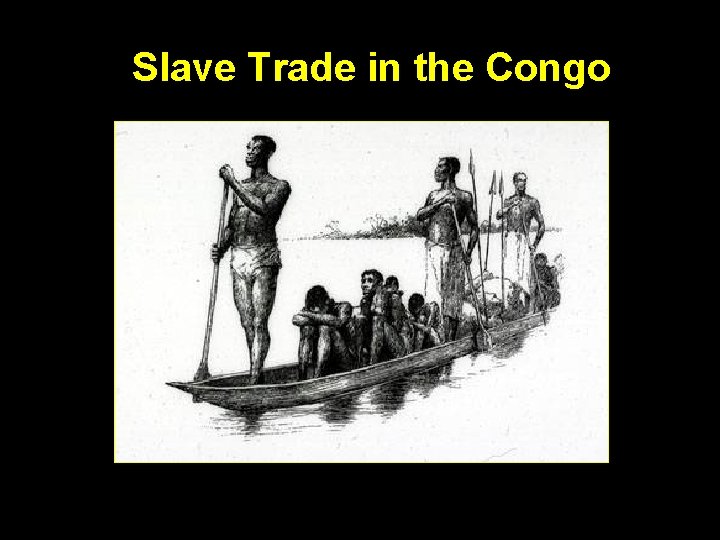
Slave Trade in the Congo
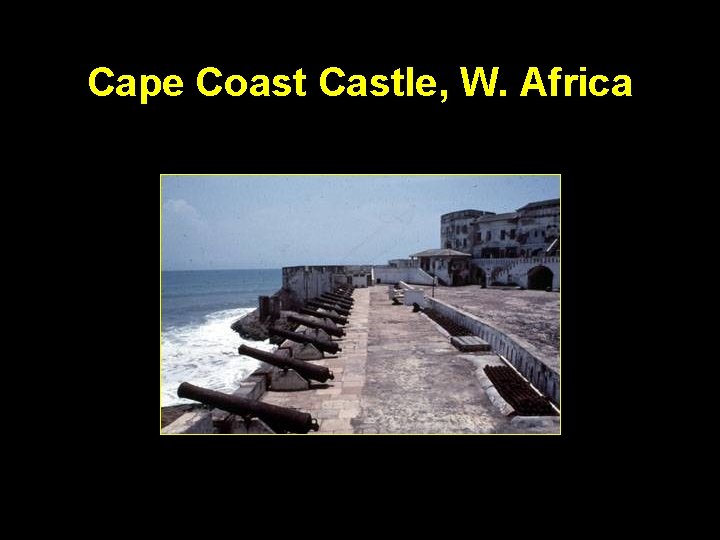
Cape Coast Castle, W. Africa
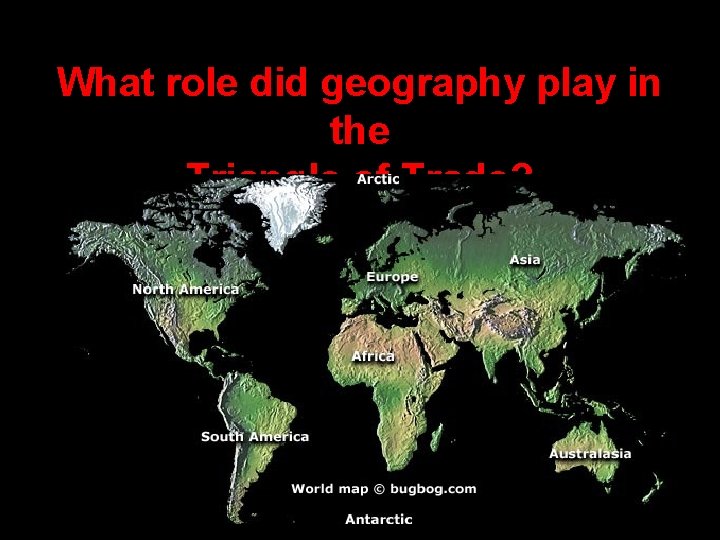
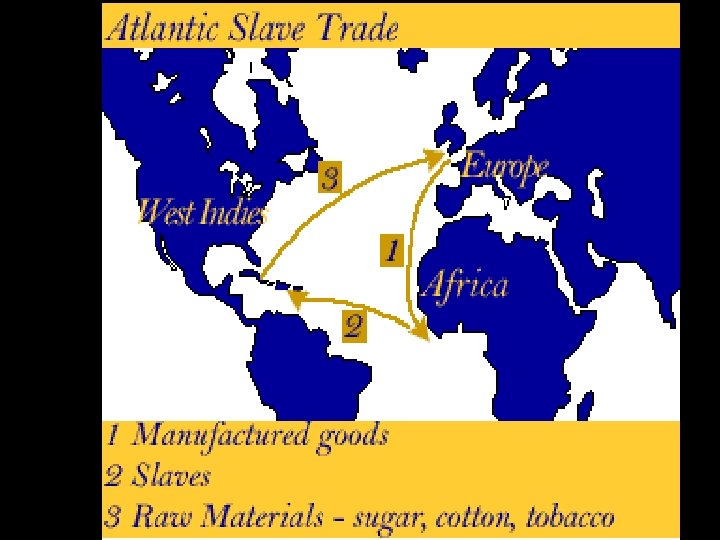
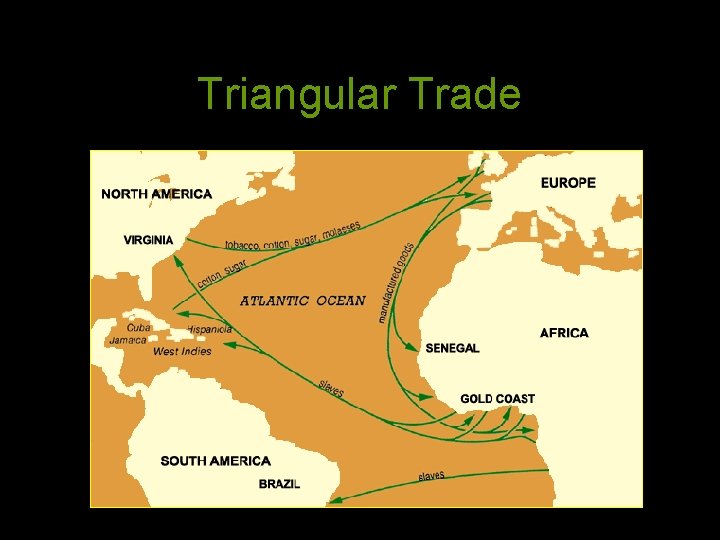
What role did geography play in the Triangle of Trade?
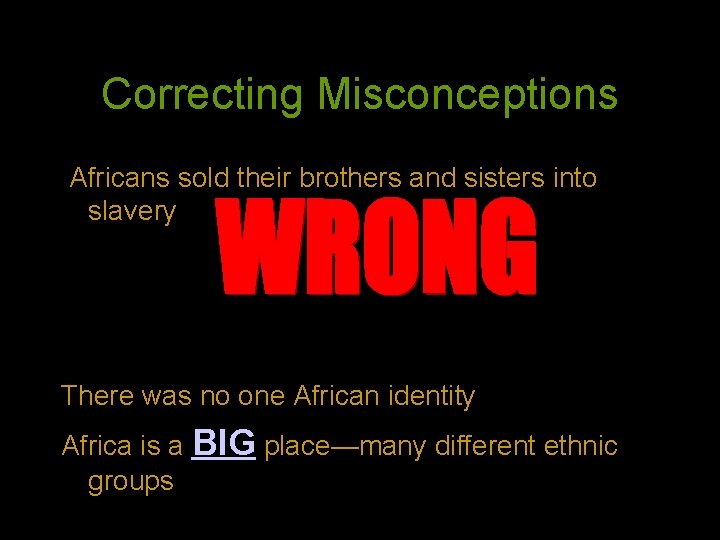
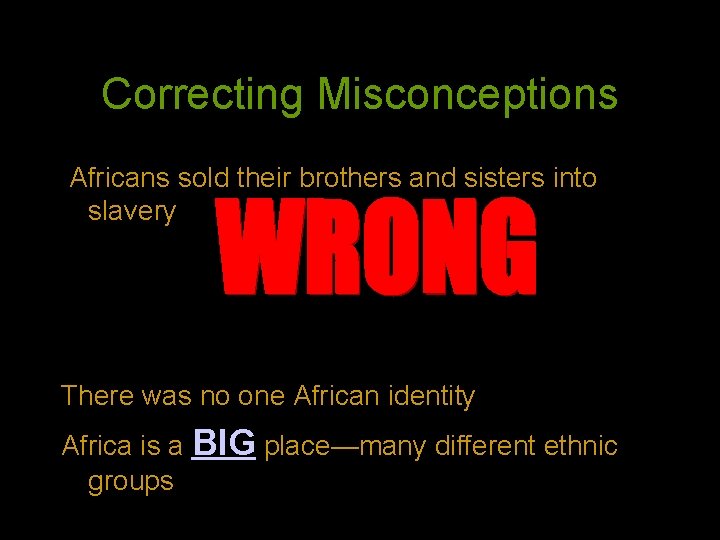
Correcting Misconceptions Africans sold their brothers and sisters into slavery There was no one African identity Africa is a BIG place—many different ethnic groups
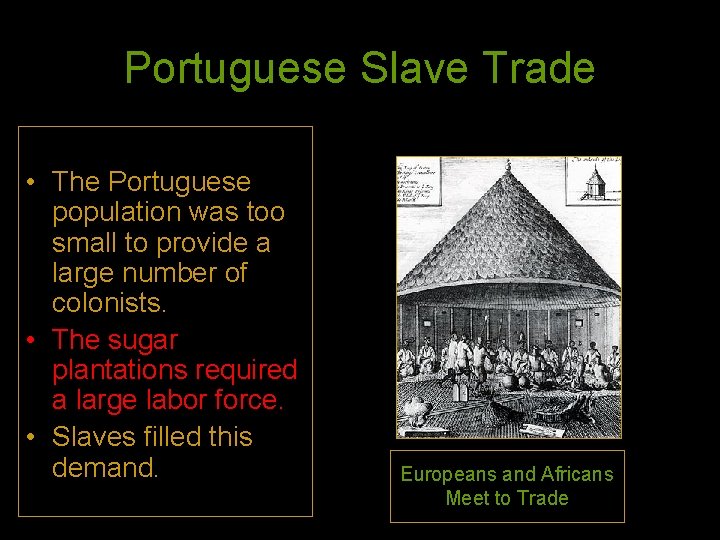
Portuguese Slave Trade • The Portuguese population was too small to provide a large number of colonists. • The sugar plantations required a large labor force. • Slaves filled this demand. Europeans and Africans Meet to Trade
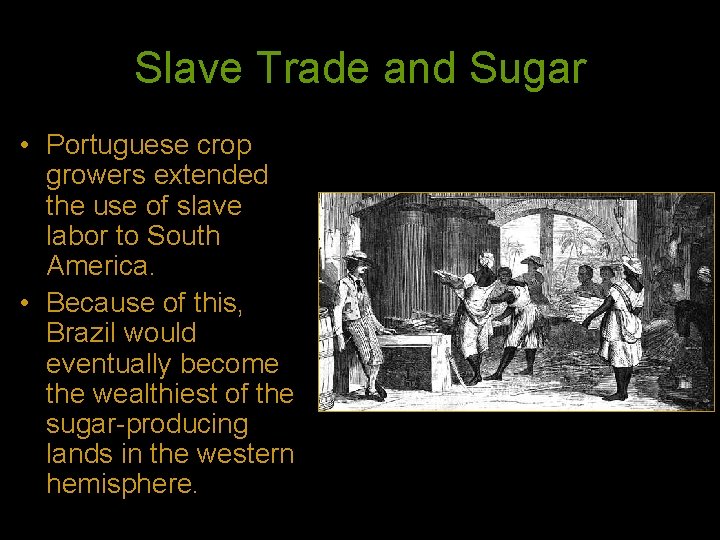
Slave Trade and Sugar • Portuguese crop growers extended the use of slave labor to South America. • Because of this, Brazil would eventually become the wealthiest of the sugar-producing lands in the western hemisphere.
European Slave Trade
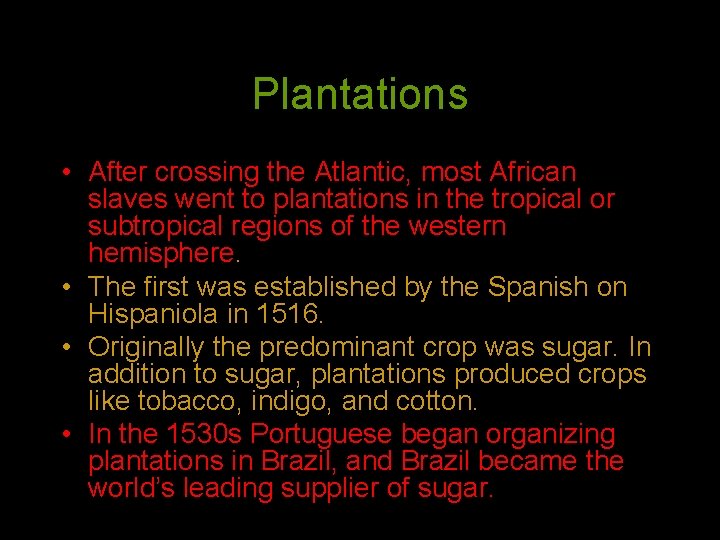
Plantations • After crossing the Atlantic, most African slaves went to plantations in the tropical or subtropical regions of the western hemisphere. • The first was established by the Spanish on Hispaniola in 1516. • Originally the predominant crop was sugar. In addition to sugar, plantations produced crops like tobacco, indigo, and cotton. • In the 1530 s Portuguese began organizing plantations in Brazil, and Brazil became the world’s leading supplier of sugar.
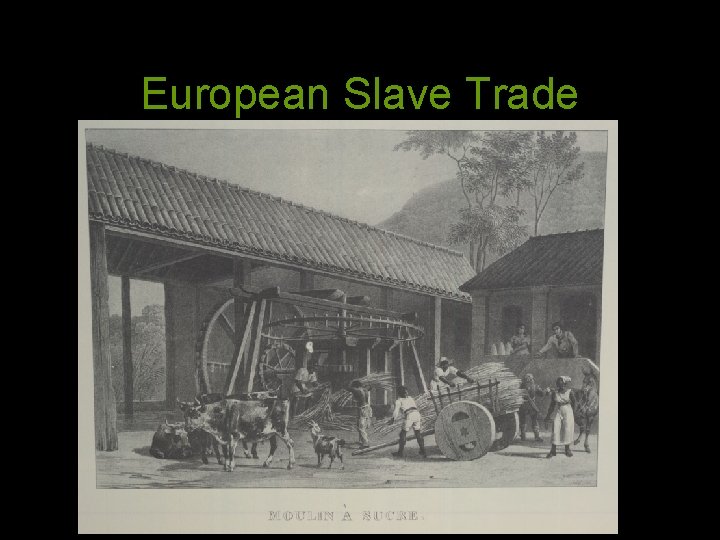
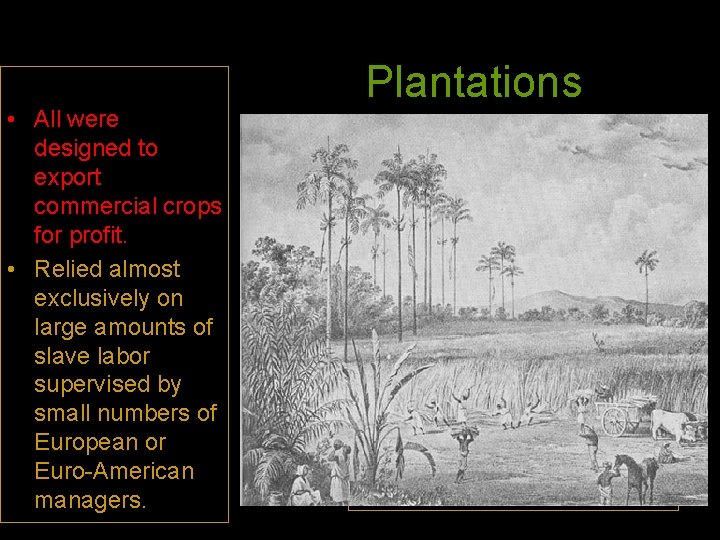
• All were designed to export commercial crops for profit. • Relied almost exclusively on large amounts of slave labor supervised by small numbers of European or Euro-American managers. Plantations Brazilian sugar mill in the 1830 s
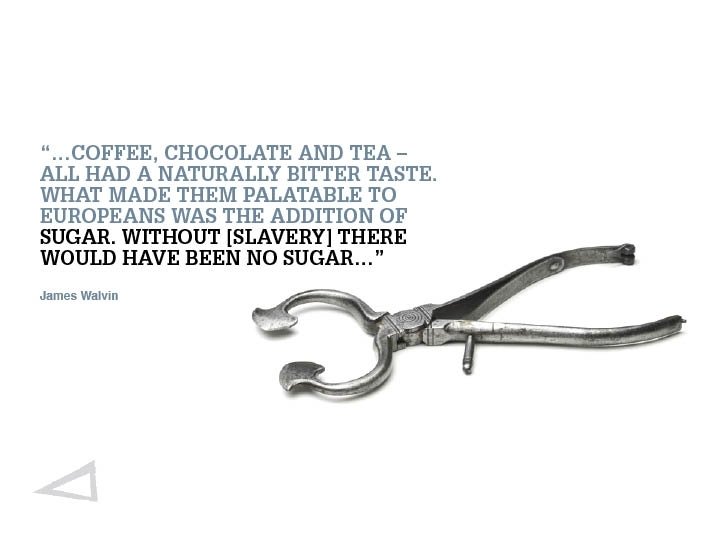
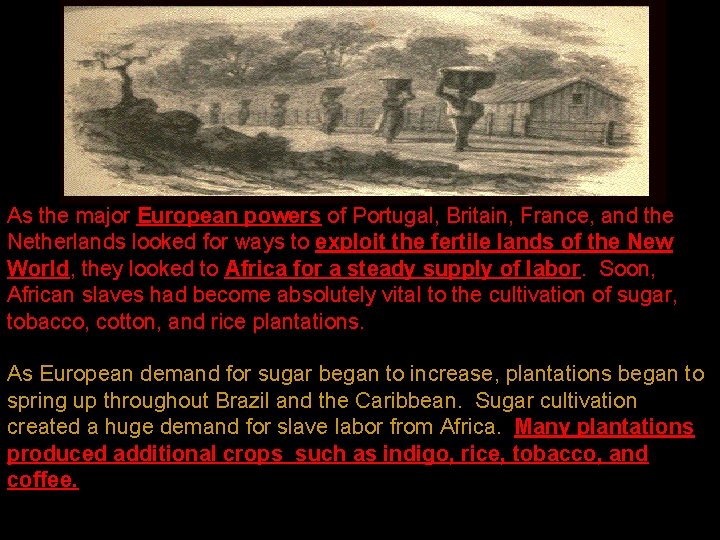
As the major European powers of Portugal, Britain, France, and the Netherlands looked for ways to exploit the fertile lands of the New World, they looked to Africa for a steady supply of labor. Soon, African slaves had become absolutely vital to the cultivation of sugar, tobacco, cotton, and rice plantations. As European demand for sugar began to increase, plantations began to spring up throughout Brazil and the Caribbean. Sugar cultivation created a huge demand for slave labor from Africa. Many plantations produced additional crops such as indigo, rice, tobacco, and coffee.
Justification • Slavery made development of the New World profitable • Native American slaves died of diseases, escaped easily • African tribes needed weapons and supplies from Europe
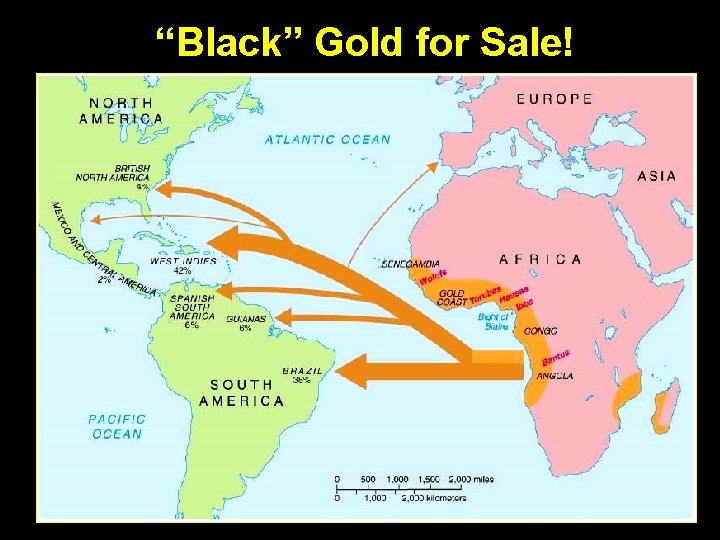
Slavery Expands • In 1518, the first shipment of slaves went directly from West Africa to the Caribbean where the slaves worked on sugar plantations. • By the 1520 s, the Spanish had introduced slaves to Mexico, Peru, and Central America where they worked as farmers and miners. • By the early 17 th century, the British had introduced slaves to North America.
“Black” Gold for Sale!
Triangular Trade
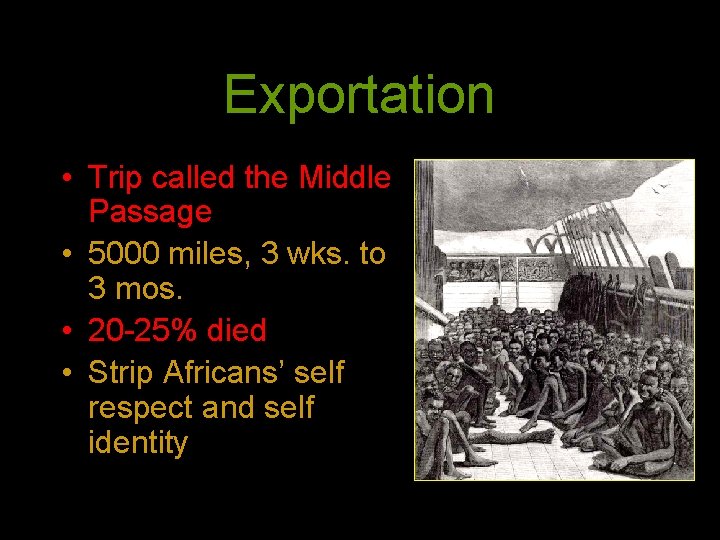
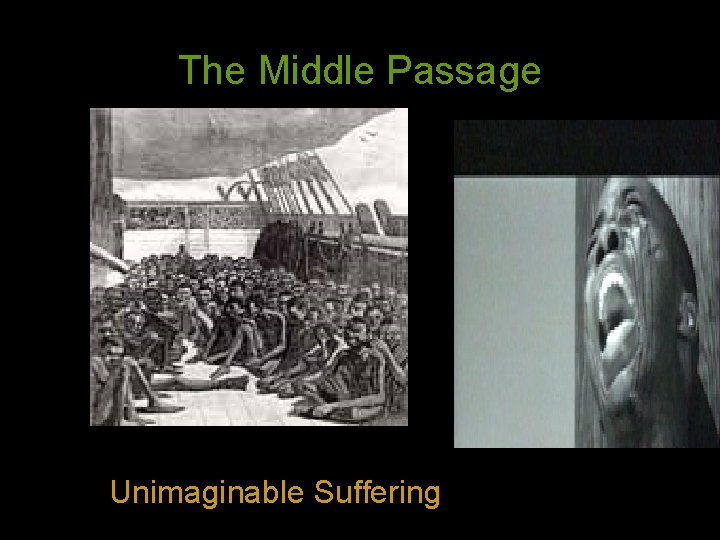
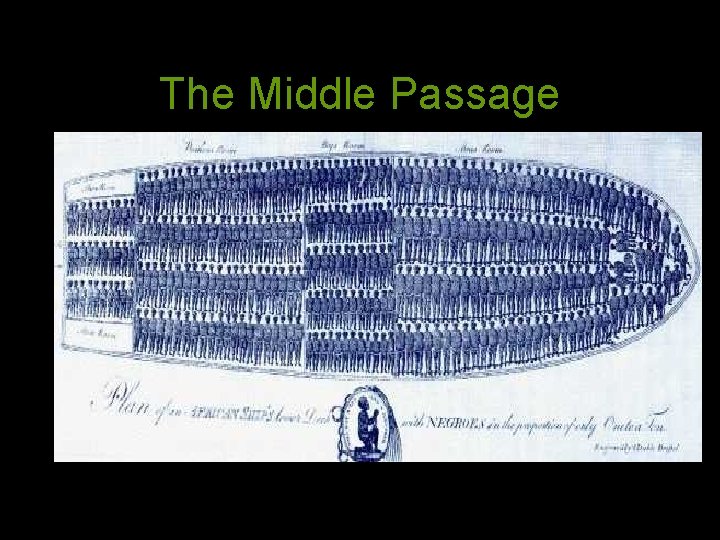
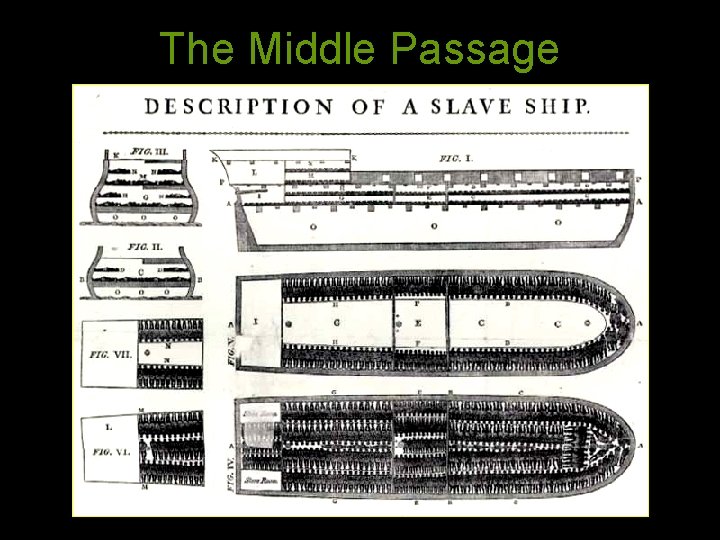
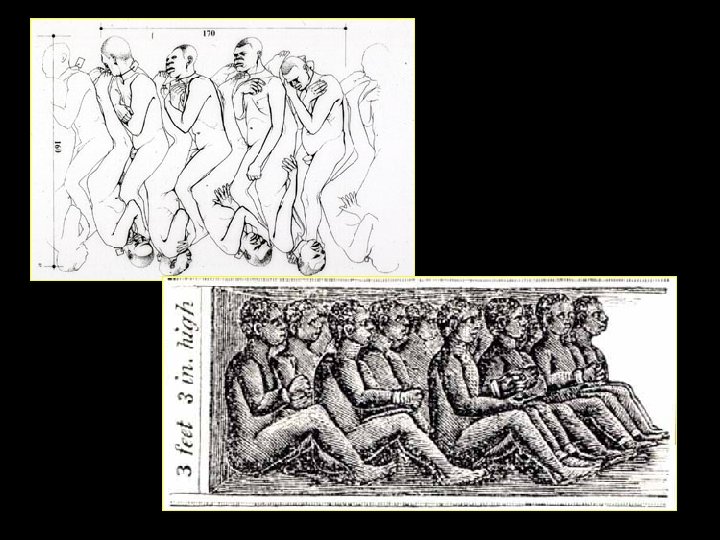
Exportation • Trip called the Middle Passage • 5000 miles, 3 wks. to 3 mos. • 20 -25% died • Strip Africans’ self respect and self identity
The Middle Passage Unimaginable Suffering
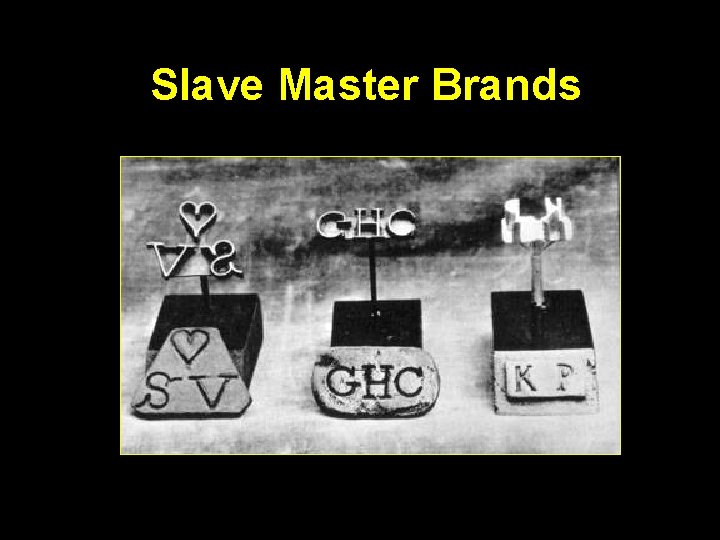
Slave Master Brands
The Middle Passage
The Middle Passage
Correcting Misconceptions Africans sold their brothers and sisters into slavery There was no one African identity Africa is a BIG place—many different ethnic groups
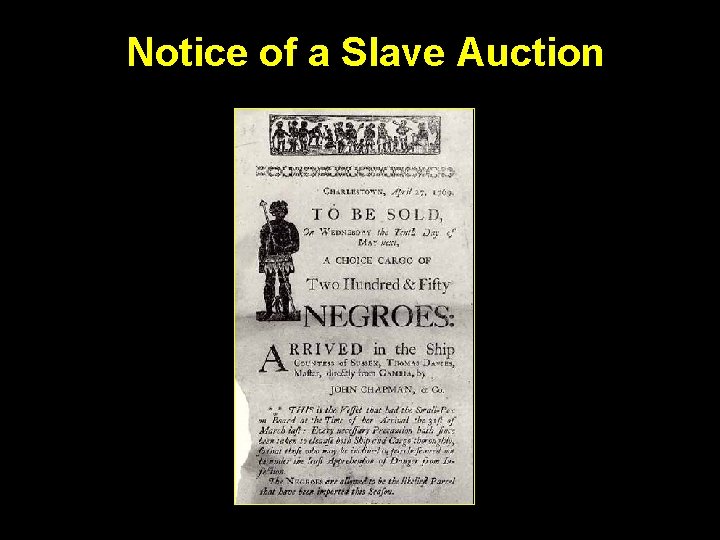
Notice of a Slave Auction
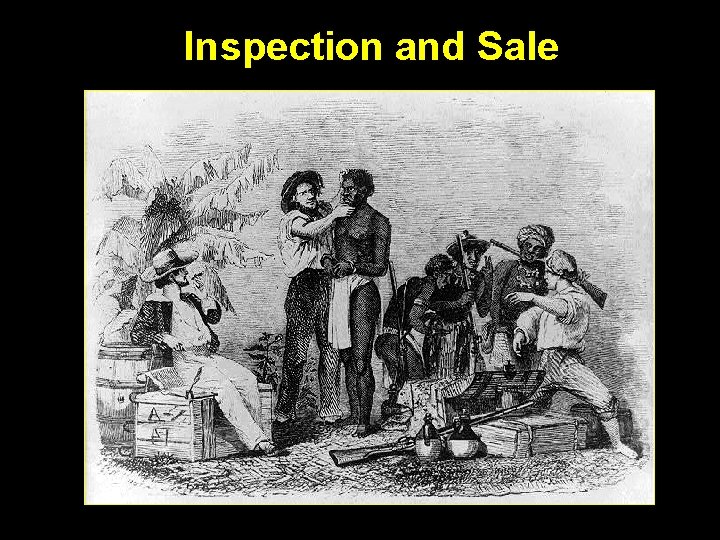
Inspection and Sale
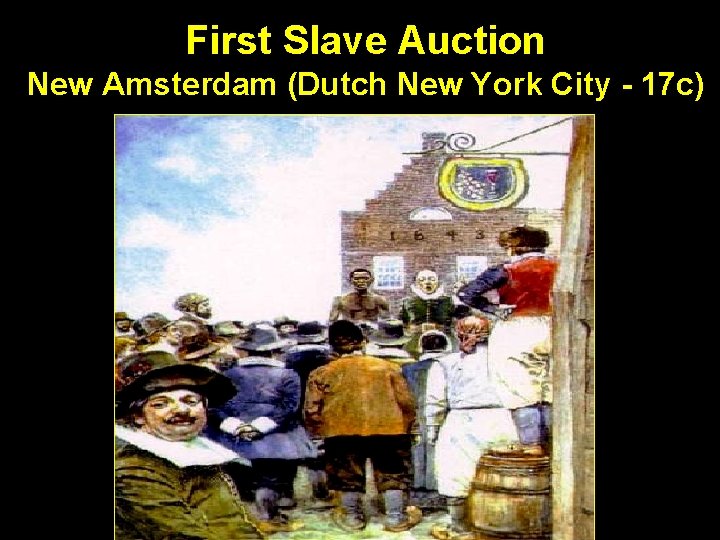
First Slave Auction New Amsterdam (Dutch New York City - 17 c)
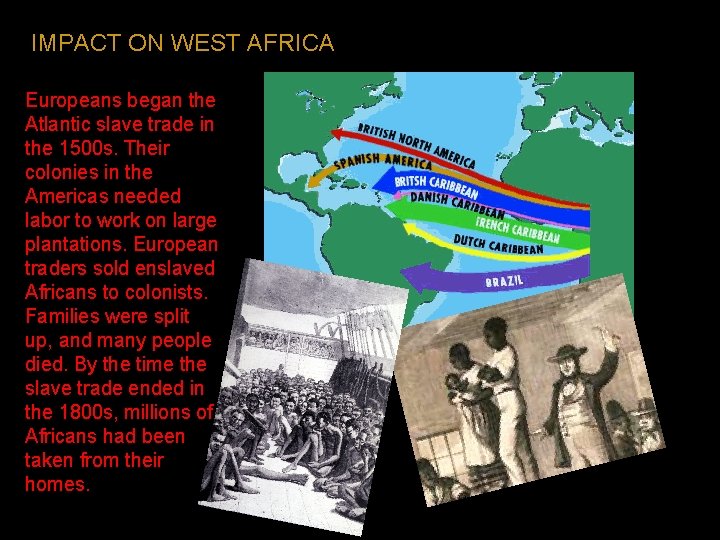
IMPACT ON WEST AFRICA Europeans began the Atlantic slave trade in the 1500 s. Their colonies in the Americas needed labor to work on large plantations. European traders sold enslaved Africans to colonists. Families were split up, and many people died. By the time the slave trade ended in the 1800 s, millions of Africans had been taken from their homes.
Impact of Slave Trade on the Americas • Cultural Diffusion – --The slave trade spread ideas and goods between cultures (cultural diffusion). --Europeans brought new weapons to Africa. --Africans brought part of their culture (like music food, traditions, Language) to the Americas.