
Skin Health CHS 232 Skin Aging Facts about
Skin Health CHS 232
Skin Aging
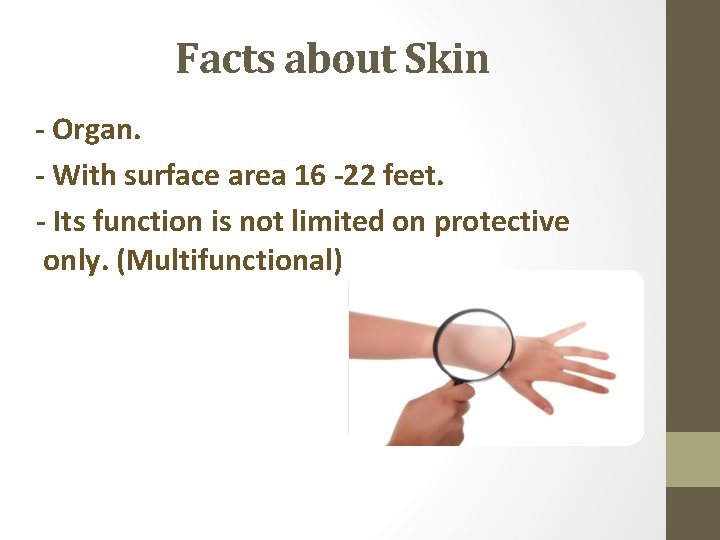
Facts about Skin - Organ. - With surface area 16 -22 feet. - Its function is not limited on protective only. (Multifunctional)
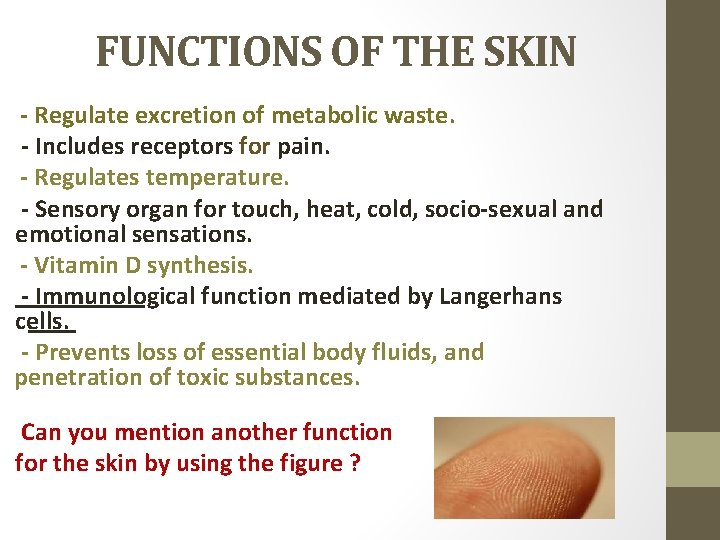
FUNCTIONS OF THE SKIN - Regulate excretion of metabolic waste. - Includes receptors for pain. - Regulates temperature. - Sensory organ for touch, heat, cold, socio-sexual and emotional sensations. - Vitamin D synthesis. - Immunological function mediated by Langerhans cells. - Prevents loss of essential body fluids, and penetration of toxic substances. Can you mention another function for the skin by using the figure ?
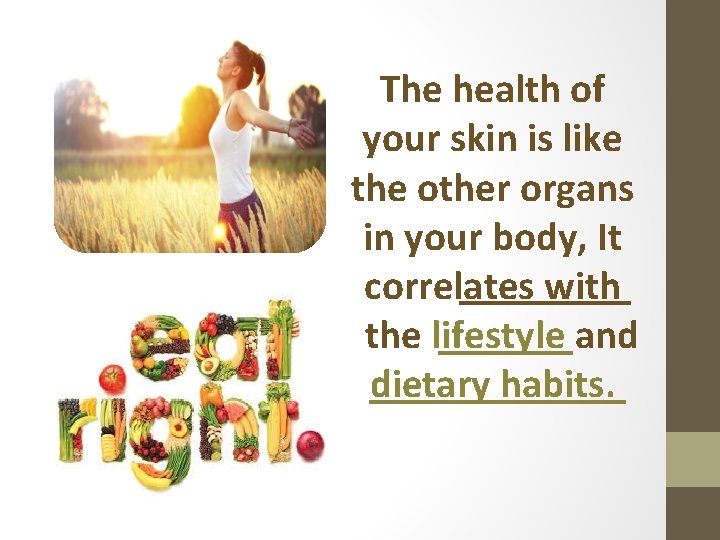
The health of your skin is like the other organs in your body, It correlates with the lifestyle and dietary habits.

Skin Anatomy and Function
Skin Anatomy and Function The skin is comprised of 3 layers: 1 - Epidermis (outermost layer- primary barrier) comprised of: - Keratin, which strengthens the skin. -Melanin (found in basal layer of epidermis) responsible for skin color. -Langerhans cells, important cellular in immune system. The epidermis provides the protection against the environment.
Skin Anatomy and Function 2 - Dermis : (It is directly below the epidermis). Function : - Provides strength and support. - Contains nerves, blood vessels and fibroblasts. - Fibroblasts provide: sensory receptors, deliver nutrients and maintain the structural foundation of the skin. What does it contain ? 1 -The most abundant connective material within the dermis is collagen ( fibrous protein ) which maintains skin firmness.
Skin Anatomy and Function 2 - Dermis : 2 - Elastin (fibrous protein ) combined with collagen to give the skin elasticity. -The base of dermis is composed of substance such as : complex sugars. These substance combine to form “ cementing and gelling “ base that binds to water molecules, allows nutrients and oxygen in the tissues and protect the dermal layer. -Within the dermis the new cells are produced and migrate to the ( outer layers).
Skin Anatomy and Function 3 - Hypodermis. (The bottom layer of the skin). -It contains adipocytes (fat cells) that insulate the body and help preserve the heat. -Sebaceous glands ( eccrine ) and sweat gland ( apocrine ) , which help to prevent dryness , protect skin against bacteria and maintain core body temperature. (Thermoregulation)
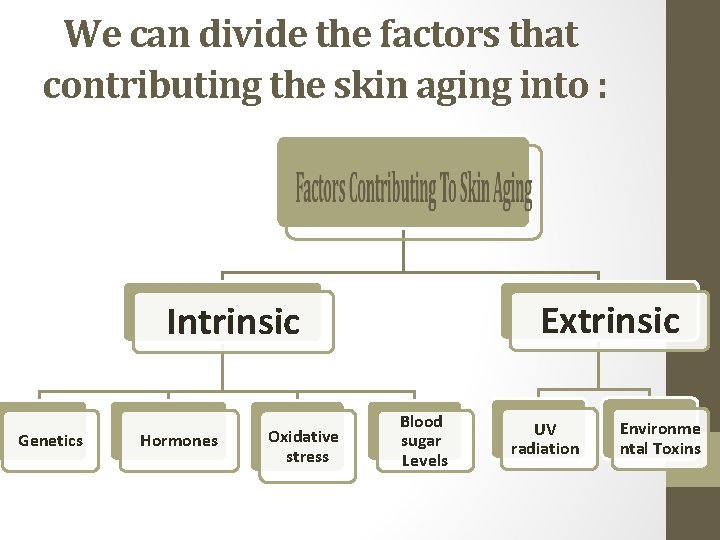
We can divide the factors that contributing the skin aging into : Extrinsic Intrinsic Genetics Hormones Oxidative stress Blood sugar Levels UV radiation Environme ntal Toxins

Intrinsic Factors: Genetics: - Cellular aging is the process by which a cell becomes old and can no longer replicate. Known as “ replicative senescence “ this phenomenon can be the result of DNA damage. Hormones: Sex hormones ( estrogen and testosterone ) and growth hormones. Sex hormones during puberty increase the incidence of skin acne, declining hormonal levels with aging accelerate skin deterioration. For women, the changes in hormone levels, estrogen during menopause is accompanied by significant changes within the skin.
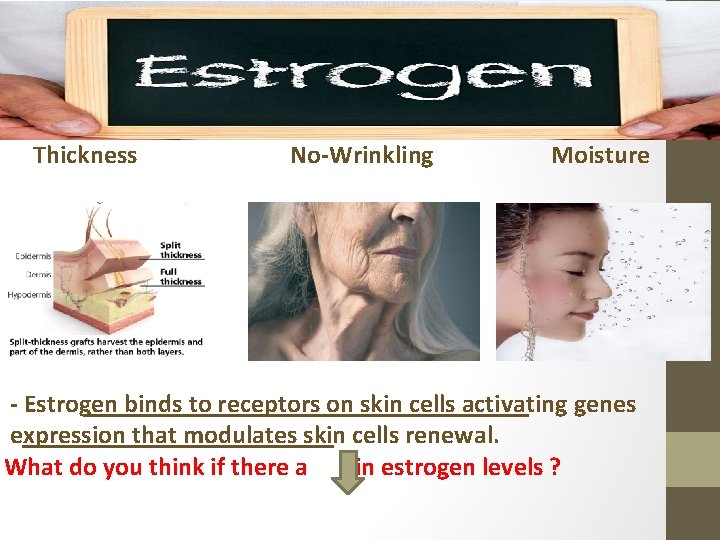
Thickness No-Wrinkling Moisture - Estrogen binds to receptors on skin cells activating genes expression that modulates skin cells renewal. What do you think if there a in estrogen levels ?
(Cont. ) Intrinsic Factors: Oxidative stress: - AS the outermost barrier separating internal tissue from the environment, the skin regularly exposed to UV radiation and air pollution Form molecules called : “ Free Radicals “ -The “Free Radicals” can also arise from the metabolic reactions, like: (Glycation). -The chronic free radicals will lead to uneven blotchy pigmentation, and subverts the structural framework of the skin, wrinkles and sagging. In your opinion, do you think avoiding exposure to UV lights is adequate protection ?
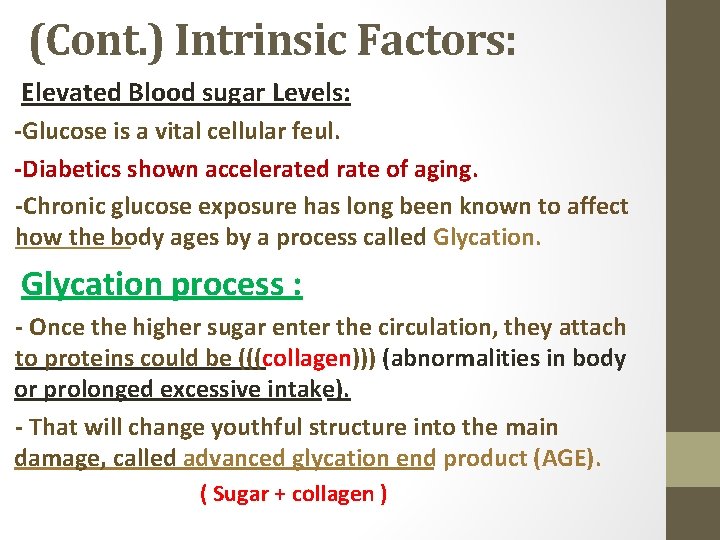
(Cont. ) Intrinsic Factors: Elevated Blood sugar Levels: -Glucose is a vital cellular feul. -Diabetics shown accelerated rate of aging. -Chronic glucose exposure has long been known to affect how the body ages by a process called Glycation process : - Once the higher sugar enter the circulation, they attach to proteins could be (((collagen))) (abnormalities in body or prolonged excessive intake). - That will change youthful structure into the main damage, called advanced glycation end product (AGE). ( Sugar + collagen )
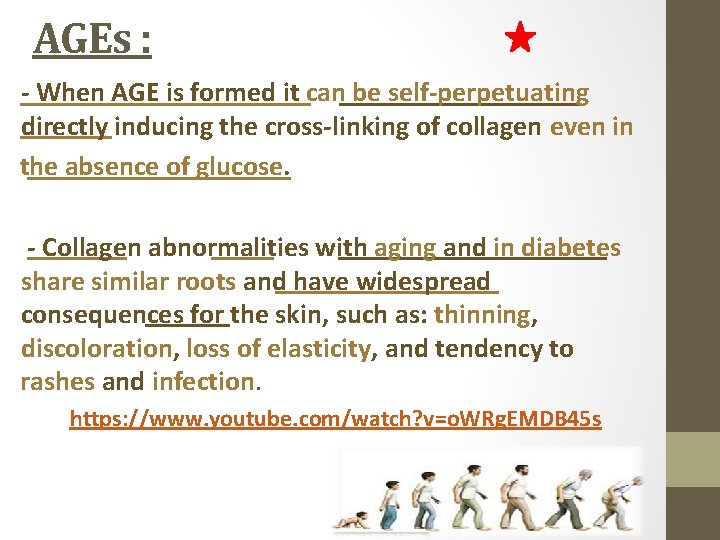
AGEs : - When AGE is formed it can be self-perpetuating directly inducing the cross-linking of collagen even in the absence of glucose. - Collagen abnormalities with aging and in diabetes share similar roots and have widespread consequences for the skin, such as: thinning, discoloration, loss of elasticity, and tendency to rashes and infection. https: //www. youtube. com/watch? v=o. WRg. EMDB 45 s
(Cont). Glycation : -That’s will lead to secretion of collagen-degrading enzymes called : matrix metalloproteinases (MMPs), increased and levels of their inhibitors decline. -Glycation directly increased the release of MMPs. -Also sun exposure increased the levels of MMPs.
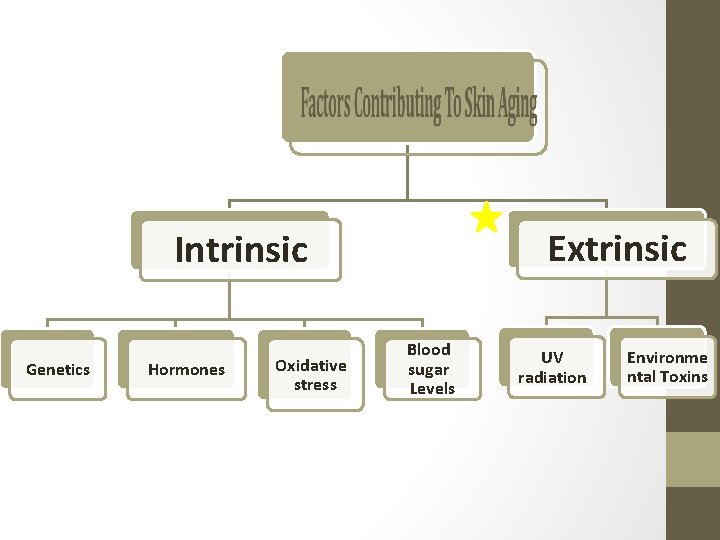
Extrinsic Intrinsic Genetics Hormones Oxidative stress Blood sugar Levels UV radiation Environme ntal Toxins
Extrinsic Factors: UV Radiation : Solar ultraviolet radiation (UVR). 1 - Damage dermal connective tissue 2 - Alters normal skin metabolism. 3 - Stimulating oxidative stress. 4 -Depletion of antioxidants such as: vitamins ( E, C). 5 -Depressing immunity which can cause: various skin disease; premature aging, inflammation, melanoma and non-melanoma skin cancer. “ photoaging “ : deleterious biochemical reaction occur within the skin when it is exposed to excess UV radiation.
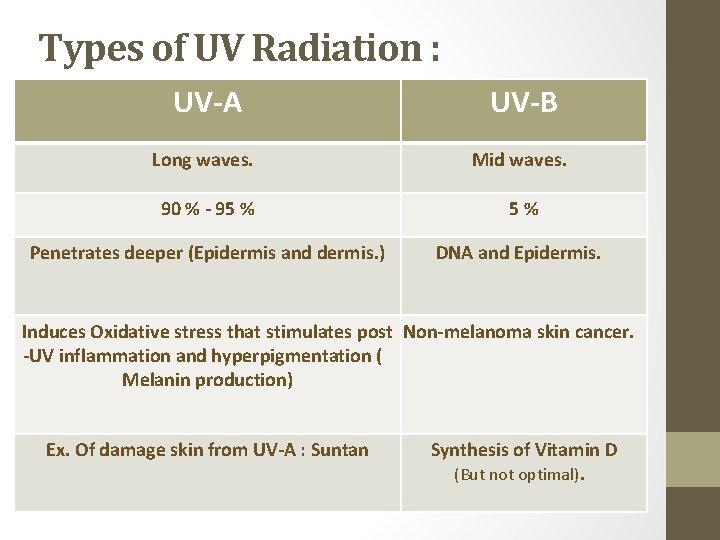
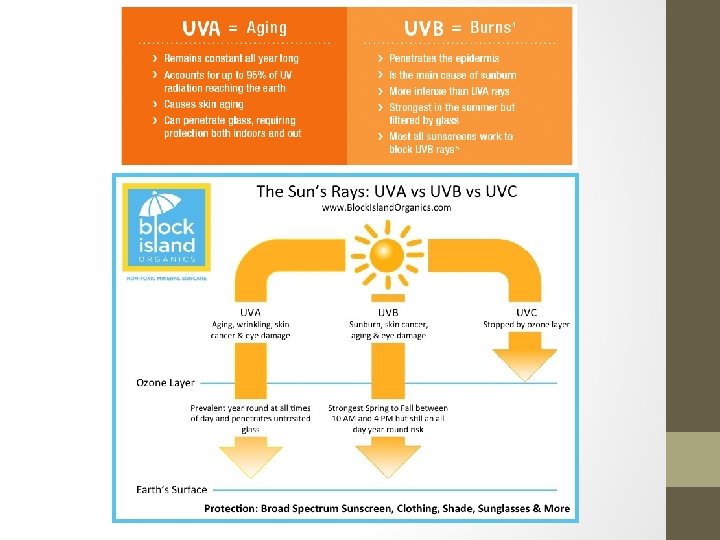
Types of UV Radiation : UV-A UV-B Long waves. Mid waves. 90 % - 95 % Penetrates deeper (Epidermis and dermis. ) DNA and Epidermis. Induces Oxidative stress that stimulates post Non-melanoma skin cancer. -UV inflammation and hyperpigmentation ( Melanin production) Ex. Of damage skin from UV-A : Suntan Synthesis of Vitamin D (But not optimal).
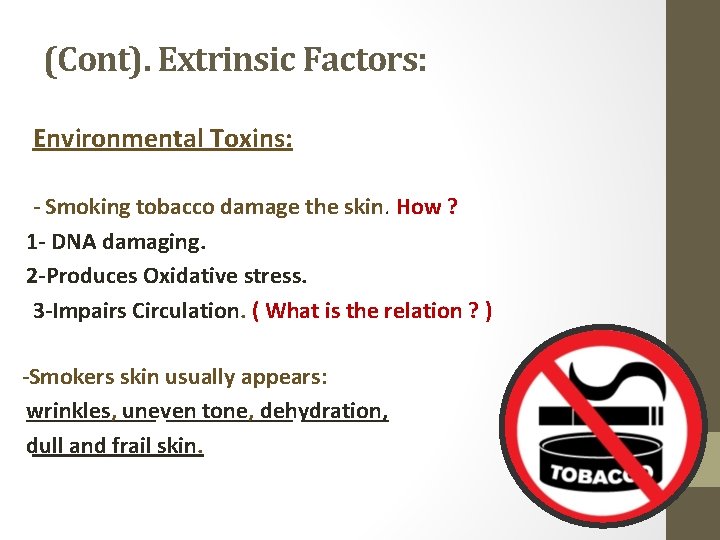
(Cont). Extrinsic Factors: Environmental Toxins: - Smoking tobacco damage the skin. How ? 1 - DNA damaging. 2 -Produces Oxidative stress. 3 -Impairs Circulation. ( What is the relation ? ) -Smokers skin usually appears: wrinkles, uneven tone, dehydration, dull and frail skin.
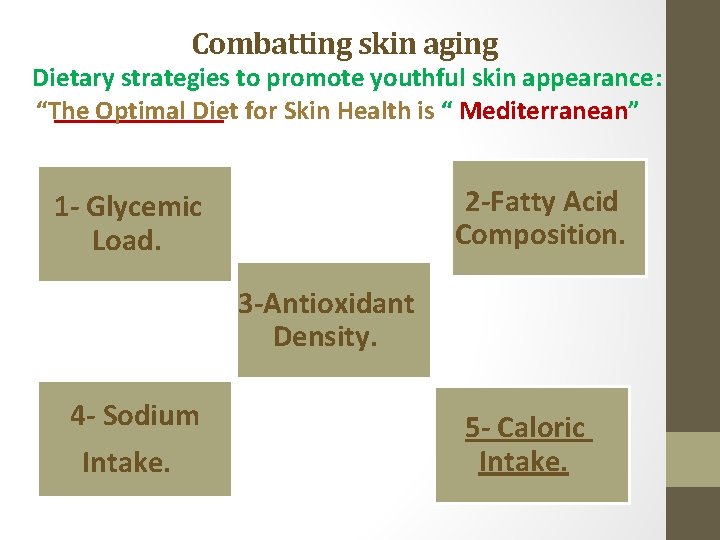
Combatting skin aging Dietary strategies to promote youthful skin appearance: “The Optimal Diet for Skin Health is “ Mediterranean” 2 -Fatty Acid Composition. 1 - Glycemic Load. 3 -Antioxidant Density. 4 - Sodium Intake. 5 - Caloric Intake.
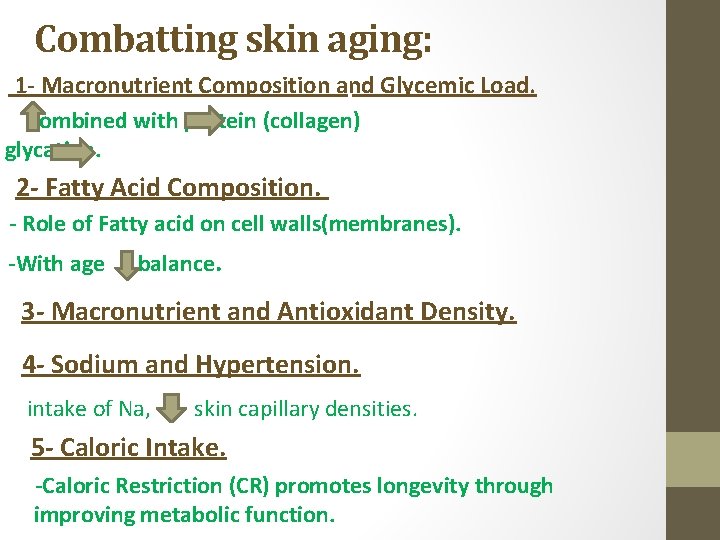
Combatting skin aging: 1 - Macronutrient Composition and Glycemic Load. combined with protein (collagen) glycation. 2 - Fatty Acid Composition. - Role of Fatty acid on cell walls(membranes). -With age balance. 3 - Macronutrient and Antioxidant Density. 4 - Sodium and Hypertension. intake of Na, skin capillary densities. 5 - Caloric Intake. -Caloric Restriction (CR) promotes longevity through improving metabolic function.
Skin Health and Gut - Human skin has different microorganism called “ Normal flora “ on skin. - Orally administered pre- and probiotics have been shown rebalance the skin microorganism and optimize skin barrier function, and combat inflammation. - In addition, probiotics help and reinforce the intestinal barrier against the infectious microbes that may harm healthy skin.
What are probiotics & prebiotics? • Probiotics are live bacteria and yeasts that are good for your health, especially your digestive system. We usually think of bacteria as something that causes diseases. • But your body is full of bacteria, both good and bad. Probiotics are often called "good" or "helpful" bacteria because they help keep your gut healthy. • Prebiotics are carbohydrates that cannot be digested by the human body. They are food for probiotics. The primary benefit of probiotics and probiotics appears to be helping you maintain a healthy digestive system.
Medical Procedures and Modalities to Combat Skin Aging -These procedures are: 1 -lasers. 2 -Intense pulsed light (IPL). 3 - Hyaluronic acid fillers. 4 - Botulinum toxin (BOTOX). 5 - chemical peeling (Best for treatment) , 6 -radiofrequency. 7 -Dermabrasion procedures (Best for treatment).
Cont. Medical Procedures and Modalities to Combat Skin Aging - One of the most treatment is (Stem Cells) by use adipose-derived stem cells (ADSC) : which have been show in animal studies : 1 - Combat free radicals damage and age spots. 2 - Wound healing and formation of new blood vessels. 3 - Stimulate Collagen synthesis. 4 -Anti-aging for maintaining skin vitality.
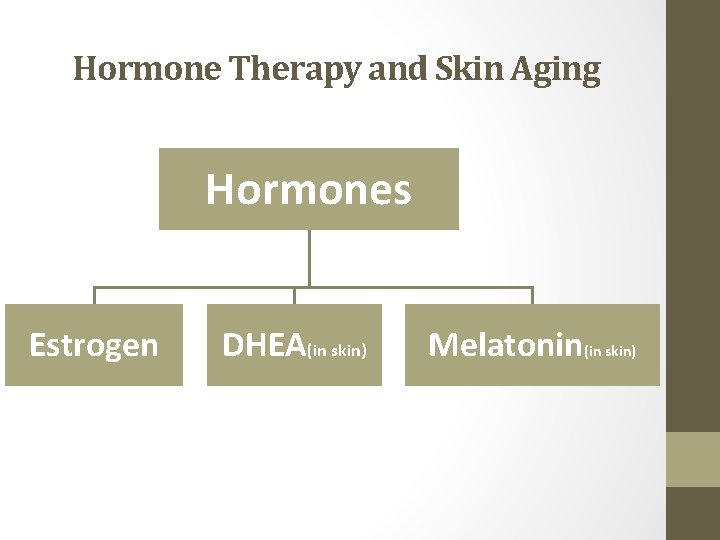
Hormone Therapy and Skin Aging Hormones Estrogen DHEA(in skin) Melatonin(in skin)
Hormone Therapy and Skin Aging 1 - Estrogen replacement therapy. (During menopause for women) - After 28 -day from therapy it is improved elasticity and reduces hydration. -After 16 weeks increased level of collagen in facial skin which improved texture and firmness. 2 - DHEA (anti-stress) hormone. - DHEA can converted into estrogen androgen-type to the skin. Function of DHEA on Skin : - Protect skin after burn by delicate blood vessels. - Antioxidant action and reduced free radical. - Limits bioactivation of some toxins and blunts DNA damage.
(Cont. )Hormone Therapy and Skin Aging 3 -Melatonin (sleep) hormones. -Melatonin synthesized in skin. Function on Skin : -Antioxidant protects against UV radiation. -Protection against sunburn. -Repairing burned skin. -Regulating blood circulation within the skin.
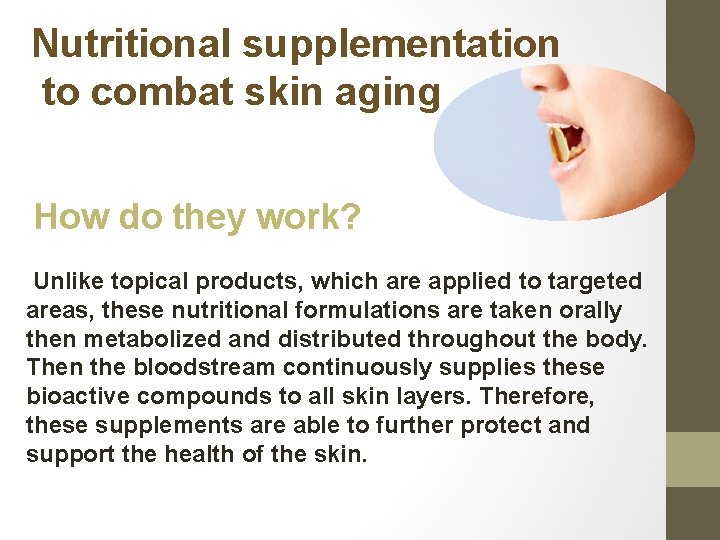
Nutritional supplementation to combat skin aging How do they work? Unlike topical products, which are applied to targeted areas, these nutritional formulations are taken orally then metabolized and distributed throughout the body. Then the bloodstream continuously supplies these bioactive compounds to all skin layers. Therefore, these supplements are able to further protect and support the health of the skin.
Nutritional support for general skin health - Minerals such as selenium and copper are required for cofactors for the maintenance of anti-oxidant defense systems in the skin. -Recently, certain natural ingredients such as curcumin, resveratrol, coenzyme Q 10, and superoxidase dismutase (SOD) -enriched melon extract-, have been shown to stimulate the production of these defense antioxidants.
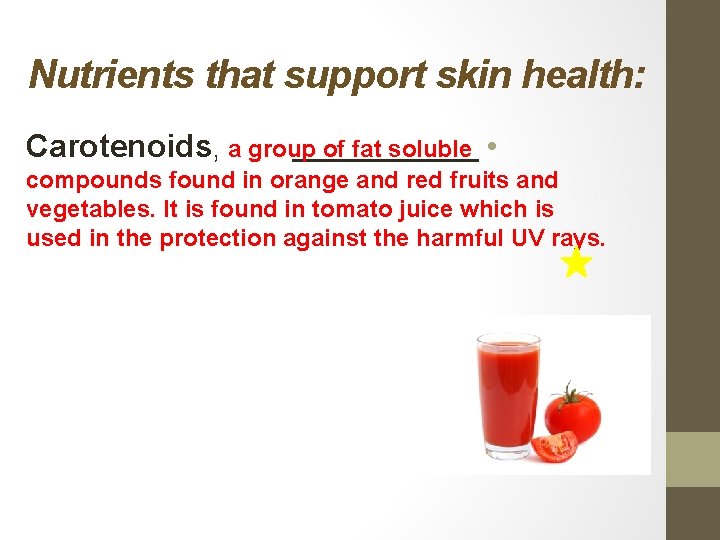
Nutrients that support skin health: Carotenoids, a group of fat soluble • compounds found in orange and red fruits and vegetables. It is found in tomato juice which is used in the protection against the harmful UV rays.
Vitamin D, it is synthesized in the skin after • exposure to sun rays. Insufficient vitamin D levels have been linked to decreased physical performance, poor cardiac health, autoimmune disease, neurologic disorders, several cancers, and increased over all mortality. -In its active form as calcitriol, vitamin D contributes to healthy skin in three ways: -Cells renewal and repair. -Supports the skin’s immune system. -Neutralize free radicals within the epidermal layers. - However, with more frequent sunscreen (although required), less sun exposure to manufacture vitamin D, as a result we need dietary supplemental intake of vitamin D.
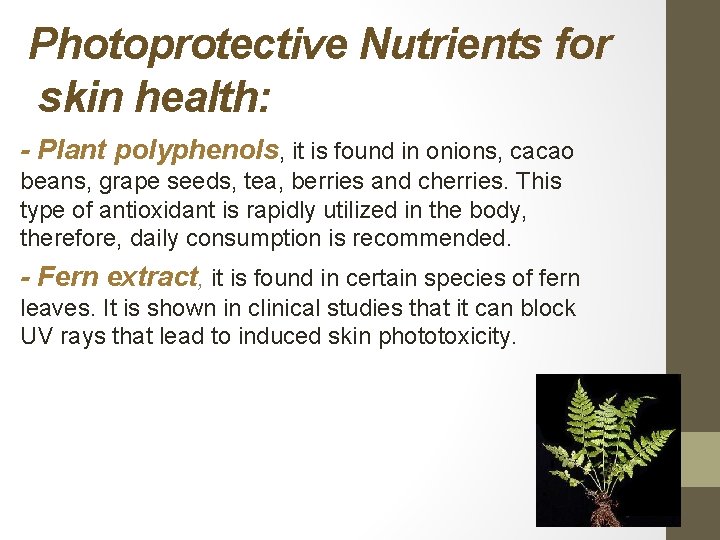
Photoprotective Nutrients for skin health: - Plant polyphenols, it is found in onions, cacao beans, grape seeds, tea, berries and cherries. This type of antioxidant is rapidly utilized in the body, therefore, daily consumption is recommended. - Fern extract, it is found in certain species of fern leaves. It is shown in clinical studies that it can block UV rays that lead to induced skin phototoxicity.
Natural ingredient to restore skin Plant-based ceramides - Ceramides are a lipid rich protective layer within the epidermis, it decreases naturally with age. We can obtain ceramides mainly from rice bran, wheat flour, and wheat germ oil. - And since it plays an important role in preventing dehydration in the skin, oral supplemented plant-based ceramides may help to combat skin aging.
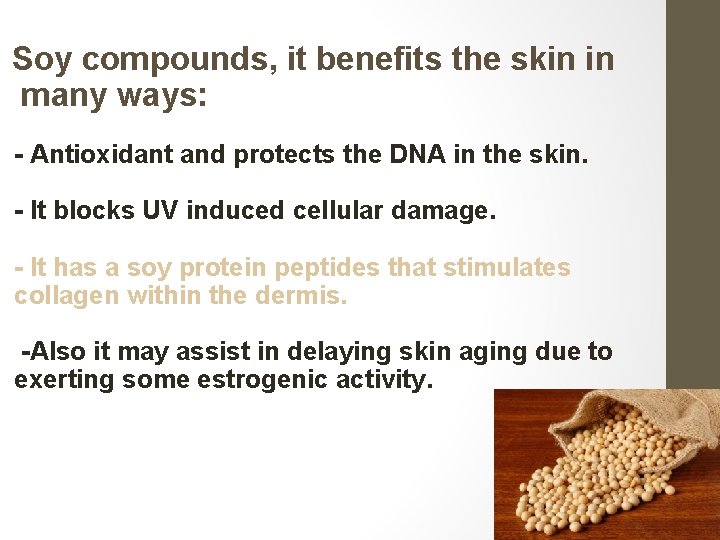
Soy compounds, it benefits the skin in many ways: - Antioxidant and protects the DNA in the skin. - It blocks UV induced cellular damage. - It has a soy protein peptides that stimulates collagen within the dermis. -Also it may assist in delaying skin aging due to exerting some estrogenic activity.
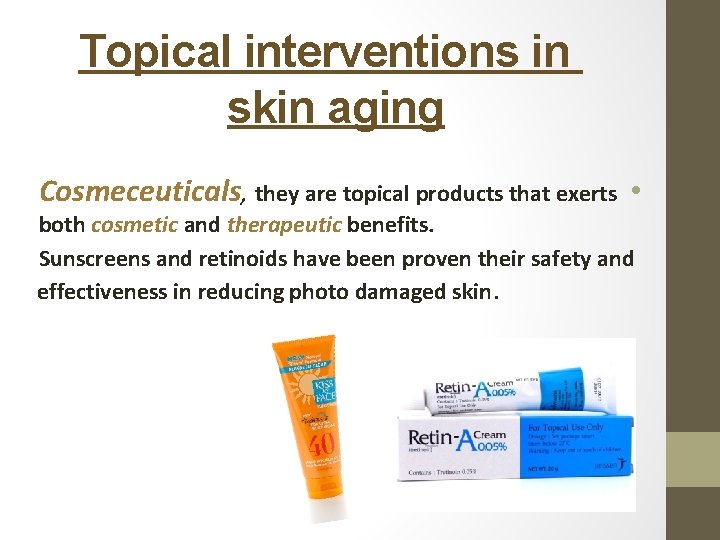
Topical interventions in skin aging Cosmeceuticals, they are topical products that exerts • both cosmetic and therapeutic benefits. Sunscreens and retinoids have been proven their safety and effectiveness in reducing photo damaged skin.

Categories of cosmeceutical • on the market: Exfoliating and whitening agents. Antioxidants and regenerating products such as peptide. Stem cell-based skincare.
Acne
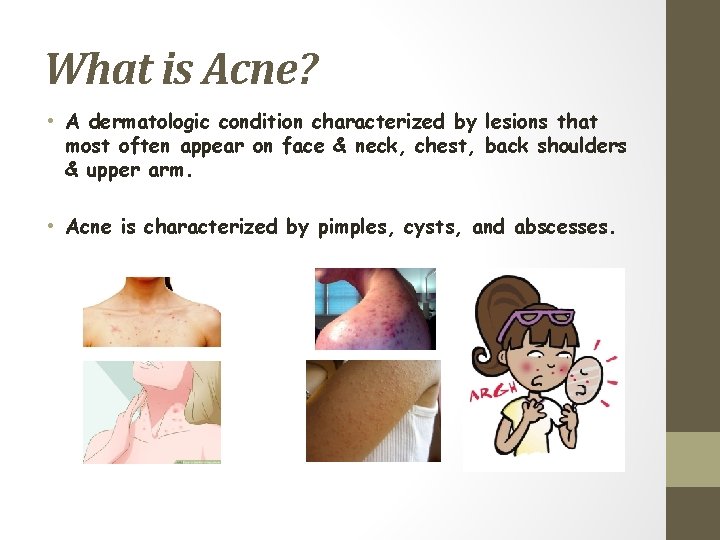
What is Acne? • A dermatologic condition characterized by lesions that most often appear on face & neck, chest, back shoulders & upper arm. • Acne is characterized by pimples, cysts, and abscesses.

Watch video Until 2: 38
Causes of Acne: A. Environmental Factors B. Genetic Factors C. Exposure to tobacco smoke, industrial oils D. Excessive scrubbing and washing of skin (because it increases oil production) E. Using many types of cosmetics F. Oil based hair products & Sun tan lotion glands> worsen acnes) (they block oil * Acnes is NOT caused by poor hygiene or fatty food and chocolates! The role of hormones is significant at puberty since they are high at this stage: Male hormones > enlarge sebaceous glands > increases sebum production> plug formation Female hormones> have beneficial effect… that’s why doctors recommend birth control pills for women who have acnes.
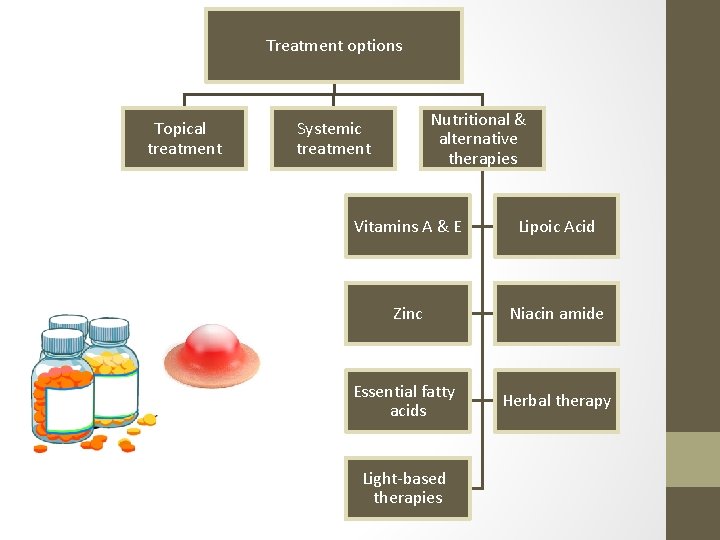
Treatment options Topical treatment Nutritional & alternative therapies Systemic treatment Vitamins A & E Lipoic Acid Zinc Niacin amide Essential fatty acids Herbal therapy Light-based therapies
Topical Treatments • • Cream, Gel, lotion, solution. Cream: for sensitive & dry skin Gel & solution: for oily skin Lotion: can be used for any skin type, easily spread over hairy skin surface. Most topical treatments dry the skin to some degree & cause minor peeling >peeling smoothes facial skin and helps resolve lesions. * Topical treatment often takes 4 -6 weeks Topical retinoid: naturally synthesis compounds that are chemically similar To vitamin A (which is necessary for skin growth & maintenance). Topical retinoid: are available as creams, gels, and solutions.
Systemic treatment: • Oral medication, antibiotics, oral retinoid, antiandrogens. • oral retinoid are associated with liver damage, and high risk of fetal deformity. • Antiandrogens block the action of androgens> which stimulate sebaceous gland> increase sebum > acne
Nutritional & alternative therapies • Vitamins A & E: Vitamin A is beneficial in inflammatory conditions, including acne. • Lipoic Acid: It has ingredient in topical therapies but can be taken as oral supplement, lipoic acid activate factor in the body known as Ap 1, which produces enzymes that digest damaged collagen and helps erase scars, including acne scars • Zinc: 1. Help reduce inflammation. 2. kills the main bacteria associated with disease. 3. Produce changes in the skin environment.
Nutritional & alternative therapies • Niacin amide: It’s effective when applied topically to acne. • Essential fatty acids: Omega 3 fatty acid &docosahexaenoic acid are well known antiinflammatories> reduce inflammation. • Herbal therapy: Which is Often suggested for acne. • Light-based therapies: Studies shows that LIGHT-BASED therapies and laser is safe & effective way in acne treatment. Combination of light-based therapy & topical medication is also proved effective.
Natural topical products • Skin healing: Gel that contain lipoic acid, collagen, vitamins C, A, E repair damaged tissues. • Inflammation & redness: Creams that contain some ingredients reduce inflammation from infection. • Cleansers: Facial washes that contain fruit & vegetables extracts, such as lemon, cucumber, and herbal extracts, such as green tea is beneficial. But if excessive washing it will increase sebum> acnes. • Antibacterial & Antifungal: Tea tree oil contain terpenoids, which kills bacteria.
Natural topical products • Seaweed extract: Stimulates & Nourishes skin • Facial masks: Combine of minerals, extracts, and antioxidants… which less the severity of acnes and improve the appearance of skin. • Sulfur: Helps removing dead skin layer, & it’s anti-inflammatory. • Antioxidant tea blend: Helps reduce production of inflammatory agents.
Life extension suggestion: • Avoid overexposure to sun • Use only oil free cosmetics • Wash face gently, keep skin clean (scrubbing inflames skin worsen it) • Resist the urge to squeeze, scratch, or pick acnes. • Try products that contain Benzoyl peroxide for mildmoderate acnes. • Avoid alcohol-based aftershaves, use herbal alternatives that contain essential oils. • Eliminate foods high in fat, hormones, and iodine. • Eat range of whole, natural foods, avoid process foods. • Drink adequate liquids, especially water & green tea. • Following blood tests are helpful: 1. Female comprehensive hormone panel 2. Male comprehensive hormone panel
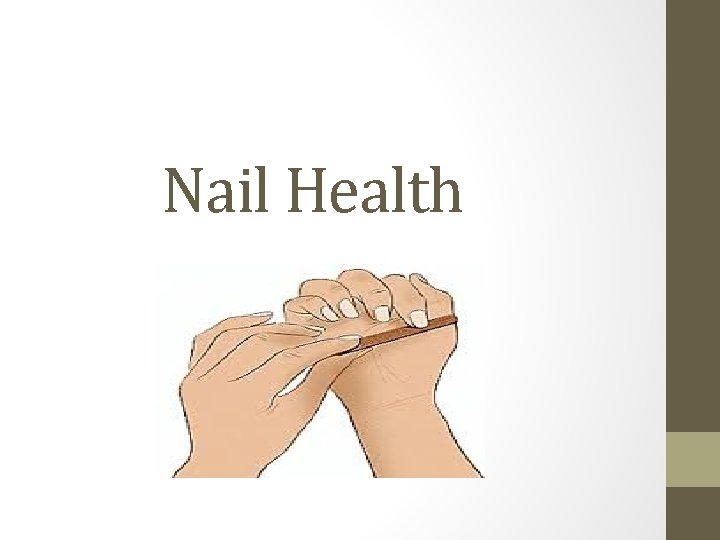
Nail Health
Nail health Nails are important for many reasons, including aesthetic appeal. Indicators nail problem: 1 -nail thickness. 2 - horizontal white lines in the nails. 3 -nail concavity (spooning). may be an indication of a variety of problems (eg, anemia, endocarditis, connective tissue disorders). Common nail complaints include brittle, nails, and infection with a variety of pathogens.
Nail health Aging can cause slowed nail growth as well as • brittle, dull, or yellowish nails. Other significant causes of nail abnormalities • include environmental factors sure to chemicals, polishes, or harsh detergents; pro- longed water exposure; reaction to adhesives used in artificial nails; use of certain medications)and injury or trauma.
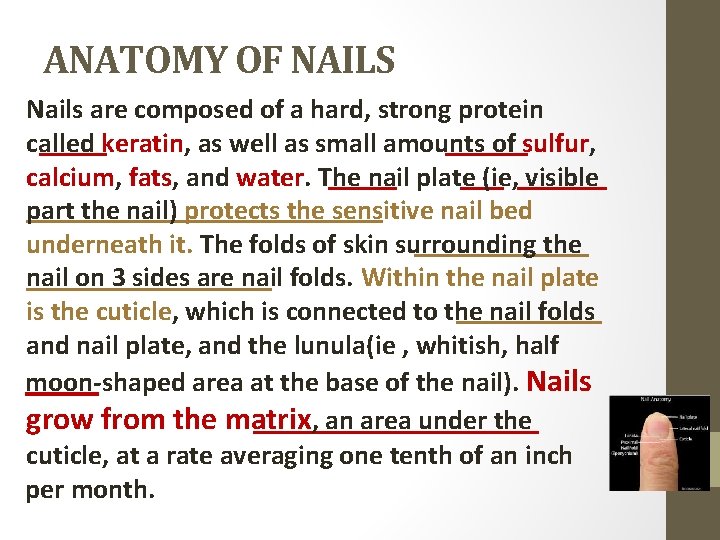
ANATOMY OF NAILS Nails are composed of a hard, strong protein called keratin, as well as small amounts of sulfur, calcium, fats, and water. The nail plate (ie, visible part the nail) protects the sensitive nail bed underneath it. The folds of skin surrounding the nail on 3 sides are nail folds. Within the nail plate is the cuticle, which is connected to the nail folds and nail plate, and the lunula(ie , whitish, half moon-shaped area at the base of the nail). Nails grow from the matrix, an area under the cuticle, at a rate averaging one tenth of an inch per month.
Some of more common complaint: • 1 -Paronychia. 2 -Brittle nails. 3 -Ingrown toenail. 4 -Nail psoriasis. 5 -Onychomycosis. 6 -Pitting. 7 -White nails(terrys nails).
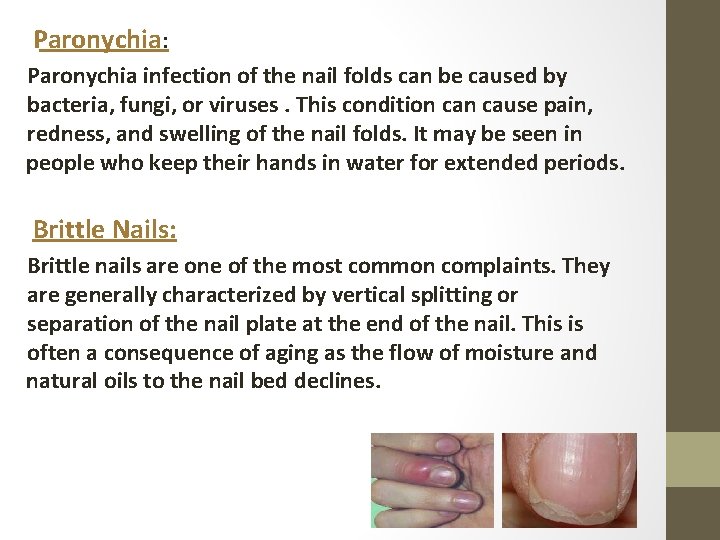
Paronychia: Paronychia infection of the nail folds can be caused by bacteria, fungi, or viruses. This condition cause pain, redness, and swelling of the nail folds. It may be seen in people who keep their hands in water for extended periods. Brittle Nails: Brittle nails are one of the most common complaints. They are generally characterized by vertical splitting or separation of the nail plate at the end of the nail. This is often a consequence of aging as the flow of moisture and natural oils to the nail bed declines.
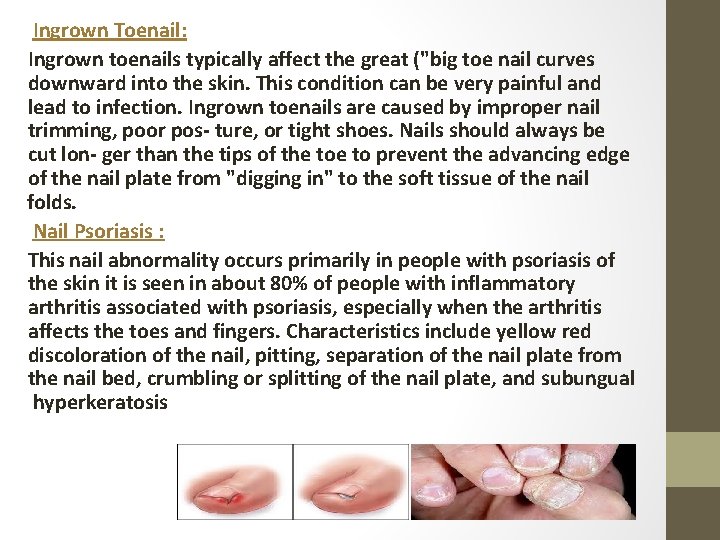
Ingrown Toenail: Ingrown toenails typically affect the great ("big toe nail curves downward into the skin. This condition can be very painful and lead to infection. Ingrown toenails are caused by improper nail trimming, poor pos- ture, or tight shoes. Nails should always be cut lon- ger than the tips of the to prevent the advancing edge of the nail plate from "digging in" to the soft tissue of the nail folds. Nail Psoriasis : This nail abnormality occurs primarily in people with psoriasis of the skin it is seen in about 80% of people with inflammatory arthritis associated with psoriasis, especially when the arthritis affects the toes and fingers. Characteristics include yellow red discoloration of the nail, pitting, separation of the nail plate from the nail bed, crumbling or splitting of the nail plate, and subungual hyperkeratosis
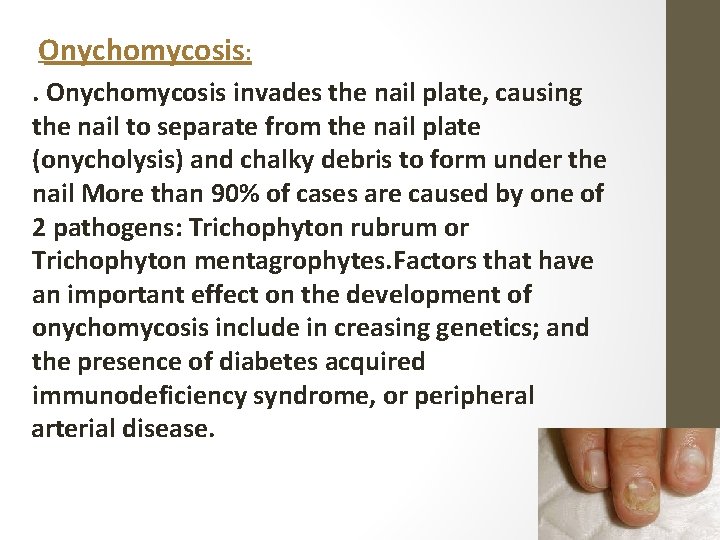
Onychomycosis: . Onychomycosis invades the nail plate, causing the nail to separate from the nail plate (onycholysis) and chalky debris to form under the nail More than 90% of cases are caused by one of 2 pathogens: Trichophyton rubrum or Trichophyton mentagrophytes. Factors that have an important effect on the development of onychomycosis include in creasing genetics; and the presence of diabetes acquired immunodeficiency syndrome, or peripheral arterial disease.
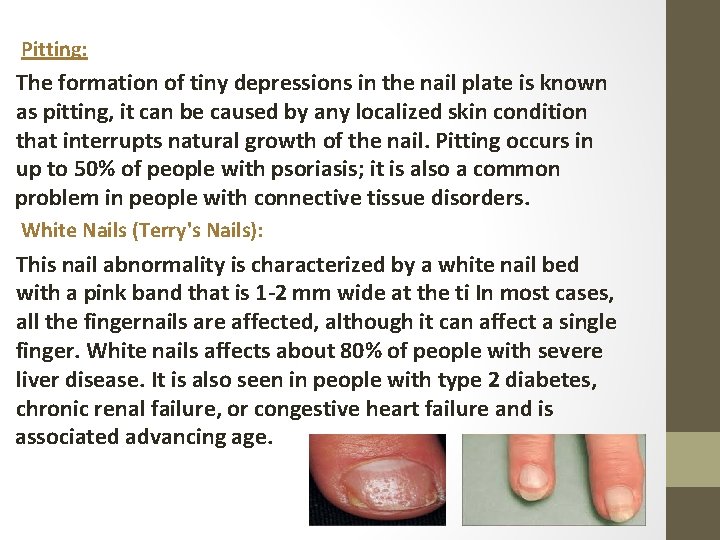
Pitting: The formation of tiny depressions in the nail plate is known as pitting, it can be caused by any localized skin condition that interrupts natural growth of the nail. Pitting occurs in up to 50% of people with psoriasis; it is also a common problem in people with connective tissue disorders. White Nails (Terry's Nails): This nail abnormality is characterized by a white nail bed with a pink band that is 1 -2 mm wide at the ti In most cases, all the fingernails are affected, although it can affect a single finger. White nails affects about 80% of people with severe liver disease. It is also seen in people with type 2 diabetes, chronic renal failure, or congestive heart failure and is associated advancing age.
NUTRITIONAL THERAPY FOR HEALTHY NAILS Natural remedies for nail treatment are up against • the same obstacles as prescription agents: it is difficult to deliver healing agents to the site of infection. However, a few nutrients stand out for their ability to support strong, healthy nails. 1 -Silicon: silicon was examined for its ability to improve s and nail health in women with sun-damaged skin. 2 -Vitamin E: vitamin E can be effective in the treatment of nail changes in yellow syndrome. 3 -Biotin : Biotin In one study, supplementation with the B complex vitamin biotin increased nail thickness by 25% in 63% of participants with brittle nails.
Cont. . 4 -Protein: Researchers have found an association between protein deficiency and nail abnormalities such as Muehrcke's lines appeared in individuals with low blood protein levels. 5 -Iron: Supplemental iron should be taken under the supervision of a physician. 6 -Zinc: Zinc deficiency has been associated with poor nail health, manifesting as deformed nails, hangnails, in- flamed cuticles, and white spots in the nail plate. 8 - L-Cysteine.
PREVENTION: PROPER NAIL CARE To help achieve and maintain healthy looking nails consider the following guidelines: 1 -Use cotton-lined rubber gloves when doing dishes or using harsh chemicals, then wash hands with gentle soap and dry them thoroughly. 2 - Avoid biting your nails or picking at your cuticles. 3 -Keep nails clipped slightly longer than the tip of finger or toe to prevent hangnails or ingrown nails. 4 -To avoid ingrown toenails, wear shoes with a toe box that does not squeeze your toes together. . 5 -Try to keep your nails short, square-shaped, and slightly round on the top. It is best to trim brittle nails after a bath (they will be more supple then) and apply moisturizer.
Cont. . 6 -If your nails are very brittle, avoid nail polish. . 7 -If your nails or cuticles are dry, consider moisturizing them at bedtime and wearing cotton gloves while you sleep 8 -Use nail polish remover no more than twice a month. If necessary, touch up nails with polish Mend split or torn nails with nail glue or clear polish.
To avoid fungal infections, follow these tips: 1 -Wear shower shoes or flip-flops in communal showers. 2 -Make sure your feet and body are thoroughly dried. 3 -Avoid sharing towels or clothing. 4 -Use nonirritating soaps and detergents.

- Slides: 67