
Skeletal System Ready SET BONES On your table
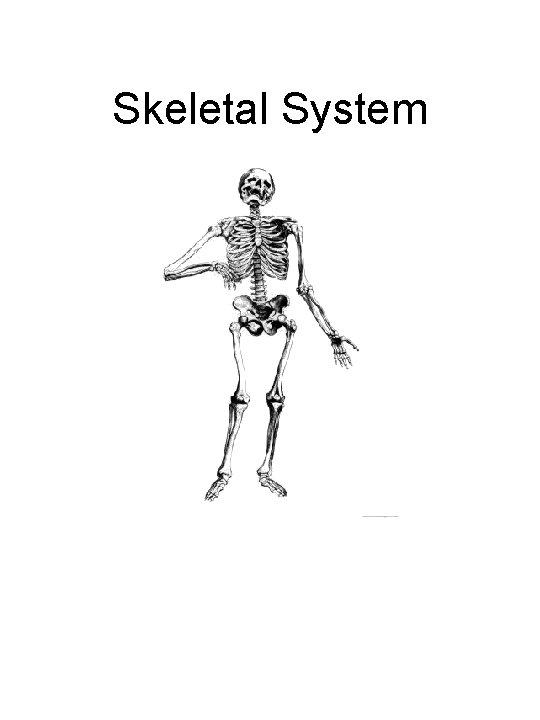
Skeletal System
Ready, SET, BONES!!!!!!! • On your table there is a bag of bones for you and your partner to put together.
Did you know? ? 1. A baby has 300 and an adult has 206. 2. 14 bones are in your face. 3. 8 bones are in each wrist. 4. 23 bones are in each foot including the ankle 5. Your bones consist of 50% water and 50% solid matter.
Function of the skeletal system 1. Protection: protects many important organs. § Ribs protect the heart and the lungs § The vertebrae protect the spinal cord § The cranium/skull protects the brain.
2. Movement: Skeletal muscles are attached to your bones. Skeletal muscles pull on bones to produce movement.
3. Blood cell formationsome bones are filled with special bone marrow that makes red blood cells.

4. Storage: bones store calcium that help the nerves and muscles function properly. Your bones also store fat that can be used for energy.
5. Support– the skeletal system gives structure and support to your body, like the framework of a building.
Types of Joints
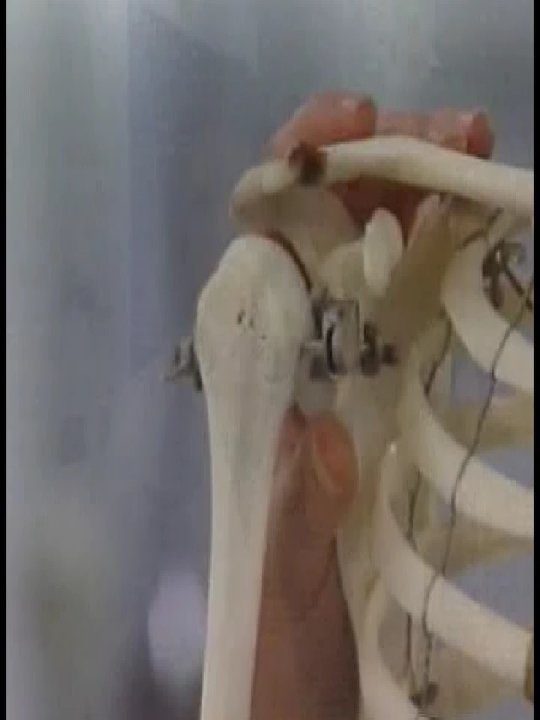
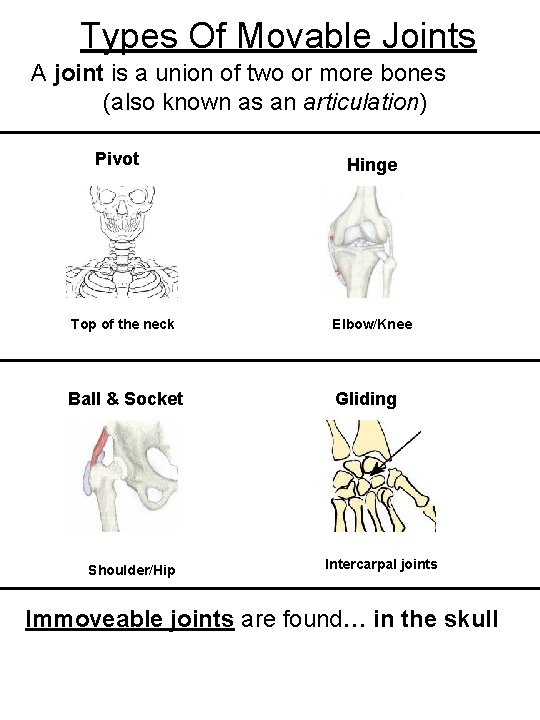
Types Of Movable Joints A joint is a union of two or more bones (also known as an articulation) Pivot Hinge Top of the neck Elbow/Knee Ball & Socket Gliding Shoulder/Hip Intercarpal joints Immoveable joints are found… in the skull
Lets Review • Stand up and show 3 people in the room a pivot joint, a hinge joint, ball in socket joint and a gliding joint.
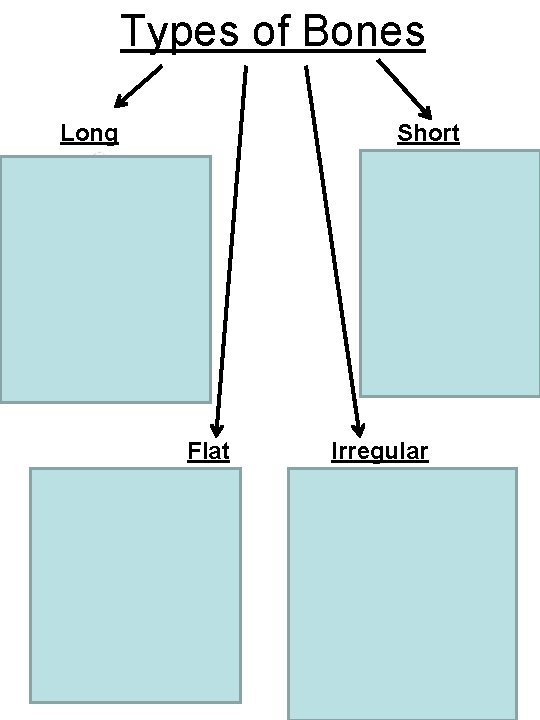
Types of Bones Long Short Stability with little movement Support Ex- Femur, Humerus Flat Provides Protection Ex- Ribs, Scapula Ex- Carpals & Tarsals Irregular unique shape for various functions Ex- vertebrae, mandible
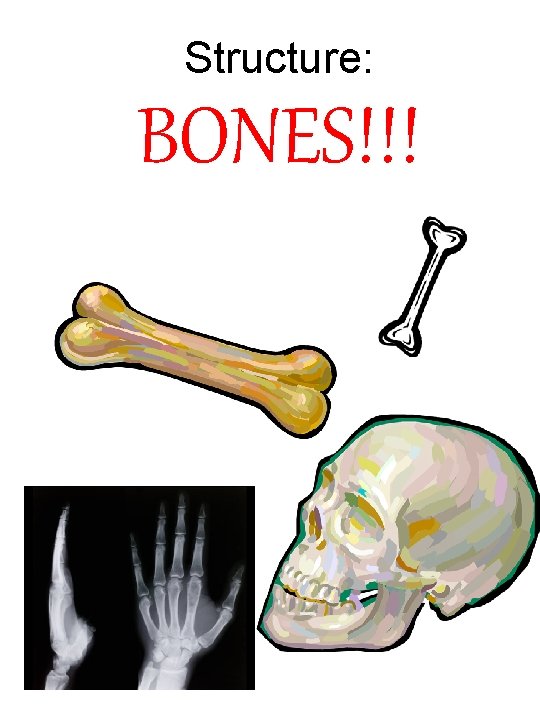
Structure: BONES!!!
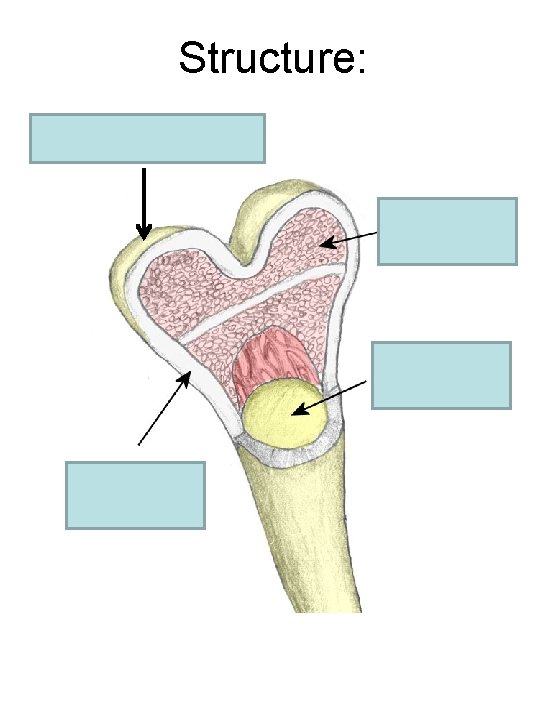
Structure: Outer Membrane
Bones are connected by… Connective Tissues
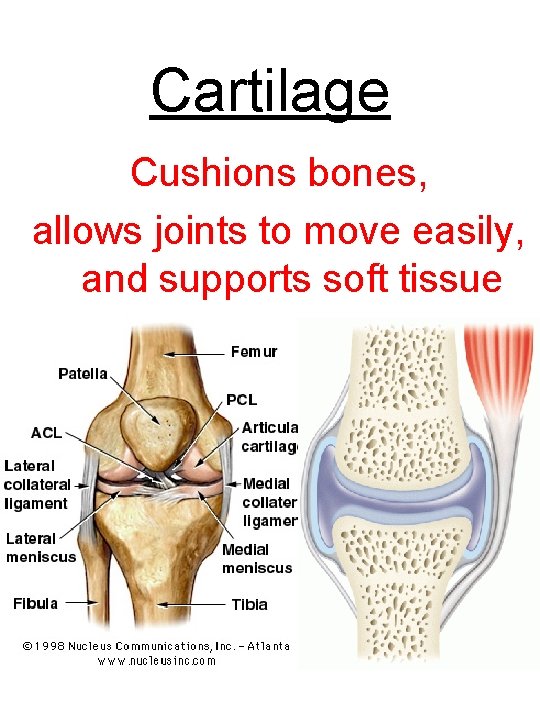
Cartilage Cushions bones, allows joints to move easily, and supports soft tissue
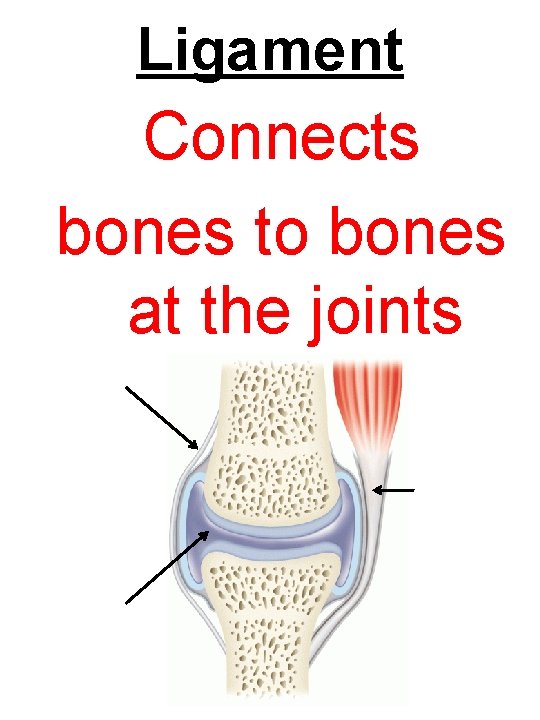
Ligament Connects bones to bones at the joints
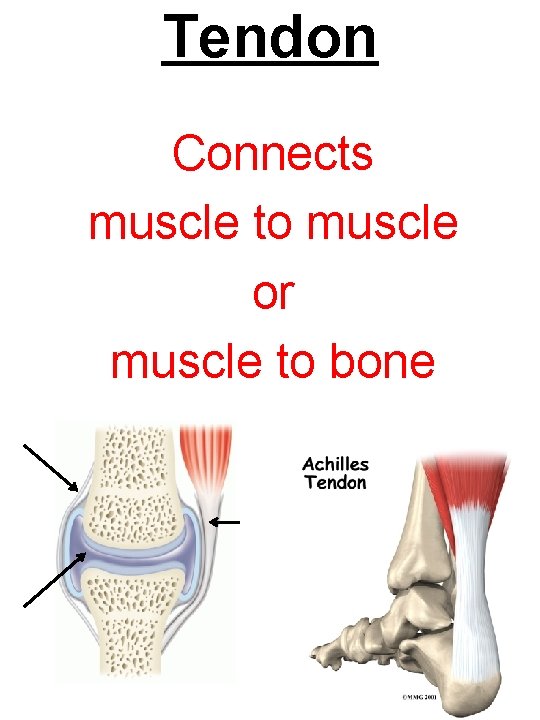
Tendon Connects muscle to muscle or muscle to bone
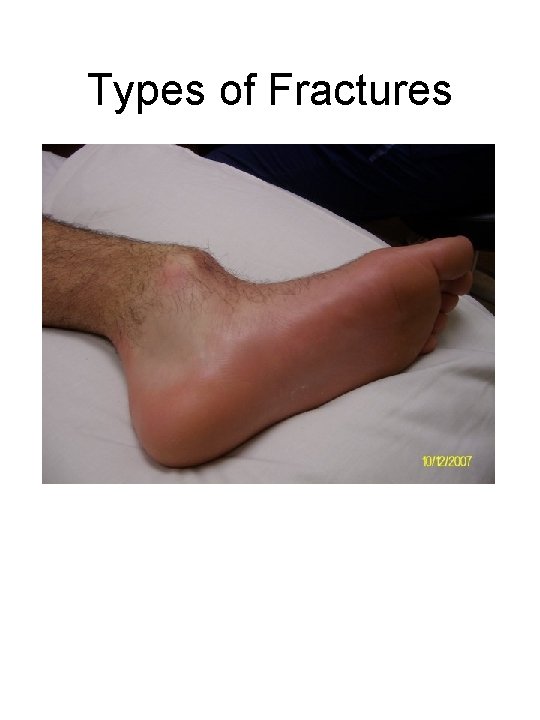
Types of Fractures
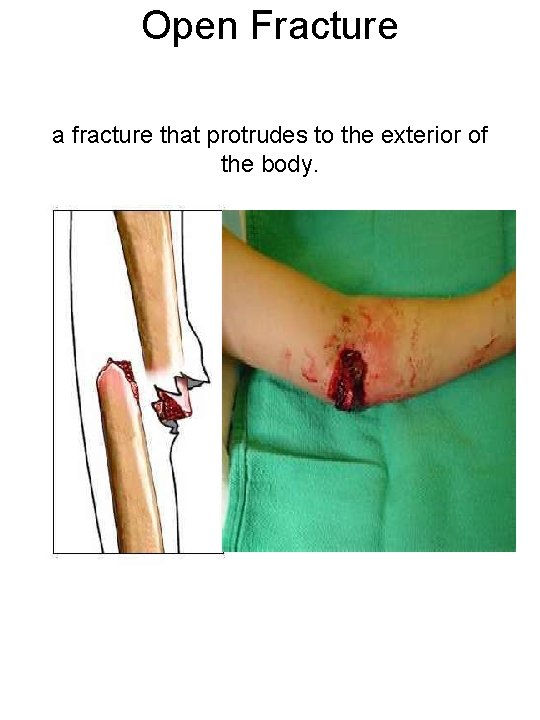
Open Fracture a fracture that protrudes to the exterior of the body.
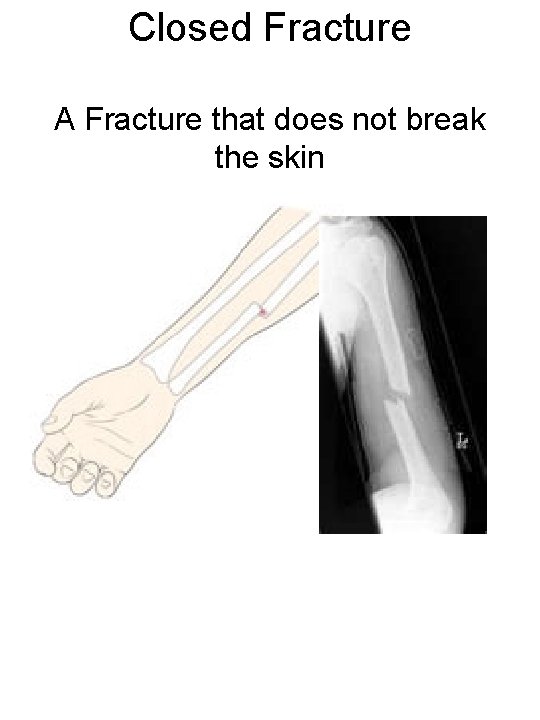
Closed Fracture A Fracture that does not break the skin
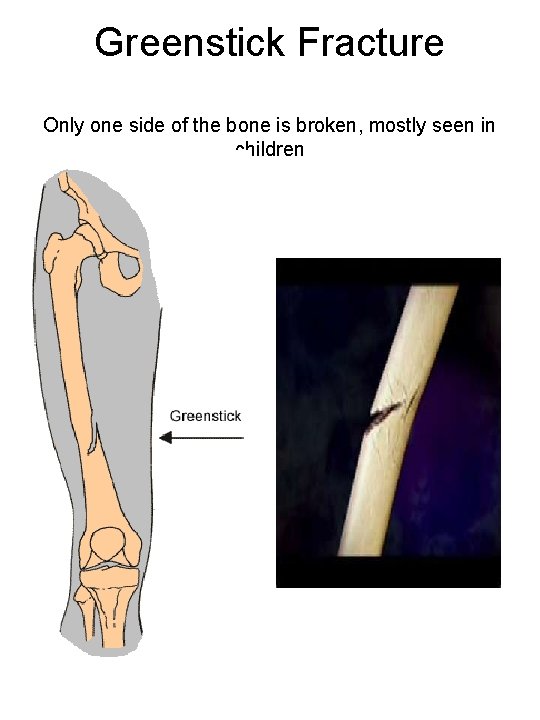
Greenstick Fracture Only one side of the bone is broken, mostly seen in children
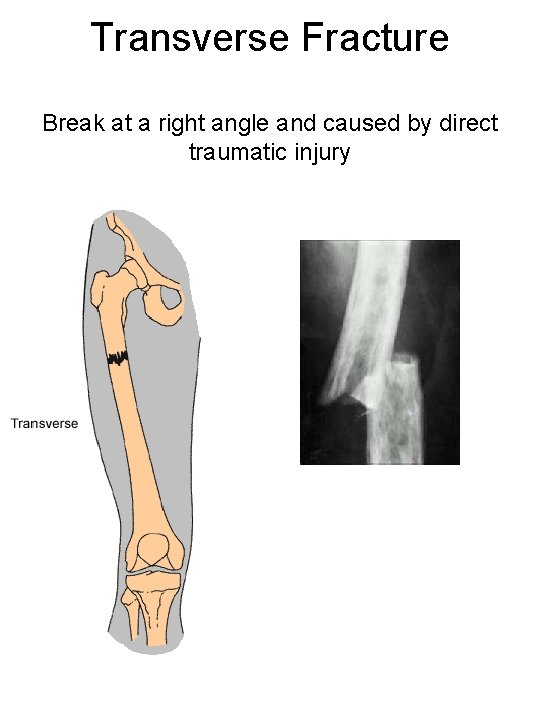
Transverse Fracture Break at a right angle and caused by direct traumatic injury
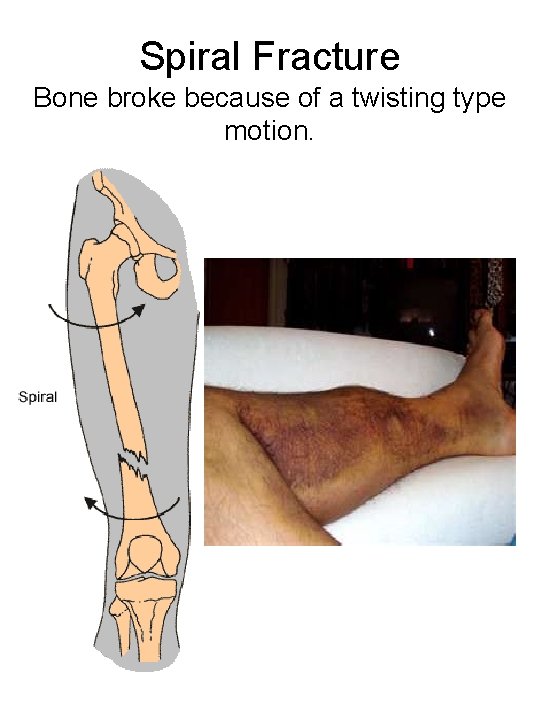
Spiral Fracture Bone broke because of a twisting type motion.
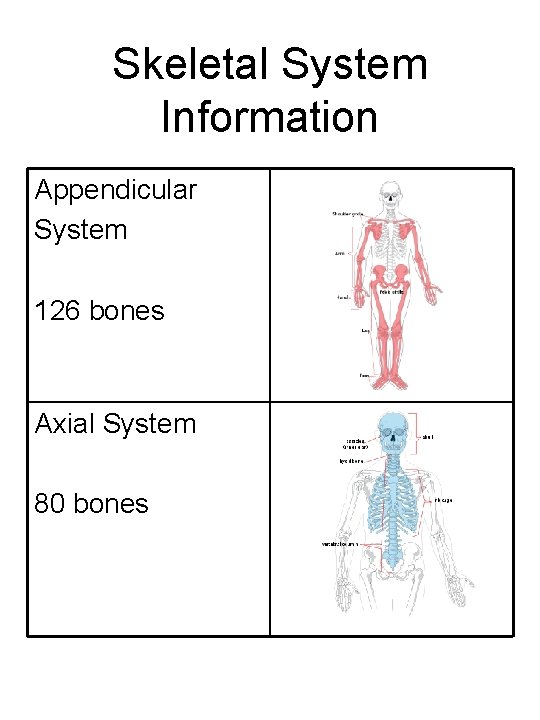
Skeletal System Information Appendicular System 126 bones Axial System 80 bones
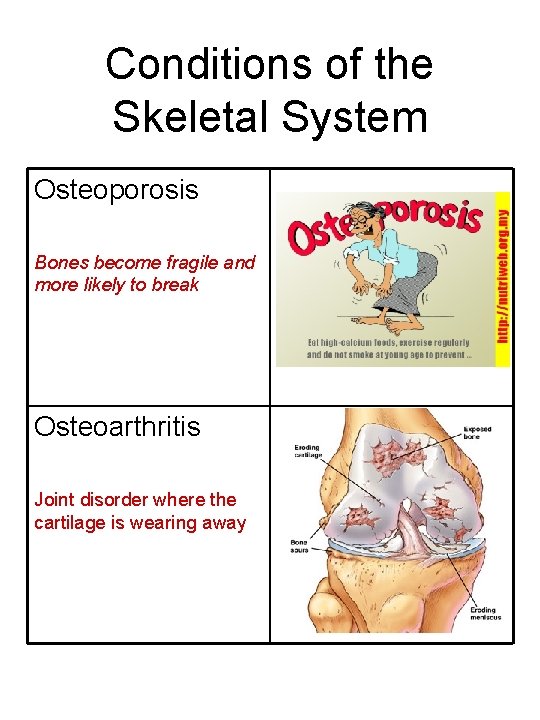
Conditions of the Skeletal System Osteoporosis Bones become fragile and more likely to break Osteoarthritis Joint disorder where the cartilage is wearing away
- Slides: 28