
Skeletal muscle wasting Provides amino acids for the

- Slides: 12
Skeletal muscle wasting ● Provides amino acids for the metabolic support of central organs/tissues ●● Is mediated at a molecular level mainly by activation of the ubiquitin–proteasome pathway ●●● Can result in immobility and contribute to hypostatic pneumonia and death if prolonged and excessive
Hepatic acute phase response The hepatic acute phase response represents a reprioritisation of body protein metabolism towards the liver and is characterised by: ● Positive reactants (e. g. CRP): plasma concentration ↑ ●● Negative reactants (e. g. albumin): plasma concentration ↓
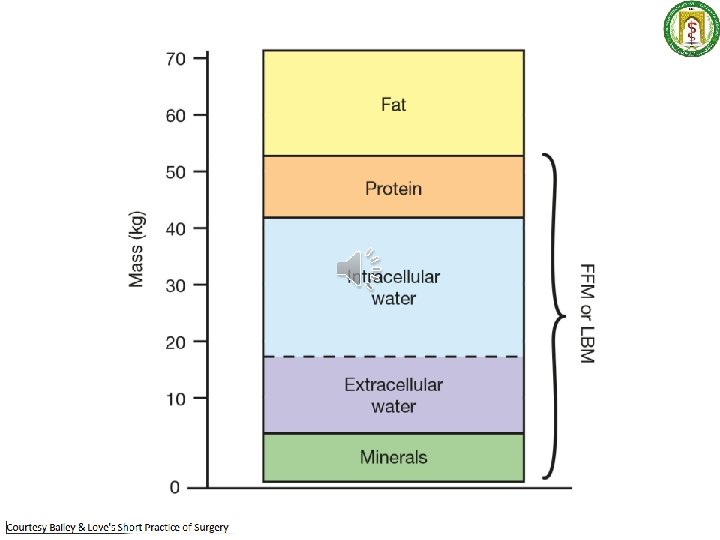
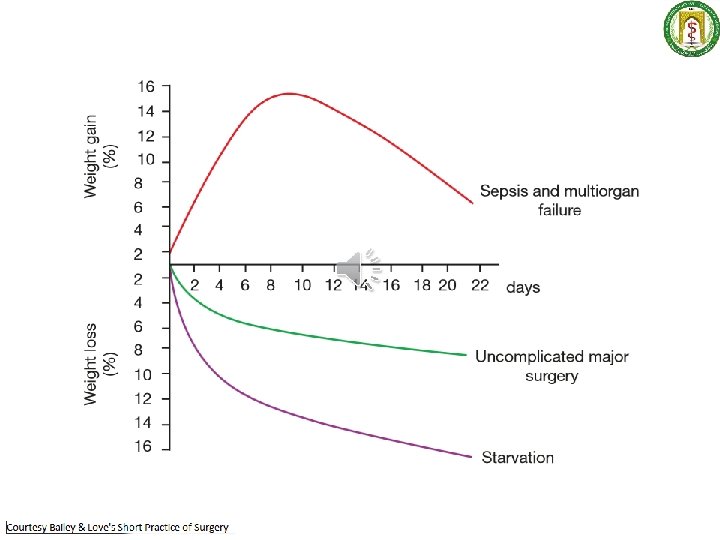
Changes in body composition following major surgery/ critical illness ● Catabolism leads to a decrease in fat mass and skeletal muscle mass ●● Body weight may paradoxically increase because of expansion of extracellular fluid space
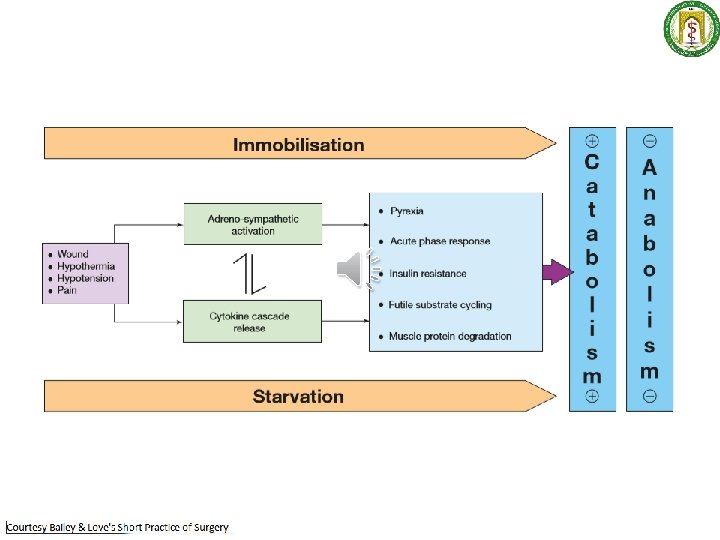
Avoidable factors that compound the response to injury ● Continuing haemorrhage ●● Hypothermia ●●● Tissue oedema ●●●● Tissue underperfusion ●●●●● Starvation ●●●●●● Immobility
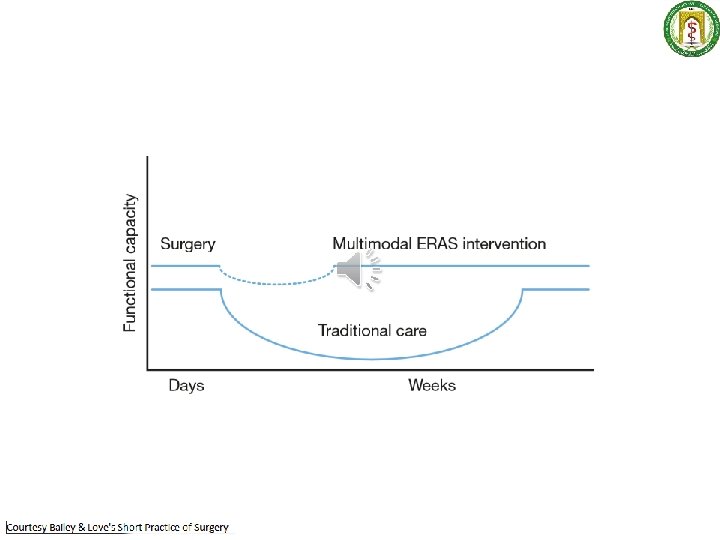
CONCEPTS BEHIND ENHANCED RECOVERY AFTER SURGERY Current understanding of the metabolic response to surgical injury and the mediators involved has led to a reappraisal(critique) of traditional perioperative care. There is now a strong scientific rationale(thinking) for avoiding unmodulated exposure to ● stress, ● ● prolonged fasting and ● ● ● excessive administration of intravenous(saline) fluids.
A proactive approach to prevent unnecessary aspects of the surgical stress response ● Minimal access techniques ●● Blockade of afferent painful stimuli (e. g. epidural analgesia, spinal analgesia, wound catheters) ●●● Minimal periods of starvation ●●●● Early mobilisation