
SKELETAL MUSCLE NOTES Terms epi upon peri around
- Slides: 37
SKELETAL MUSCLE NOTES
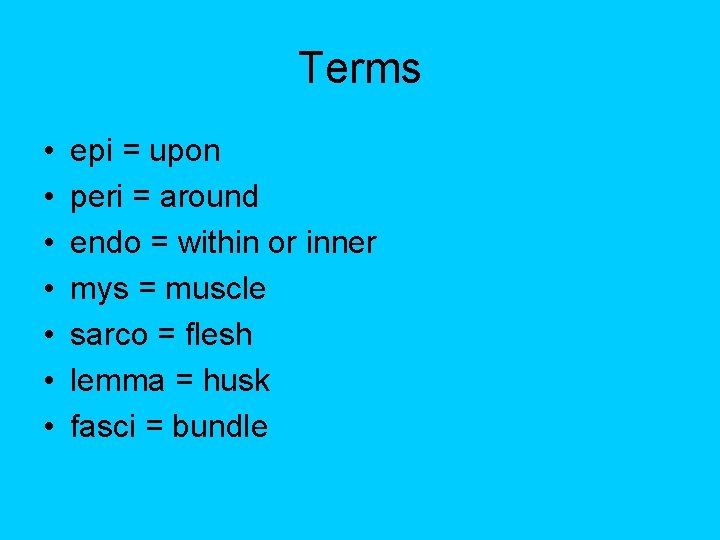
Terms • • epi = upon peri = around endo = within or inner mys = muscle sarco = flesh lemma = husk fasci = bundle
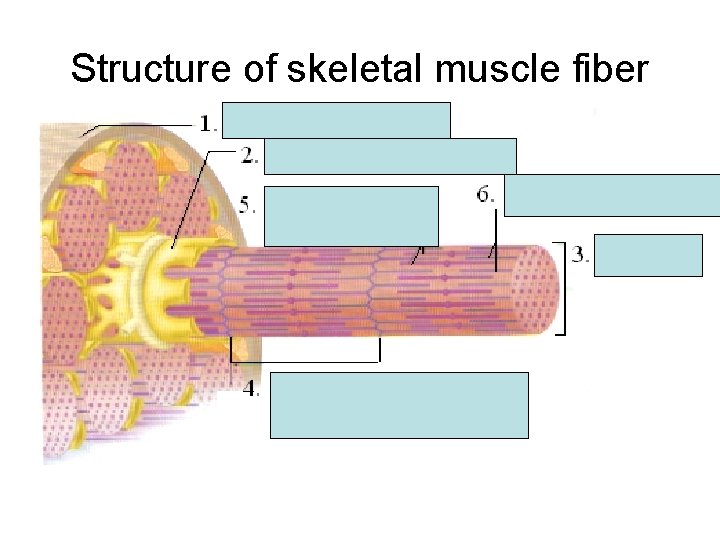
Structure of skeletal muscle fiber
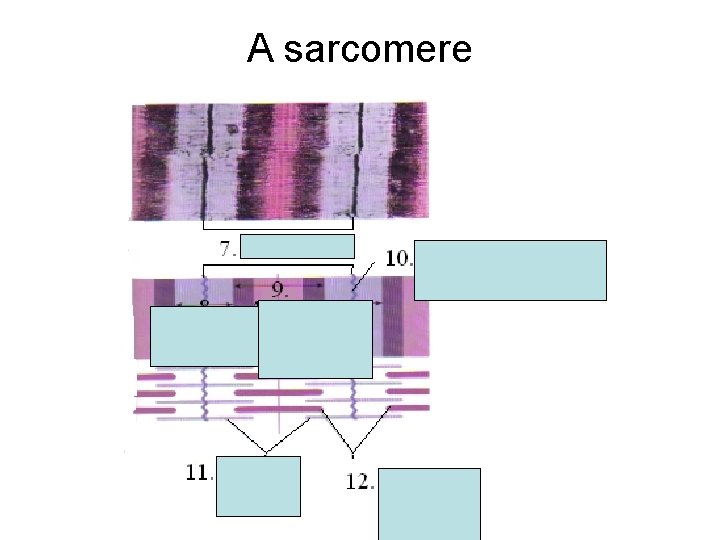
A sarcomere
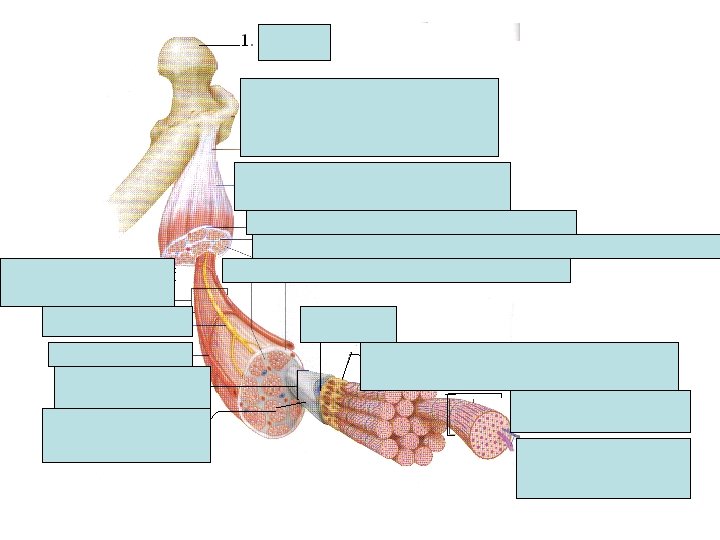
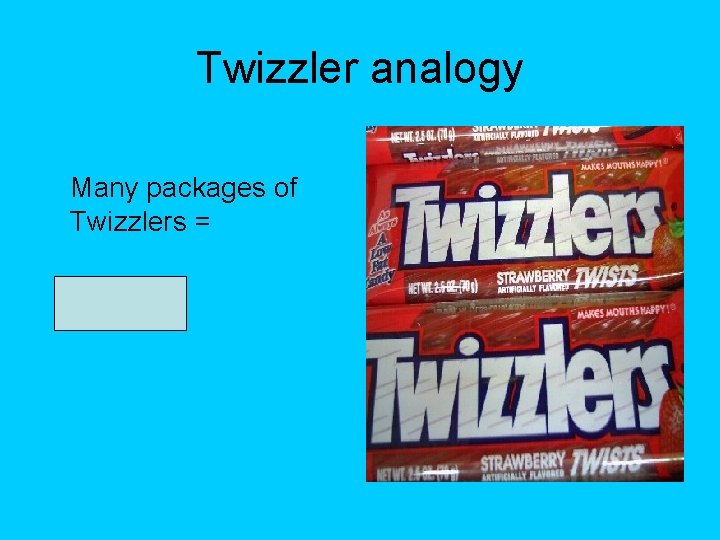
Twizzler analogy Many packages of Twizzlers = Fascicle
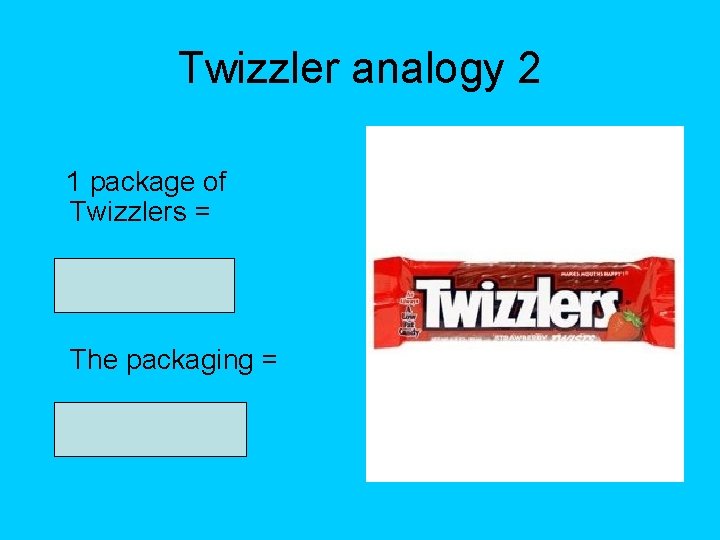
Twizzler analogy 2 1 package of Twizzlers = Muscle fiber The packaging = Sarcolemma
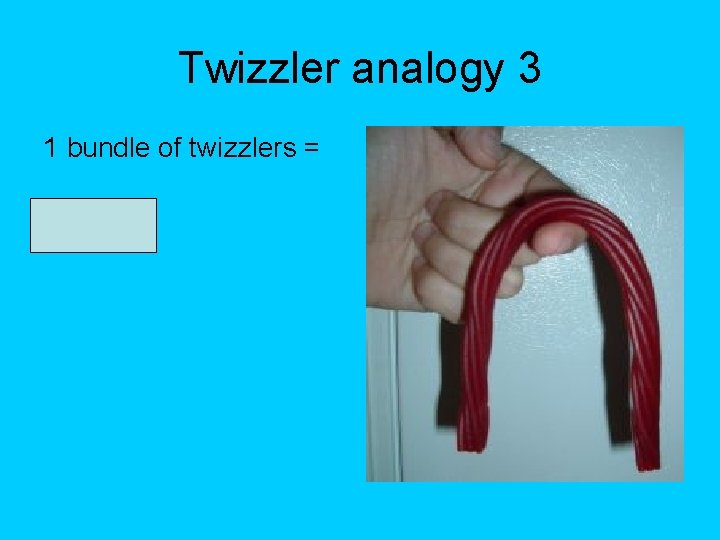
Twizzler analogy 3 1 bundle of twizzlers = myofibril
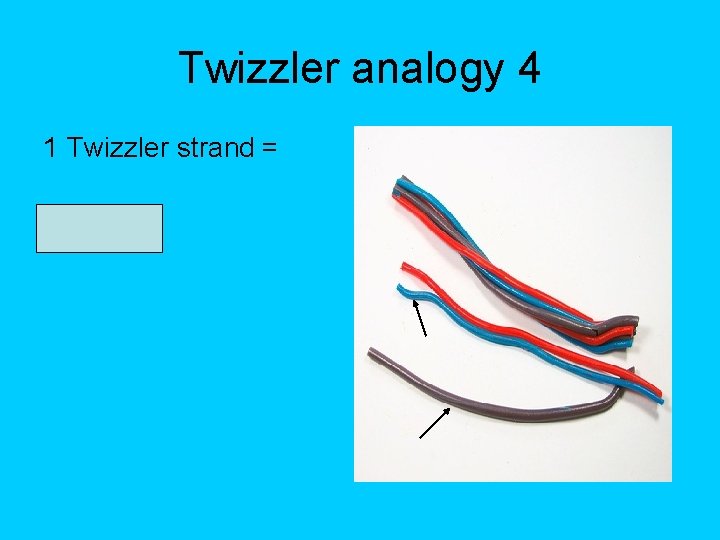
Twizzler analogy 4 1 Twizzler strand = Filament
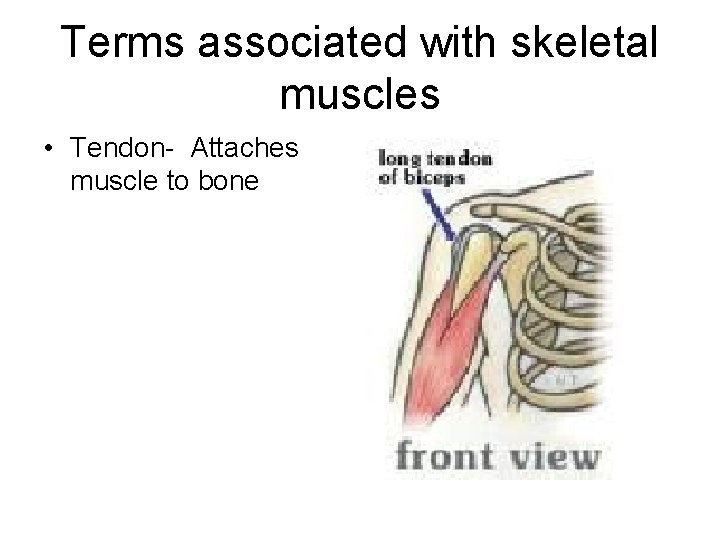
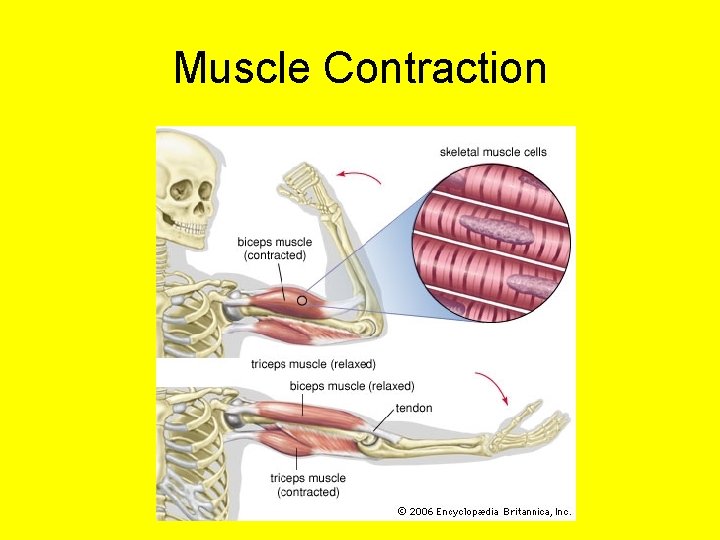
Terms associated with skeletal muscles • Tendon- Attaches muscle to bone
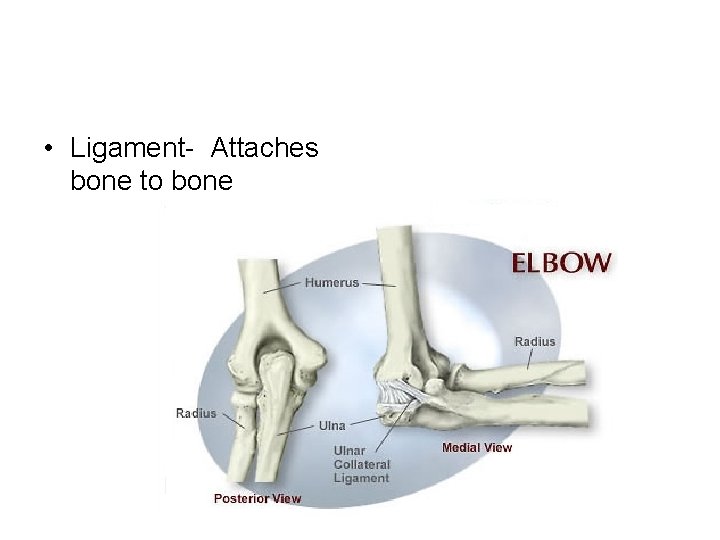
• Ligament- Attaches bone to bone
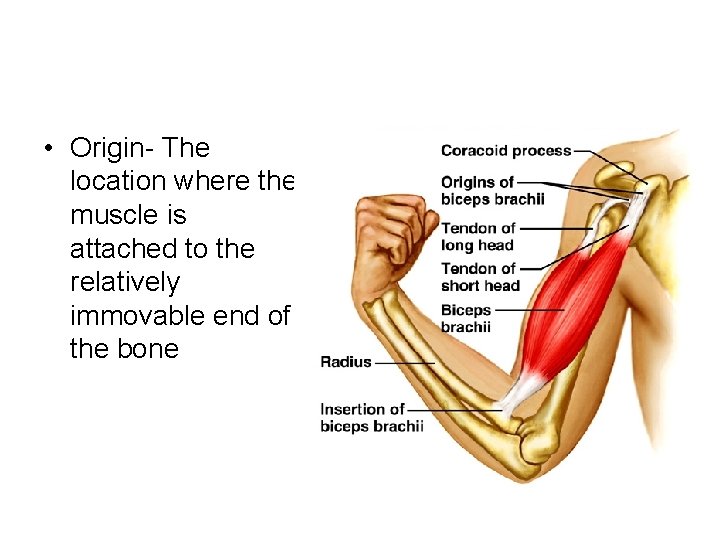
• Origin- The location where the muscle is attached to the relatively immovable end of the bone
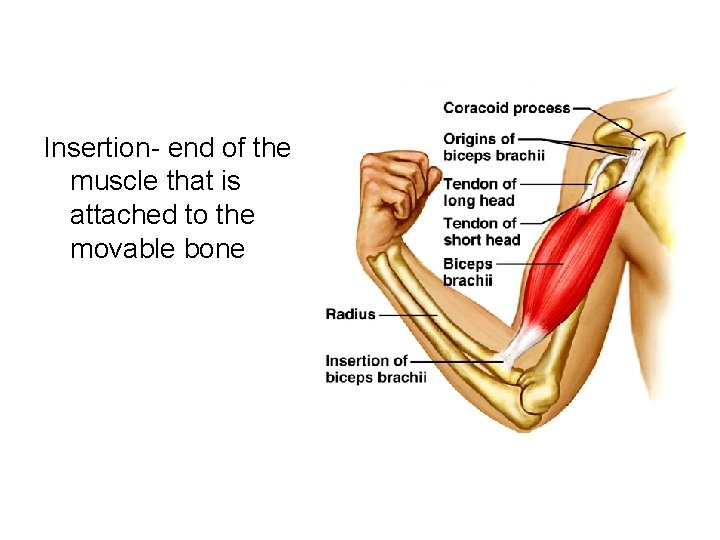
Insertion- end of the muscle that is attached to the movable bone
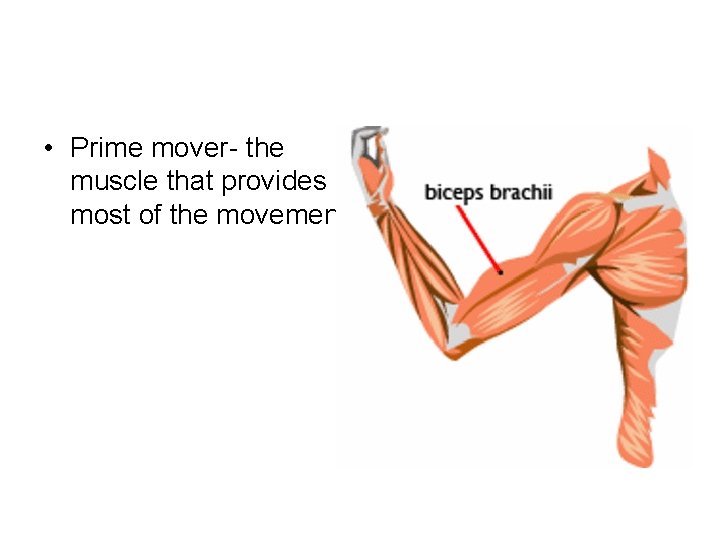
• Prime mover- the muscle that provides most of the movement
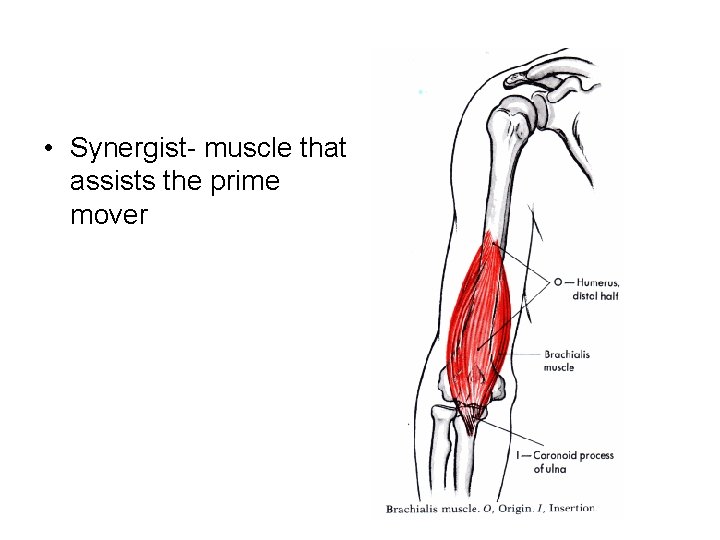
• Synergist- muscle that assists the prime mover
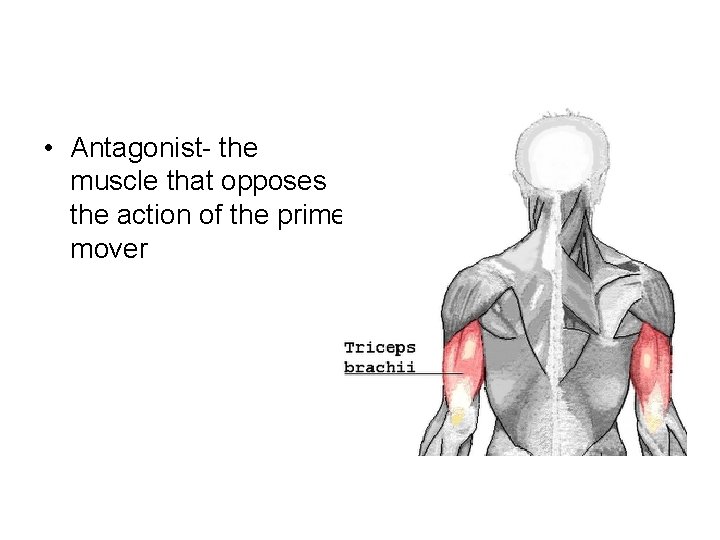
• Antagonist- the muscle that opposes the action of the prime mover
Muscle Contraction
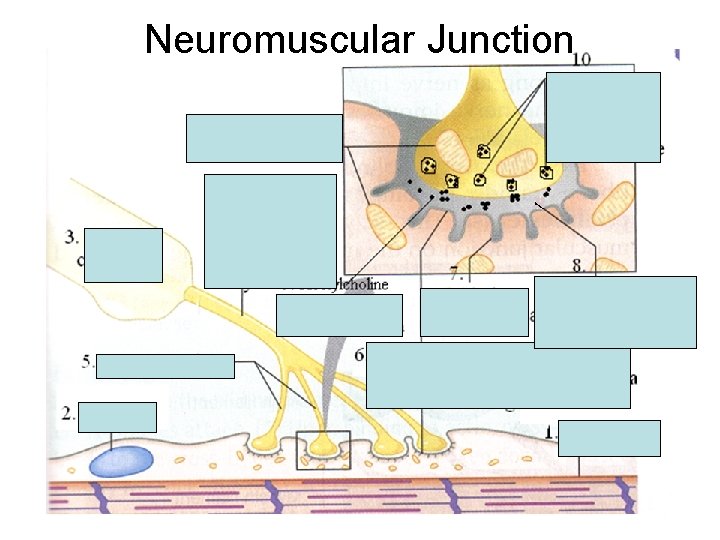
Neuromuscular Junction
Neuromuscular junction animation • animation
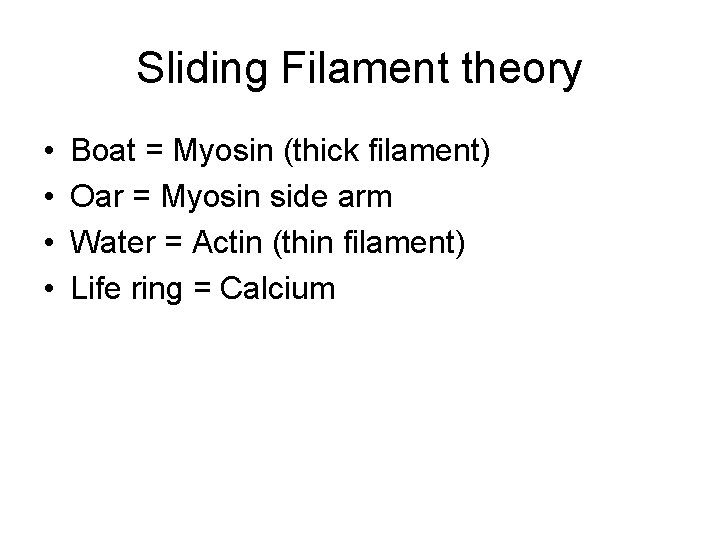
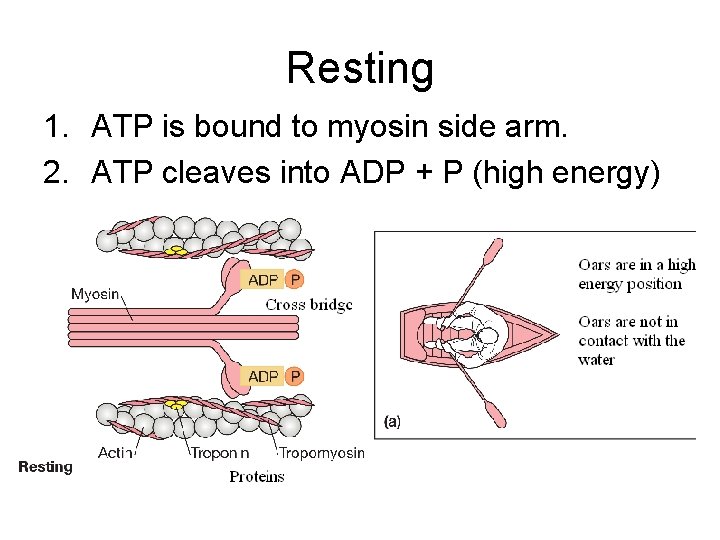
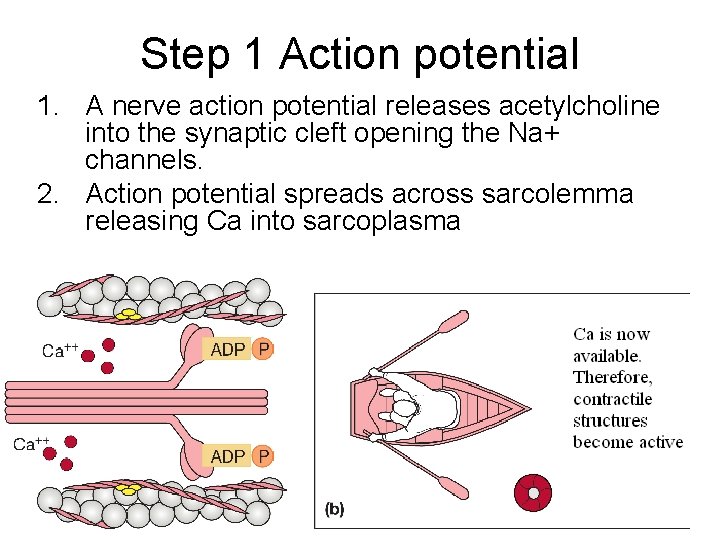
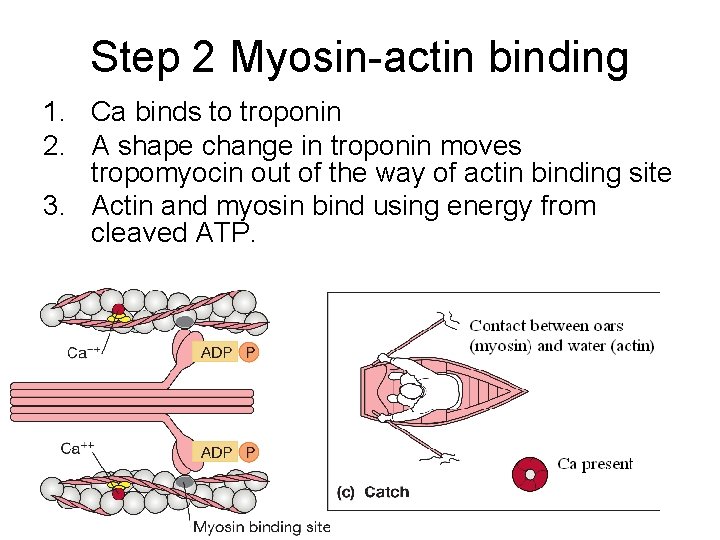
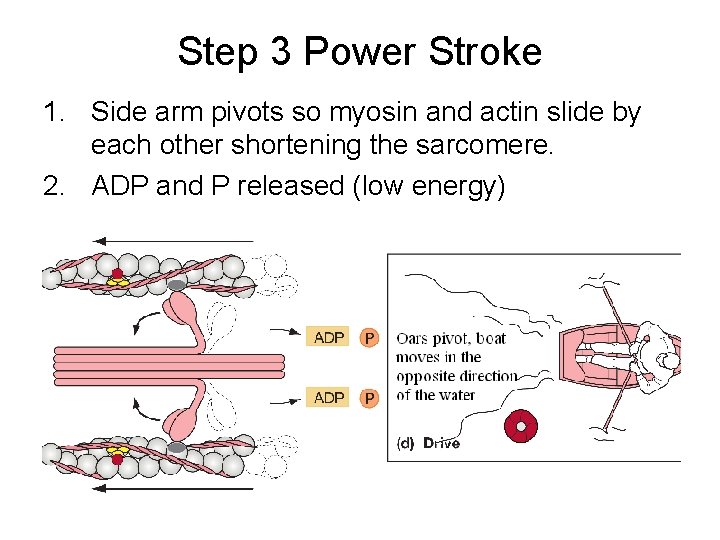
Sliding Filament theory • • Boat = Myosin (thick filament) Oar = Myosin side arm Water = Actin (thin filament) Life ring = Calcium
Resting 1. ATP is bound to myosin side arm. 2. ATP cleaves into ADP + P (high energy)
Step 1 Action potential 1. A nerve action potential releases acetylcholine into the synaptic cleft opening the Na+ channels. 2. Action potential spreads across sarcolemma releasing Ca into sarcoplasma
Step 2 Myosin-actin binding 1. Ca binds to troponin 2. A shape change in troponin moves tropomyocin out of the way of actin binding site 3. Actin and myosin bind using energy from cleaved ATP.
Step 3 Power Stroke 1. Side arm pivots so myosin and actin slide by each other shortening the sarcomere. 2. ADP and P released (low energy)
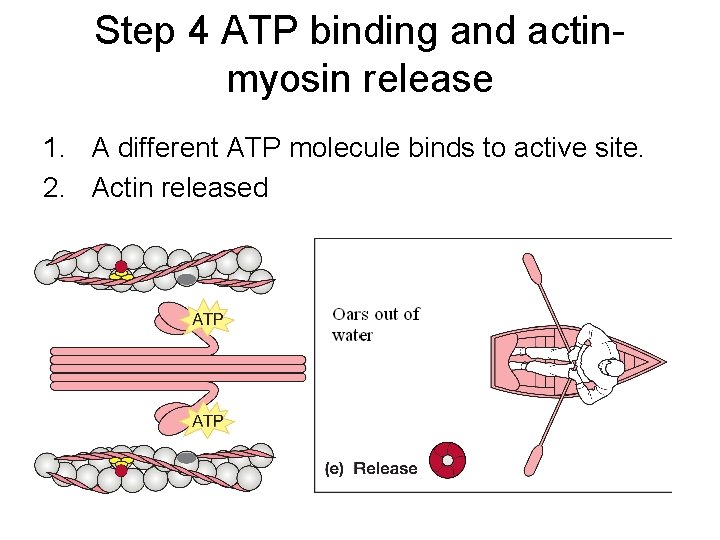
Step 4 ATP binding and actinmyosin release 1. A different ATP molecule binds to active site. 2. Actin released
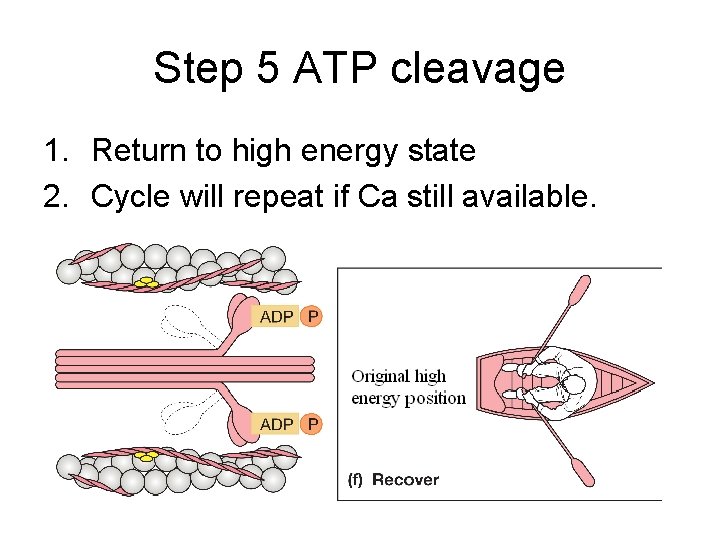
Step 5 ATP cleavage 1. Return to high energy state 2. Cycle will repeat if Ca still available.
A few thoughts • The boat (myosin) does not move far in one cycle, a muscle contraction requires many cycles • What happens if ATP is not available? • Muscle stays contracted- cramps • Why does rigor mortis occur? • ATP is not available to control Ca release so contractions are continuous 6 -8 hours after death. Body relaxes 16 -24 hours as enzymes break down contractile structures
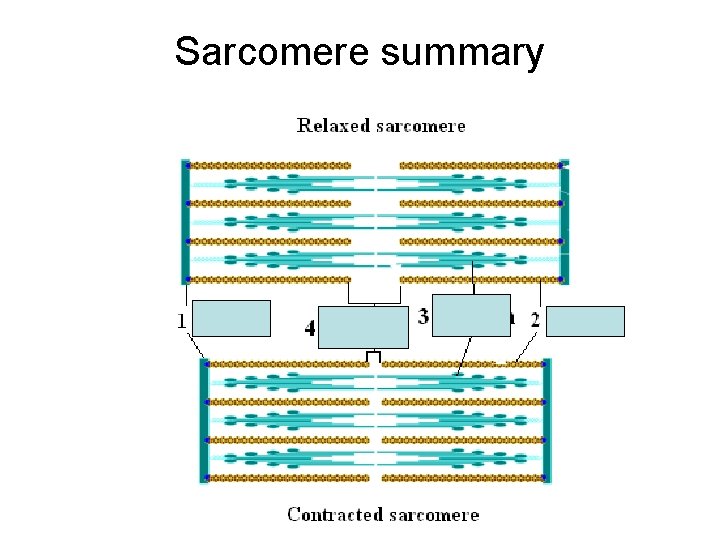
Sarcomere summary
Final animation • animation 2 • Watch “Distonia: movie
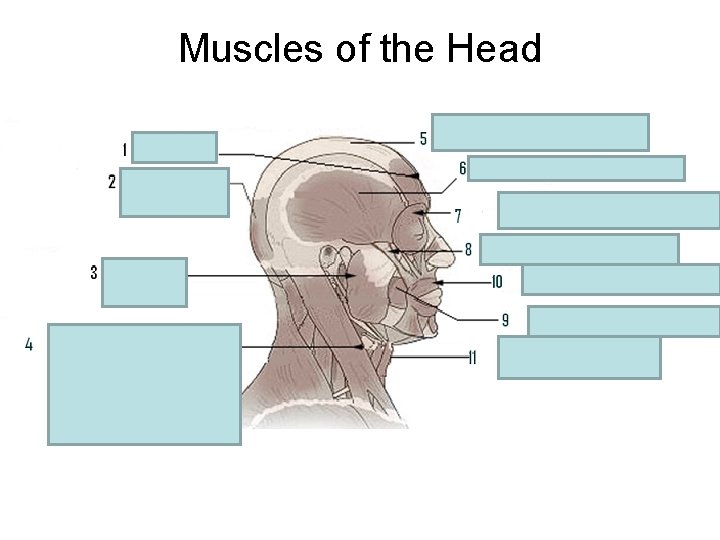
Muscles of the Head
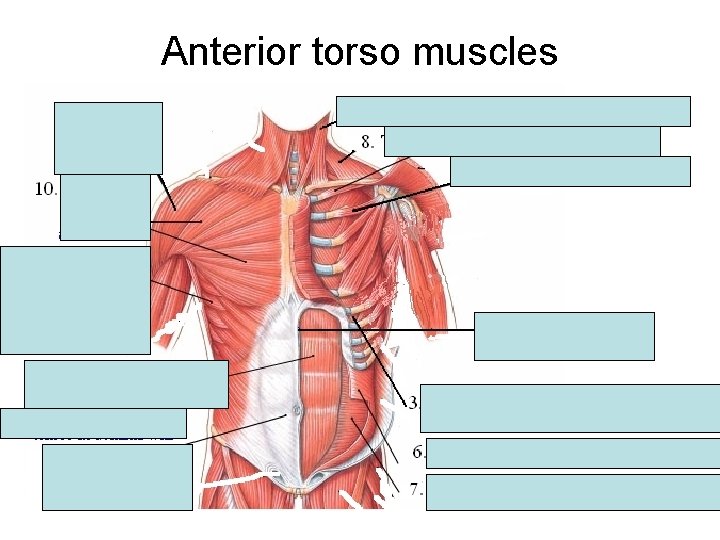
Anterior torso muscles
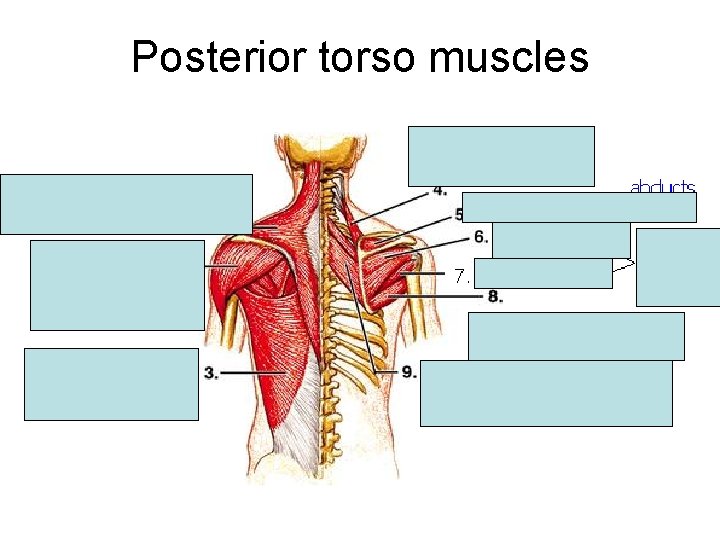
Posterior torso muscles
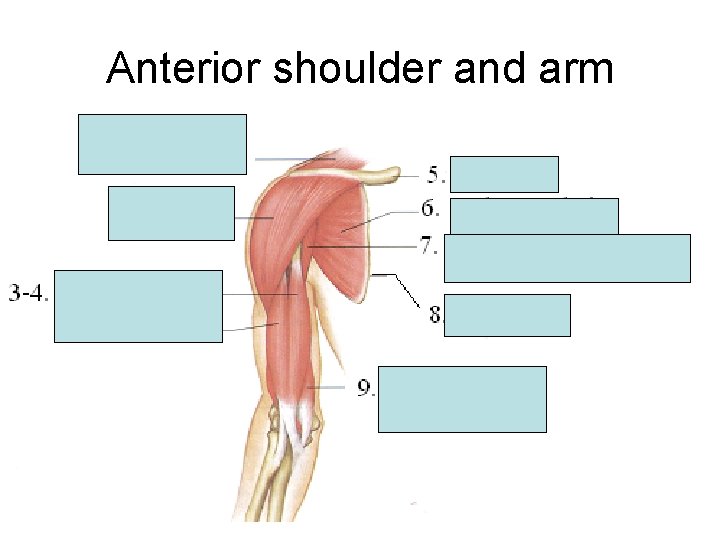
Anterior shoulder and arm
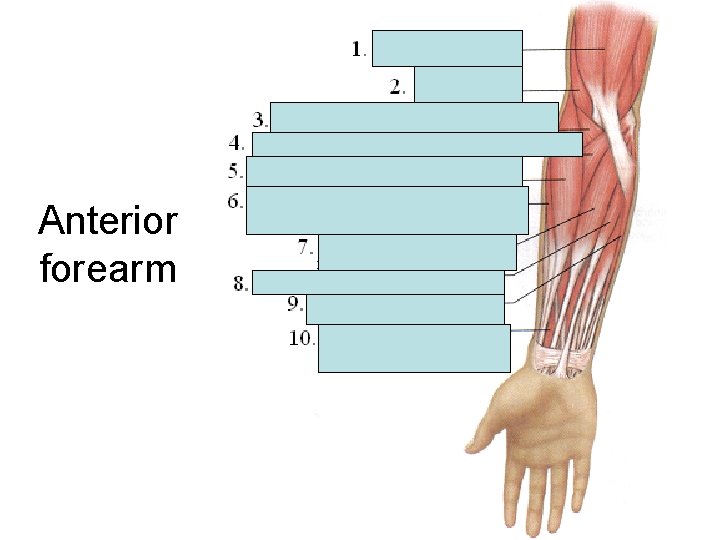
Anterior forearm
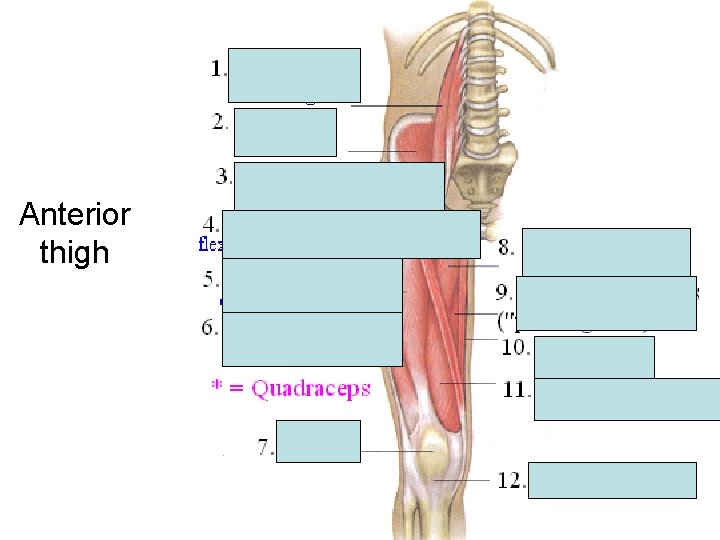
Anterior thigh
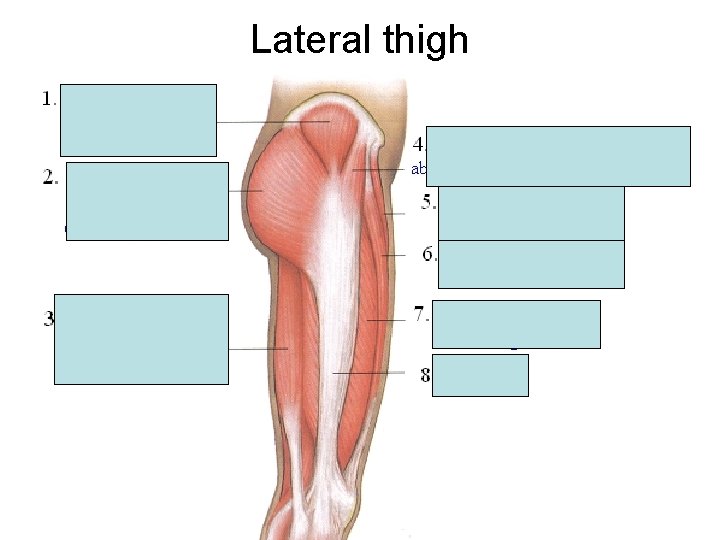
Lateral thigh
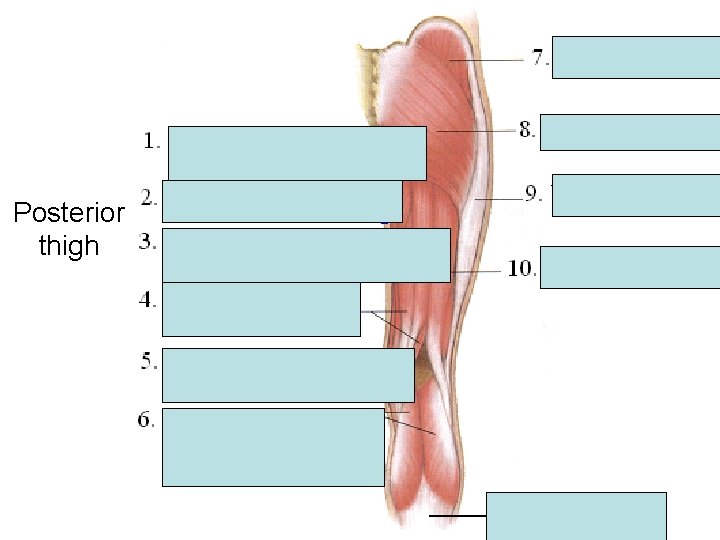
Posterior thigh