
Six sigma very basic concise explanation and use
Six sigma very basic concise explanation and use of it Skorkovský KPH_ESF_MU BRNO_Czech Republic
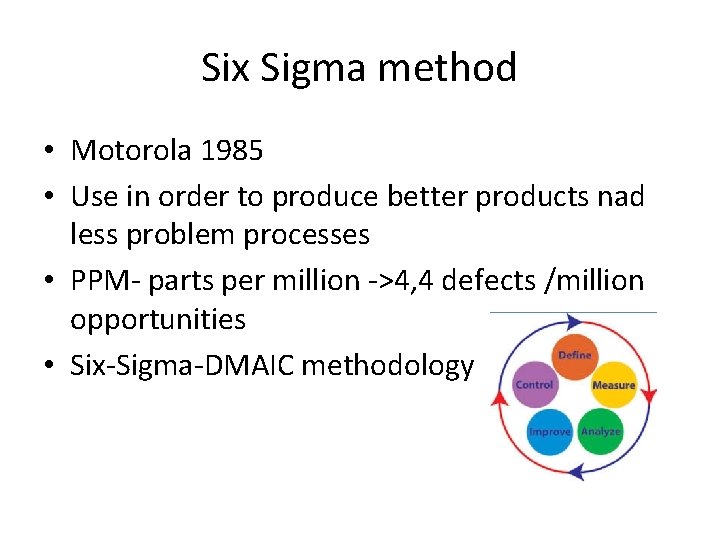
Six Sigma method • Motorola 1985 • Use in order to produce better products nad less problem processes • PPM- parts per million ->4, 4 defects /million opportunities • Six-Sigma-DMAIC methodology
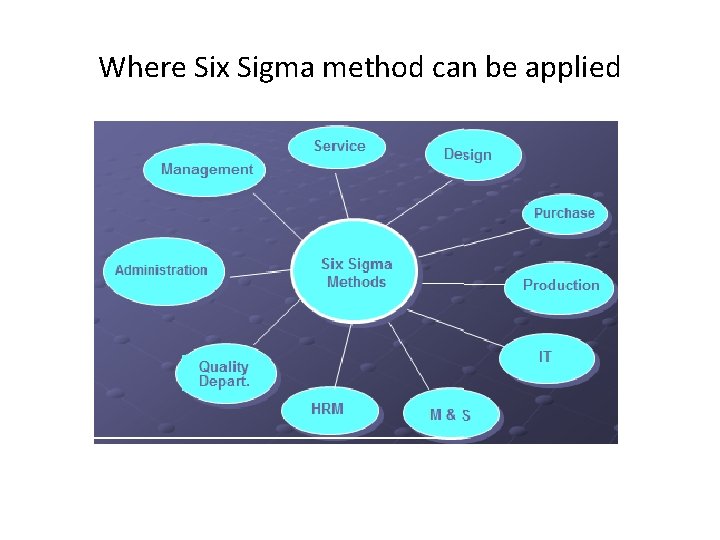
Where Six Sigma method can be applied
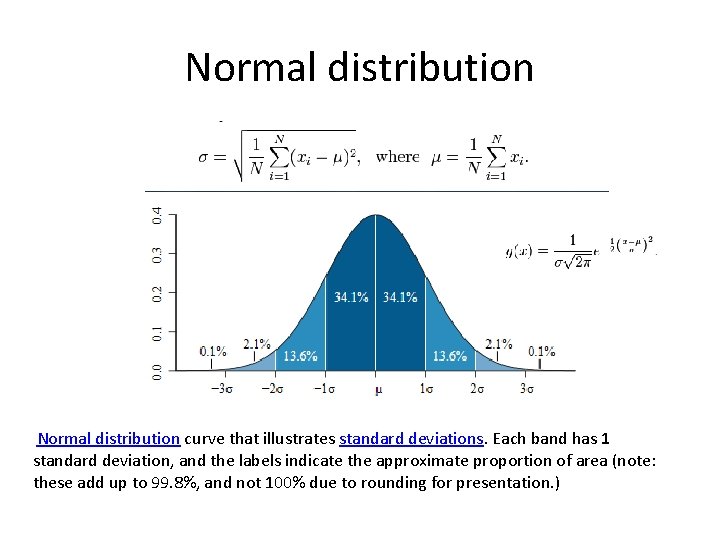
Normal distribution curve that illustrates standard deviations. Each band has 1 standard deviation, and the labels indicate the approximate proportion of area (note: these add up to 99. 8%, and not 100% due to rounding for presentation. )
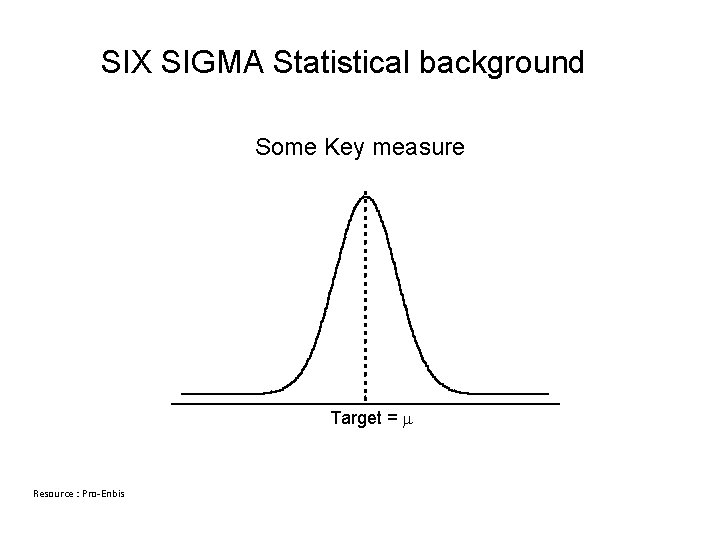
SIX SIGMA Statistical background Some Key measure Target = m Resource : Pro-Enbis
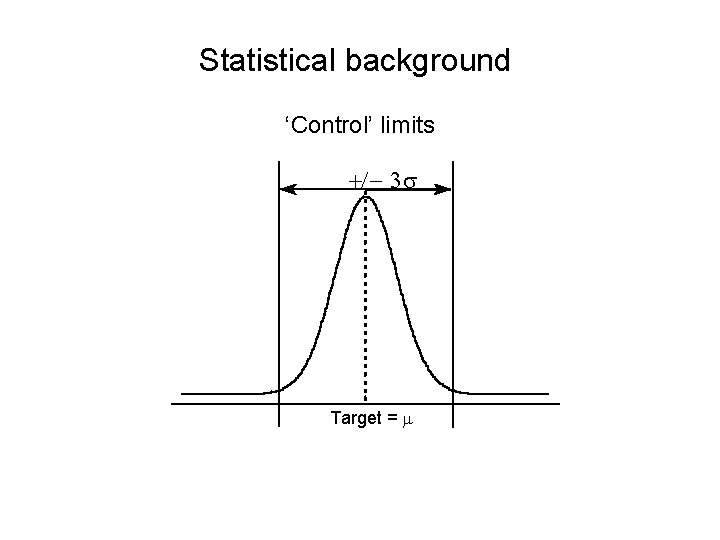
Statistical background ‘Control’ limits +/ - 3 Target = m
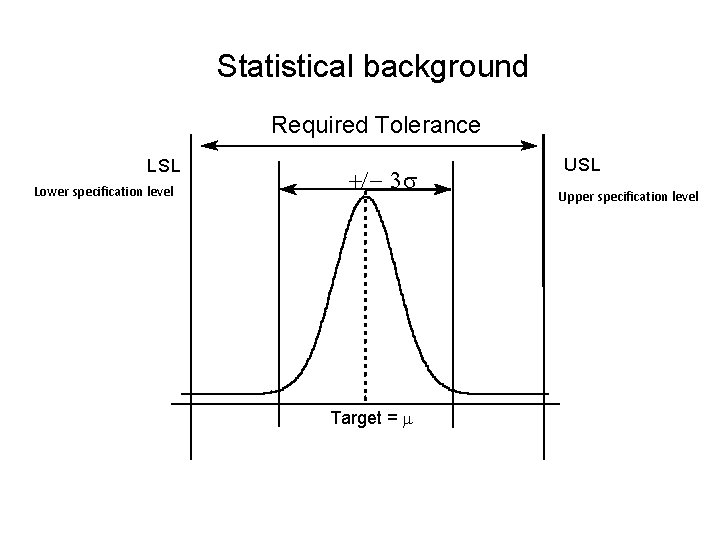
Statistical background Required Tolerance LSL Lower specification level +/ - 3 Target = m USL Upper specification level

Statistical background Tolerance LSL +/ - 3 Target = m +/ - 6 Six-Sigma USL
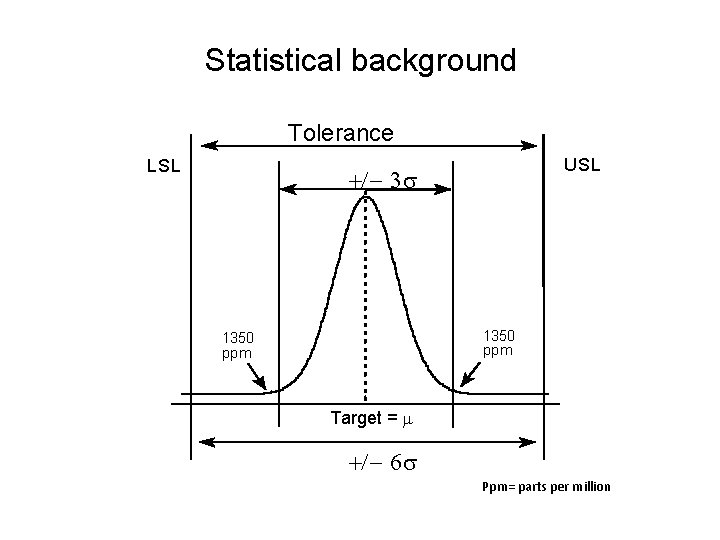
Statistical background Tolerance LSL USL +/ - 3 1350 ppm Target = m +/ - 6 Ppm= parts per million
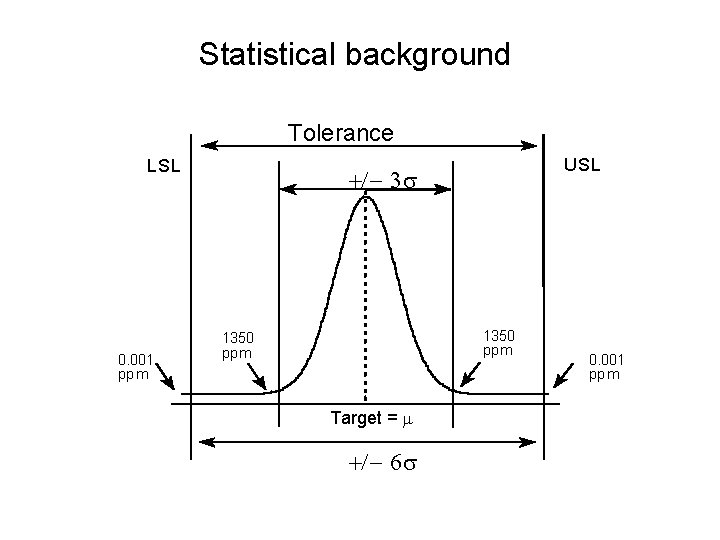
Statistical background Tolerance LSL 0. 001 ppm USL +/ - 3 1350 ppm Target = m +/ - 6 0. 001 ppm
Statistical background • Six-Sigma allows for un-foreseen ‘problems’ and longer term issues when calculating failure error or re-work rates • Allows for a process ‘shift’ (1, 5 σ)
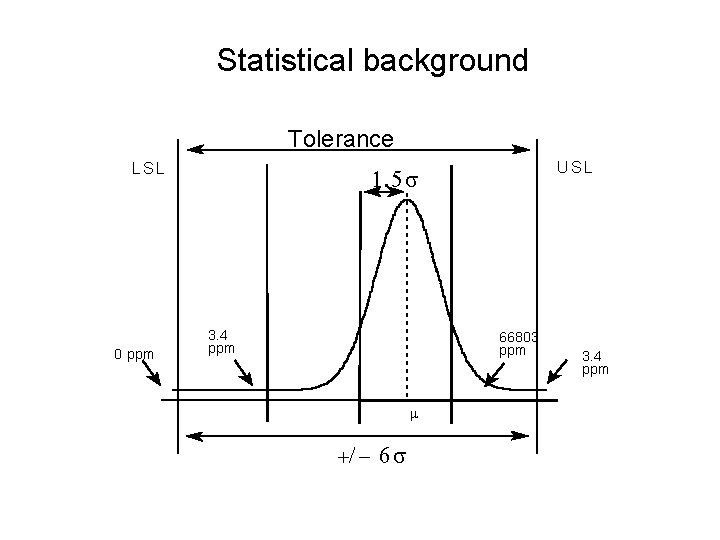
Statistical background Tolerance LSL 0 ppm USL 1. 5 3. 4 ppm 66803 ppm m +/ - 6 3. 4 ppm
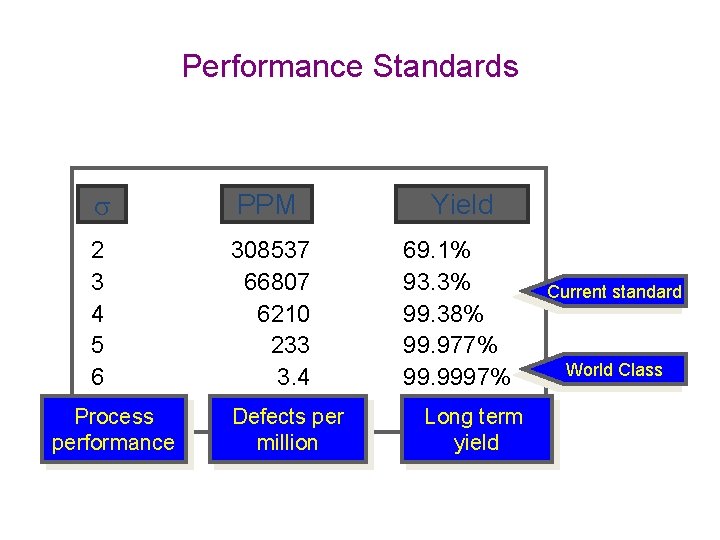
Performance Standards PPM Yield 2 3 4 5 6 308537 66807 6210 233 3. 4 69. 1% 93. 3% 99. 38% 99. 977% 99. 9997% Process performance Defects per million Long term yield Current standard World Class
- Slides: 13