
SITUATIONAL AWARENESS CONFRONTATIONAL AVOIDANCE TECHNIQUES Presented by Ron
SITUATIONAL AWARENESS & CONFRONTATIONAL AVOIDANCE TECHNIQUES Presented by: Ron L. Brown MCE, IFCCE, CARS, MPRS, CCCO
OVERVIEW o Situational Awareness o Ladder of Force o Recognizing the 4 Types of Anger o Keys to De-Escalation o Safety of Body Space o After Incident Reports
SITUATIONAL AWARENESS WHAT IF ? ? ? You could predict violent encounters seconds before they occurred… Surprise Kills o What if…You could avoid being surprised o What if…You could recognize and understand “pre-incident indicators”
SEE… o. Search: with your eyes and ears to obtain a full recognition of your environment o. Evaluate: the risk level at that given point in time in relation to “another time/another place” o. Execute: the decision you make in relation to proceed or not proceed
KEYS TO SITUATIONAL AWARENESS o Focus attention on the current situation o Focus on what does and does not belong o SEE…don’t just look o Develop a “SA ATTITUDE” which is proactive in identifying danger signs o Avoid distractors such as cell phones, other people, loud noises, etc.
SA ENVIRONMENT o Environment controls the level of awareness o High Alert/Low Alert o Different levels of high alert and low alert o SA requires that you understand the totality of the situation…the ‘Big Picture” o Constantly assess and reassess the situation
PRE INCIDENT INDICATORS o “Obvious” versus “Subtle” o Intuitive Recognition…trust your instincts o Gather information and process it rapidly o Play the “what if…what if not” game constantly
SURVIVOR SIGNALS o o o Suspicion Apprehension Fear Out of the ordinary That instinctive “feeling” “It is far more prudent to be cautious than careless”
SITUATIONAL AWARENESS E&E ESCAPE & EVADE o Have a plan with an exit strategy o Know the escape routes o Know where the cover and concealment areas are located This is one of the most dangerous areas as we tend to forget under pressure
SUMMARIZING SITUATIONAL AWARENESS o Recognize bad things can occur and prepare for them o Maintain a focus on the present…not the past…prepare for the future o Adapt your level of alertness to your environment o Pick up on pre-incident indicators and listen to your intuition o Formulate contingency plans “In the end you can’t do much if you don’t see it coming…”
LADDER OF FORCE LEVEL 1 o At Level 1 a subject uses VISUAL INDICATORS. In other words, you will feel that there is possible danger based on things that you see: a suspicious subject approaching you, somebody who is looking around nervously, a car slowing next to you. At that moment no laws are being broken by the subject, none that you may be aware of, but you know something is wrong, so you prepare yourself mentally for all possibilities. First you take on a CONFIDENT DEMEANOR This means that you look confident and not afraid. Your facial expressions indicate that you are aware of your environment and know how to use it to your advantage. CONFIDENT DEMEANOR also means that you look like you are prepared for an encounter or you are aware of the danger and you are making a “tactical retreat. ”
LADDER OF FORCE LEVEL 2 o At Level 2 things start to heat up. The subject is actively engaging you or others around you, through VERBAL INDICATORS. This can be anything that warns you that an attack is about to happen, but short of direct threats. The conflict cues can be anything from the subject’s tone of voice to implied threats, or even things you overhear – such as others in close proximity whispering about how “there is going to be a fight. ” Those are not alarming words in and of themselves, but with some visual indicators one might suspect a possible physical attack. If a subject is trying to start a fight with you the best thing to do is to try to calm that person down or ignore them altogether. This is known as VERBAL DEFLECTION. By reacting in this matter you will not incite the situation any further. However, in some situations you may have to use a firm, confident voice to talk some subjects down. You may have no choice but to try to intimidate them, and try to resolve the conflict in this manner. Words will not hurt you physically, but words will be a good indicator that it may escalate to a physical confrontation.
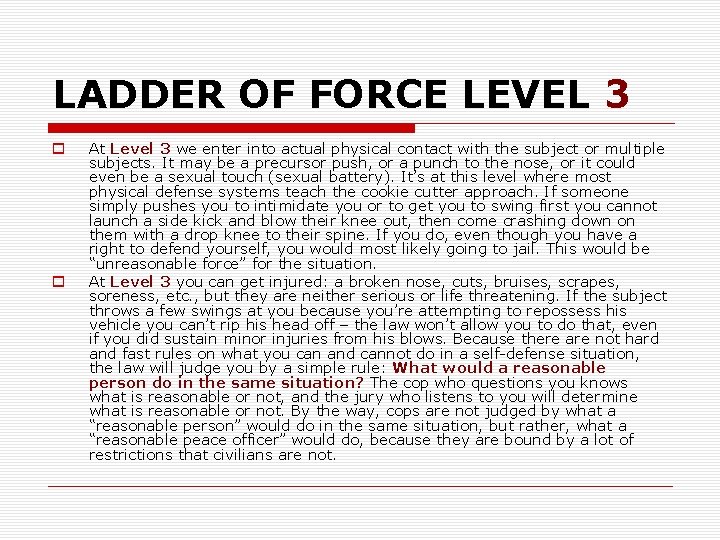
LADDER OF FORCE LEVEL 3 o o At Level 3 we enter into actual physical contact with the subject or multiple subjects. It may be a precursor push, or a punch to the nose, or it could even be a sexual touch (sexual battery). It’s at this level where most physical defense systems teach the cookie cutter approach. If someone simply pushes you to intimidate you or to get you to swing first you cannot launch a side kick and blow their knee out, then come crashing down on them with a drop knee to their spine. If you do, even though you have a right to defend yourself, you would most likely going to jail. This would be “unreasonable force” for the situation. At Level 3 you can get injured: a broken nose, cuts, bruises, scrapes, soreness, etc. , but they are neither serious or life threatening. If the subject throws a few swings at you because you’re attempting to repossess his vehicle you can’t rip his head off – the law won’t allow you to do that, even if you did sustain minor injuries from his blows. Because there are not hard and fast rules on what you can and cannot do in a self-defense situation, the law will judge you by a simple rule: What would a reasonable person do in the same situation? The cop who questions you knows what is reasonable or not, and the jury who listens to you will determine what is reasonable or not. By the way, cops are not judged by what a “reasonable person” would do in the same situation, but rather, what a “reasonable peace officer” would do, because they are bound by a lot of restrictions that civilians are not.
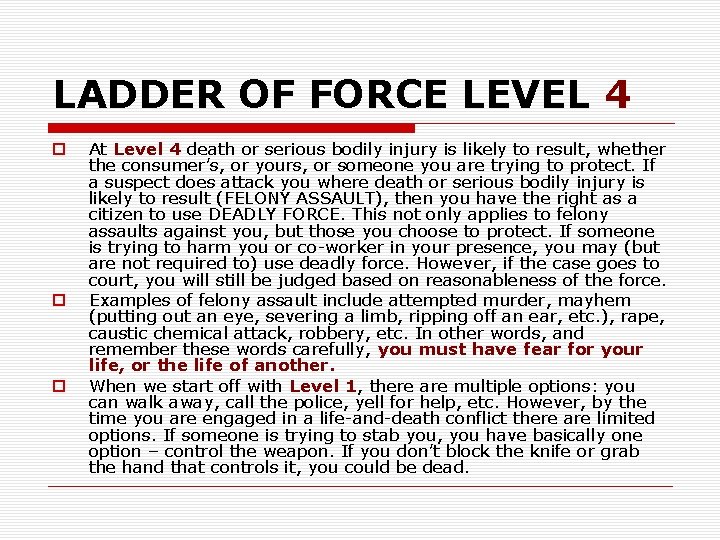
LADDER OF FORCE LEVEL 4 o o o At Level 4 death or serious bodily injury is likely to result, whether the consumer’s, or yours, or someone you are trying to protect. If a suspect does attack you where death or serious bodily injury is likely to result (FELONY ASSAULT), then you have the right as a citizen to use DEADLY FORCE. This not only applies to felony assaults against you, but those you choose to protect. If someone is trying to harm you or co-worker in your presence, you may (but are not required to) use deadly force. However, if the case goes to court, you will still be judged based on reasonableness of the force. Examples of felony assault include attempted murder, mayhem (putting out an eye, severing a limb, ripping off an ear, etc. ), rape, caustic chemical attack, robbery, etc. In other words, and remember these words carefully, you must have fear for your life, or the life of another. When we start off with Level 1, there are multiple options: you can walk away, call the police, yell for help, etc. However, by the time you are engaged in a life-and-death conflict there are limited options. If someone is trying to stab you, you have basically one option – control the weapon. If you don’t block the knife or grab the hand that controls it, you could be dead.
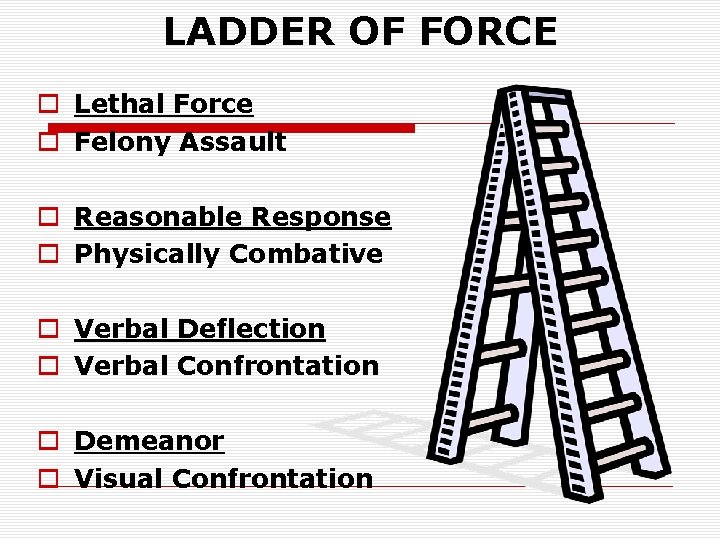
LADDER OF FORCE o Lethal Force o Felony Assault o Reasonable Response o Physically Combative o Verbal Deflection o Verbal Confrontation o Demeanor o Visual Confrontation
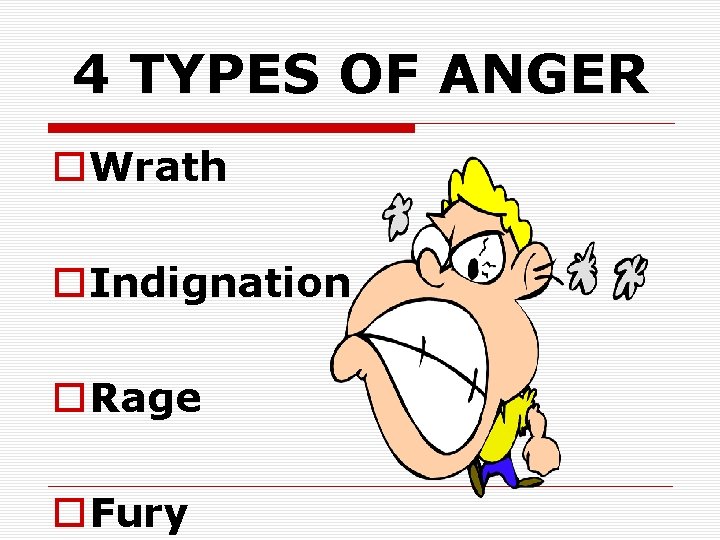
4 TYPES OF ANGER o. Wrath o. Indignation o. Rage o. Fury
WRATH o Verbally Polite o Snipes at You o Try to Trap You o Writes Letters o Try to Cause Trouble o Can Escalate to Indignation and/or Rage
INDIGNATION 3 Phases o Nonverbal / Nonphysical o Verbal / Physical
RAGE Physical and Violent Yelling and Screaming Lasts 5 to 120 seconds No Reasoning May Possess Superhuman Strength o Non-Cognitive o Most Violence Occurs Here o o o
FURY o. Most Dangerous Type o. Very Cognitive o. Hard to Recognize o. Planned and Rehearsed o. Borders on Madness
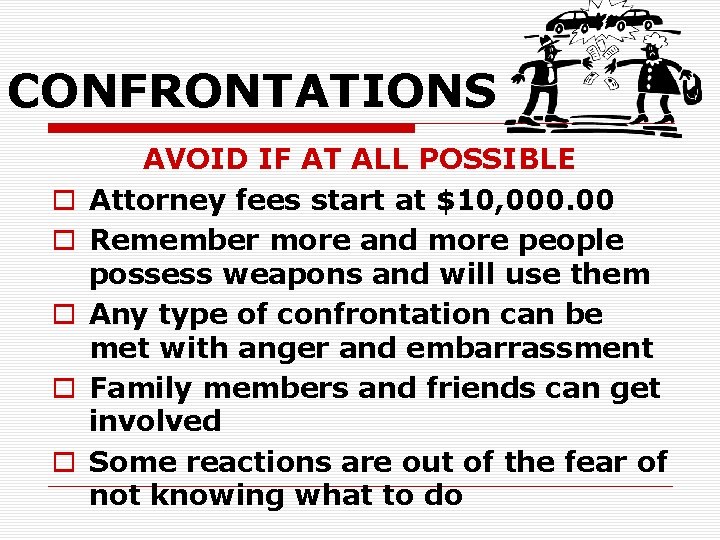
CONFRONTATIONS o o o AVOID IF AT ALL POSSIBLE Attorney fees start at $10, 000. 00 Remember more and more people possess weapons and will use them Any type of confrontation can be met with anger and embarrassment Family members and friends can get involved Some reactions are out of the fear of not knowing what to do
DE-ESCALATION o Always start with“I”… o Never start with“You” o Never criticize or scold o Never disrespect” o Never try to reason with an angry person o Paraphrase their statements o Empathize but do not sympathize
DE-ESCALATION o. Never give advice o. Do not threaten or try to intimidate o. Remember the “Golden Rule” o. Use “Feel and Felt” phrases
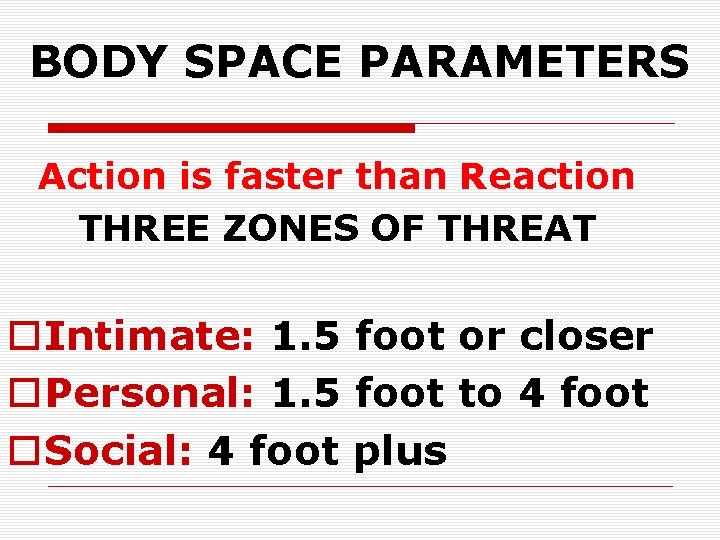
BODY SPACE PARAMETERS Action is faster than Reaction THREE ZONES OF THREAT o. Intimate: 1. 5 foot or closer o. Personal: 1. 5 foot to 4 foot o. Social: 4 foot plus
HOW DO I REACT TO A PHYSICAL CONFRONTATION ? ? ? THE FIGHT IS ON… o o Fists: Clubs: Knives: Firearms: RUN FORREST RUN Defensive weapons only: Pepper Spray Flashlight Keys Kevlar Gloves & Vest
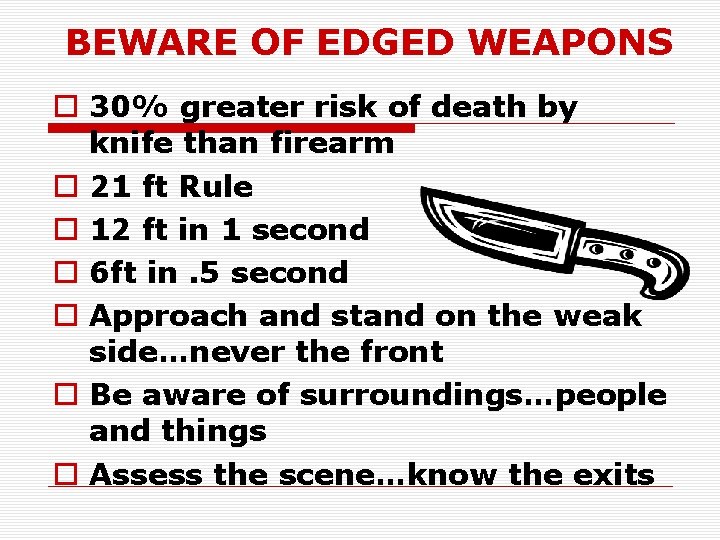
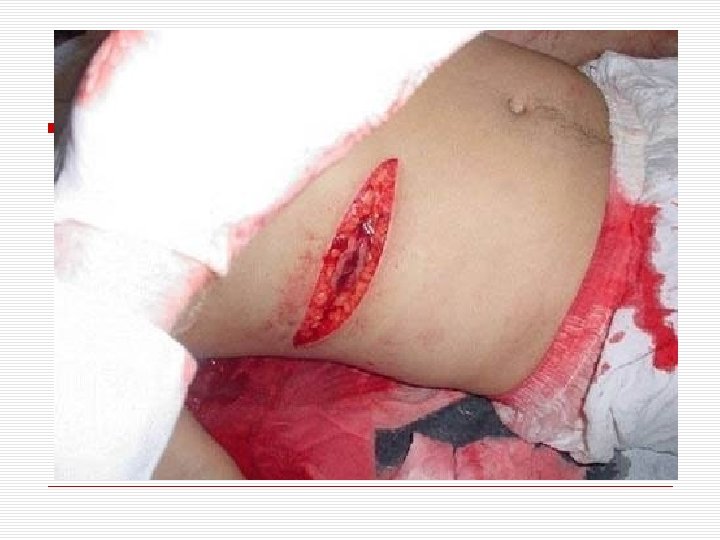
BEWARE OF EDGED WEAPONS o 30% greater risk of death by knife than firearm o 21 ft Rule o 12 ft in 1 second o 6 ft in. 5 second o Approach and stand on the weak side…never the front o Be aware of surroundings…people and things o Assess the scene…know the exits
21 FOOT RULE o A rule originating from research by Salt Lake City trainer, Dennis Tueller, the "rule" states that in the time it takes the average officer to recognize a threat, draw his sidearm and fire 2 rounds at center mass (1. 5 seconds), an average subject charging at the officer with a knife or other cutting or stabbing weapon can cover a distance of 21 feet.
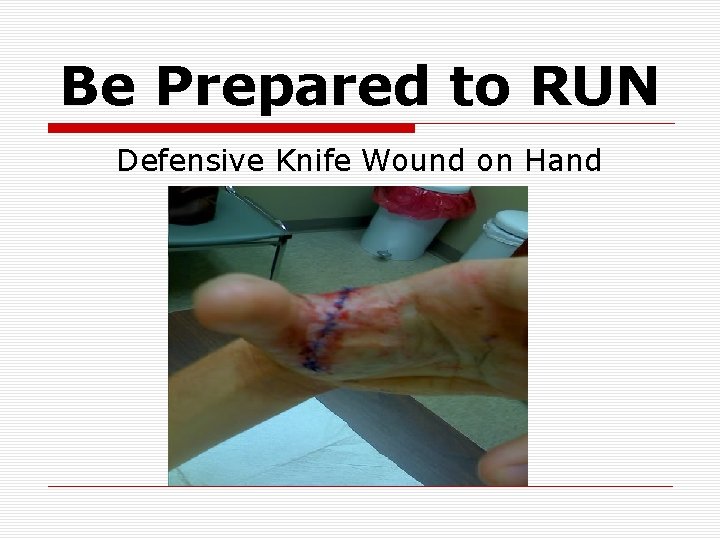
Be Prepared to RUN Defensive Knife Wound on Hand
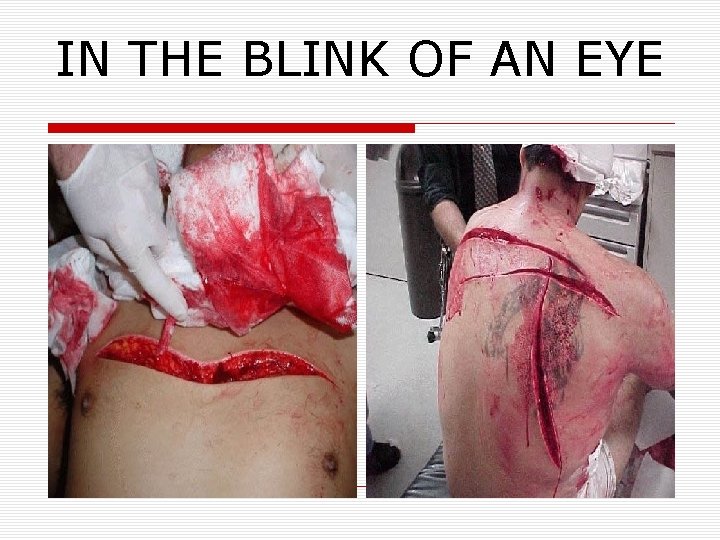
IN THE BLINK OF AN EYE
AFTER THE FACT o Training records indicate knowledge of de-escalation o Indicates you tried to avoid confrontation o Defines the need for use of force o Indicates you exhausted all means of communication o Remember and write
DOCUMENTATION o If it is not documented it did not happen o Include date and time of contact o Length of contact o Course of events o Witnesses o Develop a “form” o USE IT !
KEY REPORT OBSERVATIONS Put it into writing as soon as possible o ENGAGEMENT: heated, calm, controlled o BEHAVIOR: angry, passive, evasive o RESPONSE: verbal, physical, combative o ACTION: steps you took to avoid a confrontational situation
KEY POINTS o. Closeness = Threat o. Constantly assess situation o. Remember body space parameters
KEY POINTS o. Do everything possible to avoid use of force o. Use force only for self defense o. Be prepared to articulate actions o. Document Everything
Q and A Session Situational Awareness and Confrontational Avoidance Techniques… allow you to “Live Long and Prosper” …Spock
- Slides: 36