
Single Phase PVSTATCOM Using Multilevel Inverter Outline Overview

- Slides: 64
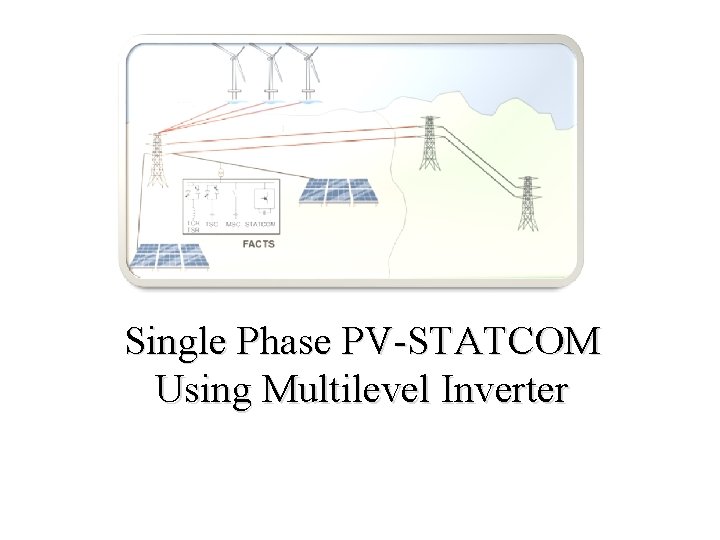
Single Phase PV-STATCOM Using Multilevel Inverter
Outline • • • Overview. Power factor. photovoltaic system. Static synchronous compensator. Control techniques. Methodology and results. -P. V system design. -Design and simulation of DSTATCOM. -H-bridge with PI PWM. -H-bridge with hysteresis. -H-5 with PI PWM. -Cascaded H-bridge with PI Level shifted PWM. • Recommendation and future work.
Overview. power systems are facing a number of power quality problems that classified as voltage and current quality problems. There a number of current power quality problems such as : - • Poor power factor. • Poor voltage regulation. • Harmonics.
Power Factor. P. F is the ratio of the real power absorbed by the load to the apparent power. Problem of poor power factor: • • High current for suppling the load. high cost of equipment's. High losses. Drop voltage.
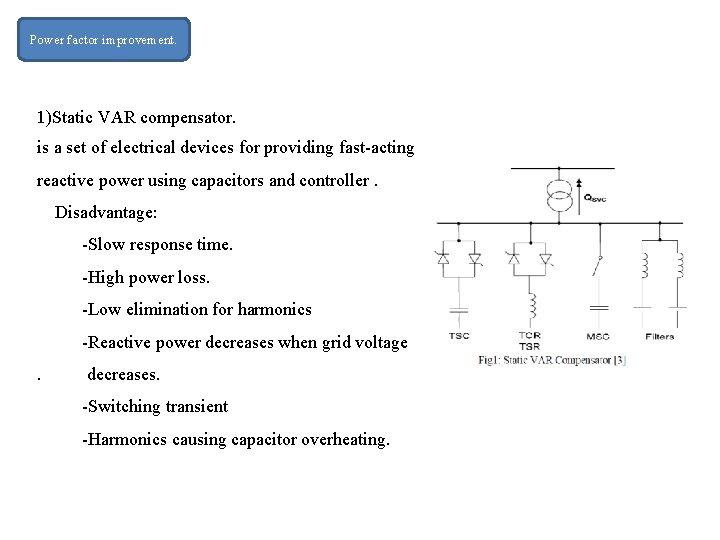
Power factor improvement. 1)Static VAR compensator. is a set of electrical devices for providing fast-acting reactive power using capacitors and controller. Disadvantage: -Slow response time. -High power loss. -Low elimination for harmonics -Reactive power decreases when grid voltage. decreases. -Switching transient -Harmonics causing capacitor overheating.
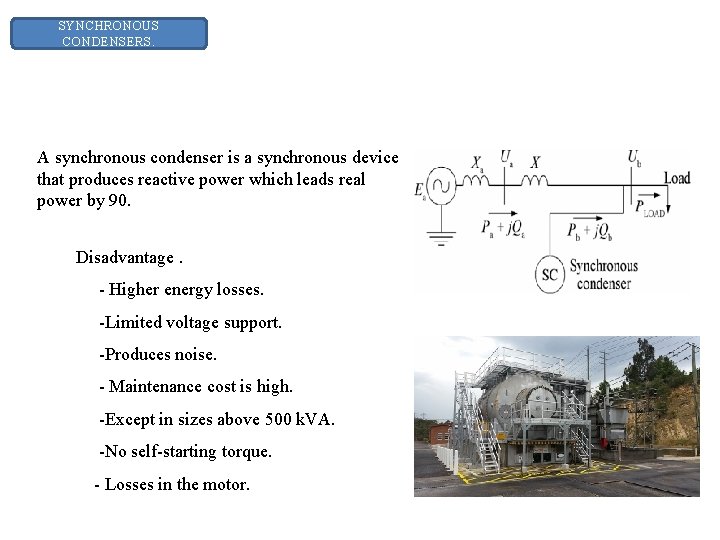
SYNCHRONOUS CONDENSERS. A synchronous condenser is a synchronous device that produces reactive power which leads real power by 90. Disadvantage. - Higher energy losses. -Limited voltage support. -Produces noise. - Maintenance cost is high. -Except in sizes above 500 k. VA. -No self-starting torque. - Losses in the motor.
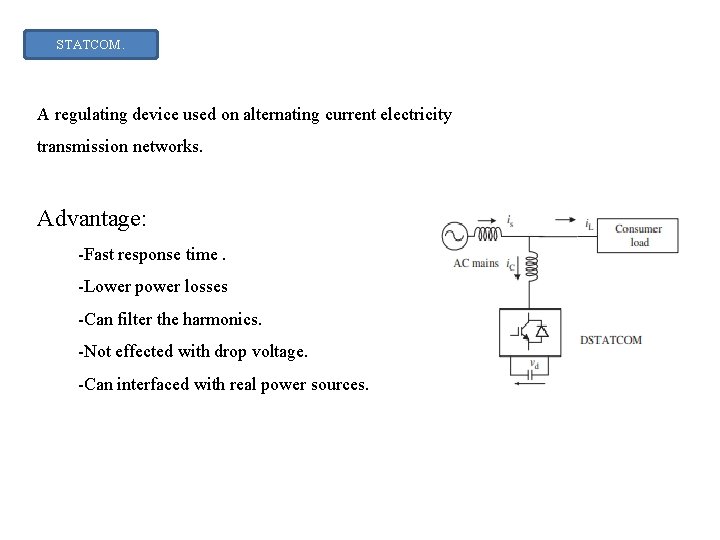
STATCOM. A regulating device used on alternating current electricity transmission networks. Advantage: -Fast response time. -Lower power losses -Can filter the harmonics. -Not effected with drop voltage. -Can interfaced with real power sources.
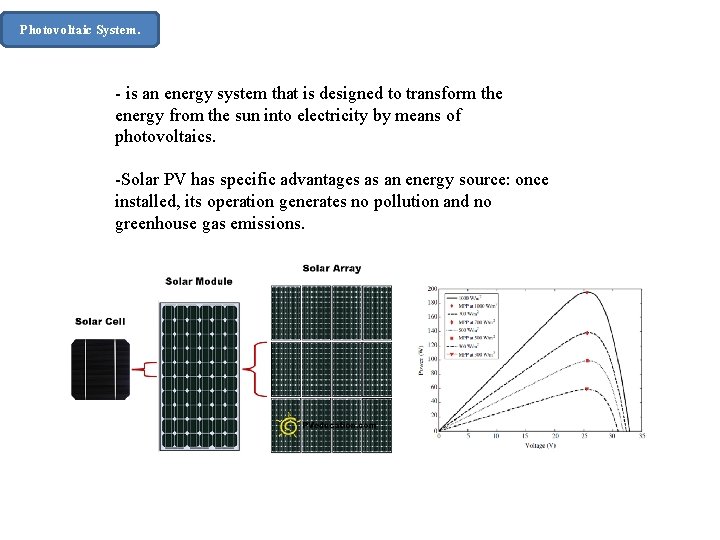
Photovoltaic System. - is an energy system that is designed to transform the energy from the sun into electricity by means of photovoltaics. -Solar PV has specific advantages as an energy source: once installed, its operation generates no pollution and no greenhouse gas emissions.
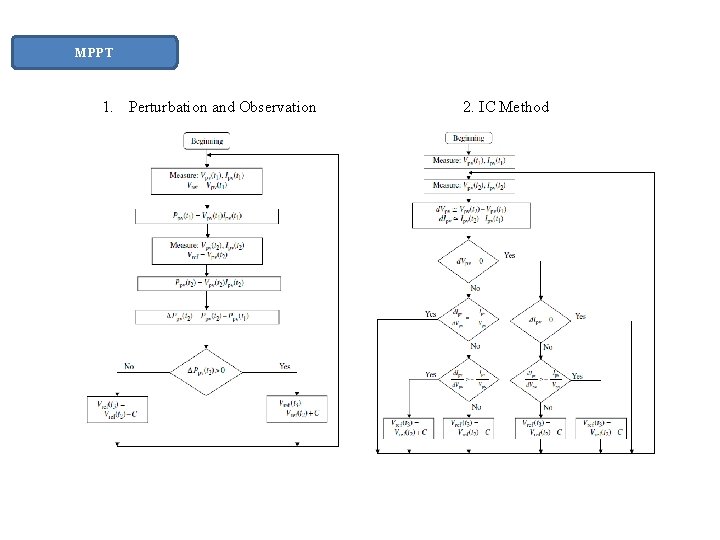
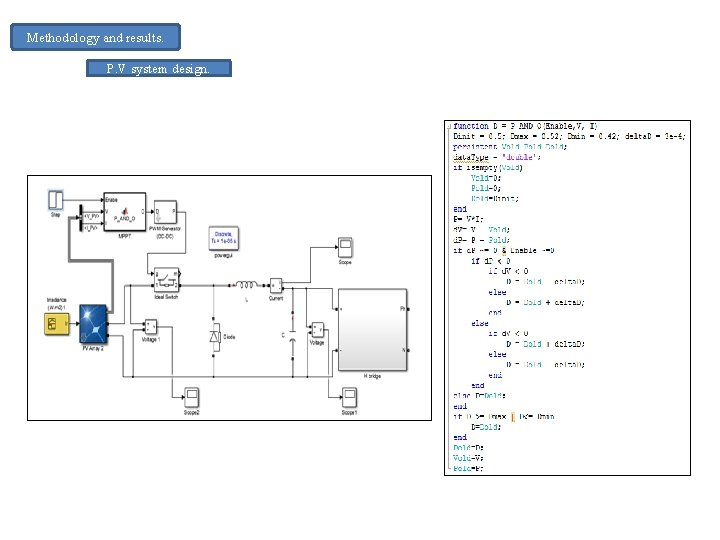
MPPT 1. Perturbation and Observation 2. IC Method
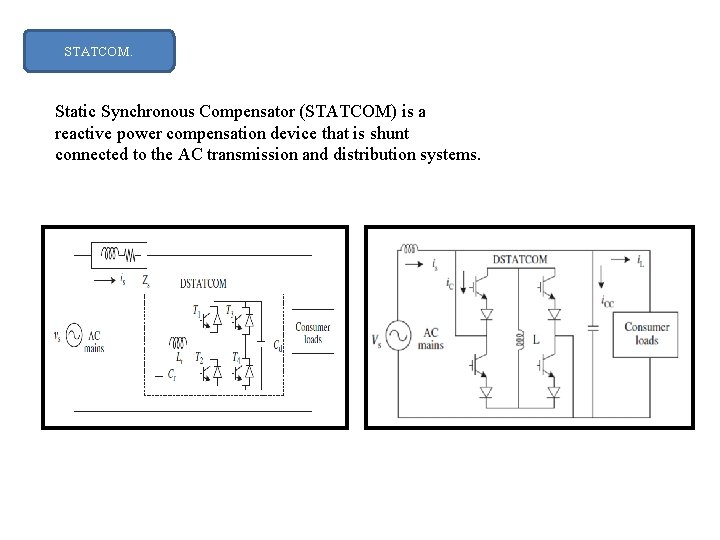
STATCOM. Static Synchronous Compensator (STATCOM) is a reactive power compensation device that is shunt connected to the AC transmission and distribution systems.
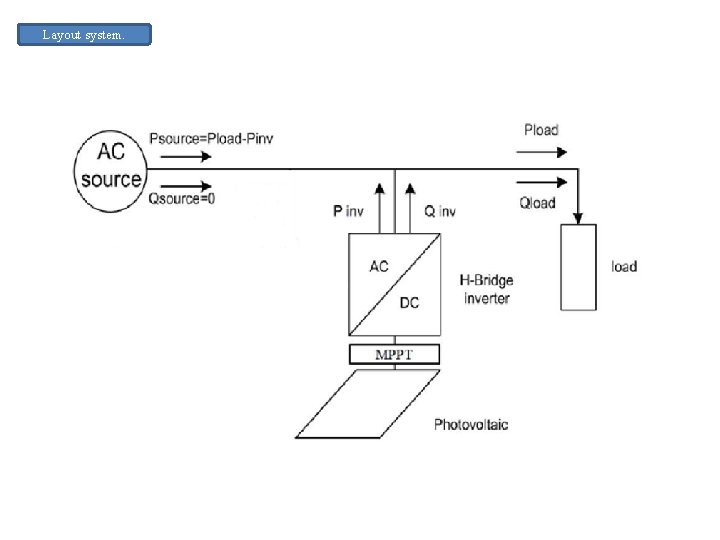
Layout system.
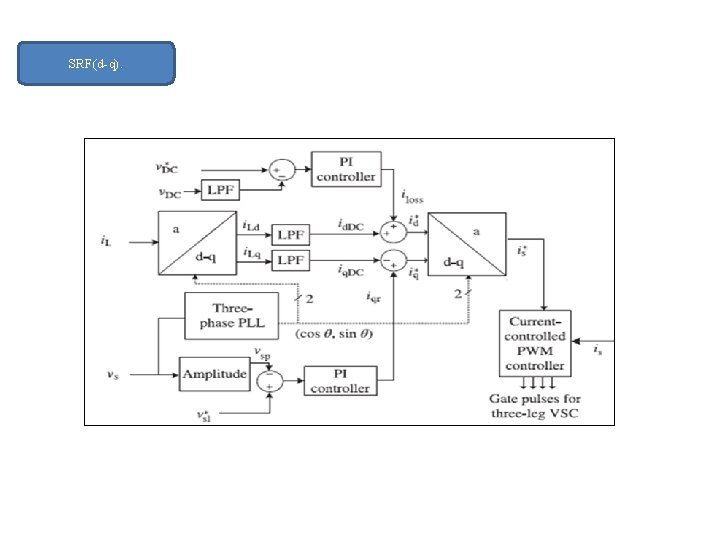
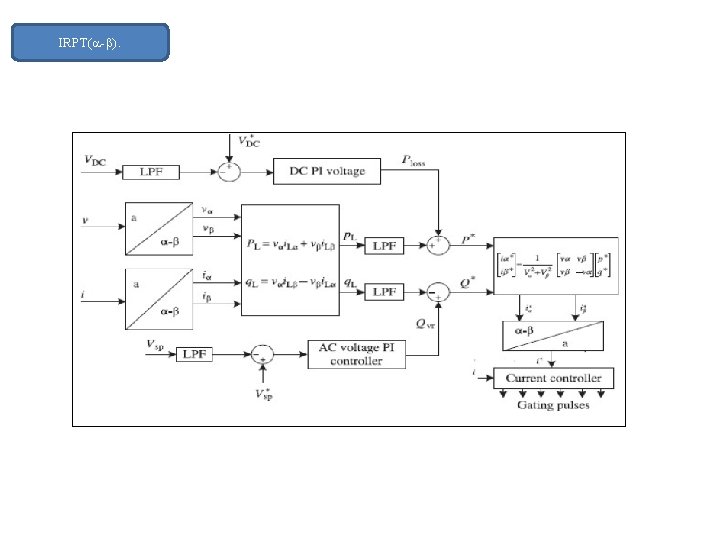
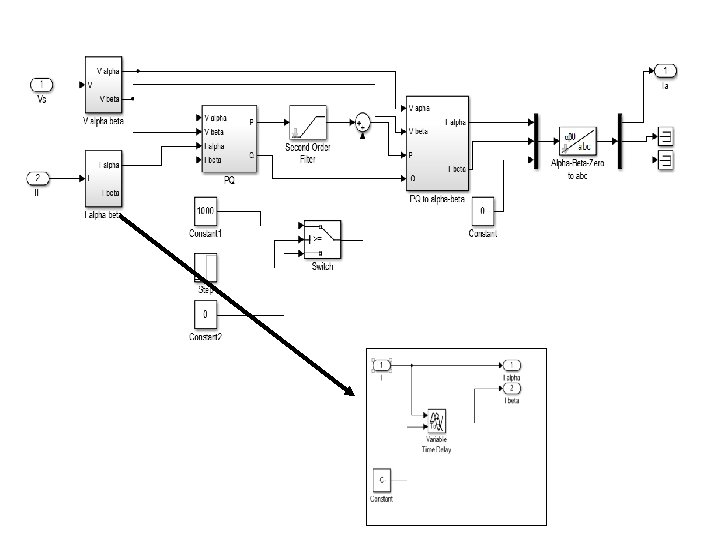
Control techniques. The main objective of a control algorithm of DSTATCOMs is to estimate the reference currents using feedback signals. There are many control algorithms of DSTATCOMs such as: -SRF(d-q) -IRPT( - )
SRF(d-q).
IRPT( - ).
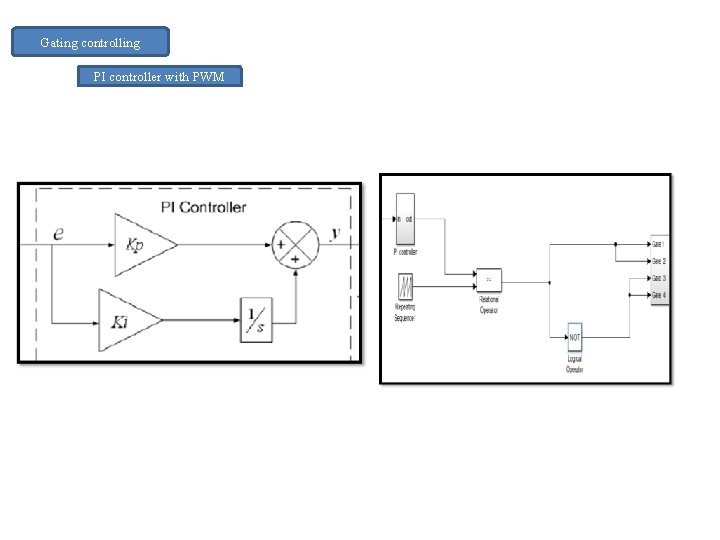
Gating controlling PI controller with PWM
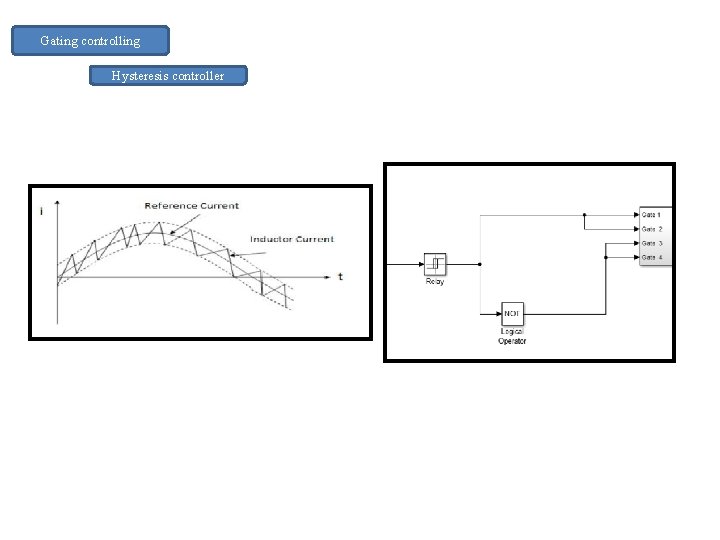
Gating controlling Hysteresis controller
Methodology and results. P. V system design.
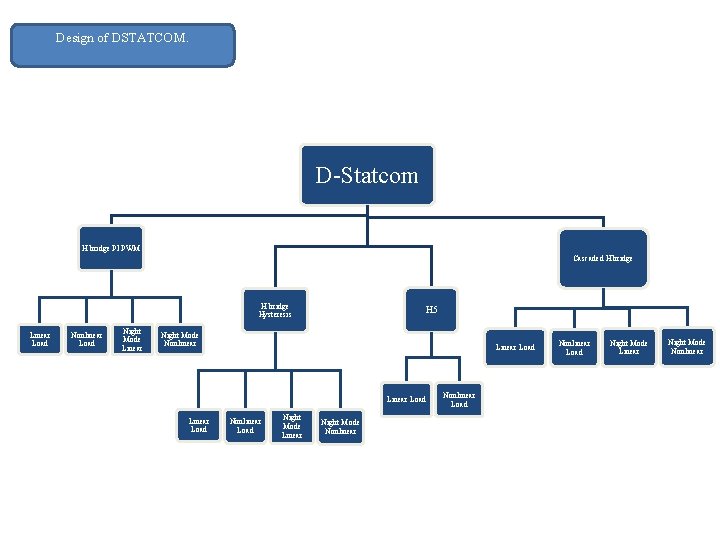
Design of DSTATCOM. D-Statcom H bridge PI PWM Cascaded H bridge Hysteresis Linear Load Nonlinear Load Night Mode Linear H 5 Night Mode Nonlinear Load Linear Load Nonlinear Load Night Mode Linear Night Mode Nonlinear
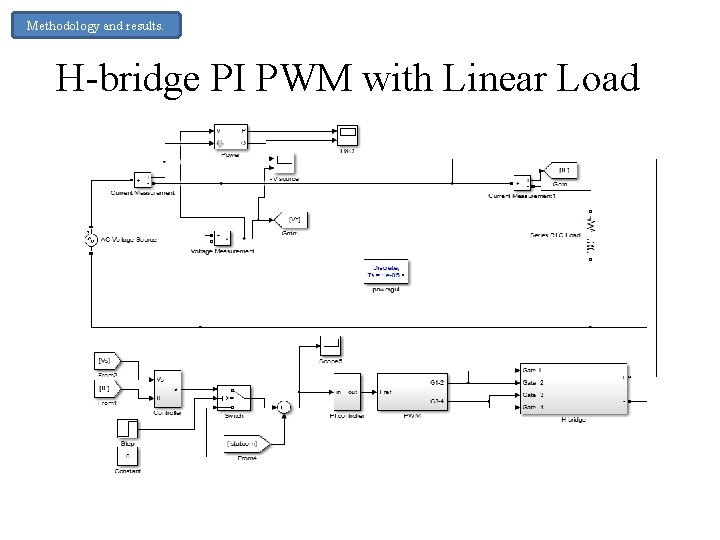
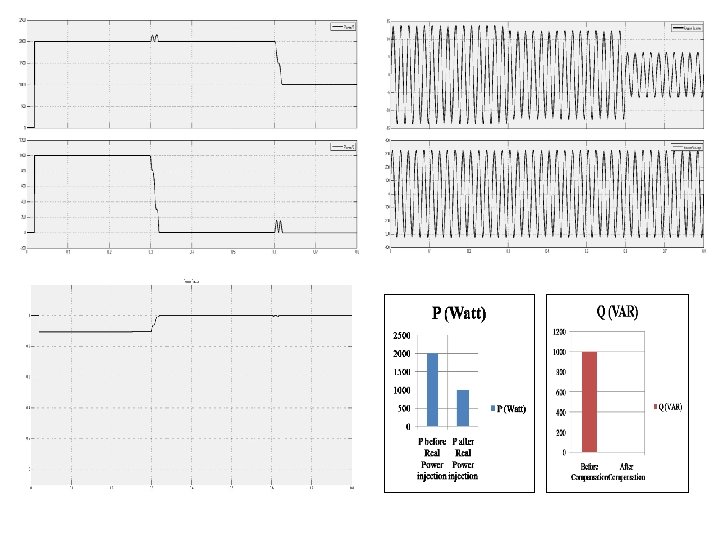
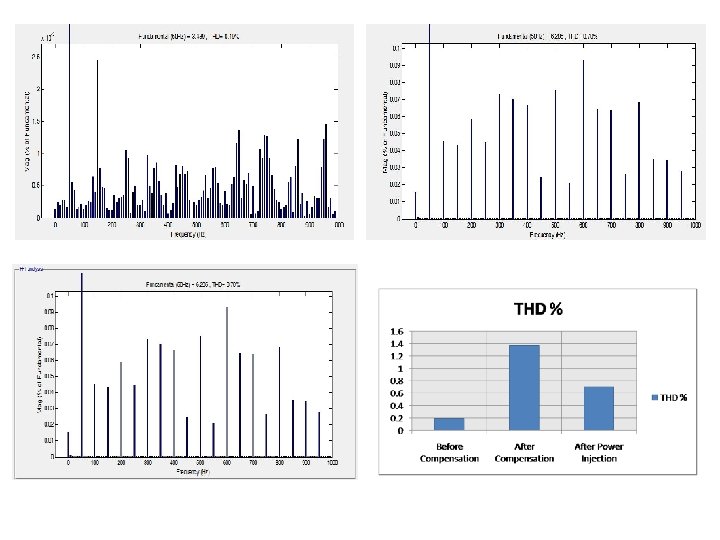
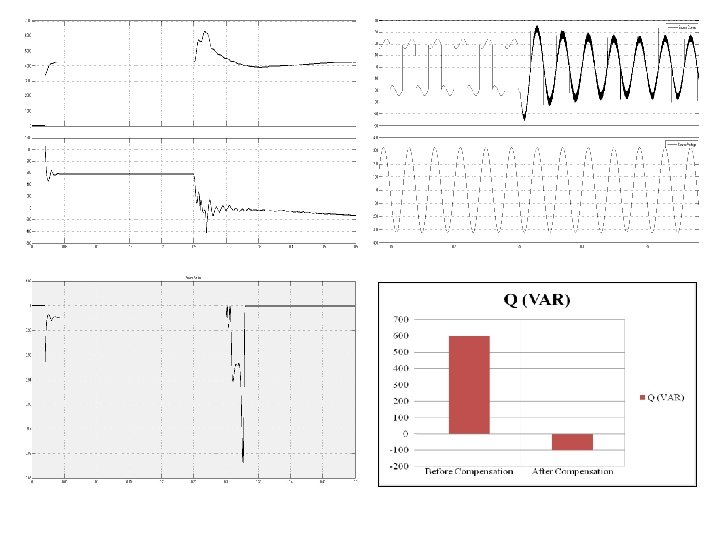
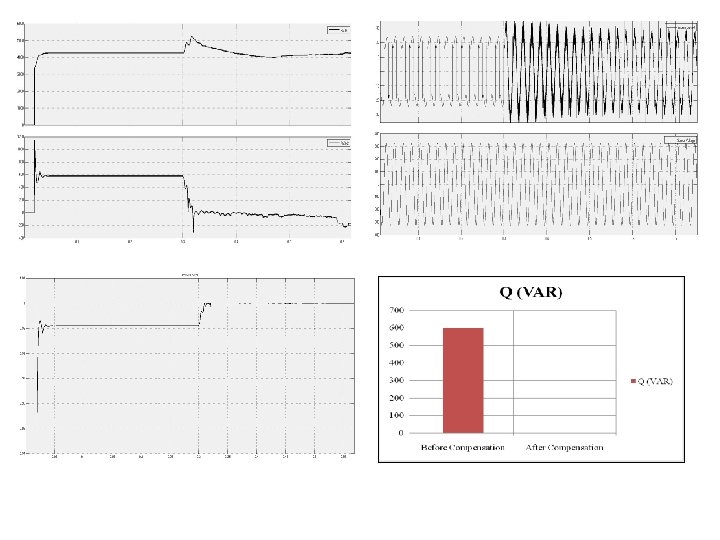
Methodology and results. H-bridge PI PWM with Linear Load
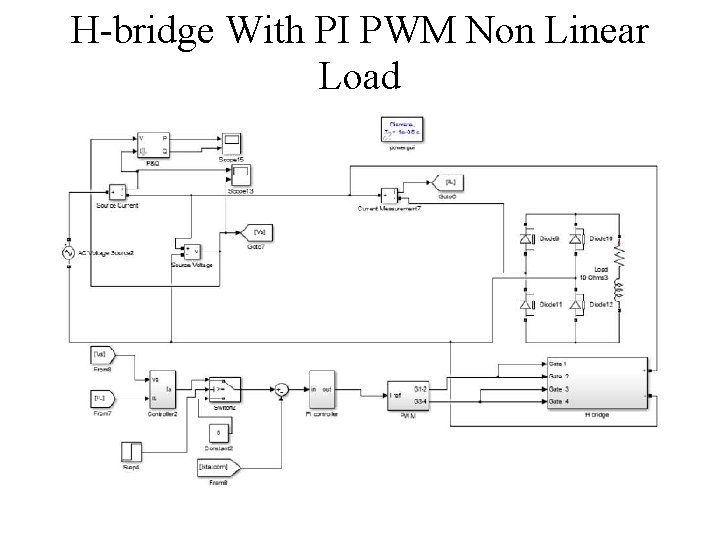
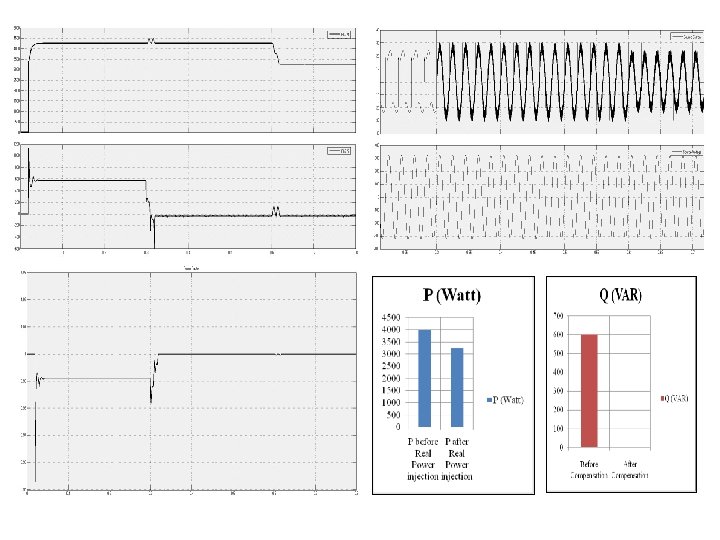
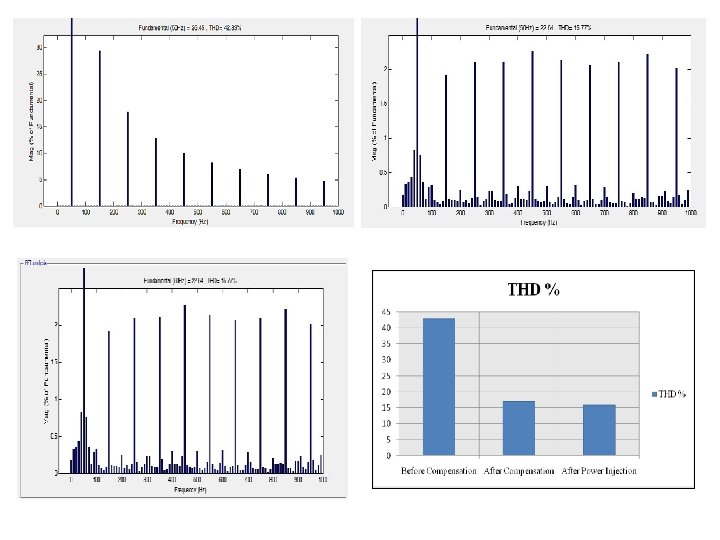
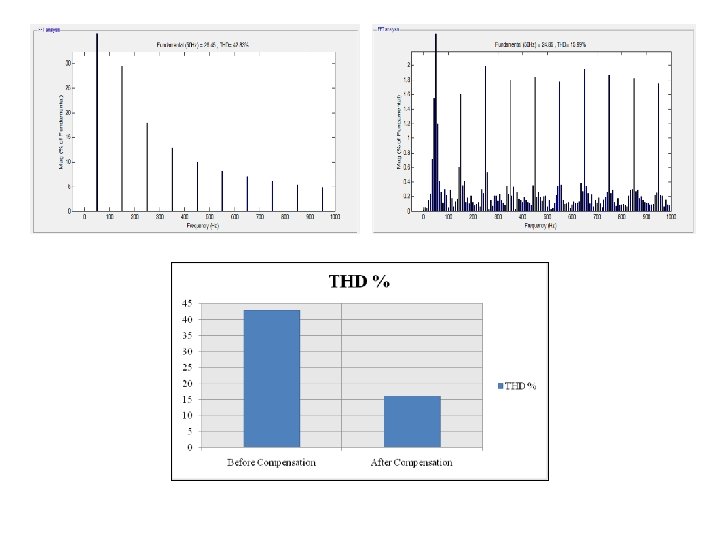
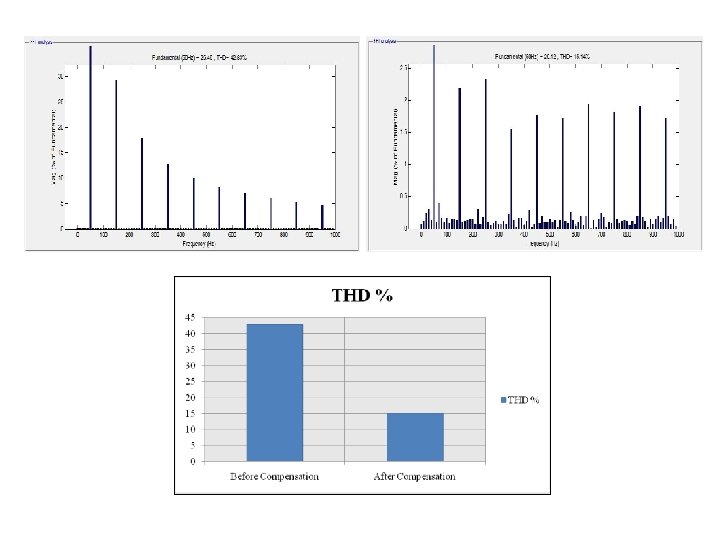
H-bridge With PI PWM Non Linear Load
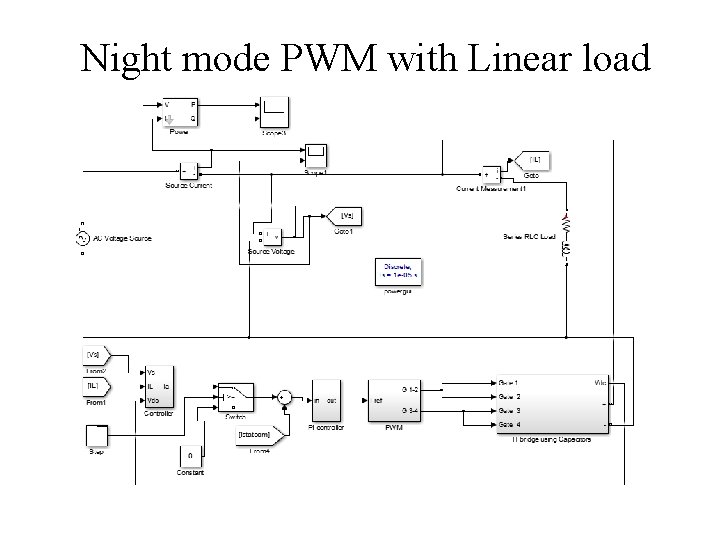
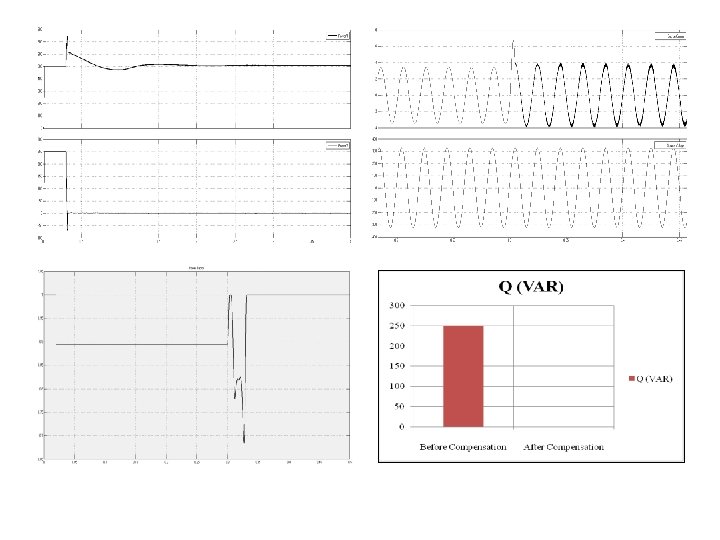
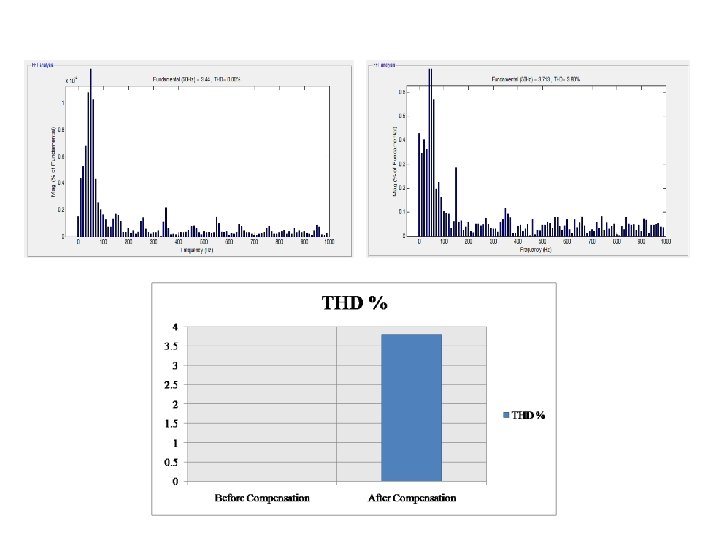
Night mode PWM with Linear load
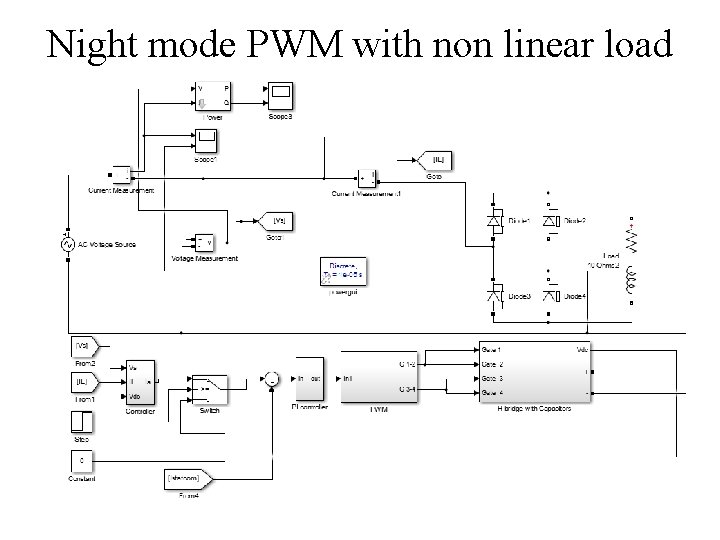
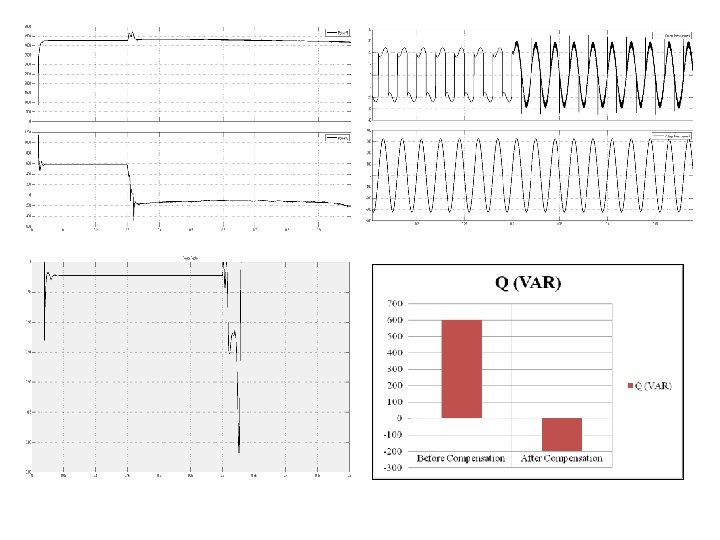
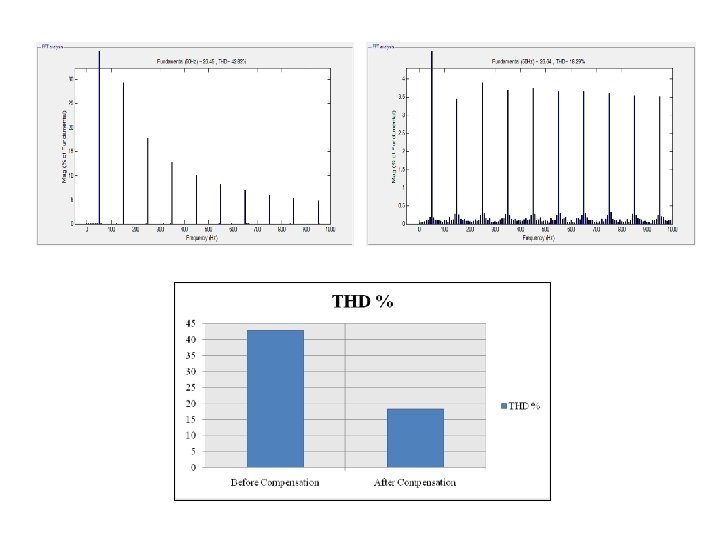
Night mode PWM with non linear load
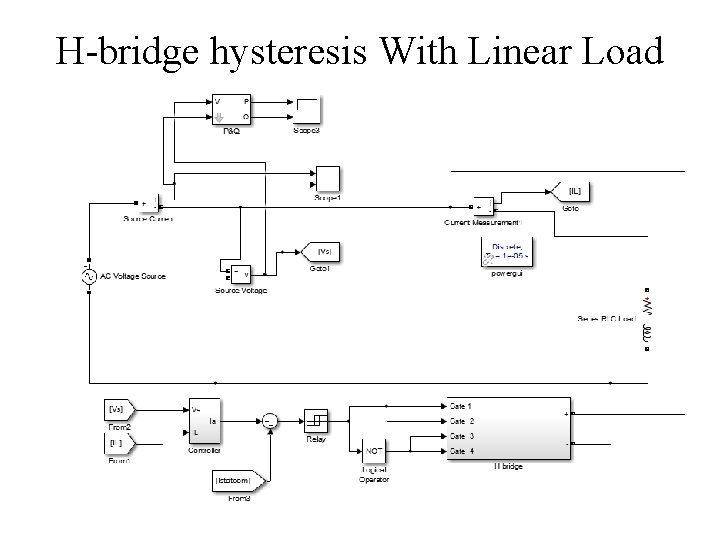
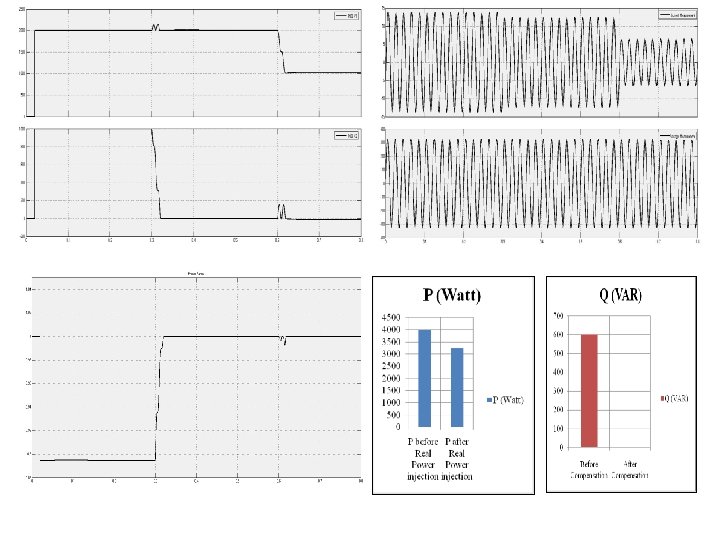
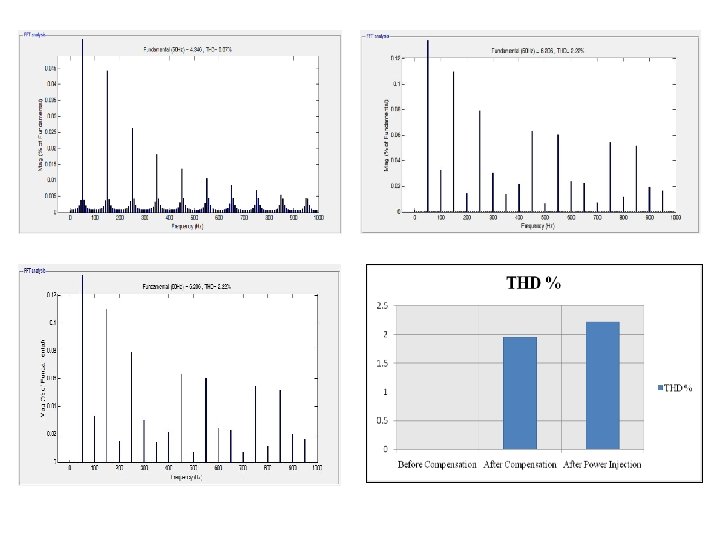
H-bridge hysteresis With Linear Load
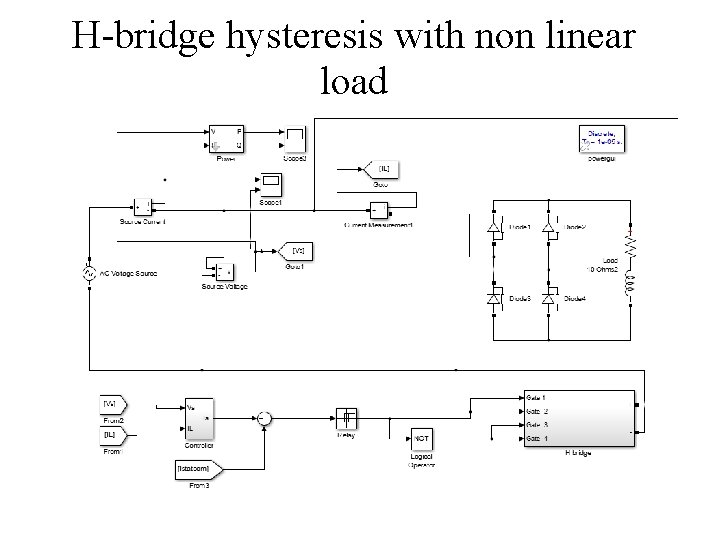
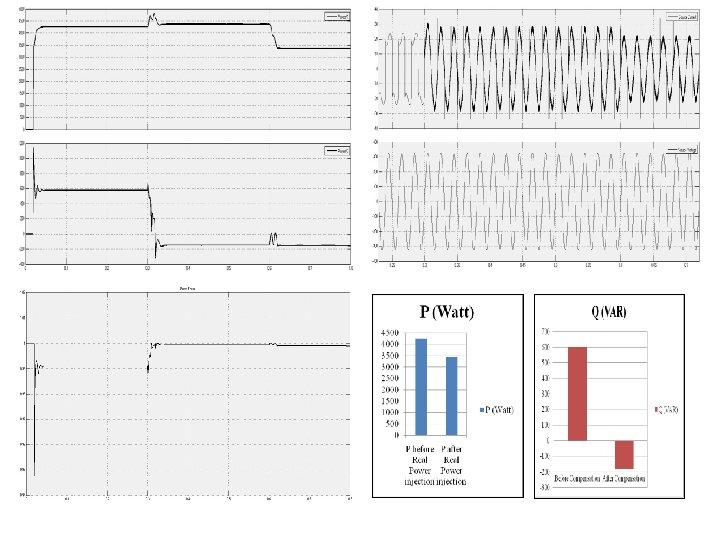
H-bridge hysteresis with non linear load
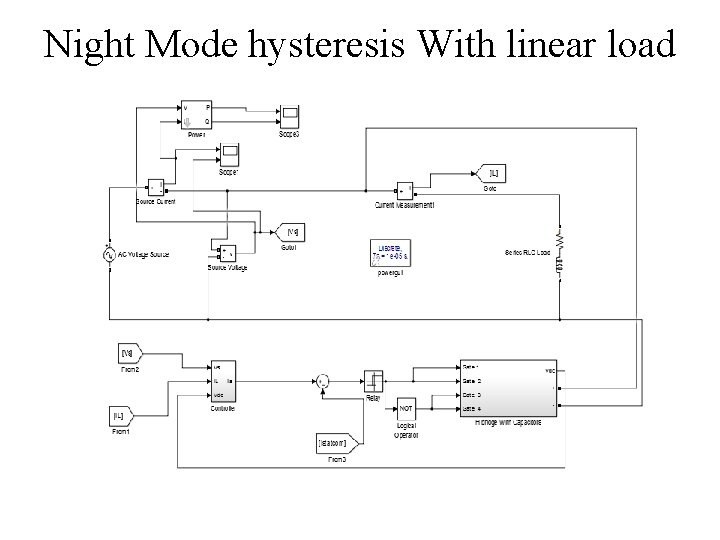
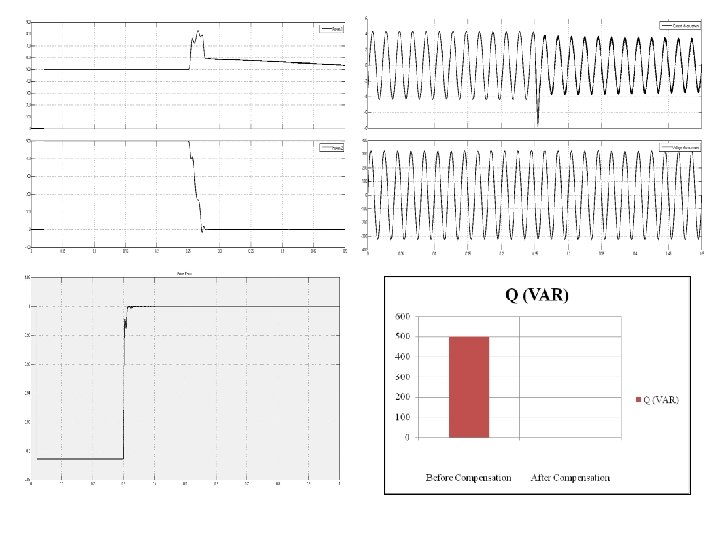
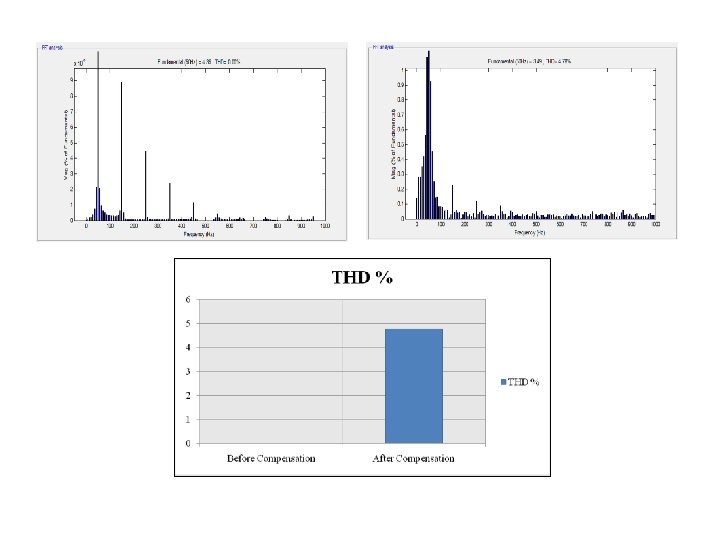
Night Mode hysteresis With linear load
Night mode hysteresis with nonlinear load
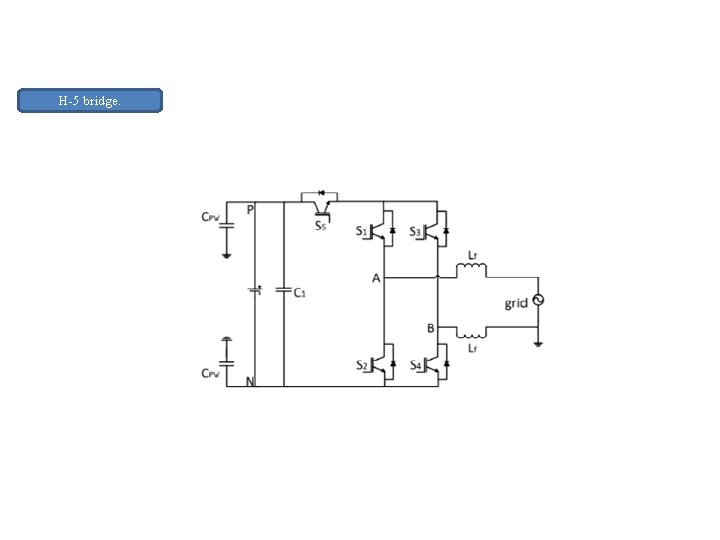
H-5 bridge.
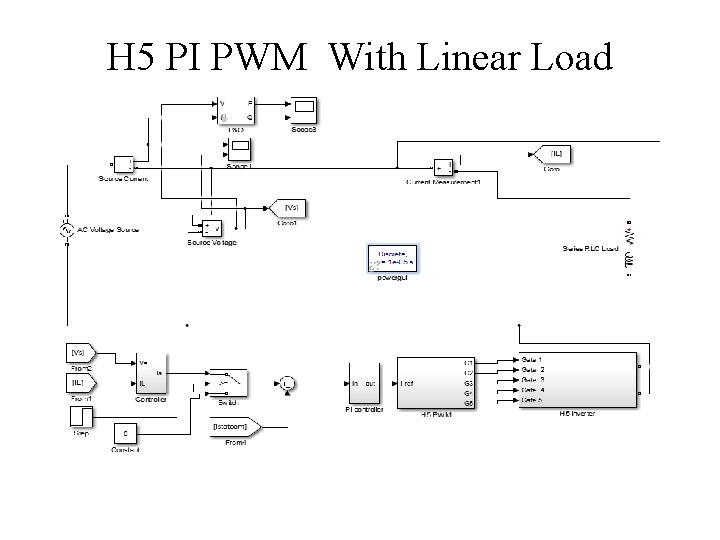
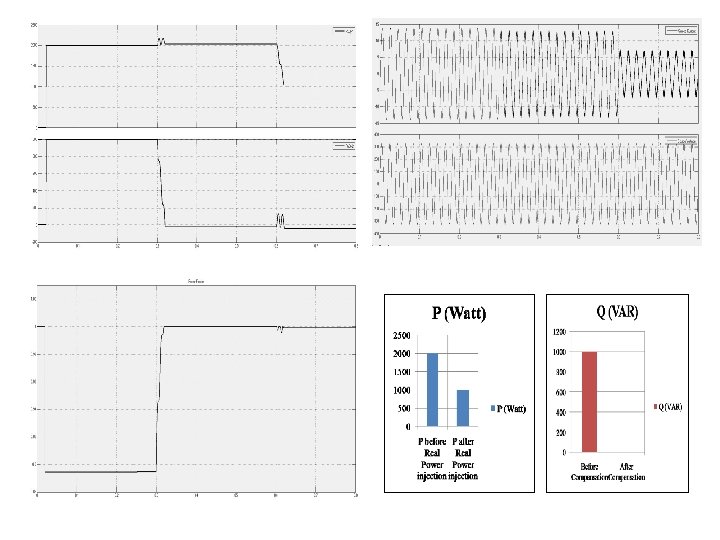
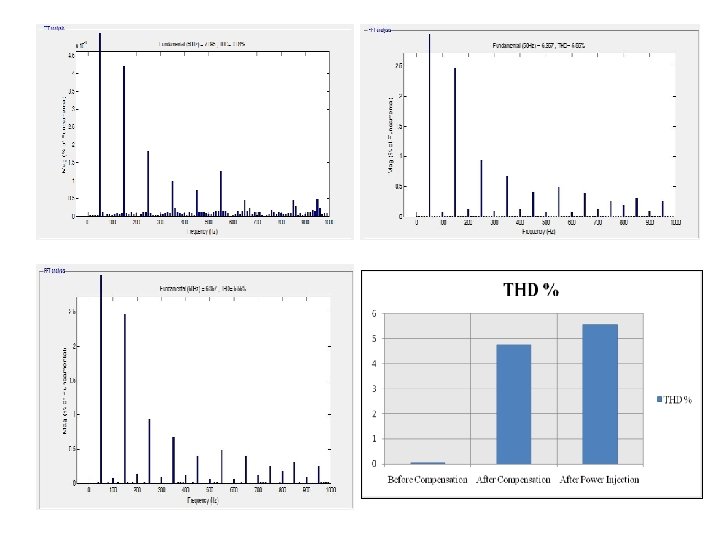
H 5 PI PWM With Linear Load
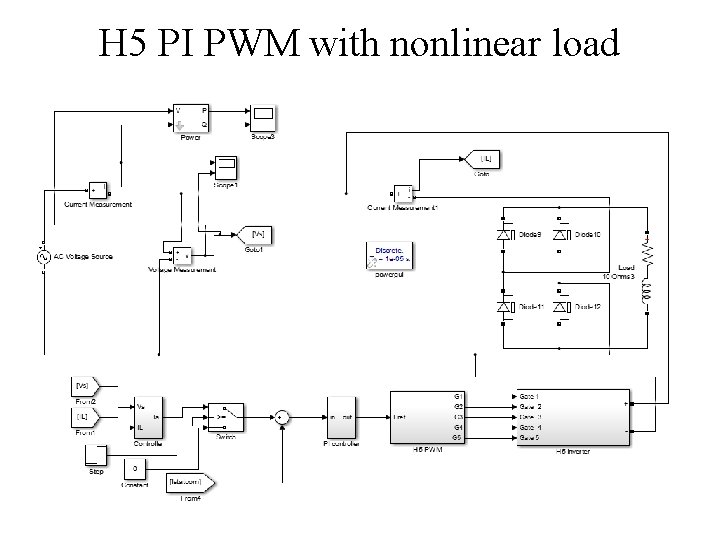
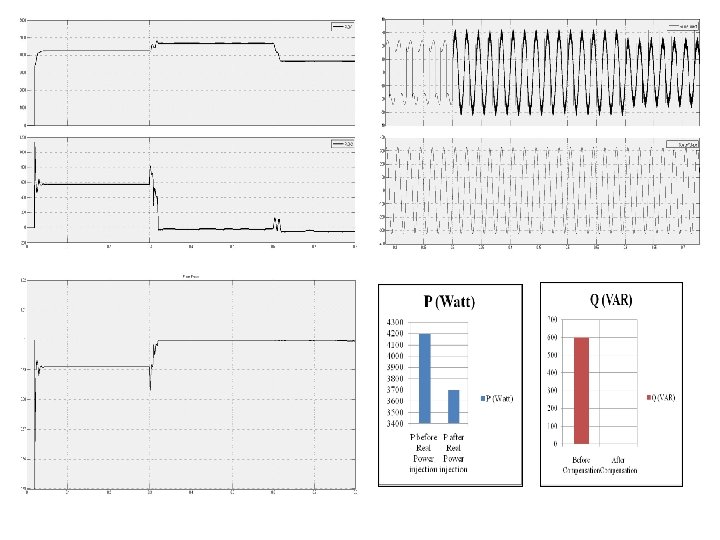
H 5 PI PWM with nonlinear load
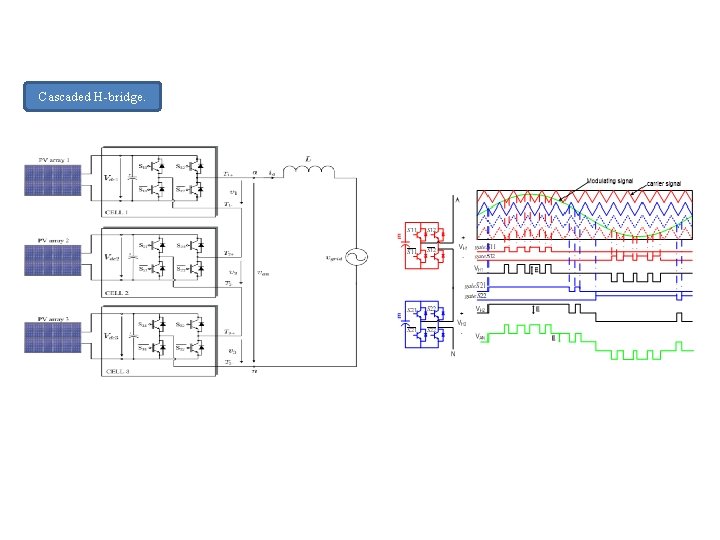
Cascaded H-bridge.
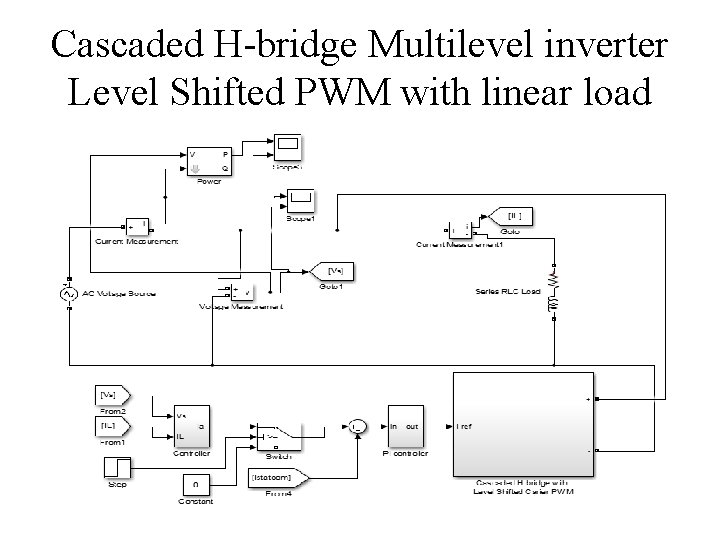
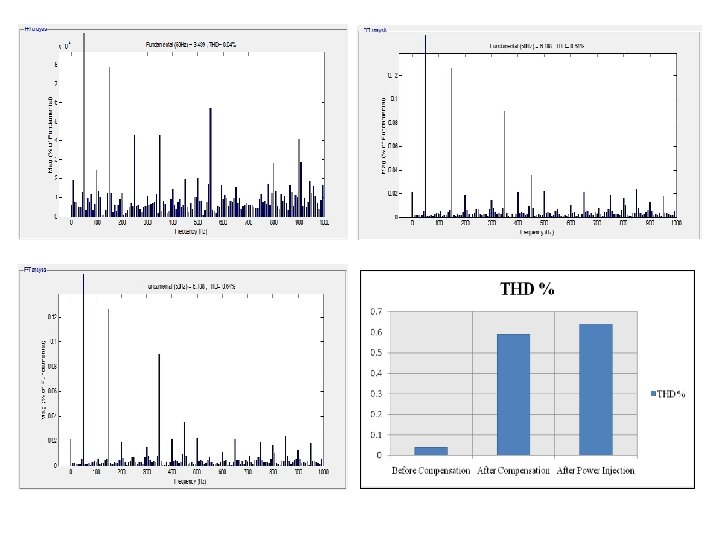
Cascaded H-bridge Multilevel inverter Level Shifted PWM with linear load
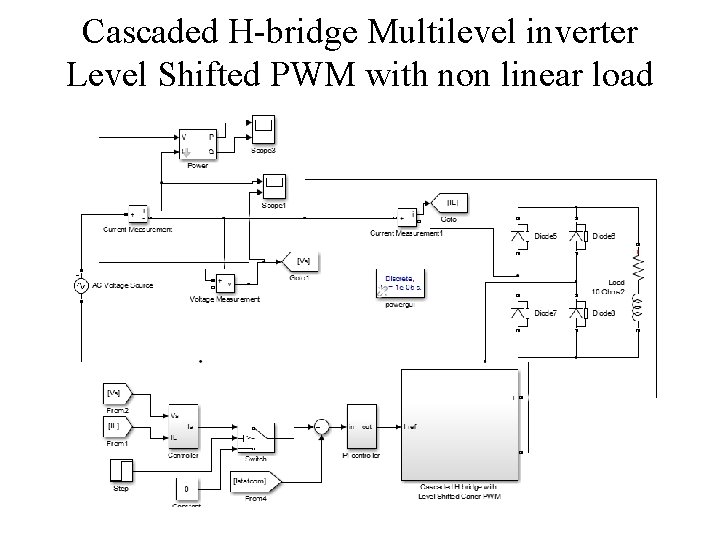
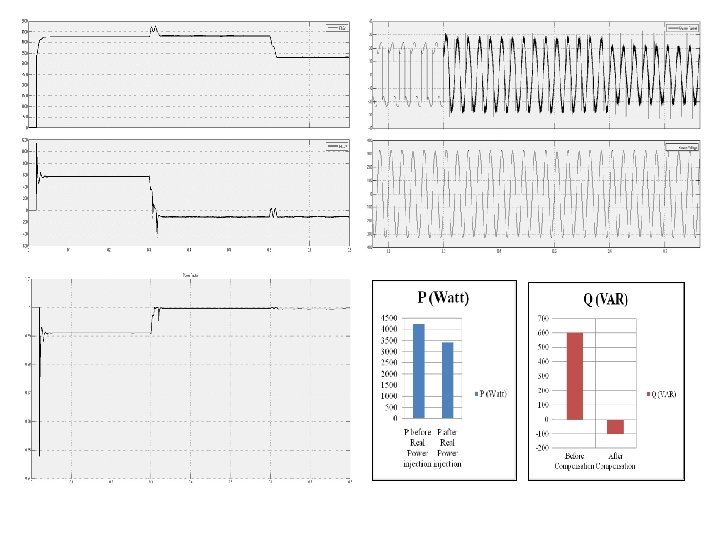
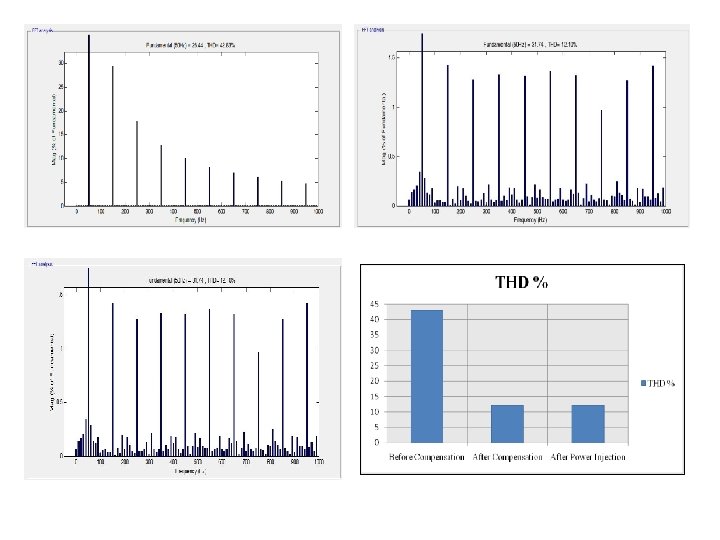
Cascaded H-bridge Multilevel inverter Level Shifted PWM with non linear load
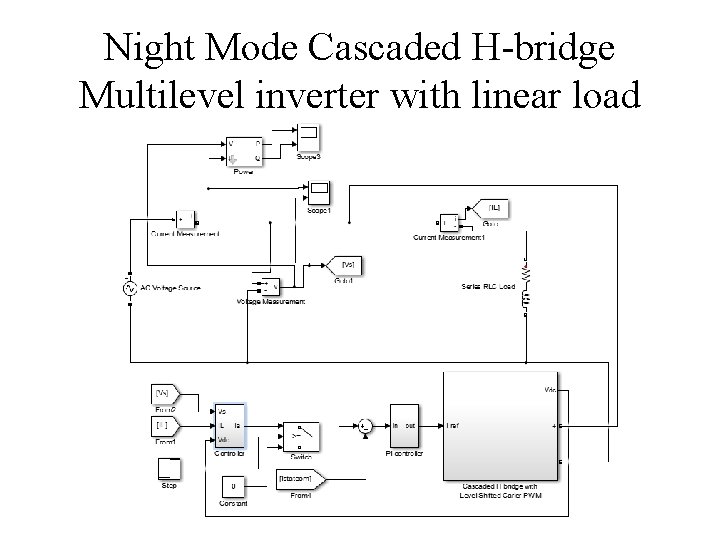
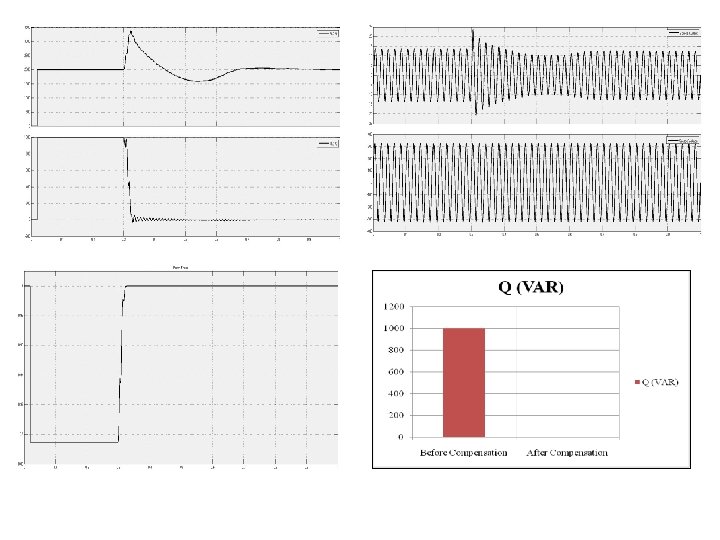
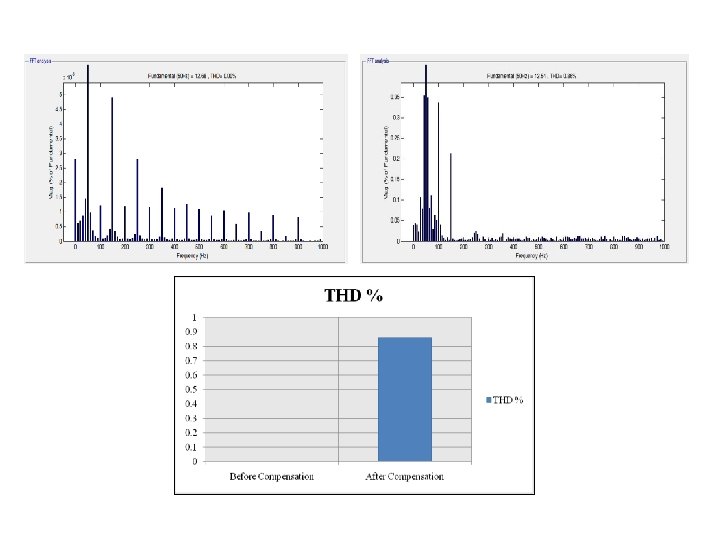
Night Mode Cascaded H-bridge Multilevel inverter with linear load
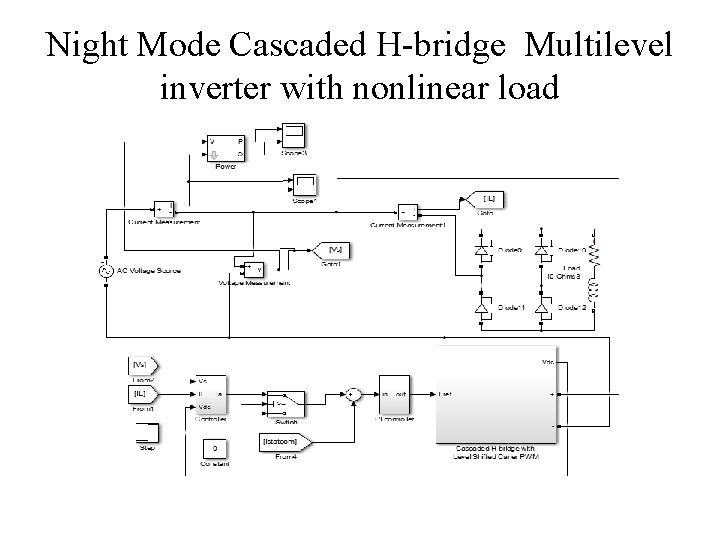
Night Mode Cascaded H-bridge Multilevel inverter with nonlinear load
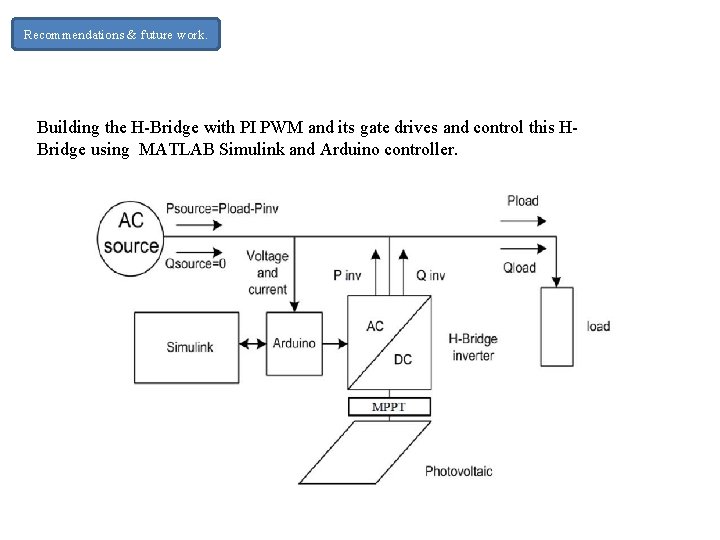
Recommendations & future work. Building the H-Bridge with PI PWM and its gate drives and control this HBridge using MATLAB Simulink and Arduino controller.