
Simulation with Particle Studio Wakefield Solver 1 Overview

- Slides: 21
Simulation with Particle Studio Wakefield Solver 1
Overview • Wakefield Solver Overview • Wake loss factor K • Detuning and driving terms of the transverse wake (Elias) • Simulation time 2
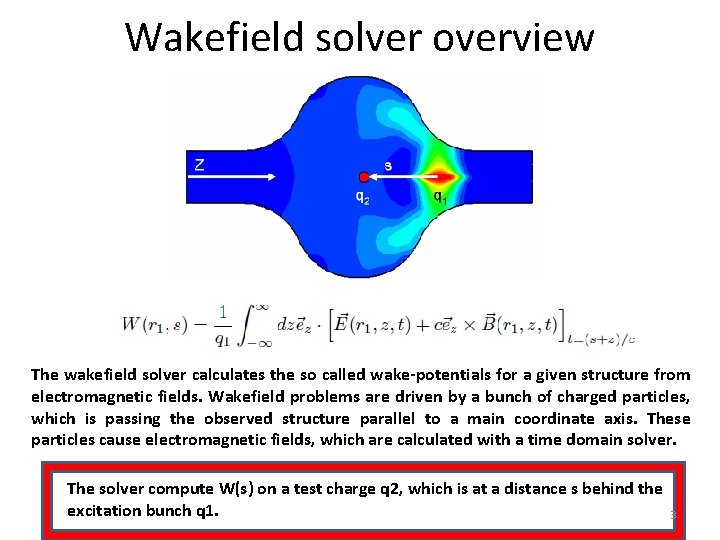
Wakefield solver overview The wakefield solver calculates the so called wake-potentials for a given structure from electromagnetic fields. Wakefield problems are driven by a bunch of charged particles, which is passing the observed structure parallel to a main coordinate axis. These particles cause electromagnetic fields, which are calculated with a time domain solver. The solver compute W(s) on a test charge q 2, which is at a distance s behind the excitation bunch q 1. 3
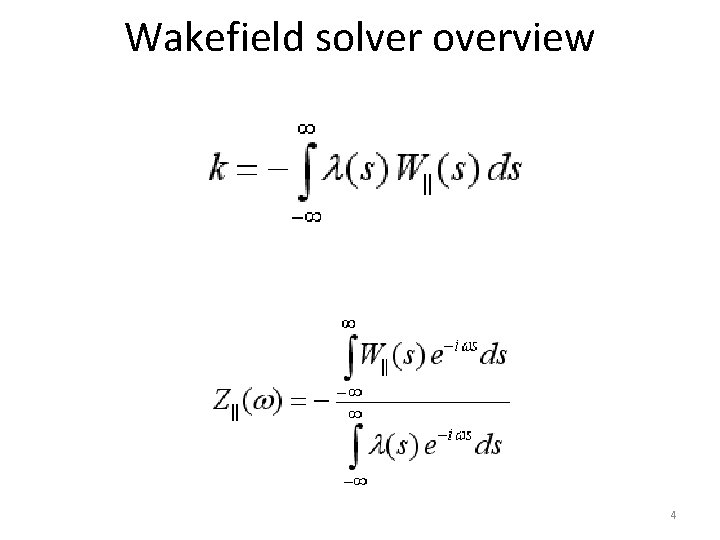
Wakefield solver overview 4
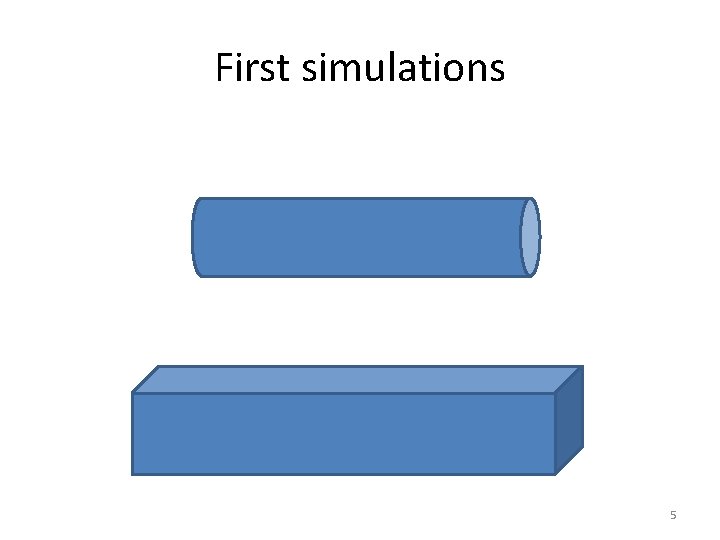
First simulations 5
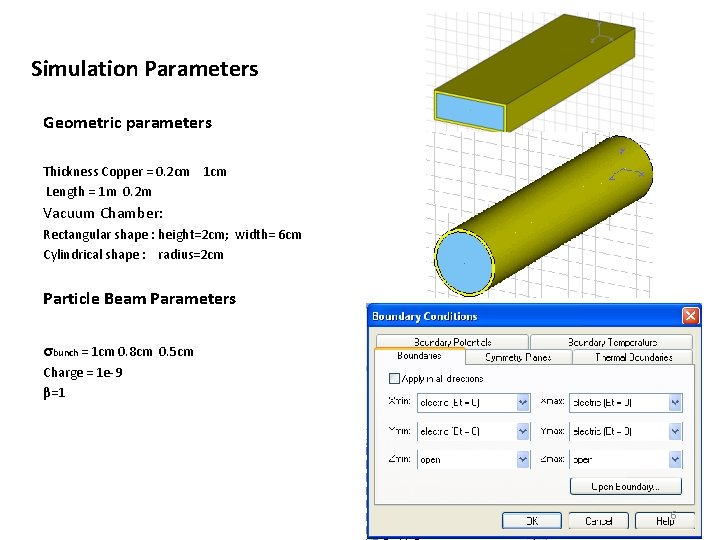
Simulation Parameters Geometric parameters Thickness Copper = 0. 2 cm 1 cm Length = 1 m 0. 2 m Vacuum Chamber: Rectangular shape : height=2 cm; width= 6 cm Cylindrical shape : radius=2 cm Particle Beam Parameters σbunch = 1 cm 0. 8 cm 0. 5 cm Charge = 1 e-9 β=1 6
Overview • Wakefield Solver Overview • Wake loss factor K • Detuning and driving terms of the transverse wake (Elias) • Simulation time 7
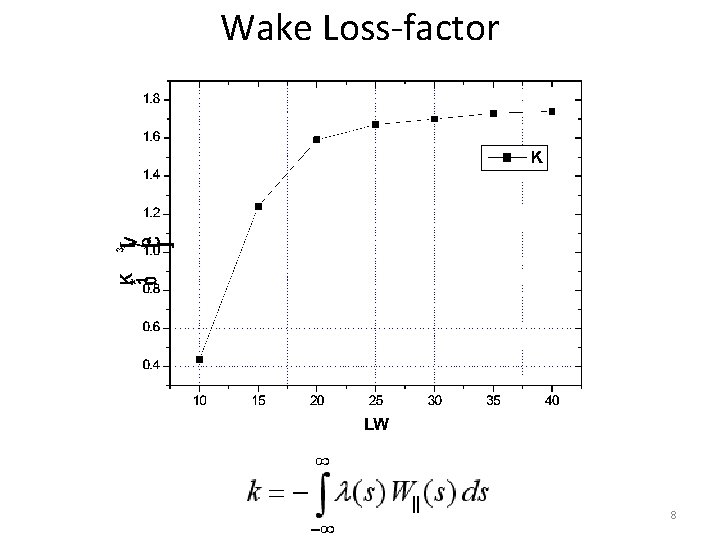
Wake Loss-factor 8
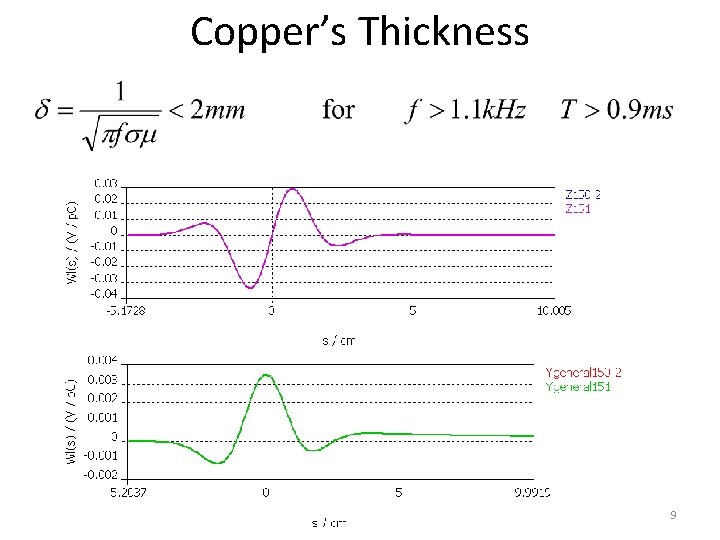
Copper’s Thickness 9
Overview • Wakefield Solver Overview • Wake loss factor K • Detuning and driving terms of the transverse wake (Elias) • Simulation time 10
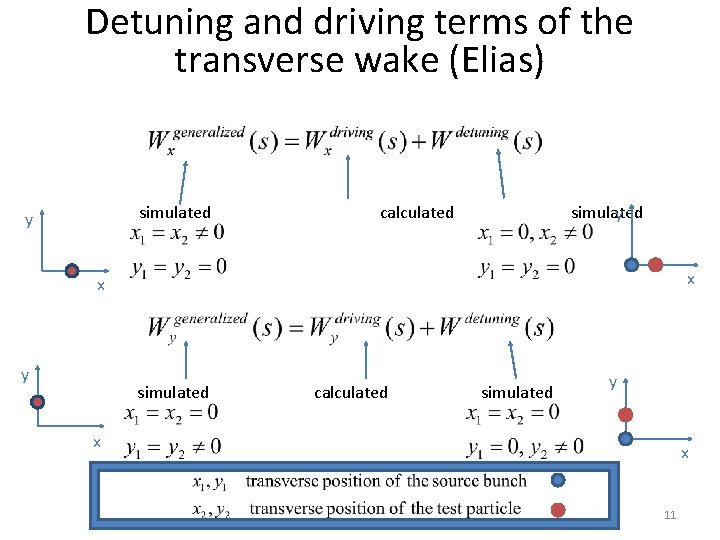
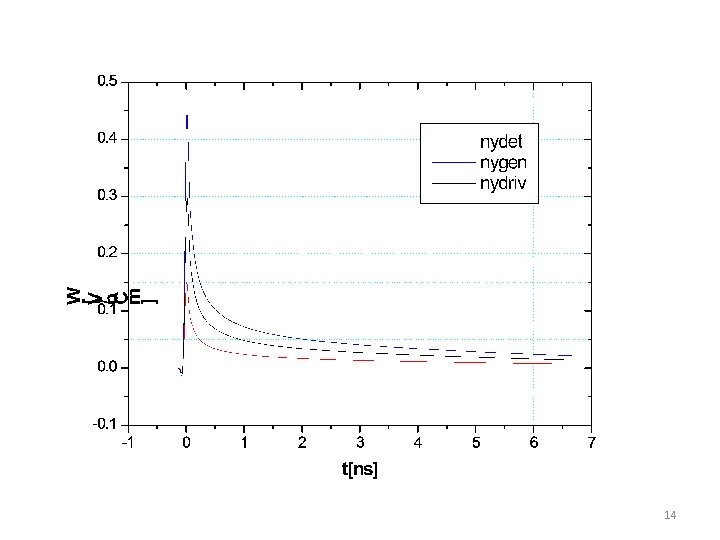
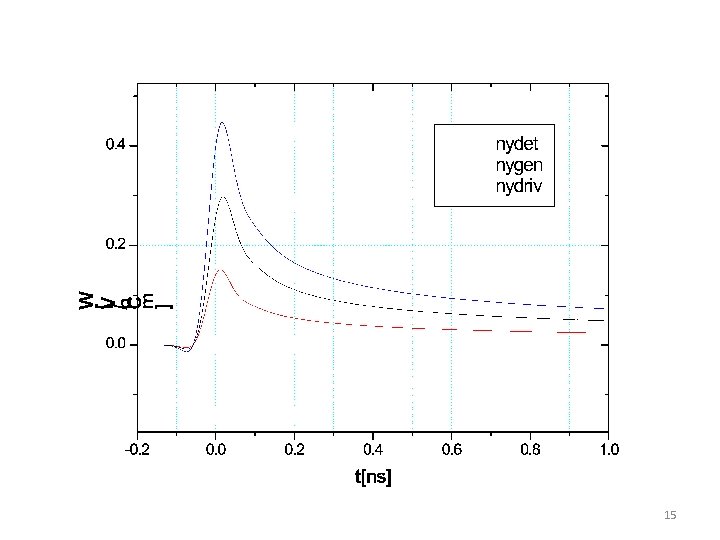
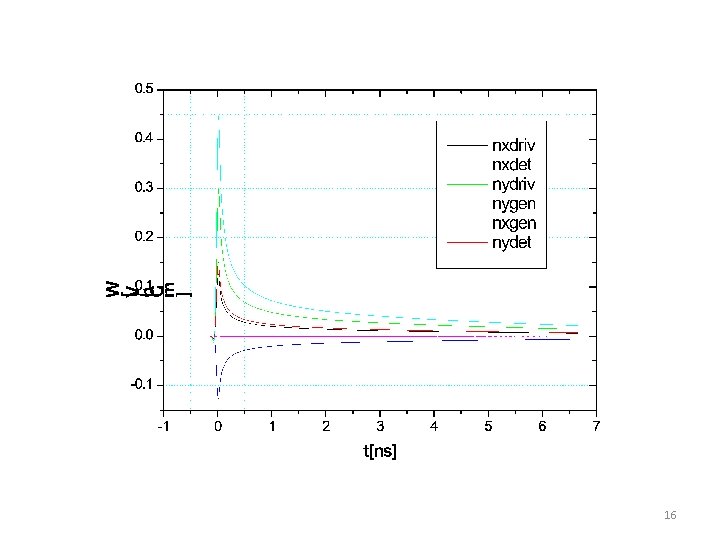
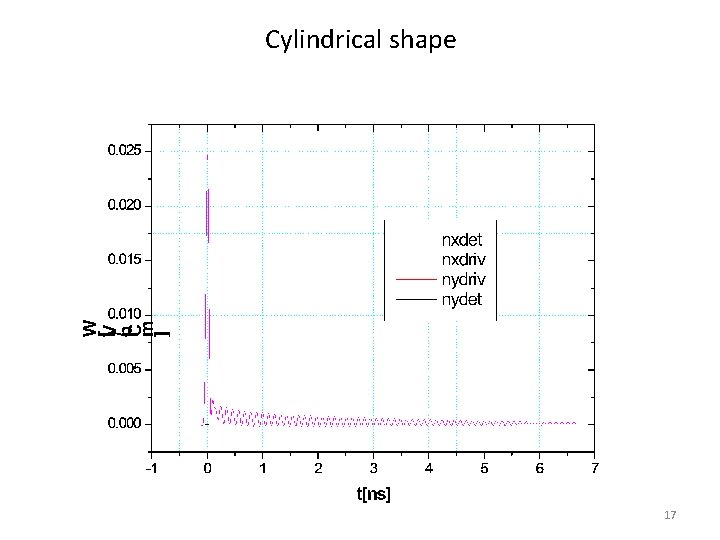
Detuning and driving terms of the transverse wake (Elias) simulated y calculated simulated y x x y simulated calculated simulated y x x 11
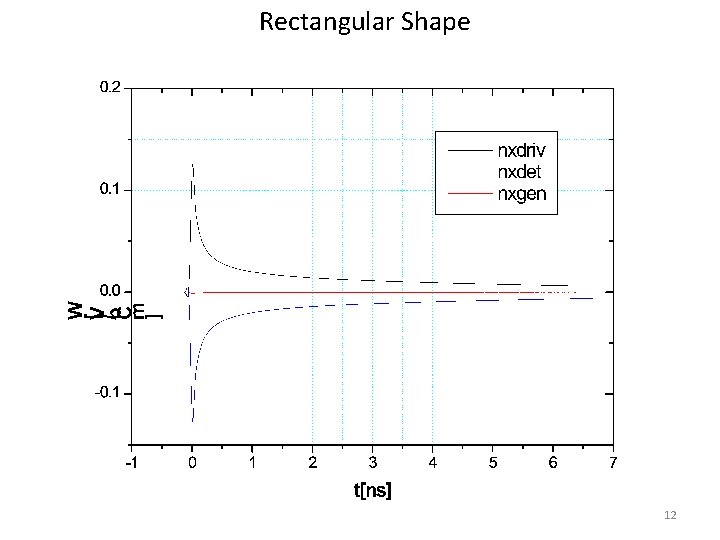
Rectangular Shape 12
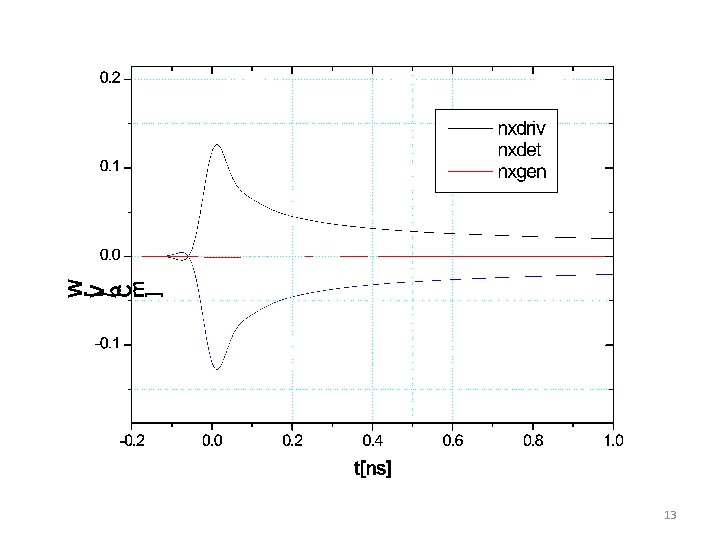
13
14
15
16
Cylindrical shape 17
Overview • Wakefield Solver Overview • Wake loss factor K • Detuning and driving terms of the transverse wake (Elias) • Simulation time 18
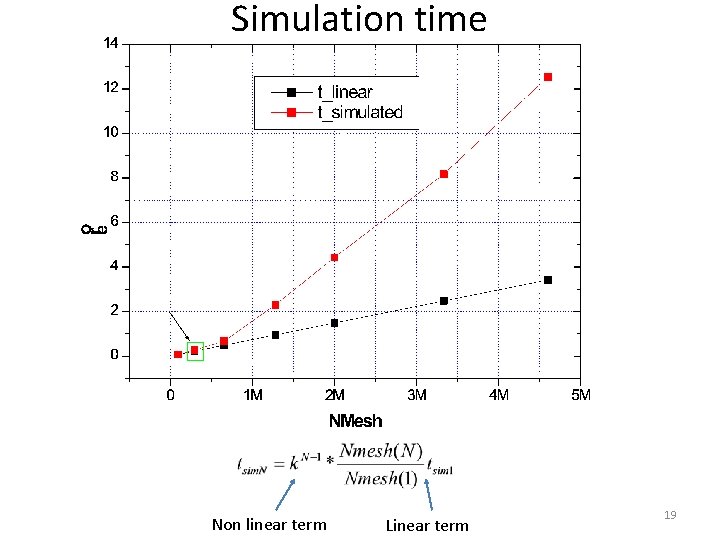
Simulation time Non linear term Linear term 19
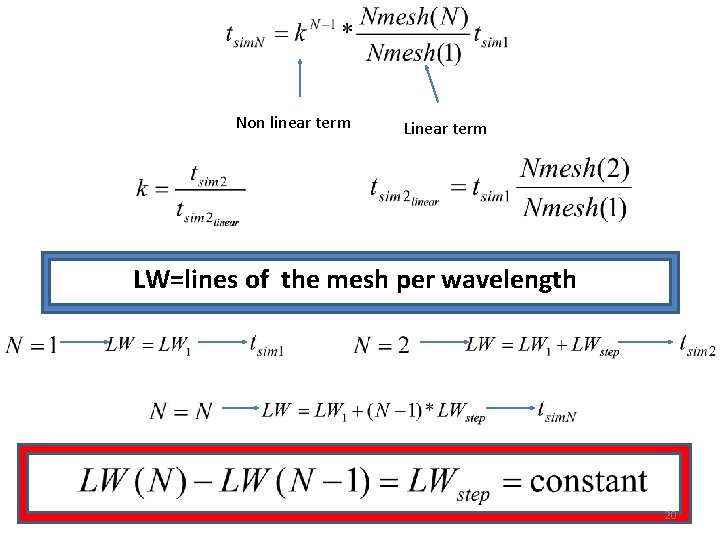
Non linear term LW=lines of the mesh per wavelength 20
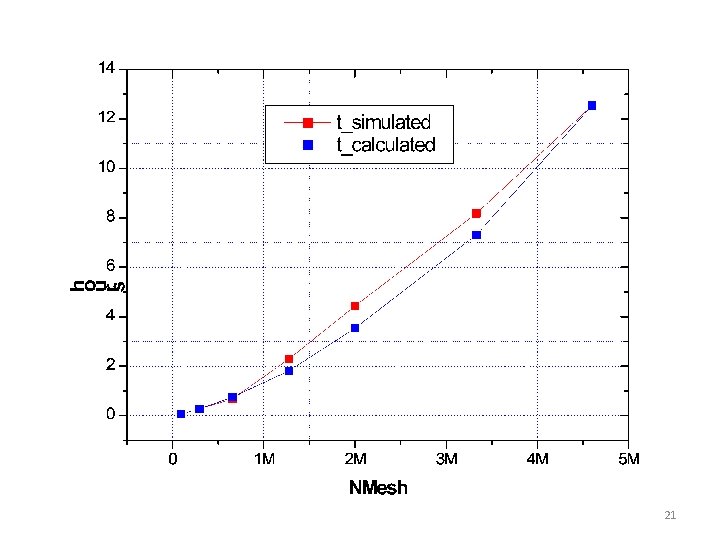
21