
simulation of transient heat transfer in 2 D
- Slides: 55
simulation of transient heat transfer in 2 D free-form objects PHYSIBEL
Introduction The Physibel program BISTRA allows simulations of transient heat transfer in 2 D free-form objects. This slide show highlights • how to solve a 2 D transient problem using BISTRA (with RADCON option) • useful application examples - ground heat losses and frost insulation - fire engineering – steel-concrete floor - fire engineering – window frame - harmonic analysis of walls - temperature of heated & unheated rooms - thermal effect of solar radiation on façades
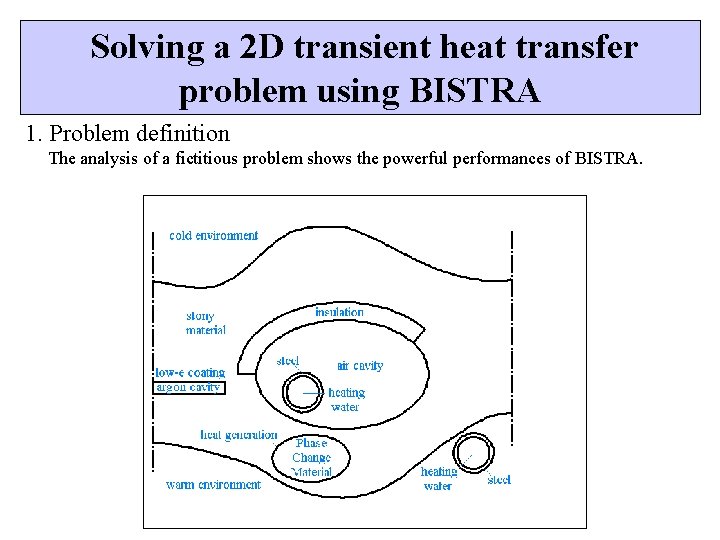
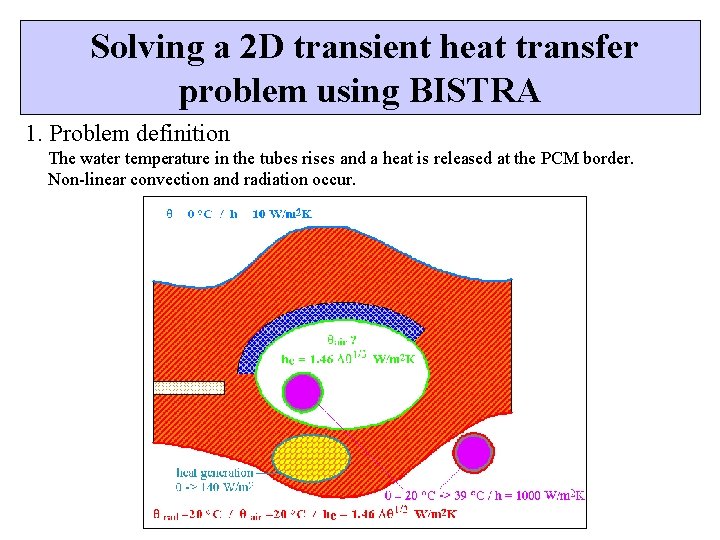
Solving a 2 D transient heat transfer problem using BISTRA 1. Problem definition The analysis of a fictitious problem shows the powerful performances of BISTRA.
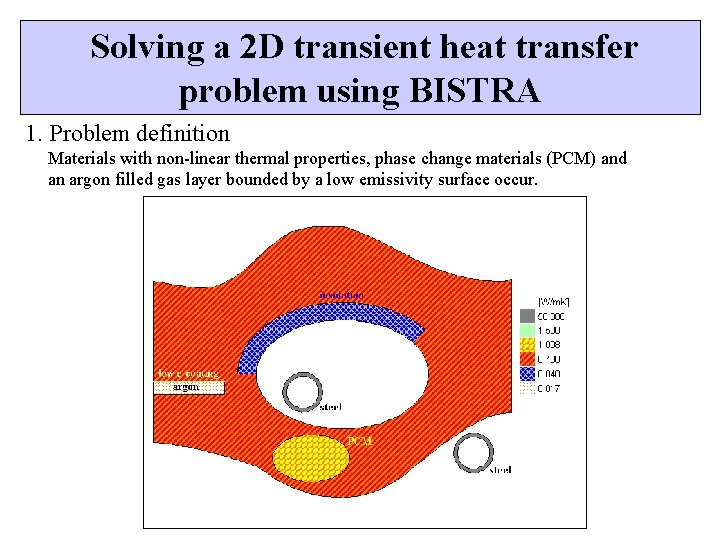
Solving a 2 D transient heat transfer problem using BISTRA 1. Problem definition Materials with non-linear thermal properties, phase change materials (PCM) and an argon filled gas layer bounded by a low emissivity surface occur.
Solving a 2 D transient heat transfer problem using BISTRA 1. Problem definition The water temperature in the tubes rises and a heat is released at the PCM border. Non-linear convection and radiation occur.
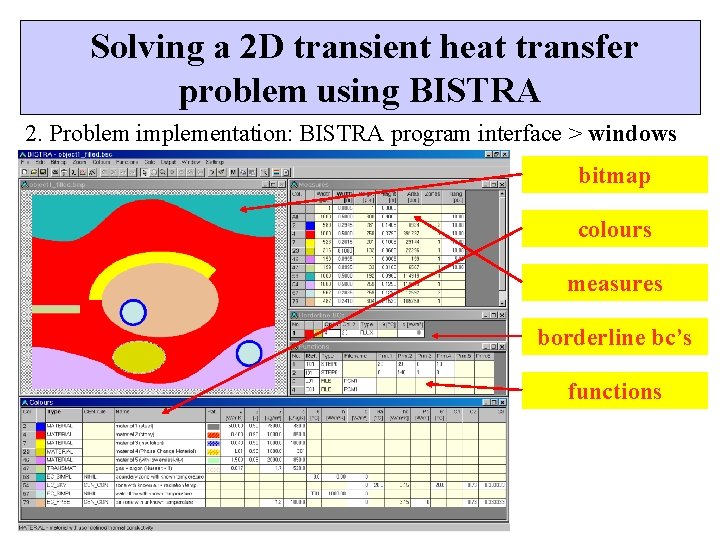
Solving a 2 D transient heat transfer problem using BISTRA 2. Problem implementation: BISTRA program interface > windows bitmap colours measures borderline bc’s functions
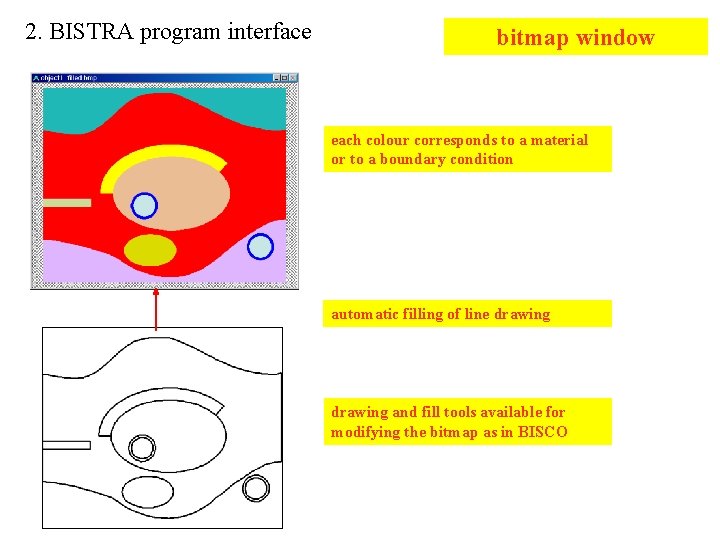
2. BISTRA program interface bitmap window each colour corresponds to a material or to a boundary condition automatic filling of line drawing and fill tools available for modifying the bitmap as in BISCO
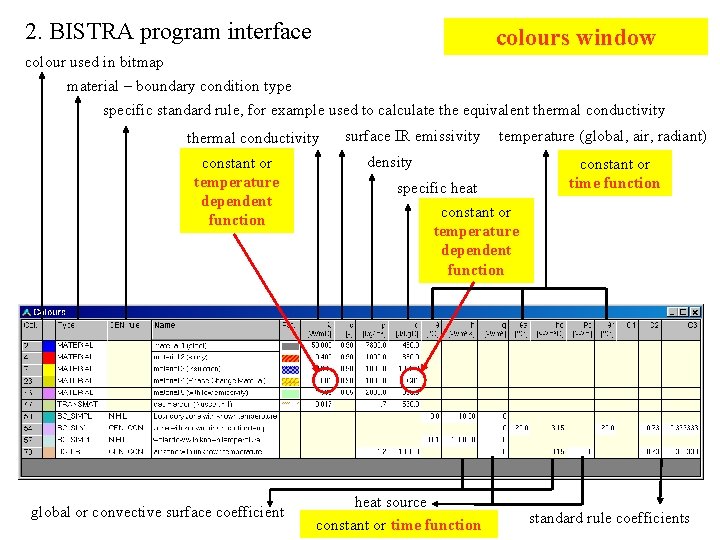
2. BISTRA program interface colours window colour used in bitmap material – boundary condition type specific standard rule, for example used to calculate the equivalent thermal conductivity constant or temperature dependent function global or convective surface coefficient surface IR emissivity temperature (global, air, radiant) density specific heat constant or temperature dependent function heat source constant or time function standard rule coefficients
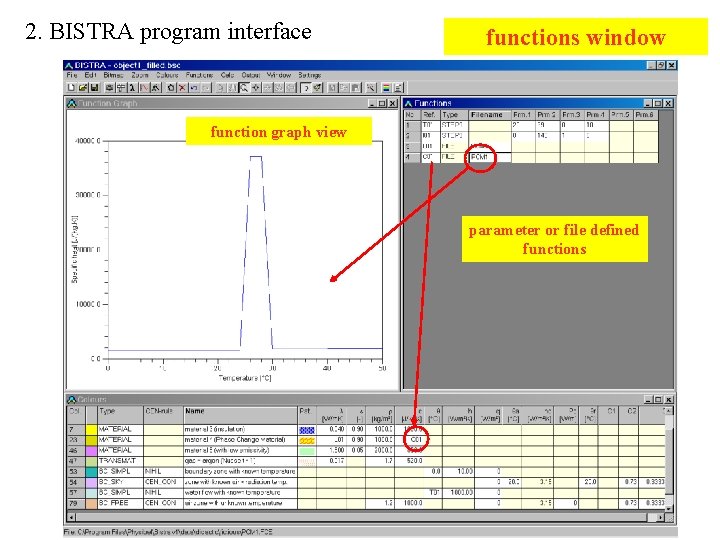
2. BISTRA program interface functions window function graph view parameter or file defined functions
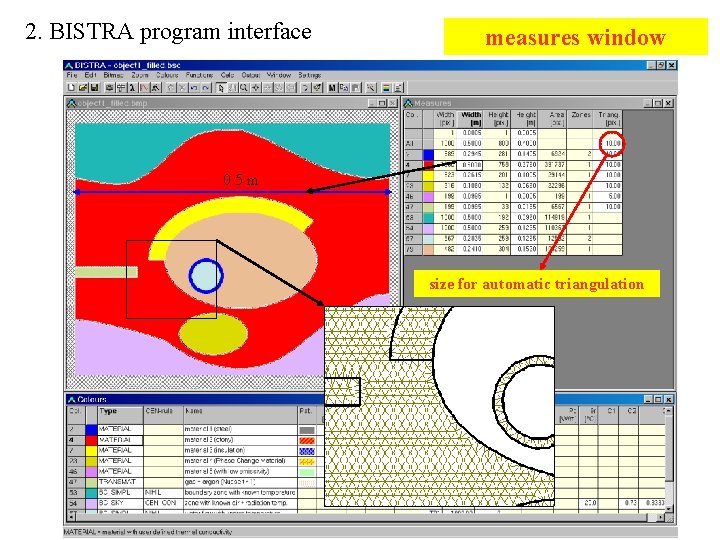
2. BISTRA program interface measures window 0. 5 m size for automatic triangulation
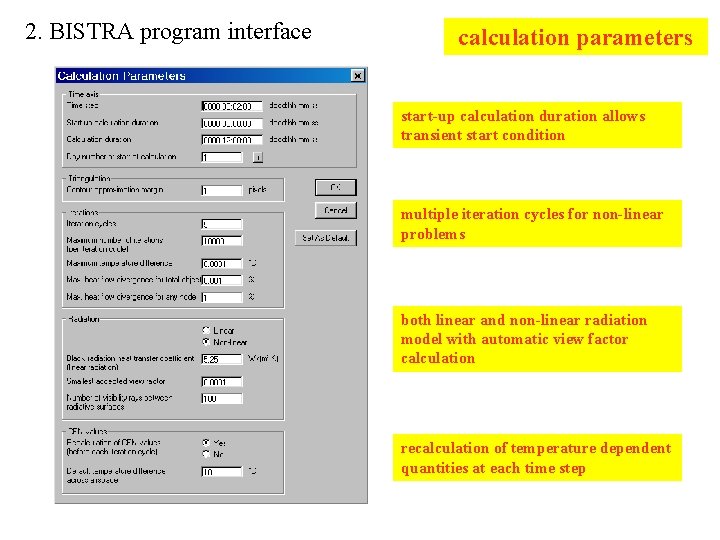
2. BISTRA program interface calculation parameters start-up calculation duration allows transient start condition multiple iteration cycles for non-linear problems both linear and non-linear radiation model with automatic view factor calculation recalculation of temperature dependent quantities at each time step
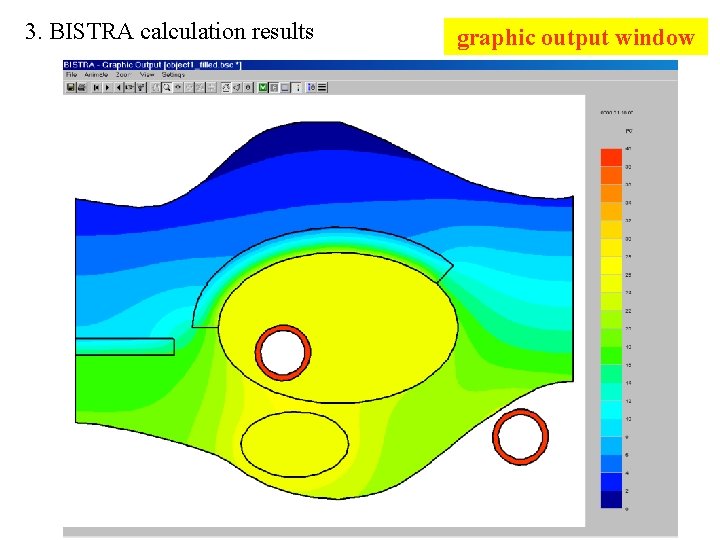
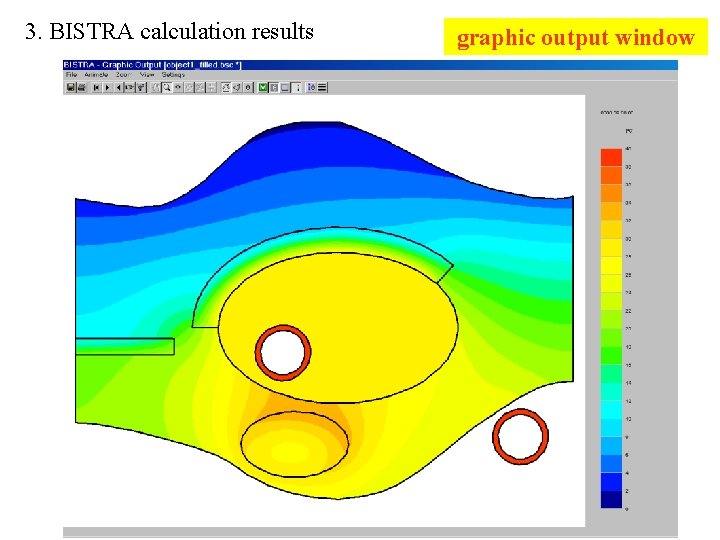
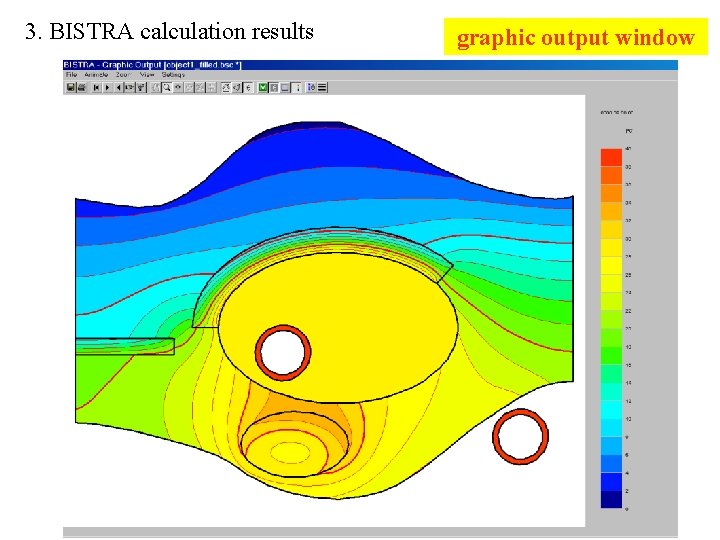
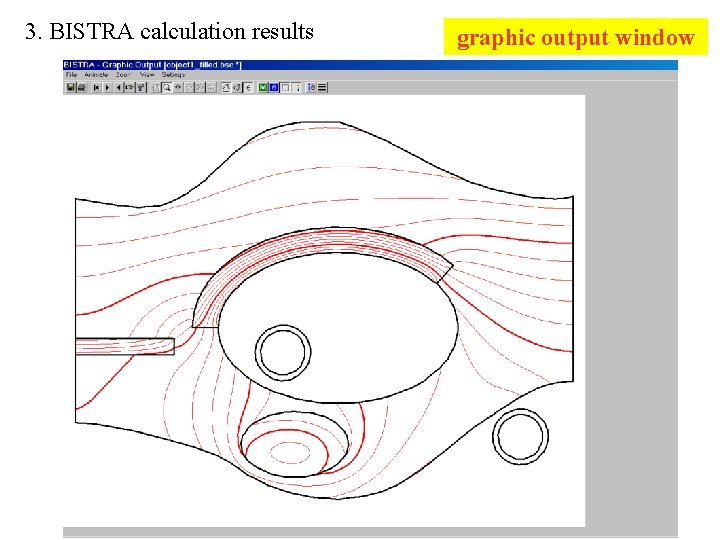
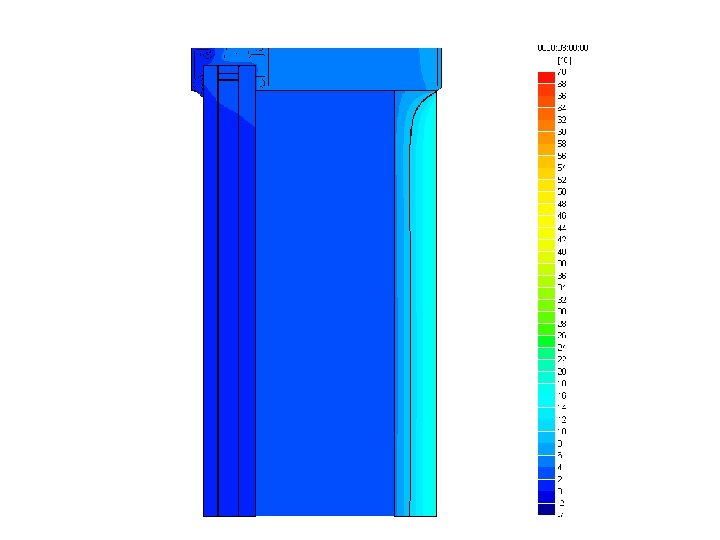
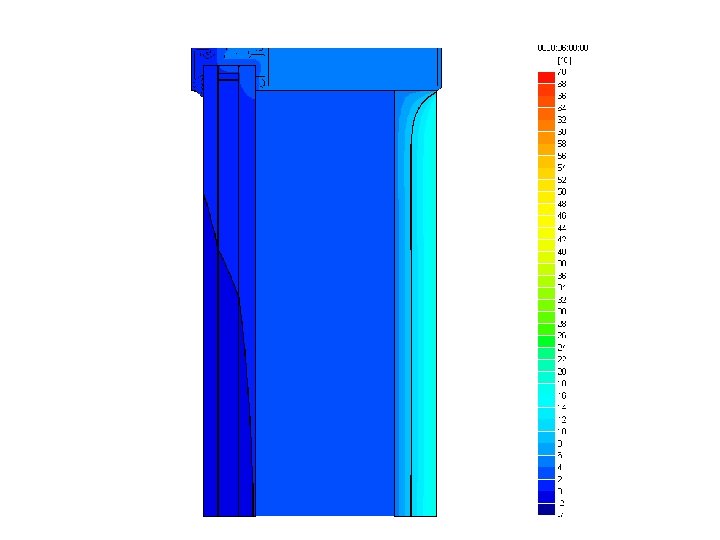
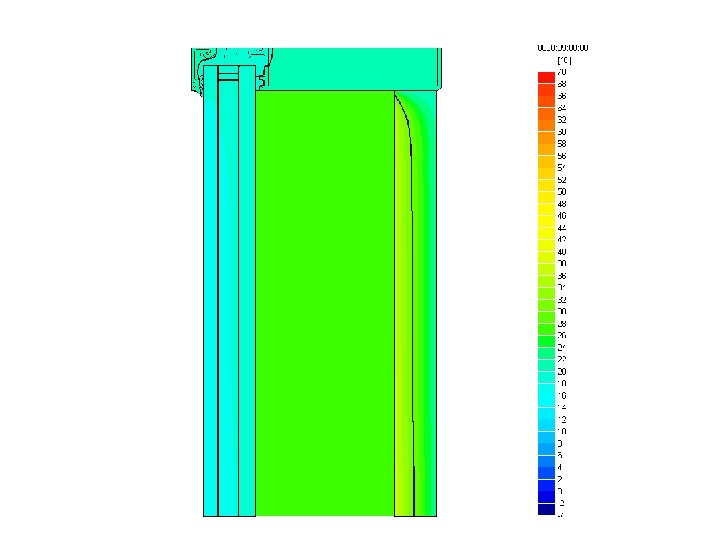
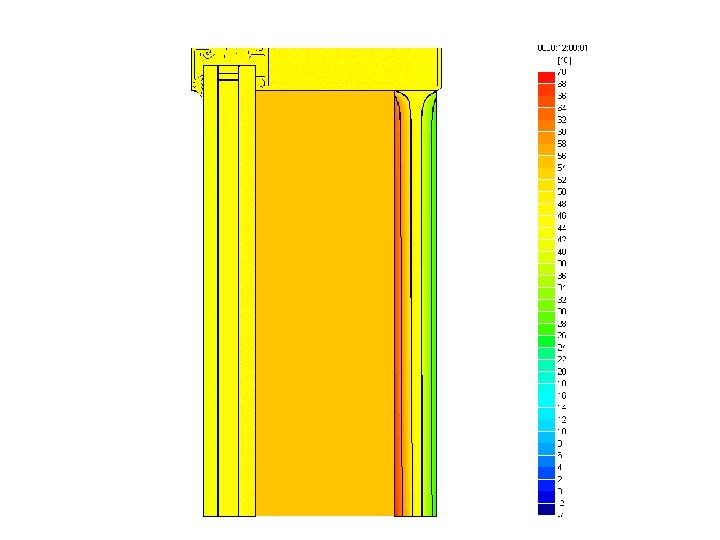
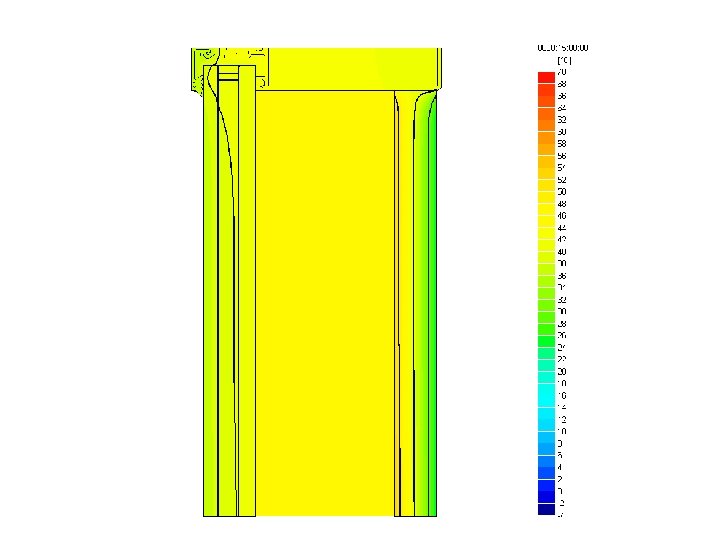
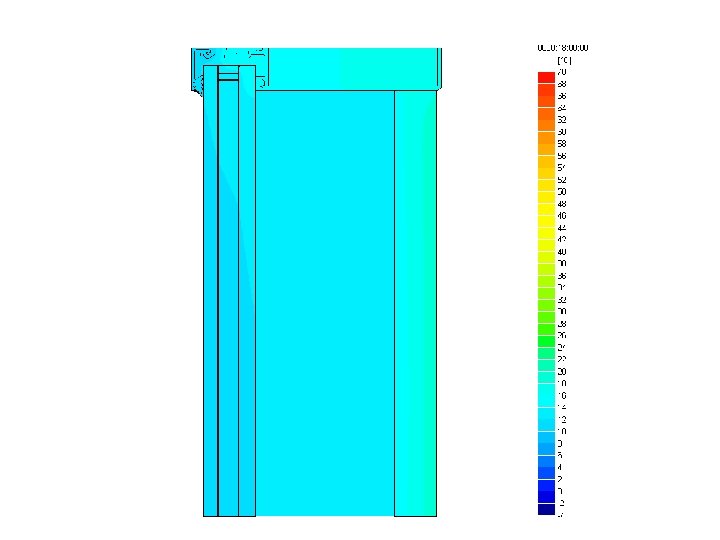
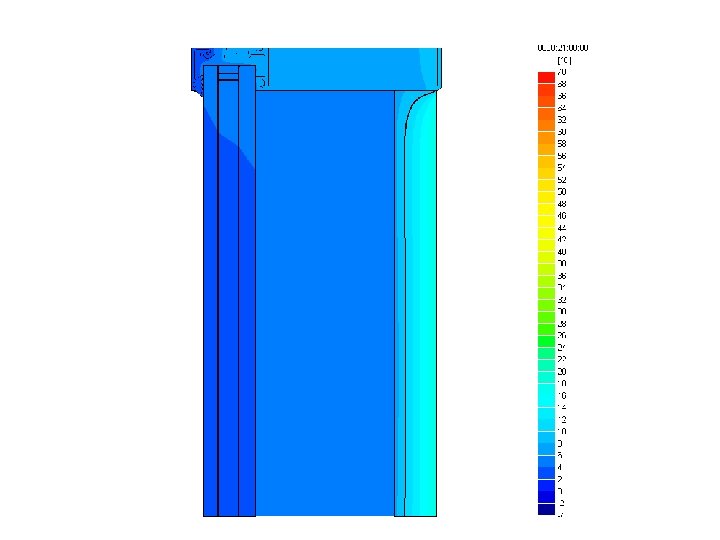
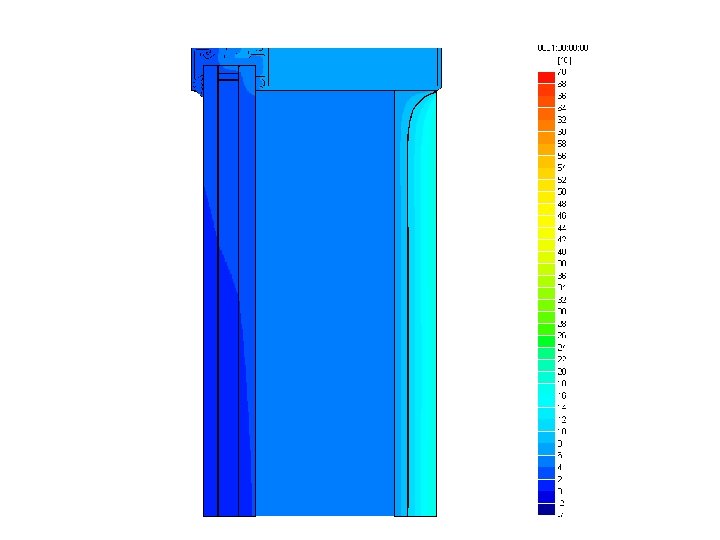
3. BISTRA calculation results graphic output window
3. BISTRA calculation results graphic output window
3. BISTRA calculation results graphic output window
3. BISTRA calculation results graphic output window
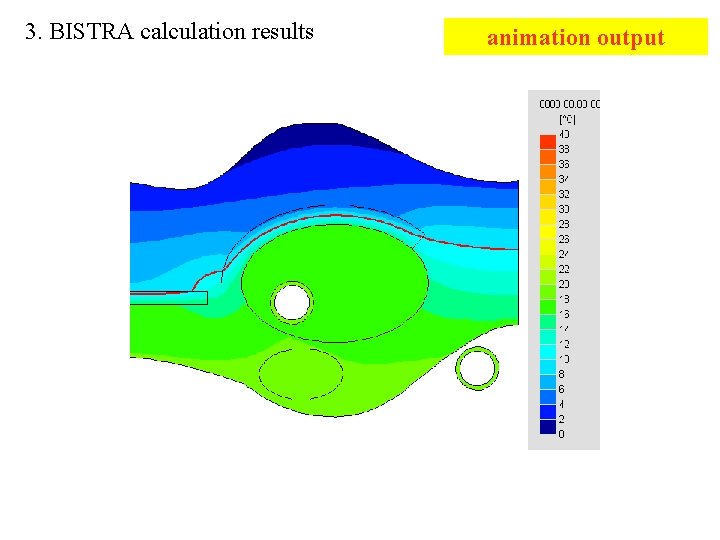
3. BISTRA calculation results animation output
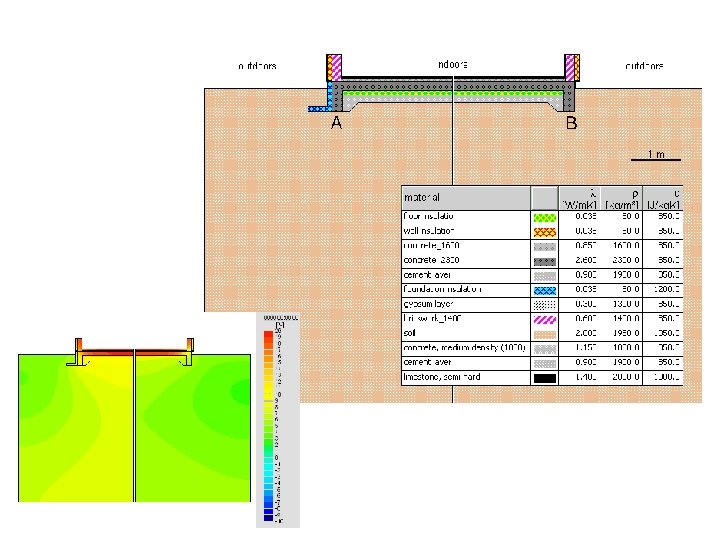
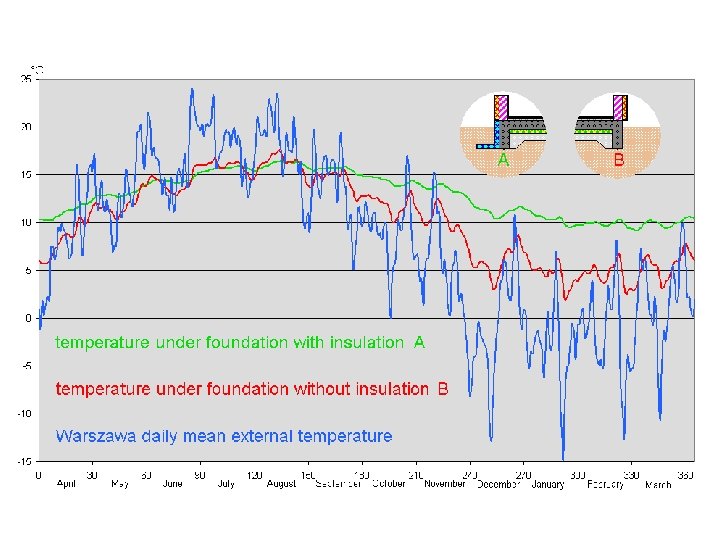
BISTRA application example 1 ground heat losses and frost insulation BISTRA allows transient thermal simulations according to EN ISO 13370 Thermal performance of buildings - Heat transfer via the ground Calculation methods EN ISO 13793 Thermal performance of buildings - Thermal design of foundations to avoid frost heave
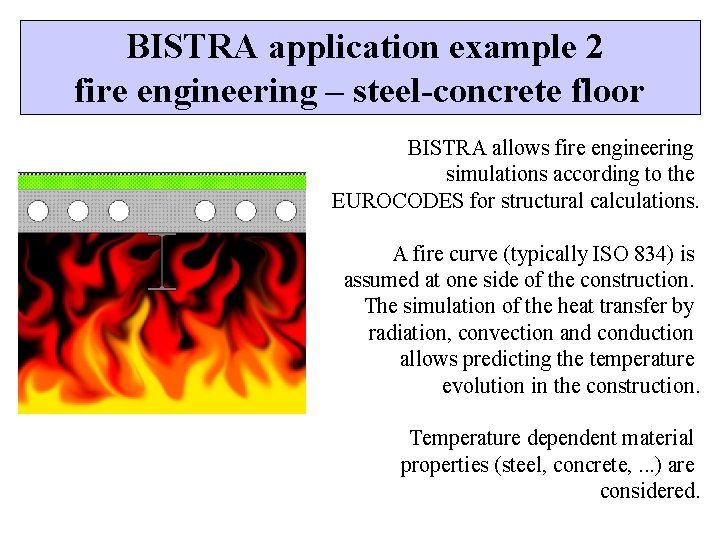
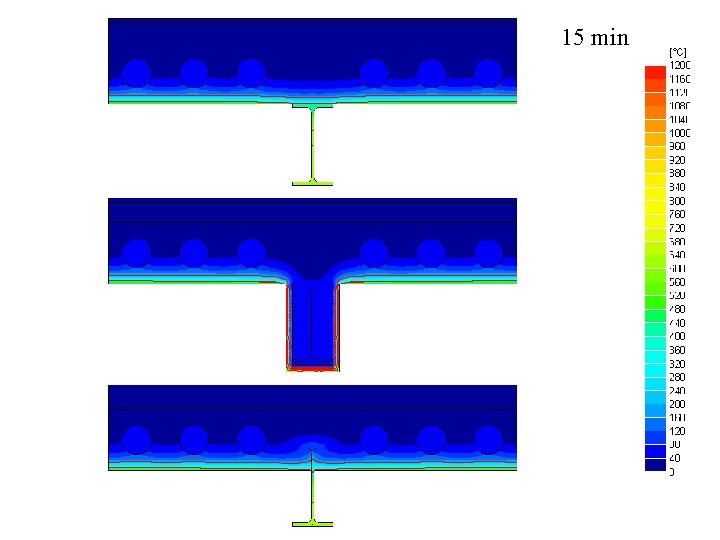
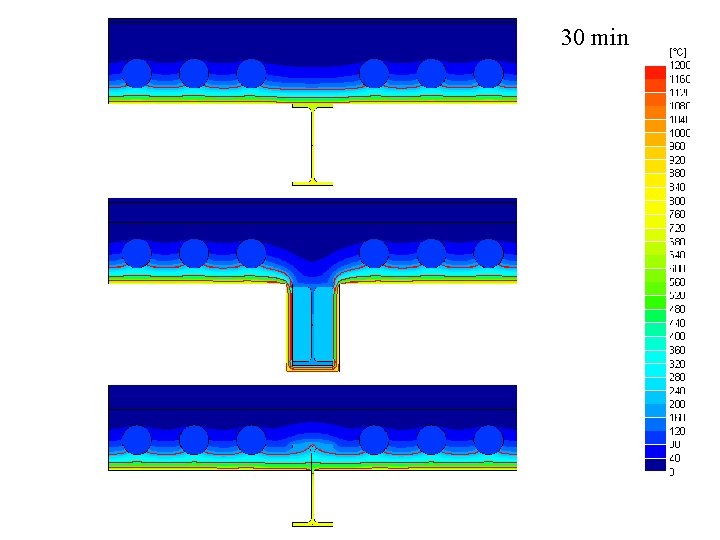
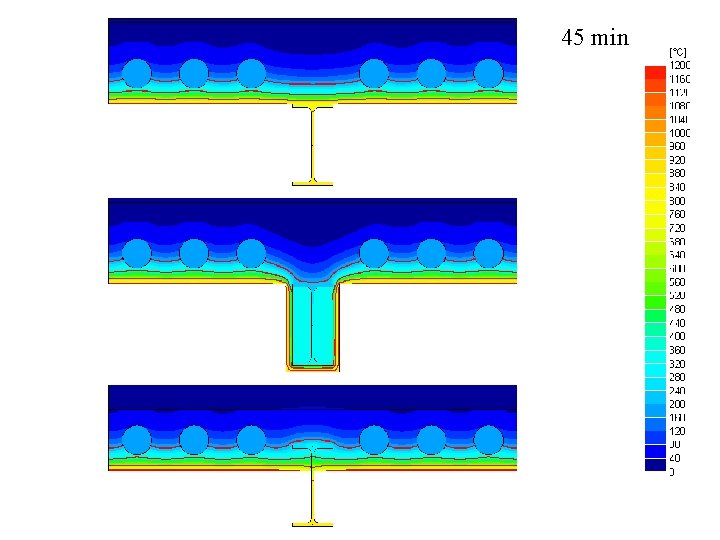
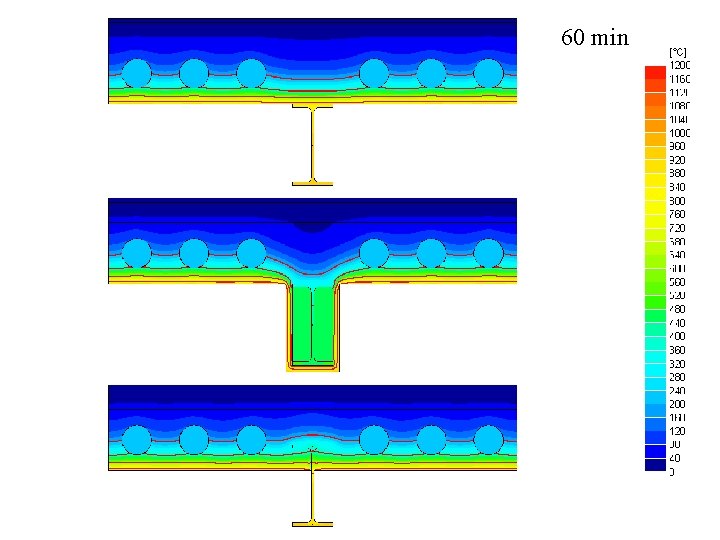
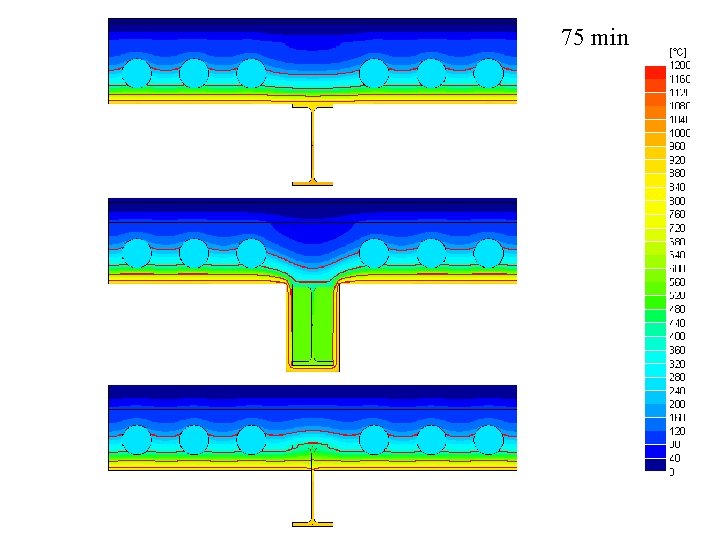
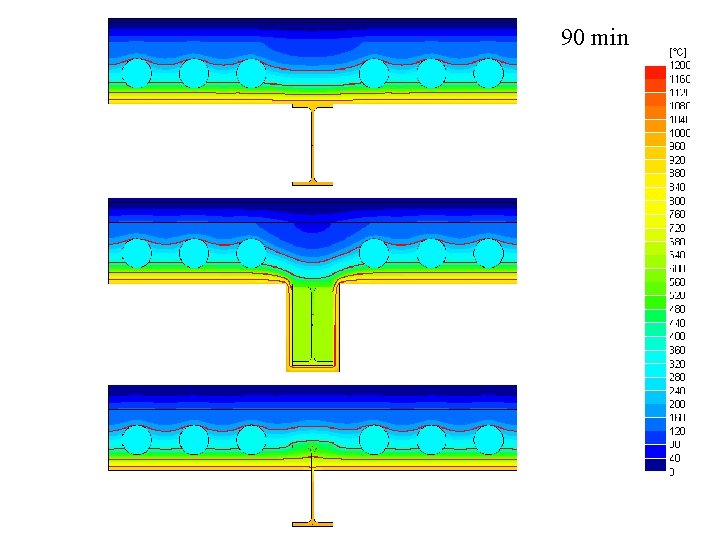
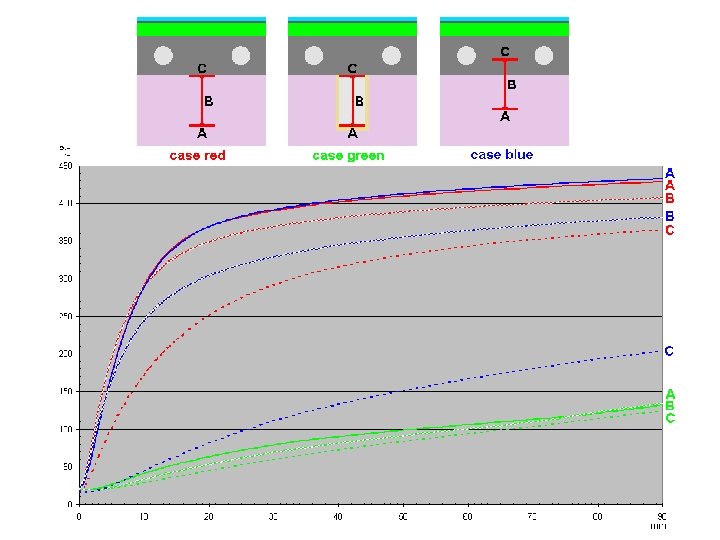
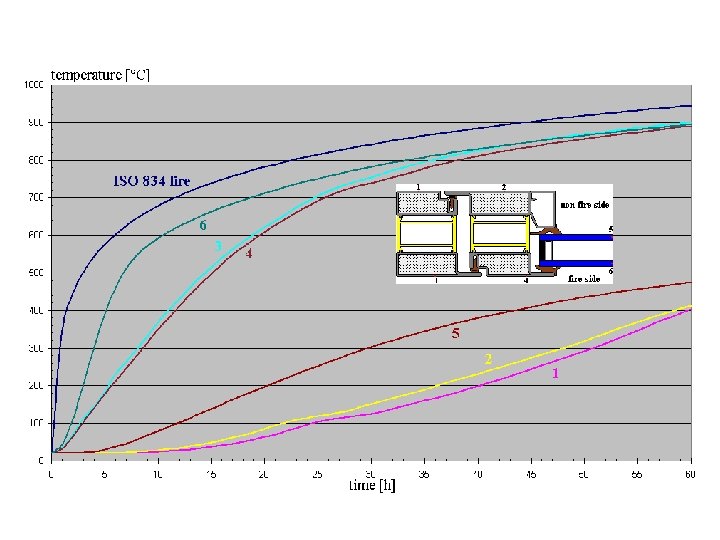
BISTRA application example 2 fire engineering – steel-concrete floor BISTRA allows fire engineering simulations according to the EUROCODES for structural calculations. A fire curve (typically ISO 834) is assumed at one side of the construction. The simulation of the heat transfer by radiation, convection and conduction allows predicting the temperature evolution in the construction. Temperature dependent material properties (steel, concrete, . . . ) are considered.
15 min
30 min
45 min
60 min
75 min
90 min
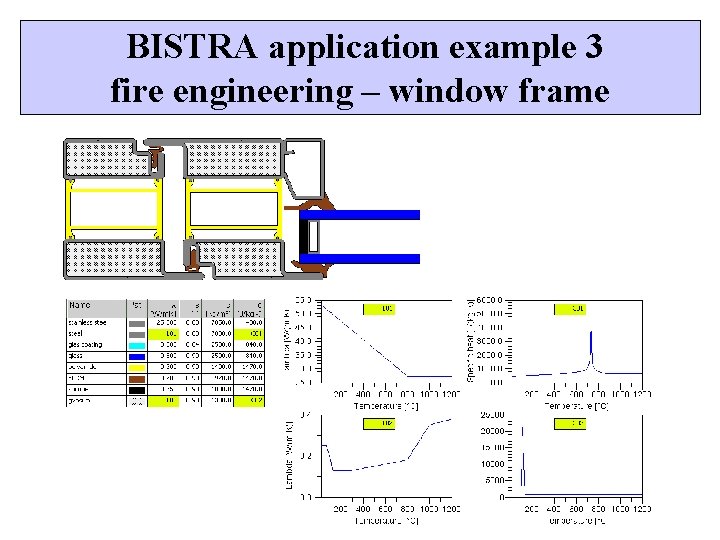
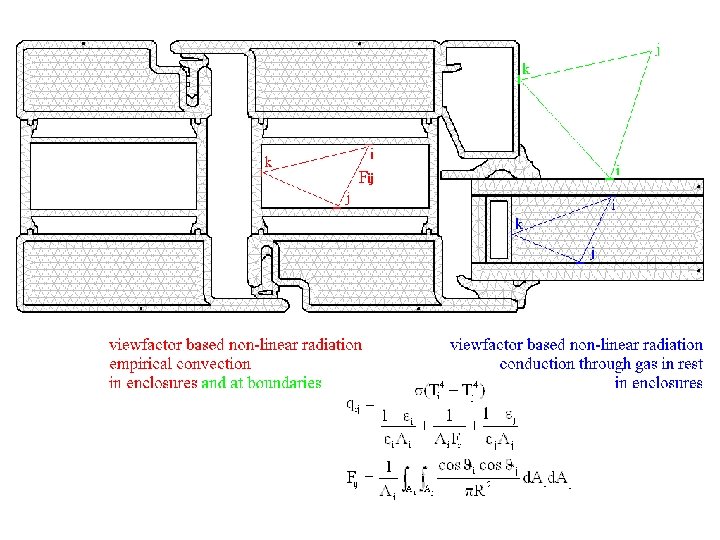
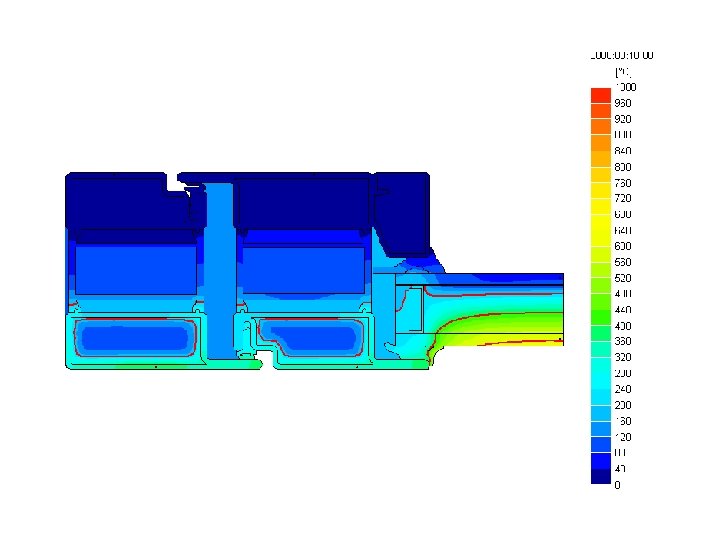
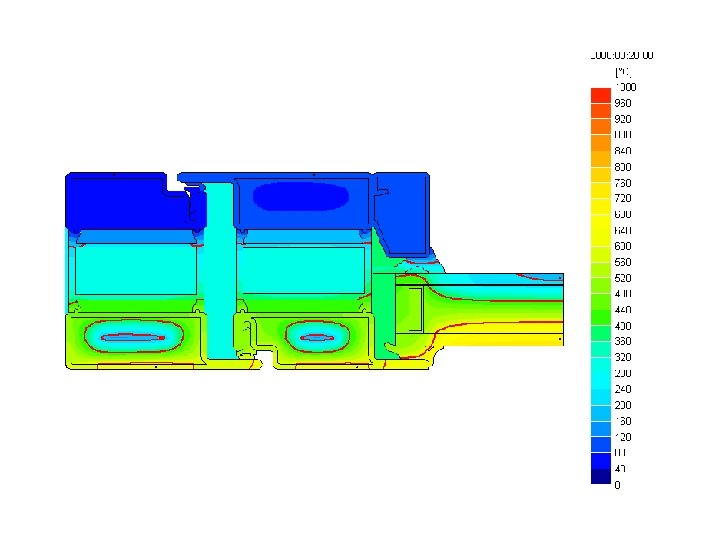
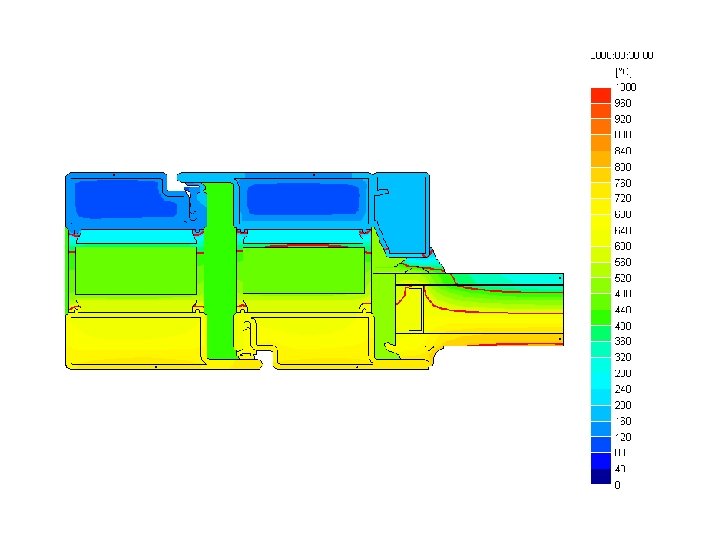
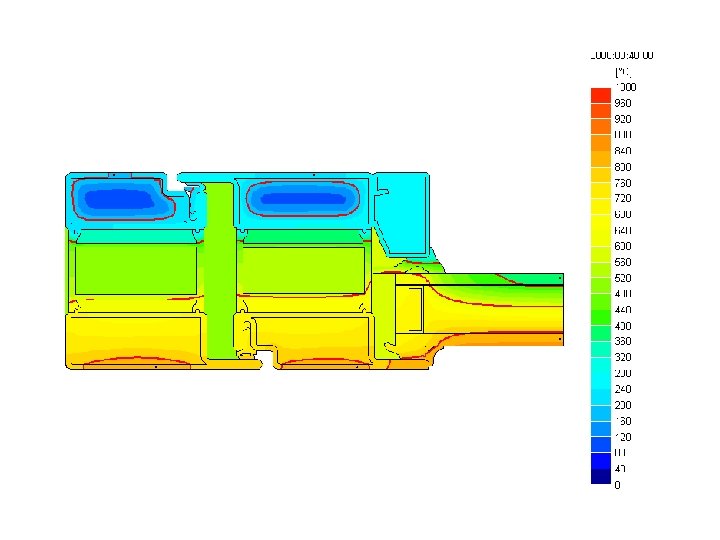
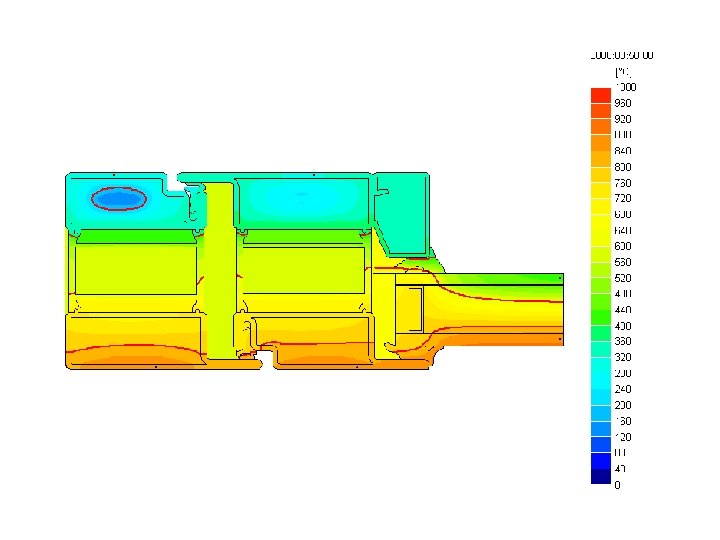
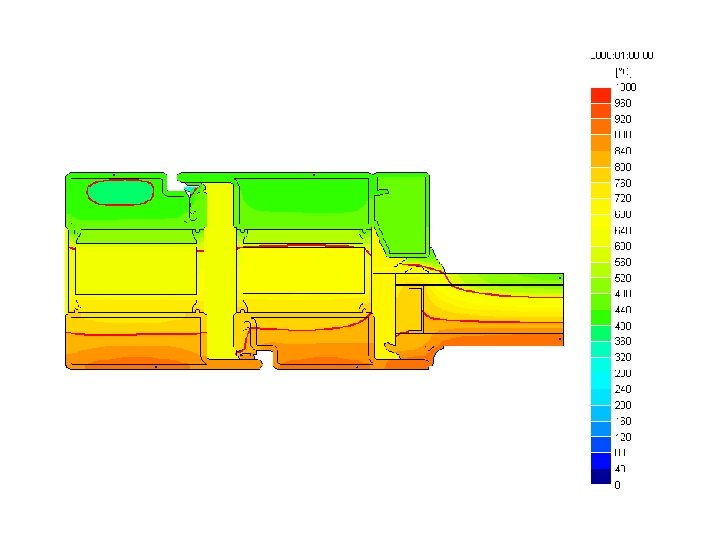
BISTRA application example 3 fire engineering – window frame
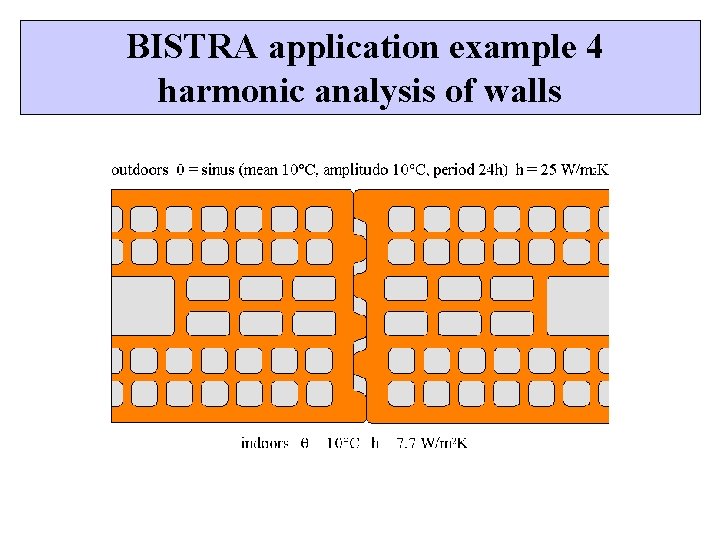
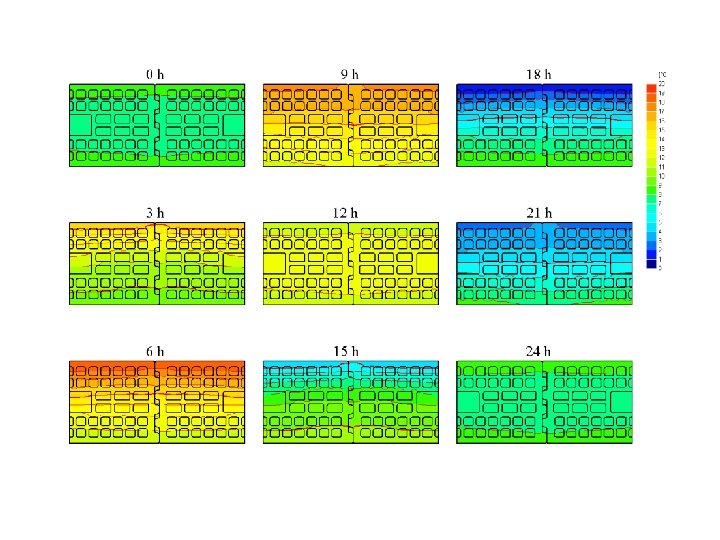
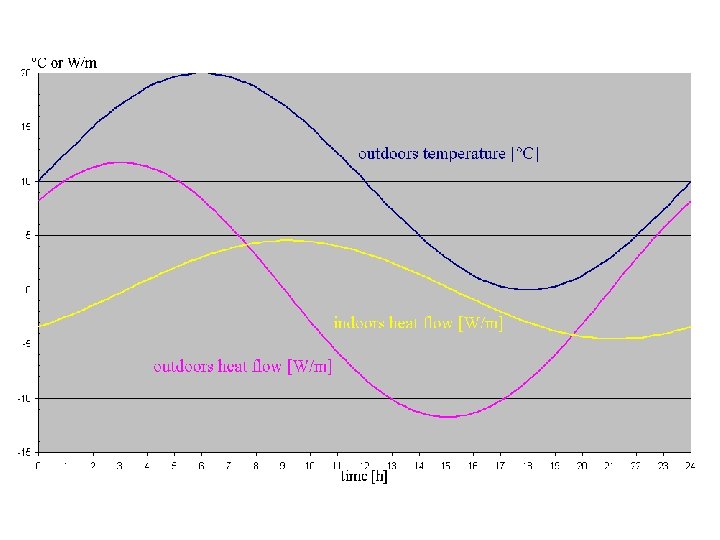
BISTRA application example 4 harmonic analysis of walls
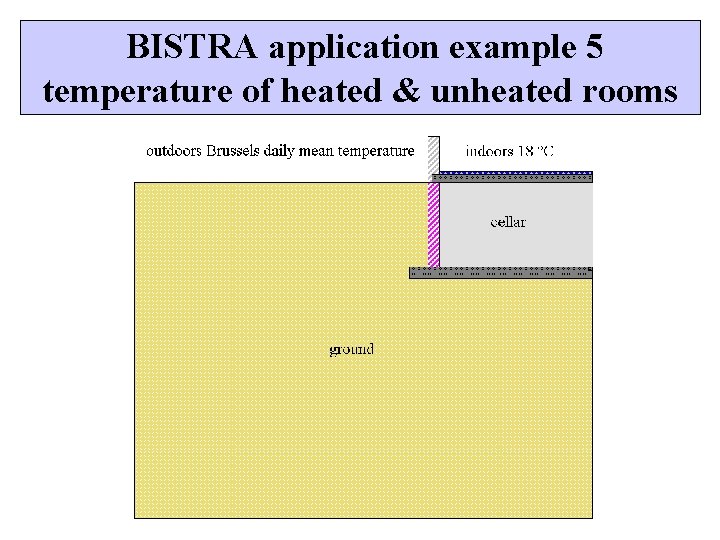
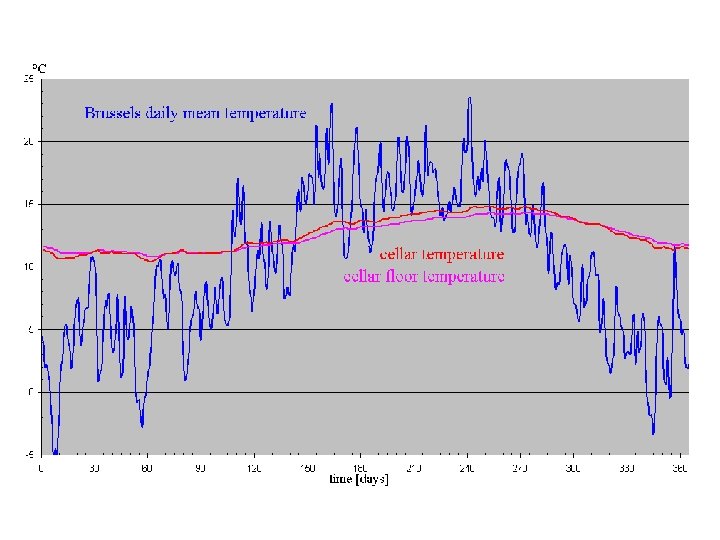
BISTRA application example 5 temperature of heated & unheated rooms
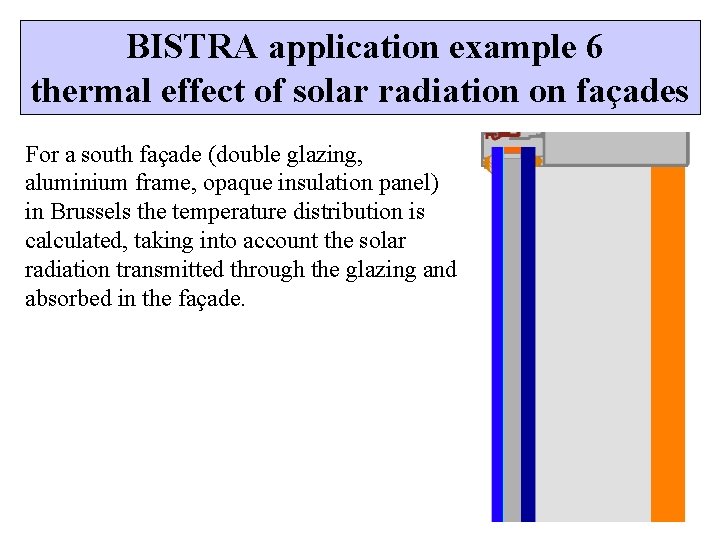
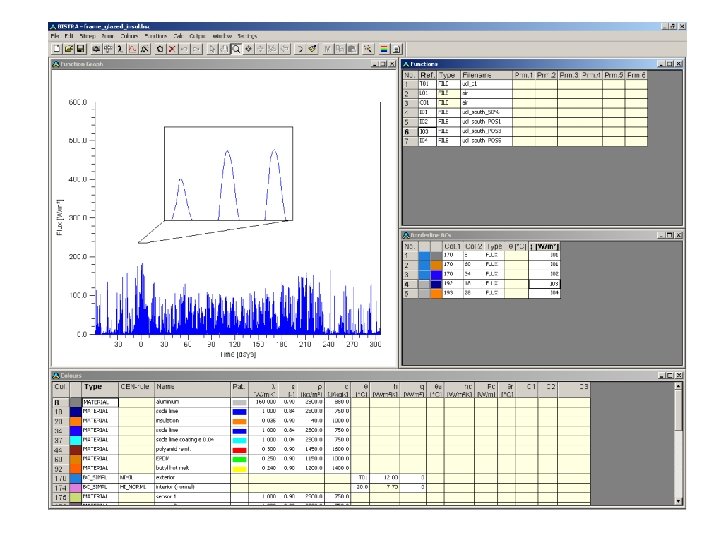
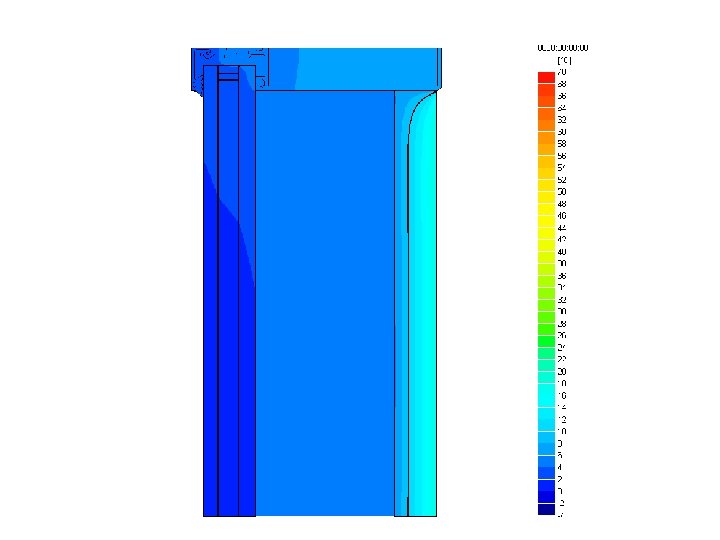
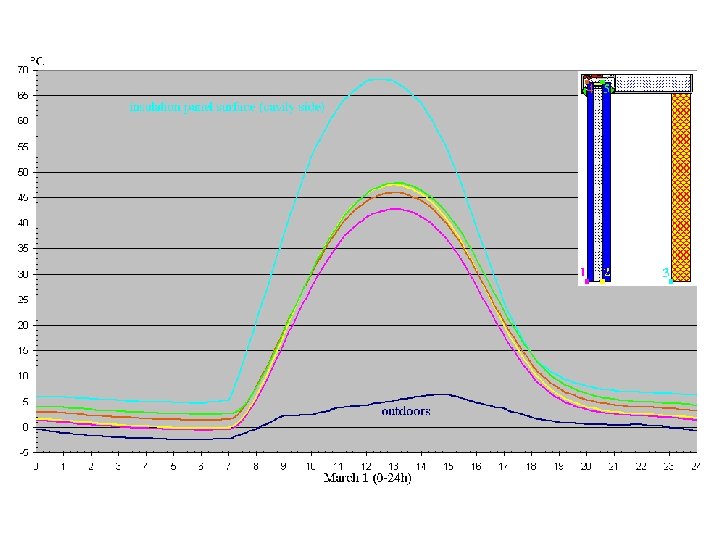
BISTRA application example 6 thermal effect of solar radiation on façades For a south façade (double glazing, aluminium frame, opaque insulation panel) in Brussels the temperature distribution is calculated, taking into account the solar radiation transmitted through the glazing and absorbed in the façade.
… about 3 D … The Physibel program VOLTRA allows simulations of transient heat transfer in 3 D objects described with rectangular blocks. VOLTRA has the same basic simulation performances as BISTRA data can be imported ! The bitmap pixels are treated as small rectangular blocks. Further information can be found on: http: //www. physibel. be/v 0 n 2 vo. htm
thank you for your attention ! made visible by PHYSIBEL Heirweg 21 B-9990 Maldegem Belgium phone +32 50 711432 fax +32 50 717842 www. physibel. be mail@physibel. be