
SIMULATION MODELLING A PRESENTATION ON BEHALF OF SPC
SIMULATION MODELLING A PRESENTATION ON BEHALF OF SPC AND UNESCO INSTITUTE OF STATISTICS
Using Simulation Modeling in Education Policy and Planning What is and why use simulation model Simulation model is a tool for analyzing, exploring & projecting complex social & economic systems. Simulation is used in education planning to enhance knowledge, to “explore” the future, to help design policy and strategies and to estimate resource implications. Why policy simulation and resource projections in education sector analysis and planning? • Explores possible options for correcting the past shortcomings • Estimate policy implications of any planning decision in education • Facilitates negotiation with stakeholders on policy and resources • Builds “consensus” (if not “compromise”) building among stakeholders • Gives clarity and credibility to policies and plans in the “competitive” environment
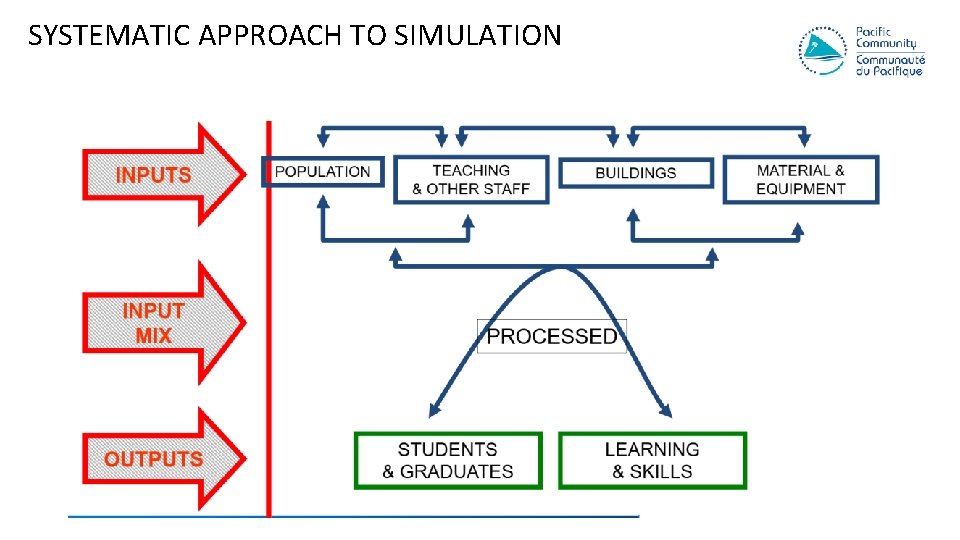
SYSTEMATIC APPROACH TO SIMULATION
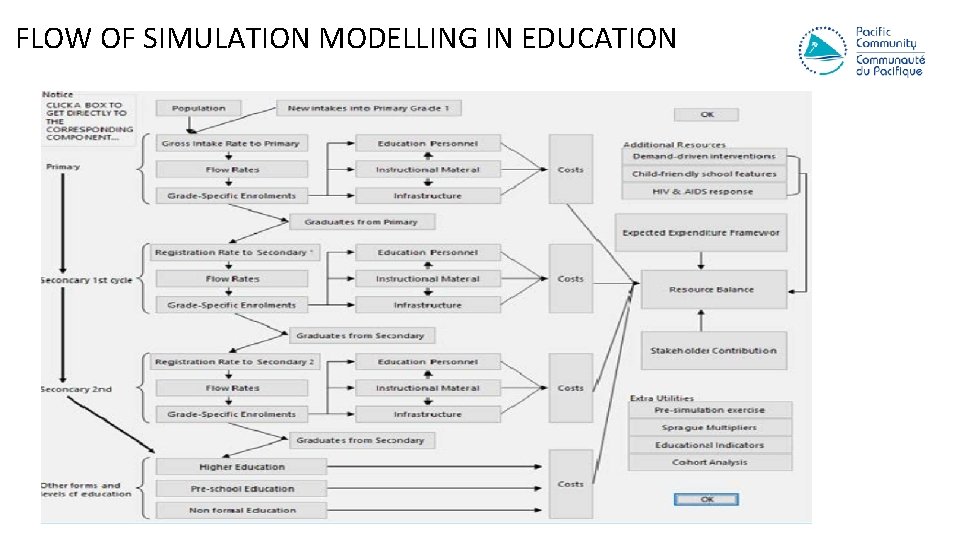
FLOW OF SIMULATION MODELLING IN EDUCATION
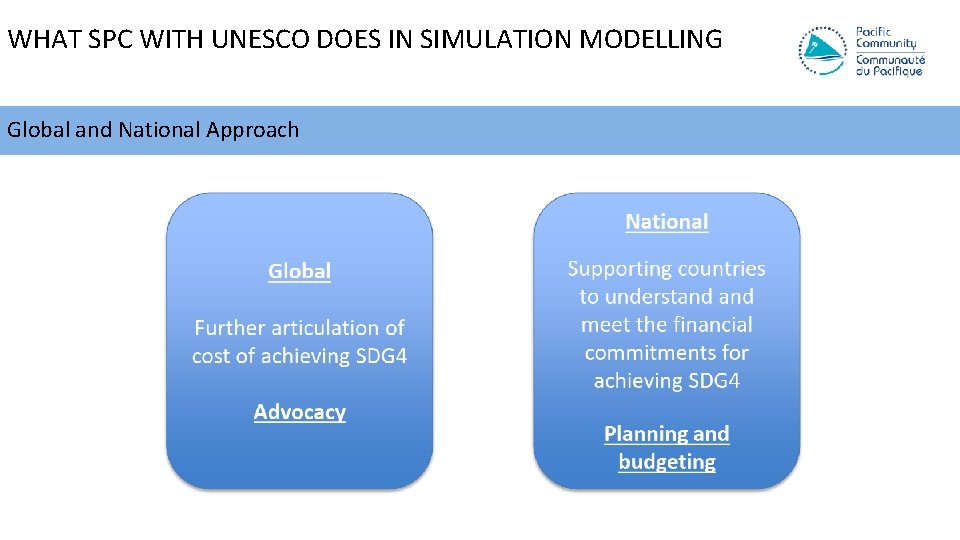
WHAT SPC WITH UNESCO DOES IN SIMULATION MODELLING Global and National Approach
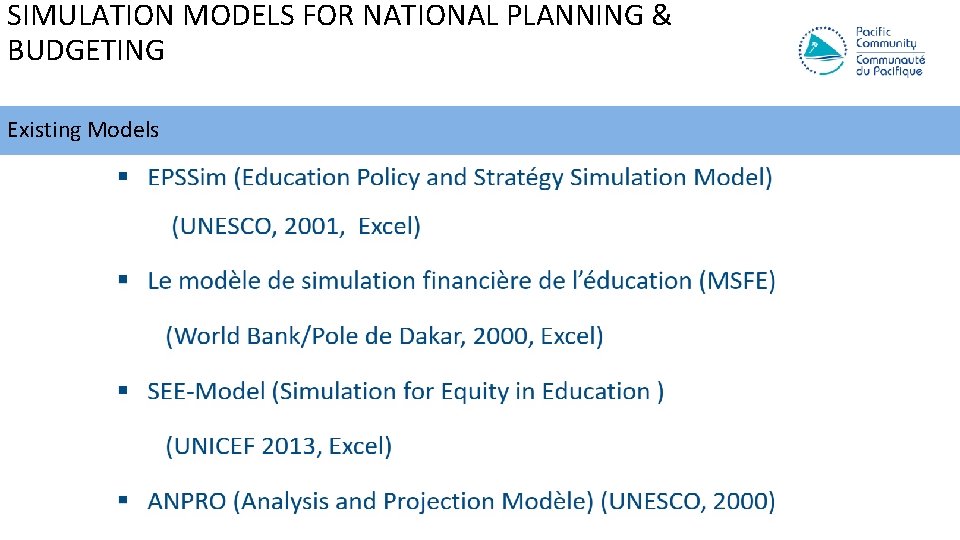
SIMULATION MODELS FOR NATIONAL PLANNING & BUDGETING Existing Models
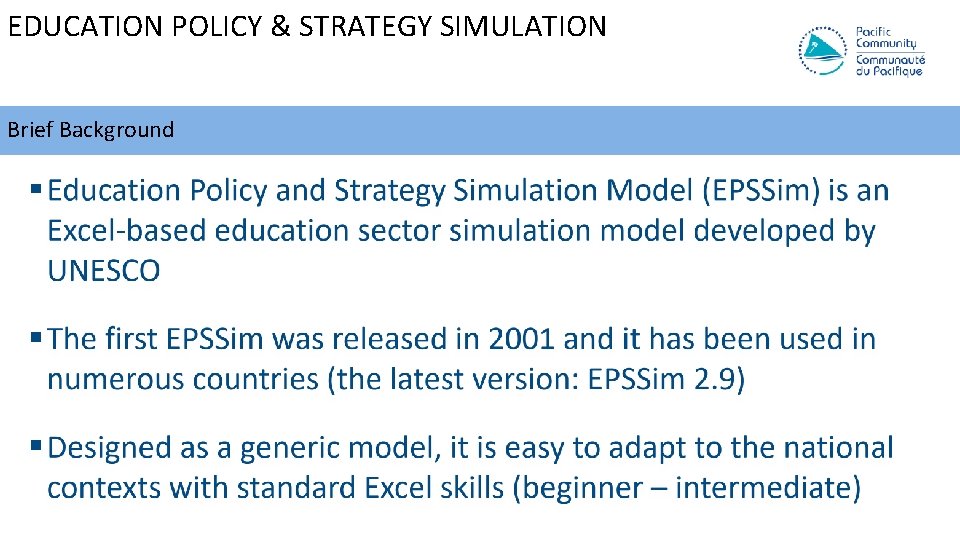
EDUCATION POLICY & STRATEGY SIMULATION Brief Background
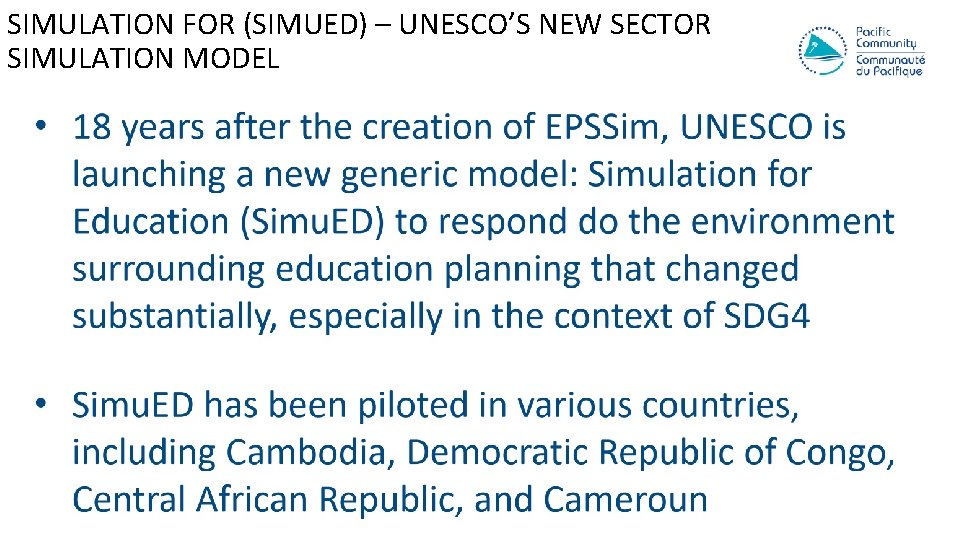
SIMULATION FOR (SIMUED) – UNESCO’S NEW SECTOR SIMULATION MODEL
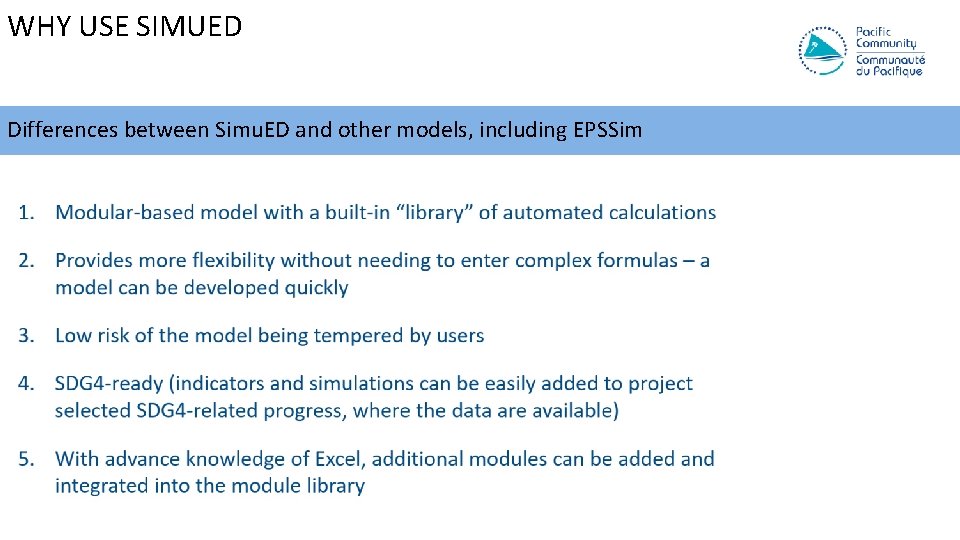
WHY USE SIMUED Differences between Simu. ED and other models, including EPSSim
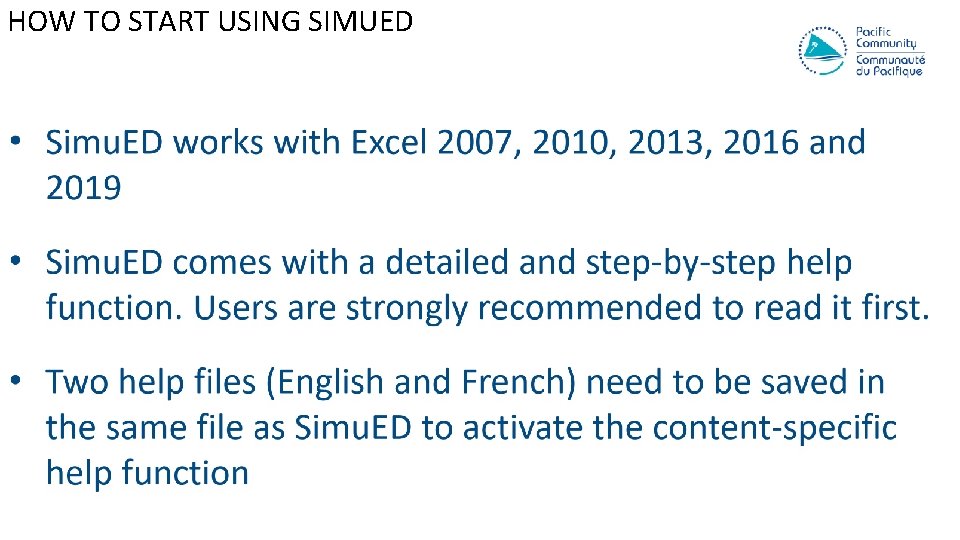
HOW TO START USING SIMUED
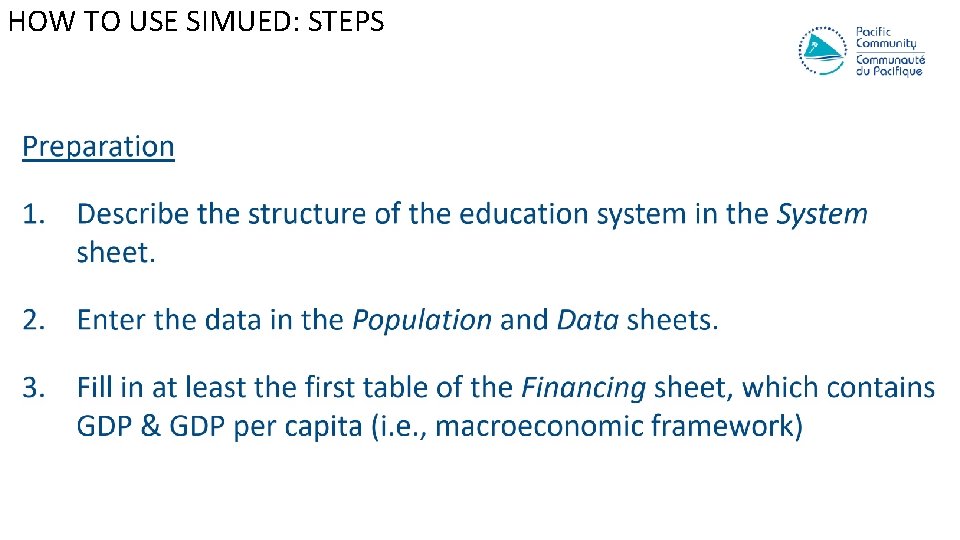
HOW TO USE SIMUED: STEPS
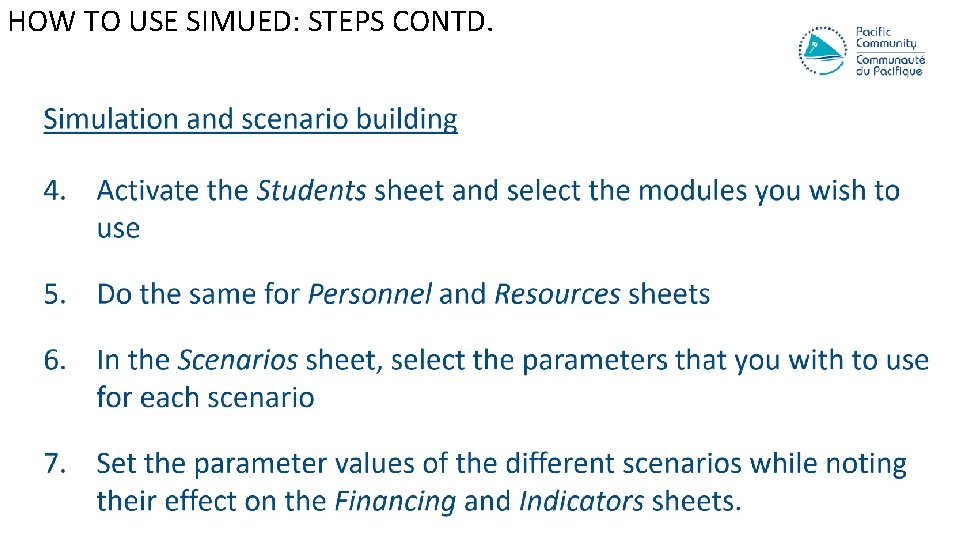
HOW TO USE SIMUED: STEPS CONTD.
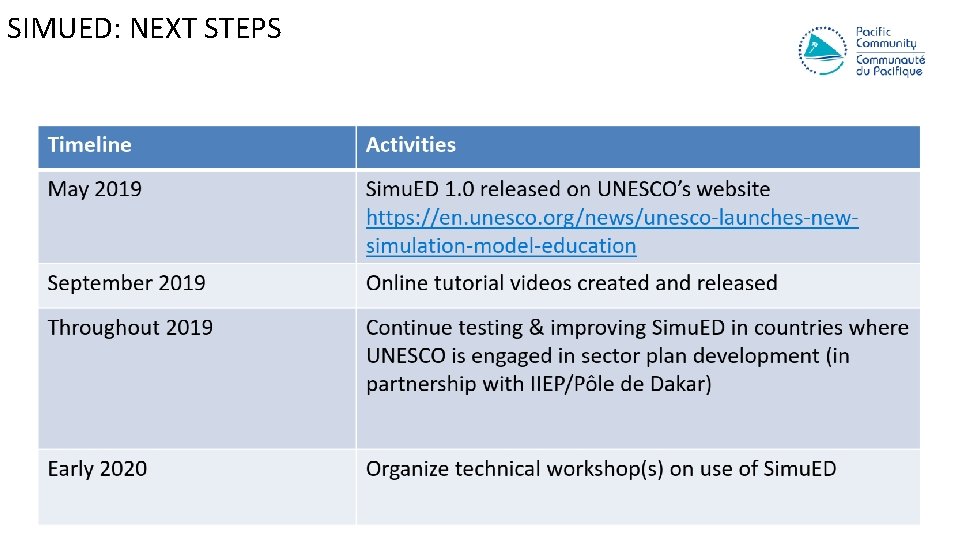
SIMUED: NEXT STEPS
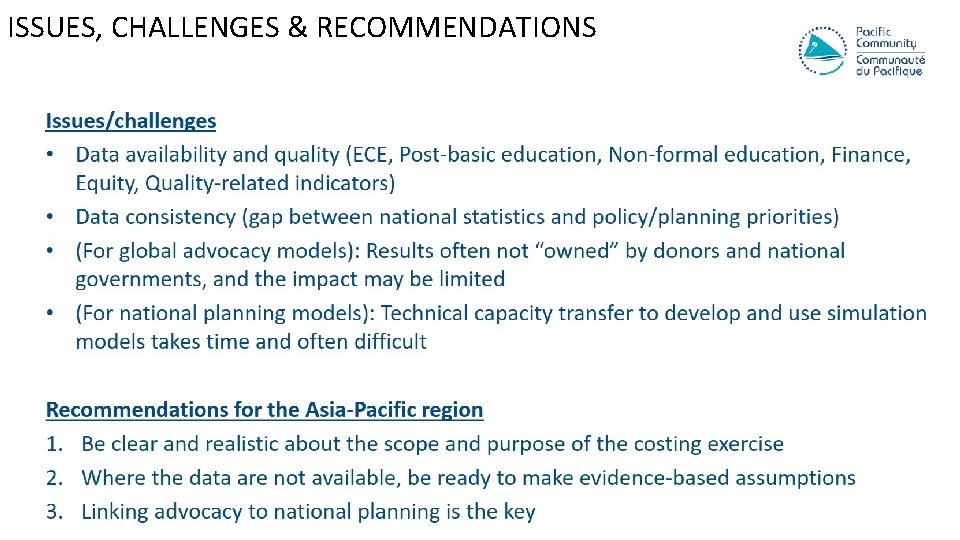
ISSUES, CHALLENGES & RECOMMENDATIONS
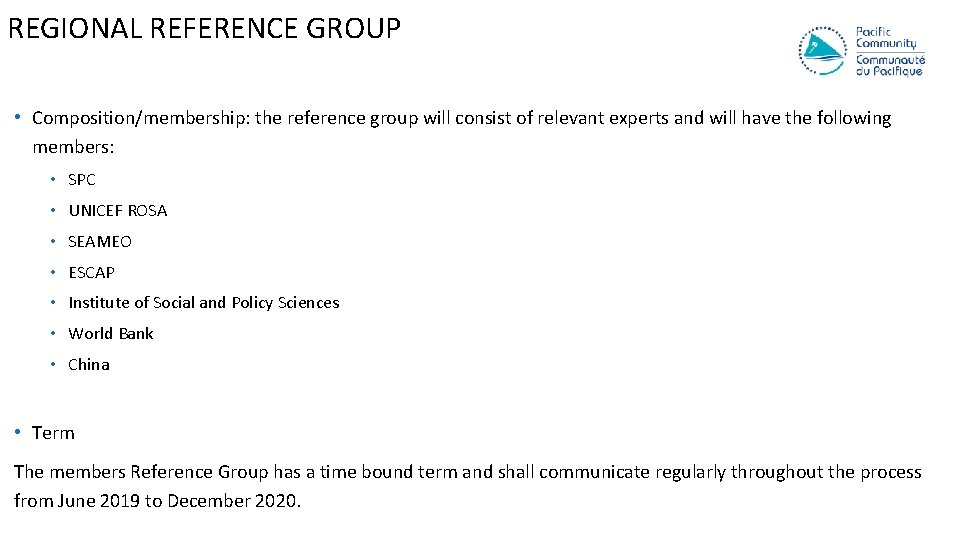
REGIONAL REFERENCE GROUP • Composition/membership: the reference group will consist of relevant experts and will have the following members: • SPC • UNICEF ROSA • SEAMEO • ESCAP • Institute of Social and Policy Sciences • World Bank • China • Term The members Reference Group has a time bound term and shall communicate regularly throughout the process from June 2019 to December 2020.
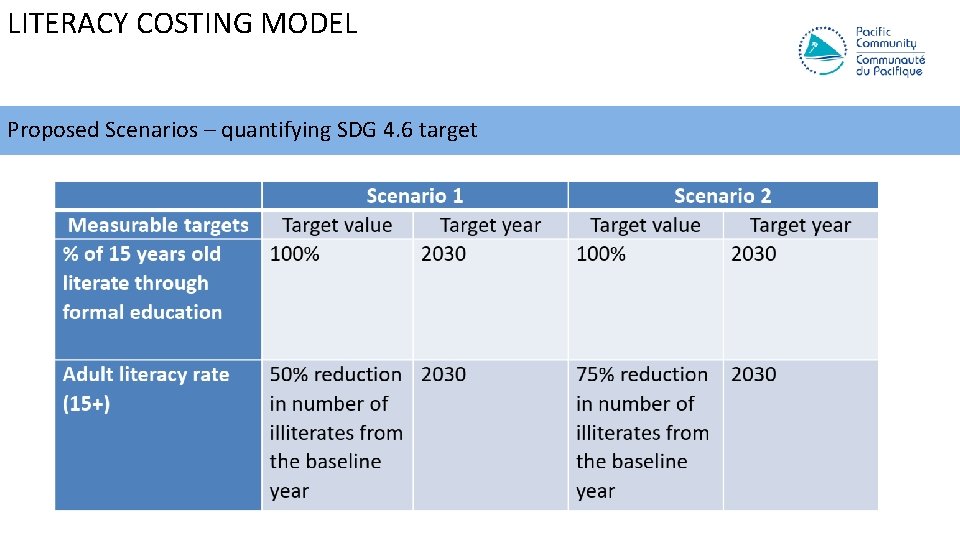
LITERACY COSTING MODEL Proposed Scenarios – quantifying SDG 4. 6 target
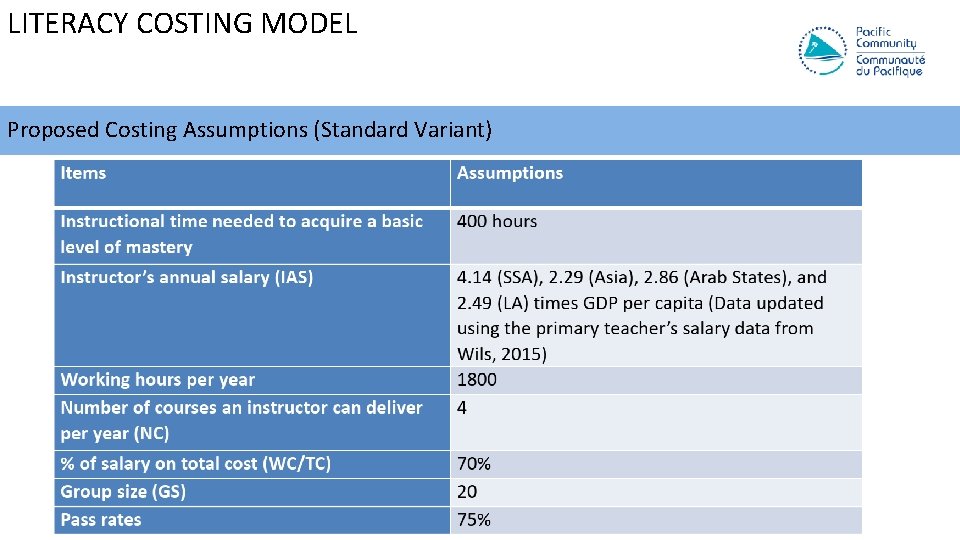
LITERACY COSTING MODEL Proposed Costing Assumptions (Standard Variant)
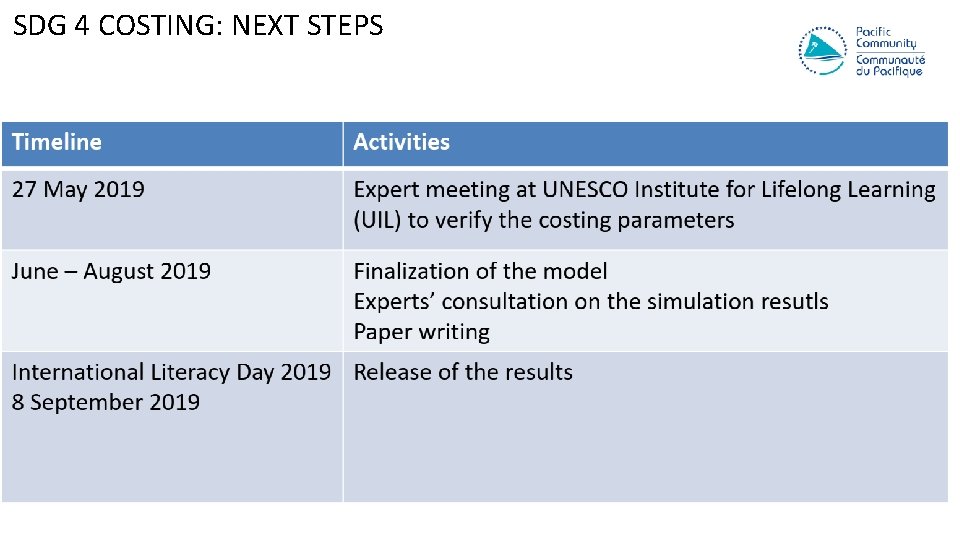
SDG 4 COSTING: NEXT STEPS
- Slides: 18