
Simple Tissue Origin from same point Morphologically are
- Slides: 33
Simple Tissue Origin from same point Morphologically are similar Functions are similar
Types of Simple Tissue Parenchyma Collenchyma Sclerenchyma
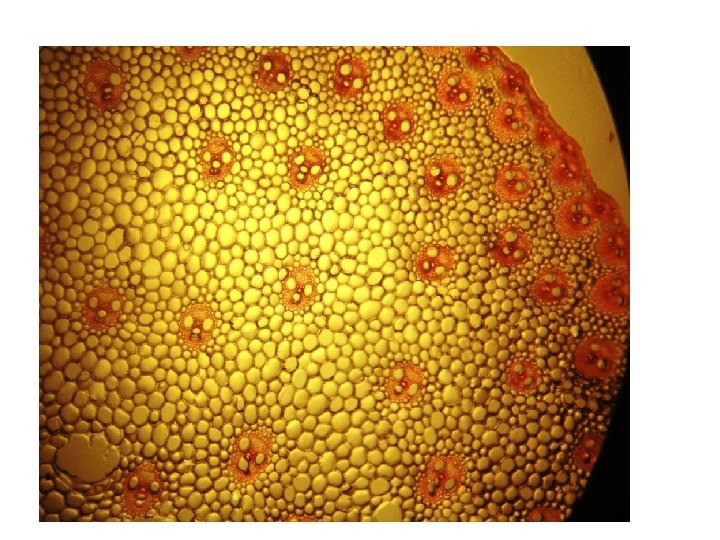
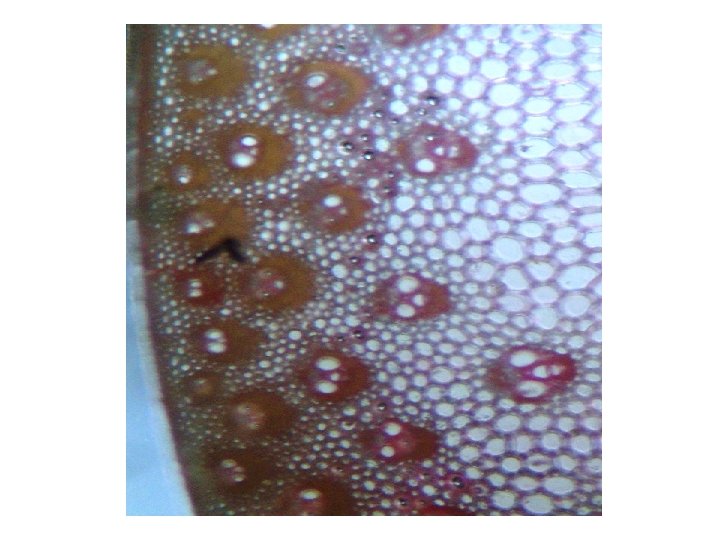
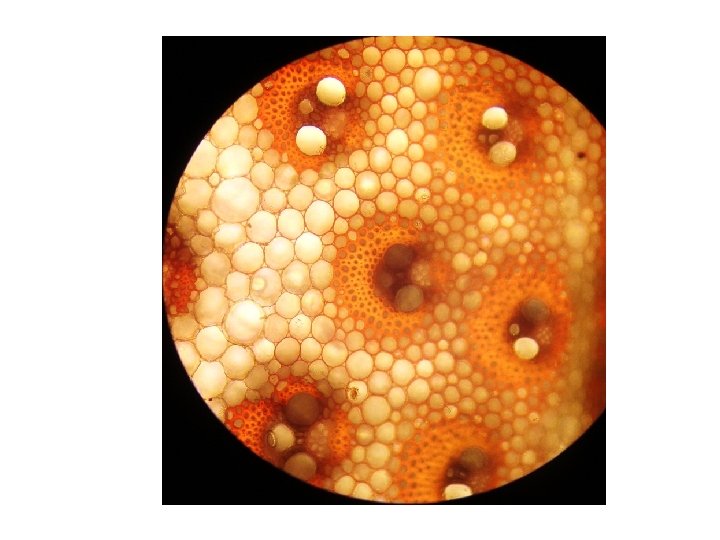
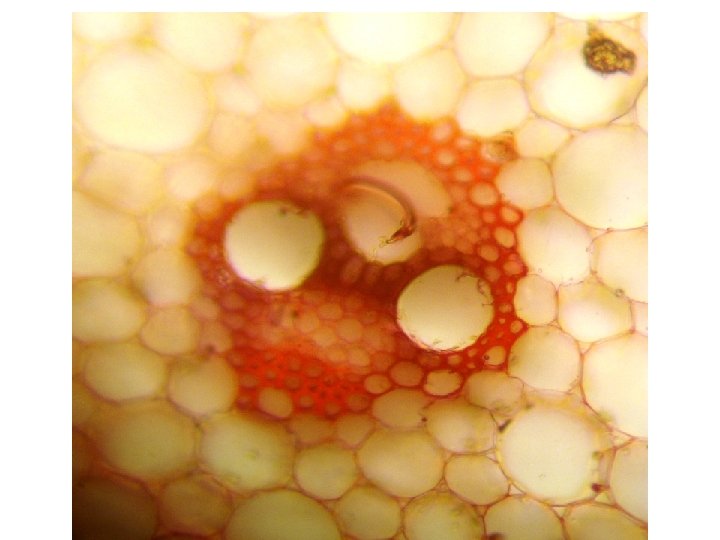
Parenchyma They are living cells Cell wall thin which is composed of cellulose Individual cell is known as parenchyma cell They may be oval, round or polygonal Nucleus is conspicuous and large Do physiological function
Origin of parenchyma tissue Primary meristem Ground meristem Procambium Cork cambium
Location Epidermis Cortex Pith In vascular bundle as xylem parenchyma and phloem parenchyma Cambium (fascicular and cork cambium)
Types of parenchyma Chlorenchyma Aerenchyma Idioblast Prosenchyma
Functions Do physiological functions viz. photosynthesis, respiration and other metabolic activities Help in floating as in hydrophyte Store food material
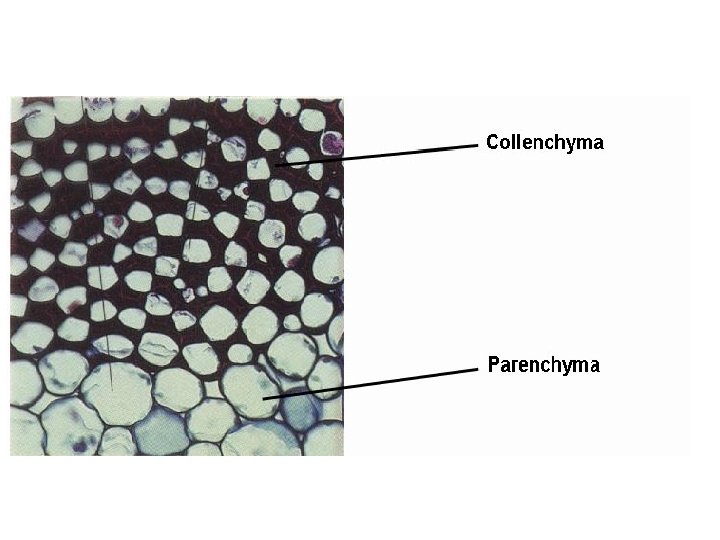
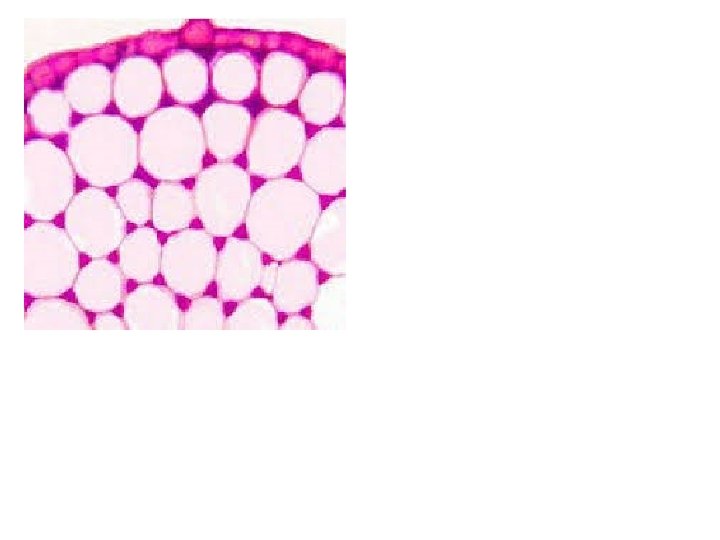
Collenchyma Tissue Living tissue More or less elongated thick cell wall with non lignified Cell wall composed of cellulose and hemicellulose
Origin of Collenchyma tissue Primary meristem Ground meristem Procambium Cork cambium
Location Hypodermis Cortex Bundle cap
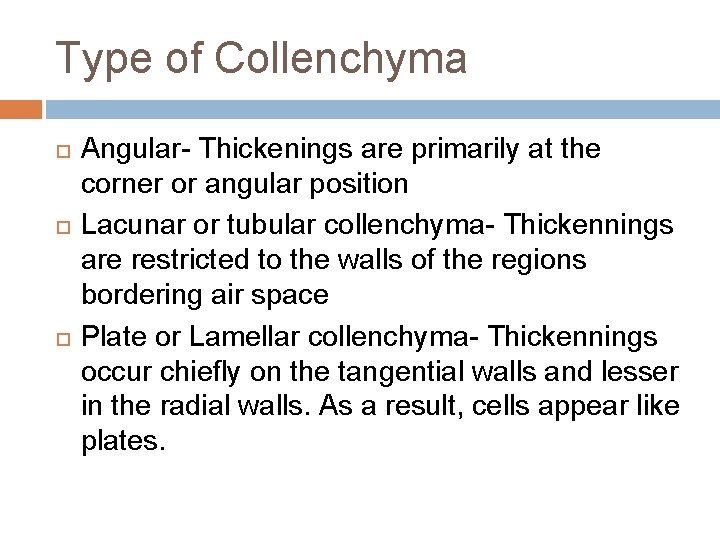
Type of Collenchyma Angular- Thickenings are primarily at the corner or angular position Lacunar or tubular collenchyma- Thickennings are restricted to the walls of the regions bordering air space Plate or Lamellar collenchyma- Thickennings occur chiefly on the tangential walls and lesser in the radial walls. As a result, cells appear like plates.
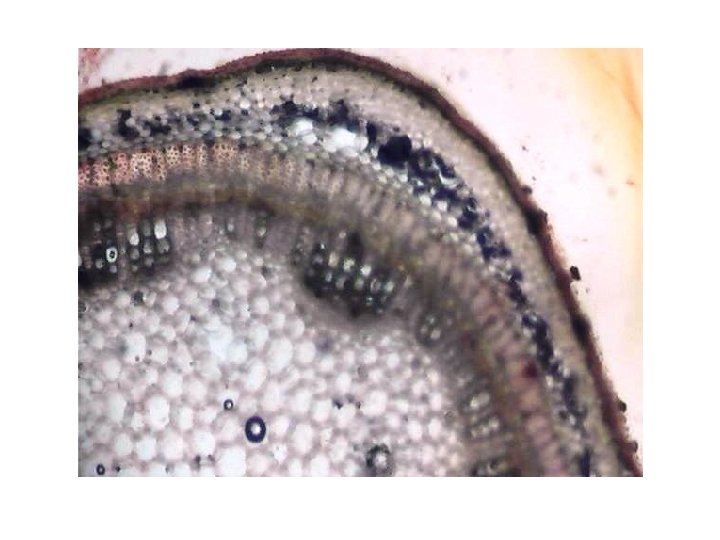
Location or Distribution Found in hypodermis Both sides of the vascular bundle in leaves Some time in bundle cap
Functions Effective mechanical tissue Provide tensile strength to the growing organs during development Protect VB of leaves by forming bundle sheath Do physiological activities like photosynthesis
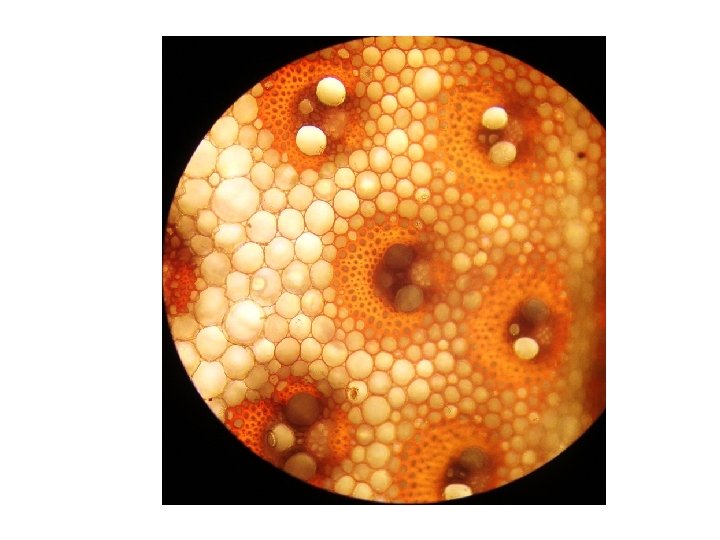
Sclerenchyma Tissue Hard tissue Non-living Cell walls are very thick having lignin
Origin Procambium Cambium Some time ground meristem
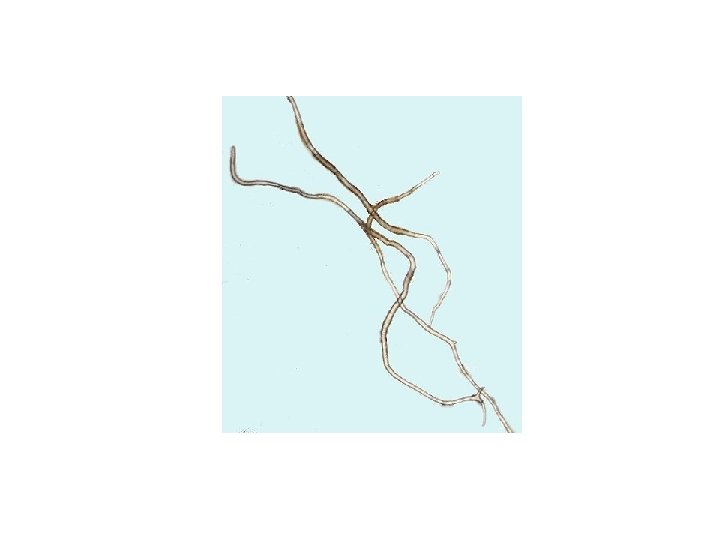
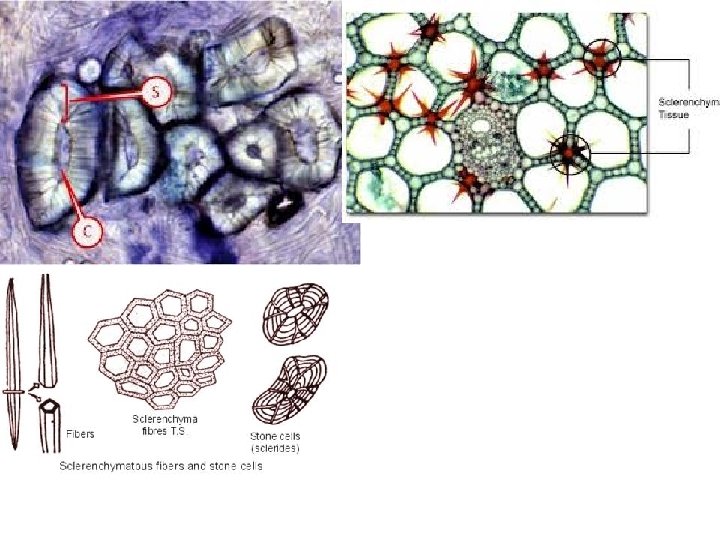
Type Fiber Sclereids Fibers are two types- Xylary and extra xylary
Xylary Fiber Libriform- very thick secondary wall havingsimple pits Fiber tracheid-Relatively thin wall and bordered pit
Distribution
Functions Mechanical strength Conduction of water and minerals
Sclereids Non presnchymatous Commonly called stone cell
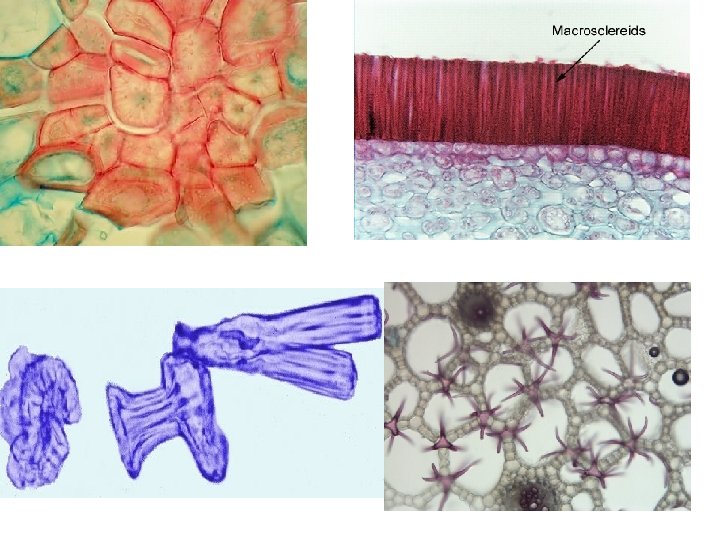
Types Brachysclereids (stone cell) –short roughly isodiametric sclereids found in cortex, pith, phloem and some time flesh of fruit Macrosclereids-Elongated columner e. g. seed coat of legume Osteosclereids-Bone or barrel shaped commonly found in seed coates of several monocots Astrosclereids-These are star shaped found in leaves of Nymphea Trichosclereids-Hair like found in aerial roots and leaves of olive