
Silage Preserved Grass for Winter Feed Slide 1


- Slides: 29
Silage- Preserved Grass for Winter Feed Slide 1
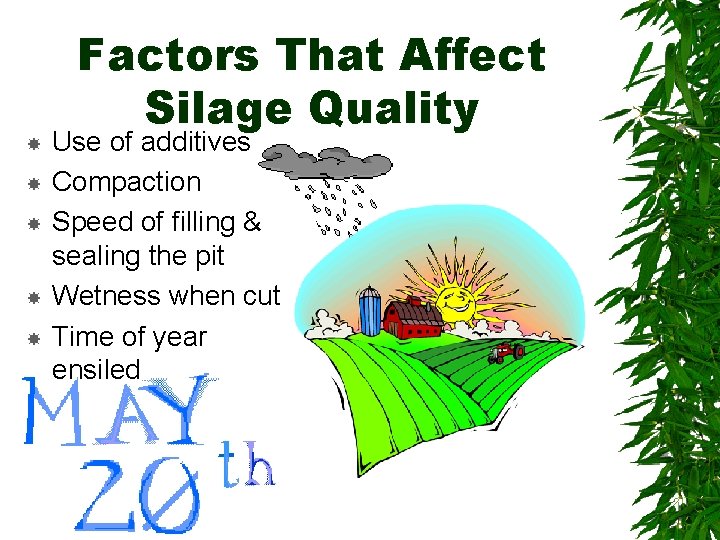
Factors That Affect Silage Quality Use of additives Compaction Speed of filling & sealing the pit Wetness when cut Time of year ensiled
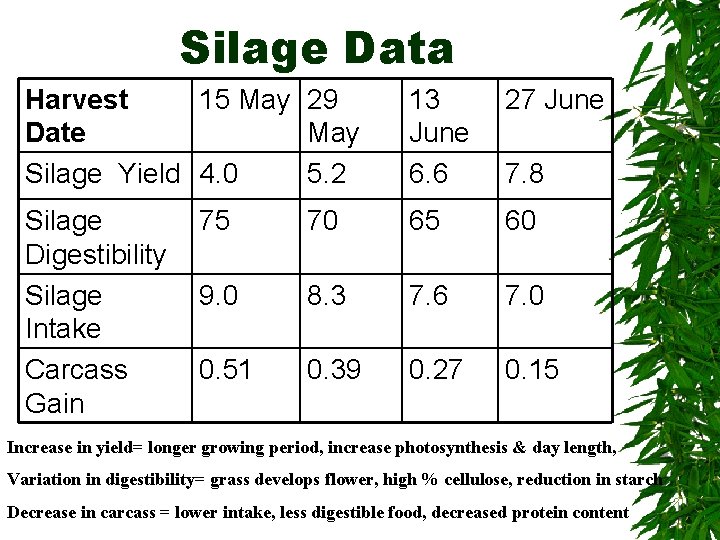
Silage Data Harvest 15 May 29 Date May Silage Yield 4. 0 5. 2 13 June 6. 6 27 June Silage Digestibility Silage Intake Carcass Gain 7. 8 75 70 65 60 9. 0 8. 3 7. 6 7. 0 0. 51 0. 39 0. 27 0. 15 Increase in yield= longer growing period, increase photosynthesis & day length, Variation in digestibility= grass develops flower, high % cellulose, reduction in starch Decrease in carcass = lower intake, less digestible food, decreased protein content
Making Silage Preserved grass by acids. Lactic Acid from sugars in grass Complete absence of air. Adequate supply of sugars.
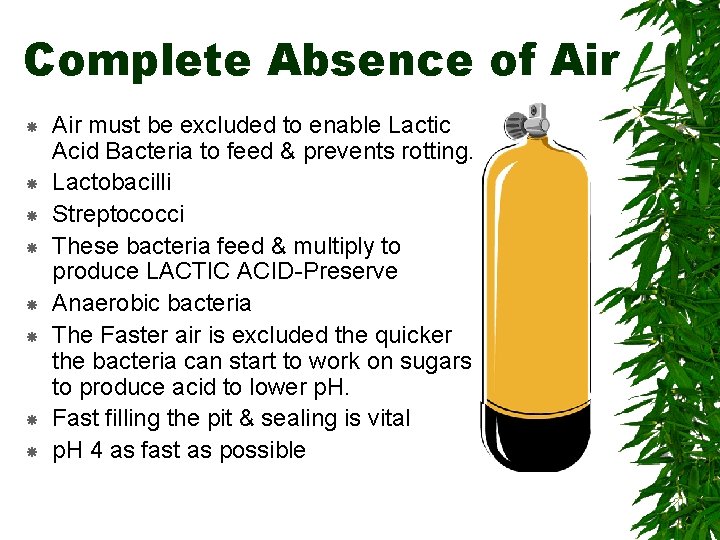
Complete Absence of Air Air must be excluded to enable Lactic Acid Bacteria to feed & prevents rotting. Lactobacilli Streptococci These bacteria feed & multiply to produce LACTIC ACID-Preserve Anaerobic bacteria The Faster air is excluded the quicker the bacteria can start to work on sugars to produce acid to lower p. H. Fast filling the pit & sealing is vital p. H 4 as fast as possible
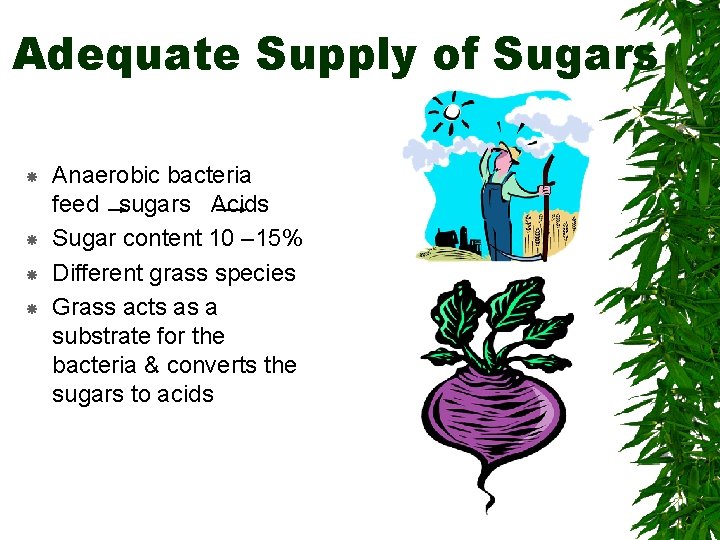
Adequate Supply of Sugars Anaerobic bacteria feed sugars Acids Sugar content 10 – 15% Different grass species Grass acts as a substrate for the bacteria & converts the sugars to acids
Grass Species used for Silage Perennial Ryegrass Italian Ryegrass (biennial) White clover Red clover
Factors forming Lactic Acid Silage Air free Fill silo quickly Short cut grass Good compaction Wilted grass Lactobacillus Streptococcus Good Acidification Low p. H Effective Additive Good Sealing of silo High sugar Grass STAGE of Growth = High Palatability, High Digestibility
Additive Improve Silage Preservation Increased Silage Intake Improved digestibility & animal performance
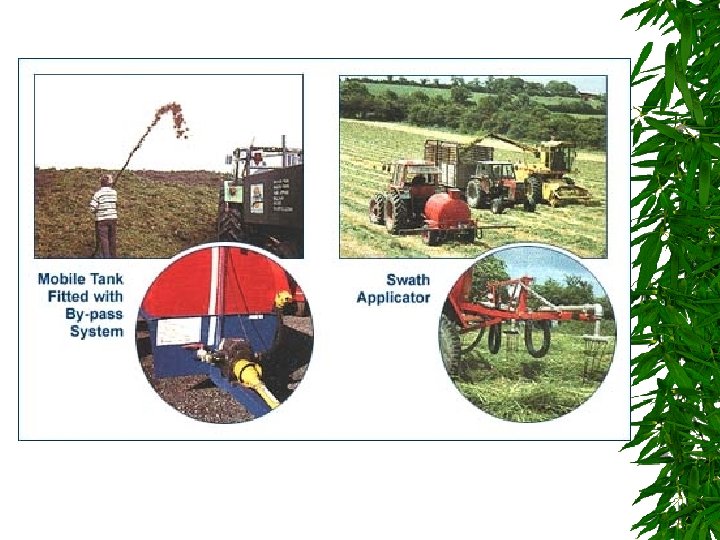
Molasses Sugar Based Added to supplement sugars already present in grass. The sugars are converted to acids by microbes. 9 -18 litres/ton of grass Added either by harvester or at the pit Young leafy grass, wet weather have reduced sugar content
Sulphuric/Formic Acid These reduce the p. H of grass from 6 to 4. 8 Creates an environment which favours lactic acid production 2 -3 litres/ton The lower the sugar level in grass, the leafier the grass & the wetter the grass the higher rate of acid is used
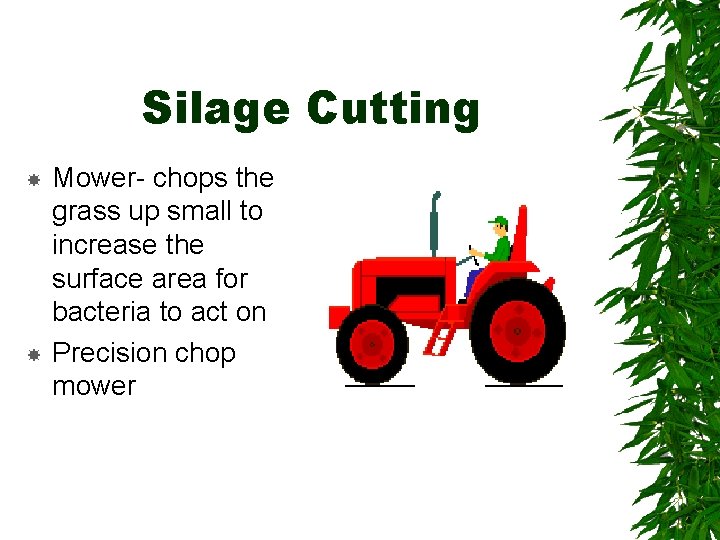
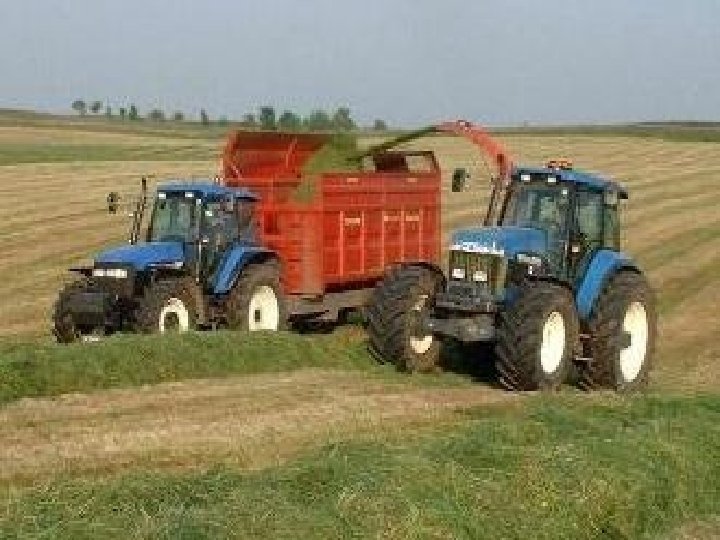
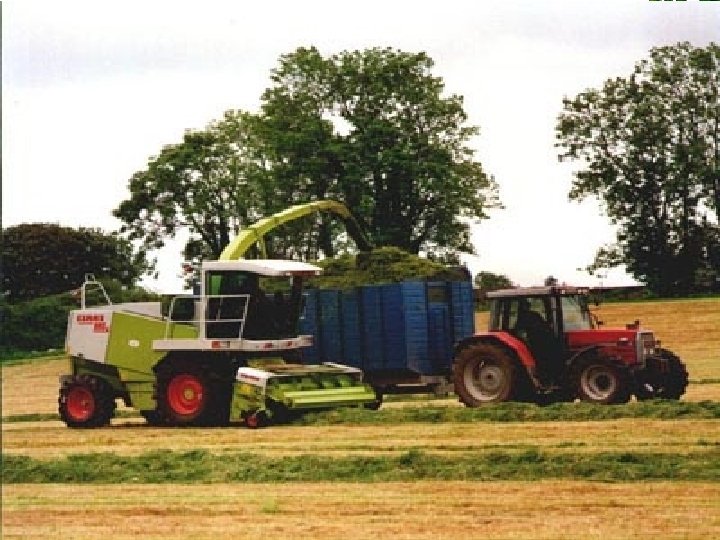
Silage Cutting Mower- chops the grass up small to increase the surface area for bacteria to act on Precision chop mower
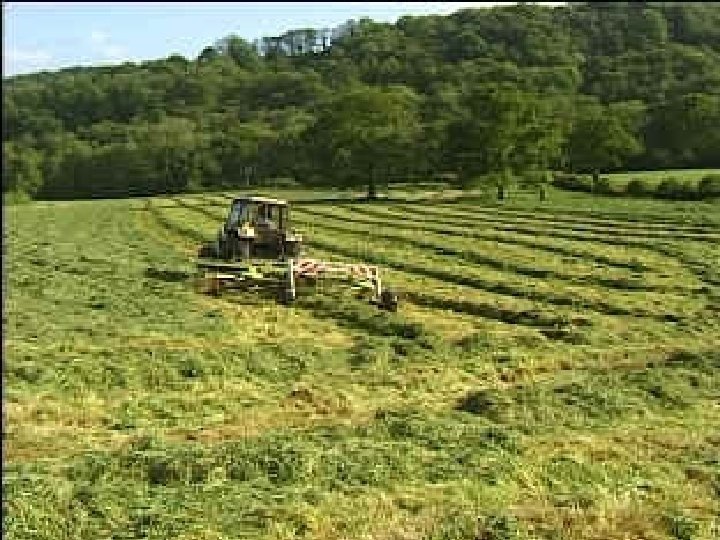
Wilting This is to cut the grass & leave it on the ground for 24 – 48 hours before gathering up & ensiling it To remove some water from the crop Increases conc. Of sugars Reduces level of effluent Raises DM content Reduces the activity of undesirable bacteria Reduces the size of clamp required Saves on additives
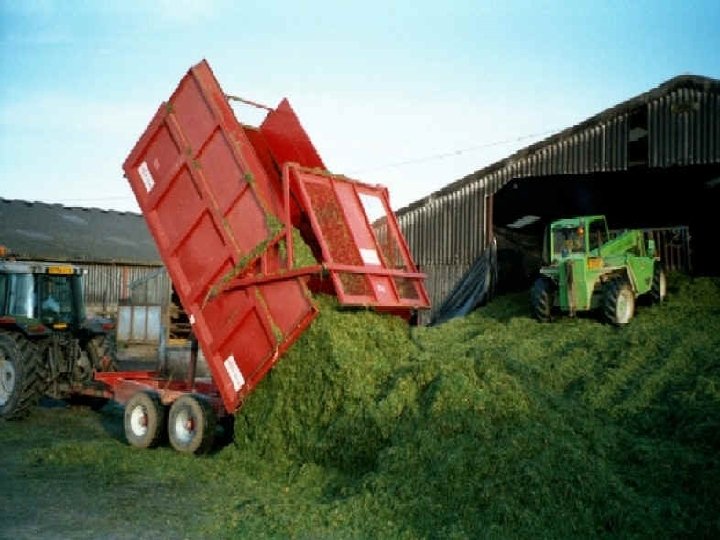
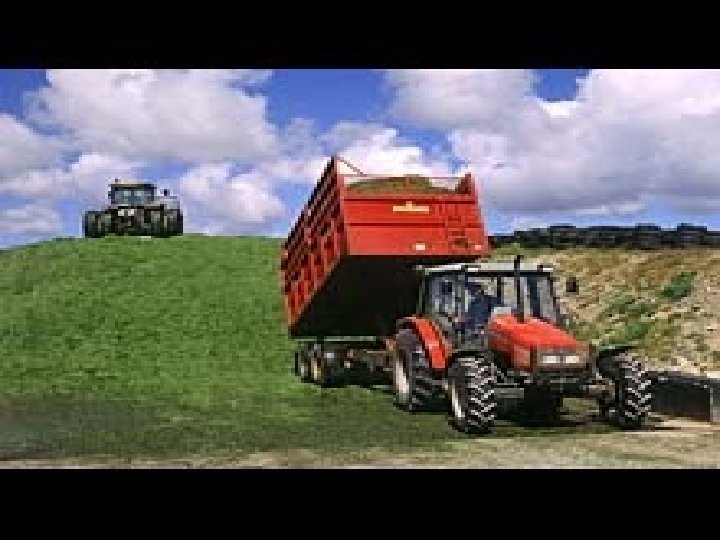
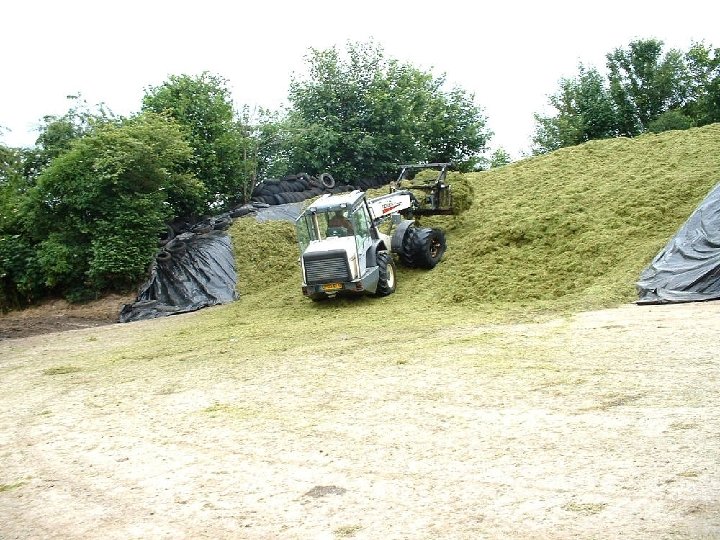
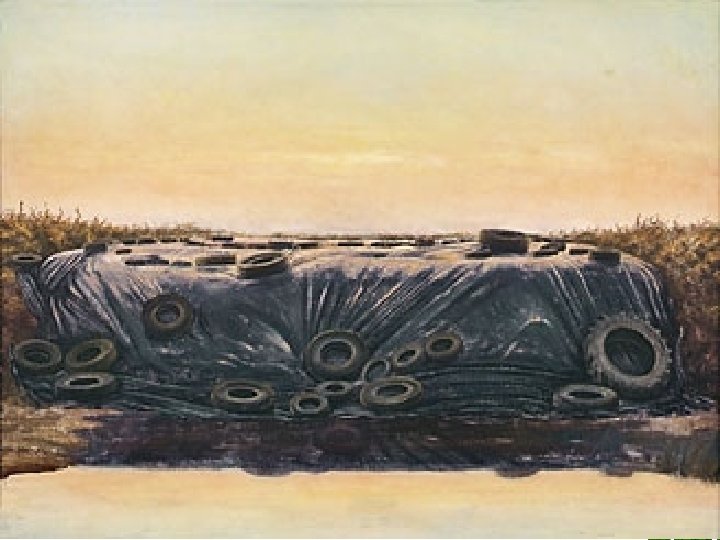
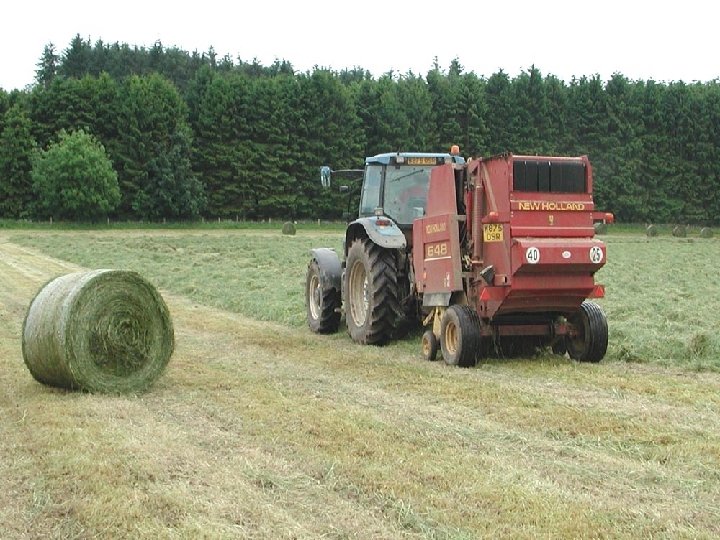
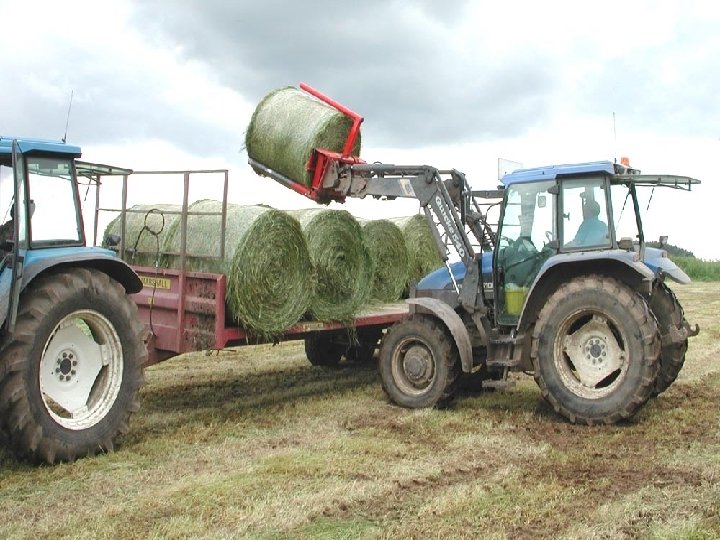
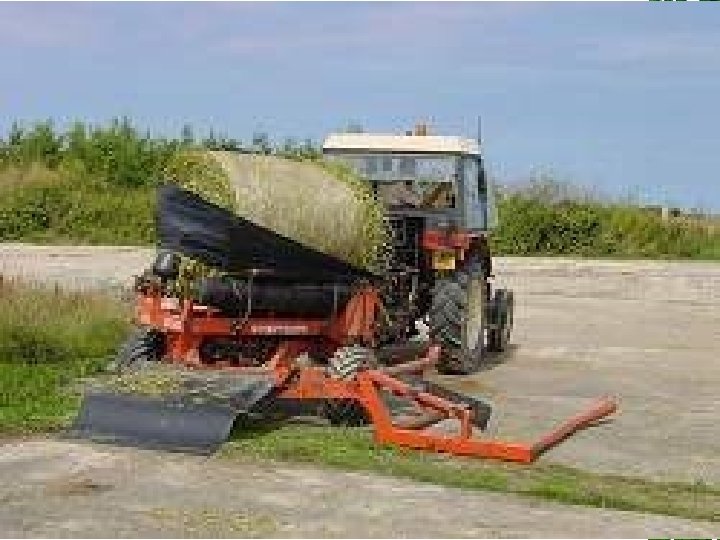
To Make silage 1. 2. 3. 4. 5. 6. 7. 8. 9. 10. Close the field in time. Fertilize adequately Cut at the correct stage of growthprecision chopper Allow to wilt for 1 -2 days Pick up the grass Transport to pit/bale Fill pit quickly Use an additive Spread grass and compact evenly Cover & seal the pit
Experiments % Sugar in silage sample Compare silage samples-colour, smell, p. H, water content. % DMD To conserve grass as silage in the lab
Veronica Walsh, Coláiste Treasa
To get high levels of carbohydrates Cut the grass at the young leafy stage Cut in dry conditions(water dilutes) Allow to wilt Cut using a precision chop mower Use a carbohydrate rich additive Mow in afternoon