
Short Wave Diathermy SWD Diathermy Application of HighFrequency
- Slides: 10
Short Wave Diathermy (SWD)
Diathermy • Application of High-Frequency Electromagnetic Energy • Used To Generate Heat In Body Tissues • Heat Produced By Resistance of Tissues • Also Used For Non-Thermal Effects
Description • High-frequency electrical currents – Radio waves • • Pass through the tissues Cause molecular vibration Results in deep heating Capable of heating large volumes of tissues • Causes both thermal and nonthermal effects
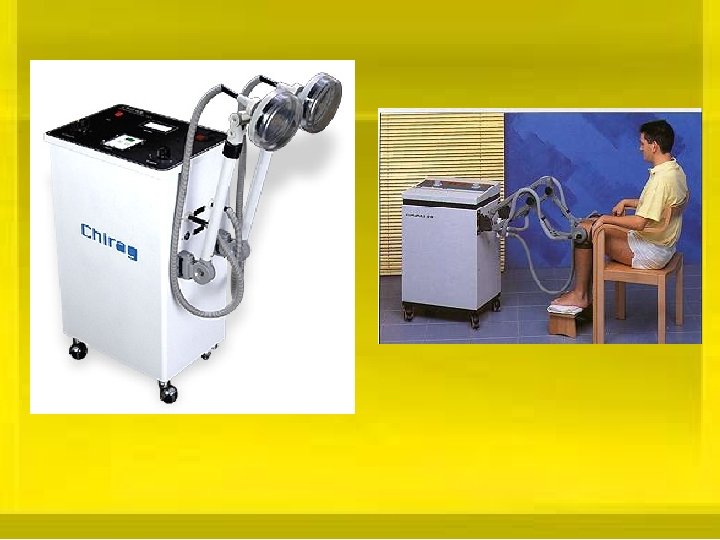
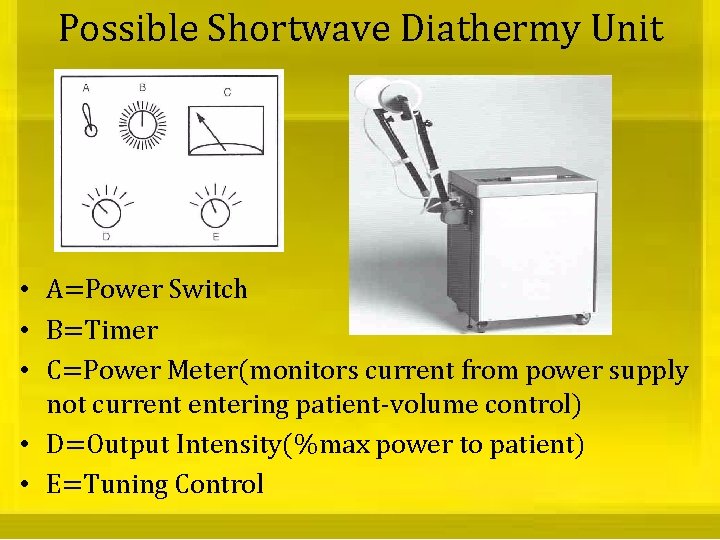
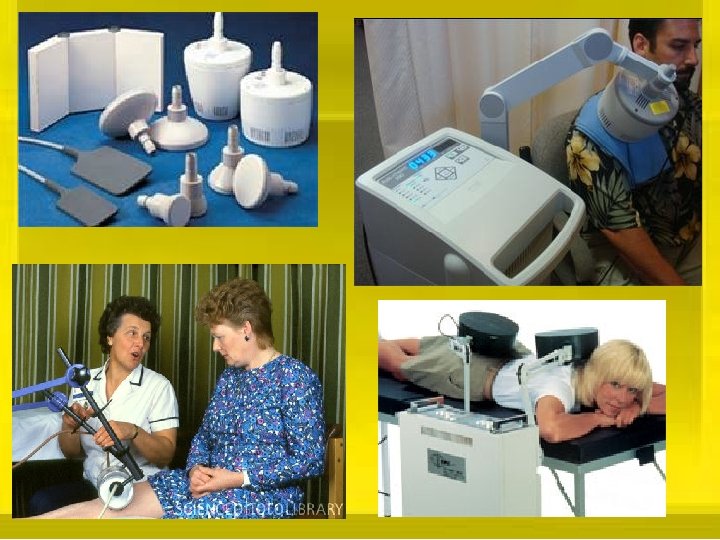
Possible Shortwave Diathermy Unit • A=Power Switch • B=Timer • C=Power Meter(monitors current from power supply not current entering patient-volume control) • D=Output Intensity(%max power to patient) • E=Tuning Control
Uses Thermal Effects • Deep heat • Increased blood flow • Increased cell metabolism • Increased tissue extensibility • Muscular relaxation • Possible changes in enzyme reactions Non thermal Effects • Edema reduction • Lymphedema reduction • Superficial wound healing • Treatment of venous stasis ulcers
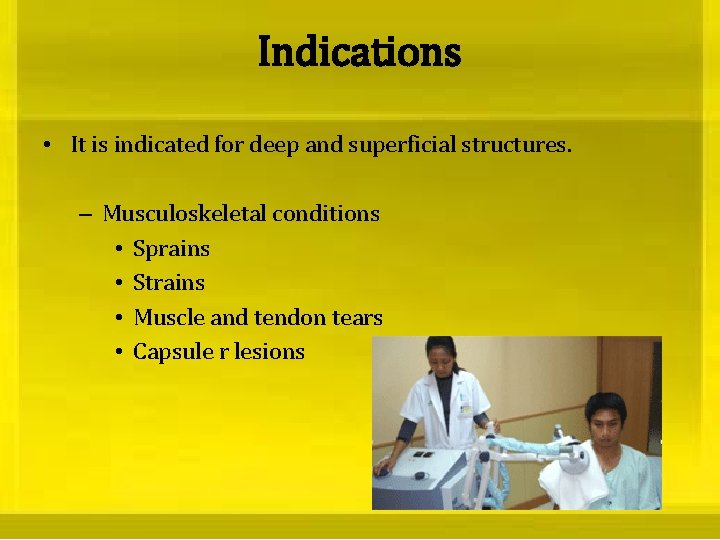
Indications • It is indicated for deep and superficial structures. – Musculoskeletal conditions • Sprains • Strains • Muscle and tendon tears • Capsule r lesions
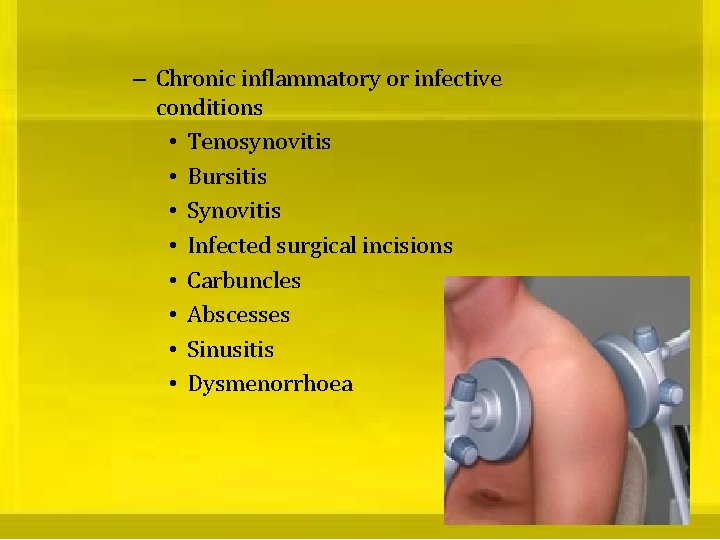
– Chronic inflammatory or infective conditions • Tenosynovitis • Bursitis • Synovitis • Infected surgical incisions • Carbuncles • Abscesses • Sinusitis • Dysmenorrhoea
Contraindications • Over malignant tissues • Over ischaemic tissues • Moderate and excessive oedema – can be aggravated • Over wet dressings and adhesive tapes • Metallic implants • Pace makers • Haemorrhagic areas • T. B. joints • Impaired thermal sensation • Unreliable patients • • • Recent radiotherapy Acute infection or inflammation Analgesic therapy Venous thrombosis or phlebitis Pregnancy – SWD to pelvis may induce hemorrhage or miscarriage Menstruation – SWD to the pelvis will increase the rate of flow. Dermatological conditions Severe cardiac conditions Blood pressure abnormalities Rheumatoid arthritis (Continuous SWD)