
Short Story Writing The Basics Dont confuse a
Short Story Writing The Basics
Don’t confuse a firstperson narrator of a story with the author of the story! They are not (necessarily) the same person!
Point of View � Choose ONE point of view and stick with it throughout the story. � FIRST PERSON: “I thought about standing in the harsh sunlight. I imagined that Paul was thinking he would rather be at the beach. ” � Confined to reporting what the character could realistically know � Always at the center of the action
2 nd person � It is very rare to write a story in SECOND PERSON. � It is awkward for the reader because they may or may not relate to the character they are supposed to be in the story. � Many of these stories are not successful. Highly discouraged.
3 rd person Omniscient � This narrator has total knowledge and tells us directly what we are supposed to think. � “She thought about standing in the harsh sunlight. He remembered their days together at the beach. ”
the “god” point of view � Objectively report the action � Go into the mind of any character � Interpret appearance, speech, actions, thoughts – even if the character can’t do so � Move freely in time or space to give us a wider view – tell what happened elsewhere or past and future � Provide general reflections, judgments, truths
3 rd person Limited � Narrator has access to the mind of one character, but not to the minds of the others, nor to any powers of judgment. � Mimics our individual experience of life – that is, our own inability to penetrate the minds and motivations of others. � “She thought about standing in the harsh sunlight. She looked at Paul and imagined he was remembering their times at the beach. ”
… � Most writers stick to either first person or third person limited. These best mimic our real life experience. � Third person omniscient has declined in popularity in recent years, and second person is really only used in experimental writing.

Plot—Don’t Plod! Building Suspense o Control the rate of revelation. Slow pace = interior monologue, description, dialogue, exposition. Fast pace = action, answers to narrative question. o Consider creating your backstory gradually. Don't give main character’s full story immediately. Let it evolve. SHOW DON’T TELL!!!! o Provide powerful IMAGERY which heightensions. o Introduce additional narrative questions. Create multiple obstacles - physical or emotional. SETTING can also reveal character.
Plotting a Story � What sets a story in motion? A QUESTION is posed, explicitly or implicitly, and you want to know the answer! Or: a balanced situation becomes…unbalanced! Some sort of equilibrium is disturbed. YOU MUST HAVE SOME SORT OF CONFLICT!!!!
Avoid doing this! � The “it was all a dream” ending. (Besides the fact that it already happened to Dorothy, it’s just a cheap solution to the difficulties raised in the story. ) � Suicide endings. (Sorry—your characters will have to find some other way out of their problems. Avoid this kind of ending at least for now. ) � Tidy, comprehensive endings in which everything comes out well, all loose ends are neatly tied up, and the universe is pretty much explained to one and all. Let your stories end inconclusively now and then. Let them end with questions rather than answers.
Summary and Scene � Summary - ◦ Covers a relatively long period of time in a relatively short space. ◦ May give information, fill in a character’s background, let us understand a motive, alter pace, create a transition, leap moments or years Summary can be called the mortar of the story, but scenes are the building blocks.
Summary and Scene � Scene Development o A unit of time and place in which (usually) important action takes place. o Can be like mini-stories within the larger story. Has a turning point or mini-crisis that propels the story forward toward its conclusion. o Scene is always necessary because it allows readers to see, hear, and sense the drama.
Setting � What do SPECIFIC ITEMS in the setting say about the main character? � What mood is created by the setting and by the story’s imagery? � How do the setting and the imagery contribute to theme? � In what ways might a story actually be ABOUT setting? (setting that is almost a character)
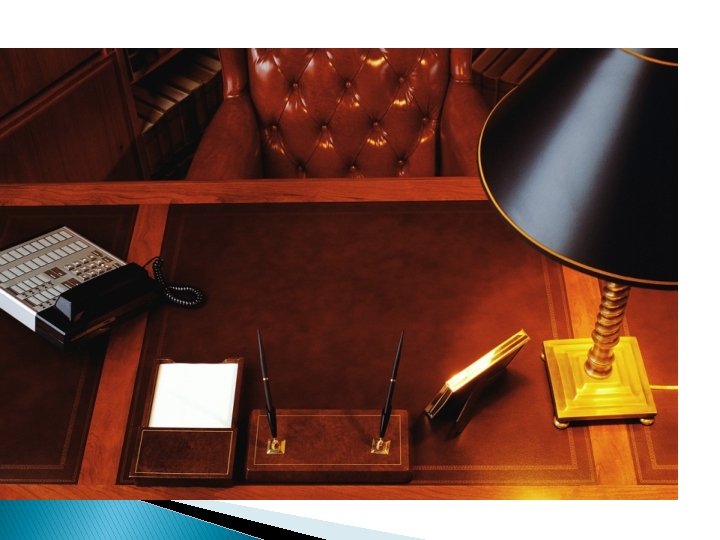
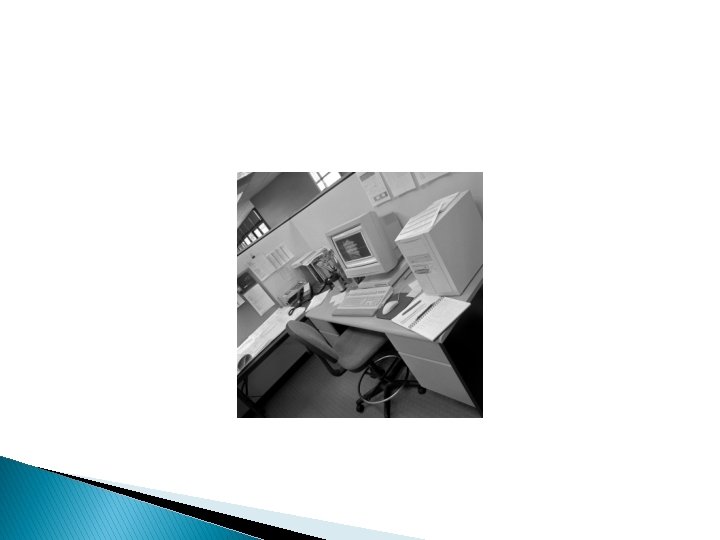
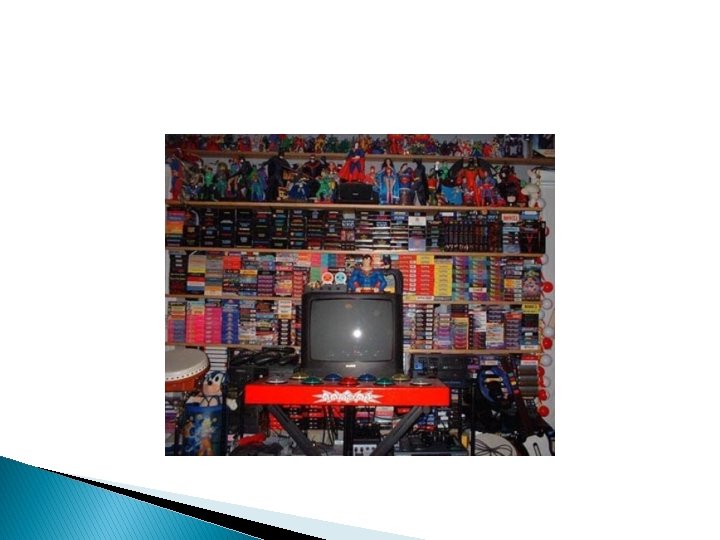
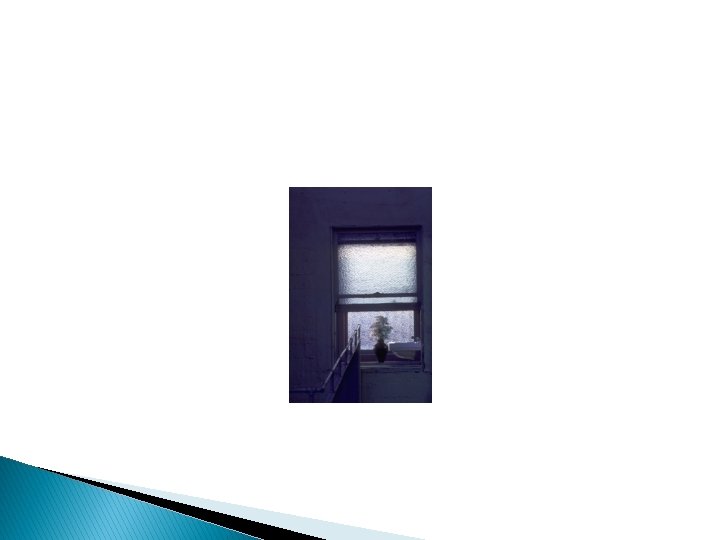
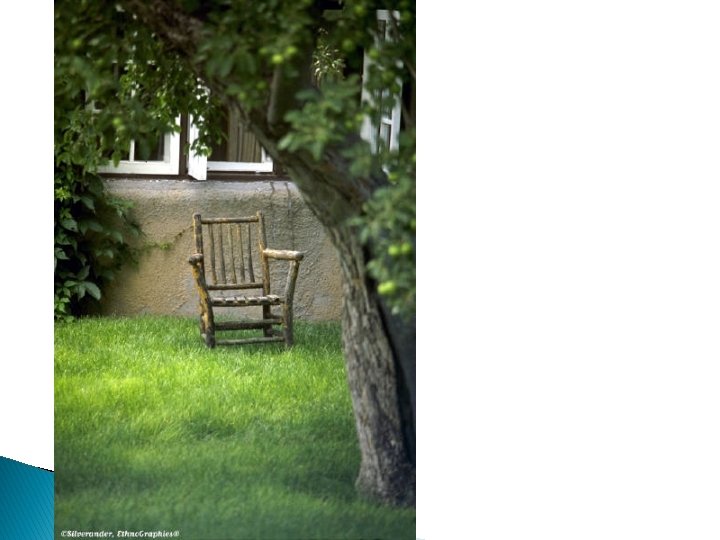
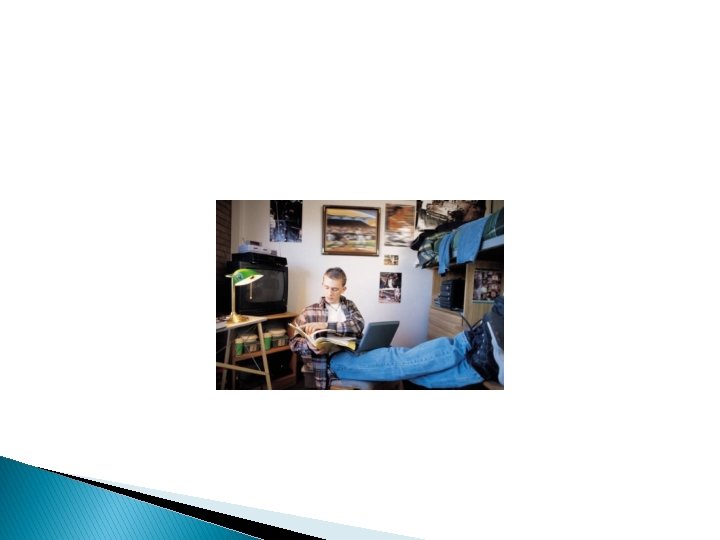
… �Setting can tell us many things about characters and events(socioeconomic class, general historical time and location, interests, etc. ). �Look at the following pictures and analyze them for what they tell you about the possibilities of a plot or characters. Think about how you could use imagery based on these photos in crafting your own story.




Active and Passive Voice � In order to make your writing as believable as possible, write in ACTIVE voice. � Active voice occurs when the subject of a sentence performs the action described by the verb of that sentence. ◦ She spilled the milk. ◦ NOT – The milk was spilled. <----- This is passive voice.
… � Passive voice should only be used when the character is being acted upon. ◦ “I was slammed into the wall” IN GENERAL – use active voice, unless your character is insignificant or you want to achieve stylistic effects like the one above.
Use PRECISE action verbs the waiter walk or does he scurry or amble? � Does the coach yell or does he demand or bellow? � Does the child swim or does he splash or glide? � Does BE DESCRIPTIVE AND SPECIFIC!!!
One last tip: � Watch overuse of adverbs. � Rather than: ◦ Mike quickly grabbed the paper from her hand. She abruptly walked away. Write this: ◦ Mike dashed forward and snatched the paper from her small hand. She turned on her heels, whipped her long hair around, and stormed away.
- Slides: 29