
ShockCirculatory and Septic Shock Definition of shock Systolic


- Slides: 11
Shock-Circulatory and Septic Shock
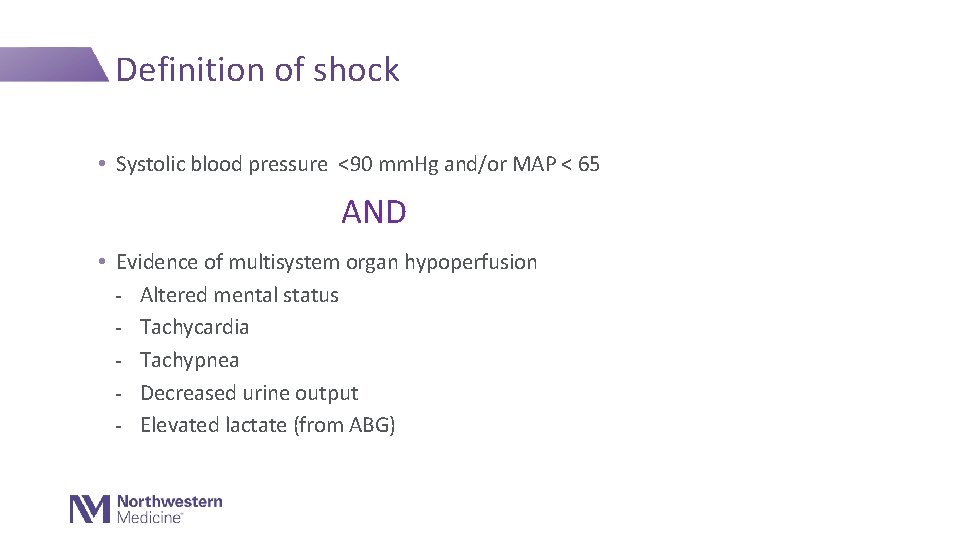
Definition of shock • Systolic blood pressure <90 mm. Hg and/or MAP < 65 AND • Evidence of multisystem organ hypoperfusion - Altered mental status - Tachycardia - Tachypnea - Decreased urine output - Elevated lactate (from ABG)
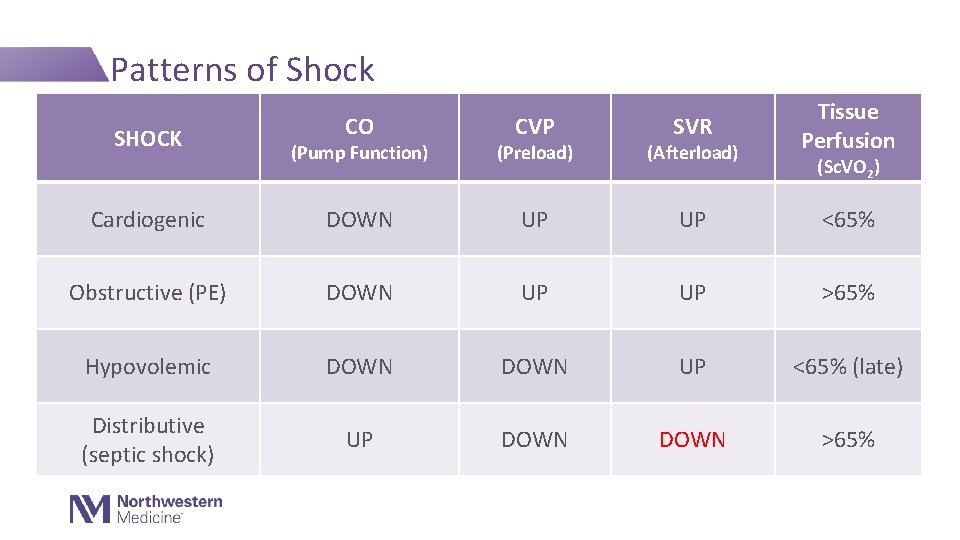
Patterns of Shock (Pump Function) (Preload) (Afterload) Tissue Perfusion Cardiogenic DOWN UP UP <65% Obstructive (PE) DOWN UP UP >65% Hypovolemic DOWN UP <65% (late) Distributive (septic shock) UP DOWN >65% SHOCK CO CVP SVR (Sc. VO 2)
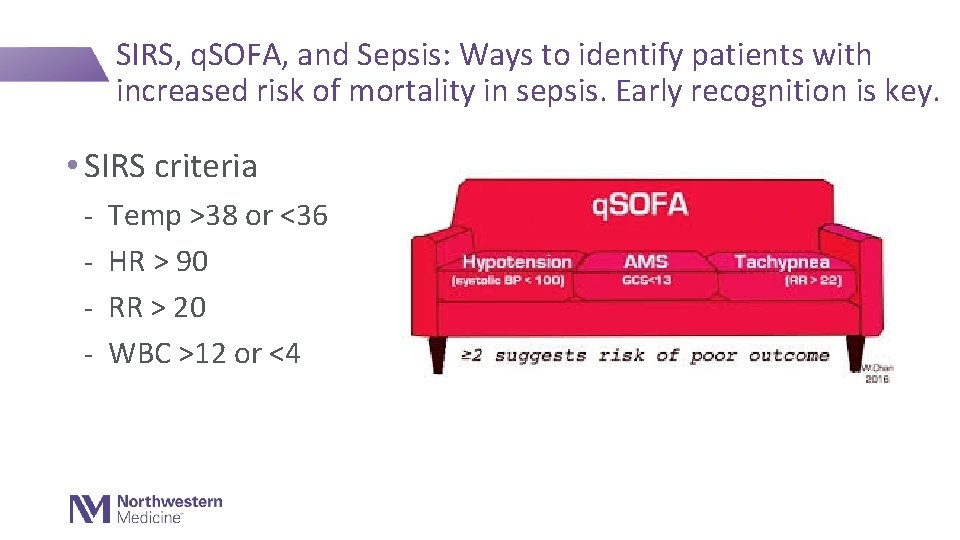
SIRS, q. SOFA, and Sepsis: Ways to identify patients with increased risk of mortality in sepsis. Early recognition is key. • SIRS criteria Temp >38 or <36 - HR > 90 - RR > 20 - WBC >12 or <4 -
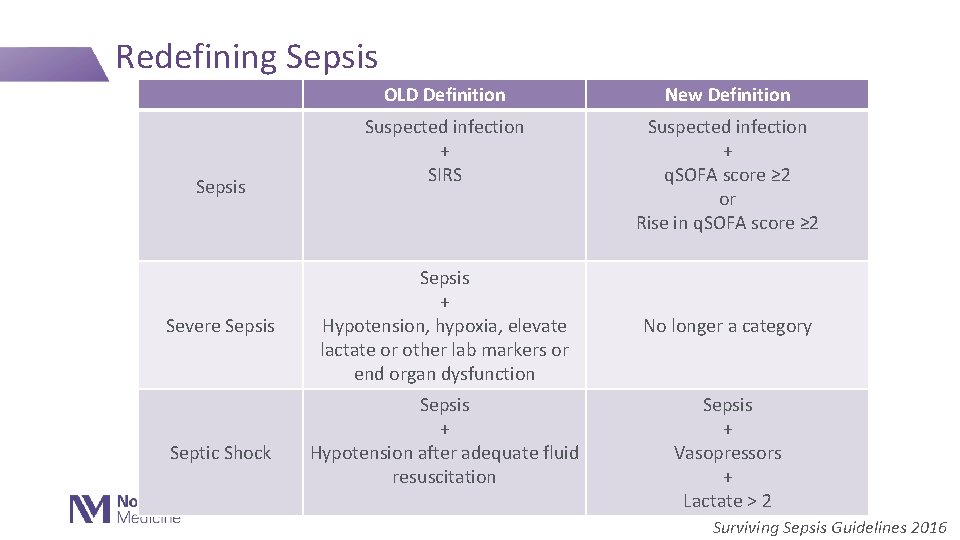
Redefining Sepsis Severe Sepsis Septic Shock OLD Definition New Definition Suspected infection + SIRS Suspected infection + q. SOFA score ≥ 2 or Rise in q. SOFA score ≥ 2 Sepsis + Hypotension, hypoxia, elevate lactate or other lab markers or end organ dysfunction Sepsis + Hypotension after adequate fluid resuscitation No longer a category Sepsis + Vasopressors + Lactate > 2 Surviving Sepsis Guidelines 2016
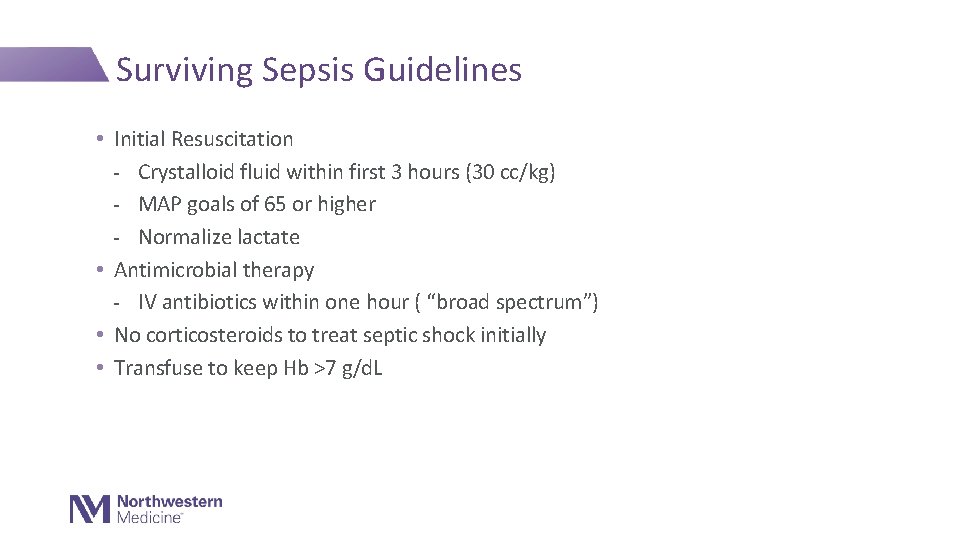
Surviving Sepsis Guidelines • Initial Resuscitation - Crystalloid fluid within first 3 hours (30 cc/kg) - MAP goals of 65 or higher - Normalize lactate • Antimicrobial therapy - IV antibiotics within one hour ( “broad spectrum”) • No corticosteroids to treat septic shock initially • Transfuse to keep Hb >7 g/d. L
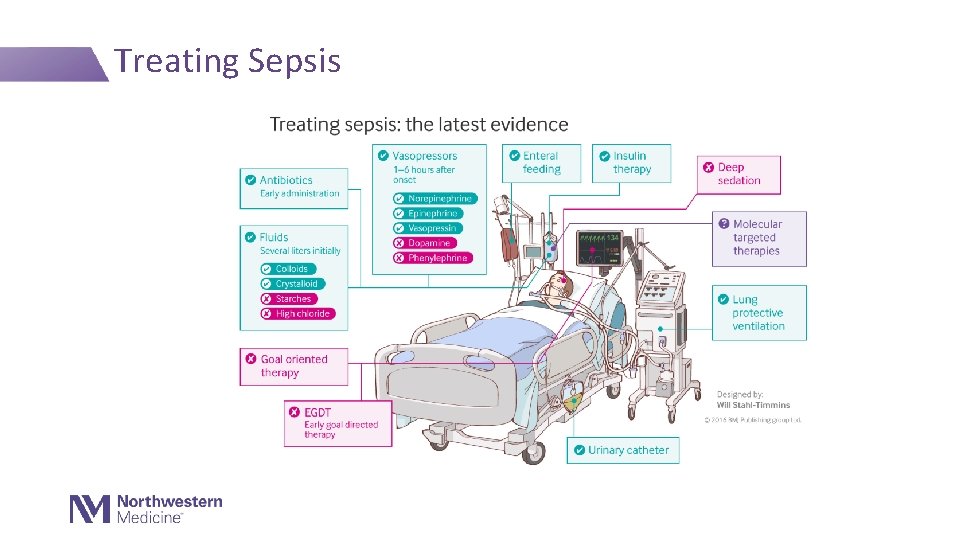
Treating Sepsis
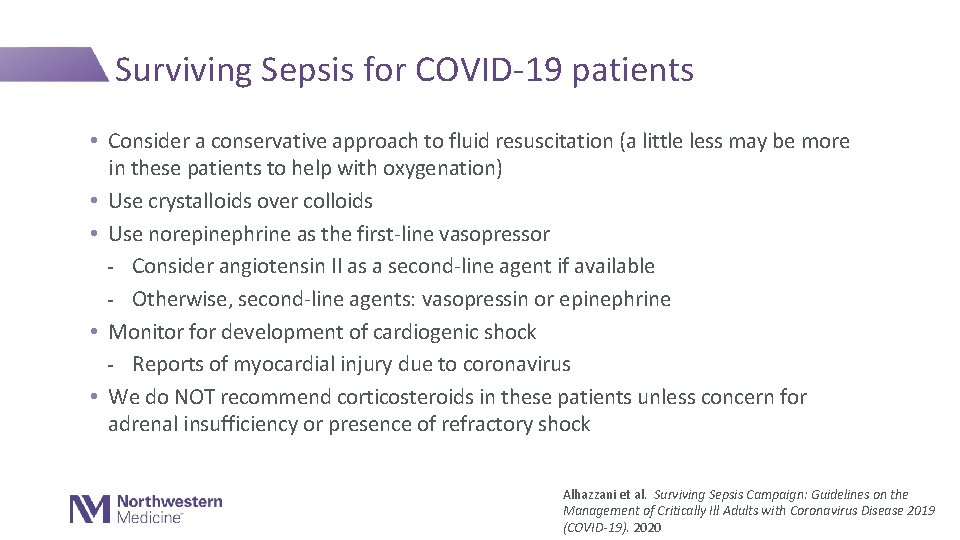
Surviving Sepsis for COVID-19 patients • Consider a conservative approach to fluid resuscitation (a little less may be more in these patients to help with oxygenation) • Use crystalloids over colloids • Use norepinephrine as the first-line vasopressor - Consider angiotensin II as a second-line agent if available - Otherwise, second-line agents: vasopressin or epinephrine • Monitor for development of cardiogenic shock - Reports of myocardial injury due to coronavirus • We do NOT recommend corticosteroids in these patients unless concern for adrenal insufficiency or presence of refractory shock Alhazzani et al. Surviving Sepsis Campaign: Guidelines on the Management of Critically Ill Adults with Coronavirus Disease 2019 (COVID-19). 2020
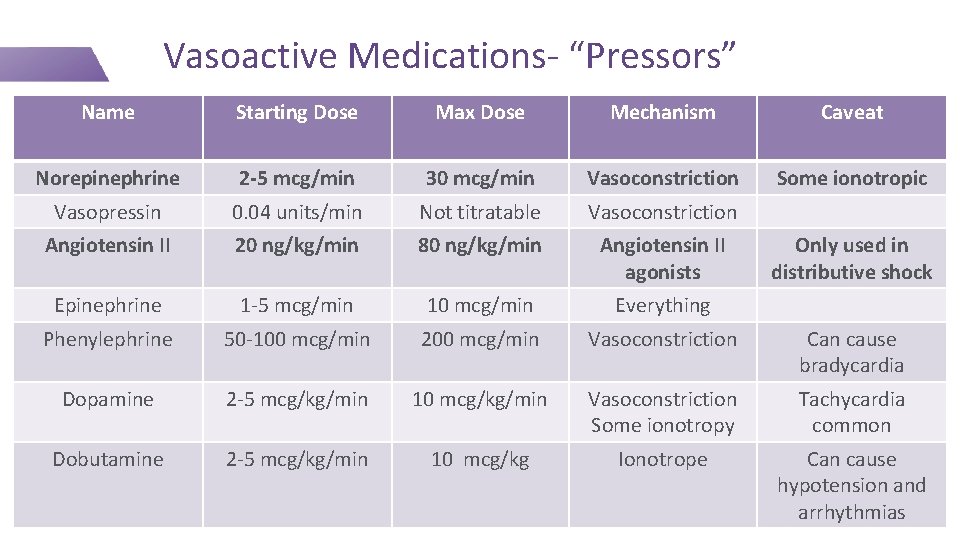
Vasoactive Medications- “Pressors” Name Starting Dose Max Dose Mechanism Caveat Norepinephrine 2 -5 mcg/min 30 mcg/min Vasoconstriction Some ionotropic Vasopressin 0. 04 units/min Not titratable Vasoconstriction Angiotensin II 20 ng/kg/min 80 ng/kg/min Angiotensin II agonists Epinephrine 1 -5 mcg/min 10 mcg/min Everything Phenylephrine 50 -100 mcg/min 200 mcg/min Vasoconstriction Can cause bradycardia Dopamine 2 -5 mcg/kg/min 10 mcg/kg/min Vasoconstriction Some ionotropy Tachycardia common Dobutamine 2 -5 mcg/kg/min 10 mcg/kg Ionotrope Can cause hypotension and arrhythmias Only used in distributive shock
Conclusions • Shock is defined by evidence of multi-organ hypoperfusion • Identifying the cause of shock is key to treatment • Treatment should focus on: - Achieving hemodynamic stability - Treating the underlying cause • Great resources for vasoactive drug management include: - Bedside nurses - Pharmacists
Special Thanks To: • Khalilah Gates, MD