
Sherman Alexie A SpokaneCoeur dAlene Indian Born in
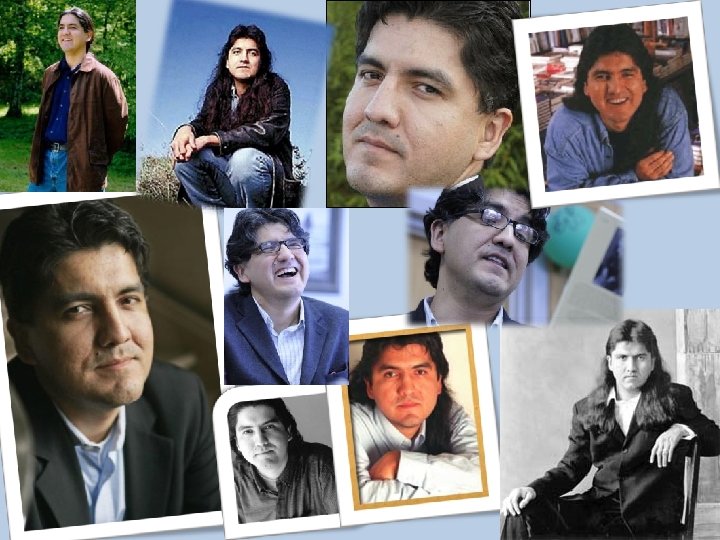

Sherman Alexie • A Spokane/Coeur d'Alene Indian • Born in 1966 on the Spokane Indian Reservation in Wellpinit, Washington State. • Obtained his B. A. at the University of Washington in 1991 • Has won major national Poetry Fellowships • His poetry, short stories, films, and novels explore contemporary Native American reservation life.
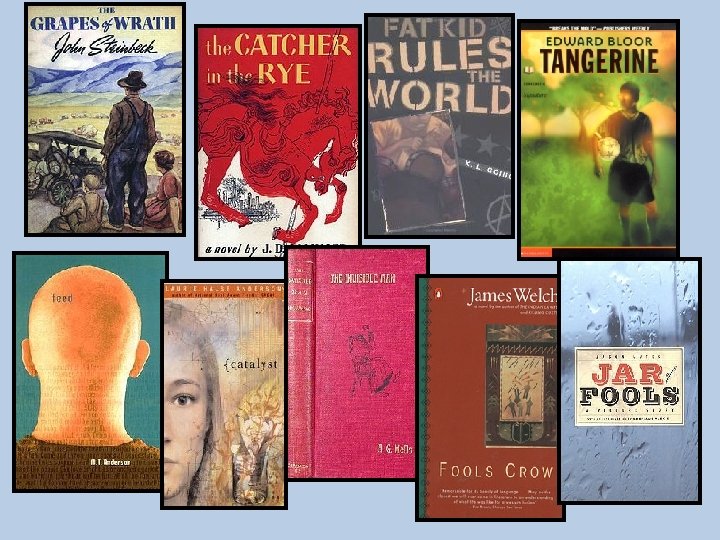
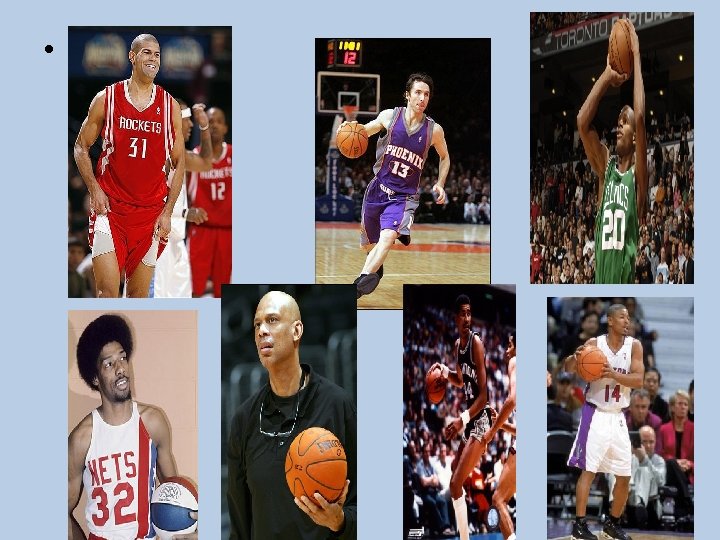
• 6 months—Born with hydrocephalus or “water on the brain” & had a surgery that risked life • Age 3—Learned to read • Age 5—Read The Grapes of Wrath • Age 8—Lost his grandmother who was a tribal spiritual leader and strong influence on Alexie • Teens—attending high school in Reardan and was a scholar and basketball player; did hitchhike to and from school, and to play Varsity basketball against the rez team
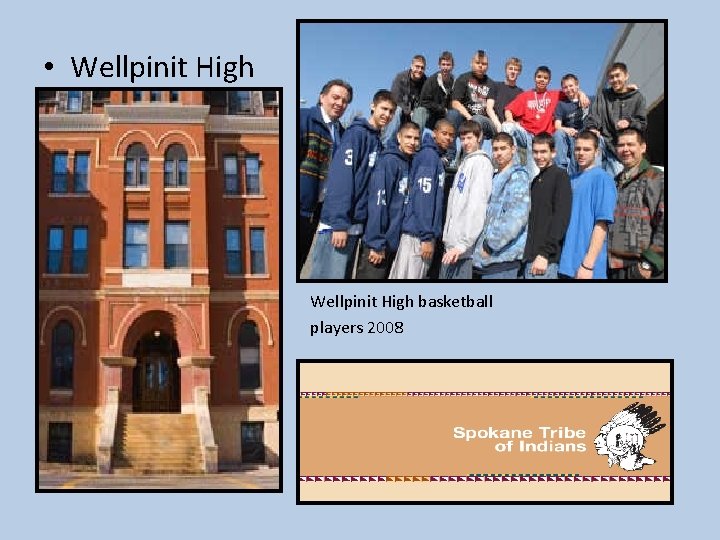
• Wellpinit High basketball players 2008
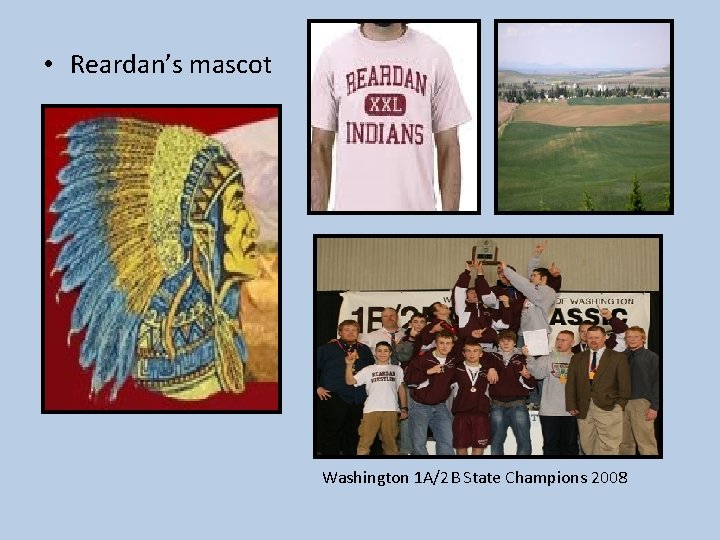
• Reardan’s mascot Washington 1 A/2 B State Champions 2008
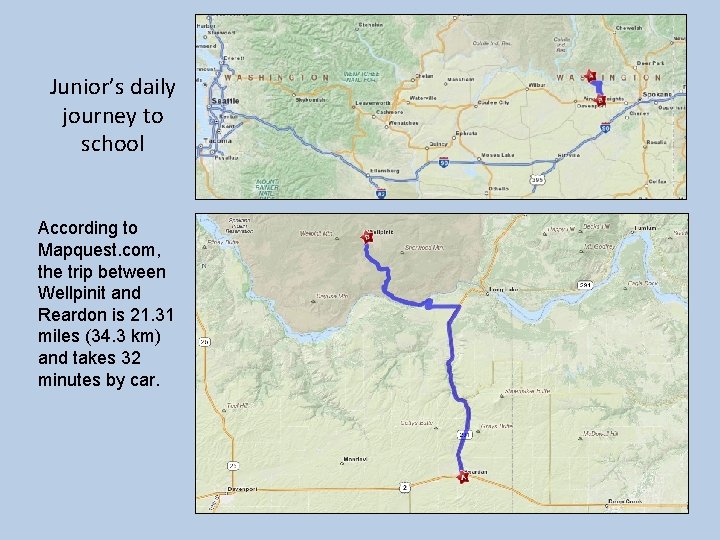
Junior’s daily journey to school According to Mapquest. com, the trip between Wellpinit and Reardon is 21. 31 miles (34. 3 km) and takes 32 minutes by car.
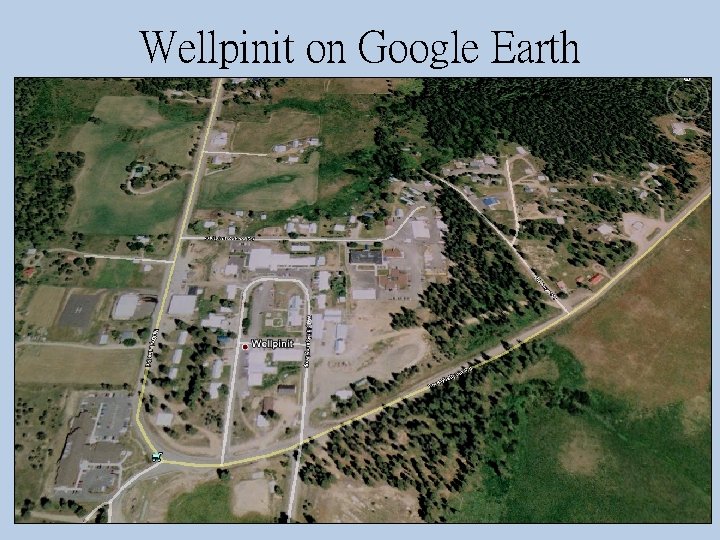
Wellpinit on Google Earth
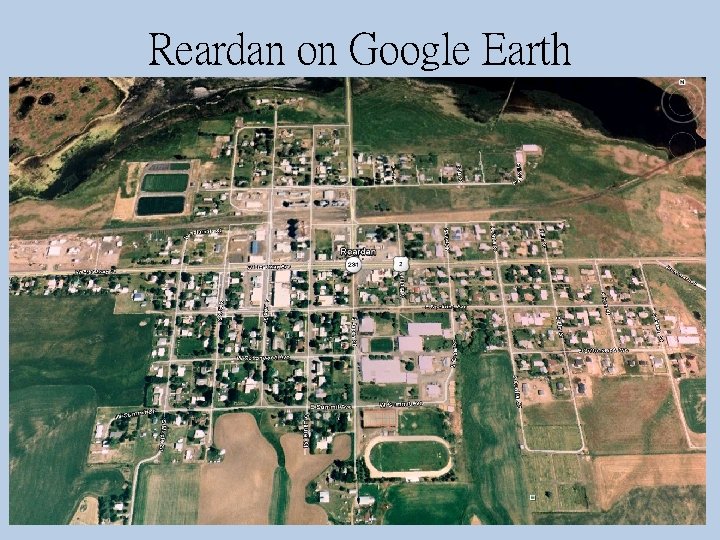
Reardan on Google Earth

College and Career Plans • Attended Gonzaga University in Spokane WA. And Washington State University • Planned to be a doctor but was too squeamish • Struggled with alcoholism and finding his true purpose • Found solace and passion in a Creative Writing and began writing/poetry career. • Has been sober since age 23 • Has been awarded PEN/Malamud Award (2000), National Book Award (2007), PEN Faulkner Award (2010), Carneige Medal (2018)
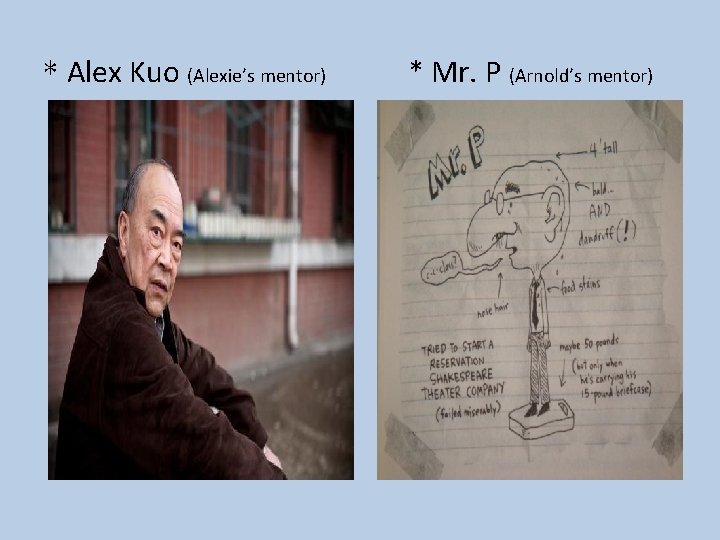
* Alex Kuo (Alexie’s mentor) * Mr. P (Arnold’s mentor)
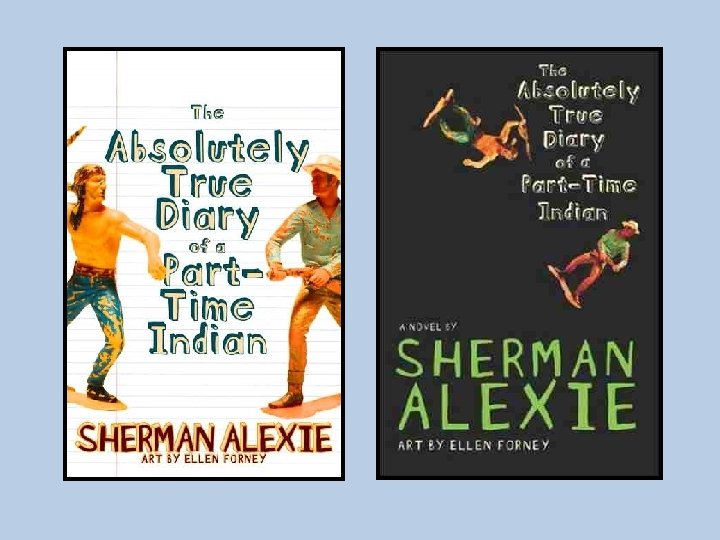
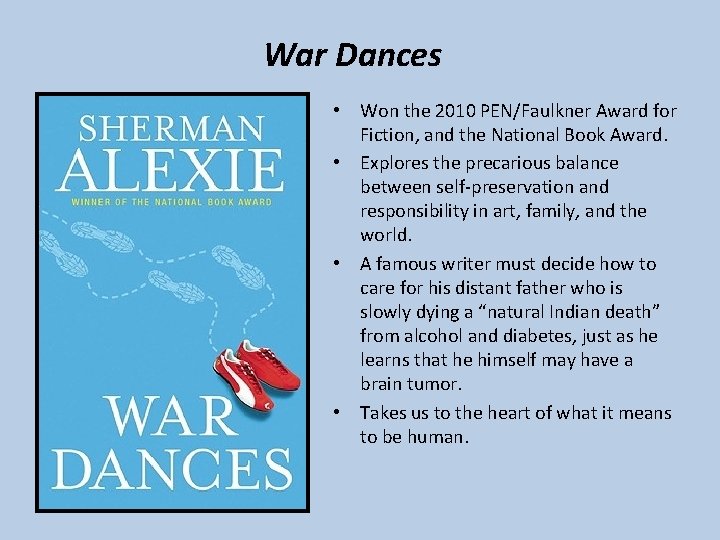
War Dances • Won the 2010 PEN/Faulkner Award for Fiction, and the National Book Award. • Explores the precarious balance between self-preservation and responsibility in art, family, and the world. • A famous writer must decide how to care for his distant father who is slowly dying a “natural Indian death” from alcohol and diabetes, just as he learns that he himself may have a brain tumor. • Takes us to the heart of what it means to be human.
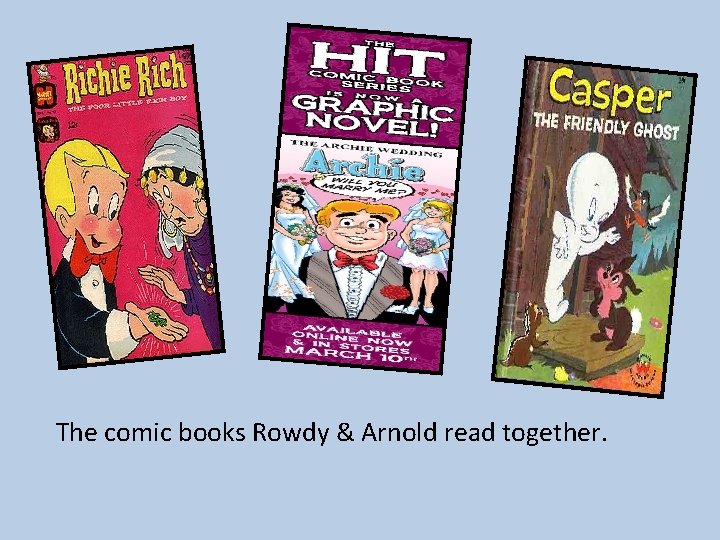
The comic books Rowdy & Arnold read together.
Interview Questions With Alexie: • Where did the character of Arnold come from? • What made you want to tell this story through his eyes? ~Winter Blog Blast Tour
“Arnold is me. …. . But he’s largely an autobiographical character and I want to tell this story for artistic and political reasons. …. . ”

Are you writing for “your community” or for young adults as a whole? ~Winter Blog Blast Tour
“It’s really a matter of this one book reaching particular kids, who will find sobriety, inspiration, and love in the words, and let them change their lives. With books, social change happens on a micro level. ”

What is the story decision that you are most proud of ? ~Little, Brown & Company interview conducted by Rita Williams-Garcia.
“I’m most proud that Arnold, a rez boy, has enough courage to disprove the universally accepted literary maxim that happy families are all alike when, in fact, it is the unhappy families who are most similar, especially on a reservation. ”

Which scene made you pee on yourself as you wrote it? ~Little, Brown & Company interview conducted by Rita Williams-Garcia.
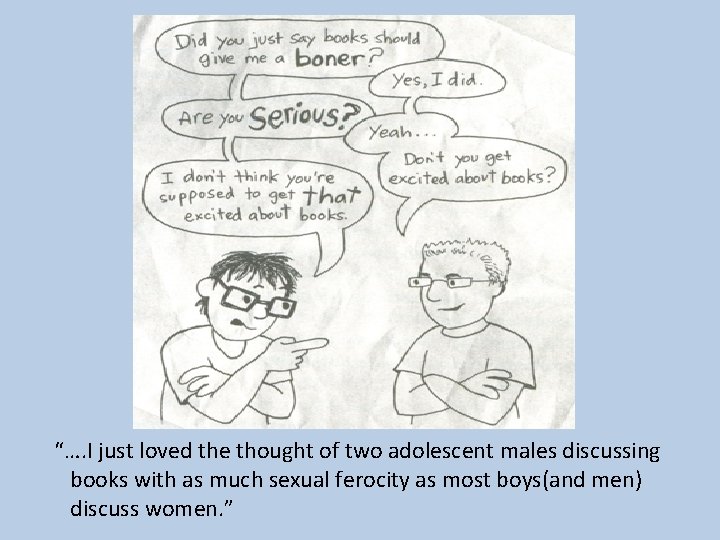
“…. I just loved the thought of two adolescent males discussing books with as much sexual ferocity as most boys(and men) discuss women. ”
“We all grow up on reservations, don’t we? ”
“I think fundamentalism is the mistaken belief that one belongs to only one tribe; I am the opposite of that. ”
How to Write the Great American Indian Novel~ Words of Wisdom From Alexie The hero must be a half-breed, half white and half Indian, preferably from a horse culture. He should often weep alone. That is mandatory. If the hero is an Indian woman, she is beautiful. She must be slender and in love with a white man. But if she loves an Indian man, then he must be a half-breed, preferably from a horse culture. If the Indian woman loves a white man, then he has to be so white that we can see the blue veins running through his skin like rivers. When the Indian woman steps out of her dress, the white man gasps at the endless beauty of her brown skin. She should be compared to nature: brown hills, mountains, fertile valleys, dewy grass, wind, and clear water.
If she is compared to murky water, however, then she must have a secret. Indians always have secrets, which are carefully and slowly revealed. Yet Indian secrets can be disclosed suddenly, like a storm. Indian men, of course, are storms. They should destroy the lives of any white women who choose to love them. All white women love Indian men. That is always the case. White women feign disgust at the savage in blue jeans and T-shirt, but secretly lust after him. There must be one murder, one suicide, one attempted rape. Alcohol should be consumed. Cars must be driven at high speeds. Indians must see visions. White people can have the same visions if they are in love with Indians.
Those interior Indians are half-breed and obviously from horse cultures. If the interior Indian is male If the interior Indian is female, then she must be a healer, especially if she is insidea white woman. Sometimes there are complications. An Indian man can be hidden inside a white woman. An Indian woman can be hidden inside a white man. In these rare instances, everybody is a half-breed struggling to learn more about his or her horse culture. There must be redemption, of course, and sins must be forgiven. For this, we need children. A white child an Indian child, gender not important, should express deep affection in a childlike way. In the Great American Indian novel, when it is finally written, all of the white people will be Indians and all of the Indians will be ghosts. Excerpted from Poetry Foundation
- Slides: 29