
Sherlock Automatically Locating Objects for Humans Aditya Nemmaluri
Sherlock: Automatically Locating Objects for Humans Aditya Nemmaluri, Mark D. Corner, Prashant Shenoy Department of Computer Science UMass Amherst
Can’t Find Your Keys? • People own uncountable objects (1000 s? ) • Humans don’t posses DB indexing abilities • Lose, lend, misplace, waste time, rebuy, . . . • A grand challenge for pervasive computing
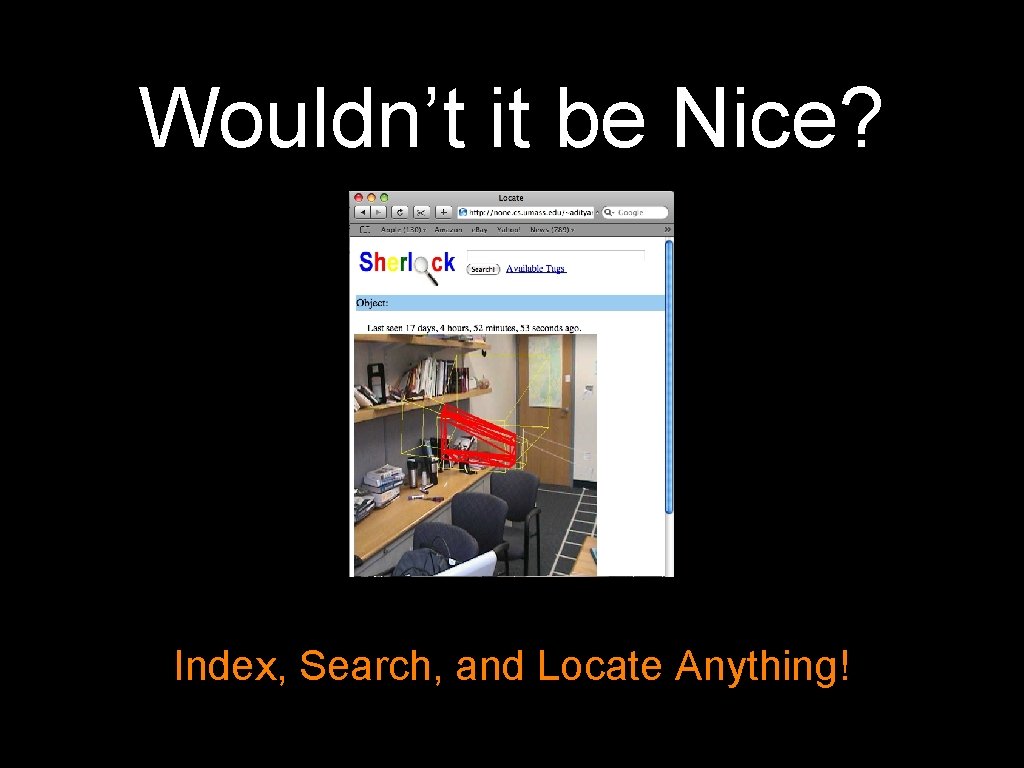
Wouldn’t it be Nice? Index, Search, and Locate Anything!
RFID Changes Everything • Non-computers become computers • For dimes, pennies, or less • no batteries = scalability • Affix tags to every inanimate object • Clothes, books, tools, doors, food, trash. . .
Challenges • Localization: the finer the better • User interfaces: augmented reality • Search: temporal and physical data • Security and privacy
Sherlock • Infrastructure based, steerable antennas • Combine with PTZ cameras • Localize objects to an small area • Rely on humans to do the rest • Practical demonstration in a realistic setting • Search and display results
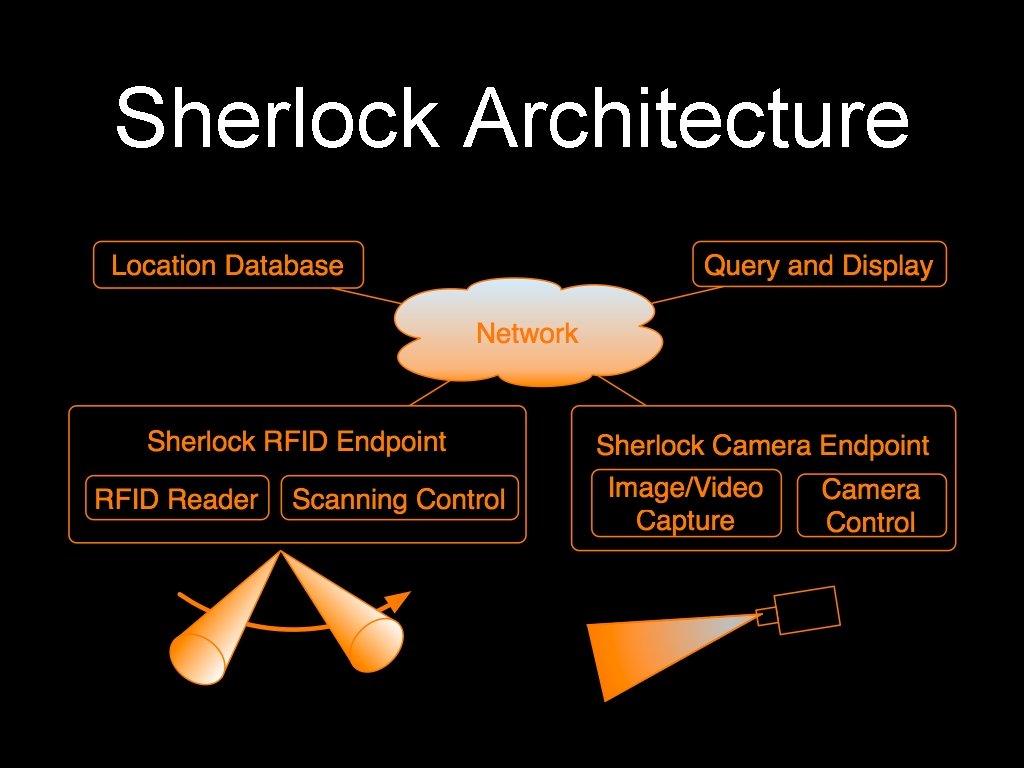
Sherlock Architecture
RFID Endpoint • RFID reader equipped w/steerable antenna • Can identify each passive tag within view • Can’t localize them directly • Localization depends on (not)seeing tag • Antenna has limited beamwidth/range • Sherlock steers antenna intelligently
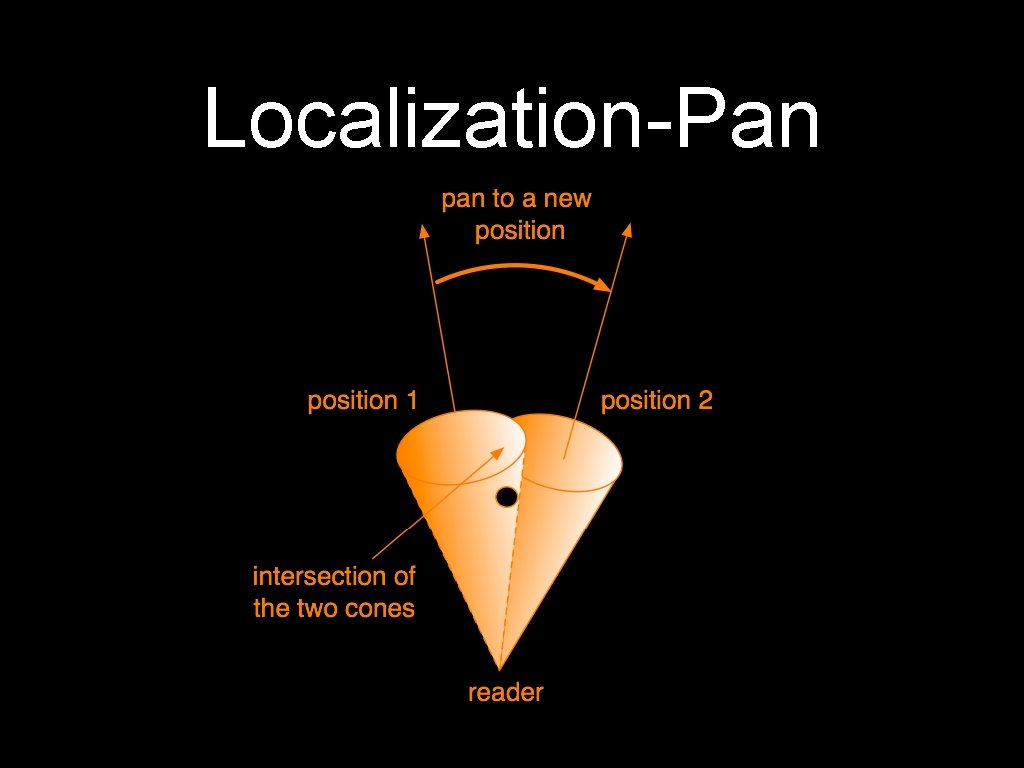
Localization-Pan
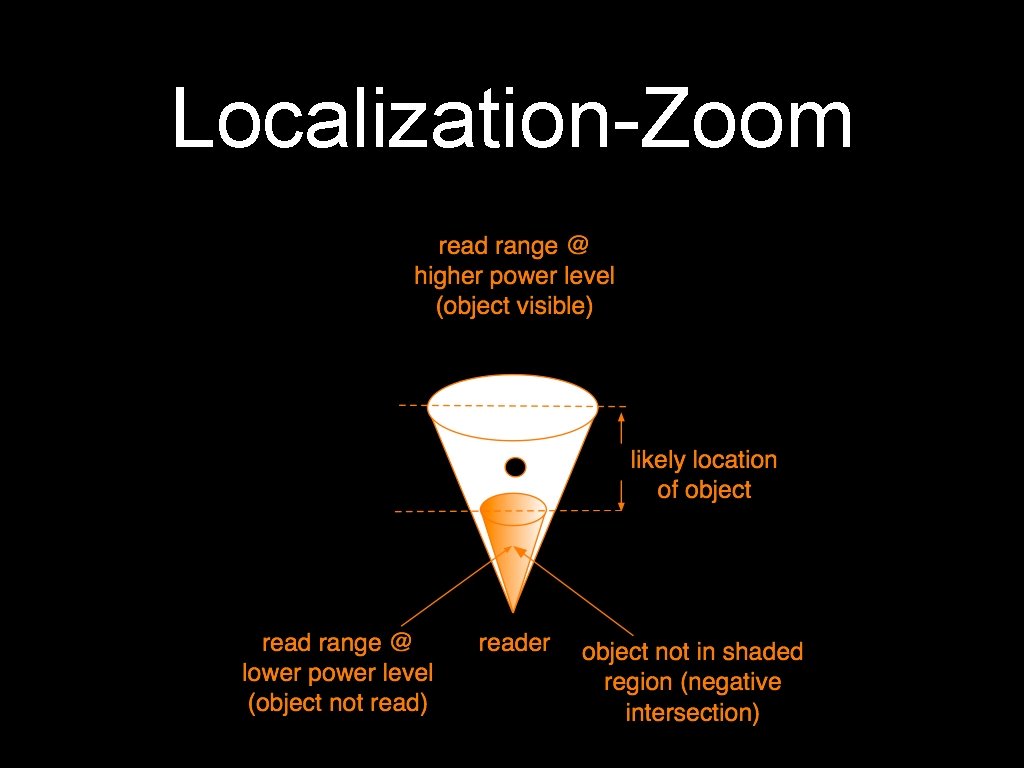
Localization-Zoom
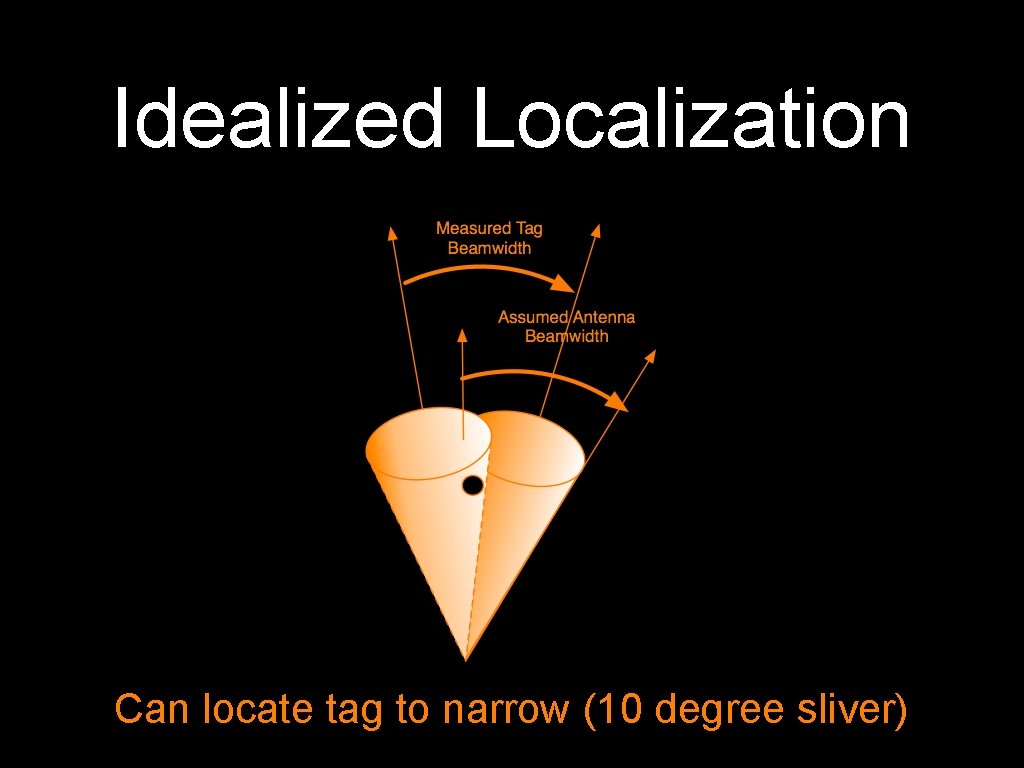
Idealized Localization Can locate tag to narrow (10 degree sliver)
Does This Work? • Set up 30 tags in a near-ideal setting • 60 -70 degree antenna beam width (spec) • Expect to see 60 -70 degree tag beam width • Expect low error rates • tag is actually in that narrow 10 degrees
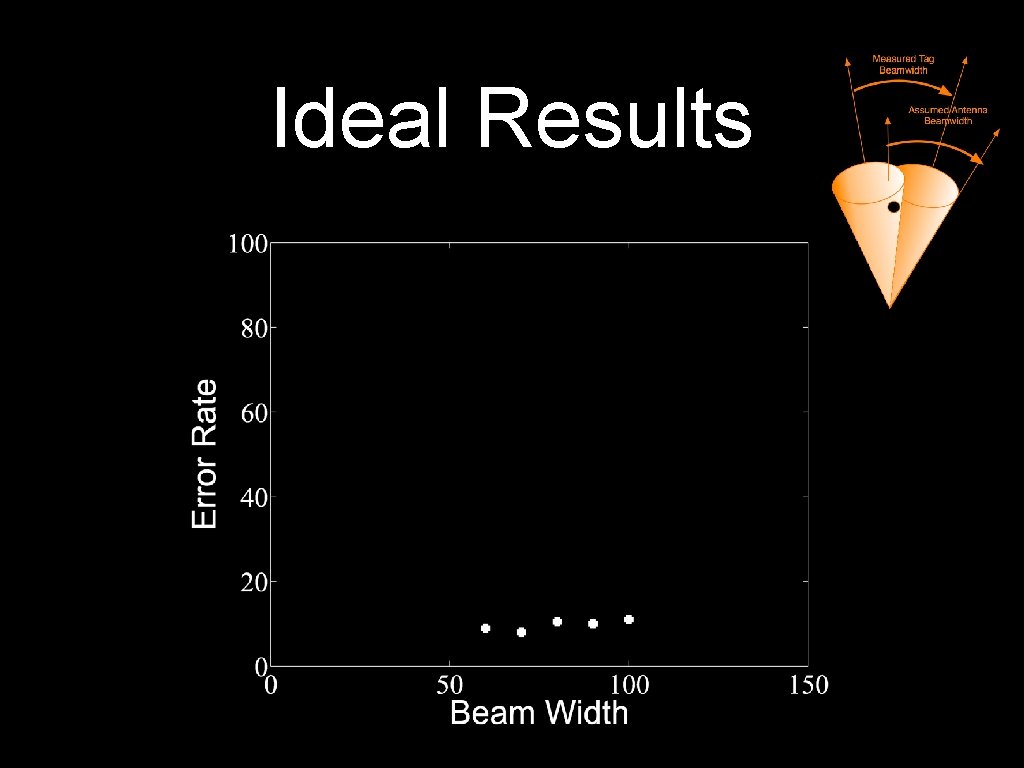
Ideal Results
Realistic Setting • 100 Tags in a one person office • books, doors, coffee mugs, staplers. . . • metal cabinets, desks, windows, walls. . .
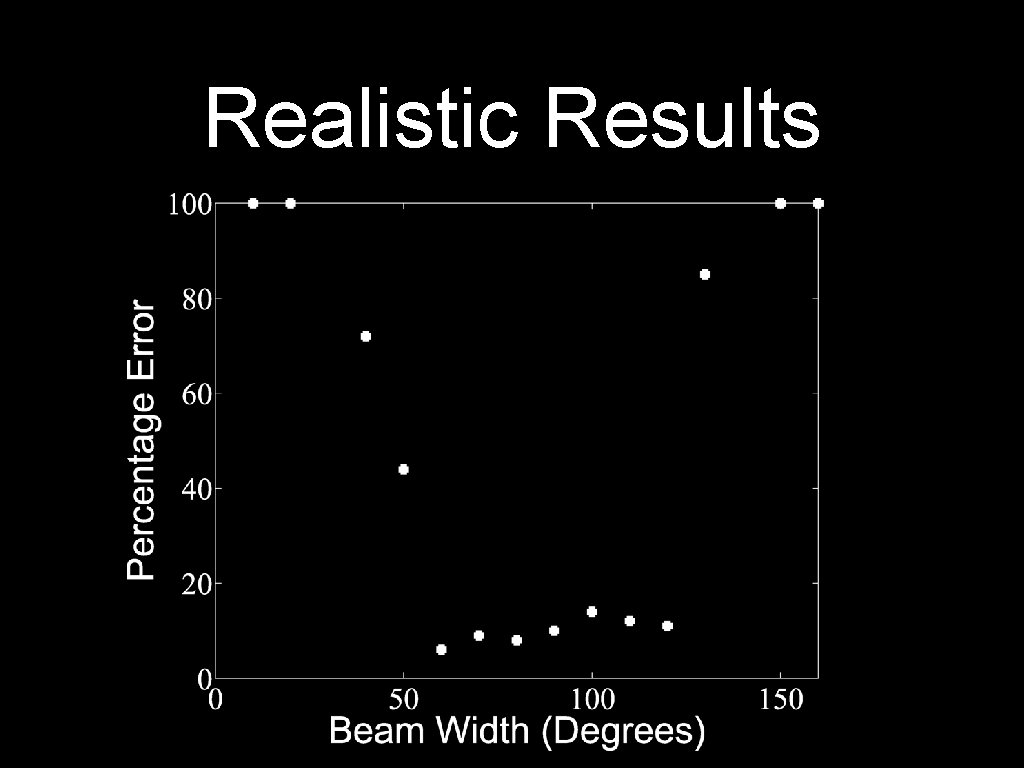
Realistic Results
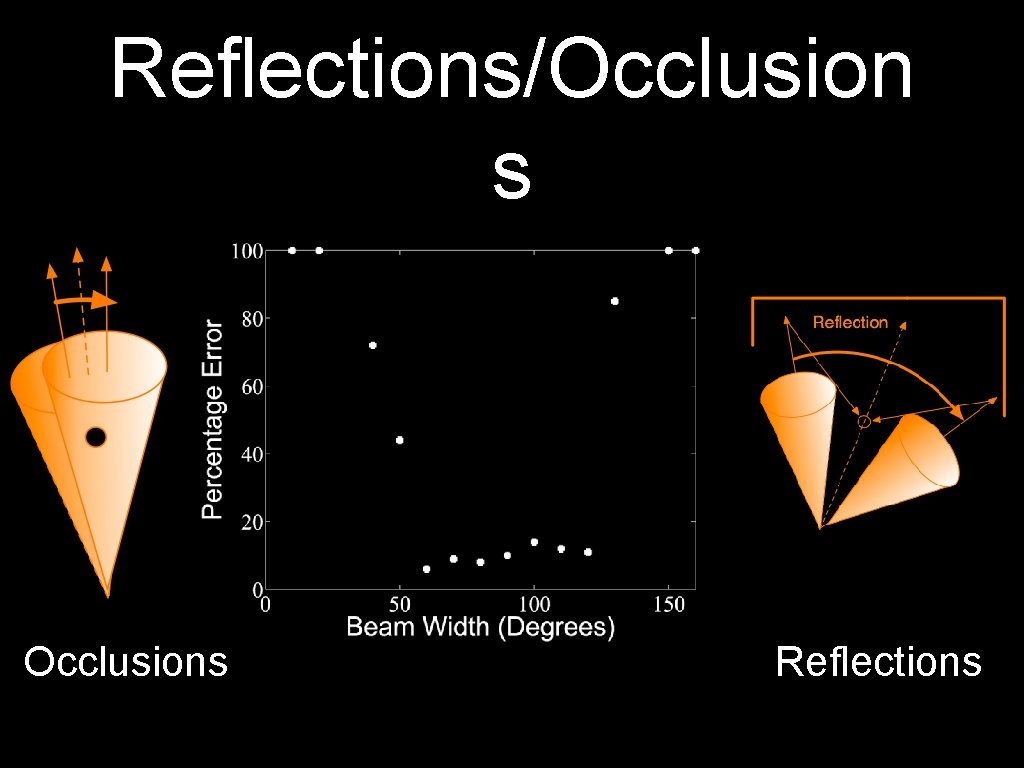
Reflections/Occlusion s Occlusions Reflections
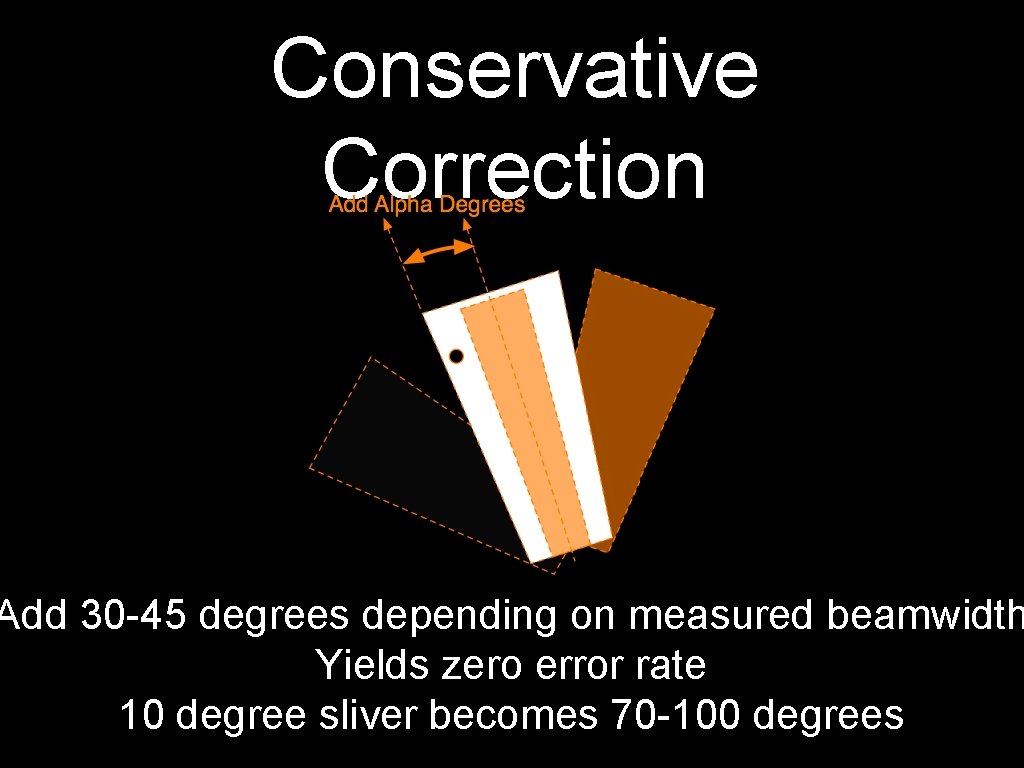
Conservative Correction Add 30 -45 degrees depending on measured beamwidth Yields zero error rate 10 degree sliver becomes 70 -100 degrees
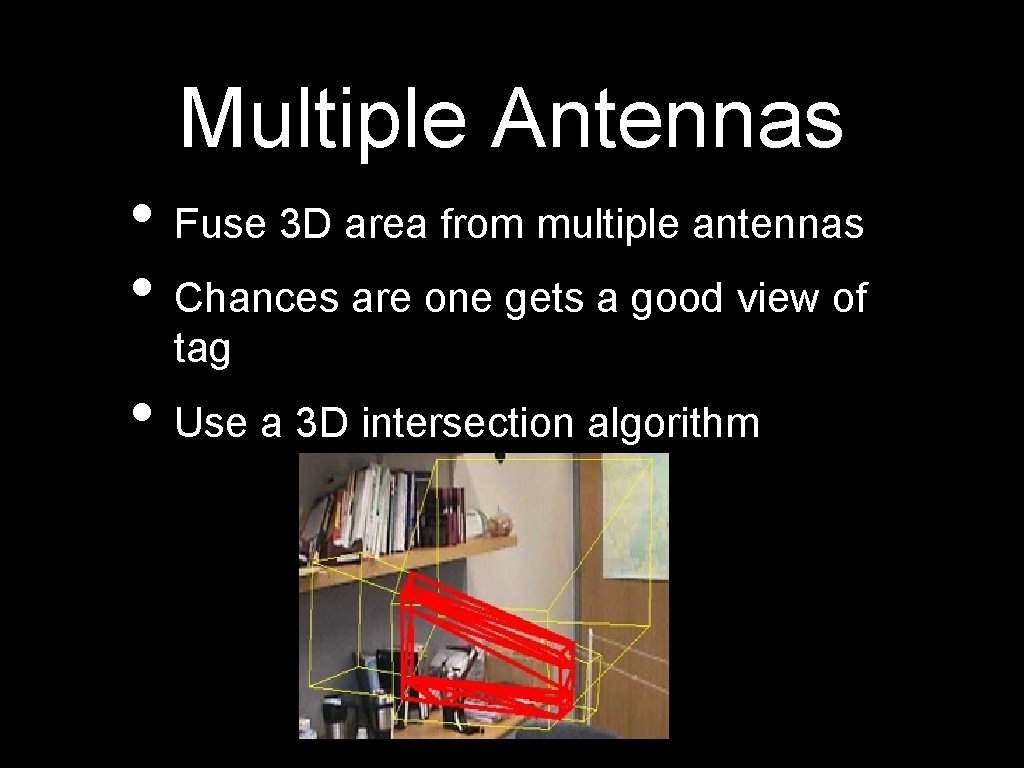
Multiple Antennas • Fuse 3 D area from multiple antennas • Chances are one gets a good view of tag • Use a 3 D intersection algorithm
Scan Strategies • Localization takes time (lots of fine steps) • Delays detection of new or stale objects • Coarse, Fine, Localize: see paper for details
Implementation • Mechanically steerable antenna • substitute for electronically steerable • Two antennas (range: ~3 m) • Thing. Magic Mercury 5 Reader • Alien RFID tags 98 x 12 mm 76 x 76 mm • lib. GTS graphics library for 3 D Intersections
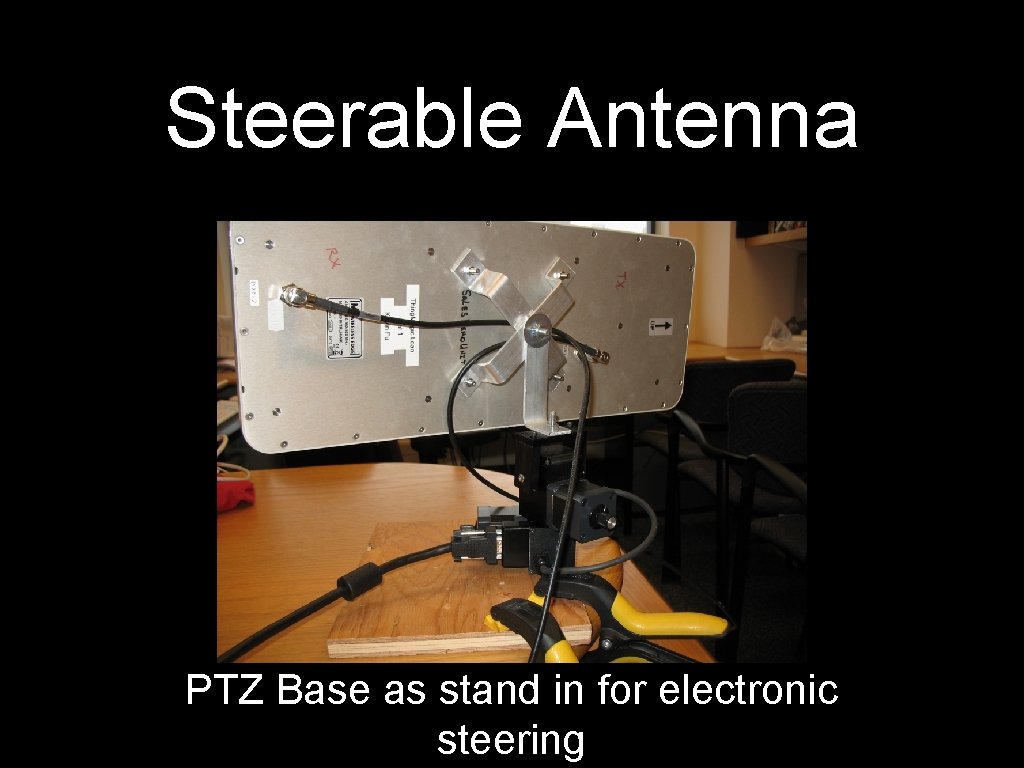
Steerable Antenna PTZ Base as stand in for electronic steering
Evaluation • Same office environment as before • Can it localize objects quickly? • Can it localize to a reasonable volume?
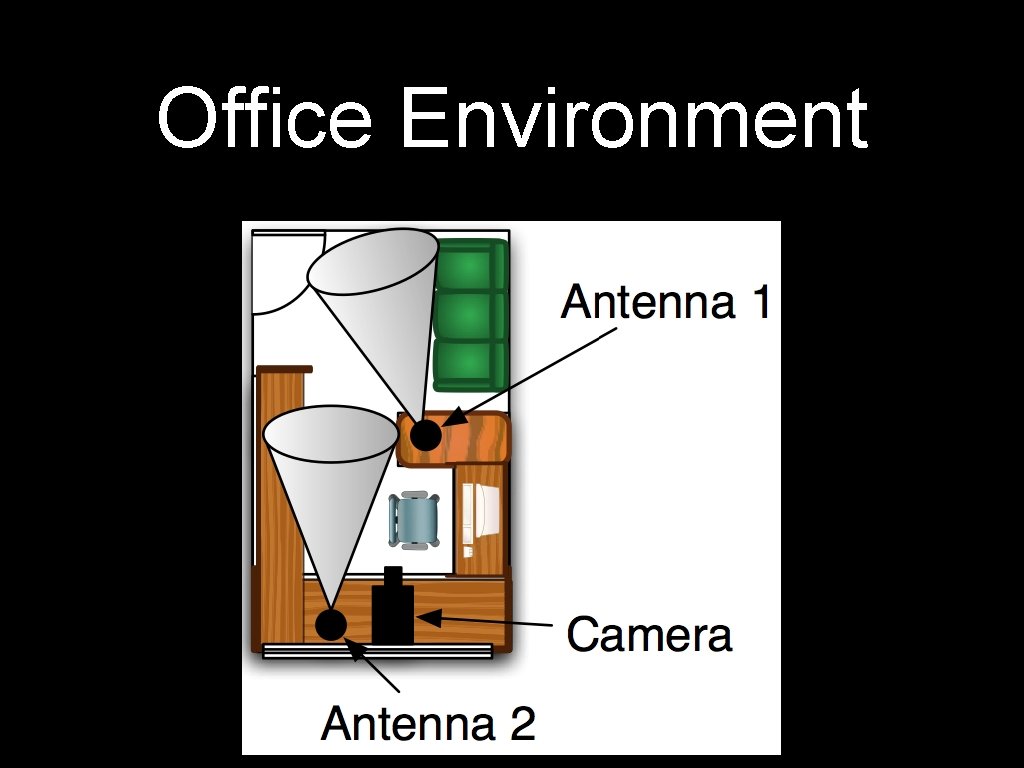
Office Environment
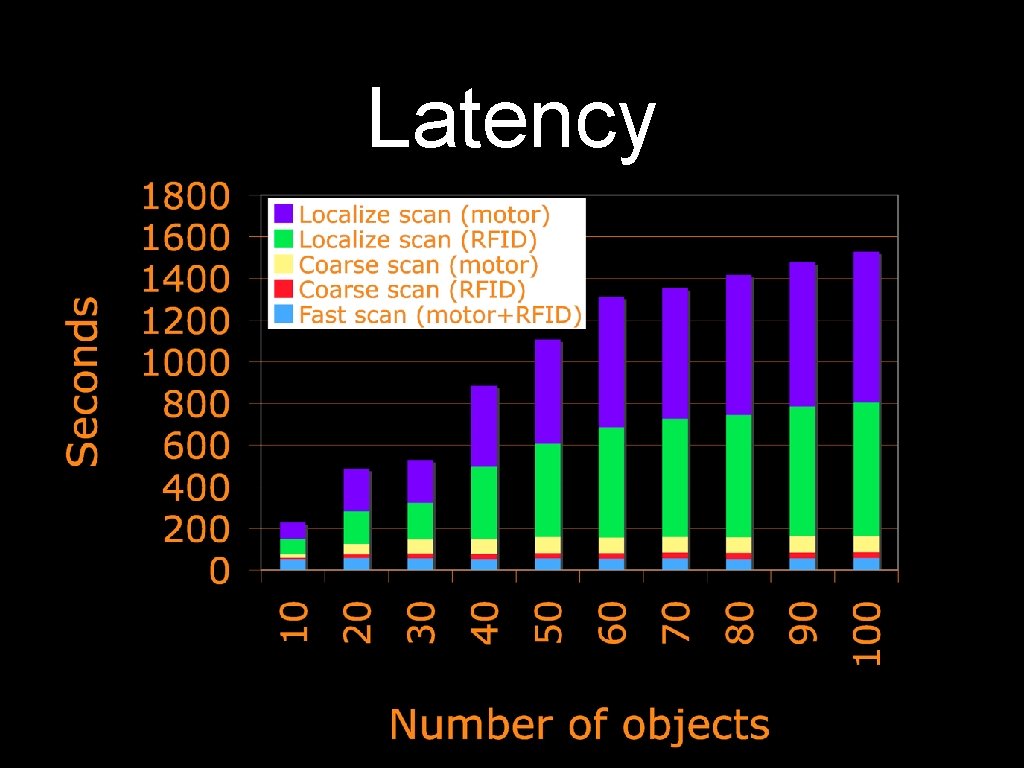
Latency
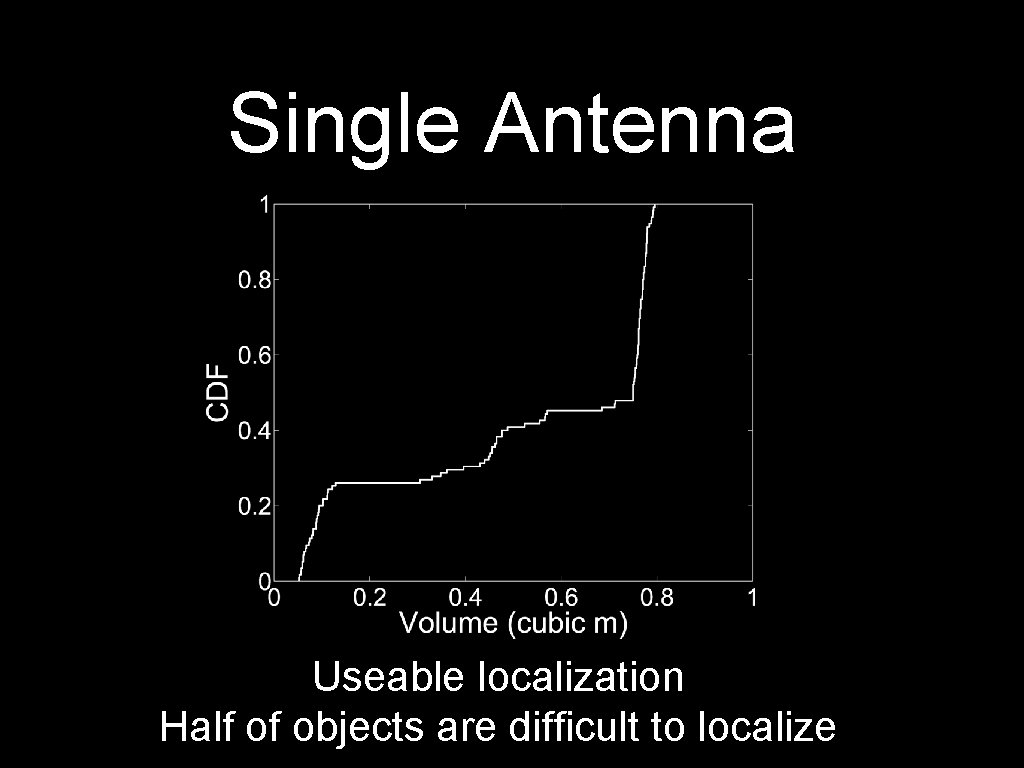
Single Antenna Useable localization Half of objects are difficult to localize
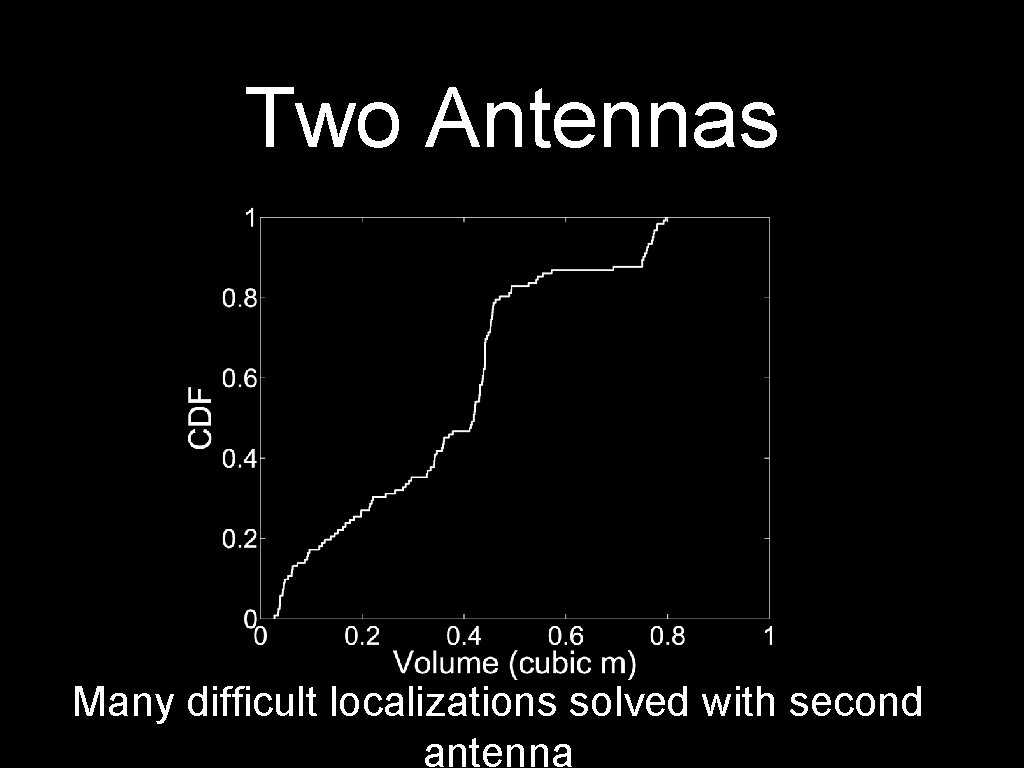
Two Antennas Many difficult localizations solved with second antenna
Visualization • For each localization take snap shot of area • Project volume onto 2 D photo • Works if camera has view of object
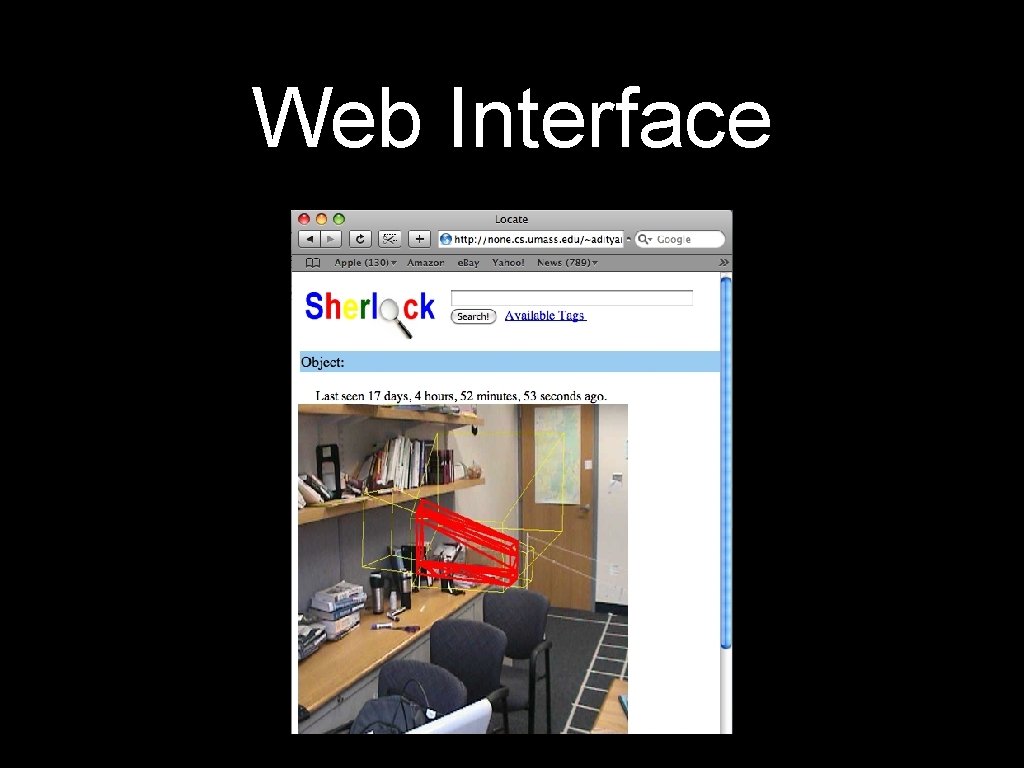
Web Interface
Related Work • RFID Localization (Hähnel et. al) • SLAM robotics problem • Ferret (Liu et. al) • mobile reader • RFID Radar • TTF technology, precise timing
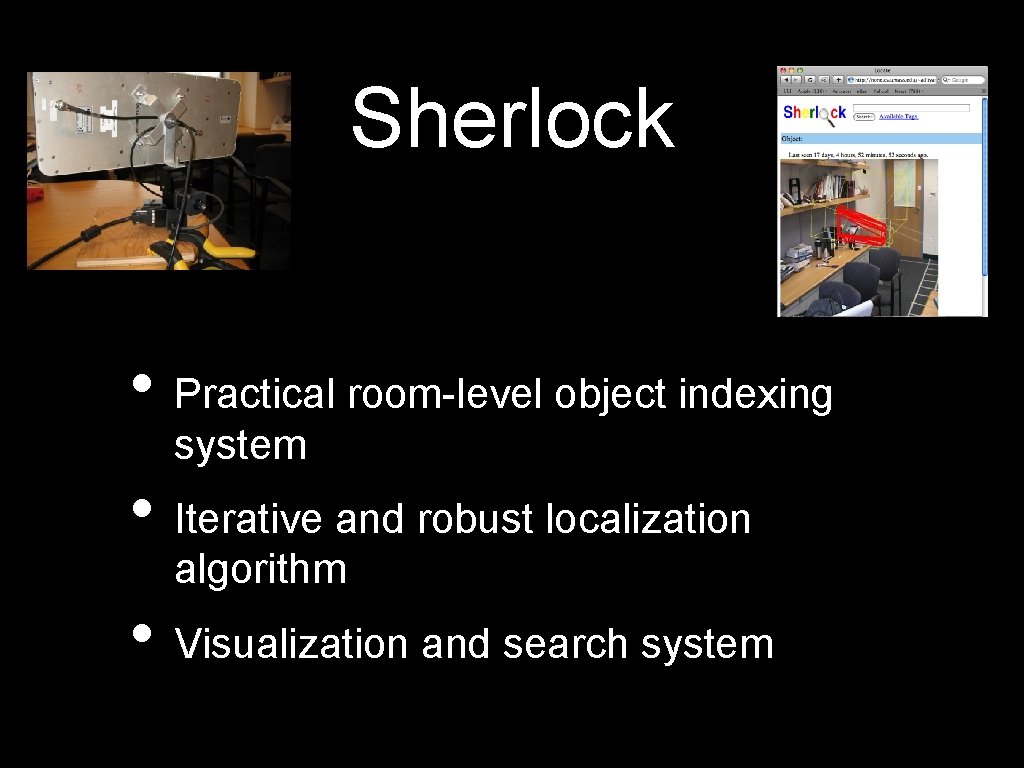
Sherlock • Practical room-level object indexing system • Iterative and robust localization algorithm • Visualization and search system
- Slides: 30