
Shaping Chapter 8 Simple Reinforcement Before Behavior After

Shaping Chapter 8
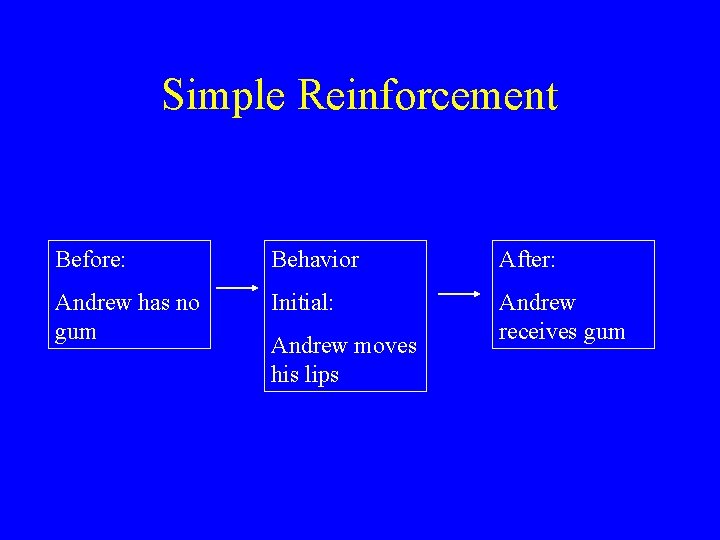
Simple Reinforcement Before: Behavior After: Andrew has no gum Initial: Andrew receives gum Andrew moves his lips
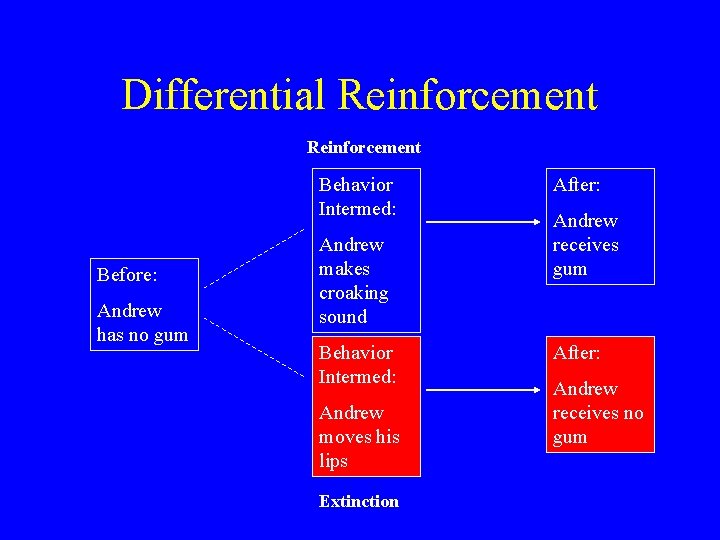
Differential Reinforcement Behavior Intermed: Before: Andrew has no gum Andrew makes croaking sound Behavior Intermed: Andrew moves his lips Extinction After: Andrew receives gum After: Andrew receives no gum
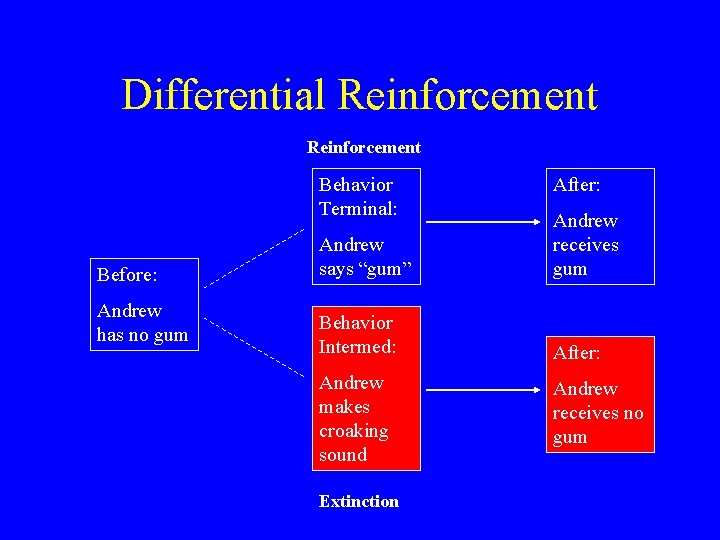
Differential Reinforcement Behavior Terminal: Before: Andrew has no gum After: Andrew says “gum” Andrew receives gum Behavior Intermed: After: Andrew makes croaking sound Extinction Andrew receives no gum
Process of Shaping • Used when the response is not currently in the repertoire • Is used as an intervention • We don’t shape people, we shape responses
Operant Level • The frequency of responding before reinforcement
Terminal Behavior • Behavior not in the repertoire or not occurring at the desired rate; • This is the goal of the intervention
Shaping Behaviors • Initial behaviors • Intermediate behaviors
Initial behavior • Behavior that resembles the terminal behavior along some meaningful dimension and occurs with at least a minimal frequency
Intermediate behaviors • Behavior that more closely approximates the terminal behavior
The procedure of shaping with reinforcement • The differential reinforcement of only that behavior that more and more closely resembles the terminal behavior
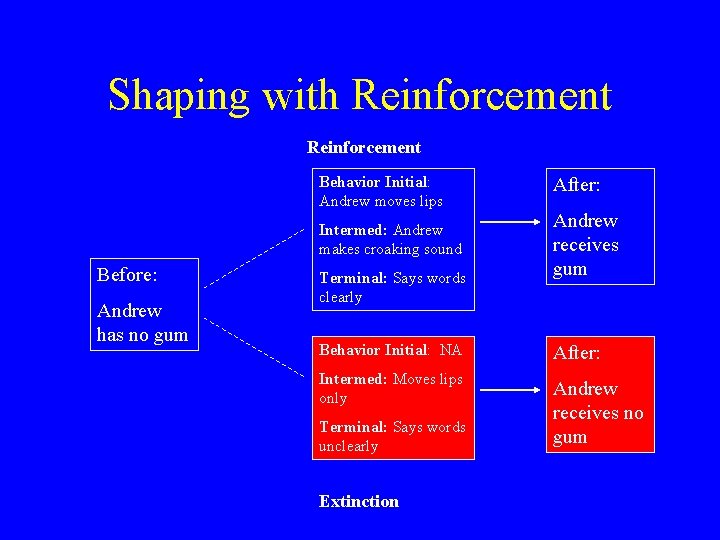
Shaping with Reinforcement Behavior Initial: Andrew moves lips Intermed: Andrew makes croaking sound Before: Andrew has no gum Terminal: Says words clearly After: Andrew receives gum Behavior Initial: NA After: Intermed: Moves lips only Andrew receives no gum Terminal: Says words unclearly Extinction
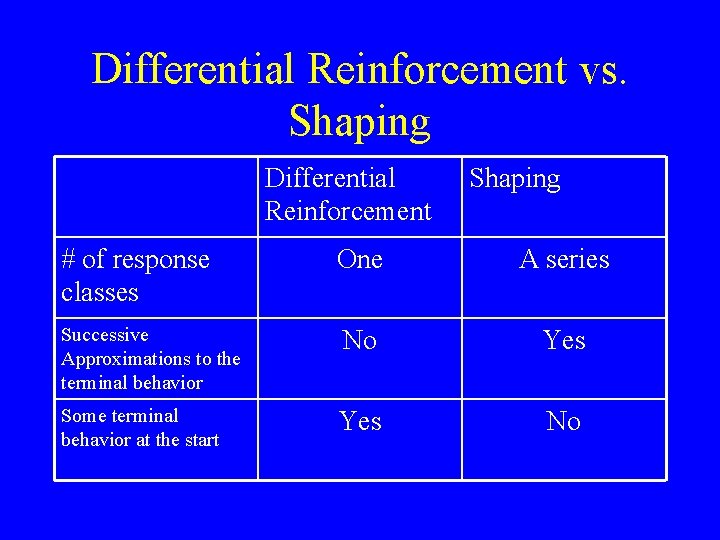
Differential Reinforcement vs. Shaping Differential Reinforcement # of response classes Shaping One A series Successive Approximations to the terminal behavior No Yes Some terminal behavior at the start Yes No
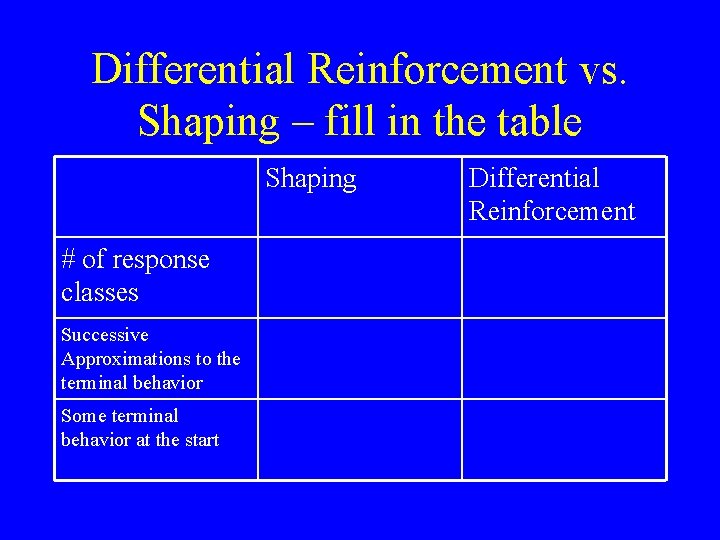
Differential Reinforcement vs. Shaping – fill in the table Shaping # of response classes Successive Approximations to the terminal behavior Some terminal behavior at the start Differential Reinforcement
Shaping with punishment • The differential punishment of all behavior except that which more and more closely resembles the terminal behavior
Variable-outcome shaping • Shaping that involves an increase in the magnitude of a reinforcer or a decrease in the magnitude of an aversive outcome as performance more and more closely resembles the terminal behavior
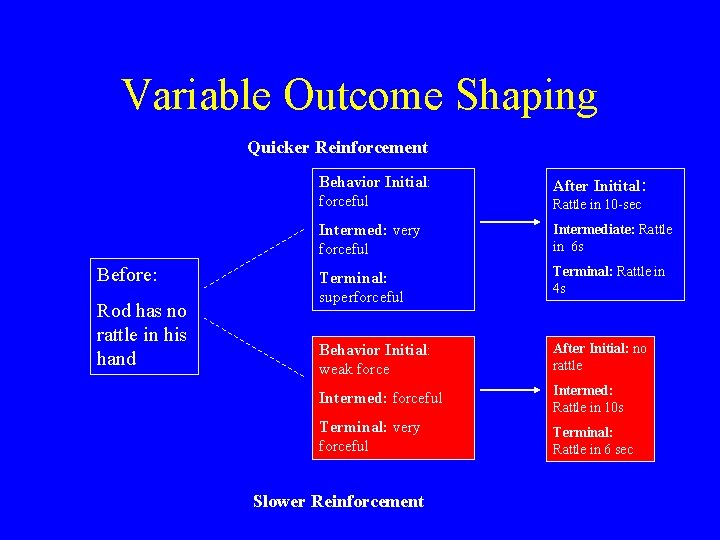
Variable Outcome Shaping Quicker Reinforcement Before: Rod has no rattle in his hand Behavior Initial: forceful After Initital: Intermed: very forceful Intermediate: Rattle in 6 s Terminal: superforceful Terminal: Rattle in 4 s Behavior Initial: weak force After Initial: no rattle Intermed: forceful Intermed: Rattle in 10 s Terminal: very forceful Terminal: Rattle in 6 sec Slower Reinforcement Rattle in 10 -sec
Fixed outcome shaping • Shaping that involves the delivery of a fixed magnitude of a reinforcer, when performance meets the changing criterion, • or the delivery of a fixed magnitude of an aversive outcome, when performance fails to meet the changing criterion.
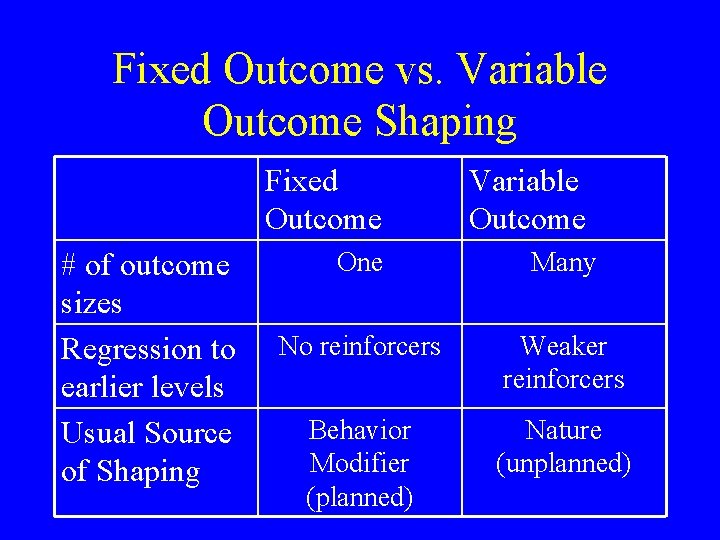
Fixed Outcome vs. Variable Outcome Shaping Fixed Outcome # of outcome sizes Regression to earlier levels Usual Source of Shaping Variable Outcome One Many No reinforcers Weaker reinforcers Behavior Modifier (planned) Nature (unplanned)
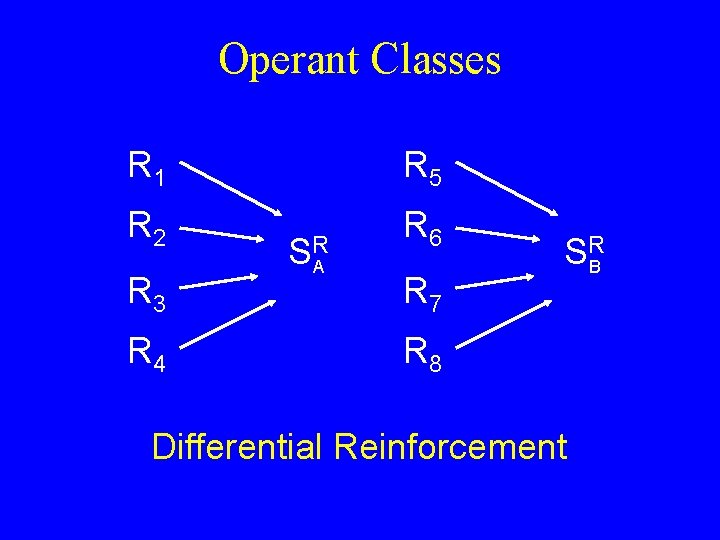
Operant Classes R 1 R 5 R 2 R 6 R 3 R 4 SRA R 7 SRB R 8 Differential Reinforcement
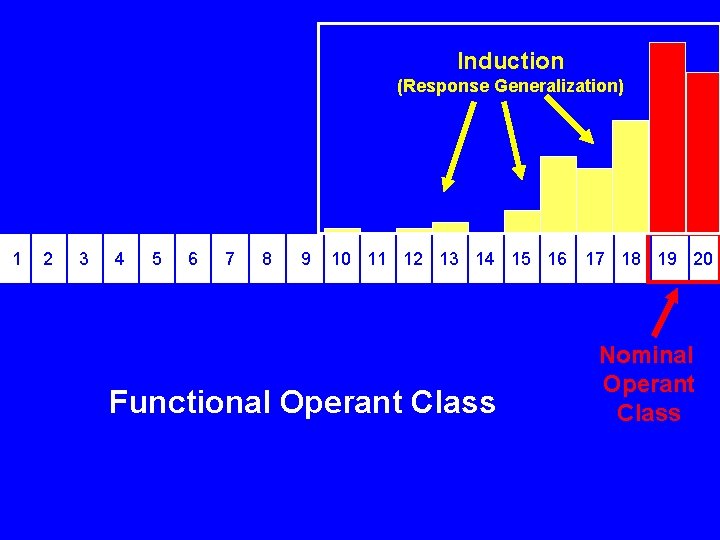
Shaping • “Creates” new behavior (creates classes) – adds responses to an individual’s repertoire • Differential reinforcement of successive approximations
Shaping • Artificial (i. e. , deliberate)
Deliberate Shaping 1. 2. 3. 4. Select a final target behavior Measure current distribution (baseline) Differentially reinforce an approx. Diff. reinf. new approx. • Place previous approx. on EXT 5. Continue until target behavior occurs
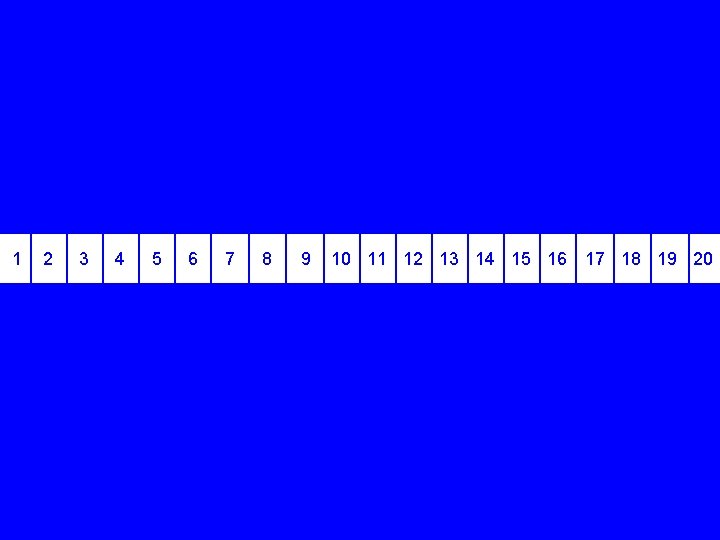
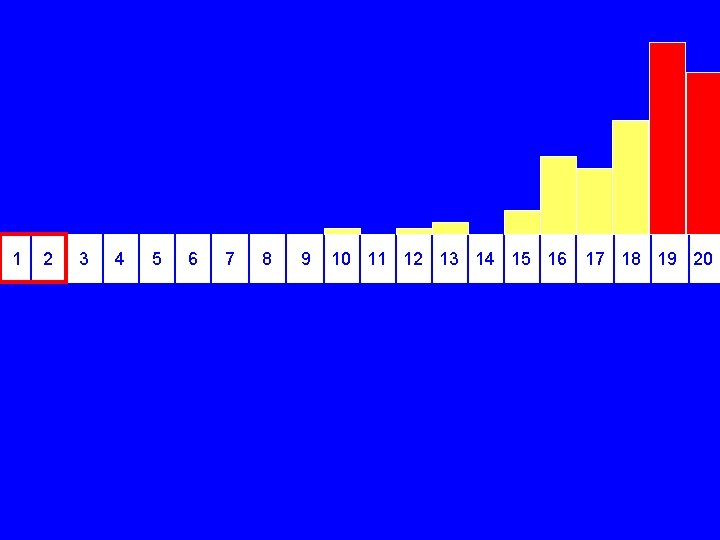
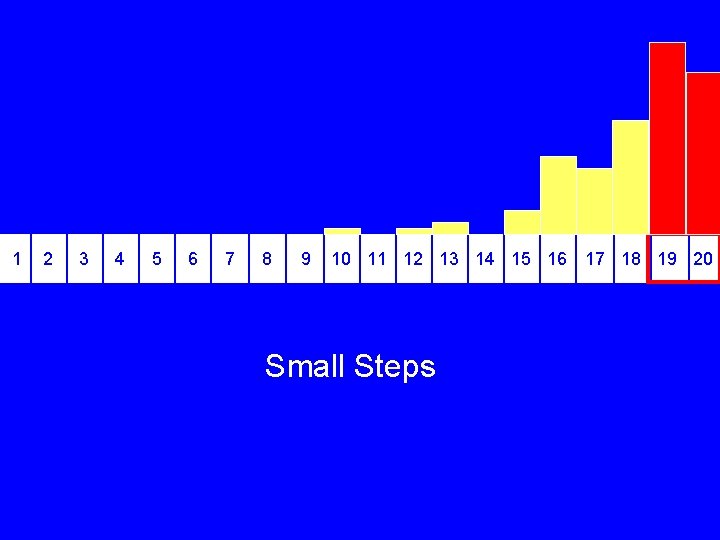
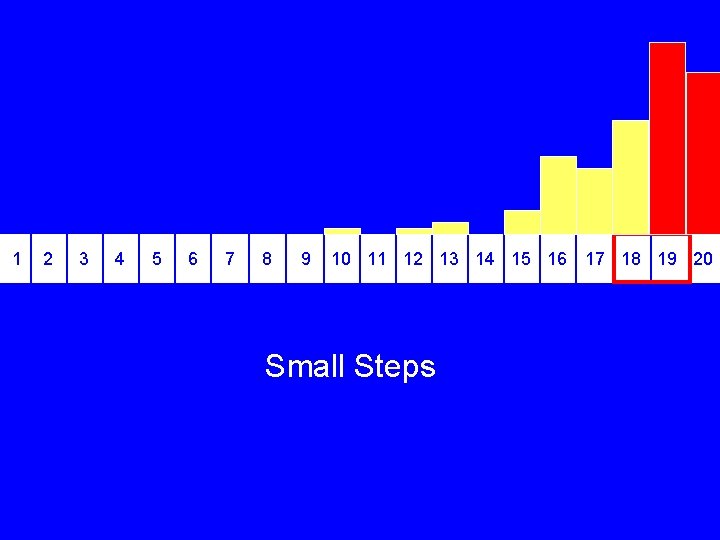
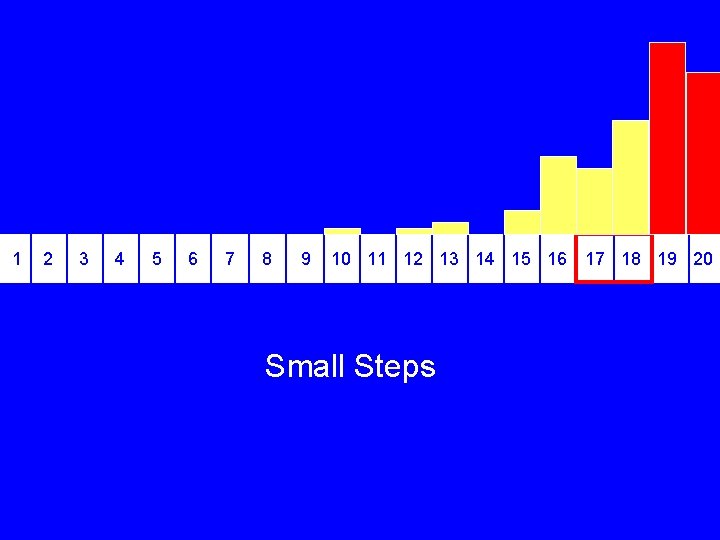
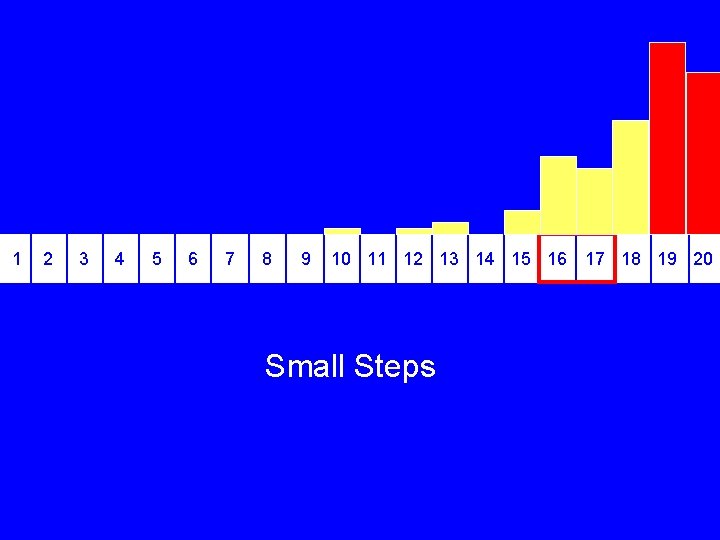
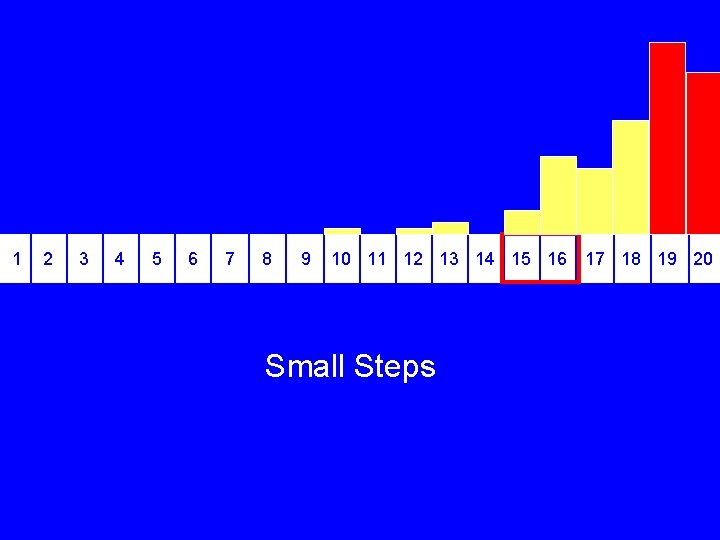
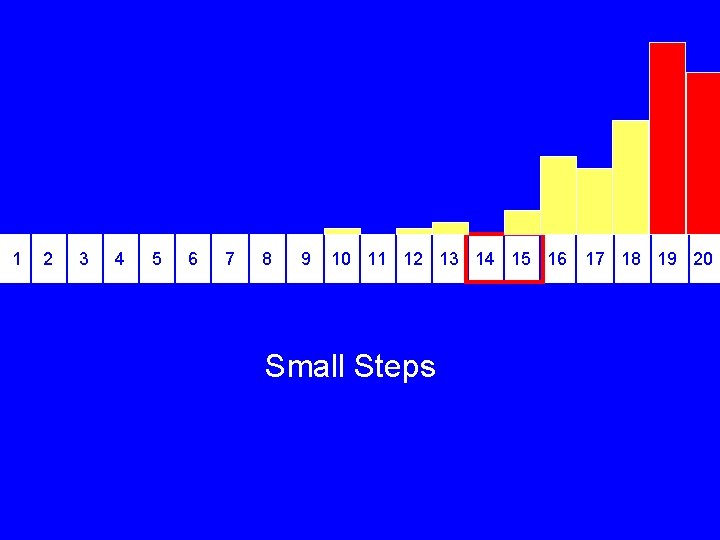
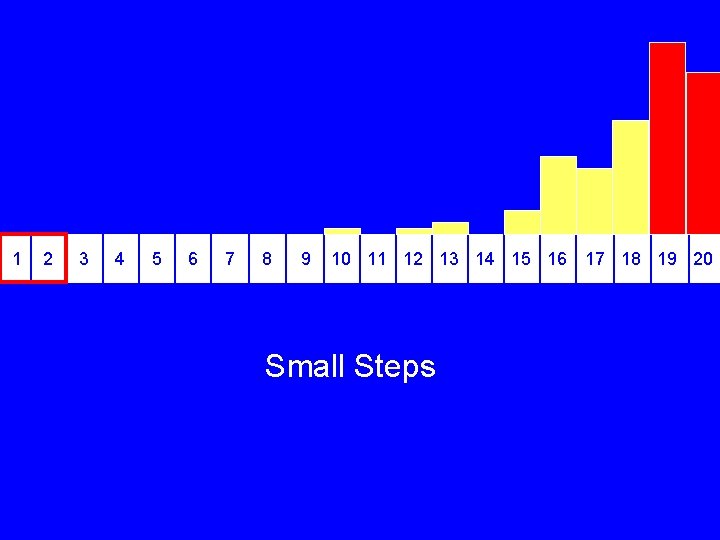
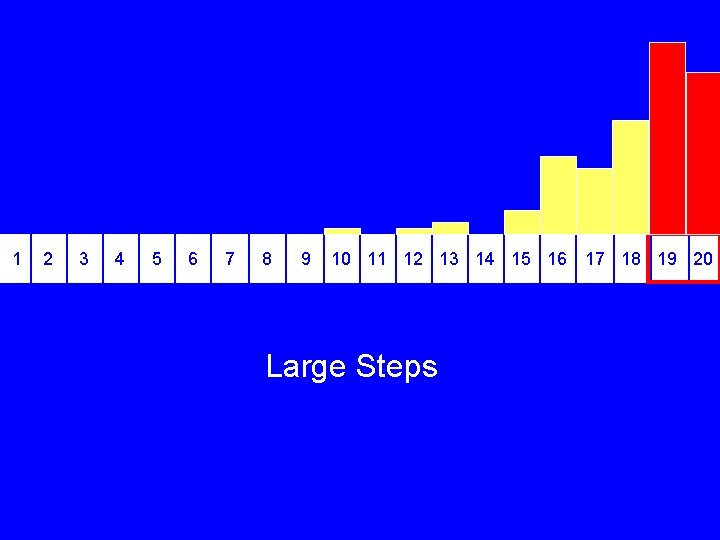
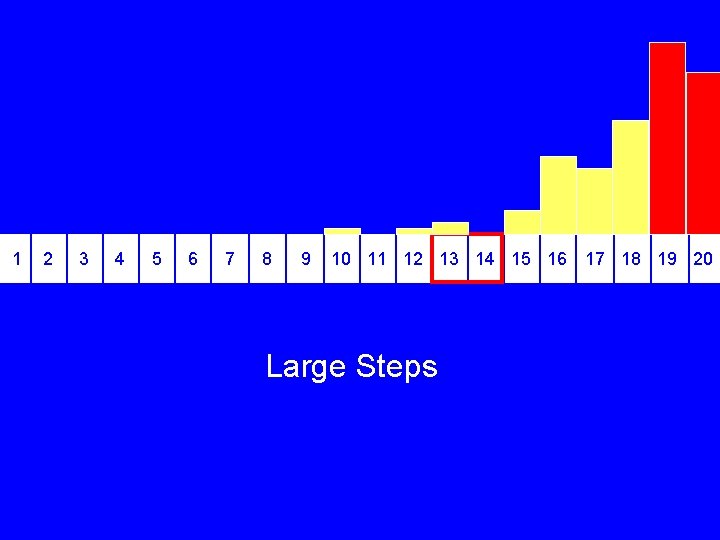
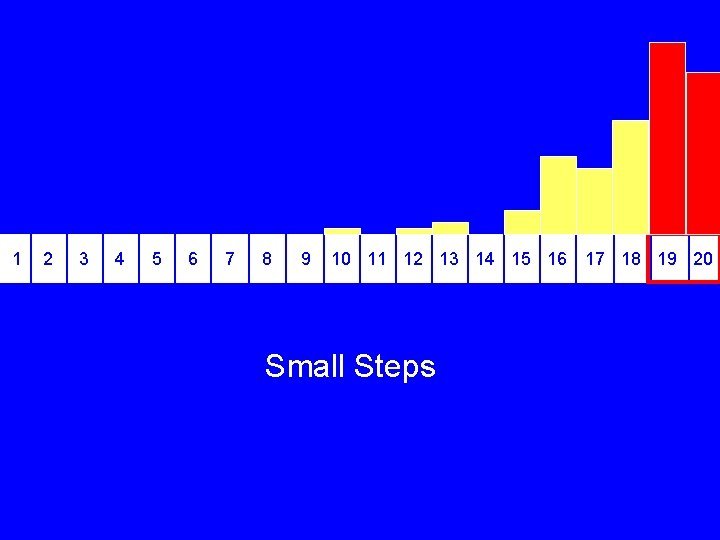
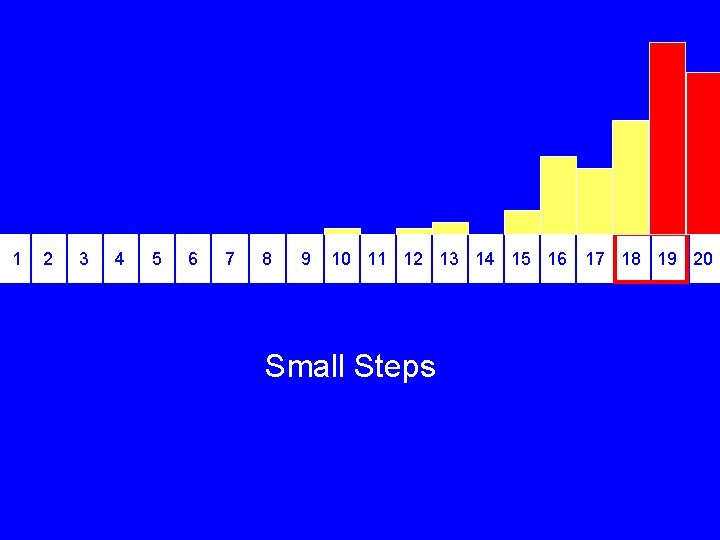
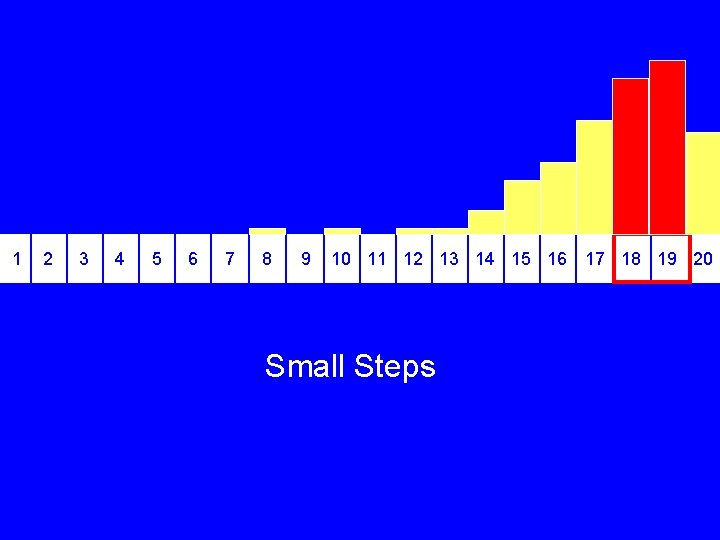
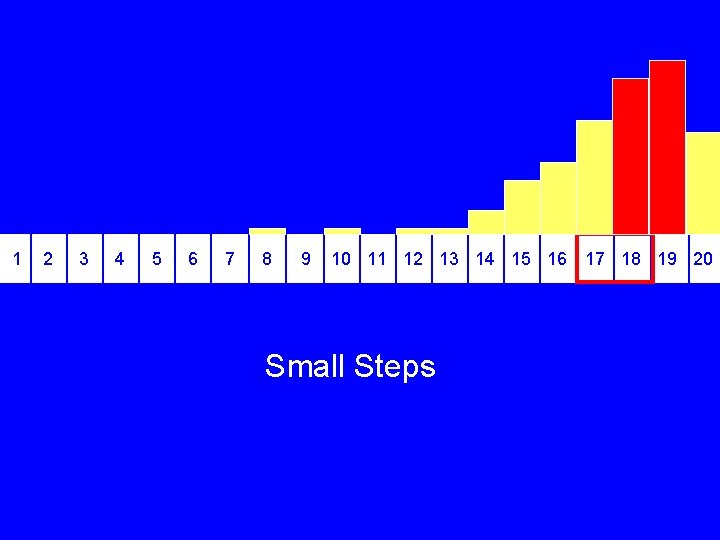
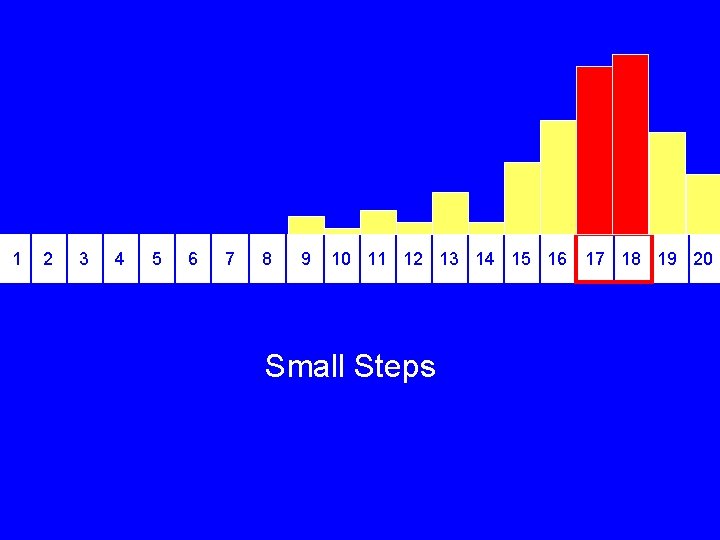
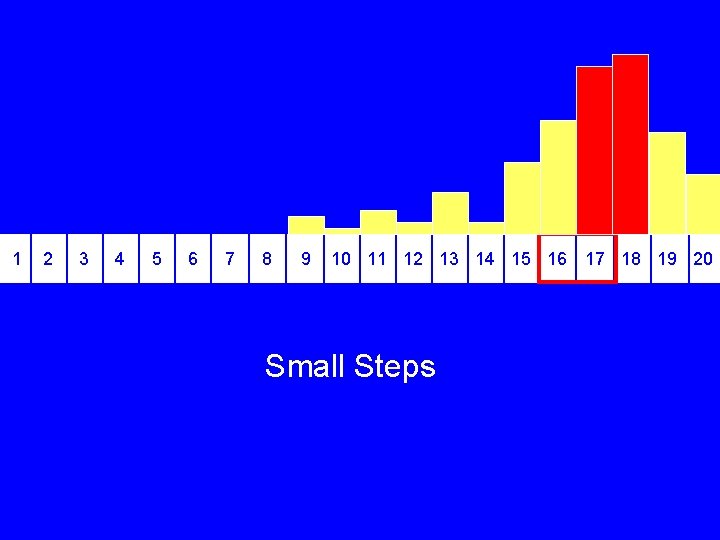
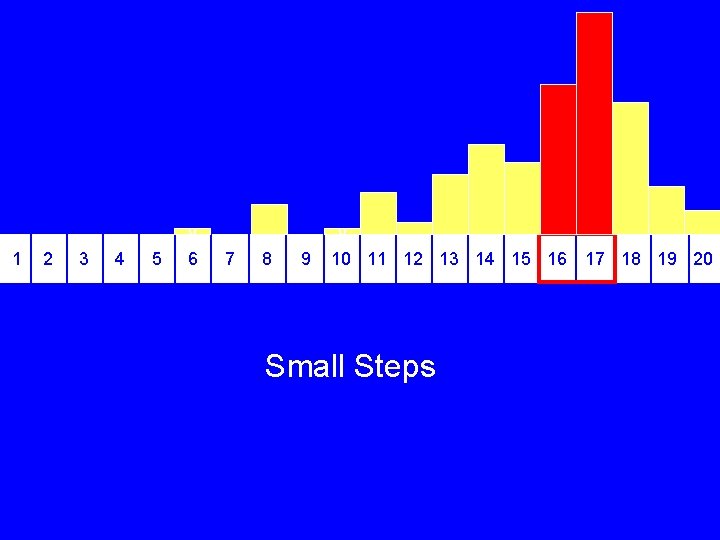
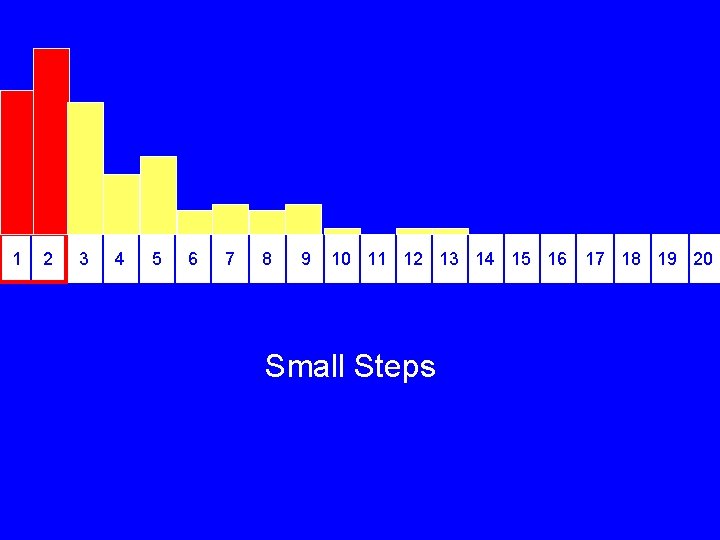
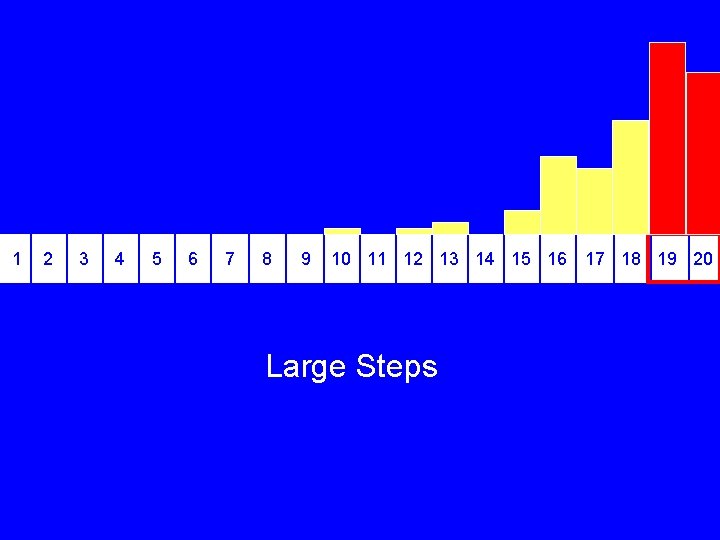
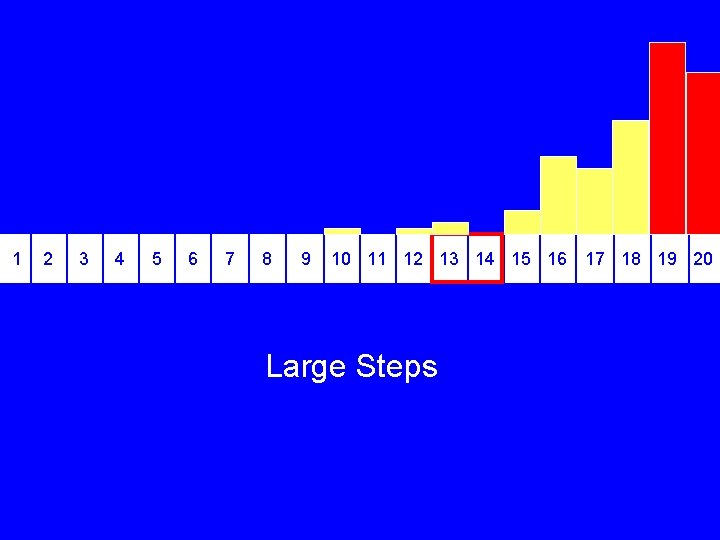
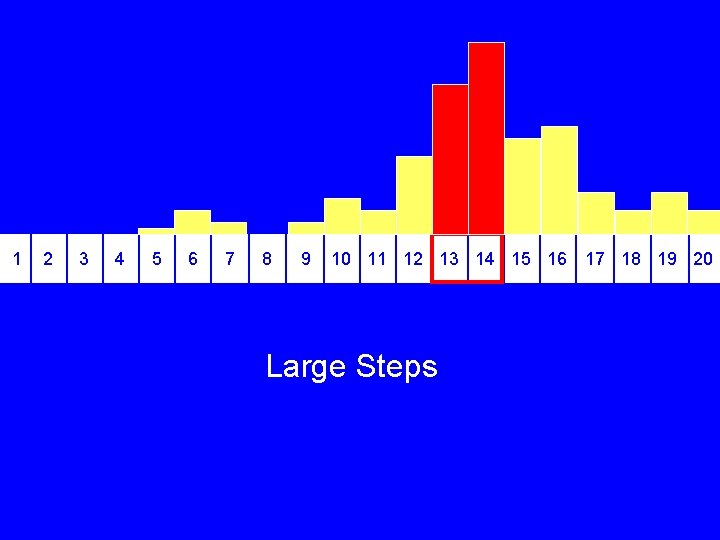
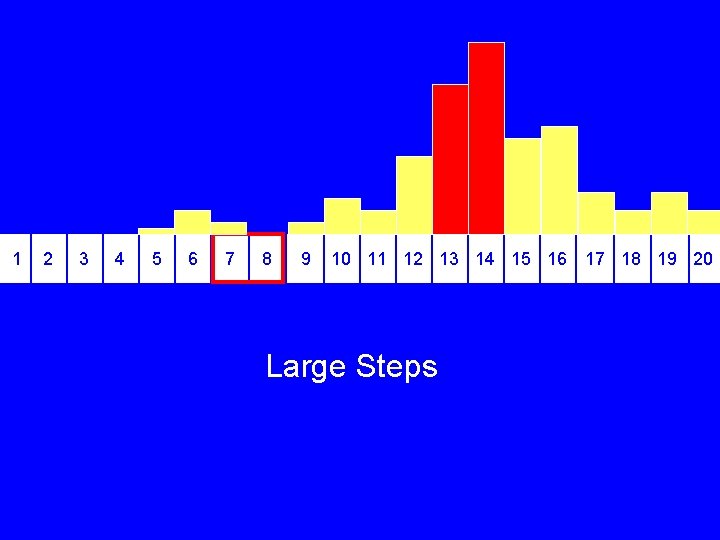
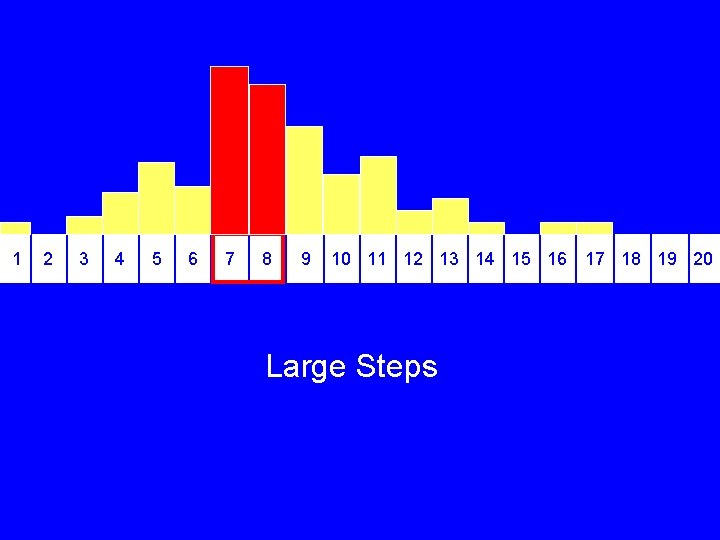
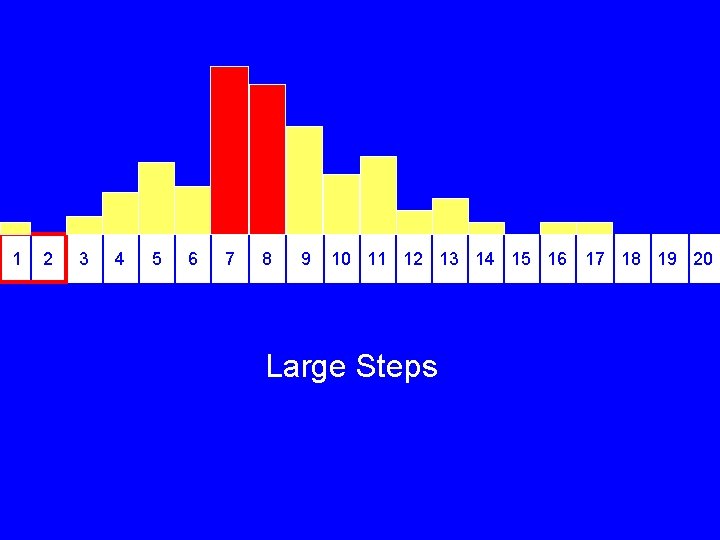
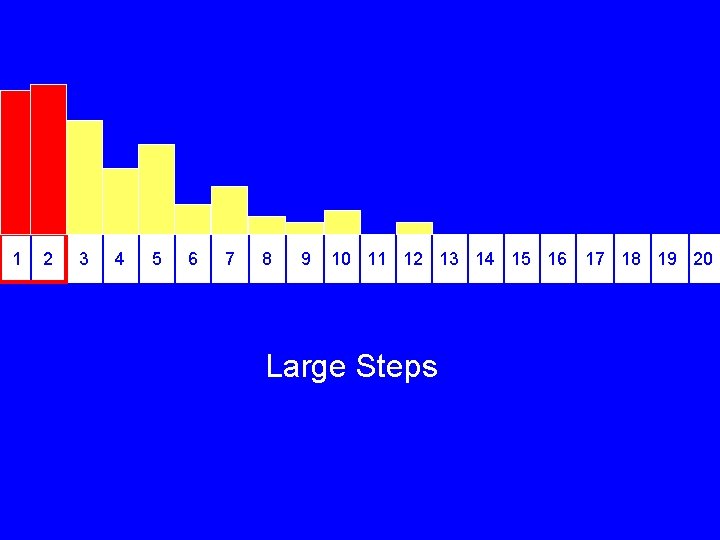
Eckerman et al. (1980) • Interested in developing principles of shaping • Two questions – Step Size? – How fast (i. e. , step rate)?
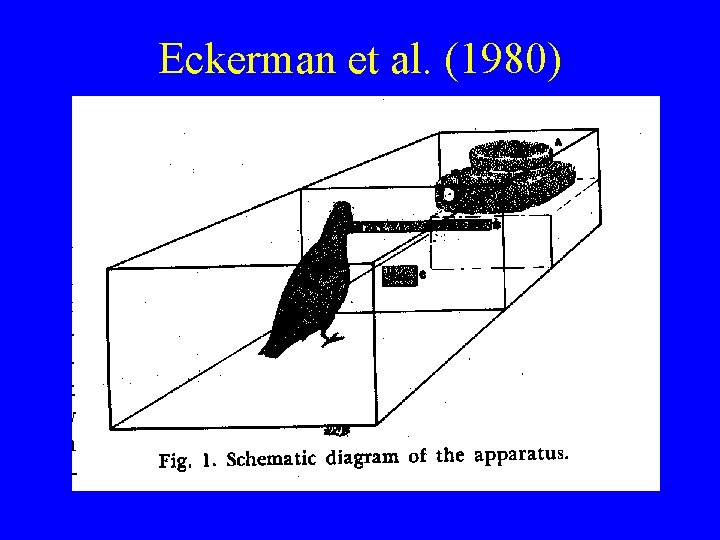
Eckerman et al. (1980)

1 2 3 4 5 6 7 8 9 10 11 12 13 14 15 16 17 18 19 20
Induction (Response Generalization) 1 2 3 4 5 6 7 8 9 10 11 12 13 14 15 16 17 18 19 20 Functional Operant Class Nominal Operant Class
1 2 3 4 5 6 7 8 9 10 11 12 13 14 15 16 17 18 19 20
1 2 3 4 5 6 7 8 9 10 11 12 13 14 15 16 17 18 19 20 Small Steps
1 2 3 4 5 6 7 8 9 10 11 12 13 14 15 16 17 18 19 20 Small Steps
1 2 3 4 5 6 7 8 9 10 11 12 13 14 15 16 17 18 19 20 Small Steps
1 2 3 4 5 6 7 8 9 10 11 12 13 14 15 16 17 18 19 20 Small Steps
1 2 3 4 5 6 7 8 9 10 11 12 13 14 15 16 17 18 19 20 Small Steps
1 2 3 4 5 6 7 8 9 10 11 12 13 14 15 16 17 18 19 20 Small Steps
1 2 3 4 5 6 7 8 9 10 11 12 13 14 15 16 17 18 19 20 Small Steps
1 2 3 4 5 6 7 8 9 10 11 12 13 14 15 16 17 18 19 20 Large Steps
1 2 3 4 5 6 7 8 9 10 11 12 13 14 15 16 17 18 19 20 Large Steps
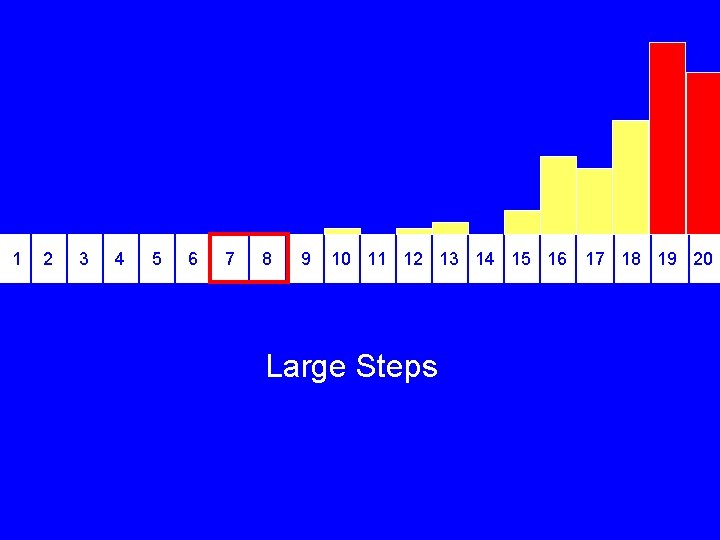
1 2 3 4 5 6 7 8 9 10 11 12 13 14 15 16 17 18 19 20 Large Steps
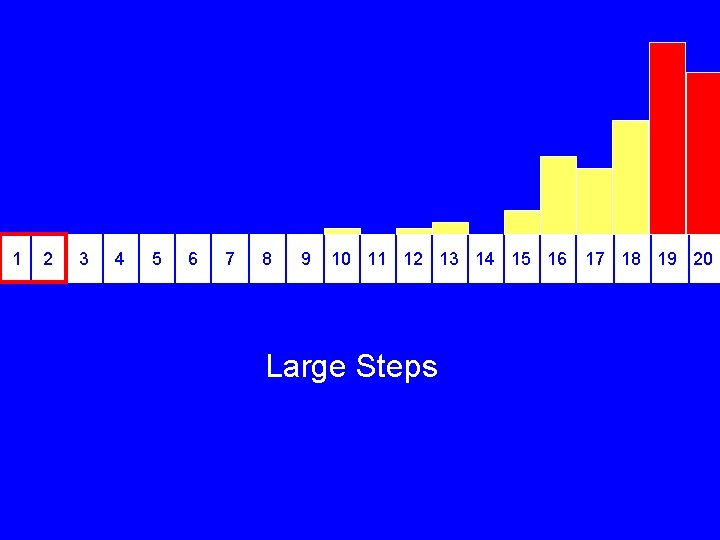
1 2 3 4 5 6 7 8 9 10 11 12 13 14 15 16 17 18 19 20 Large Steps
Eckerman et al. (1980) Independent Variables • Step Size = Change in distance each step • Step Rate = How long at each step
Eckerman et al. (1980) Dependent Variable • Accuracy – Percentage of pecks at target locations
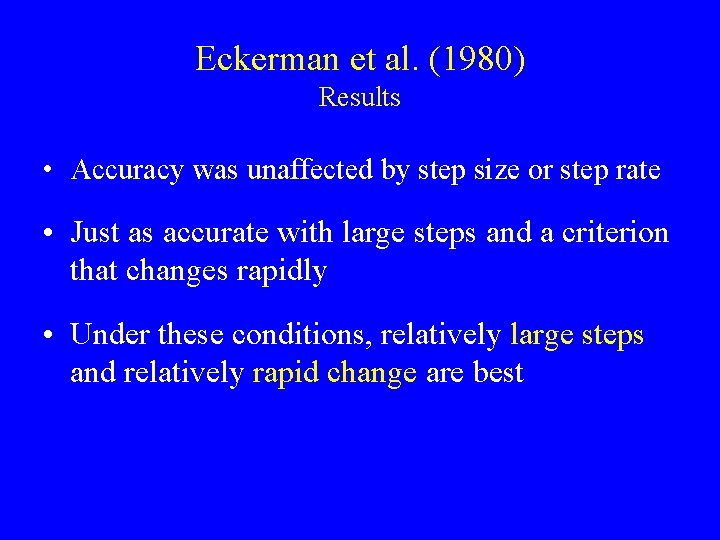
Eckerman et al. (1980) Results • Accuracy was unaffected by step size or step rate • Just as accurate with large steps and a criterion that changes rapidly • Under these conditions, relatively large steps and relatively rapid change are best
1 2 3 4 5 6 7 8 9 10 11 12 13 14 15 16 17 18 19 20 Small Steps
1 2 3 4 5 6 7 8 9 10 11 12 13 14 15 16 17 18 19 20 Small Steps
1 2 3 4 5 6 7 8 9 10 11 12 13 14 15 16 17 18 19 20 Small Steps
1 2 3 4 5 6 7 8 9 10 11 12 13 14 15 16 17 18 19 20 Small Steps
1 2 3 4 5 6 7 8 9 10 11 12 13 14 15 16 17 18 19 20 Small Steps
1 2 3 4 5 6 7 8 9 10 11 12 13 14 15 16 17 18 19 20 Small Steps
v 1 2 3 4 5 6 v 7 8 9 10 11 12 13 14 15 16 17 18 19 20 Small Steps
1 2 3 4 5 6 7 8 9 10 11 12 13 14 15 16 17 18 19 20 Small Steps
1 2 3 4 5 6 7 8 9 10 11 12 13 14 15 16 17 18 19 20 Large Steps
1 2 3 4 5 6 7 8 9 10 11 12 13 14 15 16 17 18 19 20 Large Steps
1 2 3 4 5 6 7 8 9 10 11 12 13 14 15 16 17 18 19 20 Large Steps
1 2 3 4 5 6 7 8 9 10 11 12 13 14 15 16 17 18 19 20 Large Steps
1 2 3 4 5 6 7 8 9 10 11 12 13 14 15 16 17 18 19 20 Large Steps
1 2 3 4 5 6 7 8 9 10 11 12 13 14 15 16 17 18 19 20 Large Steps
1 2 3 4 5 6 7 8 9 10 11 12 13 14 15 16 17 18 19 20 Large Steps
Eckerman et al. (1980) Results • Accuracy was unaffected by step size or step rate • Just as accurate with large steps and a criterion that changes rapidly • Under these conditions, relatively large steps and relatively rapid change are best
- Slides: 59