
SHALABHAMCOMPREHENSIVE NEWBORN SCREENING PROGRAM IN KERALA KESHVENDRAKUMAR IAS
SHALABHAMCOMPREHENSIVE NEWBORN SCREENING PROGRAM IN KERALA KESHVENDRAKUMAR IAS STATE MISSION DIRECTOR NATIONAL HEALTH MISSION, KERALA arogyakeralam. gov. in
Welcome!! A Life Saving Innovation with country wide relevance to improve Quality of Survival

THIS FOLLOWS. . 1 2 3 4 5 6 Problem Statement & Background Information Comprehensive Newborn screening Program components Results, Scope & Challenges Hridyam for Little Hearts as a successful model of intervention Results and achievements Uniqueness, Scope & Challenges
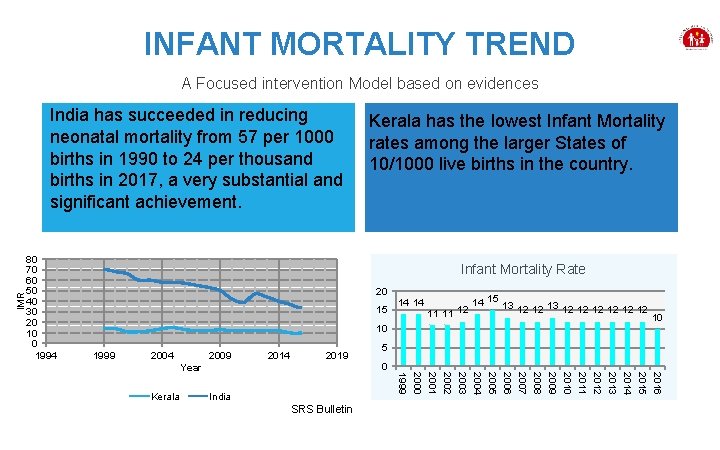
INFANT MORTALITY TREND A Focused intervention Model based on evidences IMR India has succeeded in reducing neonatal mortality from 57 per 1000 births in 1990 to 24 per thousand births in 2017, a very substantial and significant achievement. 80 70 60 50 40 30 20 10 0 1994 Kerala has the lowest Infant Mortality rates among the larger States of 10/1000 live births in the country. Infant Mortality Rate 20 15 14 14 11 11 12 14 15 13 12 12 10 10 1999 2004 2009 2014 2019 Kerala 0 2016 2015 2014 2013 2012 2011 2010 2009 2008 2007 2006 2005 2004 2003 2002 2001 2000 1999 Year 5 India SRS Bulletin
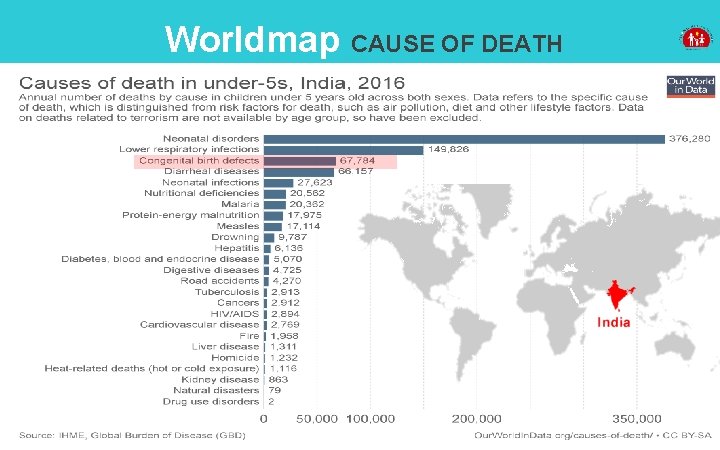
Worldmap CAUSE OF DEATH
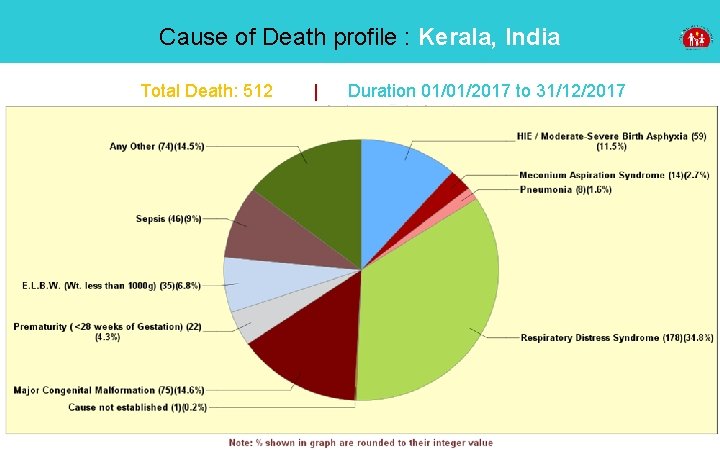
Cause of among Death profile : Kerala, Causes of deaths children under 5 India Years, 2016 Total Death: 512 | Duration 01/01/2017 to 31/12/2017
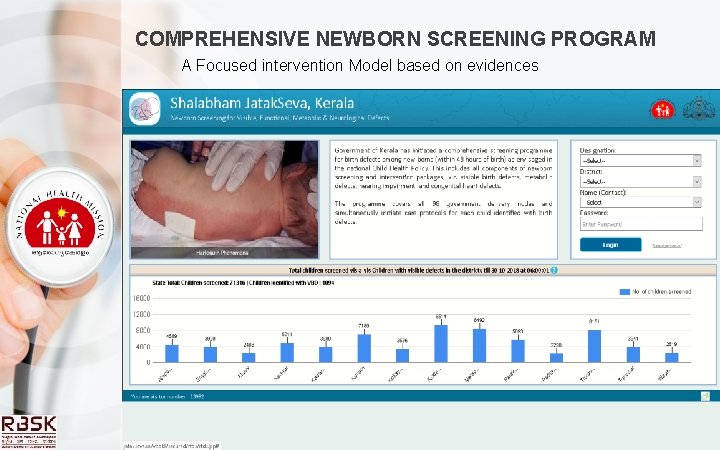
COMPREHENSIVE NEWBORN SCREENING PROGRAM A Focused intervention Model based on evidences
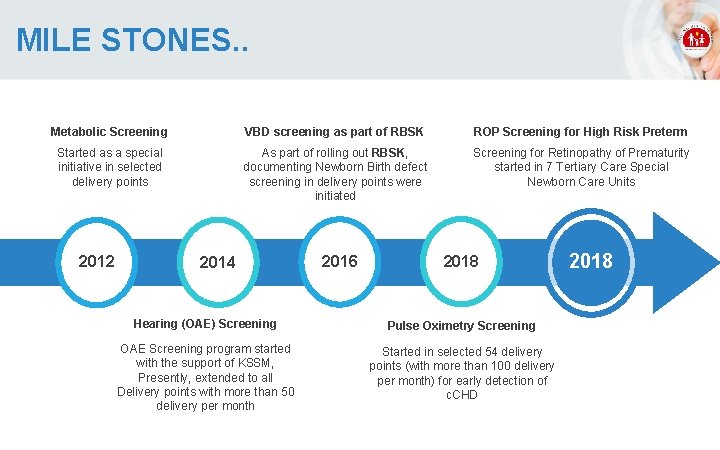
MILE STONES. . Metabolic Screening VBD screening as part of RBSK ROP Screening for High Risk Preterm Started as a special initiative in selected delivery points As part of rolling out RBSK, documenting Newborn Birth defect screening in delivery points were initiated Screening for Retinopathy of Prematurity started in 7 Tertiary Care Special Newborn Care Units 2012 2014 2016 2018 Hearing (OAE) Screening Pulse Oximetry Screening OAE Screening program started with the support of KSSM, Presently, extended to all Delivery points with more than 50 delivery per month Started in selected 54 delivery points (with more than 100 delivery per month) for early detection of c. CHD 2018
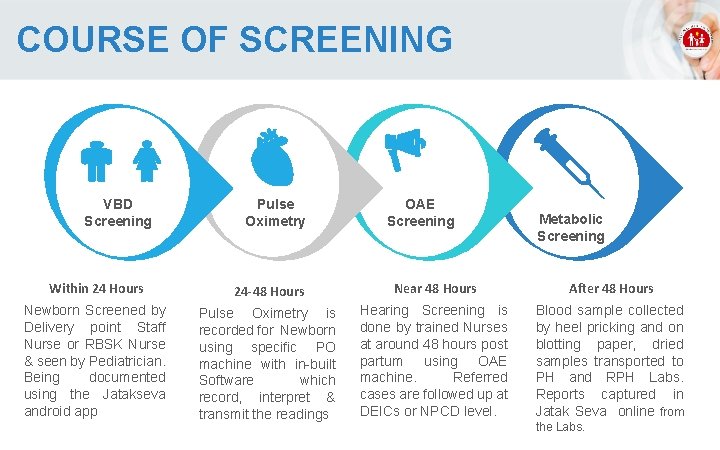
COURSE OF SCREENING VBD Screening Pulse Oximetry OAE Screening Metabolic Screening Within 24 Hours 24 -48 Hours Near 48 Hours After 48 Hours Newborn Screened by Delivery point Staff Nurse or RBSK Nurse & seen by Pediatrician. Being documented using the Jatakseva android app Pulse Oximetry is recorded for Newborn using specific PO machine with in-built Software which record, interpret & transmit the readings Hearing Screening is done by trained Nurses at around 48 hours post partum using OAE machine. Referred cases are followed up at DEICs or NPCD level. Blood sample collected by heel pricking and on blotting paper, dried samples transported to PH and RPH Labs. Reports captured in Jatak Seva online from the Labs.
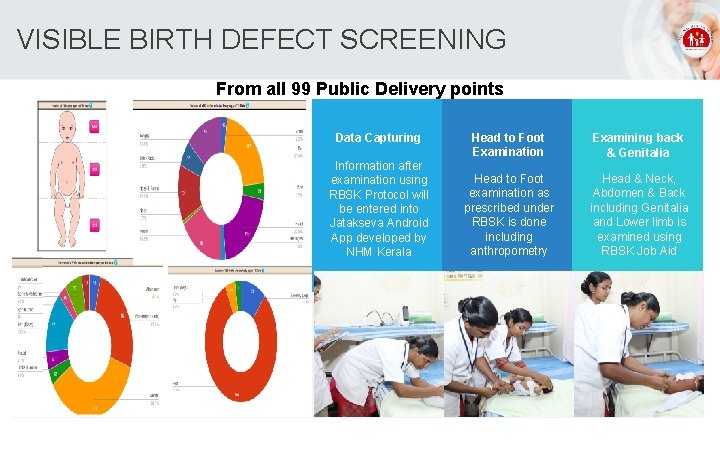
VISIBLE BIRTH DEFECT SCREENING From all 99 Public Delivery points Data Capturing Head to Foot Examination Information after examination using RBSK Protocol will be entered into Jatakseva Android App developed by NHM Kerala Examining back & Genitalia Head to Foot examination as prescribed under RBSK is done including anthropometry Head & Neck, Abdomen & Back including Genitalia and Lower limb is examined using RBSK Job Aid Insert Your Image
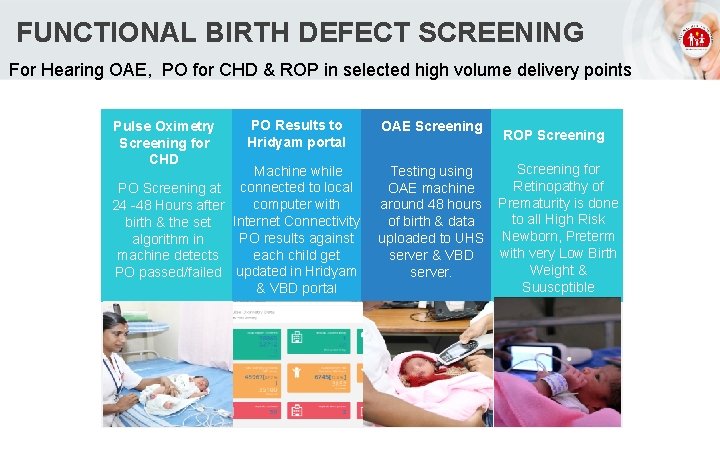
FUNCTIONAL BIRTH DEFECT SCREENING For Hearing OAE, PO for CHD & ROP in selected high volume delivery points Pulse Oximetry Screening for CHD PO Results to Hridyam portal PO Screening at 24 -48 Hours after birth & the set algorithm in machine detects PO passed/failed Machine while. to local connected computer with Internet Connectivity PO results against each child get updated in Hridyam & VBD portal Insert Your Image OAE Screening ROP Screening for Testing using Retinopathy of OAE machine around 48 hours Prematurity is done to all High Risk of birth & data uploaded to UHS Newborn, Preterm with very Low Birth server & VBD Weight & server. Suuscptible Insert Your Image
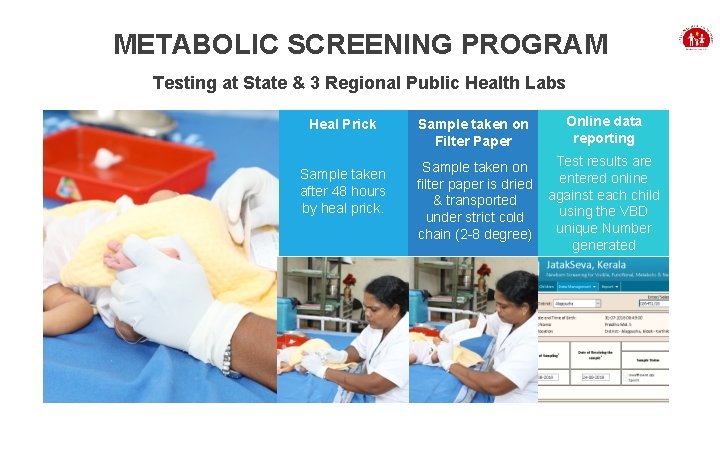
METABOLIC SCREENING PROGRAM Testing at State & 3 Regional Public Health Labs Heal Prick Sample taken after 48 hours by heal prick. Sample taken on Filter Paper Online data reporting Sample taken on filter paper is dried & transported under strict cold chain (2 -8 degree) Test results are entered online against each child using the VBD unique Number generated
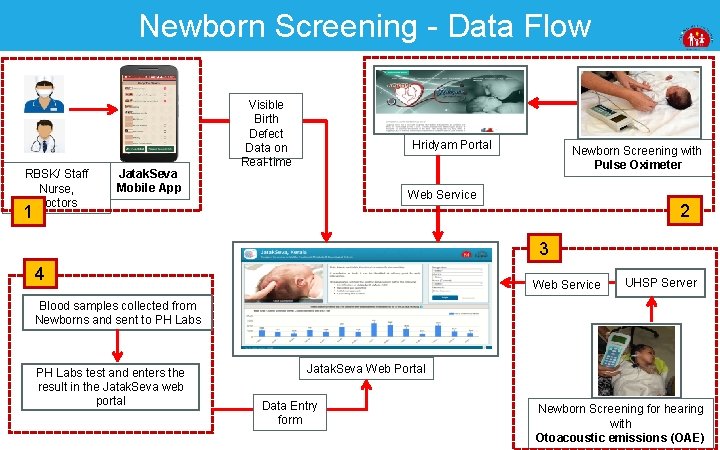
Newborn Screening - Data Flow RBSK/ Staff Nurse, Doctors Jatak. Seva Mobile App Visible Birth Defect Data on Real-time Hridyam Portal Newborn Screening with Pulse Oximeter Web Service 1 2 3 4 Web Service UHSP Server Blood samples collected from Newborns and sent to PH Labs test and enters the result in the Jatak. Seva web portal Jatak. Seva Web Portal Data Entry form Newborn Screening for hearing with Otoacoustic emissions (OAE)
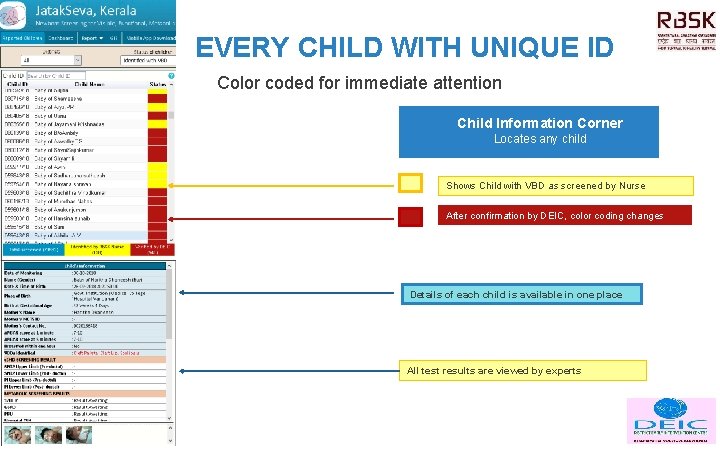
EVERY CHILD WITH UNIQUE ID Color coded for immediate attention Child Information Corner Locates any child Shows Child with VBD as screened by Nurse After confirmation by DEIC, color coding changes Details of each child is available in one place All test results are viewed by experts
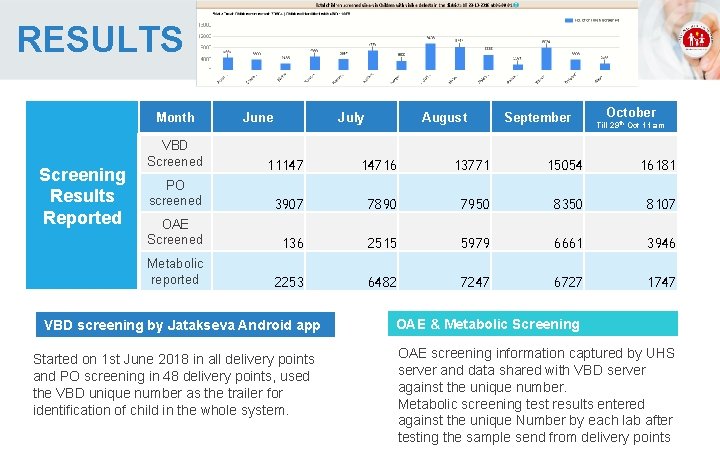
RESULTS Month Screening Results Reported June July August September October Till 29 th Oct 11 am VBD Screened 11147 14716 13771 15054 16181 PO screened 3907 7890 7950 8350 8107 OAE Screened 136 2515 5979 6661 3946 Metabolic reported 2253 6482 7247 6727 1747 VBD screening by Jatakseva Android app Started on 1 st June 2018 in all delivery points and PO screening in 48 delivery points, used the VBD unique number as the trailer for identification of child in the whole system. 018 OAE & Metabolic Screening OAE screening information captured by UHS server and data shared with VBD server against the unique number. Metabolic screening test results entered against the unique Number by each lab after testing the sample send from delivery points
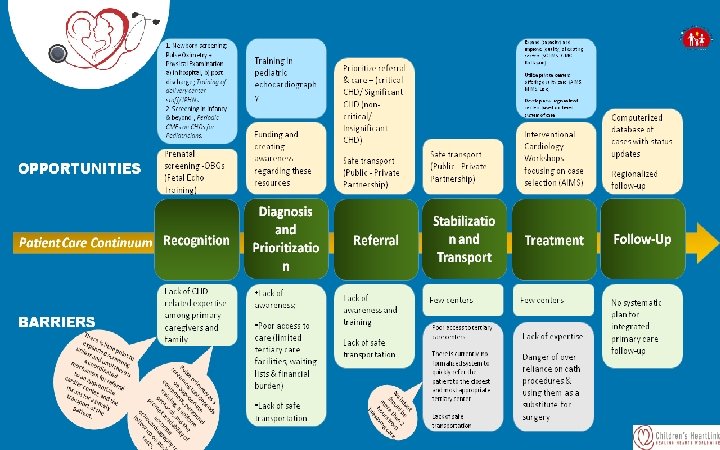
Hridyam for Little Hearts A Successful model of intervention after screening for Congenital Heart Disease (CHD) using Pulse Oximetry from all public health delivery points and those case identified from other locations in Kerala.
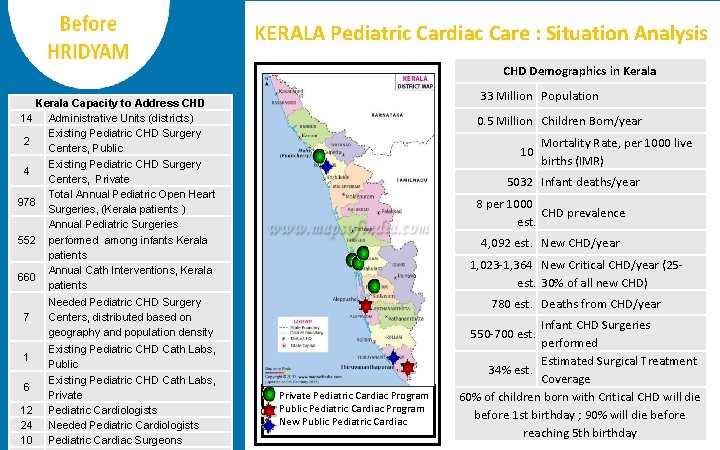
KERALA Pediatric Cardiac Care : Situation Analysis CHD Demographics in Kerala 33 Million Population Kerala Capacity to Address CHD 14 Administrative Units (districts) Existing Pediatric CHD Surgery 2 Centers, Public Existing Pediatric CHD Surgery 4 Centers, Private Total Annual Pediatric Open Heart 978 Surgeries, (Kerala patients ) Annual Pediatric Surgeries 552 performed among infants Kerala patients Annual Cath Interventions, Kerala 660 patients 7 1 6 12 24 10 0. 5 Million Children Born/year 10 5032 Infant deaths/year 8 per 1000 CHD prevalence est. 4, 092 est. New CHD/year 1, 023 -1, 364 New Critical CHD/year (25 est. 30% of all new CHD) 780 est. Deaths from CHD/year Needed Pediatric CHD Surgery Centers, distributed based on geography and population density Existing Pediatric CHD Cath Labs, Public Existing Pediatric CHD Cath Labs, Private Pediatric Cardiologists Needed Pediatric Cardiologists Pediatric Cardiac Surgeons Mortality Rate, per 1000 live births (IMR) Infant CHD Surgeries performed Estimated Surgical Treatment 34% est. Coverage 60% of children born with Critical CHD will die before 1 st birthday ; 90% will die before reaching 5 th birthday 550 -700 est. Private Pediatric Cardiac Program Public Pediatric Cardiac Program New Public Pediatric Cardiac
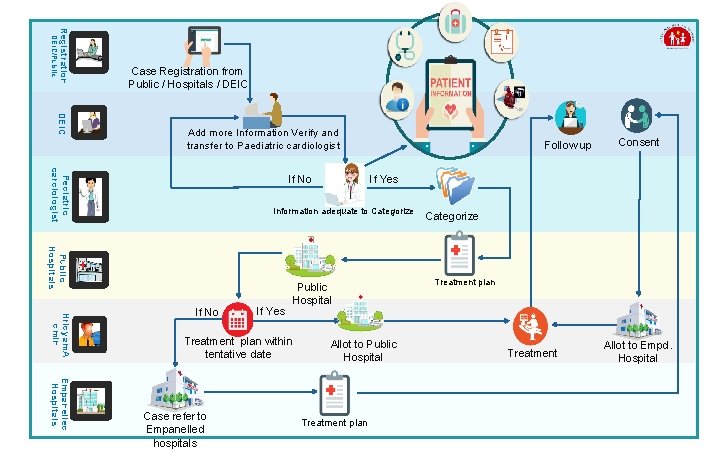
DEIC/Public Registration Case Registration from Public / Hospitals / DEIC Add more Information Verify and transfer to Paediatric cardiologist Follow up Pediatric cardiologist If Yes If No Information adequate to Categorize Public Hospitals Hridyam. A dmin If No If Yes Public Hospital Treatment plan within tentative date Empanelled Hospitals Case refer to Empanelled hospitals Consent Allot to Public Hospital Treatment plan Categorize Treatment plan Treatment Allot to Empd. Hospital
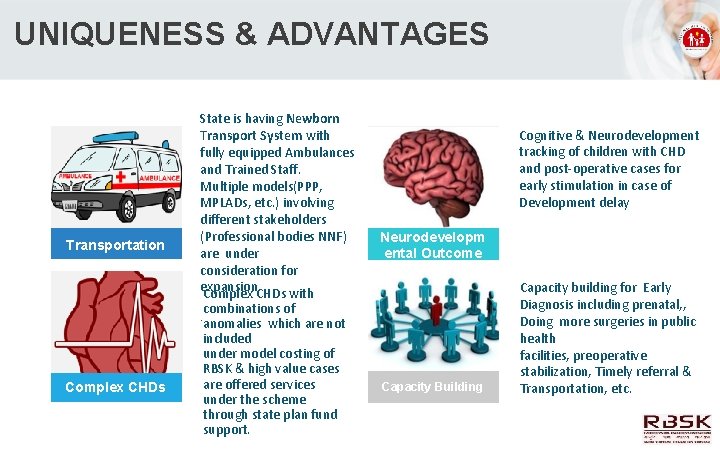
UNIQUENESS & ADVANTAGES Transportation State is having Newborn Transport System with fully equipped Ambulances and Trained Staff. Multiple models(PPP, MPLADs, etc. ) involving different stakeholders (Professional bodies NNF) are under consideration for expansion Complex CHDs with combinations of anomalies which are not included under model costing of RBSK & high value cases are offered services under the scheme through state plan fund support. Cognitive & Neurodevelopment tracking of children with CHD and post-operative cases for early stimulation in case of Development delay Neurodevelopm ental Outcome . Complex CHDs Capacity Building Capacity building for Early Diagnosis including prenatal, , Doing more surgeries in public health facilities, preoperative stabilization, Timely referral & Transportation, etc.
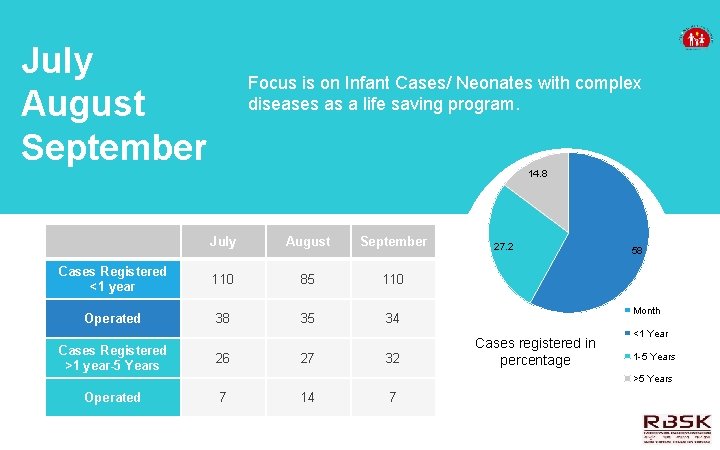
July August September Focus is on Infant Cases/ Neonates with complex diseases as a life saving program. 14. 8 10% July August September Cases Registered <1 year 110 85 110 Operated 38 Cases Registered >1 year-5 Years 27. 2 58 20% 70% 26 35 27 34 32 Cases registered in percentage Month <1 Year 1 -5 Years >5 Years Operated 7 14 7
Thank you RBSK Supported Model
- Slides: 22