
SFU LIBRARY CRIMINOLOGY 330 LIBRARY RESEARCH Yolanda Koscielski
SFU LIBRARY CRIMINOLOGY 330: LIBRARY RESEARCH Yolanda Koscielski Liaison Librarian for Criminology, Philosophy & Psychology ysk 6@sfu. ca James Bachmann Library Learning and Instruction October 7 & 8, 2019
OUR AGENDA Provide an introduction to legal research to help with your course assignment: Use online legal resources to locate case law and legislation Understand case citations Learn some relevant terminology and definitions “And I thought we were friends” by hehedan, CC BY-NC 2. 0
OUR AGENDA The assignment will be distributed about halfway through the tutorial. You will have time to work independently on it Librarians are available for questions "Outside of a dog, a book is man's best friend. Inside of a dog it's too dark to read“ – Groucho Marx, by Brunobib CC BY-SA 2. 0
WHAT IS LEGAL LITERATURE? • Primary legal literature • The source of the law itself • Case law / Judgments / Reasons for Decision (common law) • Legislation – Acts / Statutes, Regulations
WHAT IS LEGAL LITERATURE? • Secondary legal literature • Writing about the law, such as: • • • articles from academic legal journals case commentary newsletters and digests by legal experts textbooks, books other literature written about primary legal sources • Provides an understanding of legal issues and case law in context
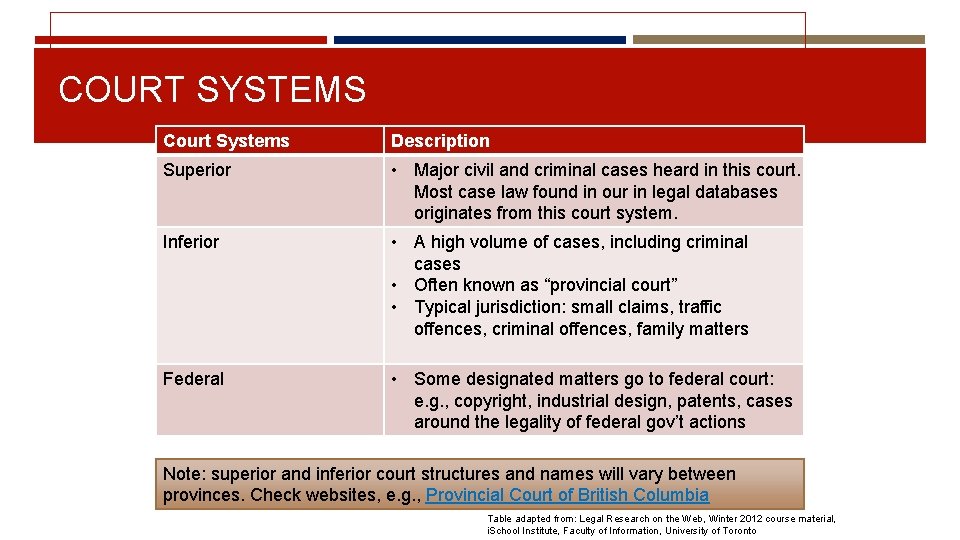
COURT SYSTEMS Court Systems Description Superior • Major civil and criminal cases heard in this court. Most case law found in our in legal databases originates from this court system. Inferior • A high volume of cases, including criminal cases • Often known as “provincial court” • Typical jurisdiction: small claims, traffic offences, criminal offences, family matters Federal • Some designated matters go to federal court: e. g. , copyright, industrial design, patents, cases around the legality of federal gov’t actions Note: superior and inferior court structures and names will vary between provinces. Check websites, e. g. , Provincial Court of British Columbia Table adapted from: Legal Research on the Web, Winter 2012 course material, i. School Institute, Faculty of Information, University of Toronto
PRIMARY LITERATURE - CASE LAW The terms Case Law, Reasons for Decisions, and Judgment are often used interchangeably Case law is available through both multiple free and subscription sources (court websites, databases, etc. ) Significant overlapping coverage of case law across various databases
PRIMARY LITERATURE - CASE LAWCASE Main content of published case law should be identical, regardless of source Free sources – namely, Can. LII – make the law publically accessible Subscription sources often include value-added content such as summarizing headnotes subject classification research tools such as the Canadian Encyclopedic Digest
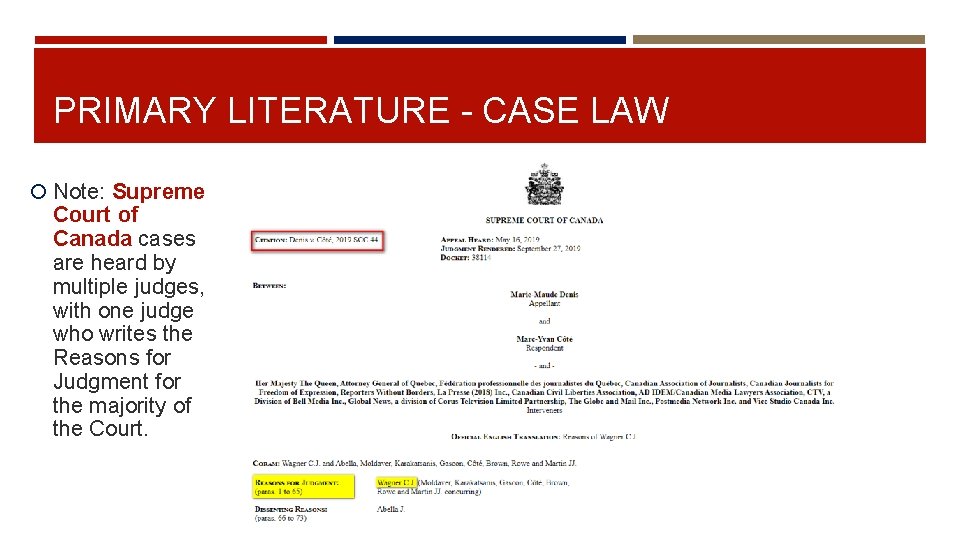
PRIMARY LITERATURE - CASE LAWCASELAW Note: Supreme Court of Canada cases are heard by multiple judges, with one judge who writes the Reasons for Judgment for the majority of the Court.
LEGAL RESEARCH DATABASES Three main online resources for legal research at SFU Can. LII (open access) Westlaw Next Canada Lexis Advance Quicklaw Plus: Hein. Online SFU Library’s list of law-related databases DEMO – How to access
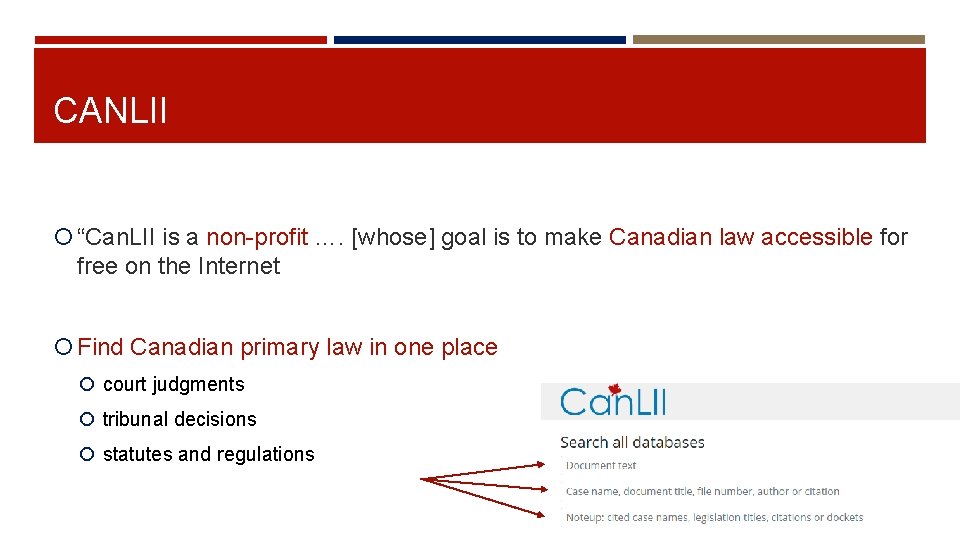
CANLII “Can. LII is a non-profit …. [whose] goal is to make Canadian law accessible for free on the Internet Find Canadian primary law in one place court judgments tribunal decisions statutes and regulations
PRIMARY LITERATURE - LEGISLATION As with case law, there are free sources and subscription sources for legislation Also significant overlapping coverage in legislation covered in databases and websites Free sources include Can. LII and government websites (e. g, Legis. INFO) Make sure you are looking at the most up-to-date version; many sources provide access to historical versions of laws
FINDING A CASE OR DECISION You will often search for a particular case in a database by either: 1) case citation, or, 2) case name A case name is based on the abbreviated names of the parties involved in the case. Example case names: R v Sun Glow Foodservice Ltd Western Canada Wilderness Committee v Canada (Minister of Environment) Moore v Bertuzzi
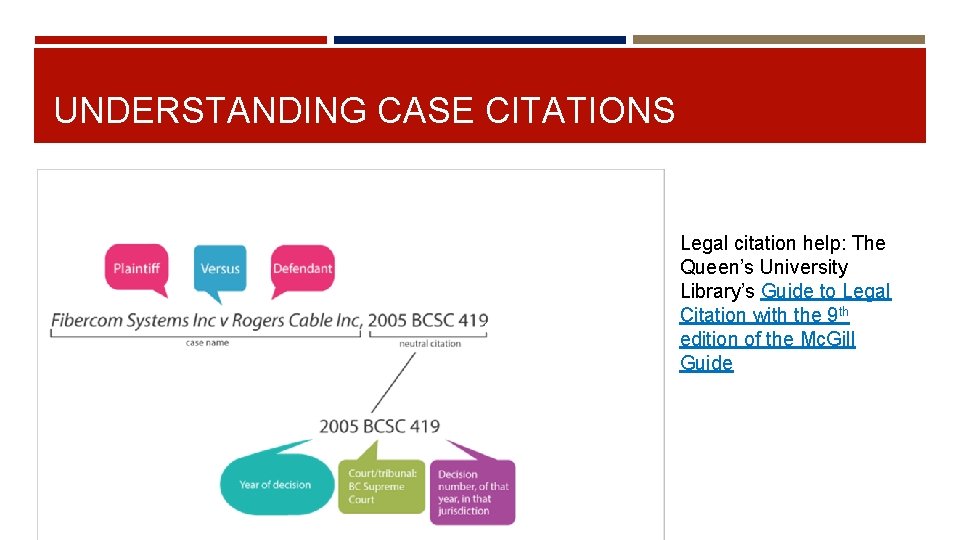
UNDERSTANDING CASE CITATIONS Legal citation help: The Queen’s University Library’s Guide to Legal Citation with the 9 th edition of the Mc. Gill Guide
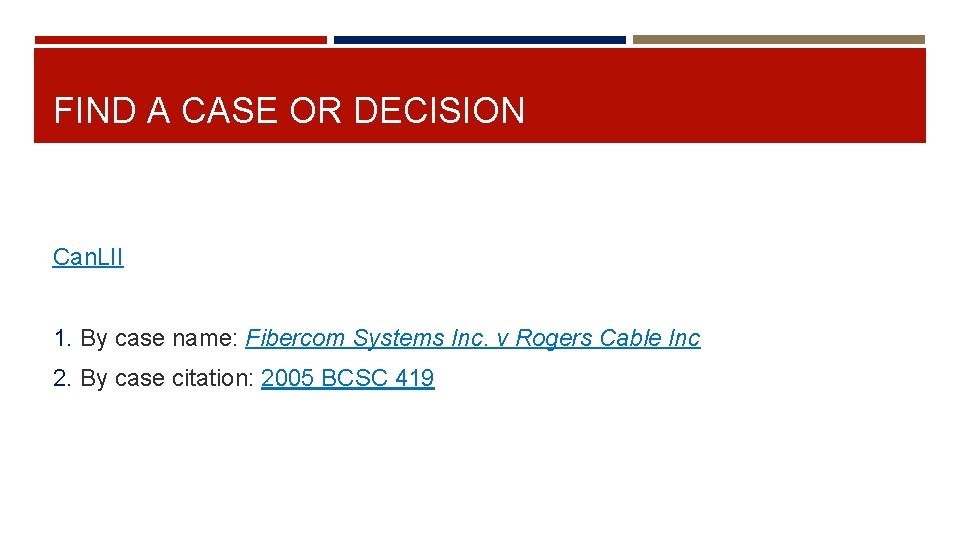
FIND A CASE OR DECISION Can. LII 1. By case name: Fibercom Systems Inc. v Rogers Cable Inc 2. By case citation: 2005 BCSC 419
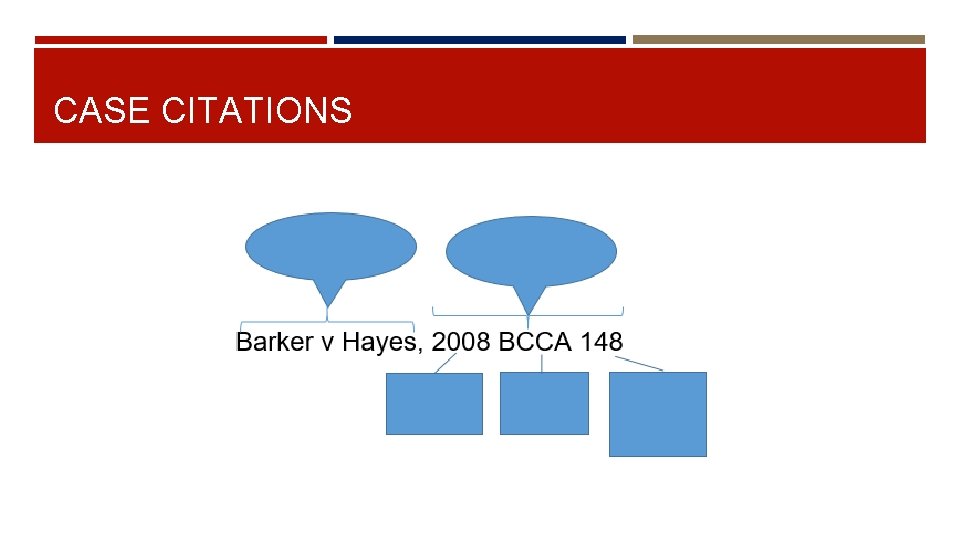
CASE CITATIONS
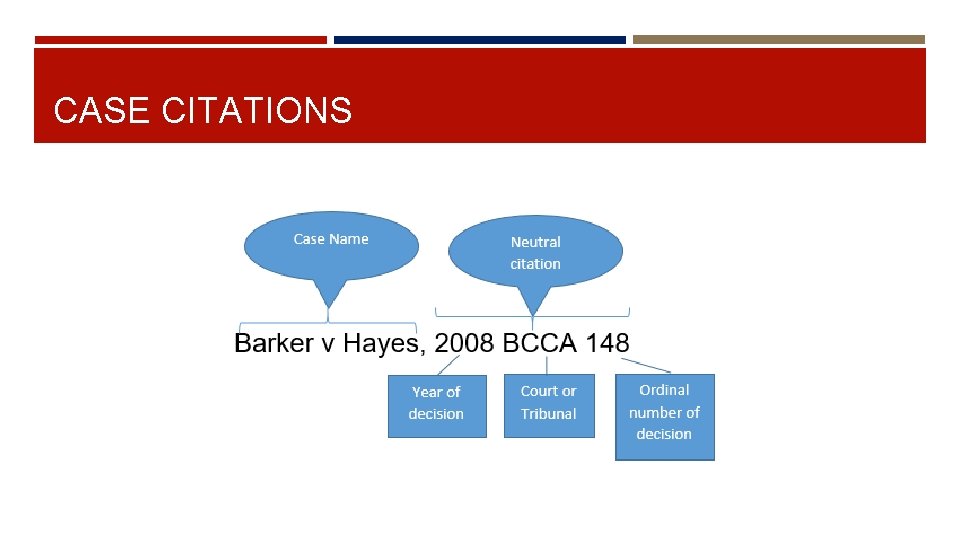
CASE CITATIONS
NOTING UP A CASE Noting up a case means you are researching a case to see if it has: 1) been cited (referred to) in subsequent cases, and, 2) if the case has progressed to a higher court, ensuring you have found the most recent (i. e. , legally relevant) version of a case Future court cases may treat the cited case in different ways: Followed, Distinguished, Explained, Mentioned, Cited… DEMO: Noting up a case in Lexis Advance Quicklaw: R v Tran, 2010 SCC 58
SECONDARY LEGAL LITERATURE: CED The Canadian Encyclopedic Digest (C. E. D. ) is an example of secondary legal literature found through a subscription database It highlights key legislation and important cases by legal topic Access it via Westlaw Next
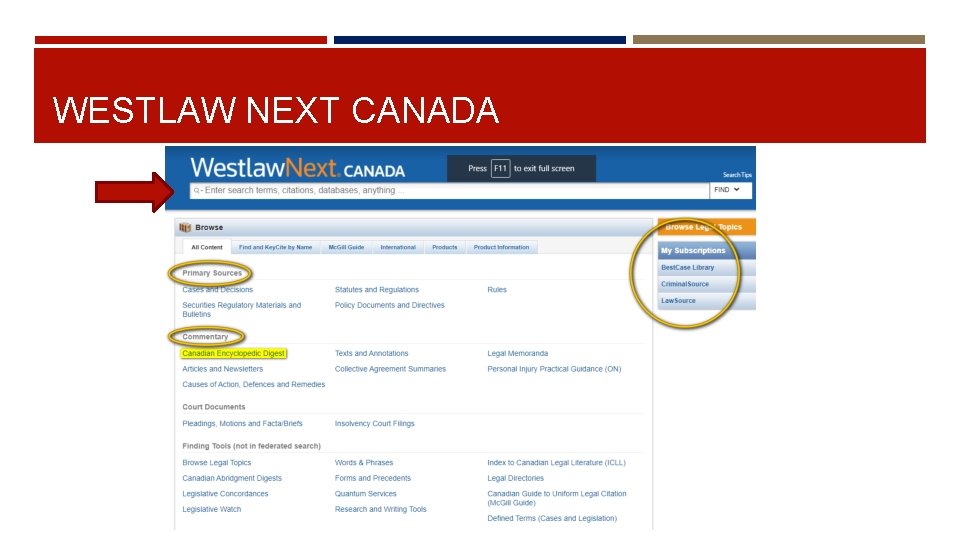
WESTLAW NEXT CANADA
WHERE TO GO FOR HELP Research help desk (drop-in & by appointment)Yolanda Koscielski, Phone: 778. 782. 4345 Email us at: libask@sfu. ca Ask. Away (online chat) Liaison Librarian ysk 6@sfu. ca
- Slides: 21