
Sexually Transmitted Infections Crabs InsectParasite TransmissionSymptoms Transmission Sexual
Sexually Transmitted Infections

Crabs Insect/Parasite
Transmission/Symptoms Transmission • Sexual skin to skin contact. • By sharing clothes, towels, soap, bedding, or sleeping bags. • It can live off the body for 24 to 48 hours. Symptoms • Same for males and females. • You may have itchiness and redness around your genitals. Itching is often worse at night.

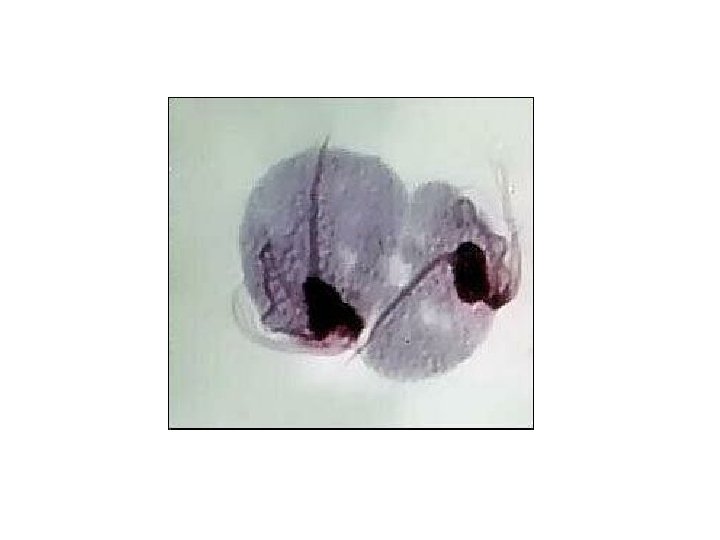
Trichomonas
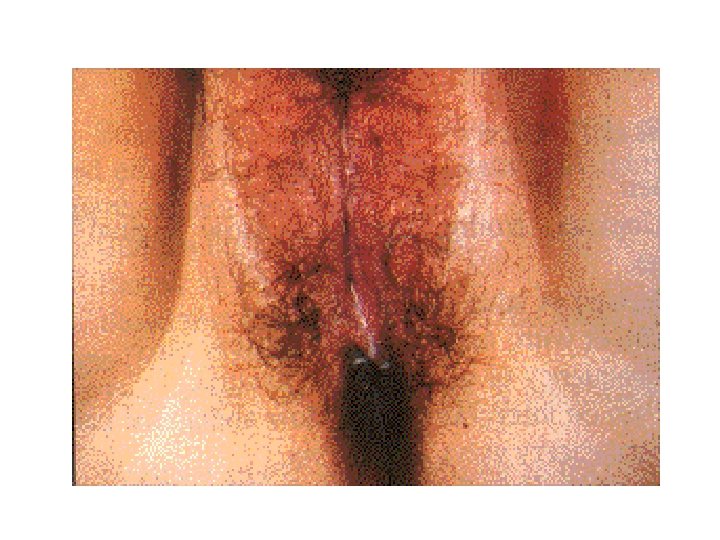
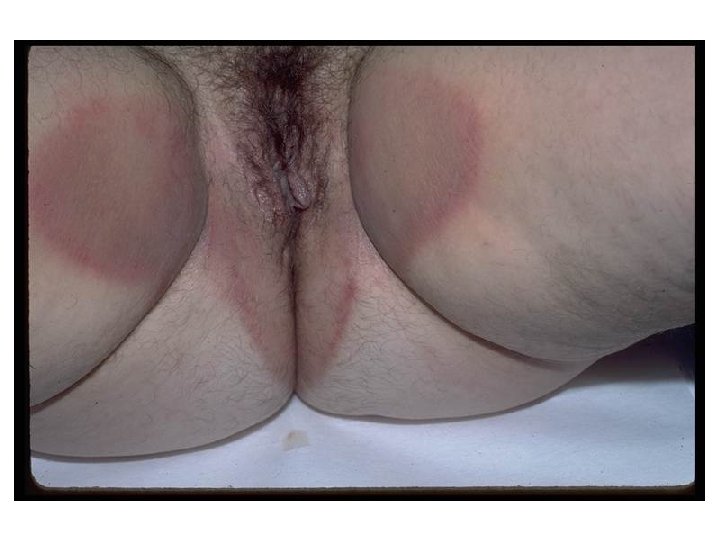
Trichomoniasis • • Protozoa Transmission – Sexual intercourse Incubation Period – 1 to 3 weeks Symptoms – both sexes have burning during urination and females may have profuse (foul smelling) discharge • However many people have no symptoms at all.
Bacterial Vaginosis
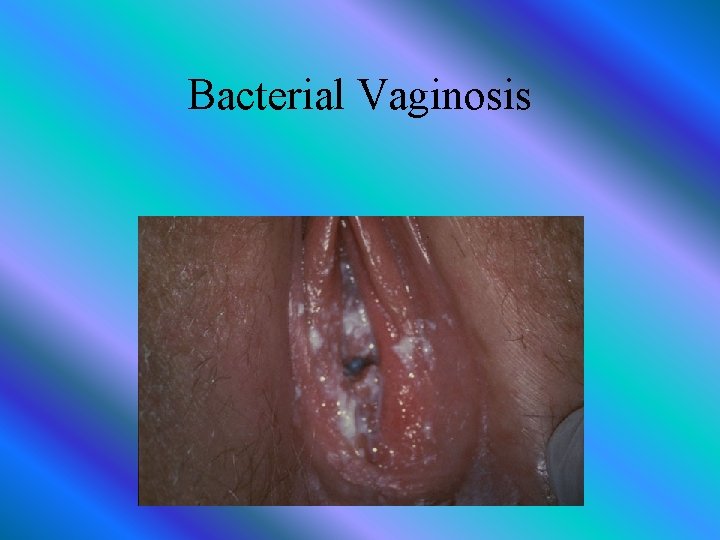
Bacterial Vaginosis • Aerobic & Anaerobic bacteria/abnormal overgrowth. • Most often associated with sexual activity. • Symptoms – Females have (fishy odoured) discharge, infection rarely occur in men. • PID and preterm labour and delivery.
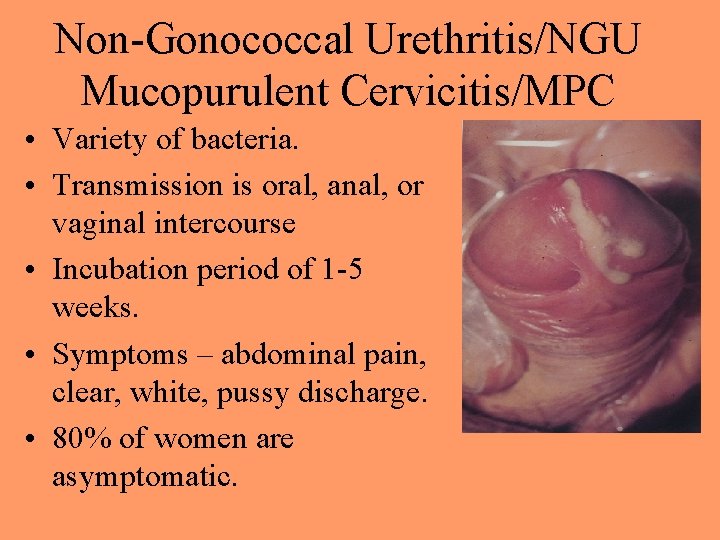
Non-Gonococcal Urethritis/NGU Mucopurulent Cervicitis/MPC • Variety of bacteria. • Transmission is oral, anal, or vaginal intercourse • Incubation period of 1 -5 weeks. • Symptoms – abdominal pain, clear, white, pussy discharge. • 80% of women are asymptomatic.
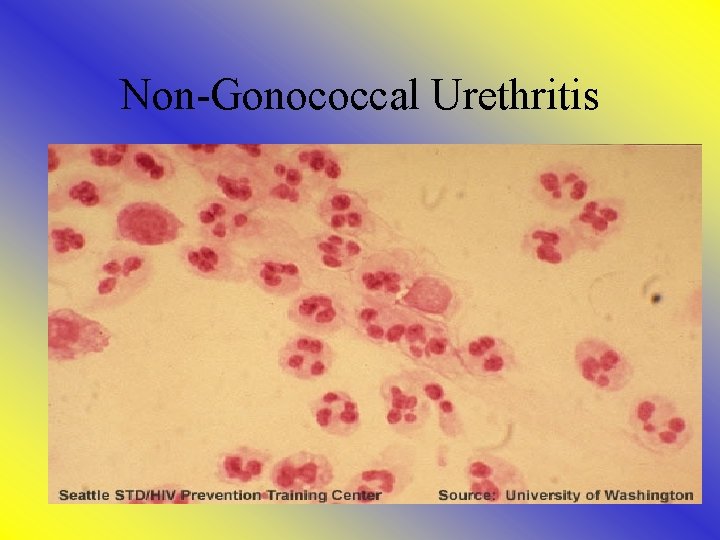
Non-Gonococcal Urethritis
Chlamydia
Causative Agent / Statistics • • • Bacterial infection Incubation period 2 - 6 weeks Vaginal or anal sex with infected person In 1998, 5252 reported cases- Alberta In 2004, 8339 reported cases 70% below the age of 24
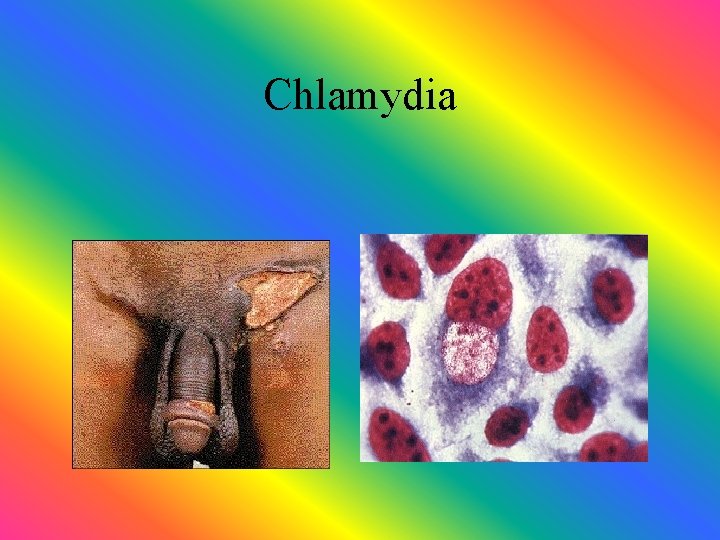
Chlamydia
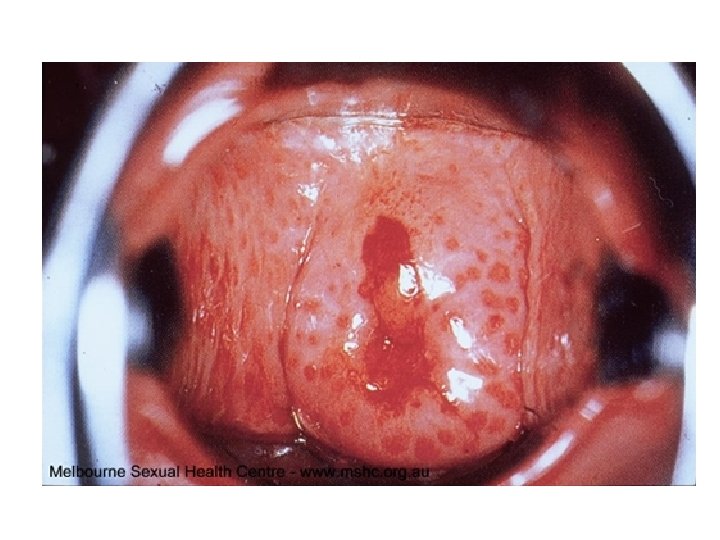
Symptoms and Complications Abdominal pain or pain during urination Abnormal urethral or vaginal discharge 50% of men and 70% of women can be asymptomatic Complications in the male: infertility, urinary tract complications and epididymitis Complications in the female: infertility, tubal pregnancy and PID A new born may be infected with pneumonia or eye infections For both sexes if it spreads to the blood may cause severe illness and responsible for some forms of arthritis
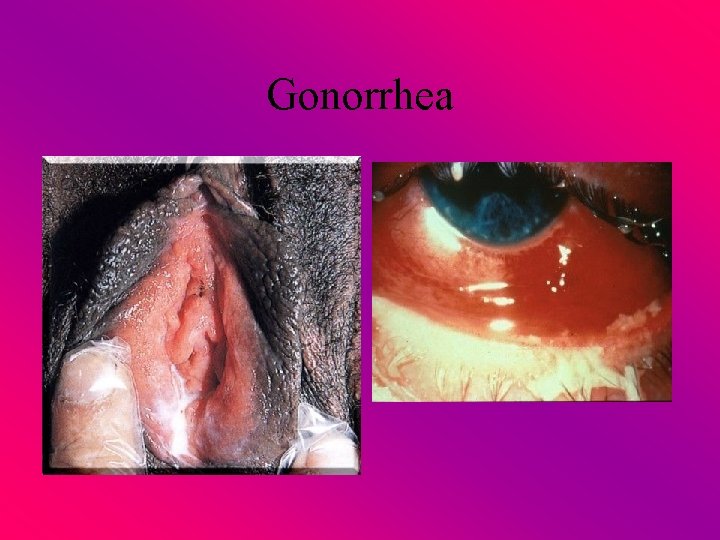
Gonorrhea
The info you need to know • • • Bacterial infection Incubation of 1 -14 days Through oral, vaginal or anal intercourse In Alberta in 1998, 529 cases In Alberta in 2004, 1376 cases 50% below age of 24
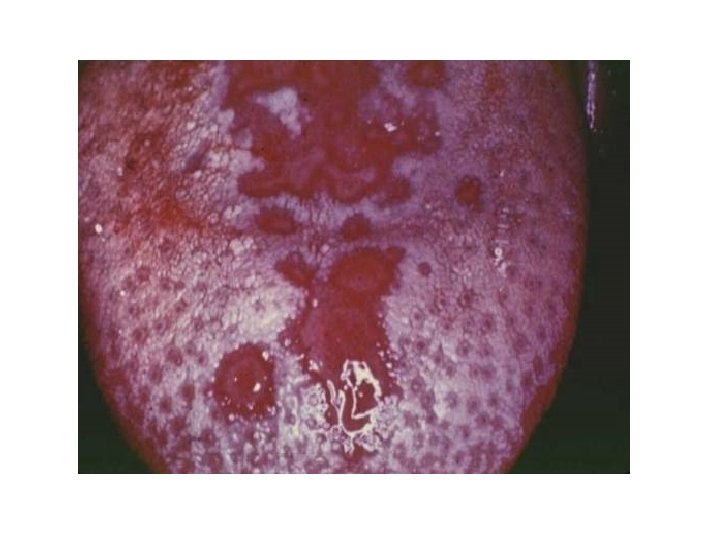
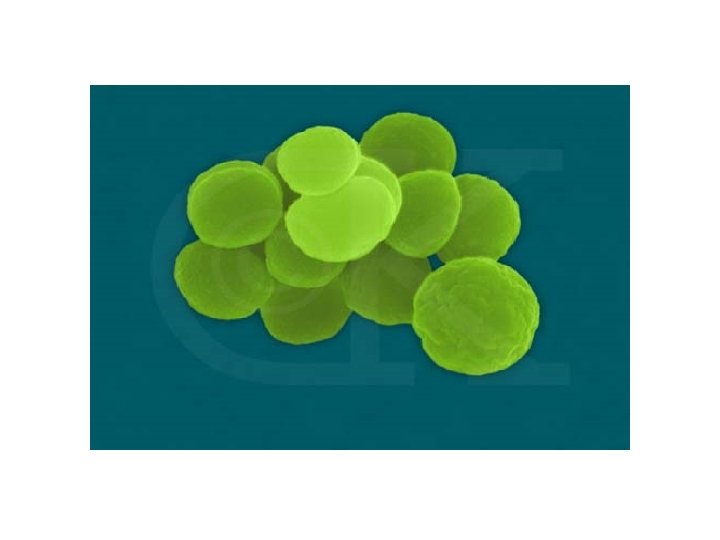
Do you have it? • Men receive burning during urination, purulent discharge, 50% asymptomatic • Women experience same symptoms as men as well as abdominal pain and vaginal bleeding 50% asymptomatic • Infection if spread to eyes or rectum • The same complications occur as Chlamydia

Syphilis

SPIROCHETE
STATS • • • 1998, 6 reported cases 1999, 2 reported cases 2004, 74 reported cases 42%, 15 – 29 years old Incubation period 10 -90 days average is 21 days Receive through direct contact or sores / lesions or rash through oral, vaginal or anal intercourse • Can be transferred from mother to baby during pregnancy or at birth. Congenital syphilis can cause loss of hearing, mental retardation and seizures
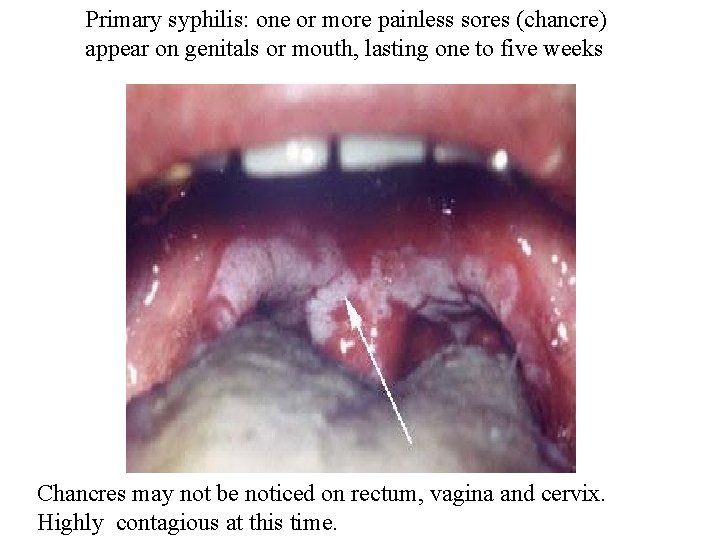
Primary syphilis: one or more painless sores (chancre) appear on genitals or mouth, lasting one to five weeks Chancres may not be noticed on rectum, vagina and cervix. Highly contagious at this time.

Secondary and Latent Stages • Secondary symptoms 4 -10 weeks • Non-itchy rash on trunks, soles or palms • Flu like symptoms • Patchy hair loss • Highly contagious at this stage • Latent stage 10 weeks to thirty years • No noticeable symptom although secondary characteristics may reoccur sporadically • May remain static for years • May be infectious at this stage but not as virulent as in previous stages
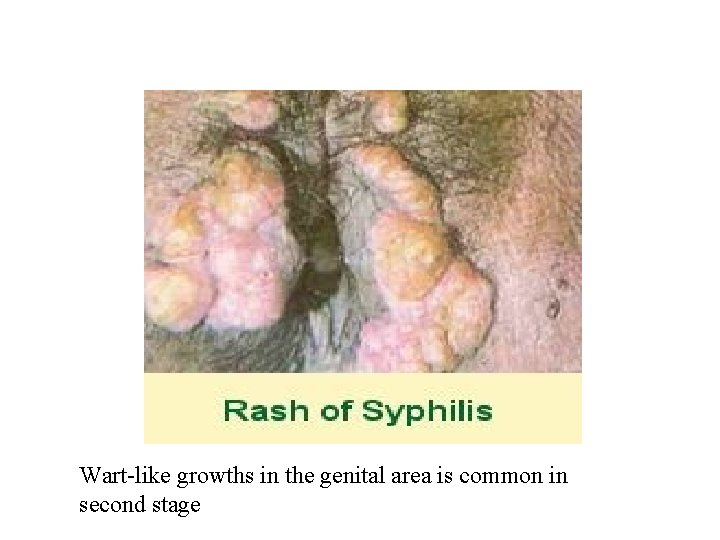
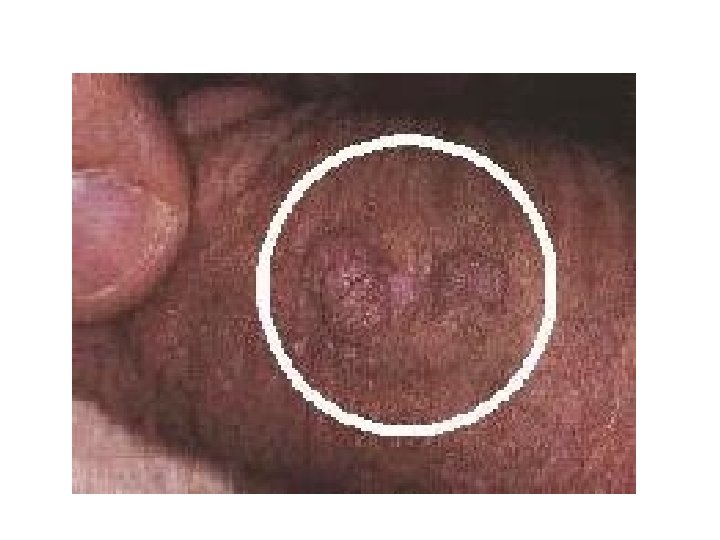
Wart-like growths in the genital area is common in second stage
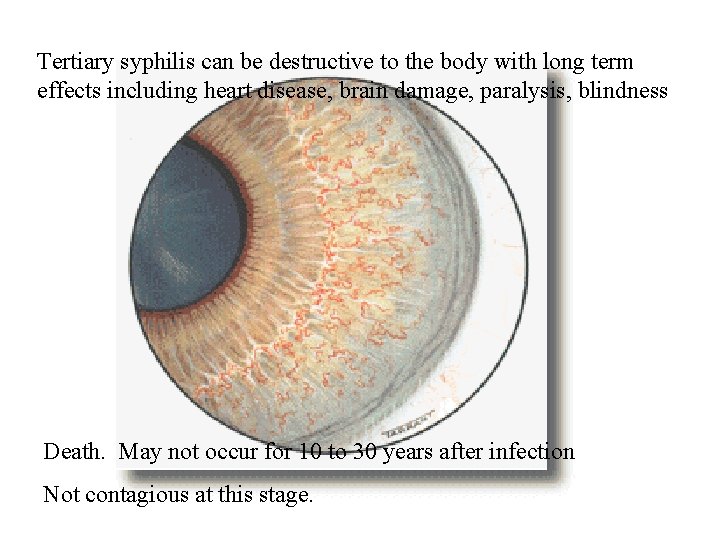
Tertiary syphilis can be destructive to the body with long term effects including heart disease, brain damage, paralysis, blindness Death. May not occur for 10 to 30 years after infection Not contagious at this stage.

Human Papilloma Virus
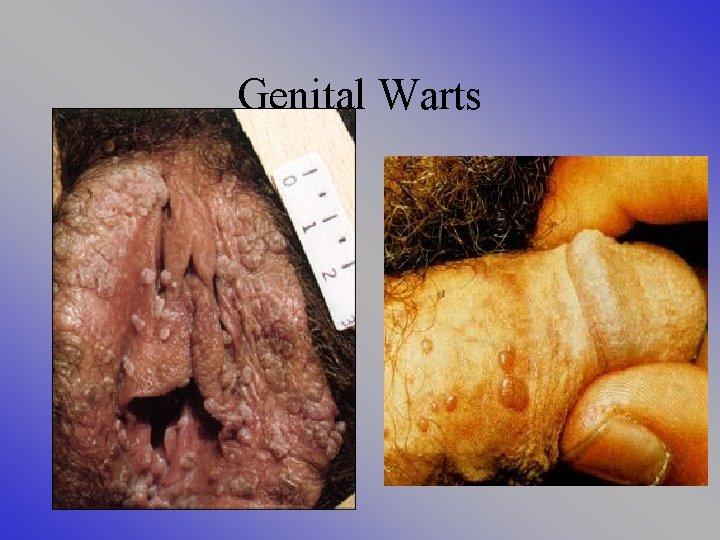
Genital Warts
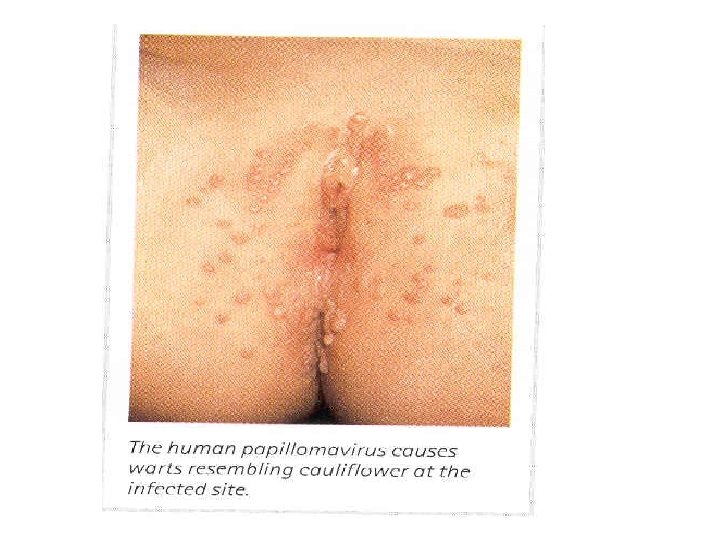
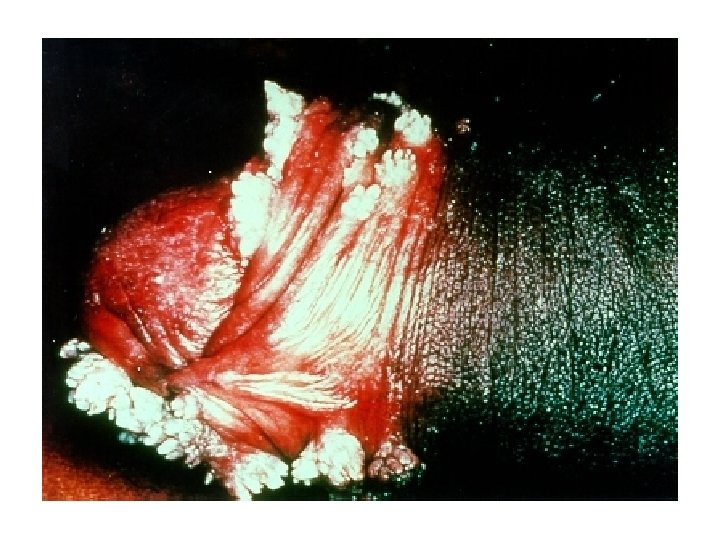
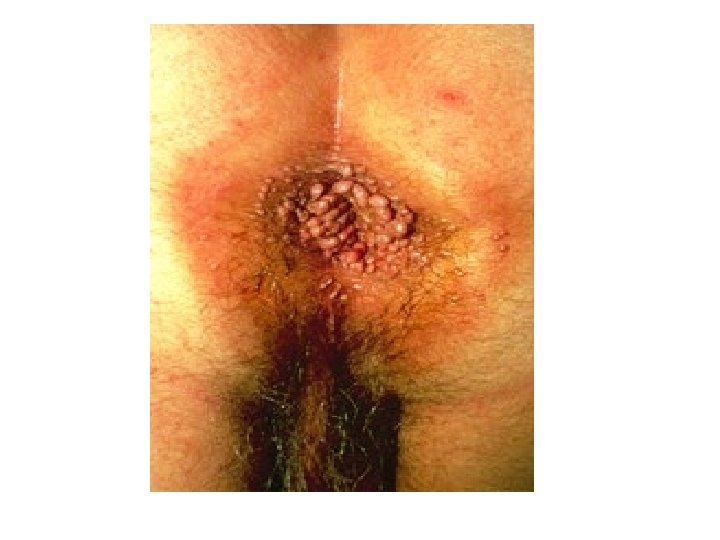
Symptoms of genital warts • Flesh colored warts in genital and anal areas • Usually painless, occasional itching at all sites and bleeding may occur at anal sites • In men HPV may occur under the foreskin or in the urethra and may not be visible • In women the warts may occur in the vagina at on the cervix and not be visible • Some people are asymptomatic with no visible warts but the virus remains on the skin and can be transferred during skin to skin contact.
What’s the big deal about a wart? • Causative organism – HPV • Transferred via anal, oral or vaginal sex • Skin to skin contact so a condom can not guarantee protection • In some cases the virus can be transferred to a newborn during birth • Incubation period can be 1 – 10 months
Complications • If left untreated warts spread extensively throughout the genital and anal areas • Some people with HPV experience emotional impacts as no treatment completely eradicates the virus • Cancers of the cervix, vulva, penis and anus can develop • High risk types of the virus combined with first sexual intercourse at early age(under 17) multiple partners, smoking and co infection with another STD places young women at high risk for cancer
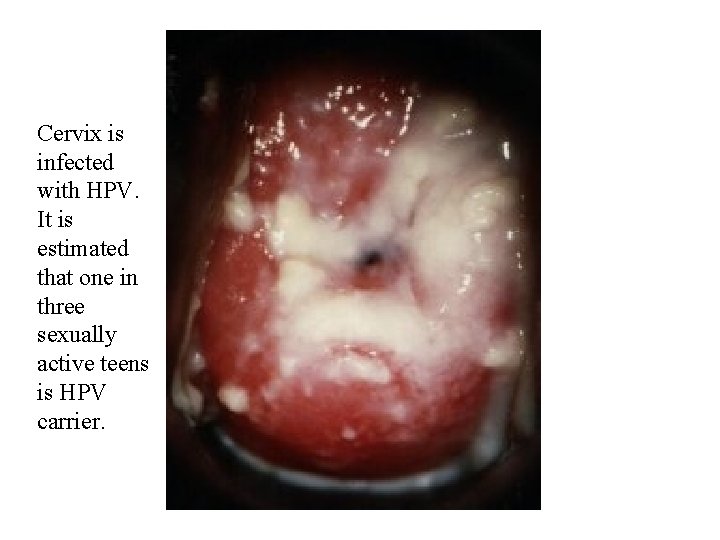
Cervix is infected with HPV. It is estimated that one in three sexually active teens is HPV carrier.

Genital Herpes
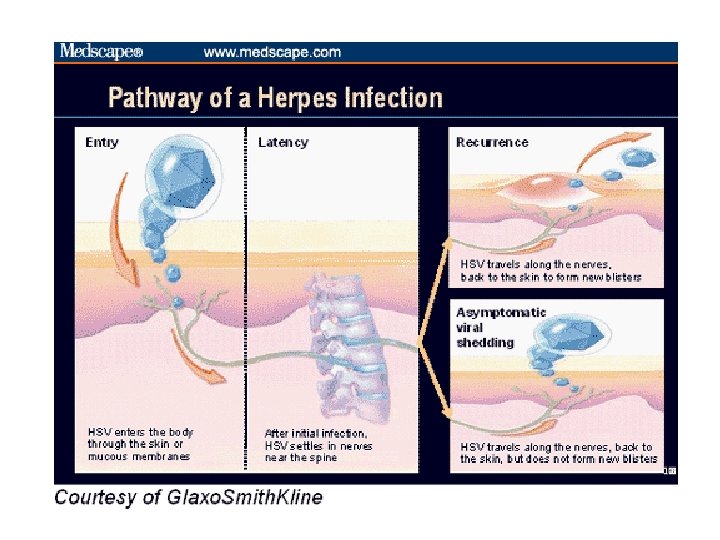
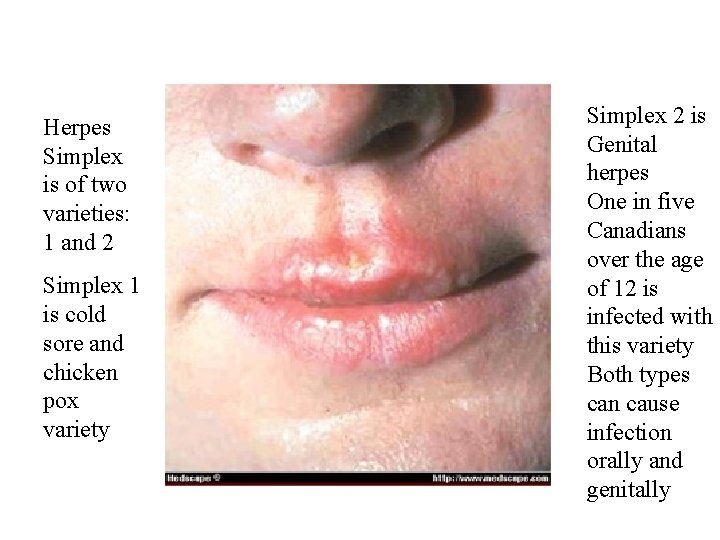
Herpes Simplex is of two varieties: 1 and 2 Simplex 1 is cold sore and chicken pox variety Simplex 2 is Genital herpes One in five Canadians over the age of 12 is infected with this variety Both types can cause infection orally and genitally
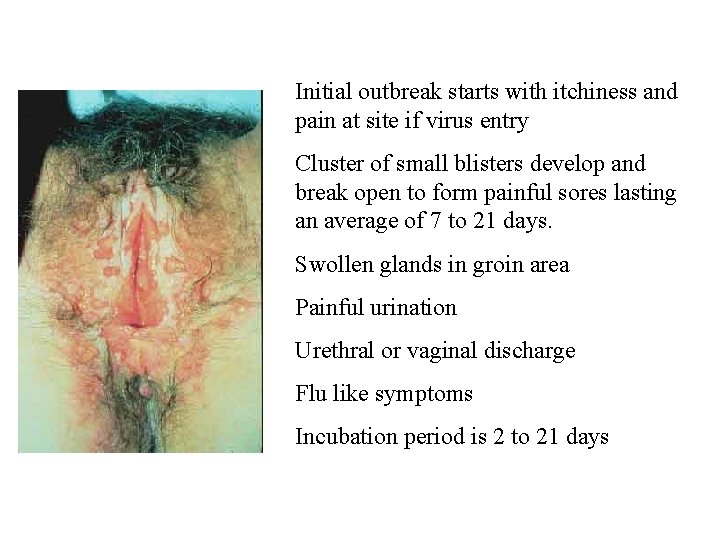
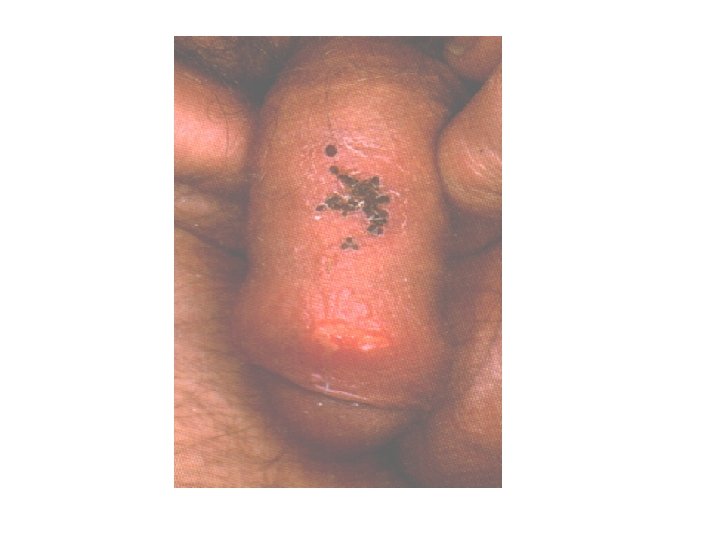
Initial outbreak starts with itchiness and pain at site if virus entry Cluster of small blisters develop and break open to form painful sores lasting an average of 7 to 21 days. Swollen glands in groin area Painful urination Urethral or vaginal discharge Flu like symptoms Incubation period is 2 to 21 days
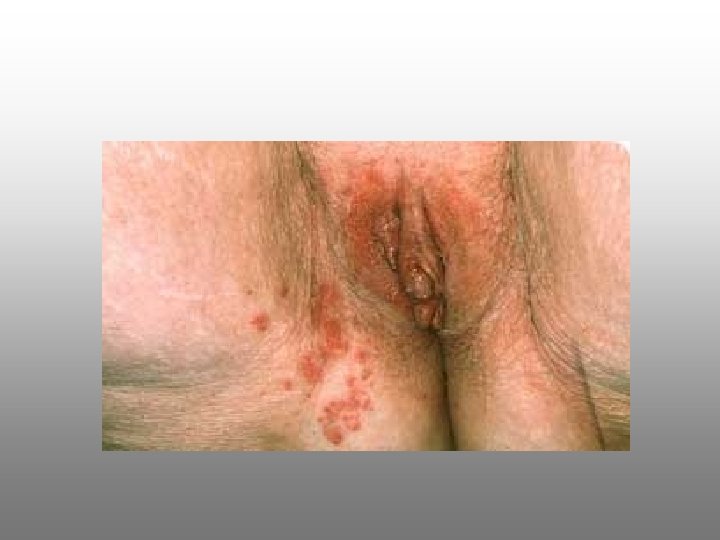
Recurrent Outbreaks • Tingling, itching, burning or pain radiating to the legs called prodrome • Usually less severe than initial outbreak, lasting 4 to 10 days • Stress, illness, diet, fever, sun exposure, menses, pregnancy or vigorous sex may trigger recurrence • Frequency varies from monthly to never but the person remains infectious
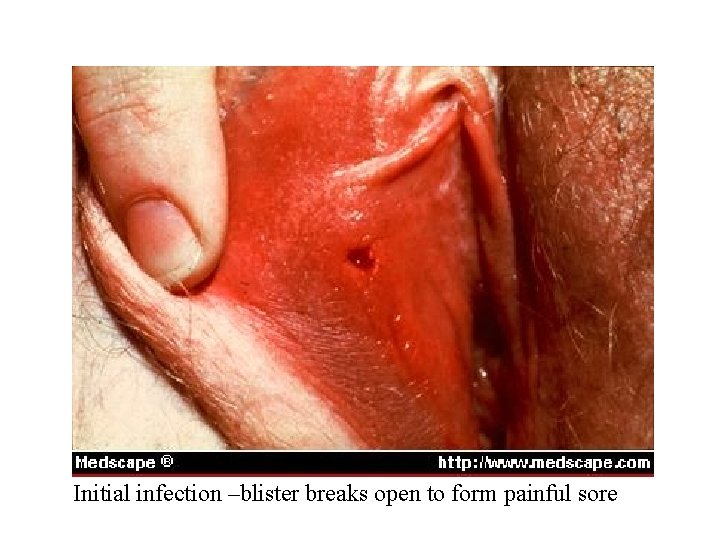
Initial infection –blister breaks open to form painful sore
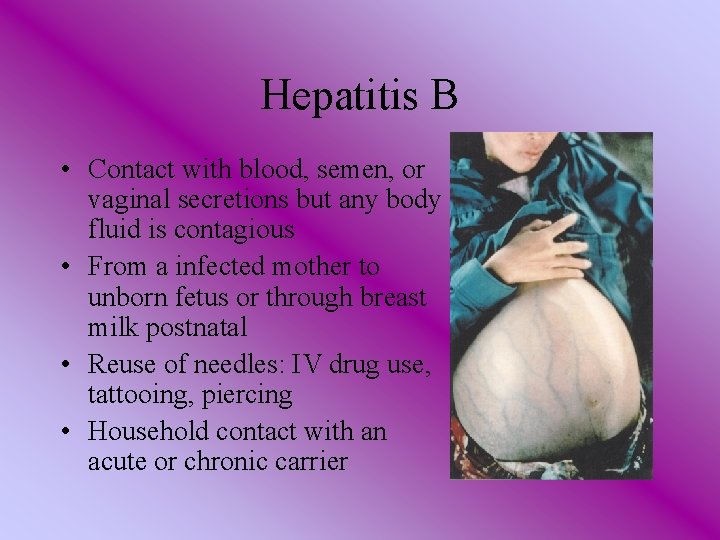
Hepatitis B • Contact with blood, semen, or vaginal secretions but any body fluid is contagious • From a infected mother to unborn fetus or through breast milk postnatal • Reuse of needles: IV drug use, tattooing, piercing • Household contact with an acute or chronic carrier
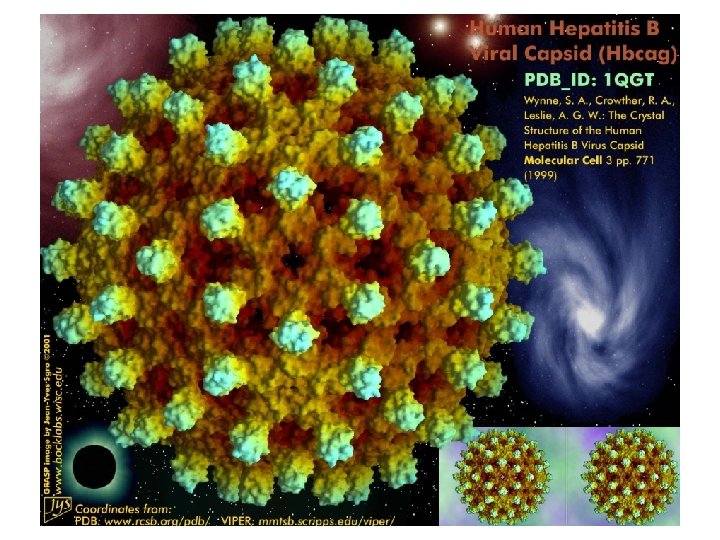
Facts about Hep B • Incubation period is 2 to 5 months average is 3 months • Symptoms of acute infection include fatigue, lack of appetite, skin rashes, nausea • Some may develop jaundice and arthritis • Many people will be asymptomatic but are still infectious. Most people will recover and have no complications but 10% will be chronic carriers who develop cirrhosis / cancer of the liver • Approximately 3% will die from a hep. B infection • Receive immunization which is effective protection
HIV infection • 90, 000 Canadians are presently infected and are unaware • Most are diagnosed in their late twenties to mid thirties, ten or more years after initial contact with the virus • Can be transferred via semen, vaginal secretions, and breast milk • Blood transfer either during sex act, sharing contaminated equipment, or high risk occupations
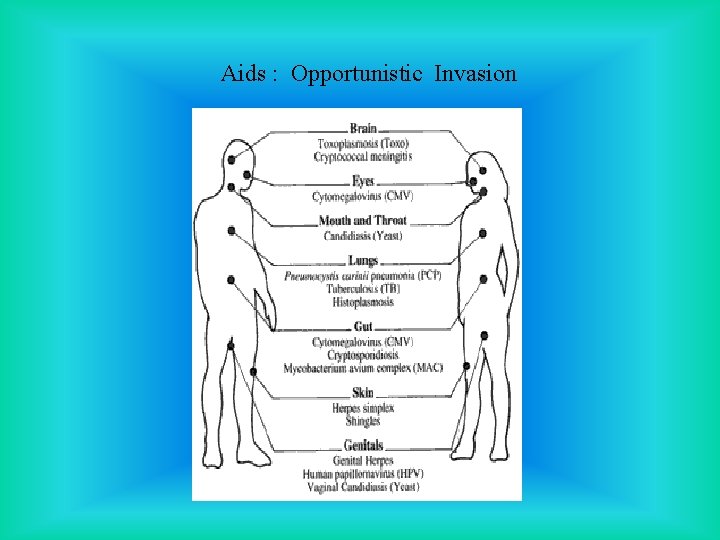
Aids : Opportunistic Invasion
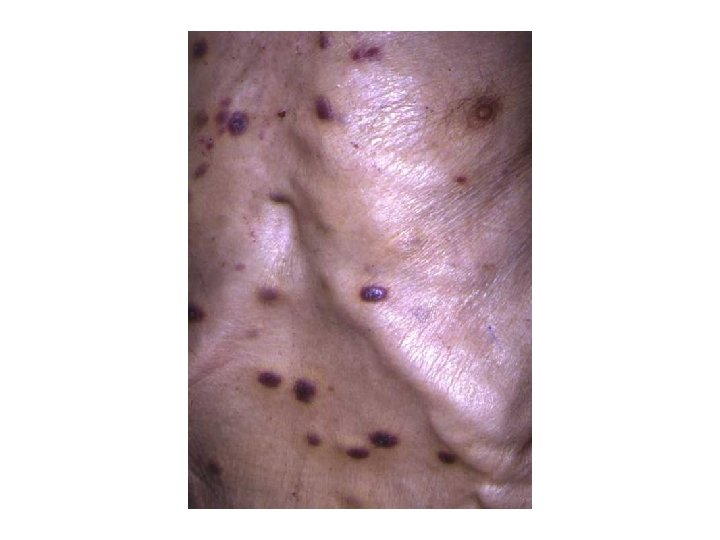
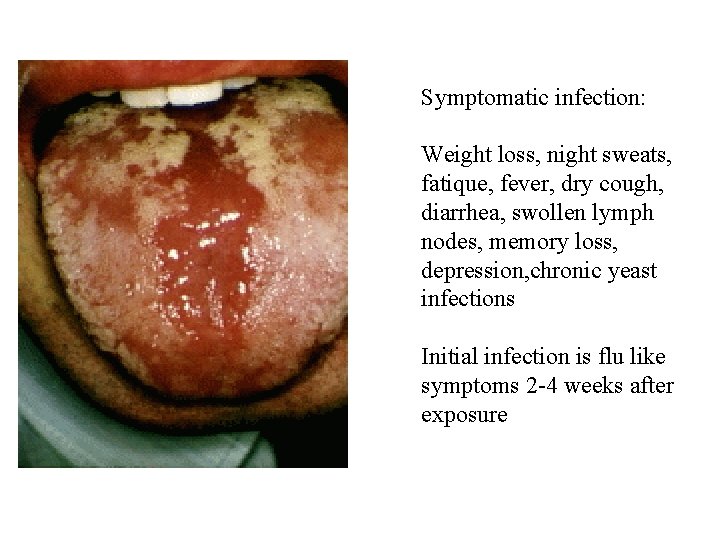
Symptomatic infection: Weight loss, night sweats, fatique, fever, dry cough, diarrhea, swollen lymph nodes, memory loss, depression, chronic yeast infections Initial infection is flu like symptoms 2 -4 weeks after exposure
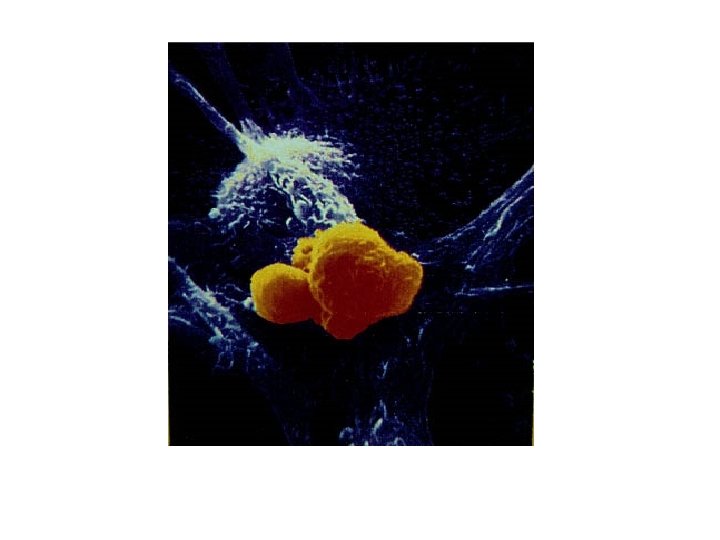
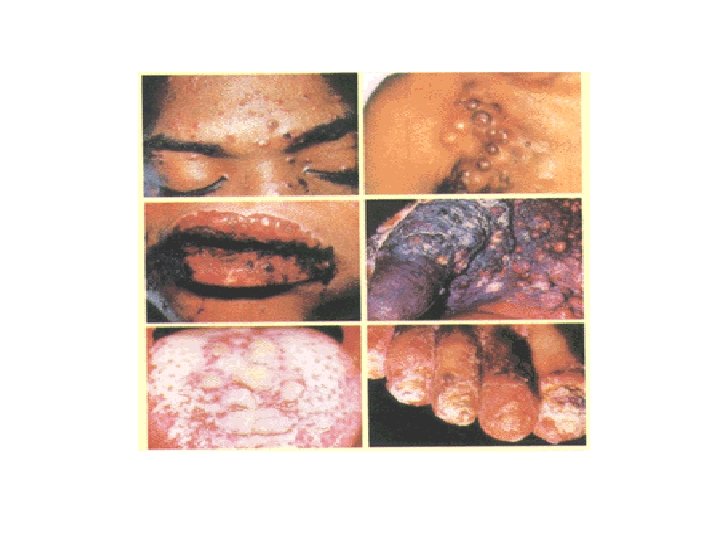
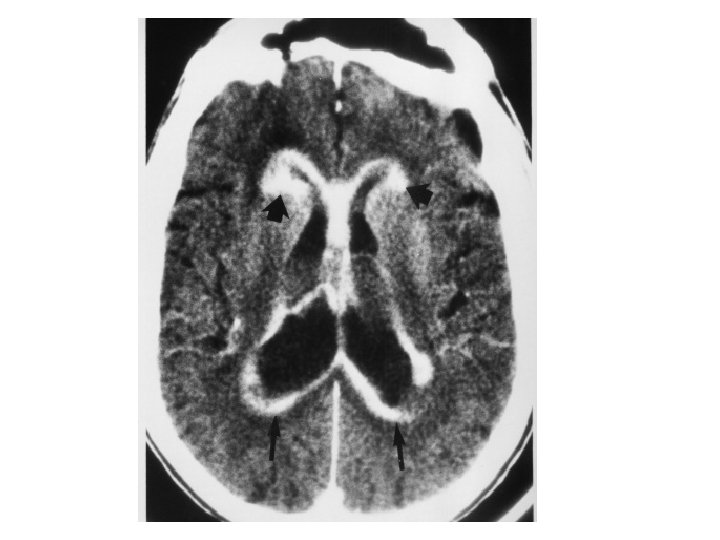
HIV doesn't kill anybody directly. Instead, it weakens the body's ability to fight disease. Infections which are rarely seen in those with normal immune systems are deadly to those with HIV. People with HIV can get many infections (called opportunistic infections, or OIs). Many of these illnesses are very serious, and they need to be treated. Some can be prevented.
Undiagnosed STD : The CLAM

Producers • Chris Schneider • Mother Grudeski • SIR CHRISTOPER JASON GRUDESKI
- Slides: 61