
SEXUAL REPRODUCTION IN FLOWERING PLANTS Flower A fascinating
- Slides: 73
SEXUAL REPRODUCTION IN FLOWERING PLANTS
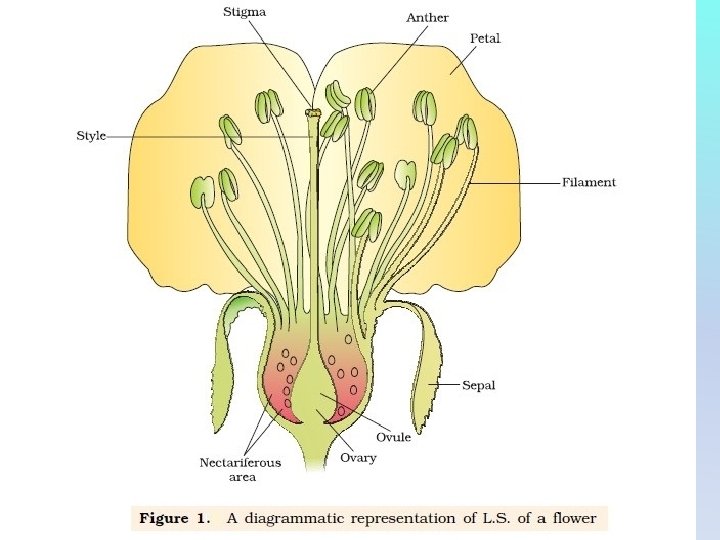
Flower – A fascinating Organ of Angiosperms : • Flowers have ornamental, aesthetic and cultural values. • Flowers are the sites of sexual reproduction
PREFERTILISATION : • Structures and Events – • Several hormonal and structural changes leads to the differentiation and further development of floral primordium. • Flower in turn contains male and female reproductive structures that is Androecium and gynoecium respectively.
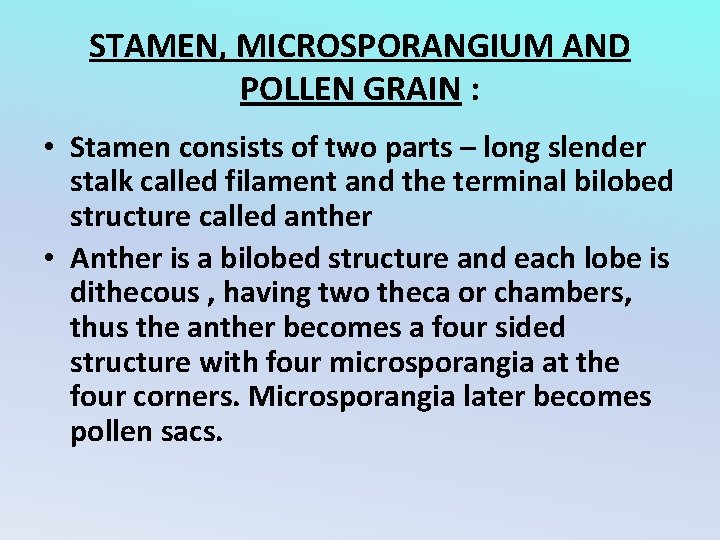
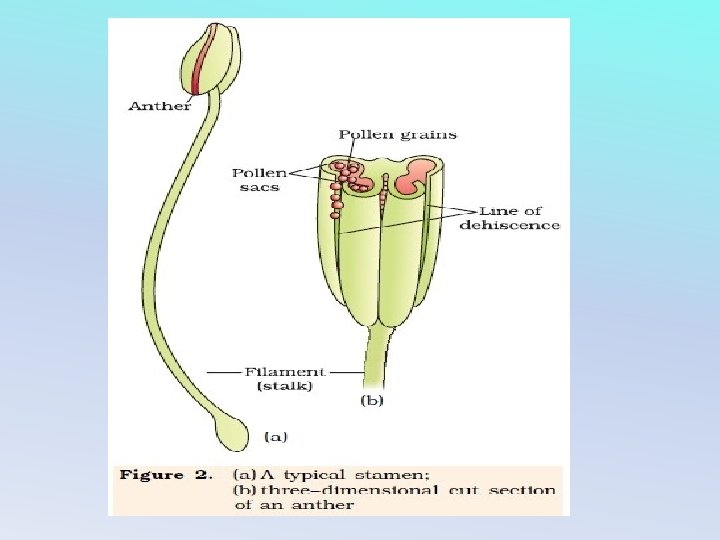
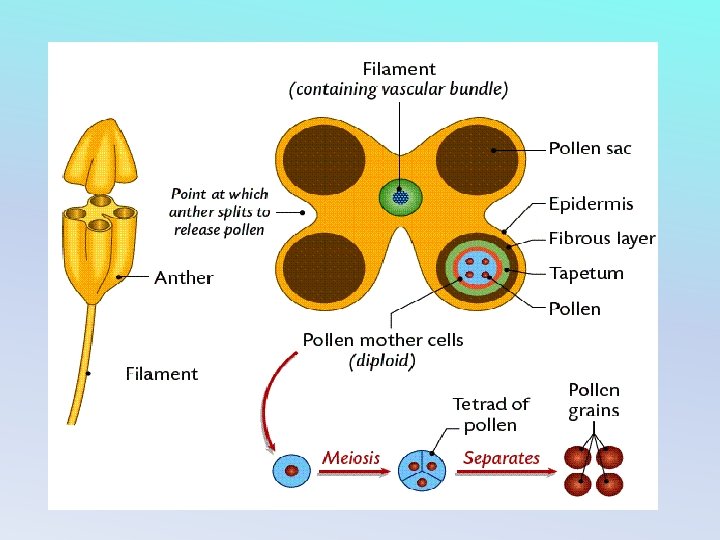
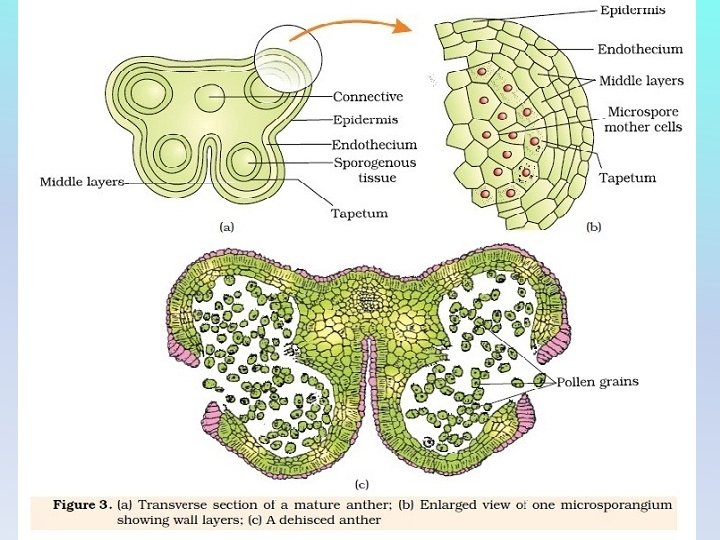
STAMEN, MICROSPORANGIUM AND POLLEN GRAIN : • Stamen consists of two parts – long slender stalk called filament and the terminal bilobed structure called anther • Anther is a bilobed structure and each lobe is dithecous , having two theca or chambers, thus the anther becomes a four sided structure with four microsporangia at the four corners. Microsporangia later becomes pollen sacs.
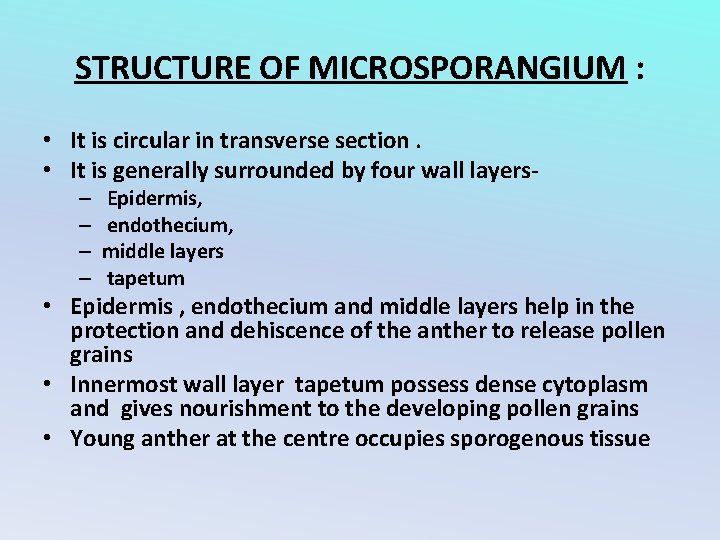
STRUCTURE OF MICROSPORANGIUM : • It is circular in transverse section. • It is generally surrounded by four wall layers– – Epidermis, endothecium, middle layers tapetum • Epidermis , endothecium and middle layers help in the protection and dehiscence of the anther to release pollen grains • Innermost wall layer tapetum possess dense cytoplasm and gives nourishment to the developing pollen grains • Young anther at the centre occupies sporogenous tissue
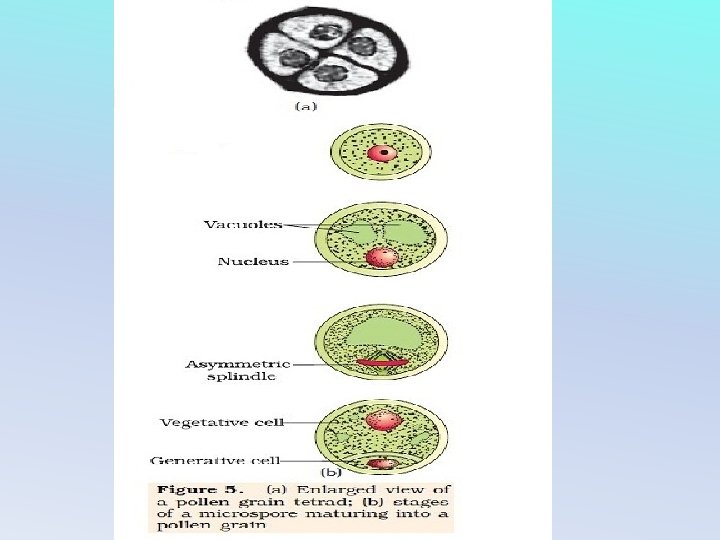
MICROSPOROGENESIS : • When the anther matures , sporogenous tissue undergo meiosis to form microspore tetrads is called Microsporogenesis
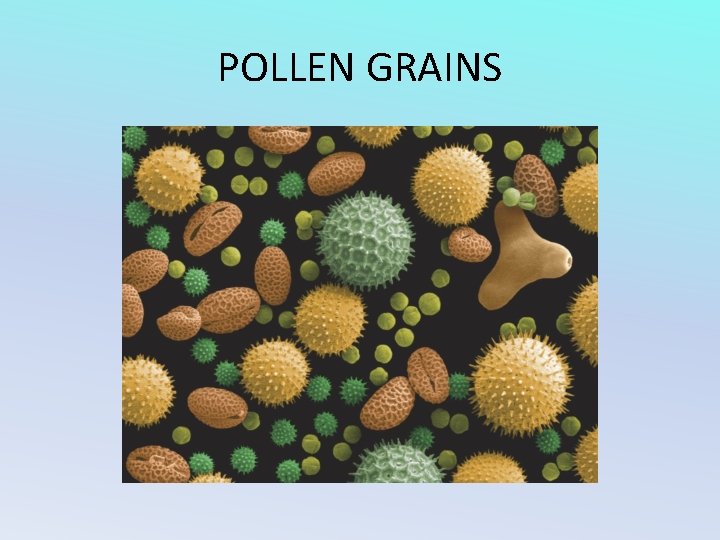
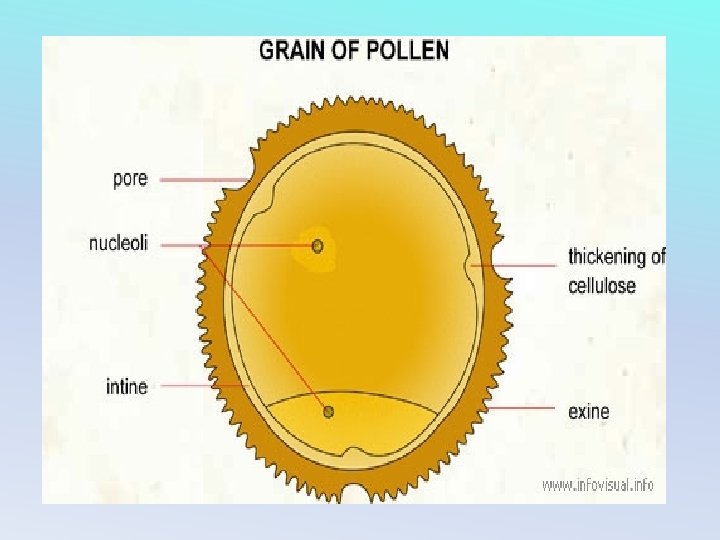
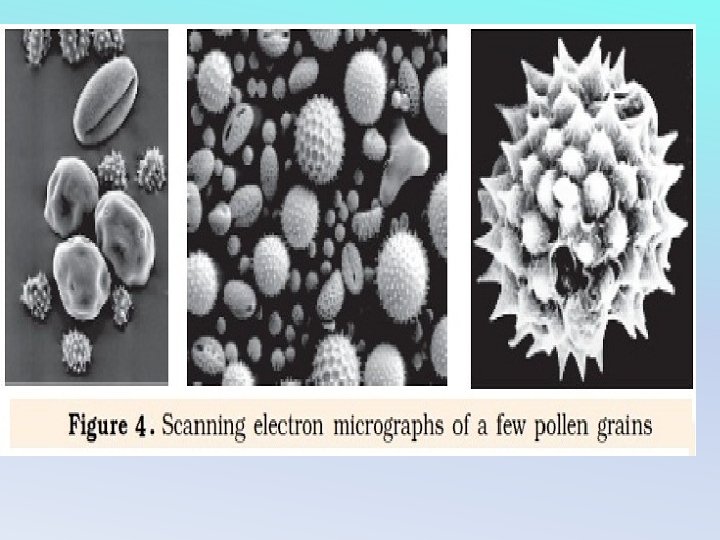
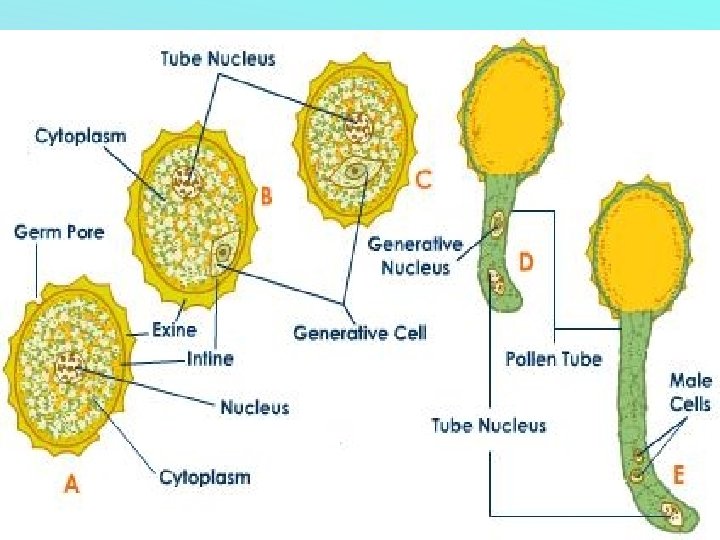
POLLEN GRAIN : • Mature microspore or pollen grain represents Male gametophytes. • pollengrins are generally spherical measuring about 25 -50 micrometeres in diameter. • It has a two layered wall , outer layer called exine and inner layer called intine. • Exine is made up of sporopollenin the most resistant organic material. It is resistant to high temperature , acids and alkali. Because of sporopollenin pollen grains are well preserved as fossils. • At some places in the exine , there are germ pores, for the entry of pollen tube. • Intine is a thin and continuous layer made up of cellulose and pectin. • Mature pollen grain consists of two cells , the vegetative cell and generative cell.
POLLEN GRAINS
• Vegetative cell is bigger with abundant food reserve and irregular shaped nucleus. • Generative cell is small floats in the cytoplasm of vegetative cell, it is spindle shaped with dense cytoplasm and a nucleus. • In 60% of angiosperms pollen grains are released at this two celled stage. • while in others generative cell divides further to two male gametes to form 3 - celled stage.
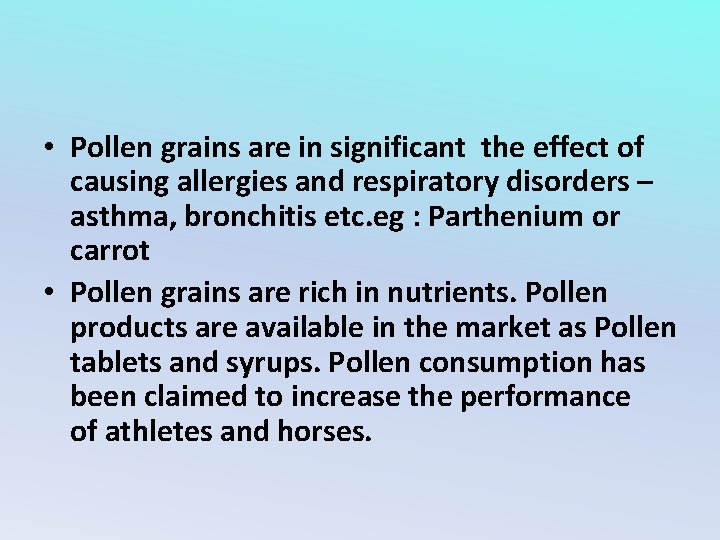
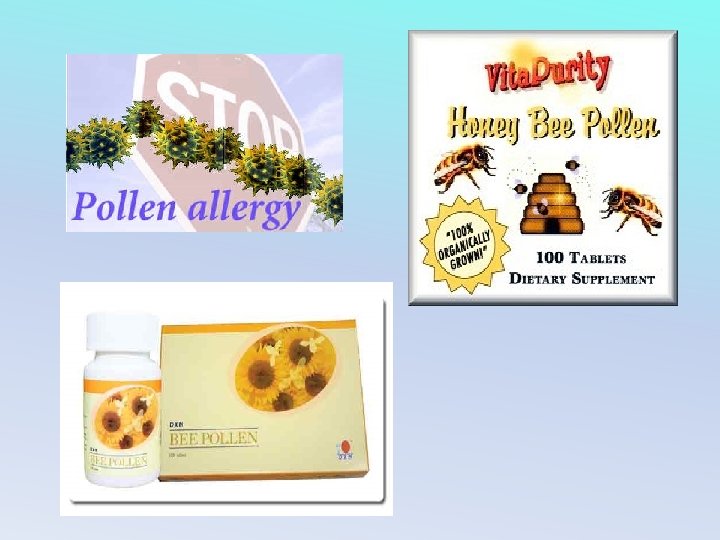
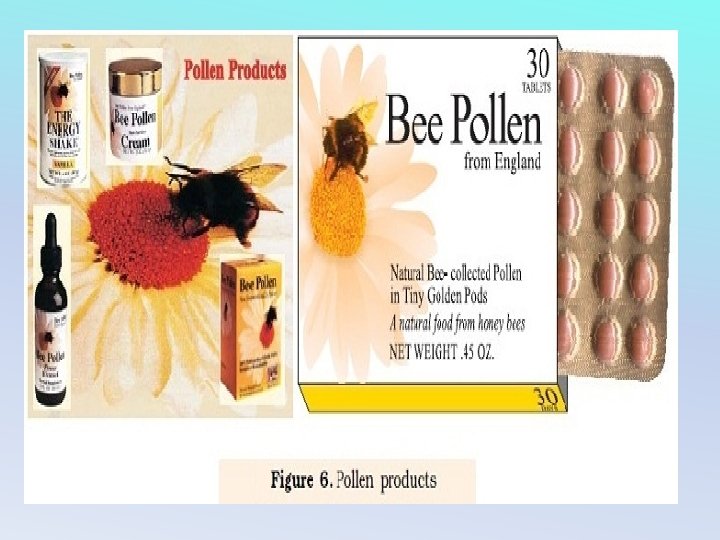
• Pollen grains are in significant the effect of causing allergies and respiratory disorders – asthma, bronchitis etc. eg : Parthenium or carrot • Pollen grains are rich in nutrients. Pollen products are available in the market as Pollen tablets and syrups. Pollen consumption has been claimed to increase the performance of athletes and horses.
• Pollen viability : for effective fertilization to occur pollen should reach at stigma before viability is lost. The time period for which pollen grains have the capacity to produce male gametes for effective fertilization to occur is the Pollen viability. It is variable in different. eg: 30 minutes for rice pollen. • Pollen banks : Pollen can be stored in liquid nitrogen at -196 degree Celsius for future plant breeding purposes
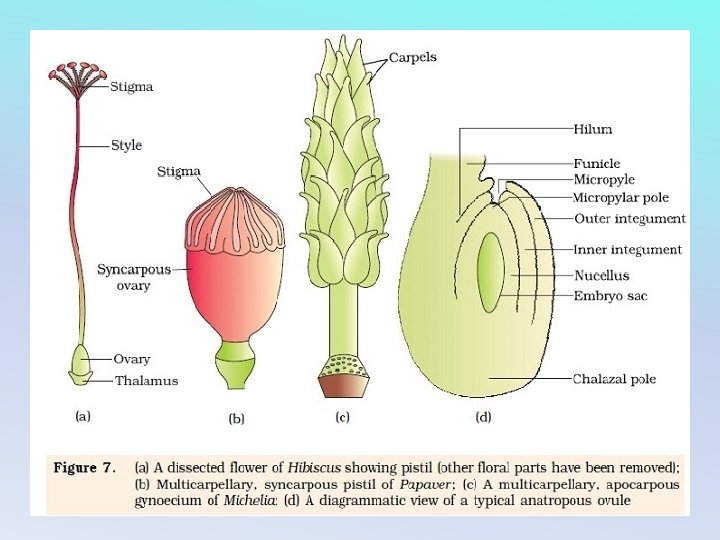
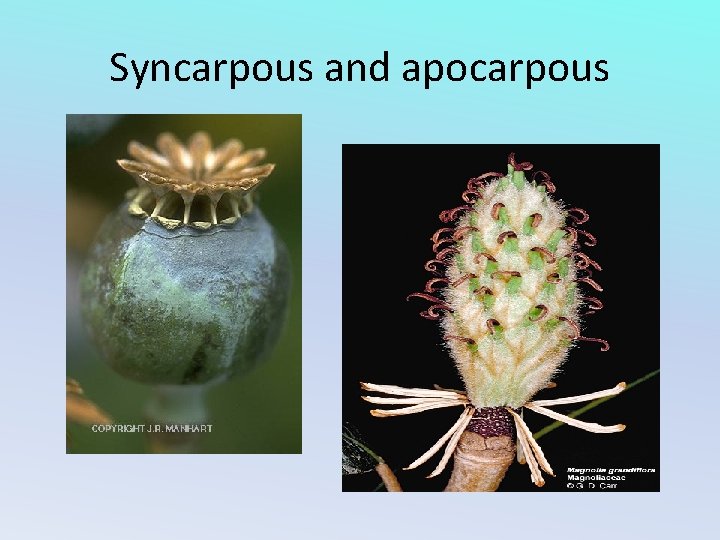
THE PISTIL, MEGASPORANGIUM ( OVULE ) AND EMBRYOSAC : • The gynoecium represents the reproductive part of the flower. • Monocarpellary Pistil : Gynoecium with single pistil • Multicarpellary Pistil : Gynoecium with many pistil • Syncarpous : Many pistils present are seen fused • Apocarpous : More than one pistils that are free
Pistil : • Each pistil has three parts the stigma , style and ovary. • stigma is the landing space for the pollen grains. • Style is the slender elongated middle part. the basal swollen part is called ovary. • Placenta is located inside the ovarian cavity.
Syncarpous and apocarpous
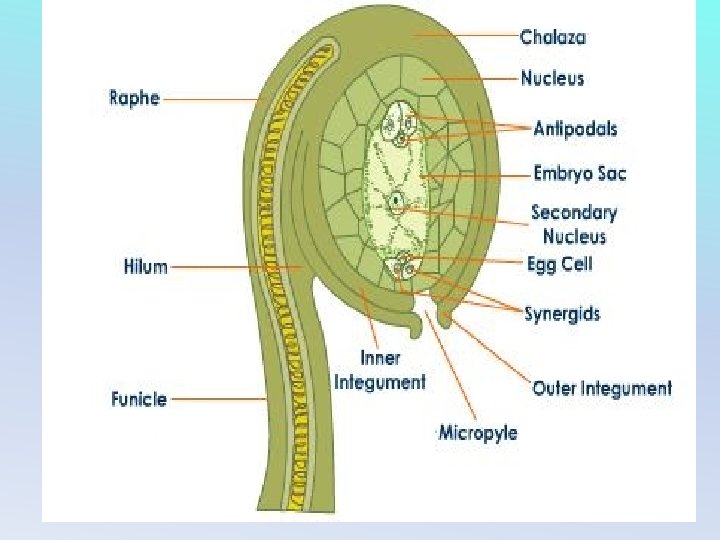
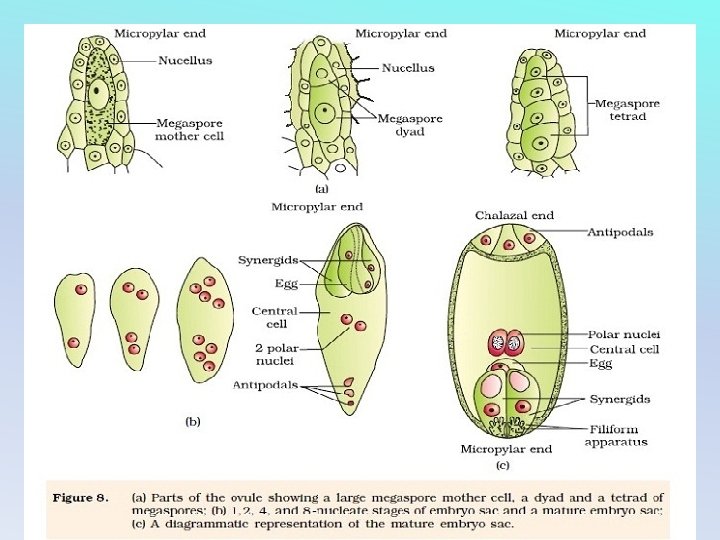
Megasporangium ( Ovule ) : • Ovule is a small structure attached to the placenta by means of a stalk called funicle. • The entire ovule fused with funicle at a point called Hilum. • Each ovule has one or two protective envelops called integuments. • Integument encircles the ovule except at the tip at a small opening called micropyle. • The region opposite to micropyle is the chalazal pole. • Integument is enclosed by a mass of cells called the Nucellus, abundant with food reserves. Mature ovule develops Embryosac inside nucellus from the single megaspore
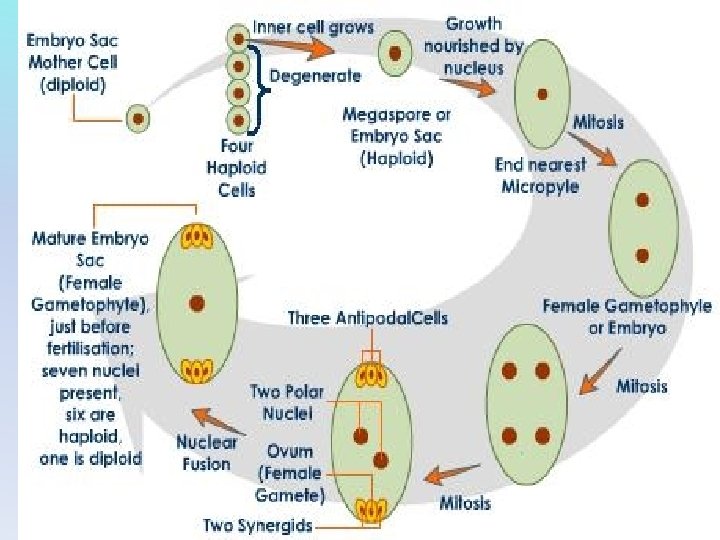
Megasporogenesis: • The process of formation of megaspore from megaspore mother cell is called Megasporogenesis. • Single megaspore mother cell differentiate from nucellus with dense cytoplasm and prominent nucleus. • Female Gametophyte : One functional megaspore of the four develops into female gametophyte or embryosac. • Three repeated mitotic division of the megaspore results in the formation of 7 -celled or 8 -nucleate embryosac. • Six of the eight nuclei are organized at the two poles. • Three cells grouped at micropylar pole forms egg apparatus and at the chalazal pole forms antipodal cells. The large central cell at the centre has two polar nuclei.
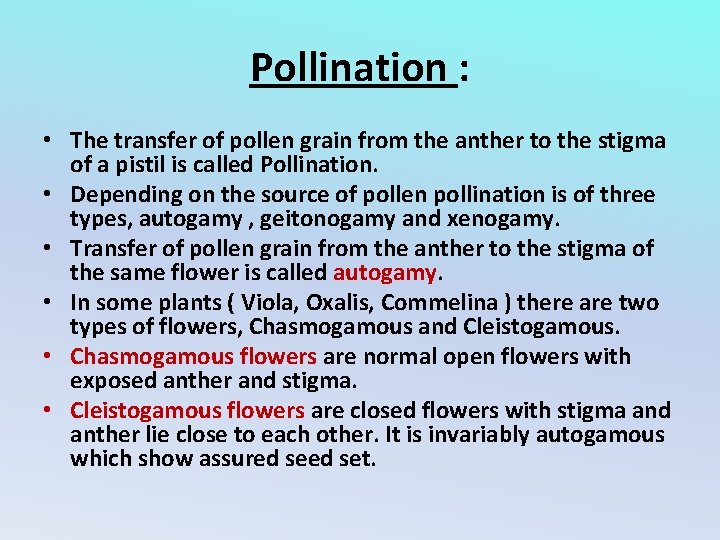
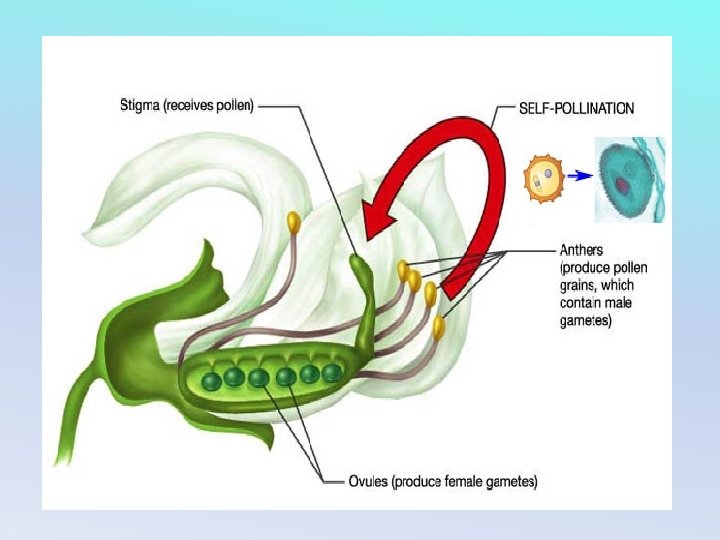
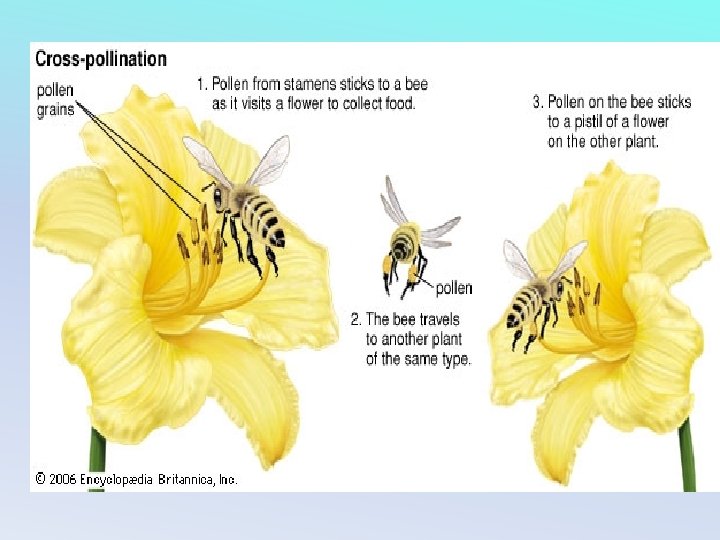
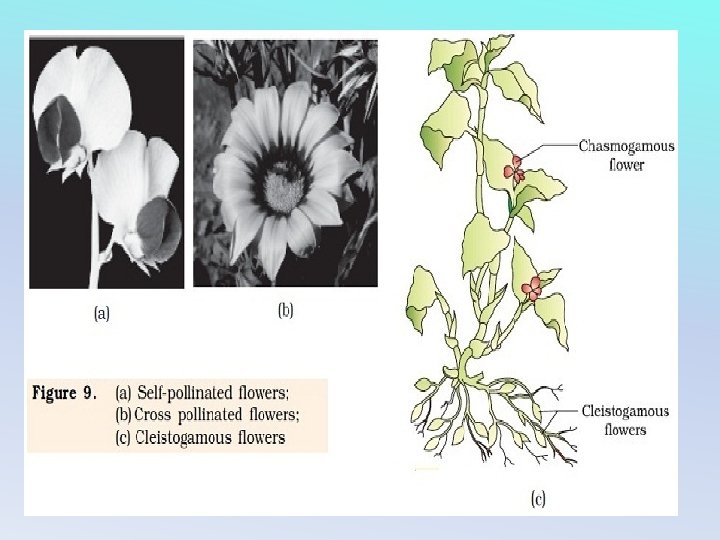
Pollination : • The transfer of pollen grain from the anther to the stigma of a pistil is called Pollination. • Depending on the source of pollen pollination is of three types, autogamy , geitonogamy and xenogamy. • Transfer of pollen grain from the anther to the stigma of the same flower is called autogamy. • In some plants ( Viola, Oxalis, Commelina ) there are two types of flowers, Chasmogamous and Cleistogamous. • Chasmogamous flowers are normal open flowers with exposed anther and stigma. • Cleistogamous flowers are closed flowers with stigma and anther lie close to each other. It is invariably autogamous which show assured set.
• Geitonogamy : Tranfer of pollen grain from the anther of one flower to the stigma of another flower in the same plant is called Geitonogamy. It is functionally similar to cross pollination and genetically to autogamy. • Xenogamy : Tranfer of pollen grain from the anther to the stigma of a different plant. This induce variation as pollination brings genetically different pollen grains to stigma
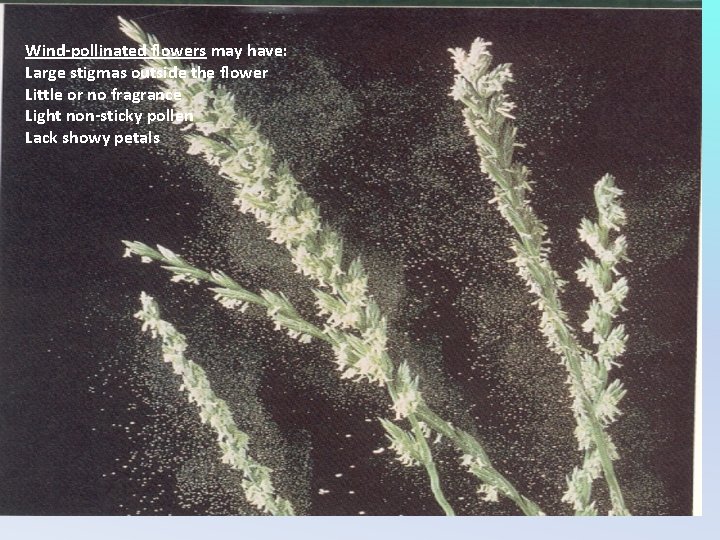
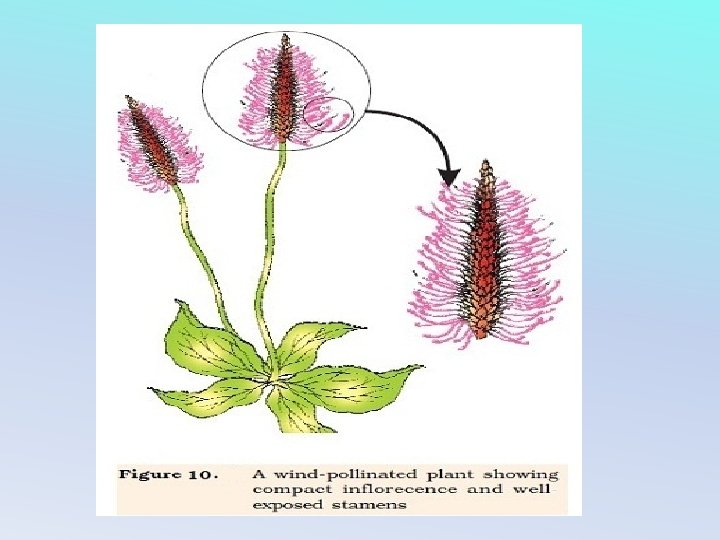
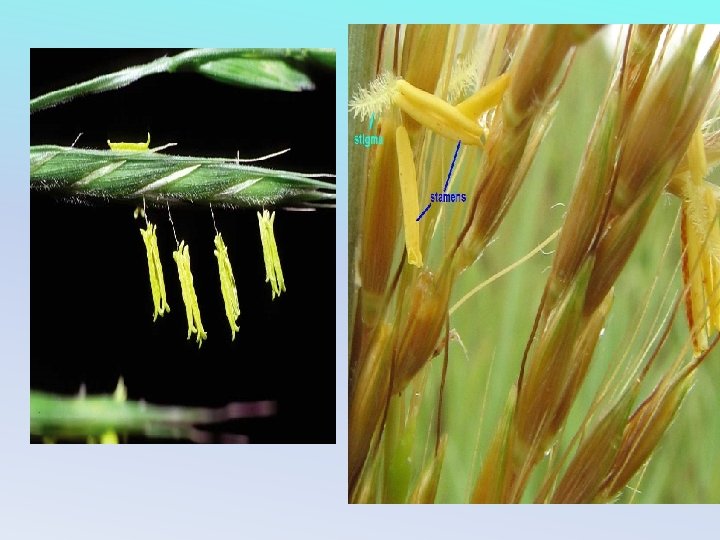
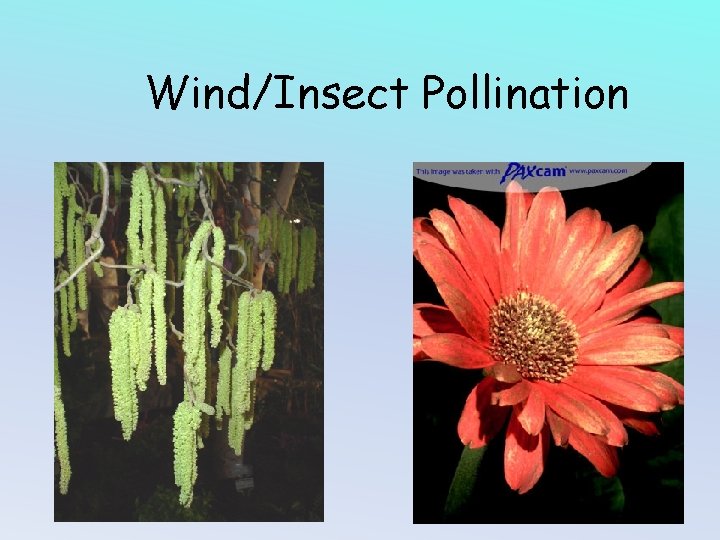
AGENTS OF POLLINATION • Plants use two abiotic agents and one biotic agents for pollination. • Wind pollination (Anemophily ) : It is more common among abiotic pollinations. eg : maize • Characteristics of wind pollinated flowers –light and non sticky pollen grains – well exposed stamens – large and feathery stigma for easy trapping of pollen grains – single ovule in single ovary – numerous flowers packed into inflorescence
Wind-pollinated flowers may have: Large stigmas outside the flower Little or no fragrance Light non-sticky pollen Lack showy petals
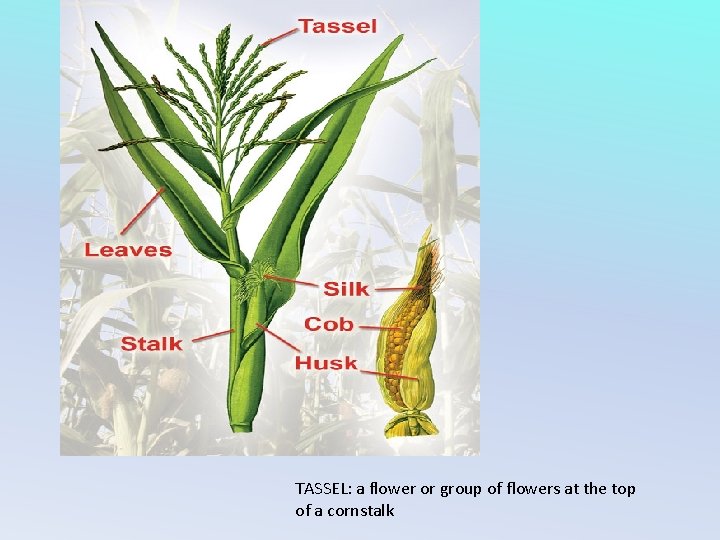
TASSEL: a flower or group of flowers at the top of a cornstalk
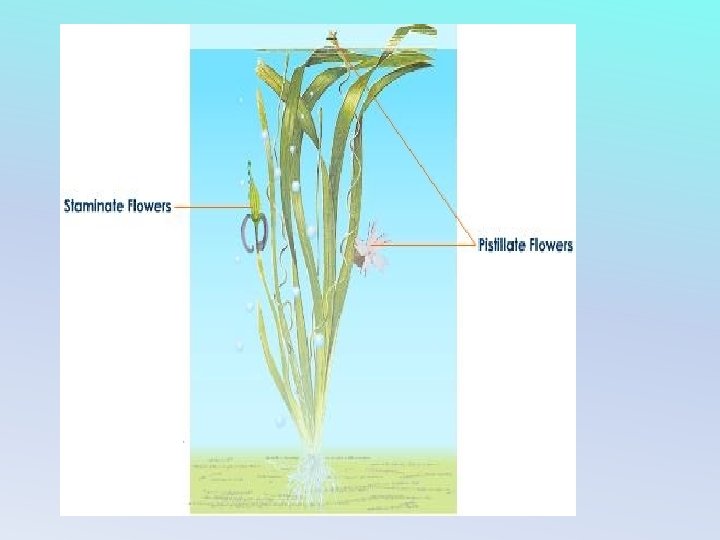
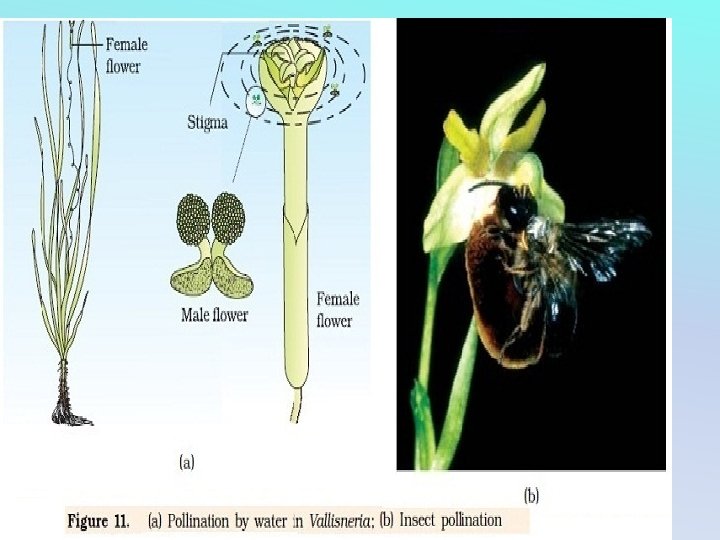
WATER POLLINATION ( HYDROPHILY ) : • It is rare limited to about 30 genera. As the female flower reach the surface of water, by long stalk, male flowers or pollen grains are released on to the surface of water. Eg : Vallisneria, Hydrilla, Zostera. • Characteristics of water pollinated flowers ; long ribben like pollen garins – pollen grain protected by mucilaginous covering – female flower with long stalk.
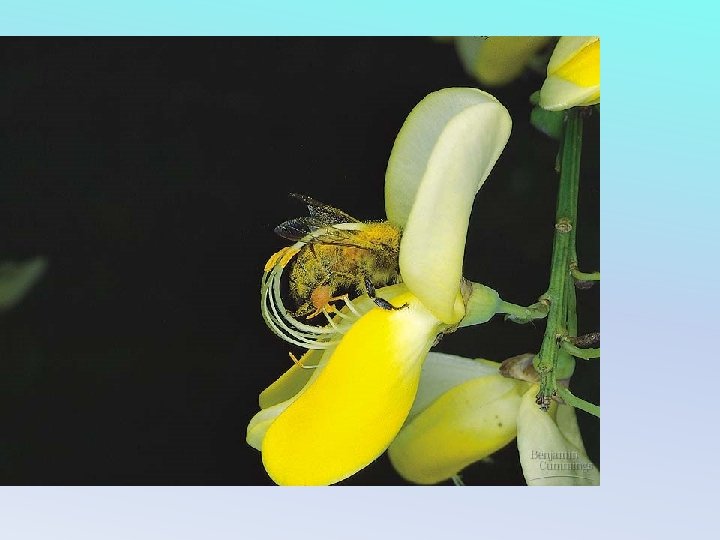
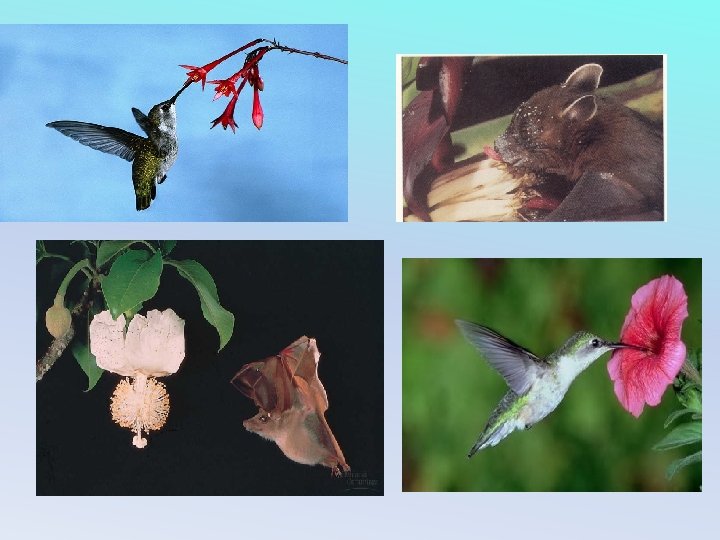
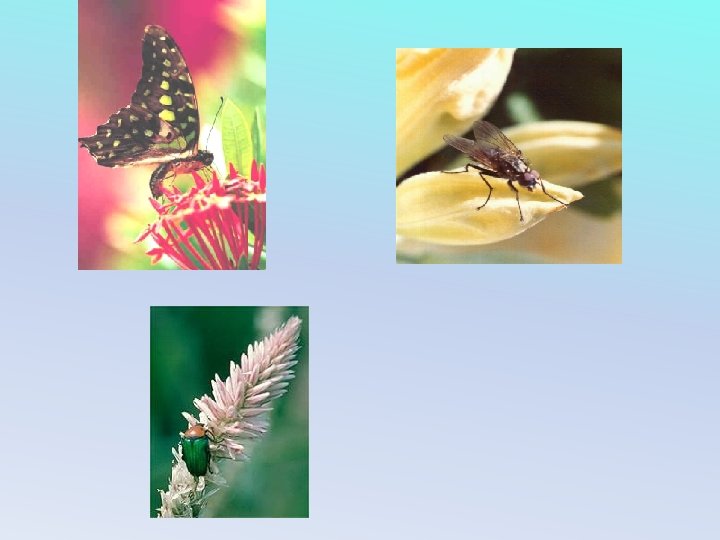
• Animal pollination ( Zoophily) : A range of animals are used as pollinating agents eg: - Wasps, ants, moths, birds , lemur, rodents, reptiles etc. • Characteristics of insect pollinted flowers : large , colourful, fragrant and rich in nectar. — -Small flowers are clustered into inflorescence —– sticky pollen grains
Wind/Insect Pollination
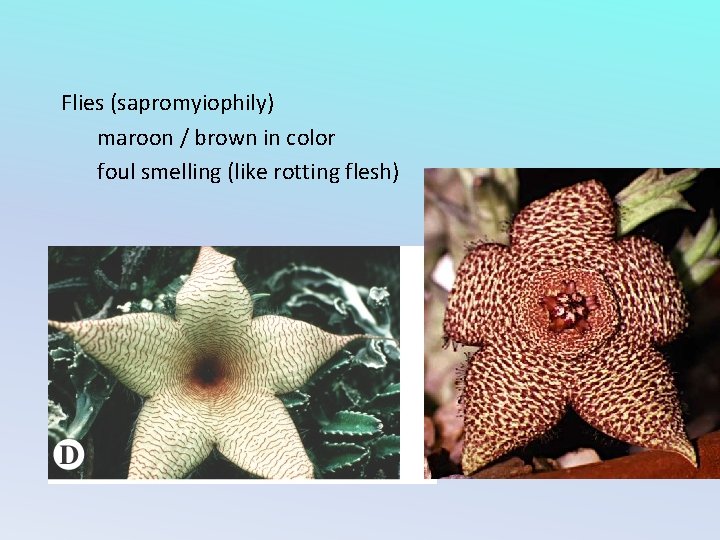
Flies (sapromyiophily) maroon / brown in color foul smelling (like rotting flesh)
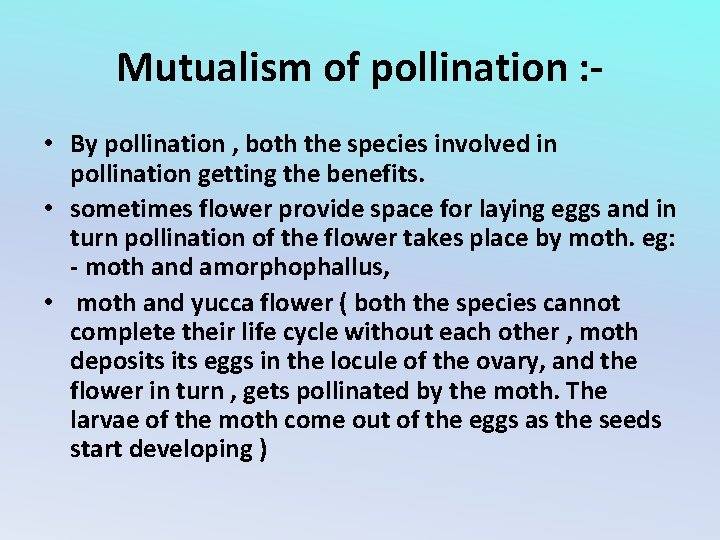
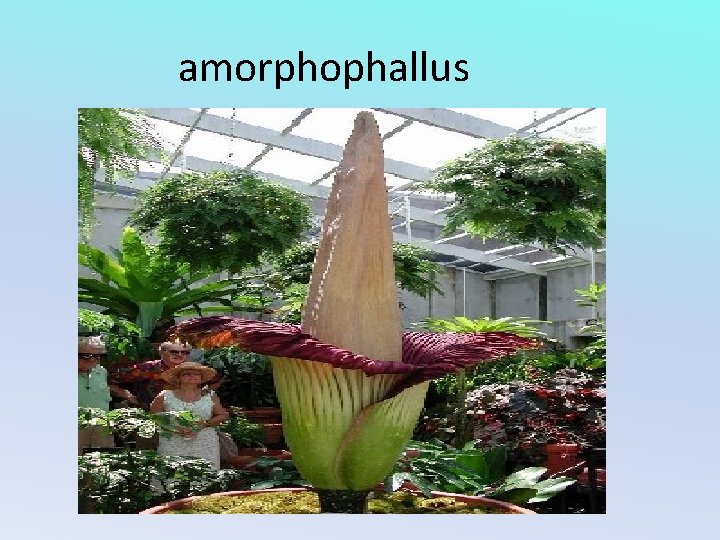
Mutualism of pollination : • By pollination , both the species involved in pollination getting the benefits. • sometimes flower provide space for laying eggs and in turn pollination of the flower takes place by moth. eg: - moth and amorphophallus, • moth and yucca flower ( both the species cannot complete their life cycle without each other , moth deposits eggs in the locule of the ovary, and the flower in turn , gets pollinated by the moth. The larvae of the moth come out of the eggs as the seeds start developing )
amorphophallus
yucca
Strategy of animal pollination: Attractant & Reward Nectar Pollen Waxes Oils
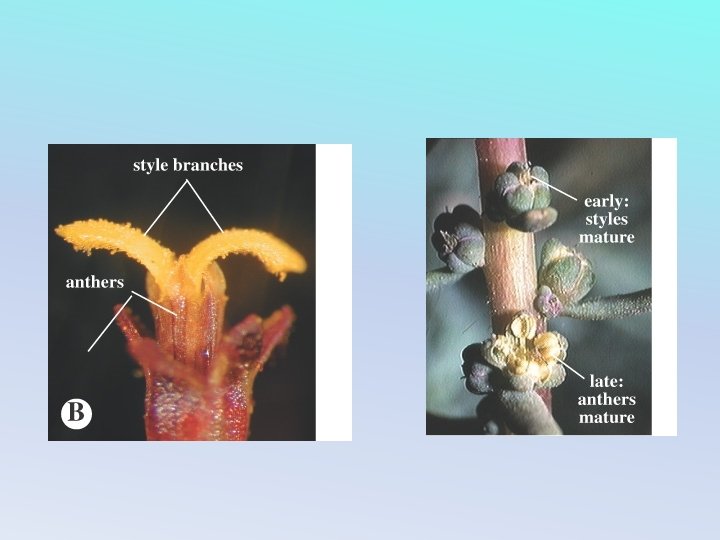
OUTBREEDING DEVICES Devices that encourage cross pollination to avoid inbreeding or self pollination are called Outbreeding devices. It helps to avoid inbreeding depression • Pollen release and stigma receptivity are not synchronised ( not at the same time ) • Anther and stigma are placed at different positions • Self incompatibility : _A genetic mechanism that prevents selfing of pollen with in the same flower or another flower of the same plant by inhibiting pollen germination or pollen tube growth inthe pistil • Production of unisexual flowers prevents autogamy in monoecious plants eg: - castor, maize • Dioecious condition ( Eithor male or female plant eg: - Papaya , Myristica ) prevents both autogamy and geitonogamy
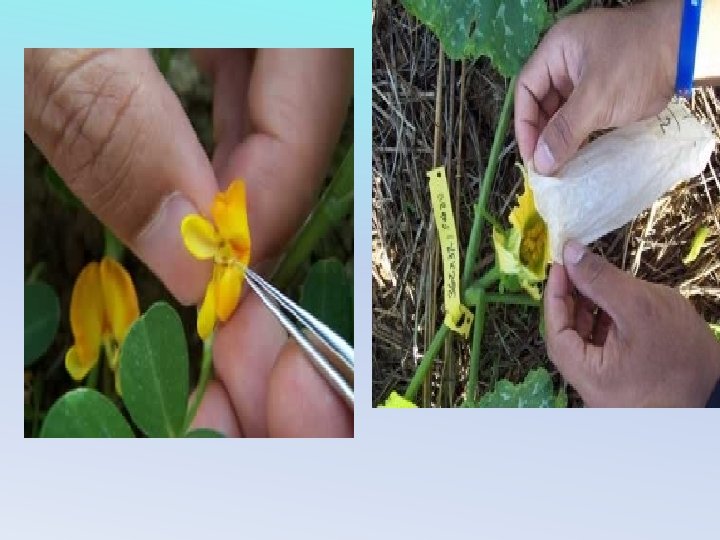
Artificial Hybridisation : • It is one of the major part of crop improvement programme. • Selection of parents is the primary step. • If the female parent bears bisexual flowers, before dehiscence anther should be removed by forceps, and the process is called Emasculation • Emasculated flowers should be covered by a bag of suitable size to prevent contamination from unwanted pollen grains, it is called bagging • When the stigma of bagged flower attains receptivity , mature pollen grains collected from the male parent dusted over stigma and the flowers re bagged to allow fruit growth • If the female parent produces unisexual flowers , emasculation is not necessary and bagging is done before anthers mature
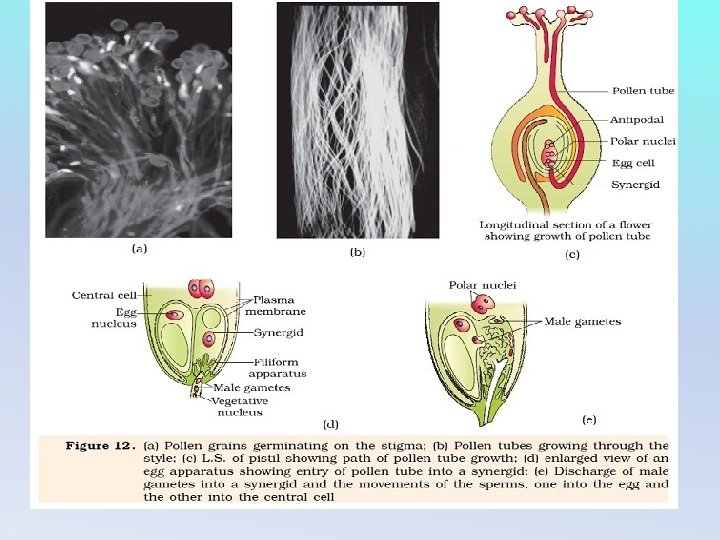
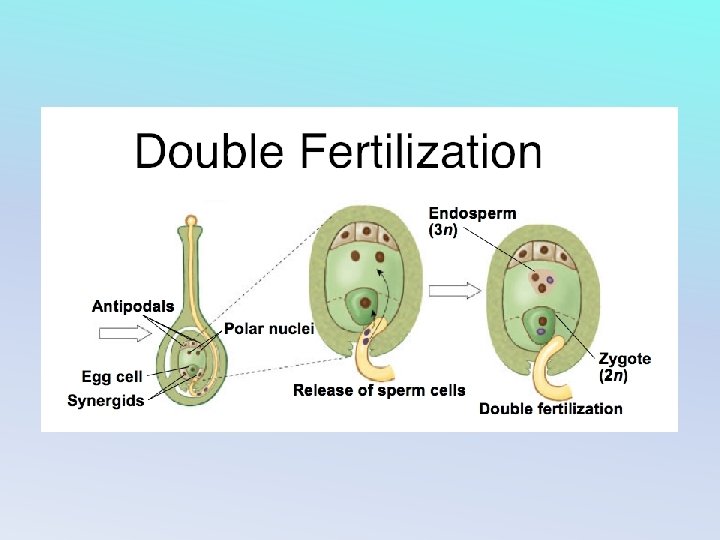
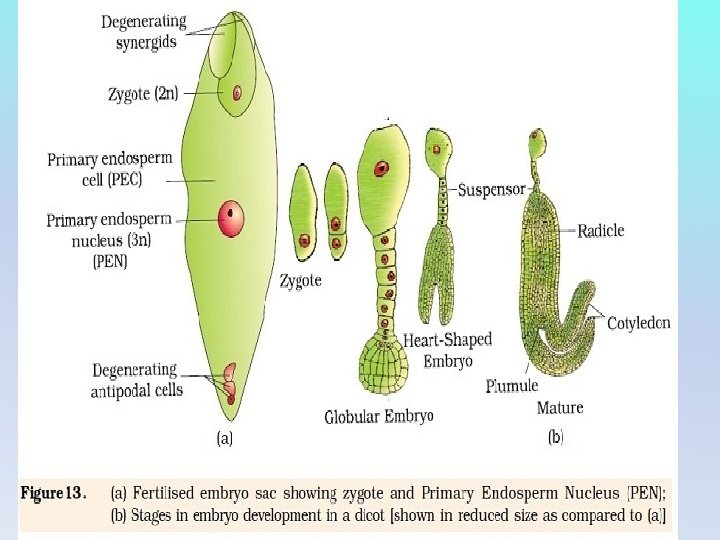
DOUBLE FERTILISATION : • After the entry of pollen tube into synergids, male gametes are released there. • One of the male gametes fuses with egg results in the formation of diploid cell the zygote and the fusion is called syngamy, the other male gamete fuses with two polar nuclei to produce primary endosperm nucleus this involves the fusion of three hapliod nuclei and the fusion is called Triple fusion. • since two types of fusions takes place in the embryosac the phenomenon is called Double fertilisation
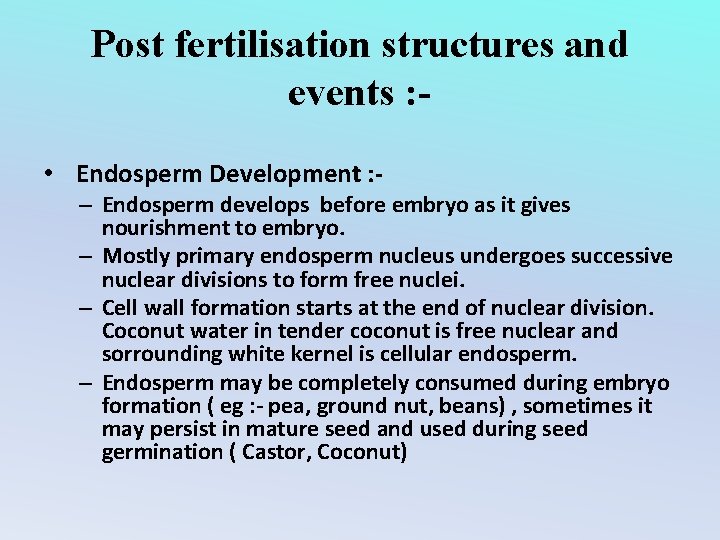
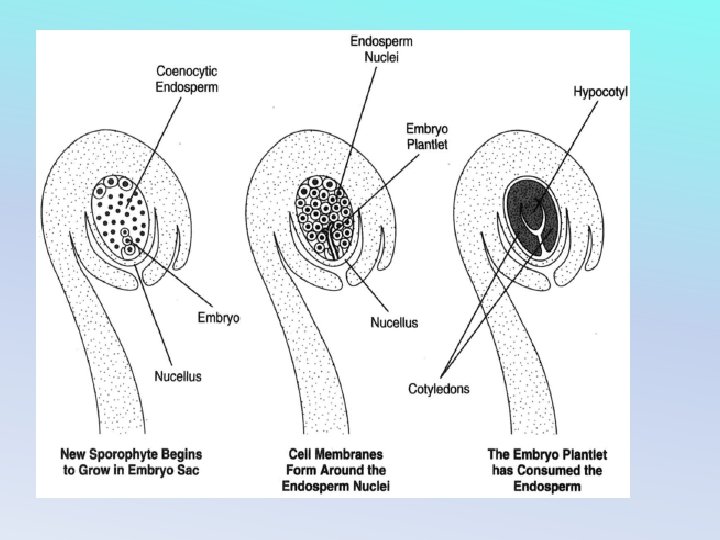
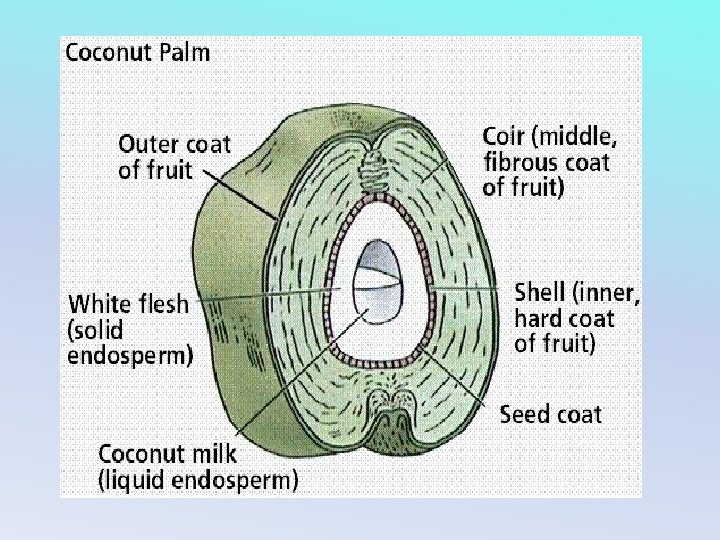
Post fertilisation structures and events : • Endosperm Development : - – Endosperm develops before embryo as it gives nourishment to embryo. – Mostly primary endosperm nucleus undergoes successive nuclear divisions to form free nuclei. – Cell wall formation starts at the end of nuclear division. Coconut water in tender coconut is free nuclear and sorrounding white kernel is cellular endosperm. – Endosperm may be completely consumed during embryo formation ( eg : - pea, ground nut, beans) , sometimes it may persist in mature seed and used during seed germination ( Castor, Coconut)
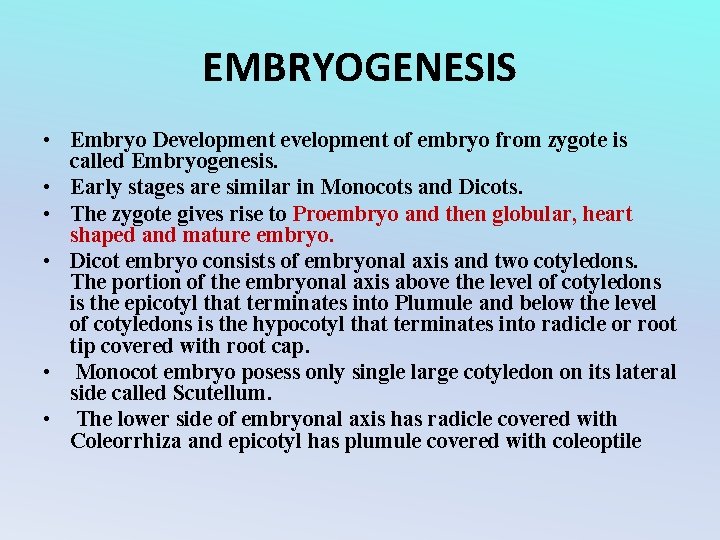
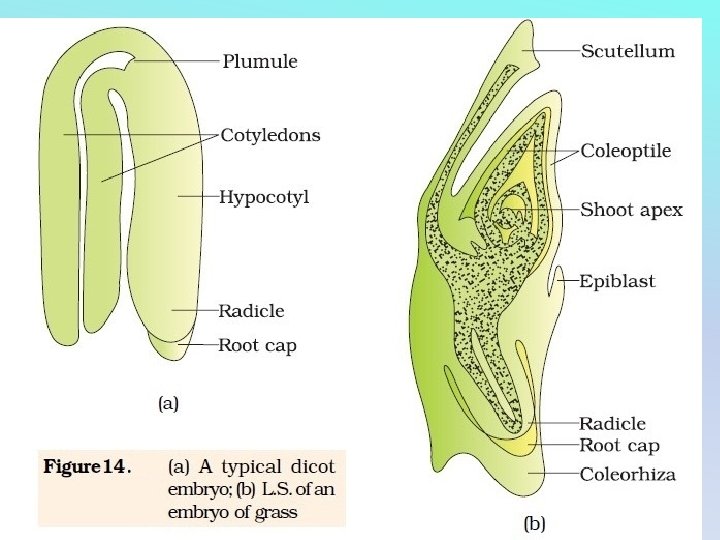
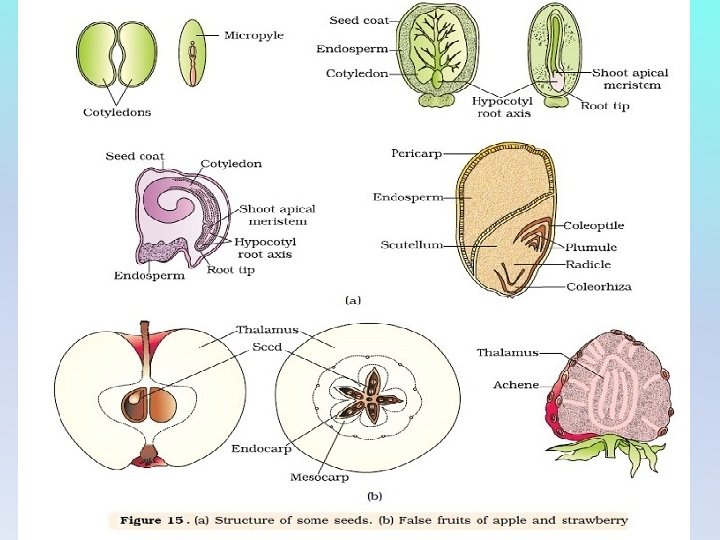
EMBRYOGENESIS • Embryo Development of embryo from zygote is called Embryogenesis. • Early stages are similar in Monocots and Dicots. • The zygote gives rise to Proembryo and then globular, heart shaped and mature embryo. • Dicot embryo consists of embryonal axis and two cotyledons. The portion of the embryonal axis above the level of cotyledons is the epicotyl that terminates into Plumule and below the level of cotyledons is the hypocotyl that terminates into radicle or root tip covered with root cap. • Monocot embryo posess only single large cotyledon on its lateral side called Scutellum. • The lower side of embryonal axis has radicle covered with Coleorrhiza and epicotyl has plumule covered with coleoptile
Fruit: parthenocarpic fruits: fruits which develop without fertilisation. Banana is one such example. Parthenocarpy can be induced through the application of growth hormones and such fruits are seedless.
SEED • Seed encloses embryo and covered by seed coat • Seeds with cotyledons and with out endosperm( completely used by embryo ) are called non- albuminous seeds eg; - Pea, Groundnut. • Seeds with part of of the endosperm remains in the seed when mature are called Albuminous seeds eg: - Wheat, Maize, Barley, Sunflower • Perisperm: - The residual, persistent nucellus present in mature seed is called Perisperm eg: - Black pepper, Beet
ADVANTAGES OF SEEDS • Firstly, since reproductive processes such as pollination and fertilisation are independent of water, seed formation is more dependable. • Also seeds have better adaptive strategies for dispersal to new habitats and help the species to colonise in other areas. • As they have sufficient food reserves, young seedlings are nourished until they are capable of photosynthesis on their own. • The hard seed coat provides protection to the young embryo. • Being products of sexual reproduction, they generate new genetic combinations leading to variations. • Seed is the basis of our agriculture. Dehydration and dormancy of mature seeds are crucial for storage of seeds which can be used as food through out the year and also to raise crop in the next season.
APOMIXIS AND POLYEMBRYONY The process of production of seeds without fertilisation, is called apomixis. Eg: Asteraceae and grasses. WAYS OF DEVELOPMENT OF APOMICTIC SEEDS: i) In some species, the diploid egg cell is formed without reduction division and develops into the embryo without fertilisation. ii)In many Citrus and Mango varieties some of the nucellar cells surrounding the embryo sac start dividing, protrude into the embryo sac and develop into the embryos. In such species each ovule contains many embryos. Occurrence of more than one embryo in a seed is referred as polyembryony
IMPORTANCE OF APOMIXIS: (hybrid seed industry) • Production of hybrid seeds is costly and hence the cost of hybrid seeds become too expensive for the farmers. If these hybrids are made into apomicts, there is no segregation of characters in the hybrid progeny. Then the farmers can keep on using the hybrid seeds to raise new crop year after year and he does not have to buy hybrid seeds every year.
http: //www. kshitij-school. com/Study. Material/Class-12/Biology/Sexual-reproduction -in-flowering-plants/Postfertilisation/Seed. aspx