
Sexual Harassment at Workplace Prevention Prohibition and Redressal
Sexual Harassment at Workplace (Prevention, Prohibition and Redressal) Act 2013 -by Alankrita Singh, I. P. S. Deputy Director, LBSNAA www. alankritasingh. com - By Vidya Bhushan, I. A. S Deputy Director, LBSNAA
SEXUAL HARRASMENT AT WORK PLACE – A CASE STUDY PART - 1
Group Work – Driver Questions A. Does the behaviour and actions of the DCMO towards the nurse Kusum constitute SH@WP? Y/N B. If Yes, then Identify those behaviours/actions. C. What type of SH@WP do the above behaviours/actions constitute? D. What are the factors that might contribute to the DCMO having ‘power’ over the nurse? E. What are the factors that might contribute to the vulnerability of Kusum? F. What are the recourses available to Kusum? (To be answered based on what has been narrated)
Sexual Harassment (Sec 2. n) one or more of the following unwelcome acts or behaviour (whether directly or by implication) namely: • physical contact and advances; or • a demand or request for sexual favours; or • making sexually coloured remarks; or • showing pornography; or • any other unwelcome physical, verbal or nonverbal conduct of sexual nature
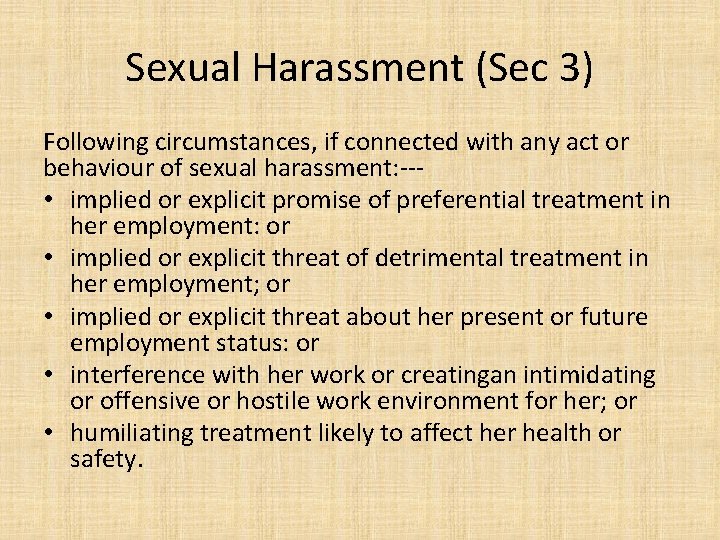
Sexual Harassment (Sec 3) Following circumstances, if connected with any act or behaviour of sexual harassment: -- • implied or explicit promise of preferential treatment in her employment: or • implied or explicit threat of detrimental treatment in her employment; or • implied or explicit threat about her present or future employment status: or • interference with her work or creatingan intimidating or offensive or hostile work environment for her; or • humiliating treatment likely to affect her health or safety.
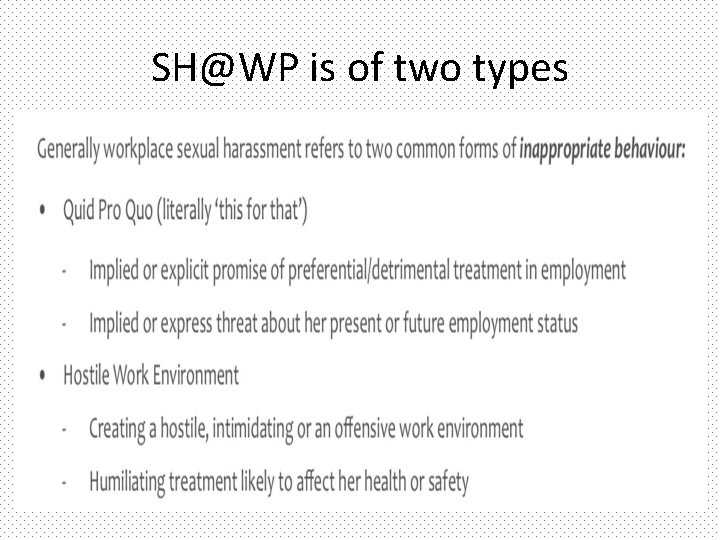
SH@WP is of two types
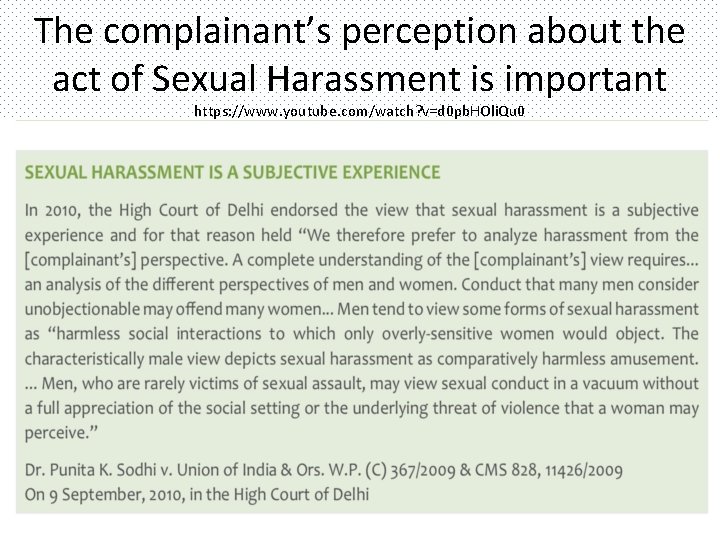
The complainant’s perception about the act of Sexual Harassment is important https: //www. youtube. com/watch? v=d 0 pb. HOli. Qu 0
SEXUAL HARRASMENT AT WORK PLACE – A CASE STUDY PART - 2
Group Work • Each IC to deliberate upon the case at hand, and take a decision. • List out your major recommendations (To be answered based on what has been narrated)
Group Work – Driver Questions • As Chairperson IC did you face any dilemma? • As Chairperson IC what were the enablers/ disablers? • What procedure did the IC follow in conducting this enquiry? • What are the legal entitlements of the complainant and respondent ? • Was the composition of this IC as per the requirements of the law? • What are the various deadlines under the law? • Had you been the Ho. D/Chairperson/MD of the PSU, what decision would you have taken (To be answered based on what has been narrated)
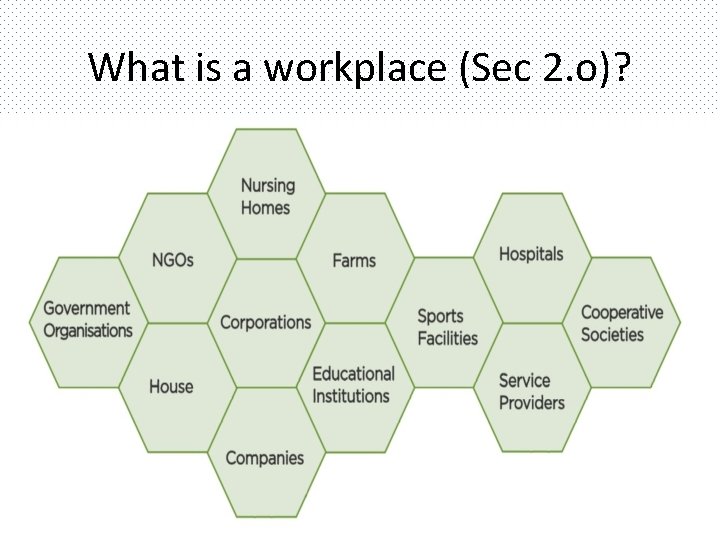
What is a workplace (Sec 2. o)?
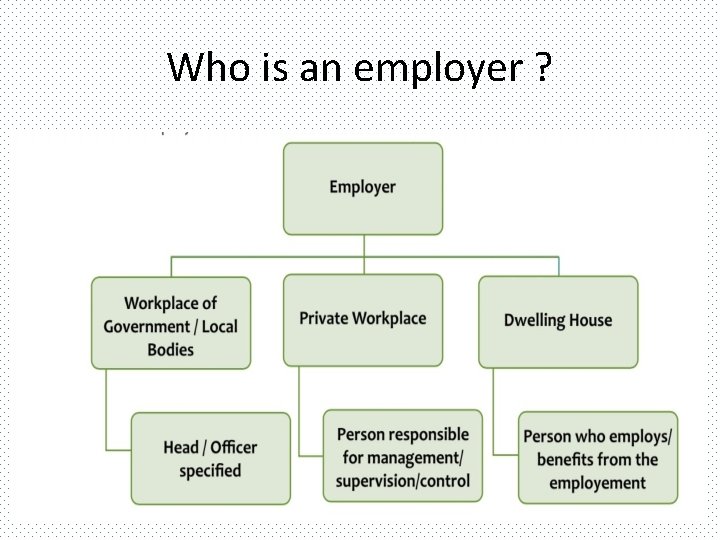
Who is an employer ?
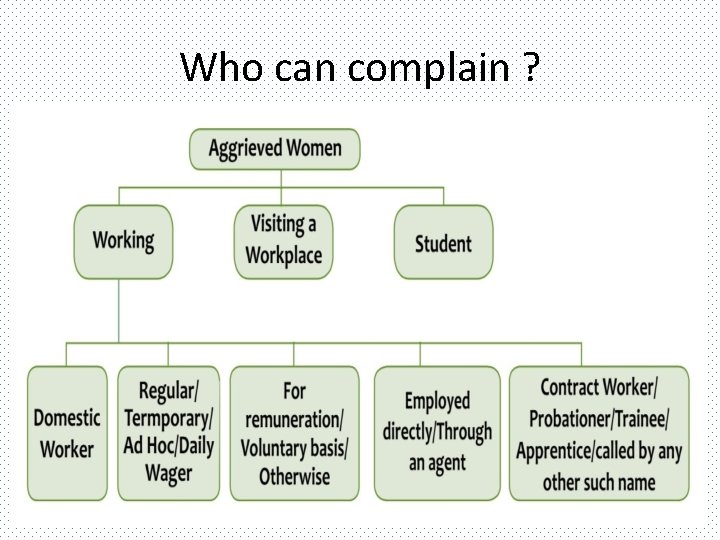
Who can complain ?
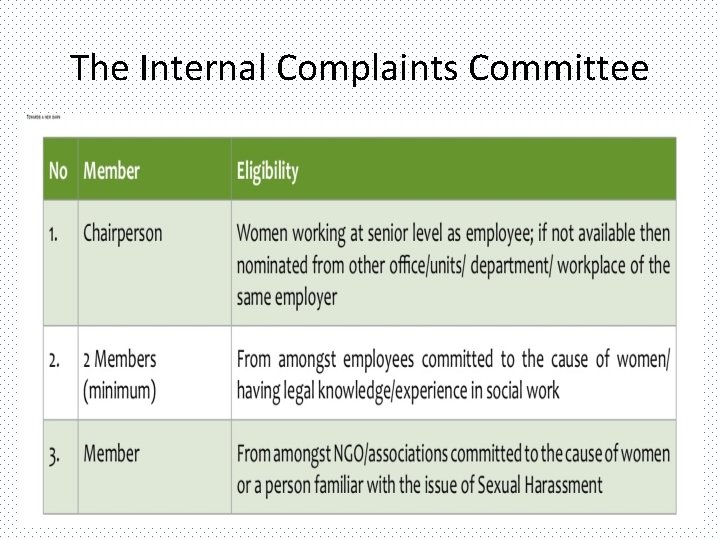
The Internal Complaints Committee
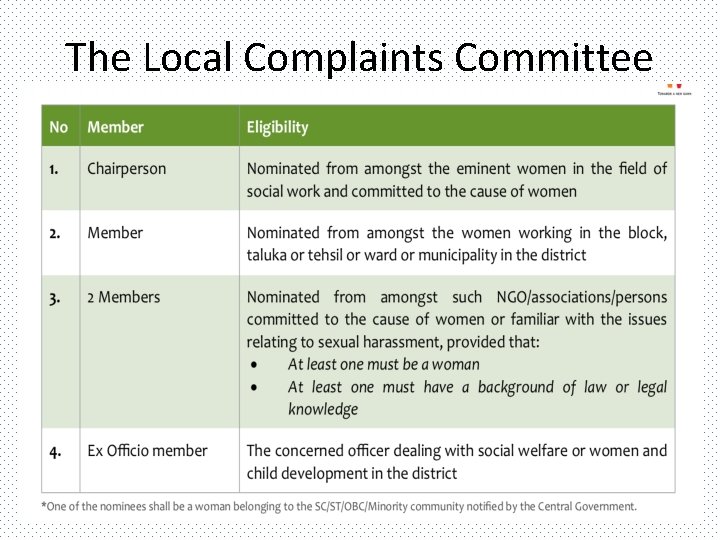
The Local Complaints Committee
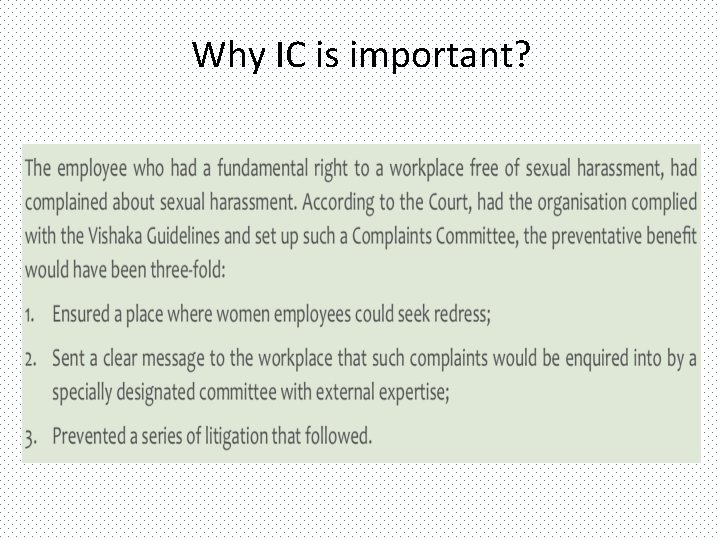
Why IC is important?
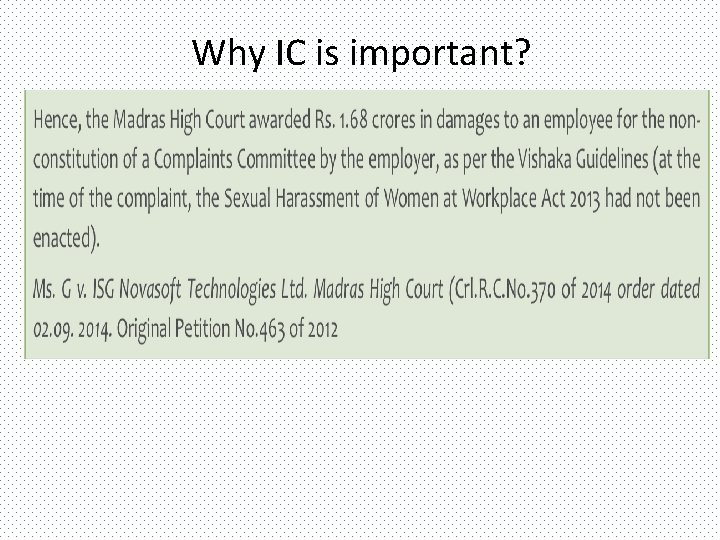
Why IC is important?
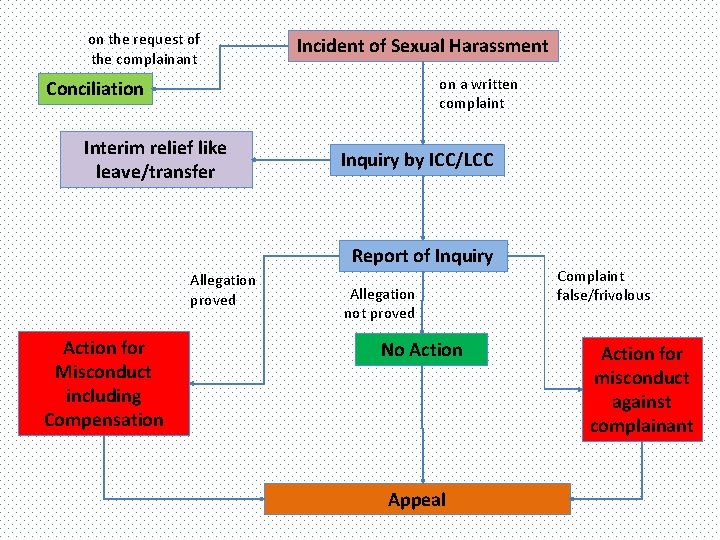
on the request of the complainant Incident of Sexual Harassment on a written complaint Conciliation Interim relief like leave/transfer Inquiry by ICC/LCC Report of Inquiry Allegation proved Action for Misconduct including Compensation Allegation not proved No Action Appeal Complaint false/frivolous Action for misconduct against complainant
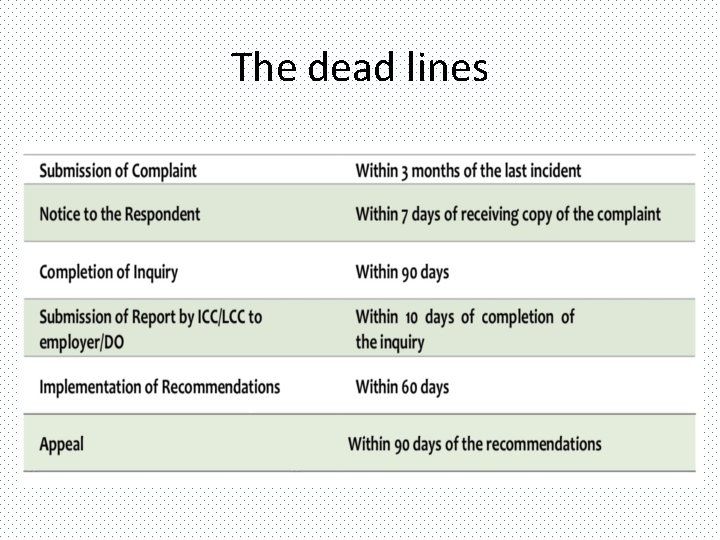
The dead lines
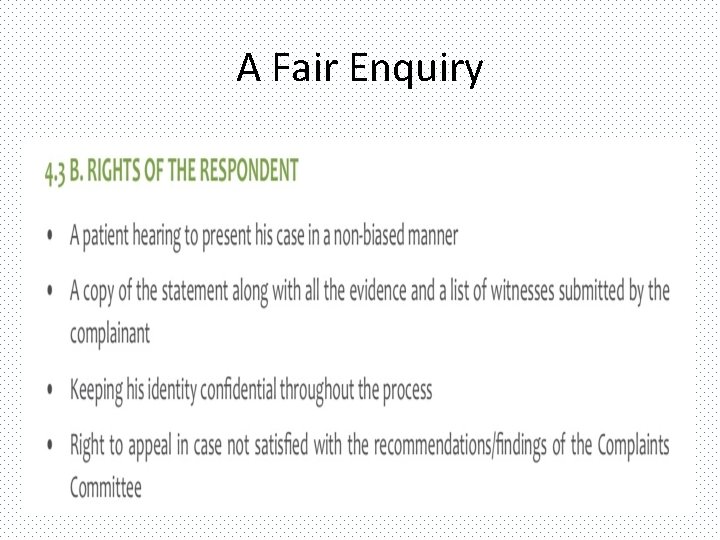
A Fair Enquiry
The District Officer The appropriate Government may notify a District Magistrate or Additional District Magistrate or the Collector or Deputy Collector as a District Officer for every District to exercise powers or discharge functions under this Act Powers & Responsibilities: • monitor the timely submission of reports furnished by the Local Committee; • engaging non-governmental organisations tor creation of awareness on sexual harassment and the rights of the women.
The District Officer • constitute "Local Committee" to receive complaints of sexual harassment from establishments where the Internal Committee has not been constituted due to having less than ten workers or if the complaint is against the employer himself • designate one nodal officer in every block, taluka and tehsil in rural or tribal area and ward or municipality in the urban area • concerned officer dealing with the social welfare or women and child development in the district, shall he a member ex officio
Duties of Employer • safe working environment at the workplace • display at any conspicuous place in the workplace, the penal consequences of sexual harassments; and the order constituting the Internal Committee u/s 4. 1 • workshops and awareness programmes for the employees & the members of the internal Committee • Provide necessary facilities to internal committee • assist in securing the attendance of respondent and witnesses • make available such information as required having regard to the complaint
Duties of Employer • provide assistance to the woman if she so chooses to file a police complaint • cause to initiate action, under the Indian Penal Code or any other law for the time being in force, against the perpetrator, or if the aggrieved woman so desires, where the perpetrator is not an employee, in the workplace at which the incident of sexual harassment took place; • treat sexual harassment as a misconduct under the service rules and initiate action for such misconduct; • monitor the timely submission of report by the Internal Committee.
SH@WP IS AN OFFENCE…. . • IPC (sections 209 -obscene acts and songs, 326 acid attack, 354 -outraging of modesty, 376 -rape, 509 -lewd gestures and words ) • The Criminal Law Amendment Act 2013 • Protection Of Children from Sexual Offences Act 2012 • Juvenile Justice Act 2006 • Information Technology Act 2000
The Social/personal/time/financial cost of raising one’s voice? The famous case of Mrs Rupan Deol Bajaj vs M S Gill
Thanks alankrita. singh@nic. in vidya. bhushan@ias. nic. in

- Slides: 28