
Sex Education COACH WHITAKER Vocabulary Spermthe sex cell

Sex Education COACH WHITAKER
Vocabulary § Sperm—the sex cell produced by the testes and is needed to fertilize an egg. § Ovum—the sex cell produced by the ovaries that are fertilized by a sperm. § Testis—the male reproduction organ that makes sperm and testosterone. § Penis—male reproductive organ that removes urine and delivers sperm.
Vocabulary § Semen—a fluid made up of sperm and other secretions from the male. § Ovary—organ that produces eggs and the hormones progesterone and estrogen. § Vagina—female reproductive organ that connects the uterus to the outside of the body. § Fallopian tube—the female reproduction organ that transport the egg from the ovary.
Vocabulary § Uterus—the female reproductive organ that provides a place to support a developing human. § Menstrual cycle—a monthly series of hormone controlled changes that prepare the uterus lining for a pregnancy. § Placenta—an organ that is produced during pregnancy to supply a baby with nutrients and oxygen. § Sexual intercourse—reproductive process in which the penis is inserted in the vagina and through which a human life may begin.
Vocabulary § Abstinence—the conscious decision not to participate in sexual activity and the skills to support that decision. § Sexually Transmitted Disease (STD)—an infectious disease that is spread by sexual contact. § Internal pressure—an impulse a person feels to engage in a behavior. § External pressure—pressure a person feels from another person or group to engage in a behavior.
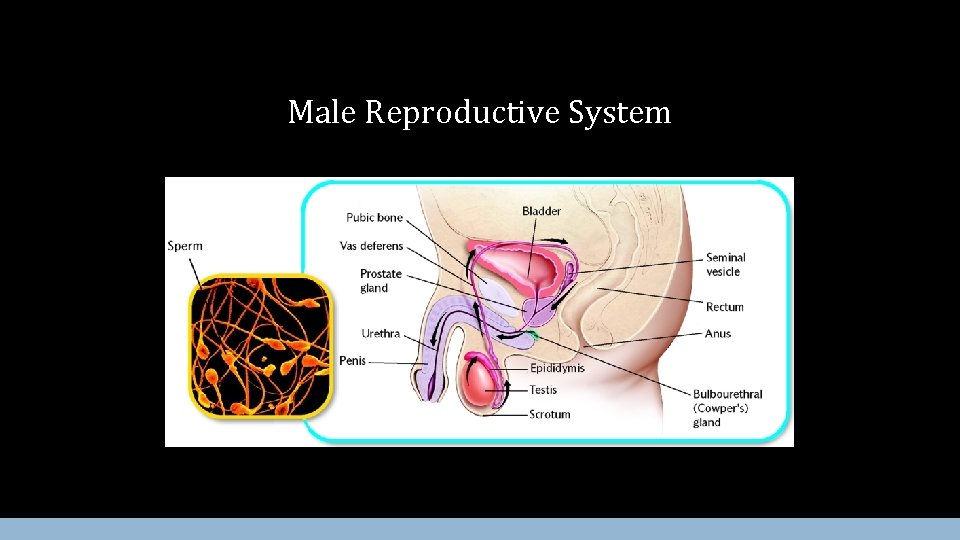
Male Reproductive System § The male reproductive system works to produce sperm and deliver it to the female reproductive system. § Sperm are sex cells that are produced by the testes and are needed to fertilize an ________________. § Eggs or ova are sex cells produced by the female reproductive organs, called _______________________. § Fertilization is the process by which a sperm and an egg and their genetic material join to create a new human life.
How the Male Reproductive System Works? § The testes (testicles) are the male reproductive organs that produce sperm and _________________________. § Testosterone is the major male sex hormone. It regulates body changes during puberty and influences sperm production. § The scrotum is a sac containing the testes. Muscles in the scrotum move the testes closer to or further from the body to regulate _________________________.
How the Male Reproductive System Works? § The penis is the male reproductive organ that removes urine from the body and can deliver sperm to the female reproductive system. § Urine or sperm passes through the penis in the _________________________. § Sperm from the testes travel through the epididymis and the vas deferens. In the vas deferens, sperm mixed with fluids to make ______________________.
Male Reproductive System
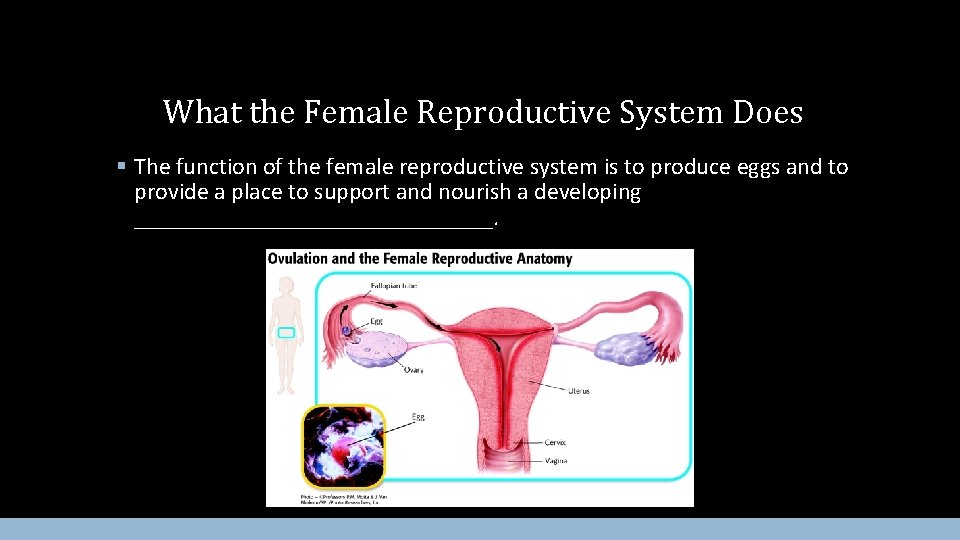
What the Female Reproductive System Does § The function of the female reproductive system is to produce eggs and to provide a place to support and nourish a developing _______________.
How the Female Reproductive System Works § Ovaries are the female reproductive organs that produce eggs and the hormones estrogen and progesterone. § A female is born with approximately 1 million to 2 million eggs. § Estrogen regulates body changes during _____________________. § Both estrogen and progesterone are involved in regulating monthly cycles and in the changes that take place in the body during ______________________.
How the Female Reproductive System Works § The vagina is the female reproductive organ that connects the outside of the body to the uterus and receives sperm during reproduction. It is also part of the birth canal through which a baby is delivered. § The urethra carries urine out of the body from the bladder. It is above and separate from the vagina. § The uterus is the female reproductive organ that provides a place to support a developing __________________________. § Eggs travel from the ovaries to the uterus through the fallopian _________________________.
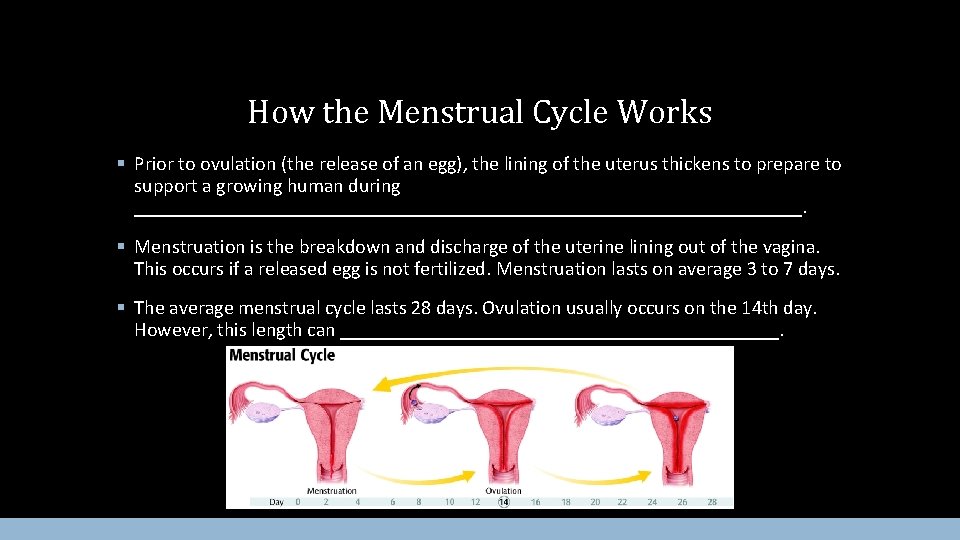
How the Menstrual Cycle Works § Prior to ovulation (the release of an egg), the lining of the uterus thickens to prepare to support a growing human during __________________________________. § Menstruation is the breakdown and discharge of the uterine lining out of the vagina. This occurs if a released egg is not fertilized. Menstruation lasts on average 3 to 7 days. § The average menstrual cycle lasts 28 days. Ovulation usually occurs on the 14 th day. However, this length can ______________________.
How Life Begins § Sexual intercourse is the reproductive process in which the penis is inserted into the vagina and through which a new human life may ___________________. § From the vagina, sperm travel through the uterus and into the fallopian tubes, where fertilization normally occurs. § After fertilization, the zygote travels to the uterus and embeds in the uterine wall. § The developing human in the first 8 weeks of development is called an _____________________.
How a Baby Develops § The placenta is an organ that develops in the uterus. § The placenta provide a developing baby with nutrients and removes ____________________. § The umbilical cord connects the embryo to the ________________________.
How a Baby Develops § In the first trimester (first 3 months) the embryo grows rapidly. § By week 4, the heart starts beating, arm and leg buds appear, and the eyes and brain start to _____________________. § By the end of the first trimester, all the major body parts and organs have formed. § Beyond the first trimester, the developing baby is called a _________________________. § In the second trimester, the organs continue to develop. By 4 months, the mother can feel the fetus move or kick.
How a Baby Develops § By the end of the second trimester, facial features are apparent, and you can tell if the fetus is male or female. § In the third trimester, the fetus gains most of its _________________________. § At the end of 9 months, the baby is _________________________.
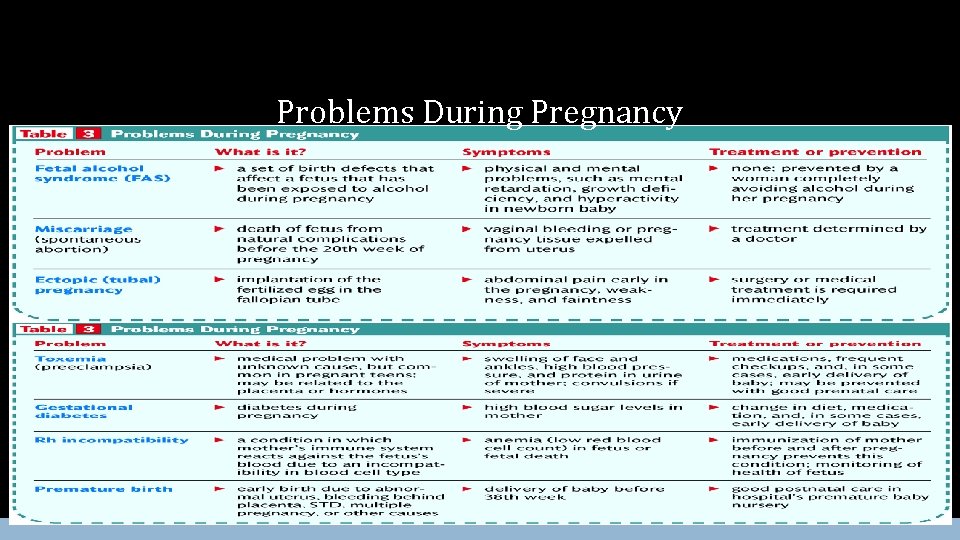
Problems During Pregnancy
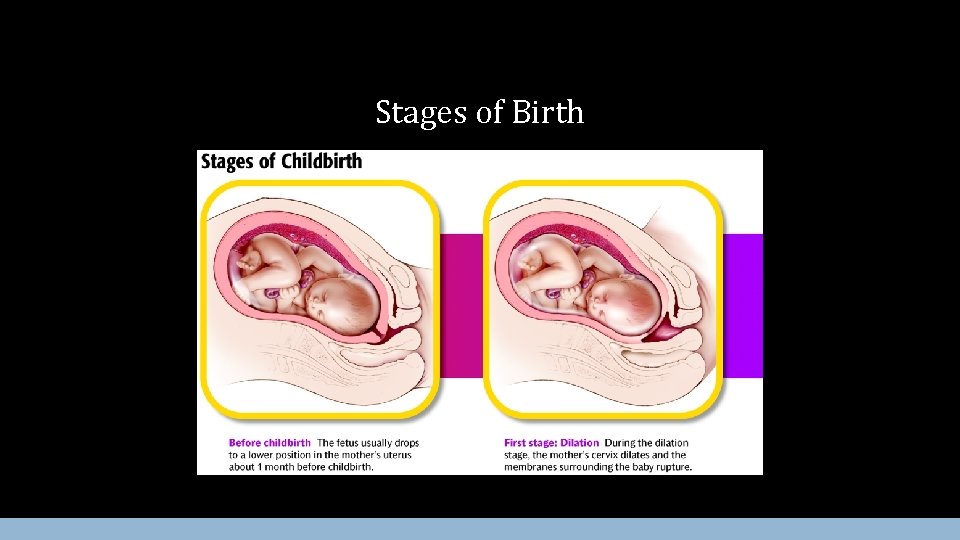
Stages of Birth
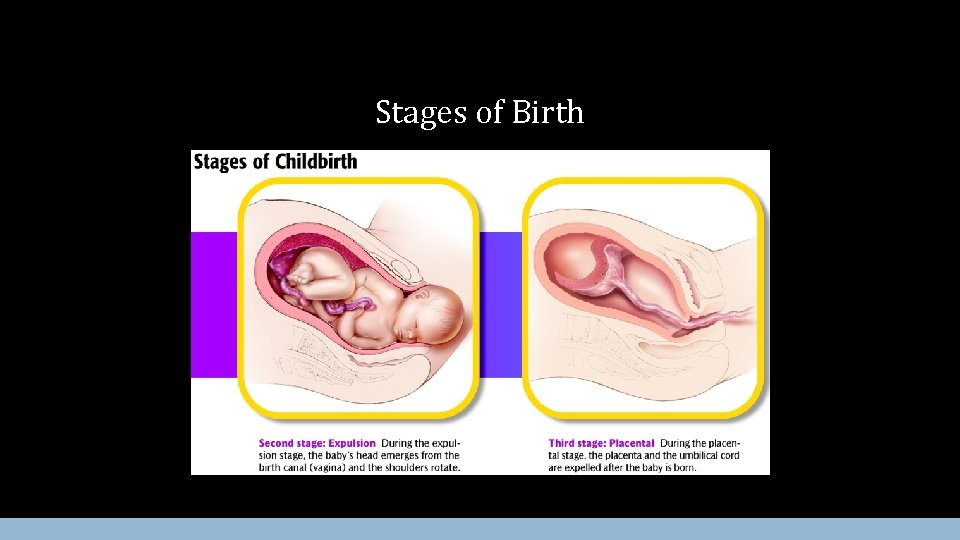
Stages of Birth
Teen Relationships Are Important § Developing relationships with others of your age is an important part of forming your identity. § Dating provides friendship, companionship, and support, and allows you to explore characteristics you might want in a future spouse. § Engaging in sexual activity poses risks to your emotional and physical ____________________________. § Refraining from sexual activity helps create and sustain a healthy relationship. § Mutual respect is of key importance in ______________________________
Finding the Right Person § A good friend or dating partner: § is ______________________ § treats others well § is tolerant and respectful § has morals and values similar to yours § is fun to be ___________________ § respects himself or herself
Finding the Right Person § When choosing a friend or a dating partner, you should try to avoid people who: § are selfish § are abusive § are inconsiderate § are ________________________________ § hurt you physically or emotionally § don’t respect your morals and values § make you feel badly about ________________________
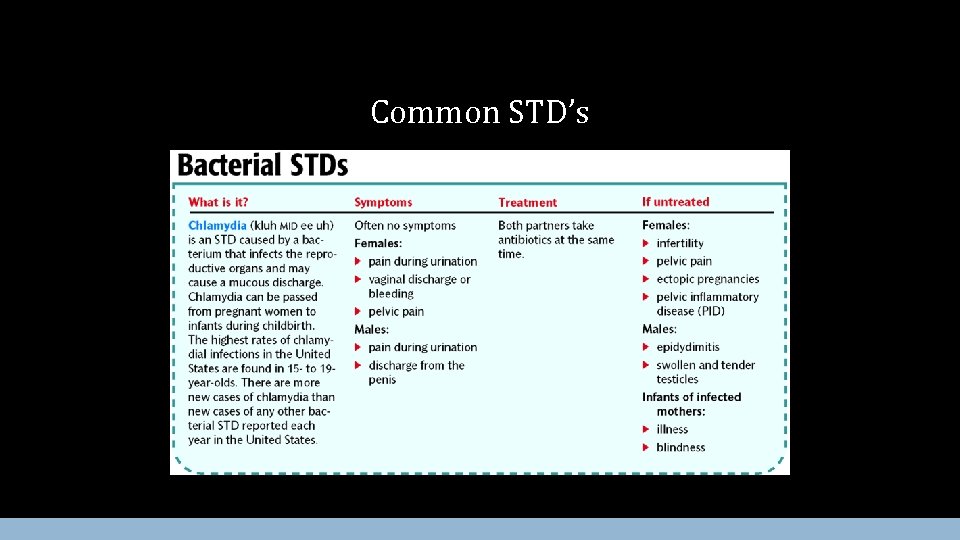
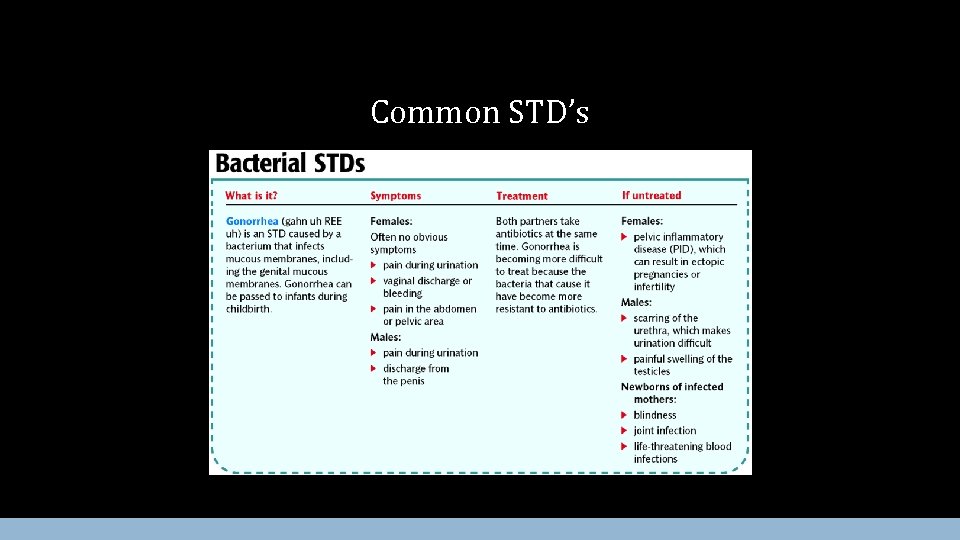
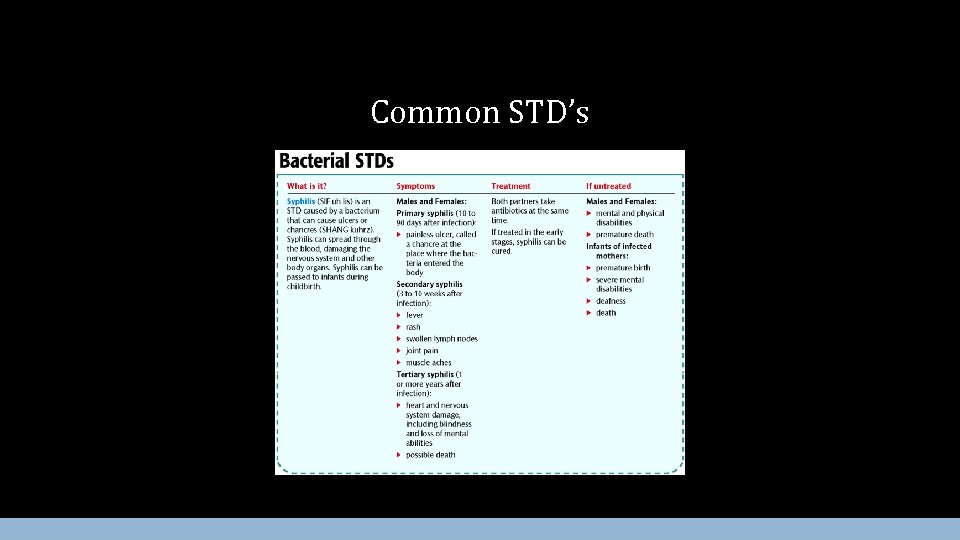
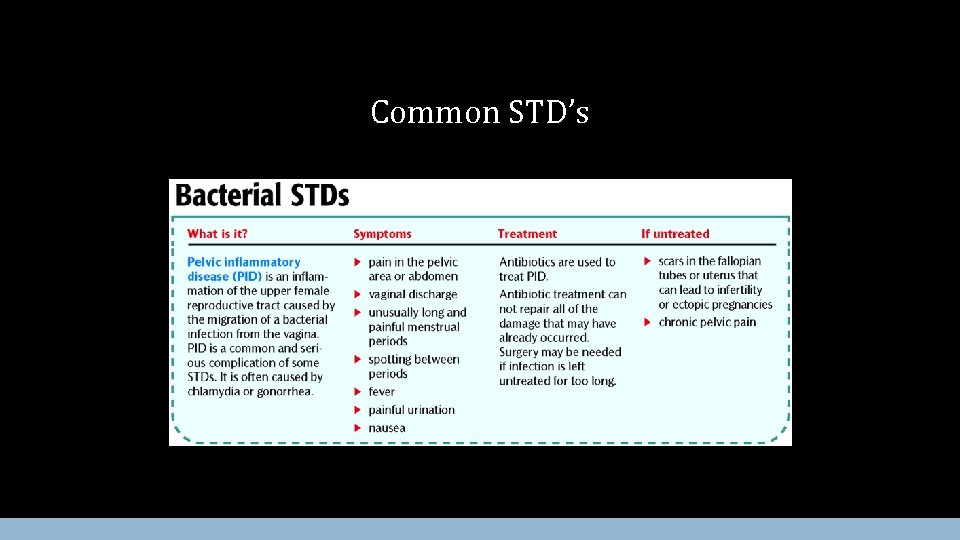
What Is Abstinence? § Teen relationships should focus on emotional intimacy, not sexual ______________________. § Abstinence is the conscious decision not to participate in sexual activity and the skills to support that decision. § A sexually transmitted disease (STD) is an infectious disease that is spread by sexual contact. § Avoiding the risk of STDs is just one of the many benefits of _______________________.
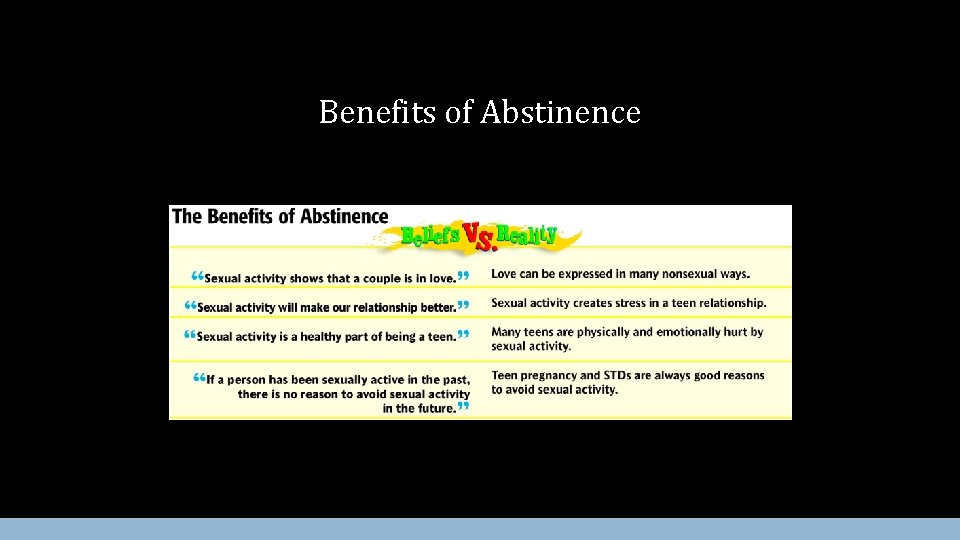
Benefits of Abstinence
Pressures to Be Sexually Active § Internal pressure is an impulse a person feels to engage in a ________________________. § External pressure is pressure a person feels from another person or from a group to engage in a ________________________.
Setting Personal Limits § Setting personal limits can help you stay true to your commitment to be abstinent. § When setting personal limits, you can commit not only to being abstinent but also to avoiding situations that could lead to sexual _________________________. § Tell your partner when you begin dating that you have made a commitment to remain sexually _________________.
Avoid Pressure Situations § Identify situations that could lead to sexual activity. § Avoid drinking alcohol or taking illegal ________________________. § Look for dating partners who share your values about _______________________.
Risks of Teen Sexual Activity § Possible consequences of teen sexual activity include: 1. loss of self-esteem 2. unplanned ___________________ 3. sexually transmitted ________________________ § Abstinence is the only sure way to eliminate the risks of teen sexual activity.
Teen Pregnancy § 1 in 10 female teenagers gets pregnant each year. § One out of three girls becomes pregnant at least once before reaching the age of 20. § Teen pregnancies are hard on the mother’s _________________________. § Babies born to teen mothers are more likely to have health _________________________.
Teen Pregnancy § Other reasons to avoid being a teen parent include: 1. You will have less time for ________________________ 2. Most teen mothers don’t marry the father. 3. Most pregnant teens do not finish high school. 4. Parents are legally responsible for their child’s well-being. 5. On average, teen fathers make less money than male teens who are not _______________________.
Abstinence Eliminates the Risks of Teen Sexual Activity § There are many nonsexual ways to show _________________________ 1. Make your date feel special. 2. Find hobbies to do together. 3. Spend time with and get to know your date. 4. Show respect for your __________________________.
STDs: The Silent Epidemic § An epidemic is the occurrence of more cases of a disease than expected. § STDs are said to be a “silent epidemic” among teens and young ___________________________. § Many STDs are asymptomatic, which means you can have the disease without any ___________________________. § When there are no symptoms, a person may spread the disease without knowing it. § Sexually active people should undergo regular testing for STDs.
STDs and Teens § Behaviors that put teens at risk of STDs include: 1. being sexually __________________ 2. having more than one sexual partner 3. having a sexual partner who has had multiple sexual partners 4. using alcohol or _________________
How Are STDs Spread? § Ways that STDs are spread include: 1. any sexual activity that brings a person in contact with body fluids from an infected _______________________ 2. any sexual activity in which one person’s genitals contacts another person’s skin or mucous membranes 3. direct contact with open sores 4. a mother to her baby before or during birth, or during _________________________
How Are STDs Spread? § Most STDs CANNOT be spread by the following: § _________________________ § Sharing eating utensils § Holding hands § Using public _________________________
STDs Can Cause Permanent Damage § Some STDs, such as herpes, cannot be cured. § Some STDs can cause miscarriages or infant ________________________. § Being informed about STDs can help you avoid them. § If you think you might have been exposed to an STD, see a doctor as soon as _________________________
Common STD’s
Common STD’s
Common STD’s
Common STD’s
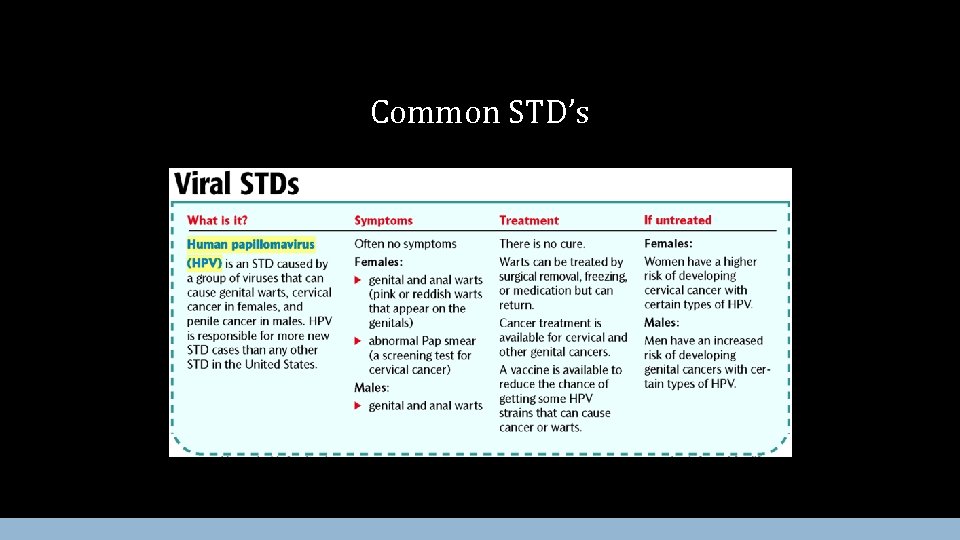
Common STD’s
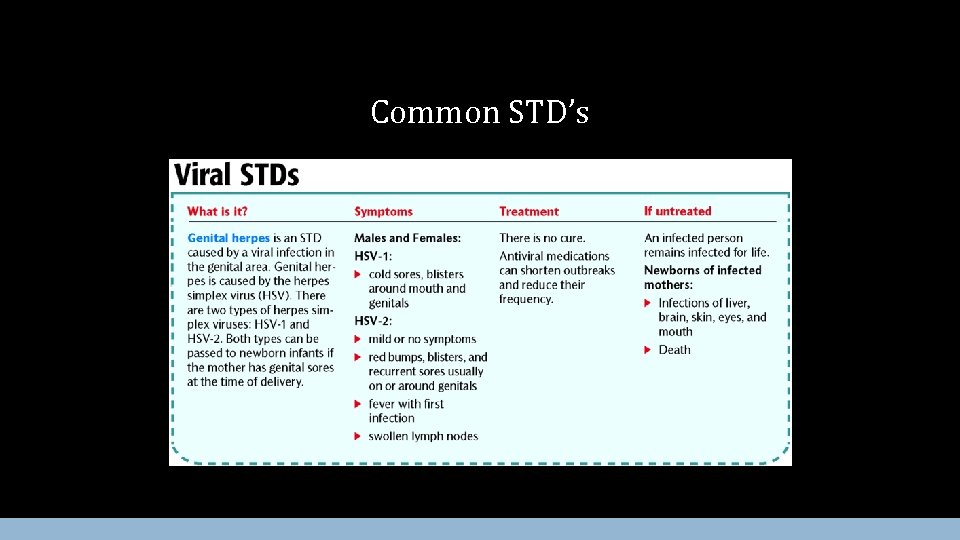
Common STD’s
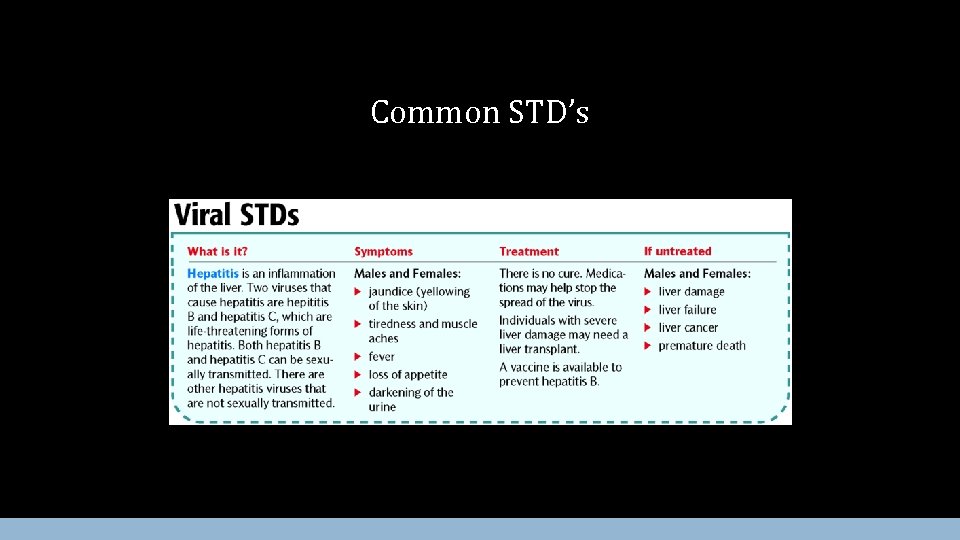
Common STD’s
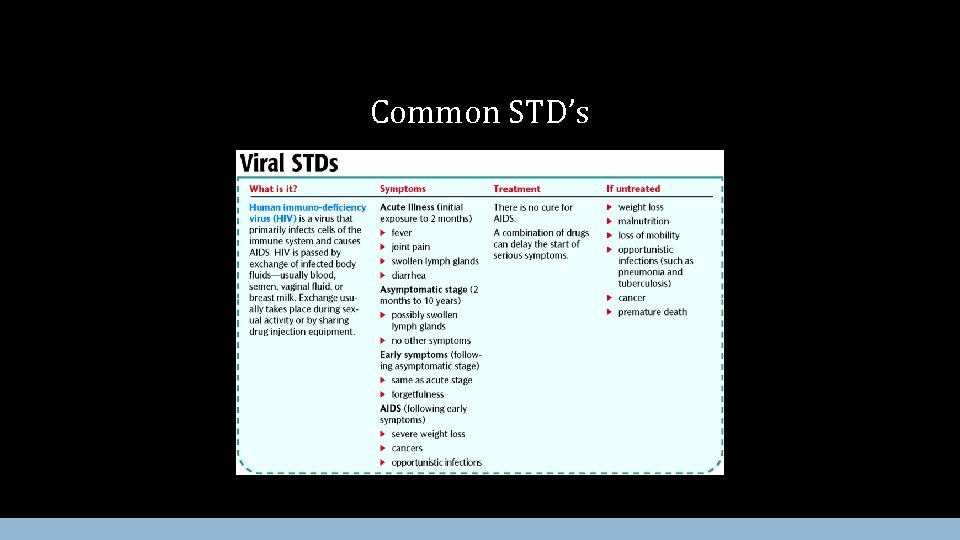
Common STD’s
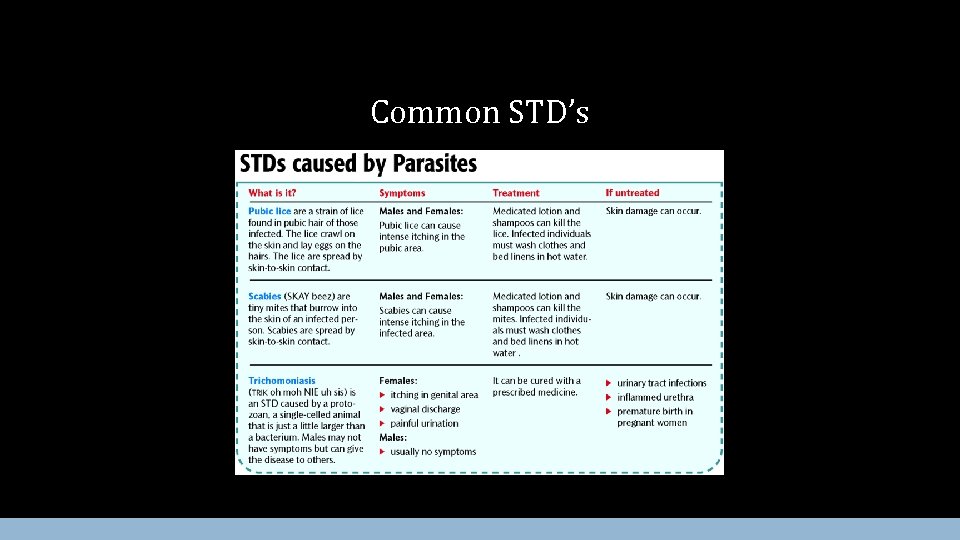
Common STD’s
- Slides: 46