
Severe Thunderstorm Outbreak Over Ontario The July 17
Severe Thunderstorm Outbreak Over Ontario The July 17, 2006 Derechos Case David Rodgers, Operational Meteorologist Yoseph Mengesha, Operational Meteorologist Meteorological Service of Canada, Ontario Storm Prediction Centre/National Lab

Outline Case study objectives Derecho review Event overview Synoptic overview Derecho classification Impacts Conclusions
Case Study Objectives Identify the synoptic pattern that led to this severe weather outbreak Classify the storms based on current understanding Analyze and document: – Surface and mid-tropospheric flow – Radar signatures
Derecho Review Defined as any family of downburst clusters that produces wind gusts to 50 kts along a major axis of 400 km (Johns and Hirt, 1987) Derechos can be classified as progressive or serial based on synoptic flow and propagation behaviour
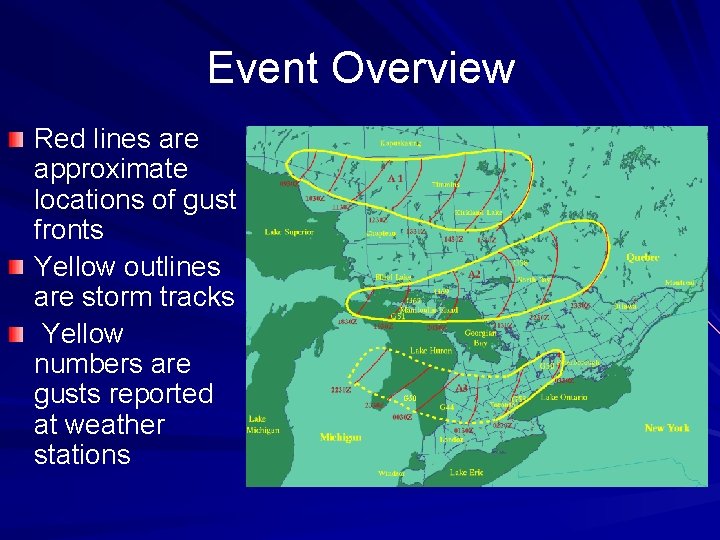
Event Overview Red lines are approximate locations of gust fronts Yellow outlines are storm tracks Yellow numbers are gusts reported at weather stations G 50
Synoptic Overview Dynamic Forcing – Water vapour loop – Upper air analyses – Surface analysis Thermodynamic Forcing – Proximity soundings

Water Vapour Imagery
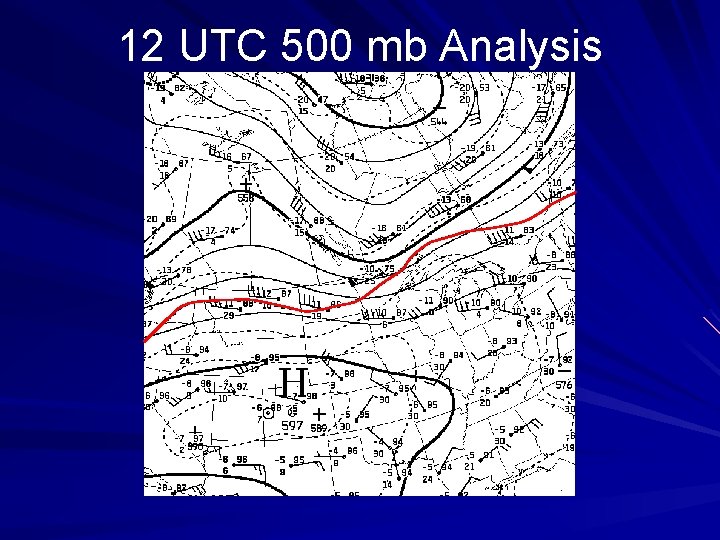
12 UTC 500 mb Analysis
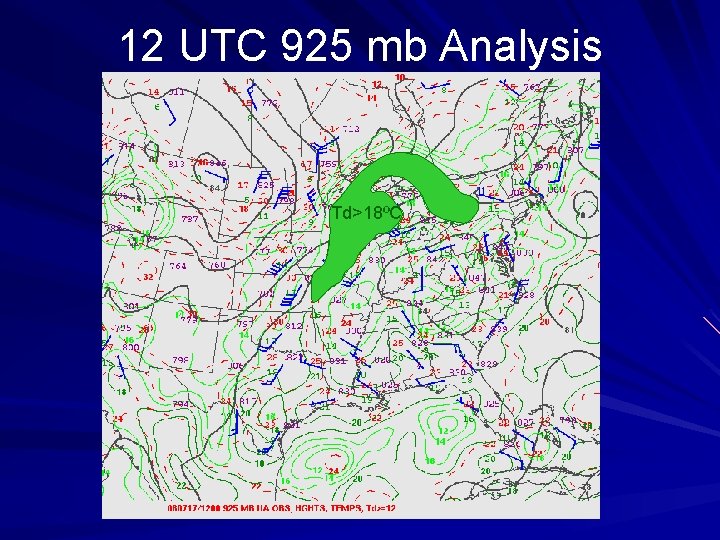
12 UTC 925 mb Analysis Td>18ºC
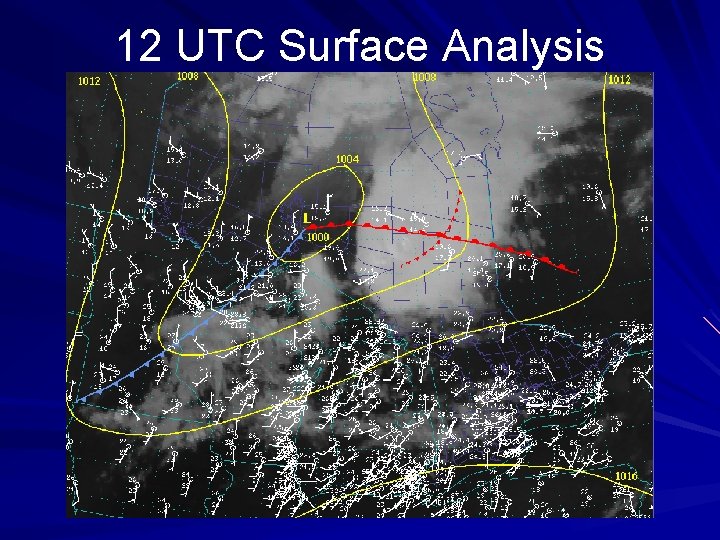
12 UTC Surface Analysis
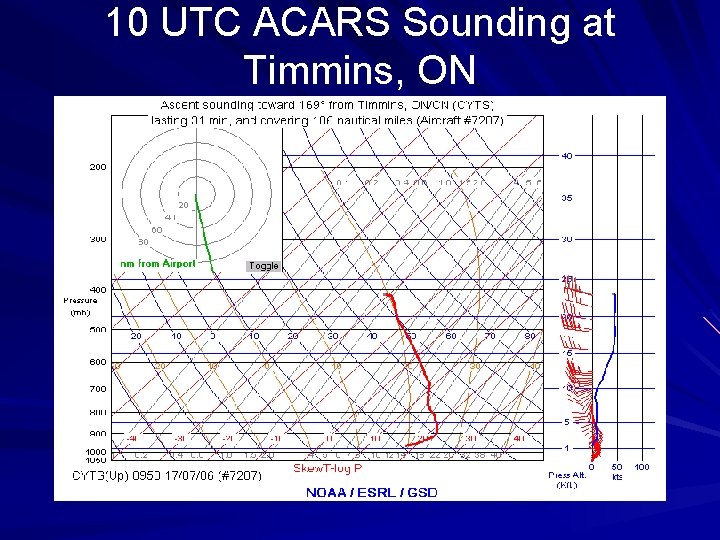
10 UTC ACARS Sounding at Timmins, ON
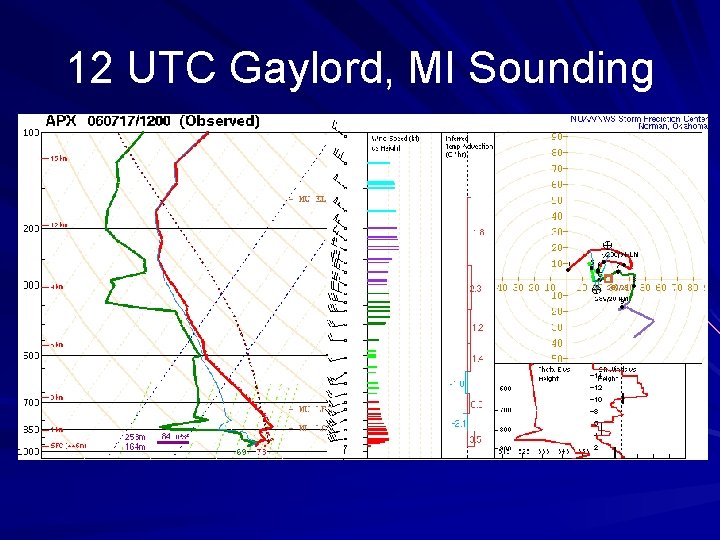
12 UTC Gaylord, MI Sounding
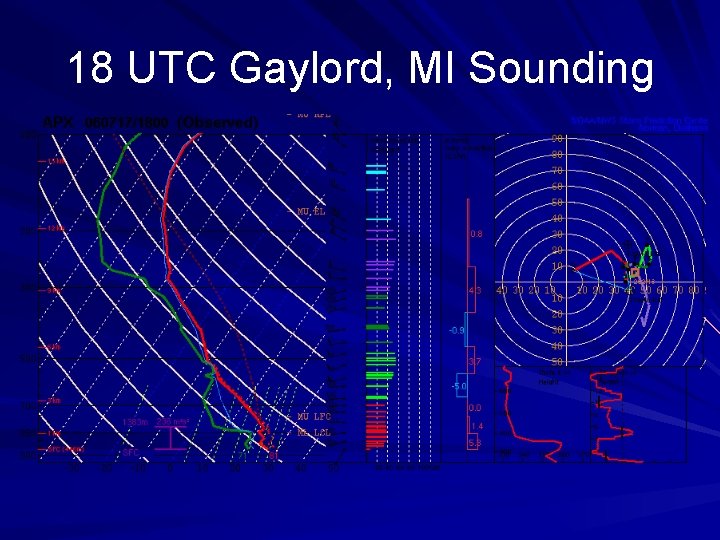
18 UTC Gaylord, MI Sounding
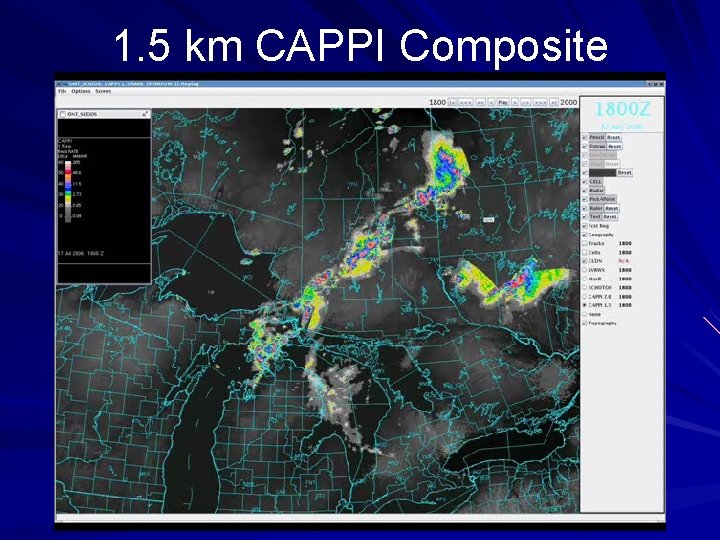
1. 5 km CAPPI Composite
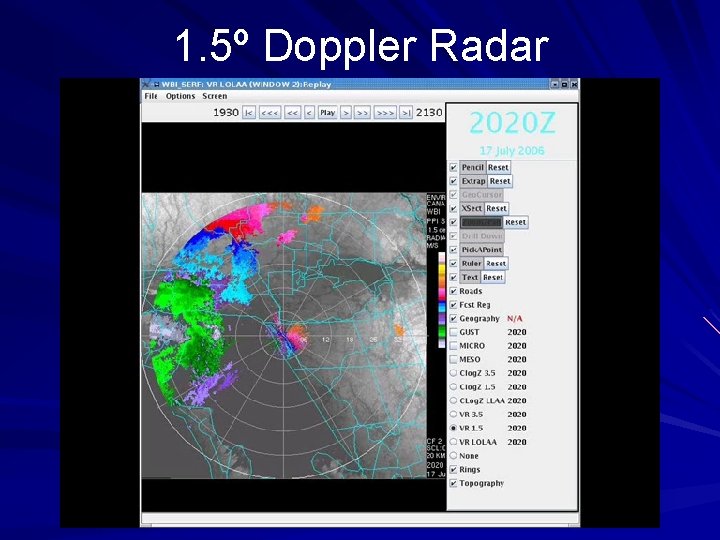
1. 5º Doppler Radar

Derecho Classification Derecho classification based on synoptic flow patterns and propagation behaviour Usually one derecho with surface low Derechos had both progressive and serial characteristics Conclude that this was a hybrid event
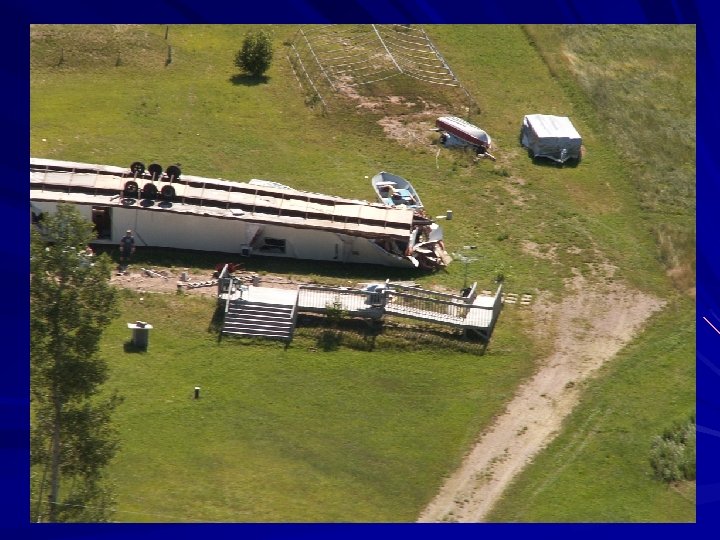
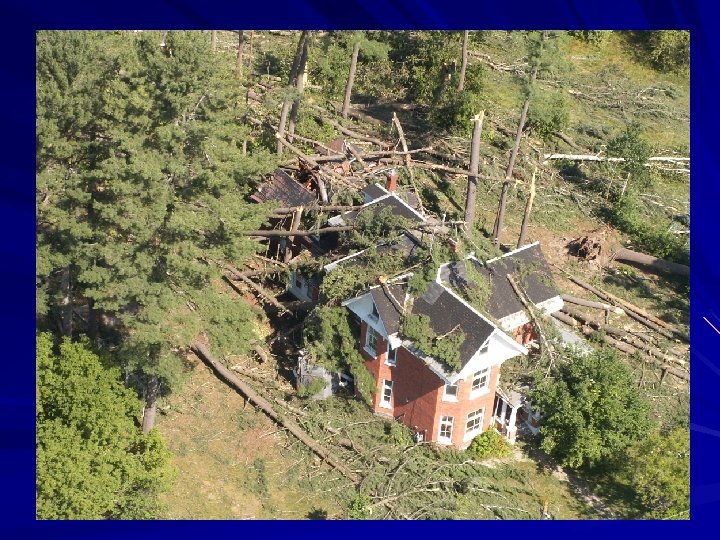
Impacts – Derecho 1 38 miles 2 of forest blown down southeast of Kapuskasing – Derecho 2 2 fatalities due to fallen trees in Algonquin Park Numerous reports of F 1 damage including downed trees and damaged vehicles and buildings – Southern Ontario Bow Echo 2 tornadoes – F 0 and F 1 1 fatality due to a fallen tree
Conclusions Conducive synoptic pattern included: – Digging upper trough with deepening surface low – Moderate to high CAPE values – Moderate to strong low level wind shear – Presence of midlevel dry layer Hybrid Event – Shows progressive and serial characteristics
- Slides: 20