
Severe Combined Immunodeficiency National Quarterly Webinar April 23
Severe Combined Immunodeficiency National Quarterly Webinar April 23, 2018 U. S. & Canada: 866. 740. 1260 Access Code: 7244438
Agenda • Welcome • SCID Newborn Screening Status Map • Clinical Vignette | Evan Shereck, MD, M. Ed, Oregon Health & Science University • Overview of New. STEPs SCID Public Health Surveillance Case Definitions | Marci Sontag, Ph. D • Overview of Newborn Screening Translation Research Network (NBSTRN) | Amy Brower, Ph. D • Overview of U. S. Immunodeficiency Network (USIDNet) and Following Infants with Low Lymphocytes (FILL) Program | Tara Caulder • Open Discussion About Synergizing Registries | Led by Amy Brower, Ph. D and Marci Sontag, Ph. D
SCID Newborn Screening Status www. newsteps. org/scid
SCID Screening in Oregon: A Physician’s Perspective Evan Shereck, MD, M. Ed Oregon Health & Science University
December 3, 2014 (Wednesday) • Receive e-mail: 4 day old with 0 TRECs on day 1 of Life


Call the PCP’s Office • • • Full-term female baby White/Hispanic Birth weight 2960 grams No remarkable history Will see baby tomorrow
At the PCPs office (the next day) • CBC- white blood cell count of 5. 5 • Absolute lymphocyte count- 1% • Brought to Doernbecher Children’s Hospital
Upon Admission • Born at 37 weeks to 22 yo mom • Normal, spontaneous delivery- no complications • Went home at 36 hrs of age • Has 2 healthy half-siblings • No remarkable family history • Exclusively breastfed
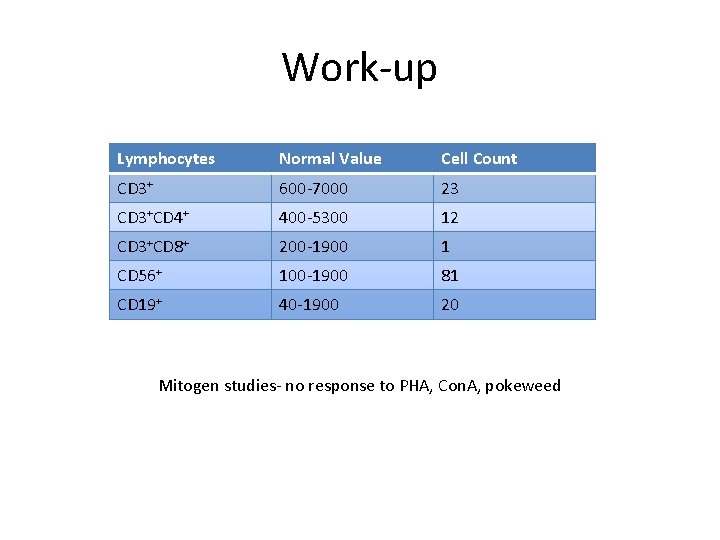
Work-up Lymphocytes Normal Value Cell Count CD 3+ 600 -7000 23 CD 3+CD 4+ 400 -5300 12 CD 3+CD 8+ 200 -1900 1 CD 56+ 100 -1900 81 CD 19+ 40 -1900 20 Mitogen studies- no response to PHA, Con. A, pokeweed
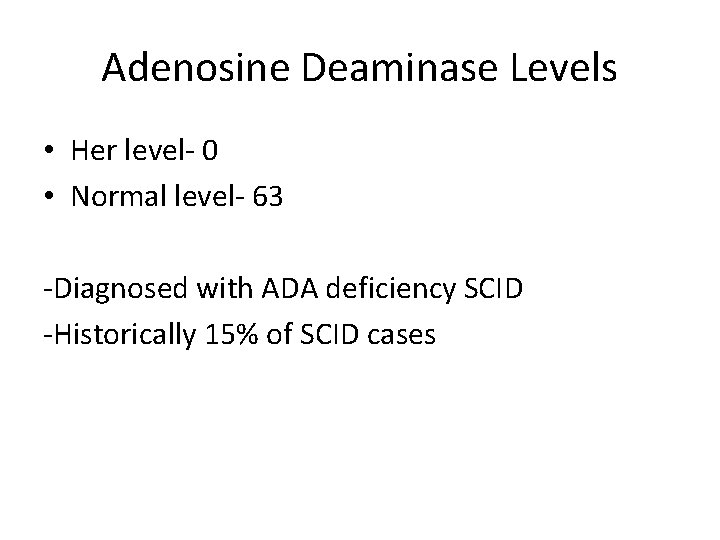
Adenosine Deaminase Levels • Her level- 0 • Normal level- 63 -Diagnosed with ADA deficiency SCID -Historically 15% of SCID cases
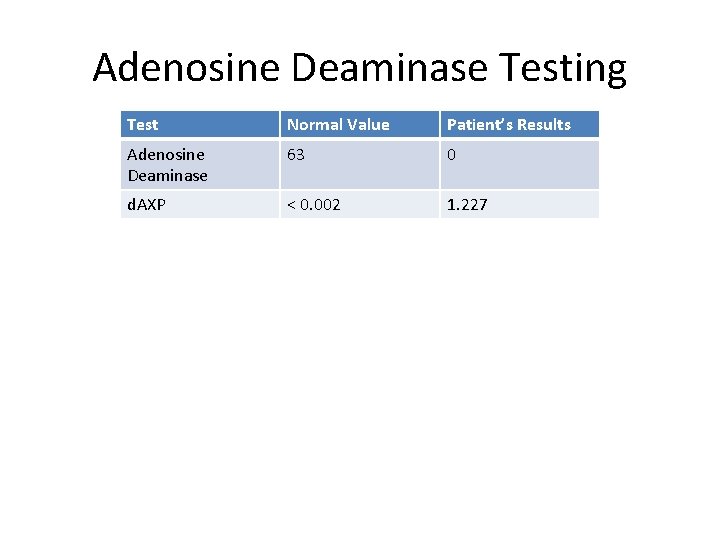
Adenosine Deaminase Testing Test Normal Value Patient’s Results Adenosine Deaminase 63 0 d. AXP < 0. 002 1. 227
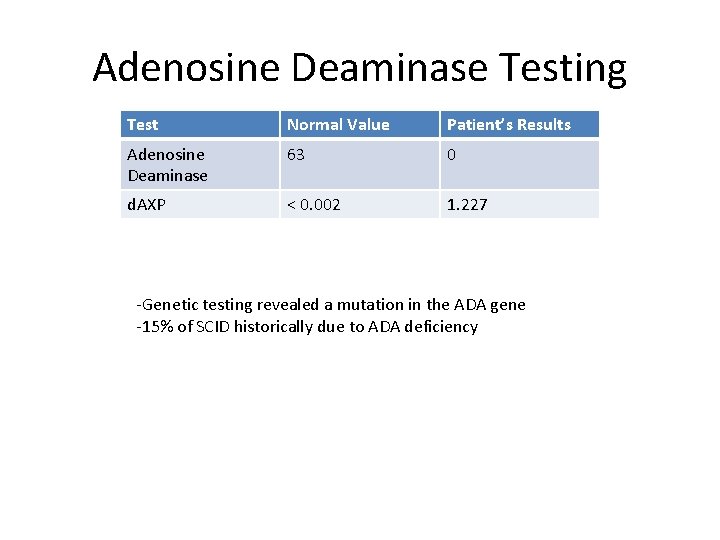
Adenosine Deaminase Testing Test Normal Value Patient’s Results Adenosine Deaminase 63 0 d. AXP < 0. 002 1. 227 -Genetic testing revealed a mutation in the ADA gene -15% of SCID historically due to ADA deficiency

Whitmore KV, Front Immunol, 2016

Whitmore KV, Front Immunol, 2016

Whitmore KV. Front Immunol, 2016
AH • No matched sibling donors • Started enzyme replacement • Had gene therapy at UCLA in May 2015
AH • Now 3 years old and thriving • Normal immune system

Any Questions?
CONSENSUS CASE DEFINITIONS FOR CONDITIONS IDENTIFIED BY NEWBORN SCREENING PUBLIC HEALTH SURVEILLANCE Severe Combined Immune Deficiency Syndrome
SURVEILLANCE VS. CLINICAL CASE DEFINITION Surveillance case definitions are intended to establish uniform criteria for disease reporting NOT intended for use as criteria for establishing clinical diagnoses determining the standard of care necessary for a particular patient setting guidelines for quality assurance providing standards for reimbursement initiating public health actions
Targets • Primary targets of NBS • Typical SCID • Leaky SCID • Omenn Syndrome • Secondary targets of NBS • Syndromes with variable immune defects, with some cases having significantly low T-cell numbers • Secondary T-cell lymphopenia • Idiopathic T-cell lymphopenia

Classification tables

Leaky SCID
Omenn Syndrome
Worksheet for SCID Case Definition
National Data Repository for Newborn Screening Purpose: Provide tools to state newborn screening systems to adequately evaluate, analyze, and benchmark the performance of their tests and the quality of their newborn screening programs


SCID Specific Case Information
CONTACT INFORMATION Careema Yusuf: careema. yusuf@aphl. org, (240) 485 -2761 Marci Sontag, Ph. D: marci. sontag@ucdenver. edu, (303) 724 -4430
Translating Research into Practice: NBSTRN SCID Newborn Screening Initiative Presentation to the SCID National Quarterly Webinar April 23, 2018 Amy Brower, Ph. D
Translating Research into Practice: NBSTRN’s SCID Newborn Screening Initiative • NICHD’s Hunter Kelly Newborn Screening Research Program • NBSTRN Focus on Pilots • NBSTRN Focus on Long-Term Follow-Up • Discussion
Translating Research into Practice: NBSTRN’s SCID Newborn Screening Initiative • NICHD’s Hunter Kelly Newborn Screening Research Program • NBSTRN Focus on Pilots • NBSTRN Focus on Long-Term Follow-Up • Discussion
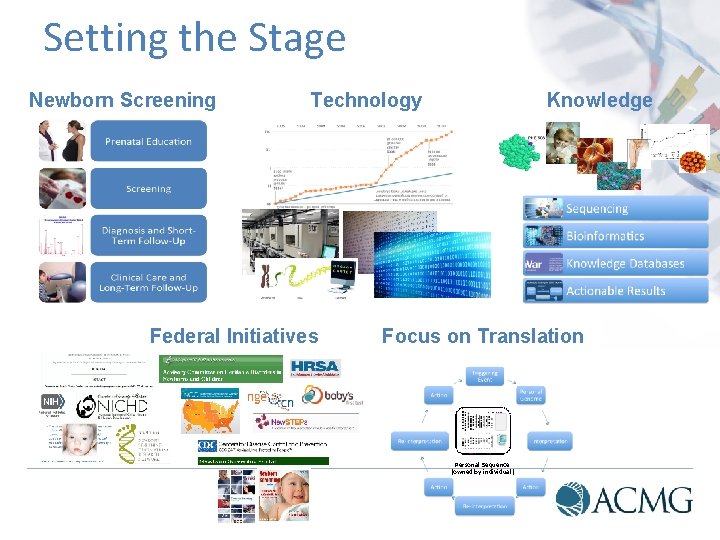
Setting the Stage Newborn Screening Technology Federal Initiatives Knowledge Focus on Translation PGI id: 5910322 – 61215923014 Issued: 01 MAR 07 Recommended next check: 28 FEB 10 Personal Sequence (owned by individual)
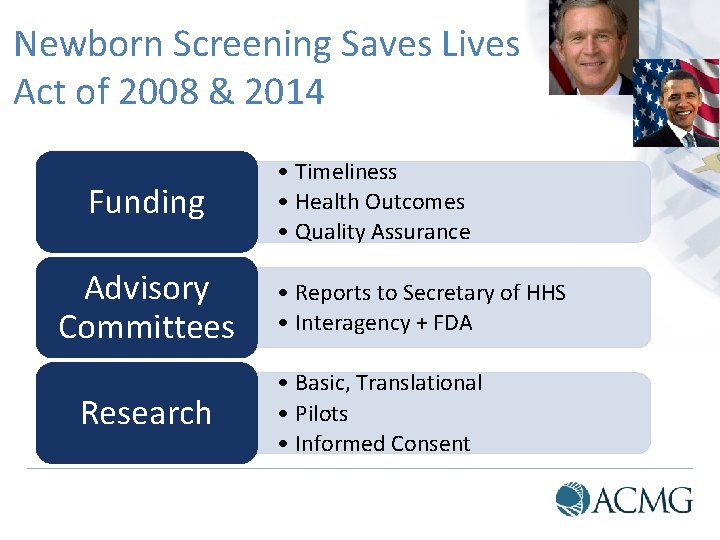
Newborn Screening Saves Lives Act of 2008 & 2014 Funding Advisory Committees Research • Timeliness • Health Outcomes • Quality Assurance • Reports to Secretary of HHS • Interagency + FDA • Basic, Translational • Pilots • Informed Consent
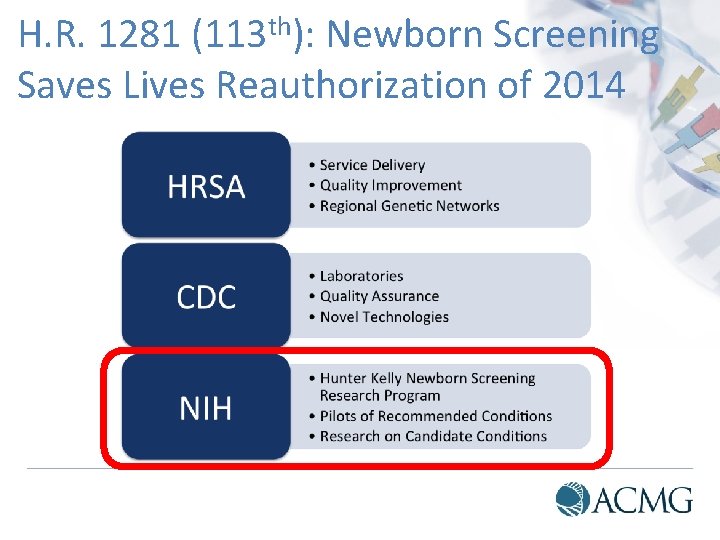
H. R. 1281 (113 th): Newborn Screening Saves Lives Reauthorization of 2014
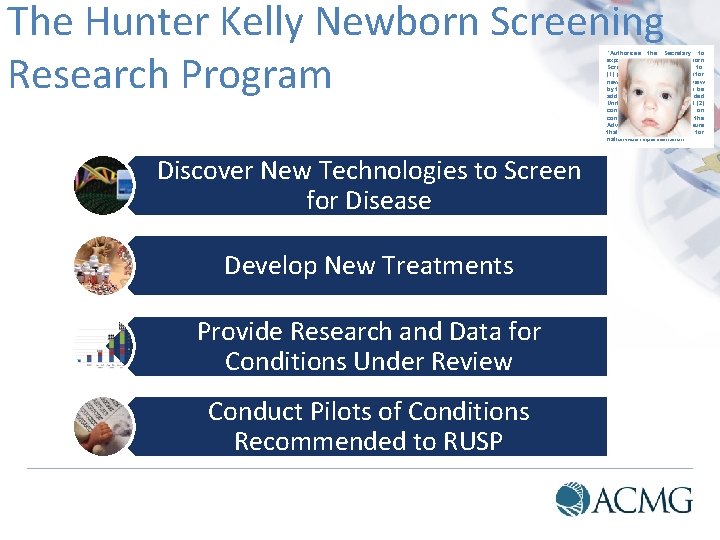
The Hunter Kelly Newborn Screening Research Program “Authorizes the Secretary to expand the Hunter Kelly Newborn Screening Research Program to: (1) provide research and data for newborn conditions under review by the Advisory Committee to be added to the Recommended Uniform Screening Panel, and (2) conduct pilot studies on conditions recommended by the Advisory Committee to ensure that screenings are ready for nationwide implementation. ” Discover New Technologies to Screen for Disease Develop New Treatments Provide Research and Data for Conditions Under Review Conduct Pilots of Conditions Recommended to RUSP
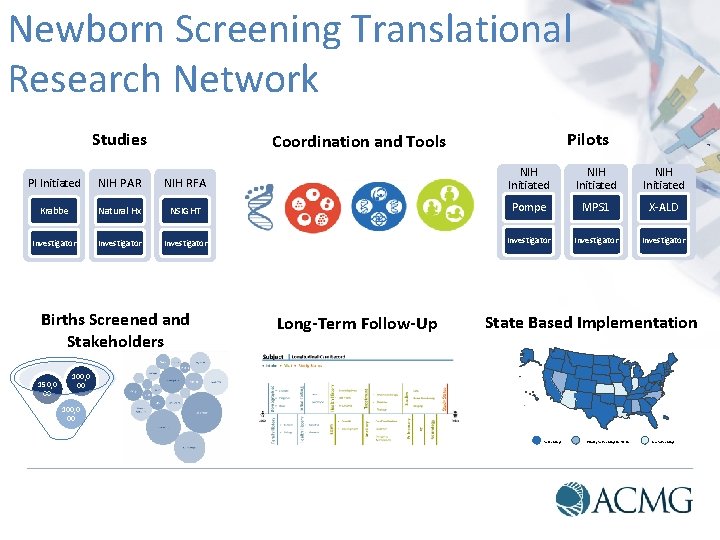
Newborn Screening Translational Research Network Studies Pilots Coordination and Tools PI Initiated NIH PAR NIH RFA NIH Initiated Krabbe Natural Hx NSIGHT Pompe MPS 1 X-ALD Investigator Investigator Births Screened and Stakeholders 150, 0 00 Long-Term Follow-Up State Based Implementation 100, 0 00 Screening Pilots/Screening in 2016 No Screening
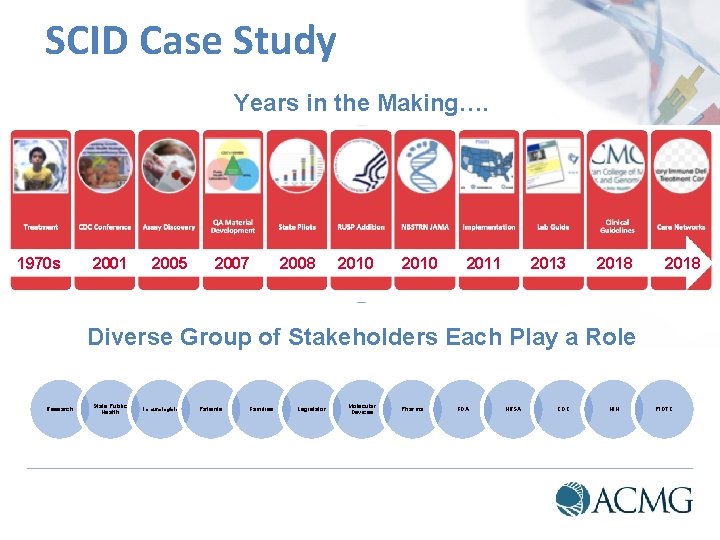
SCID Case Study Years in the Making…. 1970 s 2001 2005 2007 2008 2010 2011 2013 2018 Diverse Group of Stakeholders Each Play a Role Research State Public Health Immunologists Patients Families Legislator Molecular Devices Pharma FDA HRSA CDC NIH PIDTC
Translating Research into Practice: NBSTRN’s SCID Newborn Screening Initiative • NICHD’s Hunter Kelly Newborn Screening Research Program • NBSTRN Focus on Pilots • NBSTRN Focus on Long-Term Follow-Up • Discussion
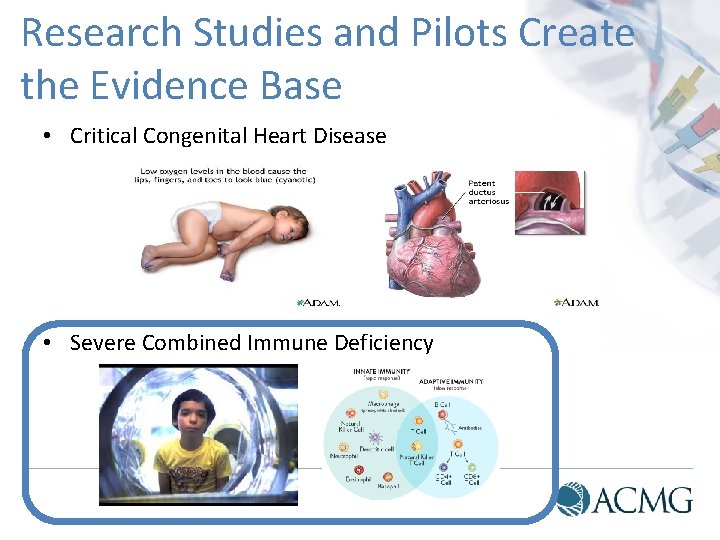
Research Studies and Pilots Create the Evidence Base • Critical Congenital Heart Disease • Severe Combined Immune Deficiency
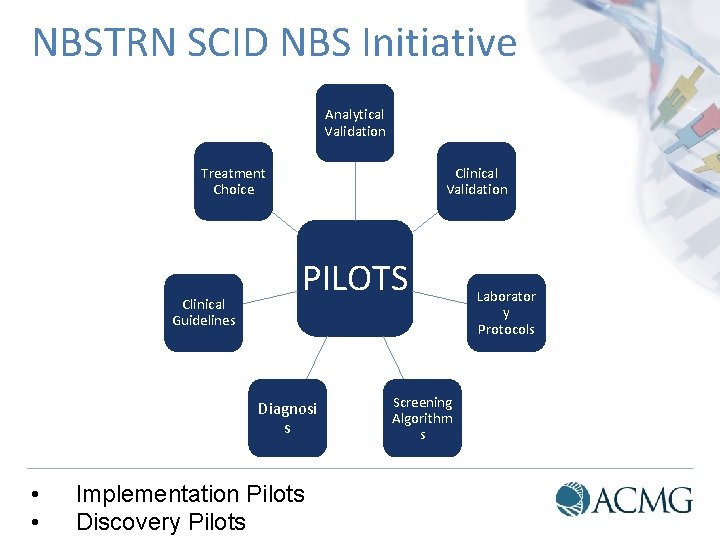
NBSTRN SCID NBS Initiative Analytical Validation Treatment Choice Clinical Guidelines Clinical Validation PILOTS Diagnosi s • • Implementation Pilots Discovery Pilots Screening Algorithm s Laborator y Protocols
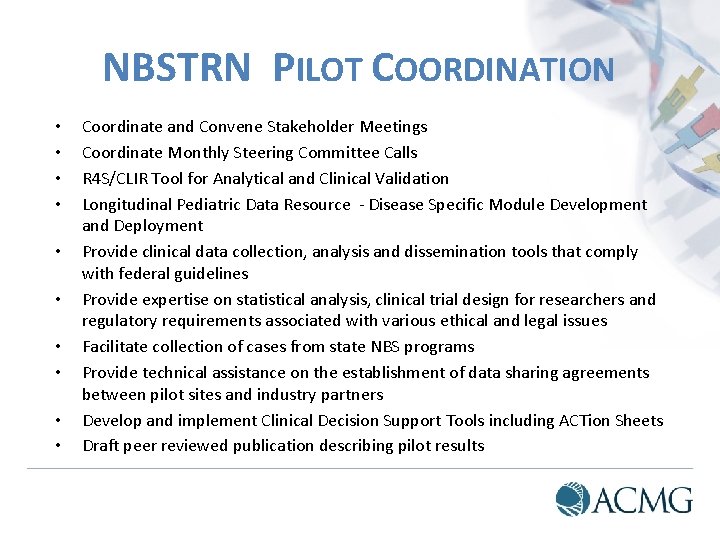
NBSTRN PILOT COORDINATION • • • Coordinate and Convene Stakeholder Meetings Coordinate Monthly Steering Committee Calls R 4 S/CLIR Tool for Analytical and Clinical Validation Longitudinal Pediatric Data Resource - Disease Specific Module Development and Deployment Provide clinical data collection, analysis and dissemination tools that comply with federal guidelines Provide expertise on statistical analysis, clinical trial design for researchers and regulatory requirements associated with various ethical and legal issues Facilitate collection of cases from state NBS programs Provide technical assistance on the establishment of data sharing agreements between pilot sites and industry partners Develop and implement Clinical Decision Support Tools including ACTion Sheets Draft peer reviewed publication describing pilot results
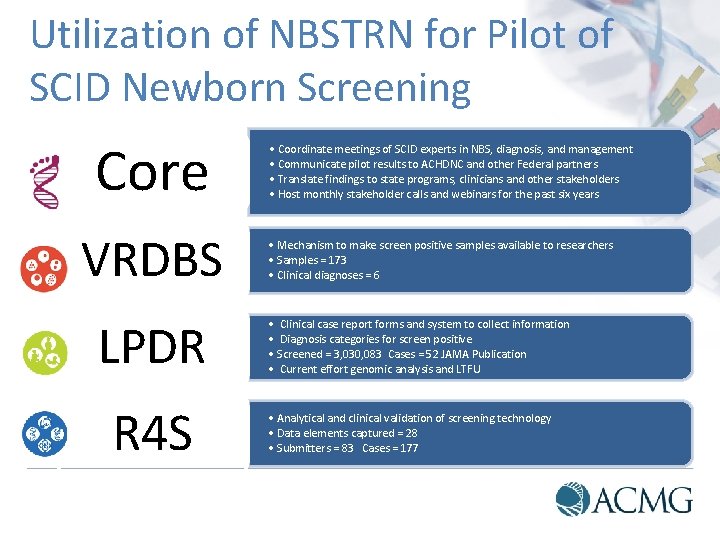
Utilization of NBSTRN for Pilot of SCID Newborn Screening Core VRDBS LPDR R 4 S • Coordinate meetings of SCID experts in NBS, diagnosis, and management • Communicate pilot results to ACHDNC and other Federal partners • Translate findings to state programs, clinicians and other stakeholders • Host monthly stakeholder calls and webinars for the past six years • Mechanism to make screen positive samples available to researchers • Samples = 173 • Clinical diagnoses = 6 • Clinical case report forms and system to collect information • Diagnosis categories for screen positive • Screened = 3, 030, 083 Cases = 52 JAMA Publication • Current effort genomic analysis and LTFU • Analytical and clinical validation of screening technology • Data elements captured = 28 • Submitters = 83 Cases = 177
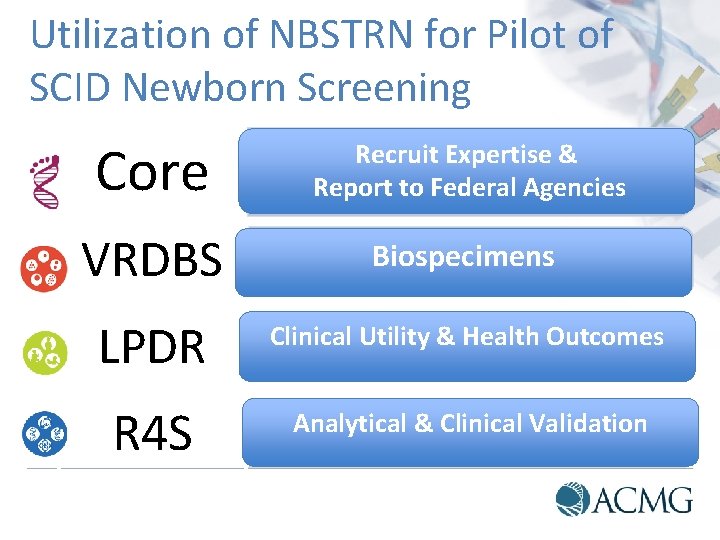
Utilization of NBSTRN for Pilot of SCID Newborn Screening Core VRDBS LPDR R 4 S Recruit Expertise & Report to Federal Agencies • Coordinate meetings of SCID experts in NBS, diagnosis, and management • Communicate pilot results to SACHDNC and other Federal partners • Translate findings to state programs, clinicians and other stakeholders • Host monthly stakeholder calls and webinars for the past six years Biospecimens • Mechanism to make screen positive samples available to researchers • Samples = 173 • Clinical diagnoses = 6 Clinical Utility & Health Outcomes • Clinical case report forms and system to collect information • Diagnosis categories for screen positive • Screened = 3, 030, 083 Cases = 52 JAMA Publication • Current effort genomic analysis and LTFU Analytical & Clinical Validation • Analytical and clinical validation of screening technology • Data elements captured = 28 • Submitters = 83 Cases = 177
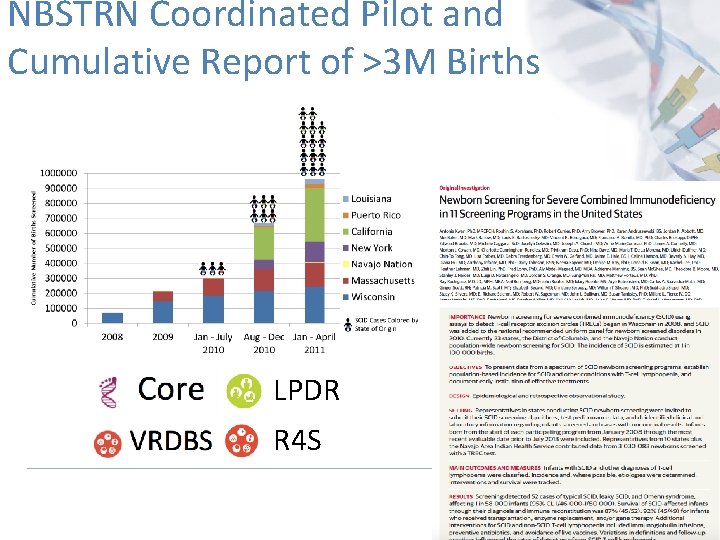
NBSTRN Coordinated Pilot and Cumulative Report of >3 M Births LPDR R 4 S
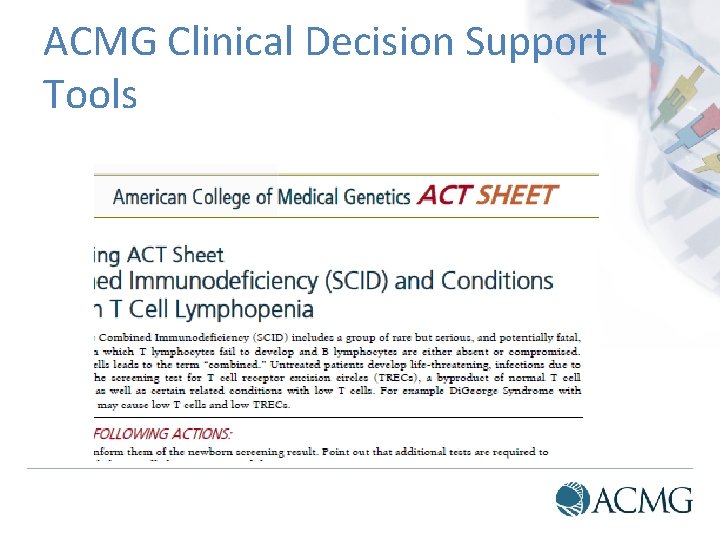
ACMG Clinical Decision Support Tools
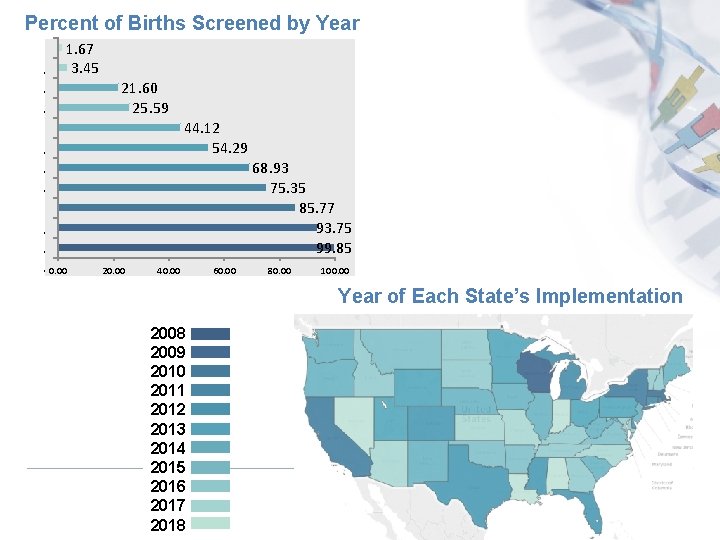
Percent of Births Screened by Year. . . 1. 67 3. 45 21. 60 25. 59 44. 12 54. 29 . . . 0. 00 68. 93 75. 35 85. 77 93. 75 99. 85 20. 00 40. 00 60. 00 80. 00 100. 00 Year of Each State’s Implementation 2008 2009 2010 2011 2012 2013 2014 2015 2016 2017 2018
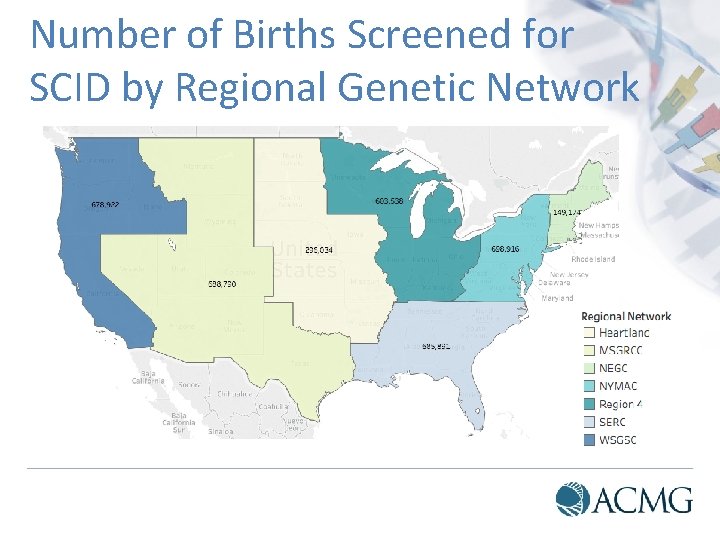
Number of Births Screened for SCID by Regional Genetic Network
Translating Research into Practice: NBSTRN’s SCID Newborn Screening Initiative • NICHD’s Hunter Kelly Newborn Screening Research Program • NBSTRN Focus on Pilots • NBSTRN Focus on Long-Term Follow-Up • Discussion
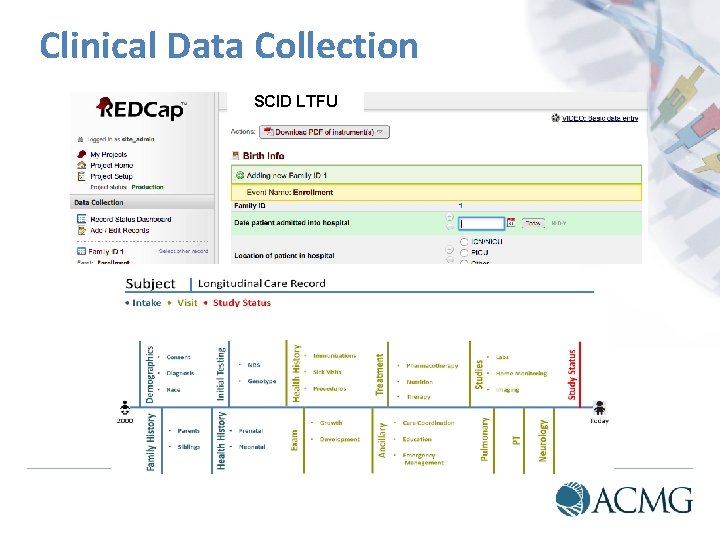
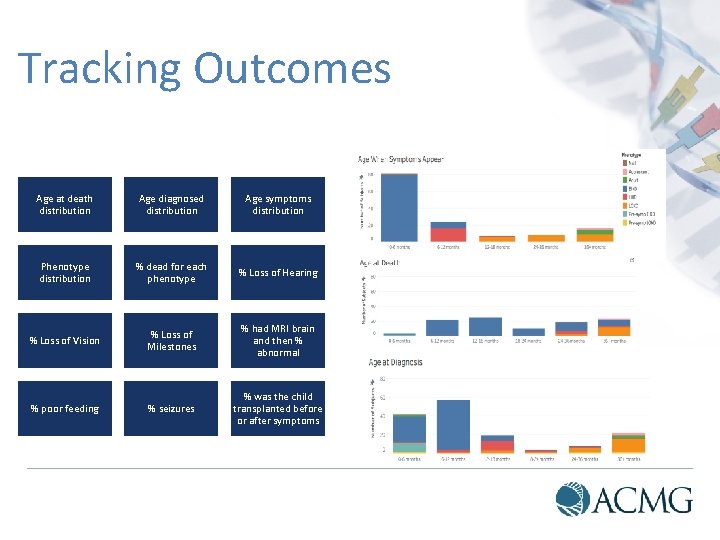
Clinical Data Collection SCID LTFU
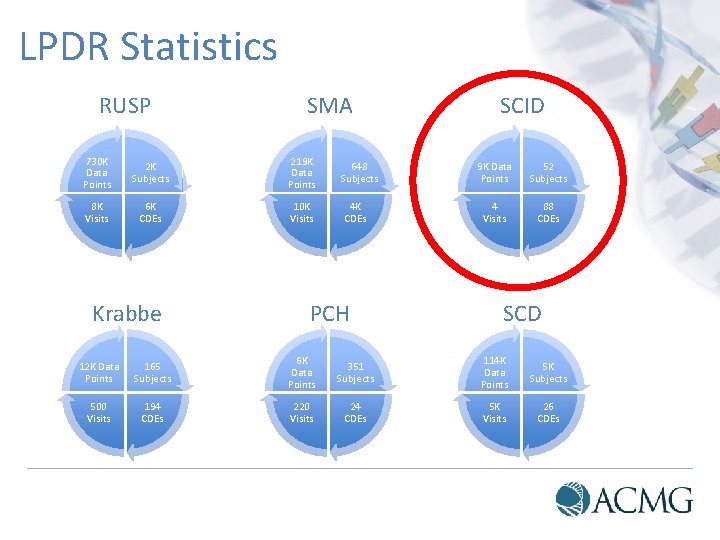
LPDR Statistics RUSP SMA 730 K Data Points 2 K Subjects 219 K Data Points 8 K Visits 6 K CDEs 10 K Visits Krabbe 648 Subjects 4 K CDEs PCH SCID 9 K Data Points 52 Subjects 4 Visits 88 CDEs SCD 12 K Data Points 165 Subjects 6 K Data Points 351 Subjects 114 K Data Points 5 K Subjects 500 Visits 194 CDEs 220 Visits 24 CDEs 5 K Visits 26 CDEs
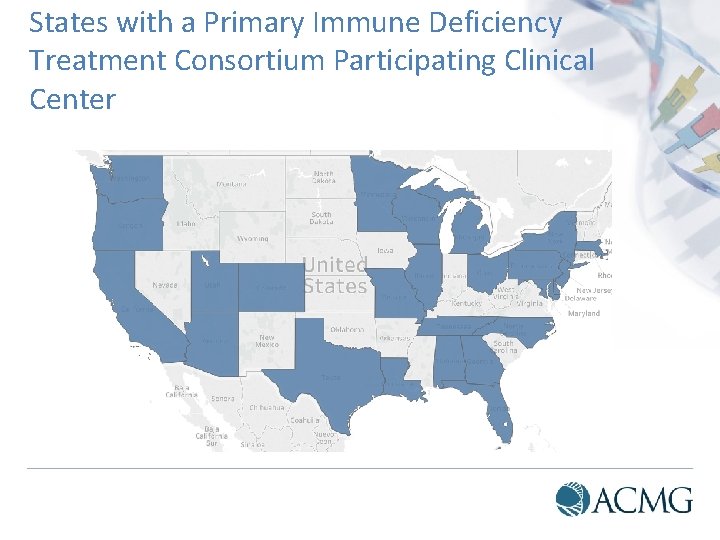
States with a Primary Immune Deficiency Treatment Consortium Participating Clinical Center
Number of Stem Cell Transplant Centers by State* *http: //bonemarrow. org/resources-for-patients-and-families/transplant-centers/
Location of Transplant Centers by Zipcode* *http: //bonemarrow. org/resources-for-patients-and-families/transplant-centers/
Location of Transplant Centers and Immunology Centers by Zipcode* *http: //bonemarrow. org/resources-for-patients-and-families/transplant-centers/
Tracking Outcomes Age at death distribution Age diagnosed distribution Age symptoms distribution Phenotype distribution % dead for each phenotype % Loss of Hearing % Loss of Vision % Loss of Milestones % had MRI brain and then % abnormal % poor feeding % seizures % was the child transplanted before or after symptoms Presentation Title
Discoveries After RUSP Implementation • Newborn screening has dramatically changed the clinical presentation of SCID • Incidence of SCID increased from 1 in 100, 000 to 1 in 58, 000 • Over 300 Primary Immune Deficiency conditions have been characterized • 13 genes to over 50 genes now associated with SCID • IL 2 RG was thought to cause the majority of SCID cases but that is no longer true after population based screening • de novo pathogenic variants are the norm • The incidence of SCID across racial and ethnic groups is different than previously thought • Gene therapy may have better outcomes when a matched sibling is not available
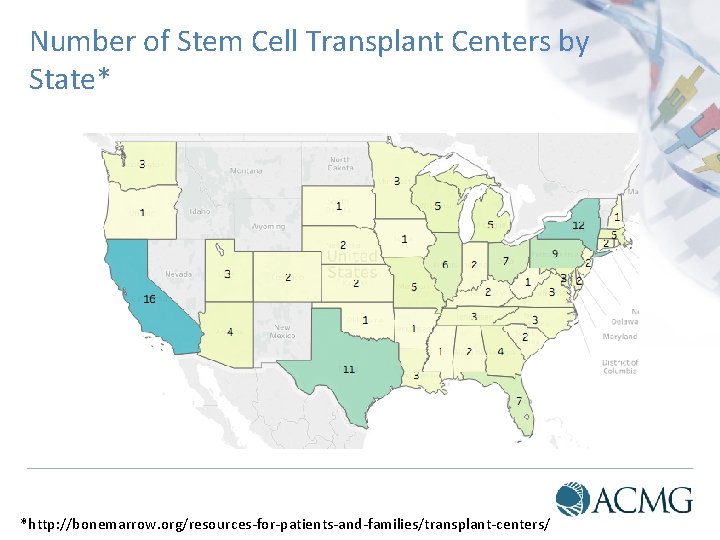
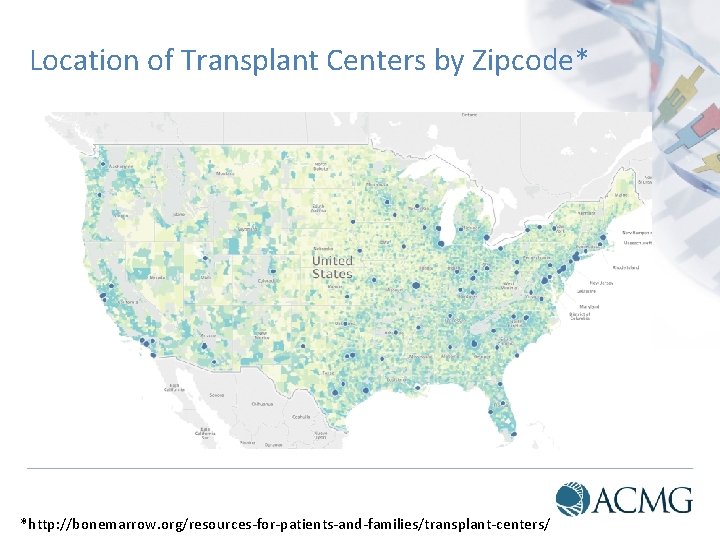
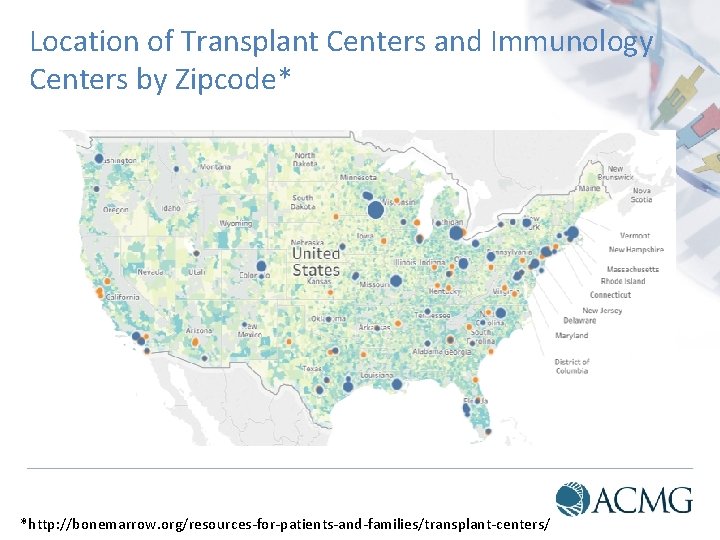
Findings that Impact Clinical Care and Outcomes • There is a significant variability in how states and clinicians conduct second tier (flow cytometry, functional studies) and diagnostic tests (genetic analysis) • This variability may have a direct impact on outcomes; studies of overall versus activities of daily living compromise-free versus neurologic event-free have shown differences between NBS identified, family history and clinically identified cases • A uniform set of diagnostic criteria is needed for surveillance, assessing clinical utility, and determining health outcomes • Clinicians need genotypes to be available to guide treatment choice • There is a lack of providers who specialize in treating newborns diagnosed with SCID • Transplant and gene therapy centers are located primarily in large urban areas • Gene therapy currently requires enrollment in a clinical trial
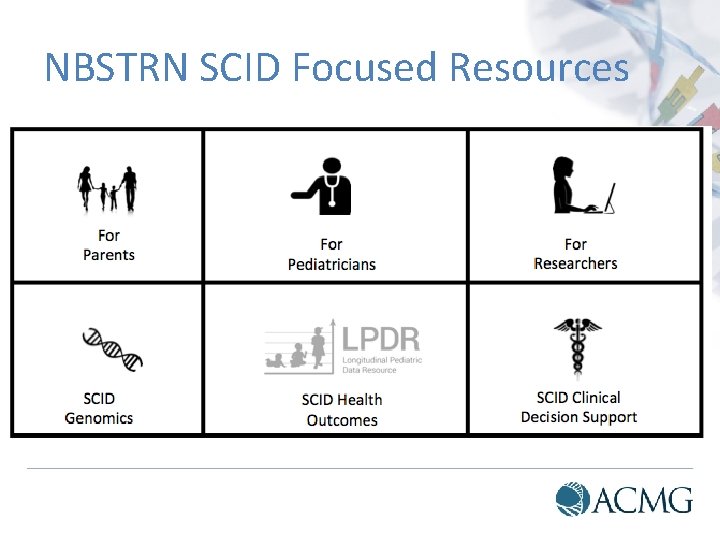
NBSTRN SCID Focused Resources
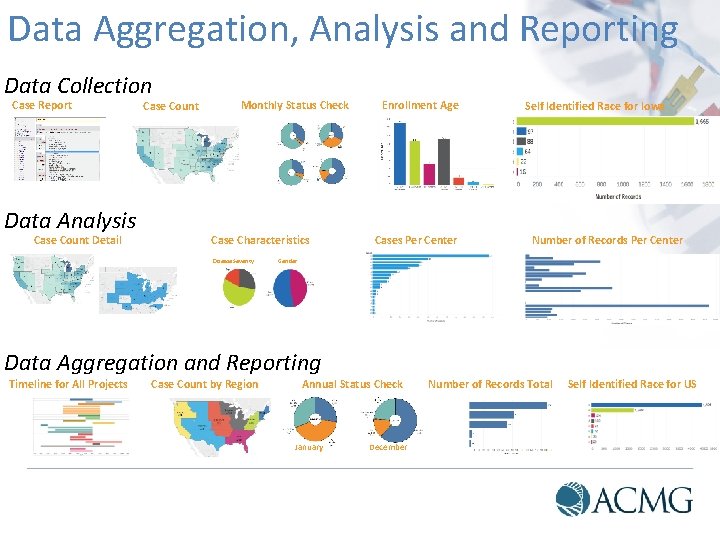
Data Aggregation, Analysis and Reporting Data Collection Case Report Data Analysis Case Count Detail Case Count Monthly Status Check Case Characteristics Disease Severity Enrollment Age Cases Per Center Self Identified Race for Iowa Number of Records Per Center Gender Data Aggregation and Reporting Timeline for All Projects Case Count by Region Annual Status Check January December Number of Records Total Self Identified Race for US
Translating Research into Practice: NBSTRN’s SCID Newborn Screening Initiative • NICHD’s Hunter Kelly Newborn Screening Research Program • NBSTRN Focus on Pilots • NBSTRN Focus on Long-Term Follow-Up • Discussion
Acknowledgements Eunice Kennedy Shriver National Institute of Child Health and Human Development, National Institutes of Health NBSTRN -- HHSN 275201300011 C 64

Questions/Discussion • Press *7 on your phone to unmute • Press *6 to mute your line
Discussion – Dr. Sontag & Dr. Brower • Assess and Consolidate Efforts • Update to JAMA Paper • States – New. STEPs – States – LPDR – FILL – PIDTC
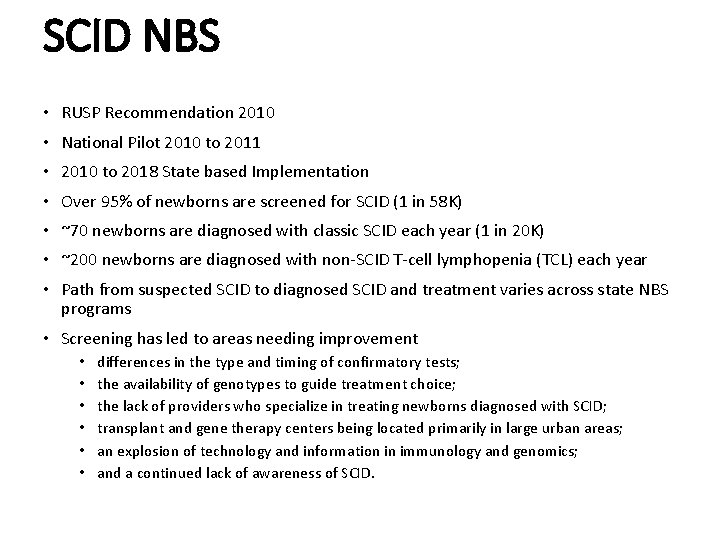
SCID NBS • RUSP Recommendation 2010 • National Pilot 2010 to 2011 • 2010 to 2018 State based Implementation • Over 95% of newborns are screened for SCID (1 in 58 K) • ~70 newborns are diagnosed with classic SCID each year (1 in 20 K) • ~200 newborns are diagnosed with non-SCID T-cell lymphopenia (TCL) each year • Path from suspected SCID to diagnosed SCID and treatment varies across state NBS programs • Screening has led to areas needing improvement • • • differences in the type and timing of confirmatory tests; the availability of genotypes to guide treatment choice; the lack of providers who specialize in treating newborns diagnosed with SCID; transplant and gene therapy centers being located primarily in large urban areas; an explosion of technology and information in immunology and genomics; and a continued lack of awareness of SCID.
Future Calls • Next call is Monday, July 16 th at 3: 00 pm ET • Please submit topics for discussion • Welcome presentations from groups and efforts
- Slides: 68