
Seven Research Based Principles 1 Prior knowledge can
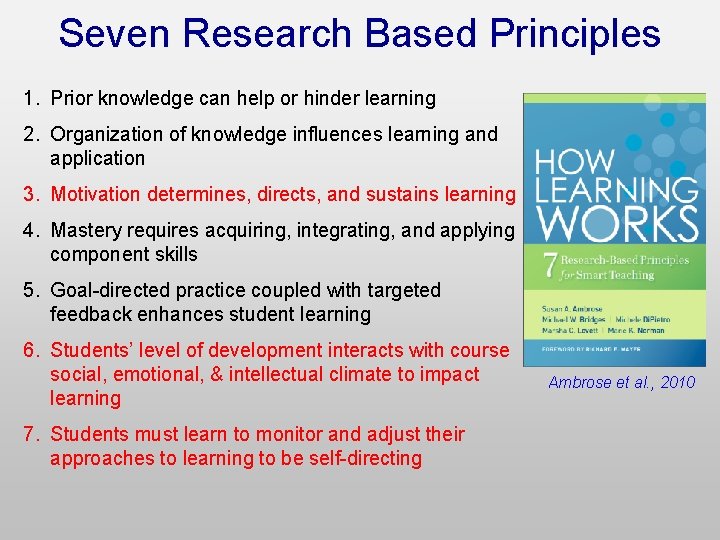
Seven Research Based Principles 1. Prior knowledge can help or hinder learning 2. Organization of knowledge influences learning and application 3. Motivation determines, directs, and sustains learning 4. Mastery requires acquiring, integrating, and applying component skills 5. Goal-directed practice coupled with targeted feedback enhances student learning 6. Students’ level of development interacts with course social, emotional, & intellectual climate to impact learning 7. Students must learn to monitor and adjust their approaches to learning to be self-directing Ambrose et al. , 2010
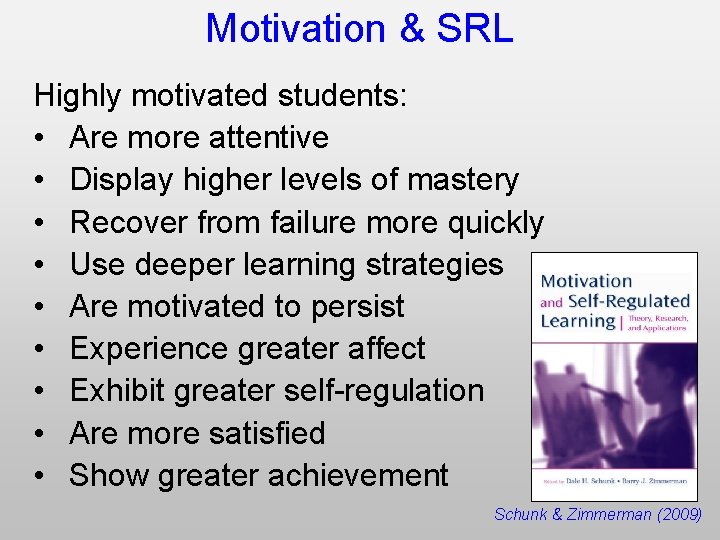
Motivation & SRL Highly motivated students: • Are more attentive • Display higher levels of mastery • Recover from failure more quickly • Use deeper learning strategies • Are motivated to persist • Experience greater affect • Exhibit greater self-regulation • Are more satisfied • Show greater achievement Schunk & Zimmerman (2009)
Motivation “Motivation determines, directs, and sustains learning” Many ways to think about motivation, key ideas for classroom are: • Expectancy & Value (Eccles & Wigfield, 2002) What students need to maintain motivation • Goal Theory (Locke & Latham, 2002) Goldilocks approach to teaching • Mindset (Dweck, 2006) How students think about their learning matters
Learning Environment & Climate “Students’ level of development interacts with course social, emotional, and intellectual climate to impact learning” Student Engagement • Students need to interact with their peers (Summers & Svinicki, 2007) and feel a part of a community (Tinto, 2006) Authentic content • Problems should be real and meaningful (Ambrose et al. , 2010)
Metacognition & Self-Regulation “Students must learn to monitor and adjust their approaches to learning to be selfdirecting” Self-Assessment • Metacognition is the process of reflecting on and directing one’s own thinking (Pellegrino et al. , 2001) Self-Regulation
Metacognition Involves Reflection • What kind of problem is this? • What is the best strategy for solving it? • How will I know if I solved it correctly? • How could I do it better next time? • What additional information do I need? • What use is this new information? • How can I use my new understanding to solve different kinds of problems?
Pedagogical Challenge • Metacognition is a “self-imposed internal conversation” • Shown to improve transfer (Bransford et al. 2000) • Essential to becoming a self-directing learner • Easily assumed that students are doing it, or can develop on own; both assumptions are wrong • Challenge is to keep students in constant contact with their metacognition • Instruction must be explicit (Pintrich, 2002)
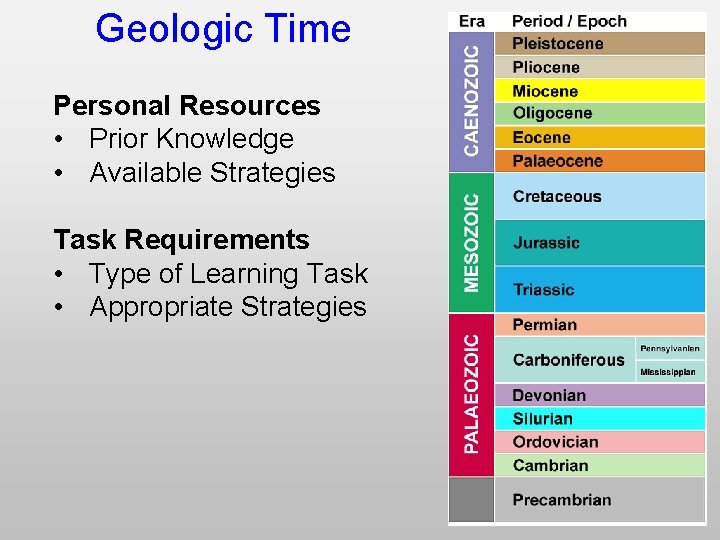
Geologic Time Personal Resources • Prior Knowledge • Available Strategies Task Requirements • Type of Learning Task • Appropriate Strategies
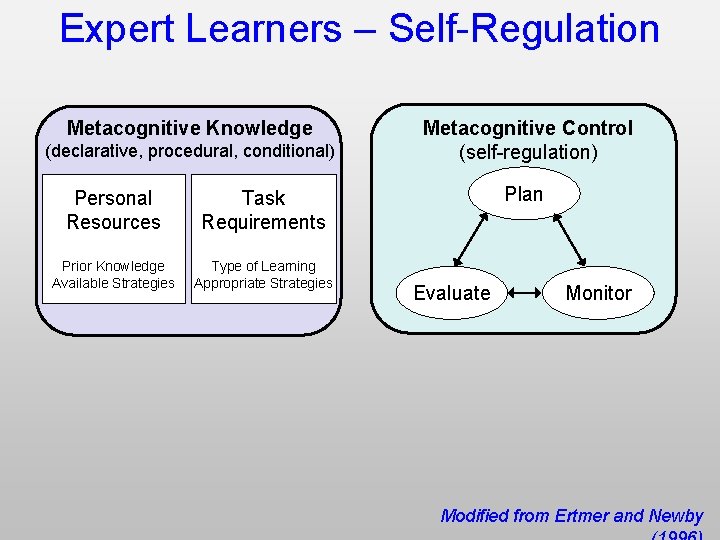
Expert Learners – Self-Regulation Metacognitive Knowledge (declarative, procedural, conditional) Personal Resources Task Requirements Prior Knowledge Available Strategies Type of Learning Appropriate Strategies Metacognitive Control (self-regulation) Plan Evaluate Monitor Modified from Ertmer and Newby
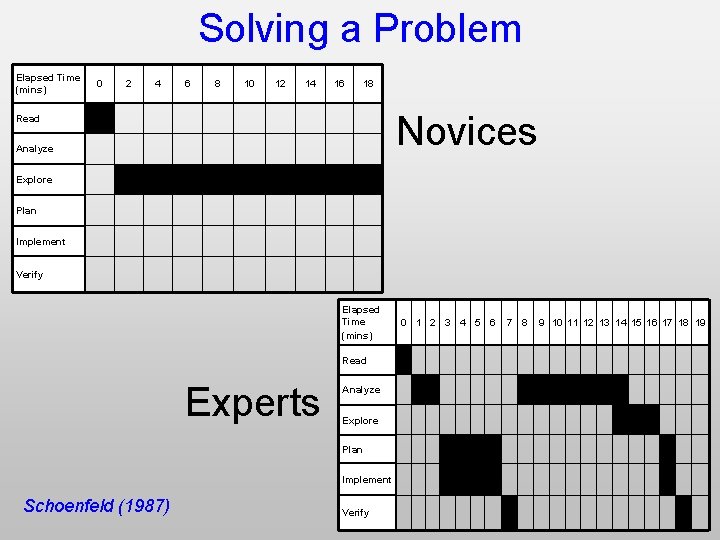
Solving a Problem Elapsed Time (mins) 0 2 4 6 8 10 12 14 16 18 Novices Read Analyze Explore Plan Implement Verify Elapsed Time (mins) Read Experts Analyze Explore Plan Implement Schoenfeld (1987) Verify 0 1 2 3 4 5 6 7 8 9 10 11 12 13 14 15 16 17 18 19
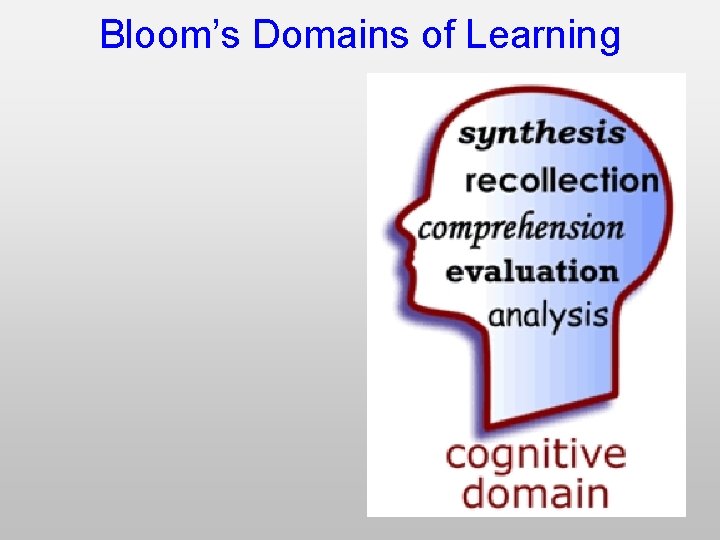
Bloom’s Domains of Learning
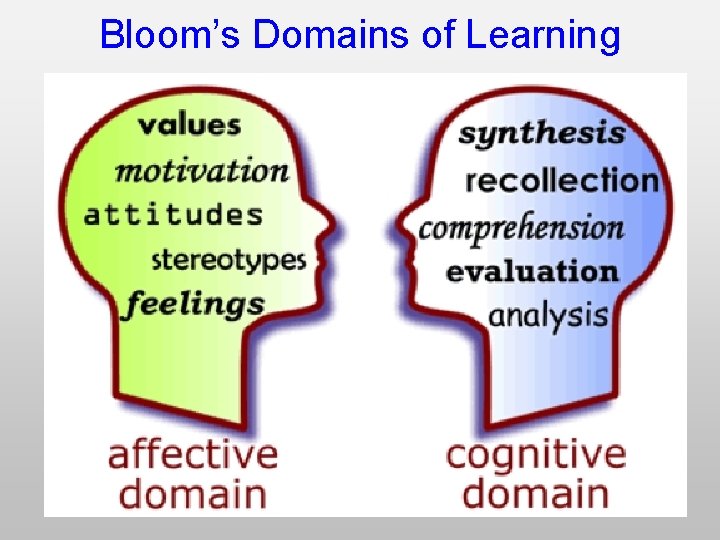
Bloom’s Domains of Learning
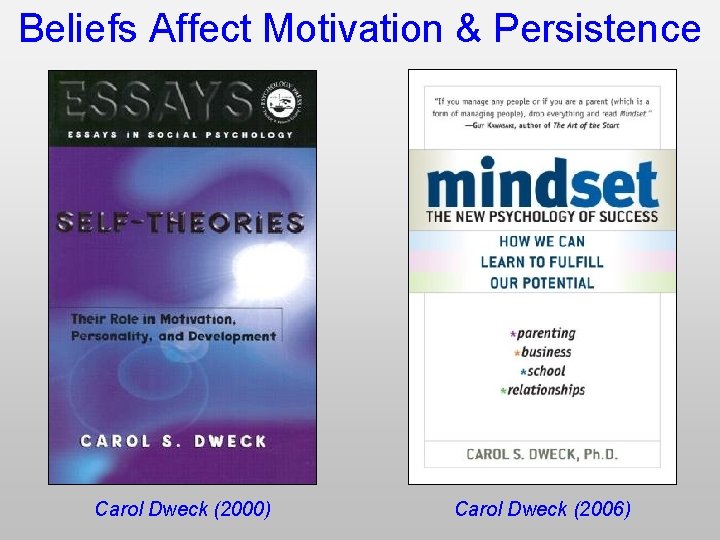
Beliefs Affect Motivation & Persistence Carol Dweck (2000) Carol Dweck (2006)
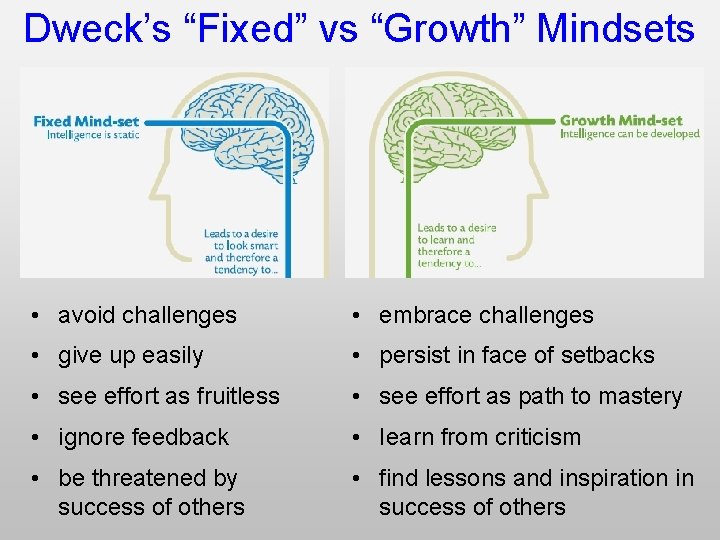
Dweck’s “Fixed” vs “Growth” Mindsets • avoid challenges • embrace challenges • give up easily • persist in face of setbacks • see effort as fruitless • see effort as path to mastery • ignore feedback • Iearn from criticism • be threatened by success of others • find lessons and inspiration in success of others
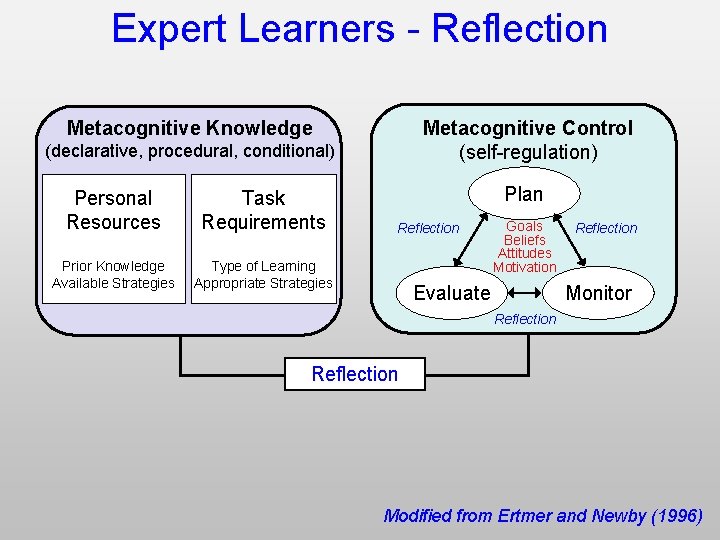
Expert Learners - Reflection Metacognitive Knowledge Metacognitive Control (self-regulation) (declarative, procedural, conditional) Personal Resources Task Requirements Prior Knowledge Available Strategies Type of Learning Appropriate Strategies Plan Reflection Goals Beliefs Attitudes Motivation Evaluate Reflection Monitor Reflection Modified from Ertmer and Newby (1996)
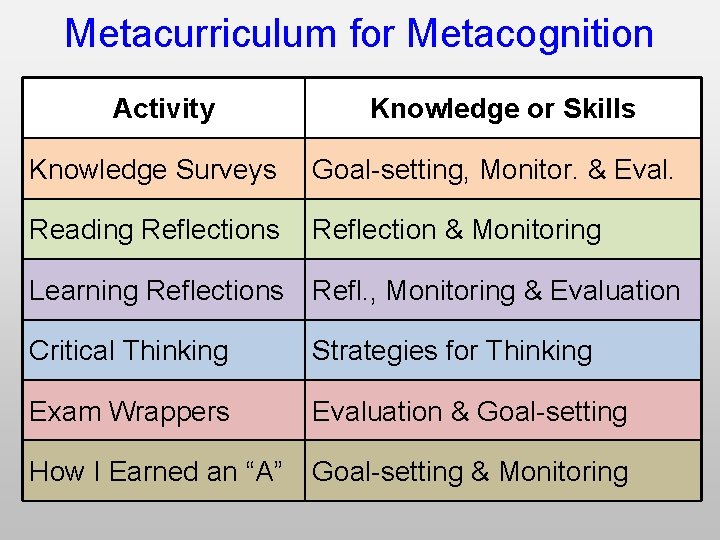
Metacurriculum for Metacognition Activity Knowledge or Skills Knowledge Surveys Goal-setting, Monitor. & Eval. Reading Reflections Reflection & Monitoring Learning Reflections Refl. , Monitoring & Evaluation Critical Thinking Strategies for Thinking Exam Wrappers Evaluation & Goal-setting How I Earned an “A” Goal-setting & Monitoring
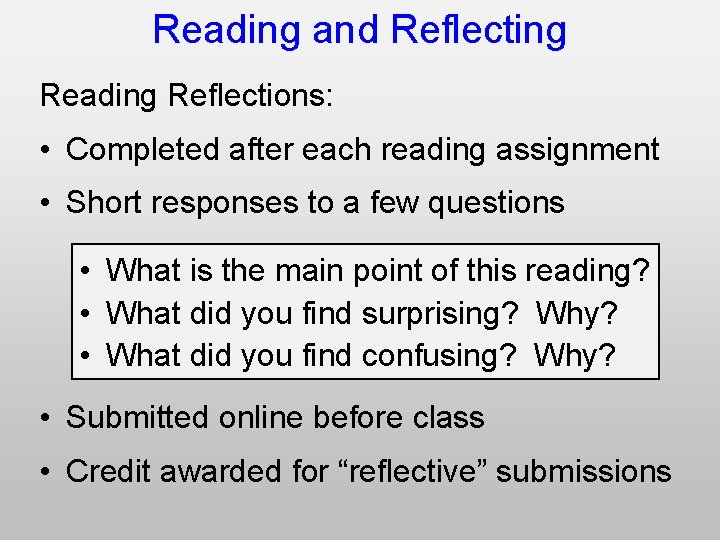
Reading and Reflecting Reading Reflections: • Completed after each reading assignment • Short responses to a few questions • What is the main point of this reading? • What did you find surprising? Why? • What did you find confusing? Why? • Submitted online before class • Credit awarded for “reflective” submissions
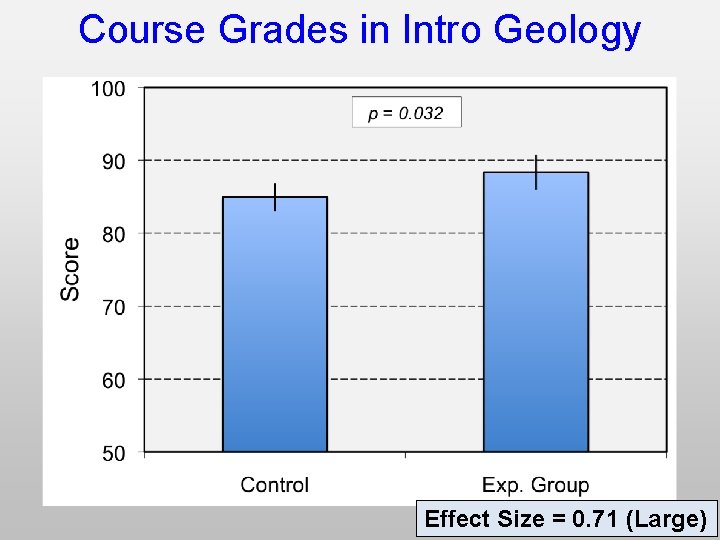
Course Grades in Intro Geology Effect Size = 0. 71 (Large)
Reflective Prompt Examine the examples of student reading reflections. • Which one is “best”? Why? • What are students learning? Missing? • How could you use, or modify, reading reflections to improve student metacognition in your course?
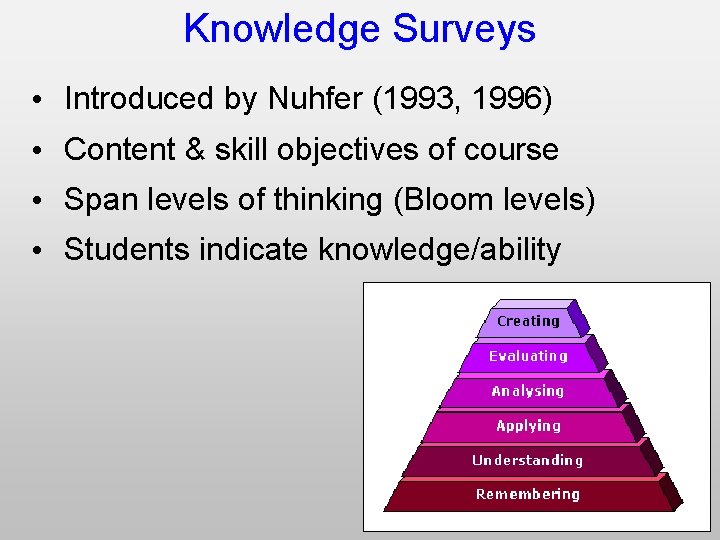
Knowledge Surveys • Introduced by Nuhfer (1993, 1996) • Content & skill objectives of course • Span levels of thinking (Bloom levels) • Students indicate knowledge/ability
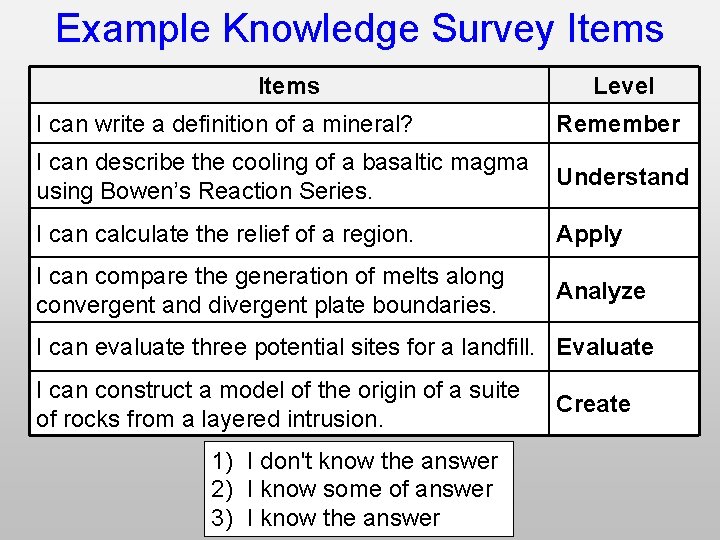
Example Knowledge Survey Items Level I can write a definition of a mineral? Remember I can describe the cooling of a basaltic magma using Bowen’s Reaction Series. Understand I can calculate the relief of a region. Apply I can compare the generation of melts along convergent and divergent plate boundaries. Analyze I can evaluate three potential sites for a landfill. Evaluate I can construct a model of the origin of a suite of rocks from a layered intrusion. 1) I don't know the answer 2) I know some of answer 3) I know the answer Create
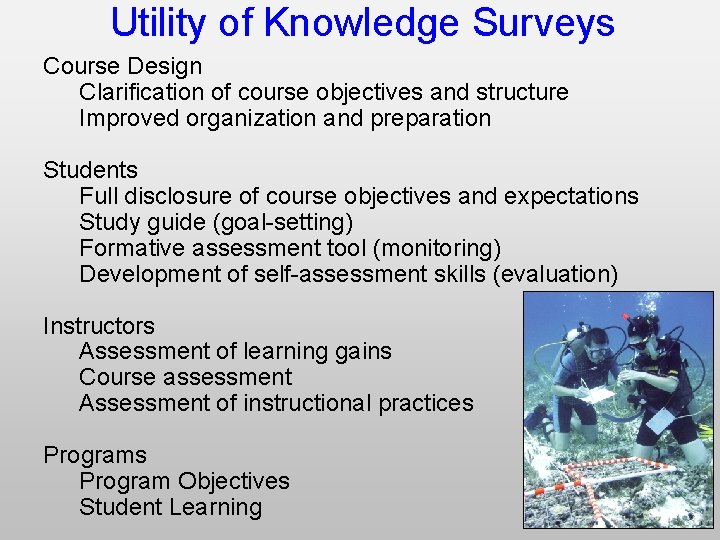
Utility of Knowledge Surveys Course Design Clarification of course objectives and structure Improved organization and preparation Students Full disclosure of course objectives and expectations Study guide (goal-setting) Formative assessment tool (monitoring) Development of self-assessment skills (evaluation) Instructors Assessment of learning gains Course assessment Assessment of instructional practices Program Objectives Student Learning
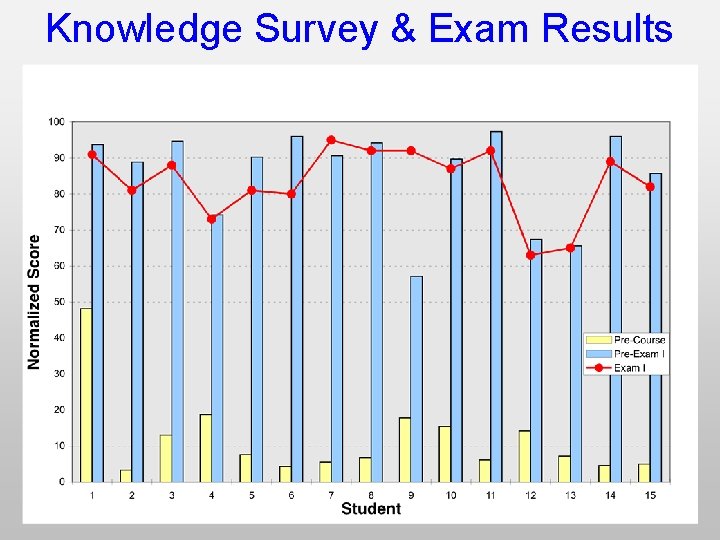
Knowledge Survey & Exam Results
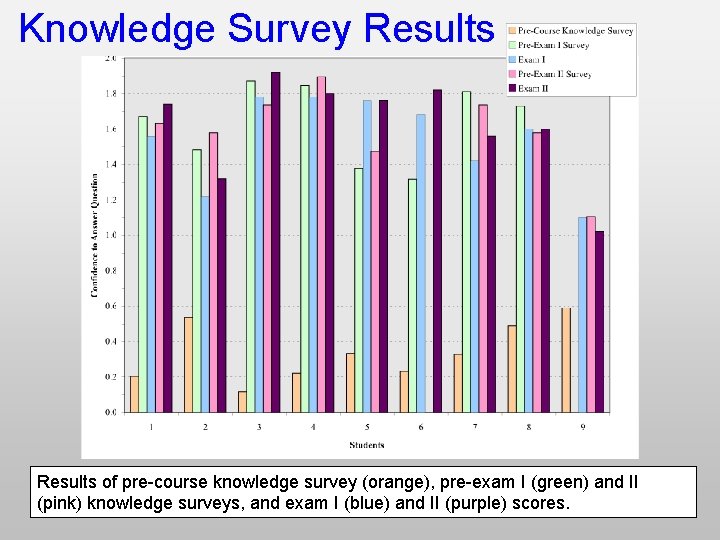
Knowledge Survey Results of pre-course knowledge survey (orange), pre-exam I (green) and II (pink) knowledge surveys, and exam I (blue) and II (purple) scores.
Reflecting on Learning • What are three most important things you have learned so far? How do they contribute insights in other areas? • Describe the learning strategies that you are using. How might they be adapted for more effective learning? • How does learning in this course relate to other courses? Other aspects of your life?
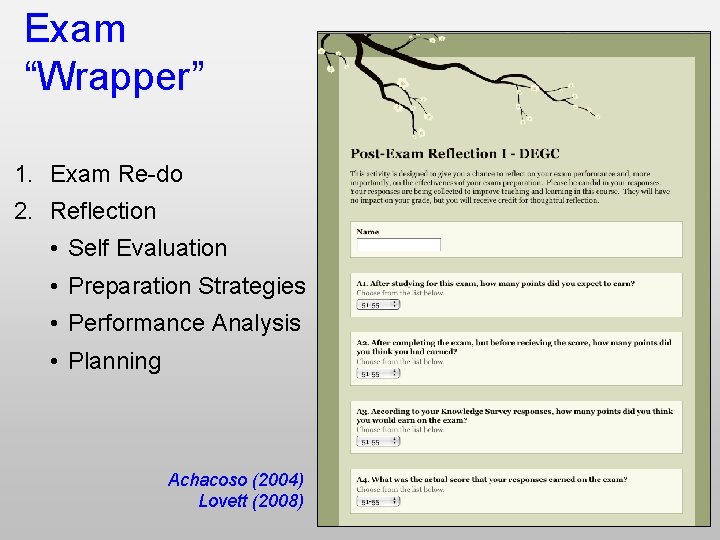
Exam “Wrapper” 1. Exam Re-do 2. Reflection • Self Evaluation • Preparation Strategies • Performance Analysis • Planning Achacoso (2004) Lovett (2008)
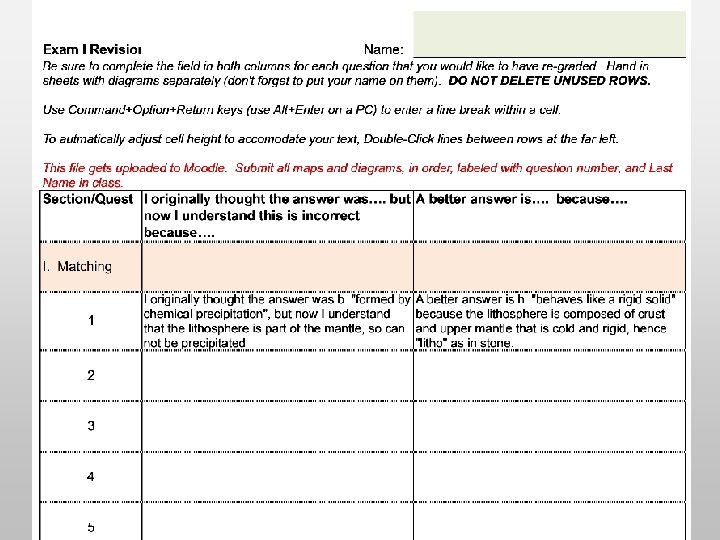

Reflection and closing thoughts…?
Action Plan • How might the addition of metacognitive activities help to support content learning in your course? • What changes could you make to improve student motivation and learning? • How might you adapt one of the metacognition/motivation examples to the specific context of your own course?
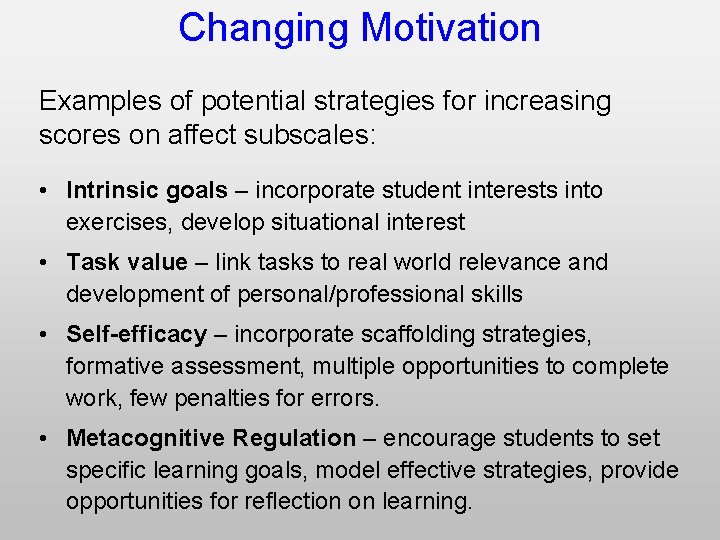
Changing Motivation Examples of potential strategies for increasing scores on affect subscales: • Intrinsic goals – incorporate student interests into exercises, develop situational interest • Task value – link tasks to real world relevance and development of personal/professional skills • Self-efficacy – incorporate scaffolding strategies, formative assessment, multiple opportunities to complete work, few penalties for errors. • Metacognitive Regulation – encourage students to set specific learning goals, model effective strategies, provide opportunities for reflection on learning.
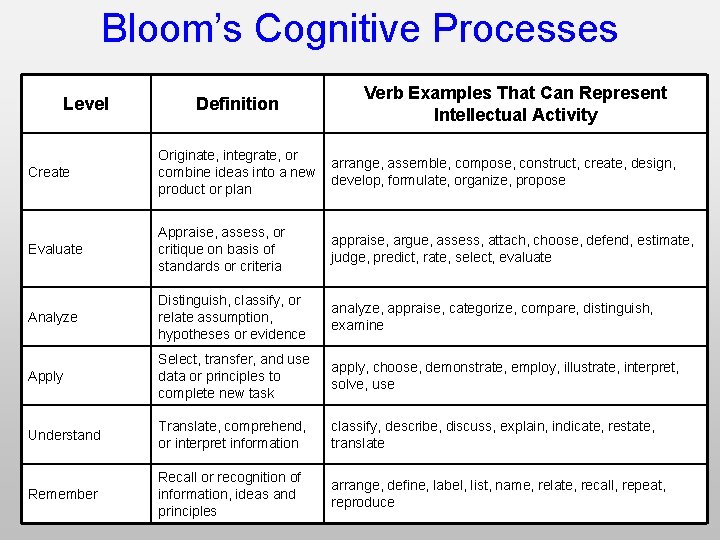
Bloom’s Cognitive Processes Level Definition Verb Examples That Can Represent Intellectual Activity Create Originate, integrate, or combine ideas into a new product or plan arrange, assemble, compose, construct, create, design, develop, formulate, organize, propose Evaluate Appraise, assess, or critique on basis of standards or criteria appraise, argue, assess, attach, choose, defend, estimate, judge, predict, rate, select, evaluate Analyze Distinguish, classify, or relate assumption, hypotheses or evidence analyze, appraise, categorize, compare, distinguish, examine Apply Select, transfer, and use data or principles to complete new task apply, choose, demonstrate, employ, illustrate, interpret, solve, use Understand Translate, comprehend, or interpret information classify, describe, discuss, explain, indicate, restate, translate Remember Recall or recognition of information, ideas and principles arrange, define, label, list, name, relate, recall, repeat, reproduce
- Slides: 31