
Settling the Northern Colonies 1619 1700 New England
- Slides: 44
Settling the Northern Colonies 1619 -1700
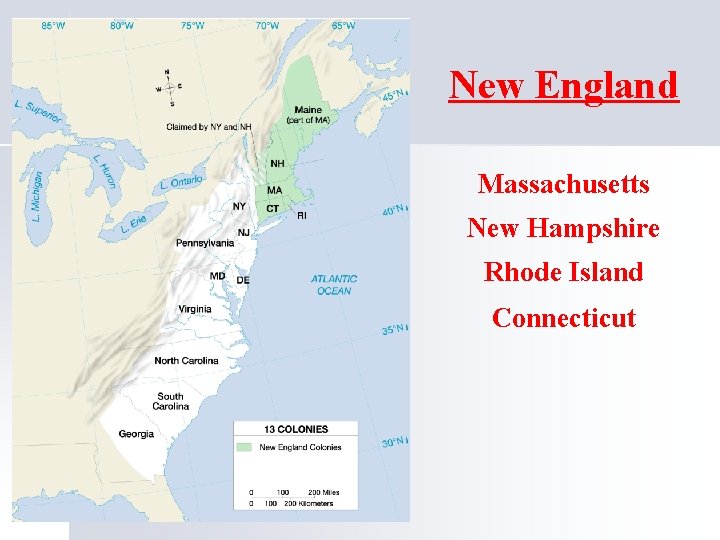
New England Massachusetts New Hampshire Rhode Island Connecticut
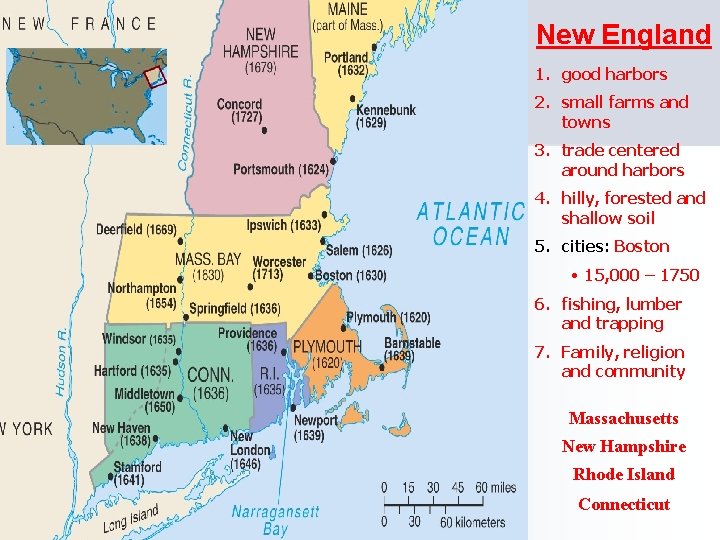
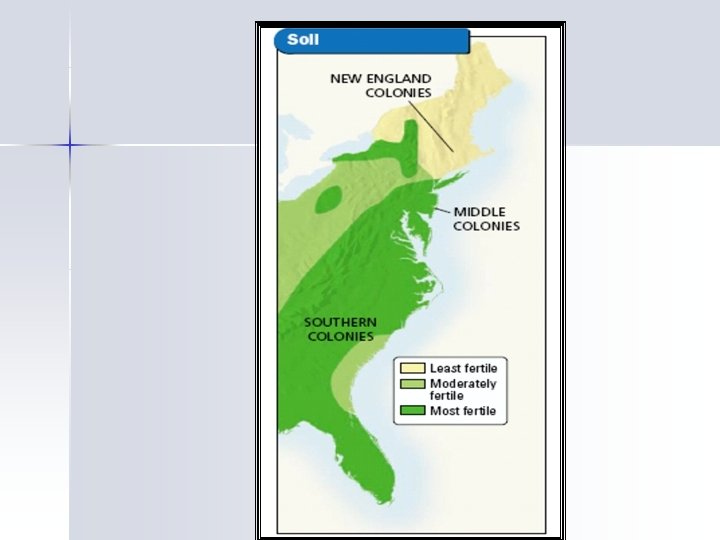
New England 1. good harbors 2. small farms and towns 3. trade centered around harbors 4. hilly, forested and shallow soil 5. cities: Boston • 15, 000 – 1750 6. fishing, lumber and trapping 7. Family, religion and community Massachusetts New Hampshire Rhode Island Connecticut
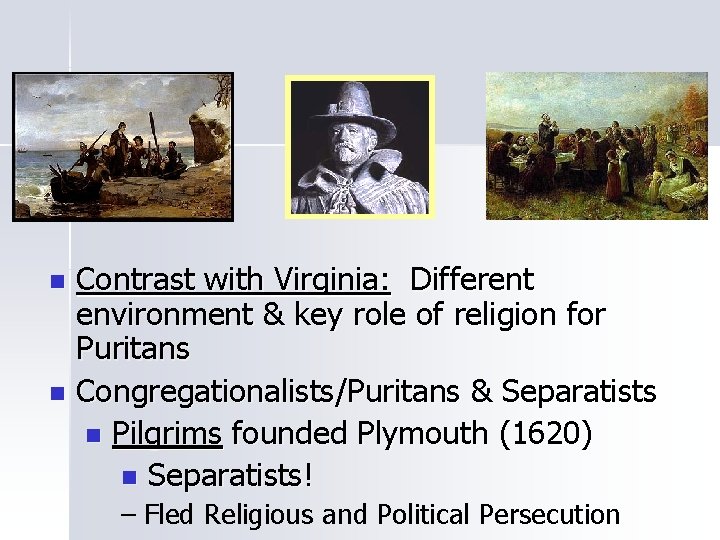
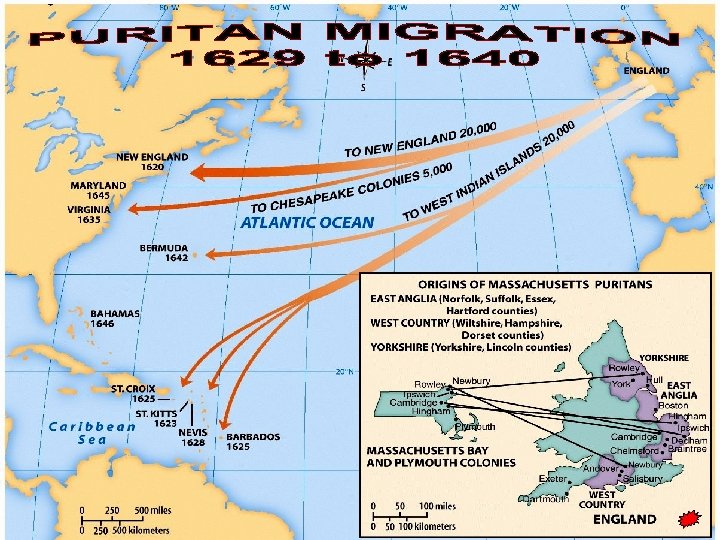
Contrast with Virginia: Different environment & key role of religion for Puritans n Congregationalists/Puritans & Separatists n Pilgrims founded Plymouth (1620) n Separatists! n – Fled Religious and Political Persecution
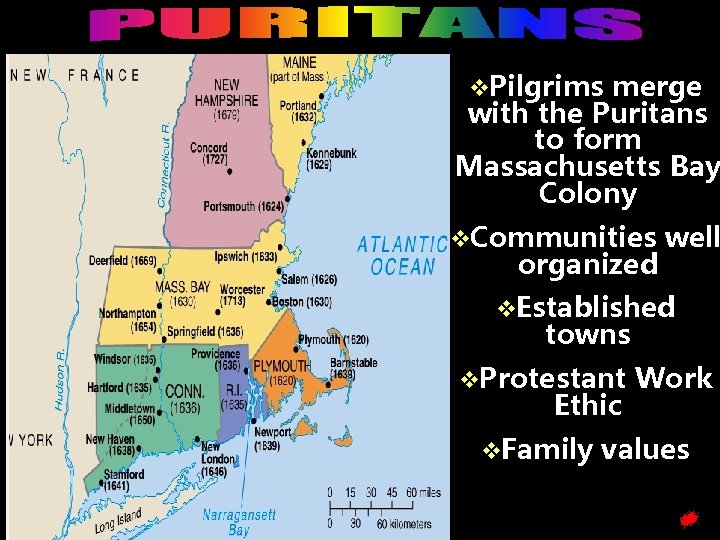
v. Pilgrims merge with the Puritans to form Massachusetts Bay Colony v. Communities organized well v. Established towns v. Protestant Ethic v. Family Work values
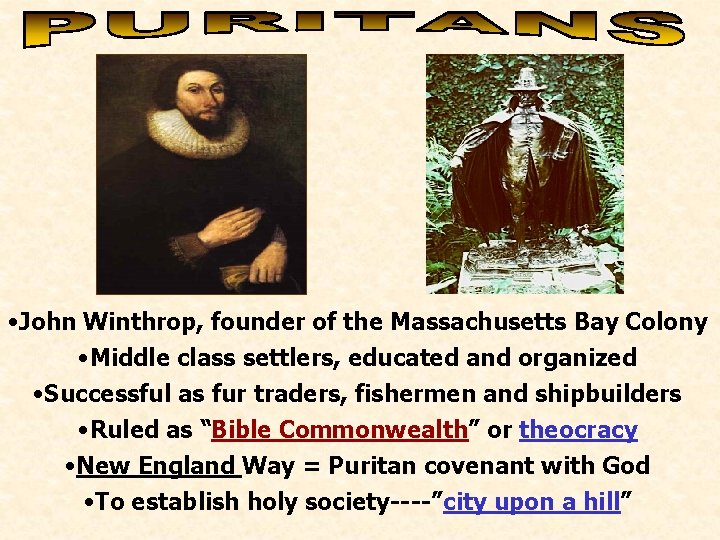
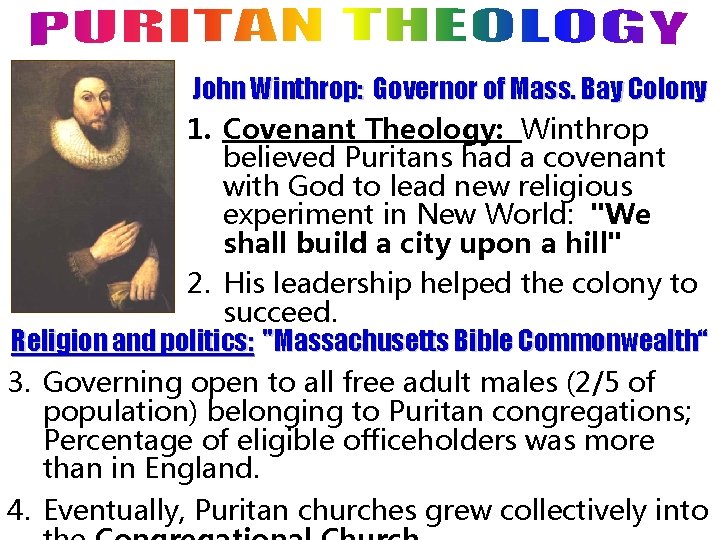
• John Winthrop, founder of the Massachusetts Bay Colony • Middle class settlers, educated and organized • Successful as fur traders, fishermen and shipbuilders • Ruled as “Bible Commonwealth” or theocracy • New England Way = Puritan covenant with God • To establish holy society----”city upon a hill”
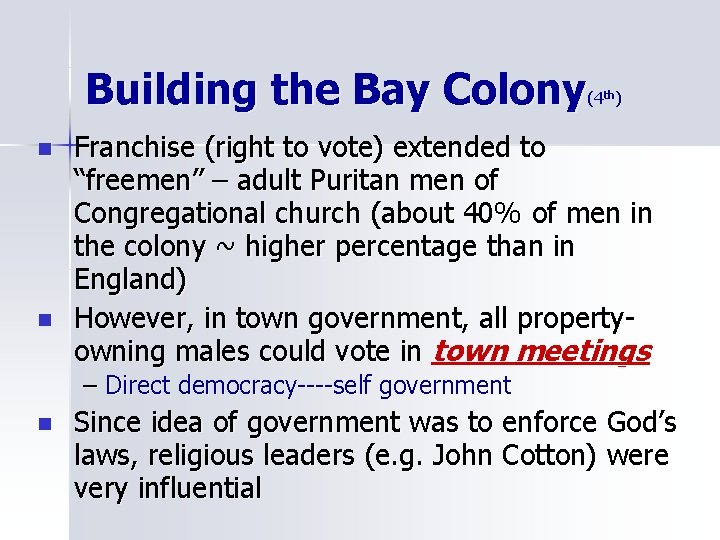
Building the Bay Colony (4 th) n n Franchise (right to vote) extended to “freemen” – adult Puritan men of Congregational church (about 40% of men in the colony ~ higher percentage than in England) However, in town government, all propertyowning males could vote in town meetings – Direct democracy----self government n Since idea of government was to enforce God’s laws, religious leaders (e. g. John Cotton) were very influential
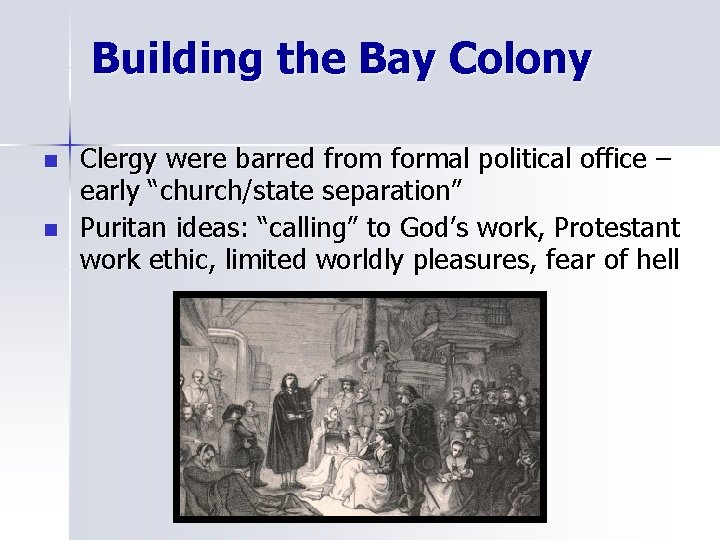
Building the Bay Colony n n Clergy were barred from formal political office – early “church/state separation” Puritan ideas: “calling” to God’s work, Protestant work ethic, limited worldly pleasures, fear of hell
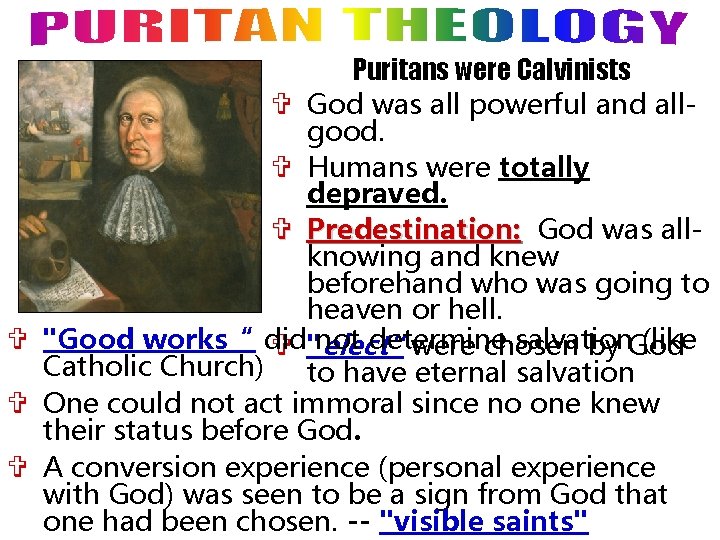
Puritans were Calvinists V God was all powerful and allgood. V Humans were totally depraved. V Predestination: God was allknowing and knew beforehand who was going to heaven or hell. V "Good works“ did determine salvation (like V "not elect" were chosen by God Catholic Church) to have eternal salvation V One could not act immoral since no one knew their status before God. V A conversion experience (personal experience with God) was seen to be a sign from God that one had been chosen. -- "visible saints"
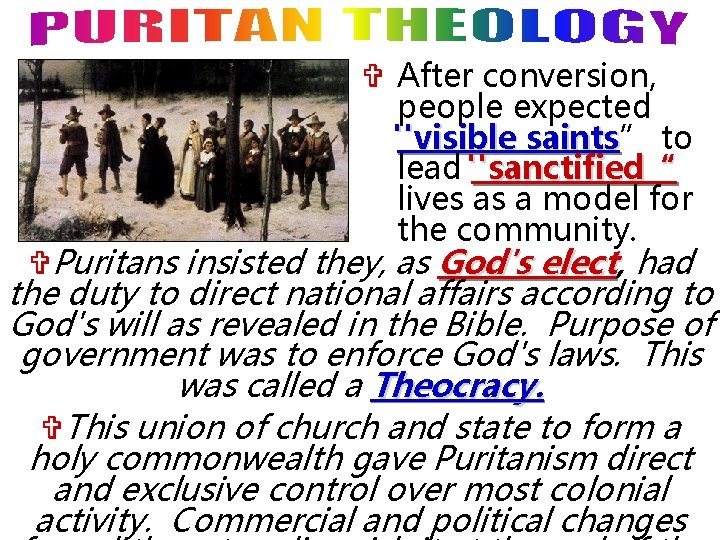
V After conversion, people expected "visible saints” saints to lead "sanctified“ lives as a model for the community. VPuritans insisted they, as God's elect, elect had the duty to direct national affairs according to God's will as revealed in the Bible. Purpose of government was to enforce God's laws. This was called a Theocracy. VThis union of church and state to form a holy commonwealth gave Puritanism direct and exclusive control over most colonial activity. Commercial and political changes
John Winthrop: Governor of Mass. Bay Colony 1. Covenant Theology: Winthrop believed Puritans had a covenant with God to lead new religious experiment in New World: "We shall build a city upon a hill" 2. His leadership helped the colony to succeed. Religion and politics: "Massachusetts Bible Commonwealth“ 3. Governing open to all free adult males (2/5 of population) belonging to Puritan congregations; Percentage of eligible officeholders was more than in England. 4. Eventually, Puritan churches grew collectively into
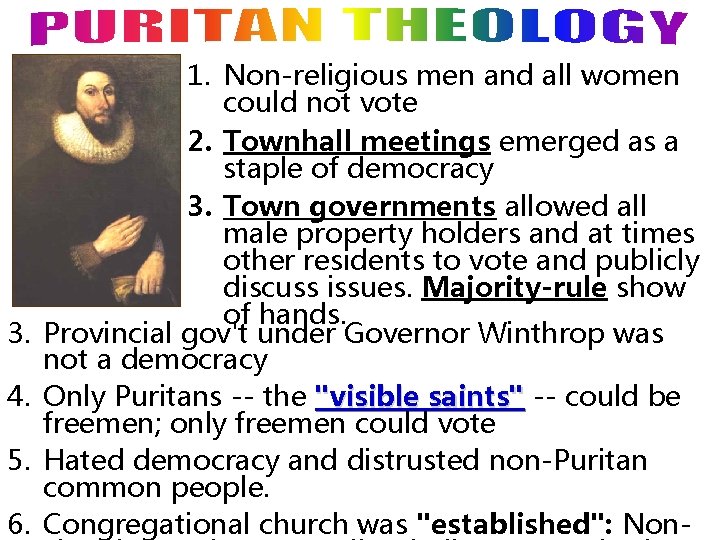
3. 4. 5. 6. 1. Non-religious men and all women could not vote 2. Townhall meetings emerged as a staple of democracy 3. Town governments allowed all male property holders and at times other residents to vote and publicly discuss issues. Majority-rule show of hands. Provincial gov't under Governor Winthrop was not a democracy Only Puritans -- the "visible saints" -- could be freemen; only freemen could vote Hated democracy and distrusted non-Puritan common people. Congregational church was "established": Non-
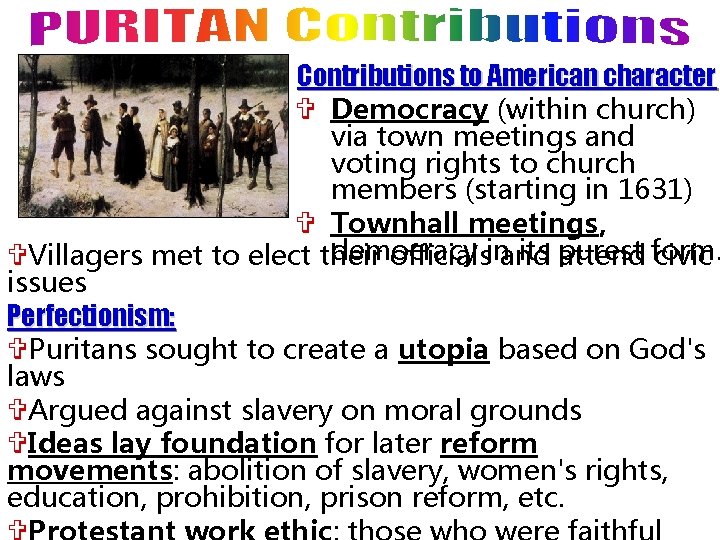
Contributions to American character V Democracy (within church) via town meetings and voting rights to church members (starting in 1631) V Townhall meetings, democracy its purest VVillagers met to elect their officialsinand attend form. civic issues Perfectionism: VPuritans sought to create a utopia based on God's laws VArgued against slavery on moral grounds VIdeas lay foundation for later reform movements: abolition of slavery, women's rights, education, prohibition, prison reform, etc.
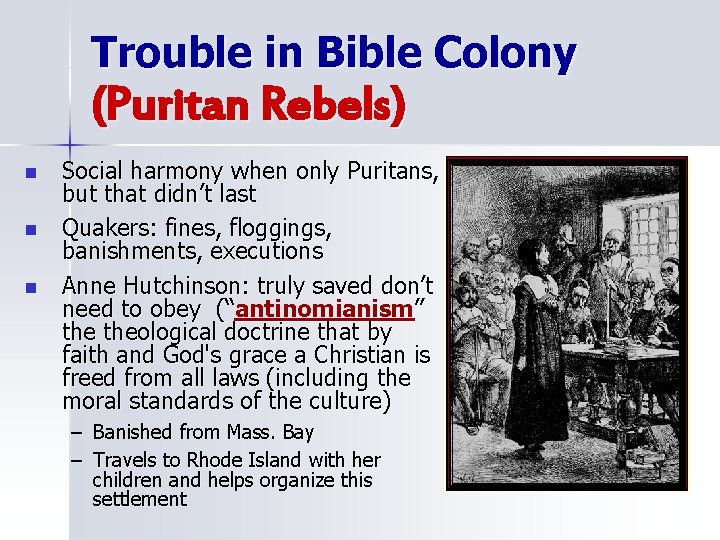
Trouble in Bible Colony (Puritan Rebels) n n n Social harmony when only Puritans, but that didn’t last Quakers: fines, floggings, banishments, executions Anne Hutchinson: truly saved don’t need to obey (“antinomianism” theological doctrine that by faith and God's grace a Christian is freed from all laws (including the moral standards of the culture) – Banished from Mass. Bay – Travels to Rhode Island with her children and helps organize this settlement
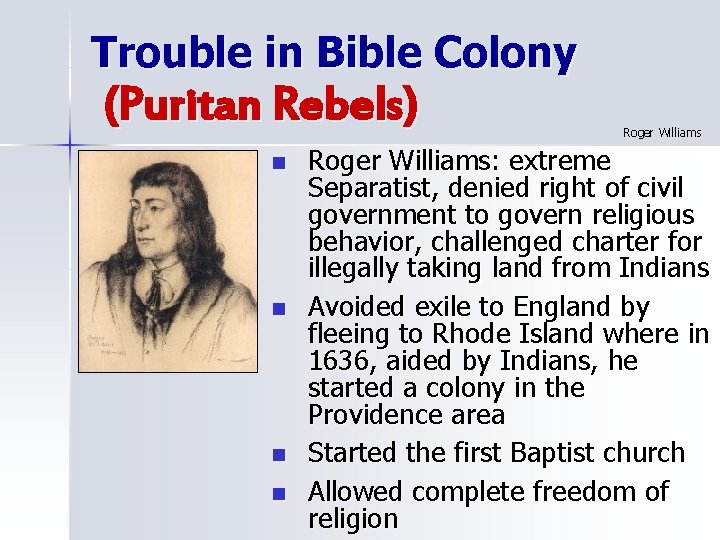
Trouble in Bible Colony (Puritan Rebels) n n Roger Williams: extreme Separatist, denied right of civil government to govern religious behavior, challenged charter for illegally taking land from Indians Avoided exile to England by fleeing to Rhode Island where in 1636, aided by Indians, he started a colony in the Providence area Started the first Baptist church Allowed complete freedom of religion
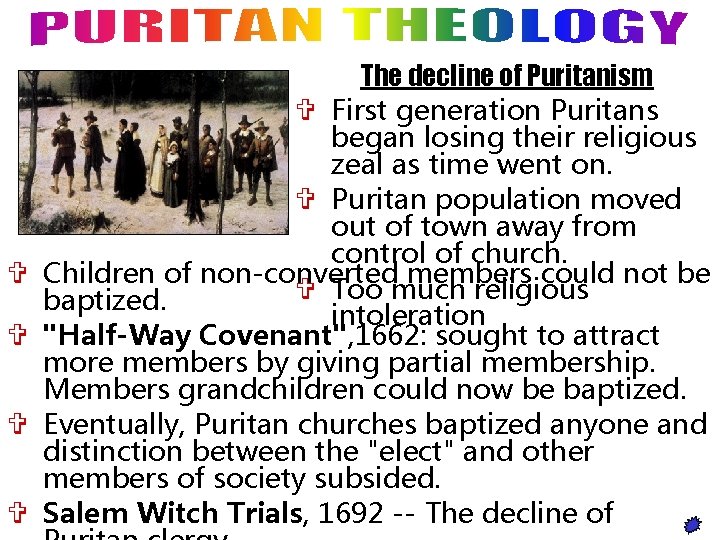
V V The decline of Puritanism V First generation Puritans began losing their religious zeal as time went on. V Puritan population moved out of town away from control of church. Children of non-converted members could not be V Too much religious baptized. intoleration "Half-Way Covenant", 1662: sought to attract more members by giving partial membership. Members grandchildren could now be baptized. Eventually, Puritan churches baptized anyone and distinction between the "elect" and other members of society subsided. Salem Witch Trials, 1692 -- The decline of
New England Spreads Out n n 1635: Hartford (Conn. ) founded by Dutch/English settlers. Some Puritans moved westward to Connecticut with Rev. Thomas Hooker 1639: Fundamental Orders – modern constitution established democratic government 1641: New Hampshire taken over by overly aggressive Bay Colony 1679: Annoyed by greed of Bay Colony, king arbitrarily separates it, becomes royal colony
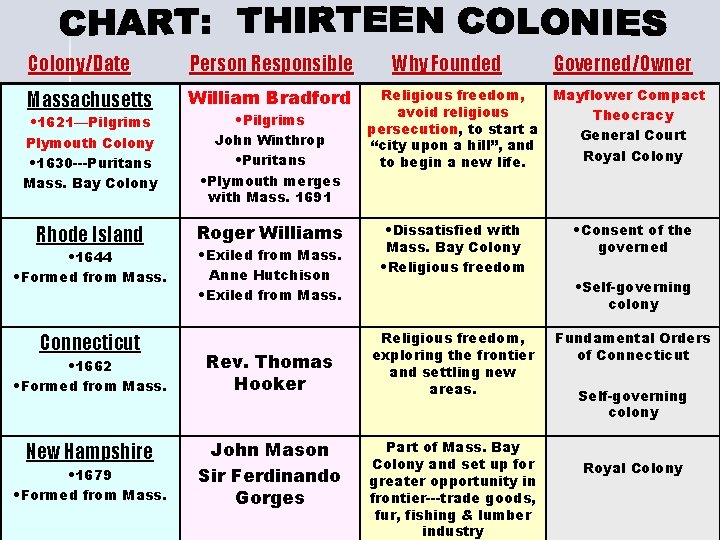
Colony/Date Person Responsible Massachusetts William Bradford • 1621—Pilgrims Plymouth Colony • 1630 ---Puritans Mass. Bay Colony • Pilgrims John Winthrop • Puritans • Plymouth merges with Mass. 1691 Religious freedom, avoid religious persecution, to start a “city upon a hill”, and to begin a new life. Mayflower Compact Theocracy General Court Royal Colony Rhode Island Roger Williams • Dissatisfied with Mass. Bay Colony • Religious freedom • Consent of the governed Religious freedom, exploring the frontier and settling new areas. Fundamental Orders of Connecticut • 1644 • Formed from Mass. Connecticut • Exiled from Mass. Anne Hutchison • Exiled from Mass. • 1662 • Formed from Mass. Rev. Thomas Hooker New Hampshire John Mason Sir Ferdinando Gorges • 1679 • Formed from Mass. Why Founded Part of Mass. Bay Colony and set up for greater opportunity in frontier---trade goods, fur, fishing & lumber industry Governed/Owner • Self-governing colony Royal Colony
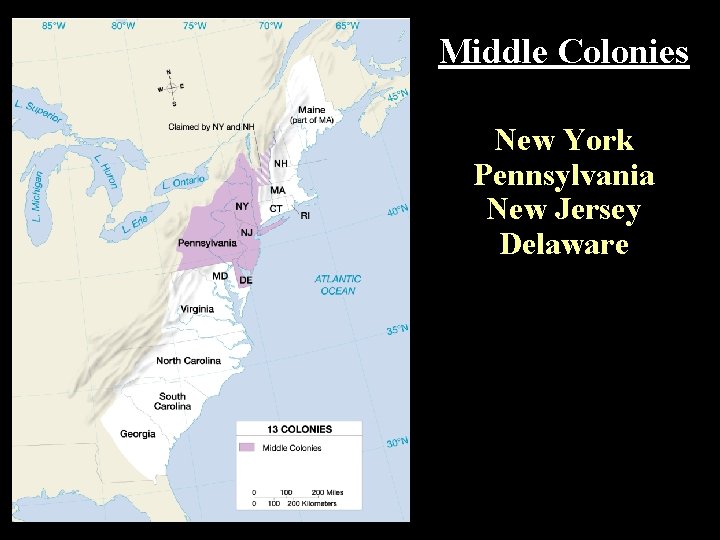
Middle Colonies New York Pennsylvania New Jersey Delaware
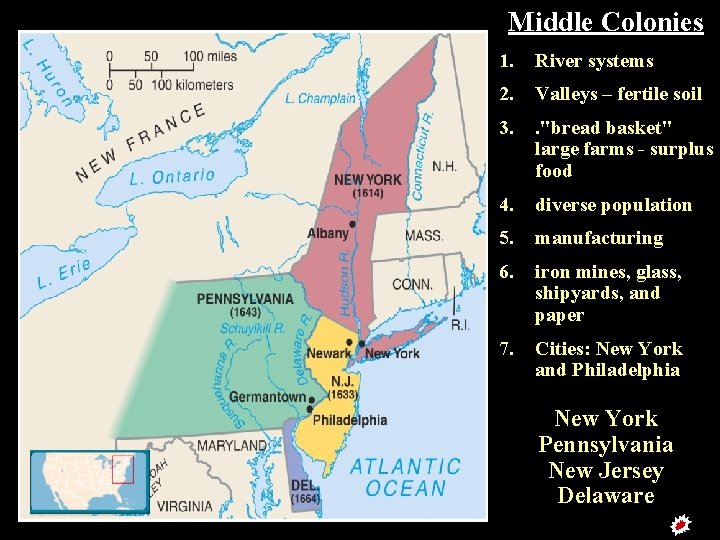
Middle Colonies 1. River systems 2. Valleys – fertile soil 3. . "bread basket" large farms - surplus food 4. diverse population 5. manufacturing 6. iron mines, glass, shipyards, and paper 7. Cities: New York and Philadelphia New York Pennsylvania New Jersey Delaware Middle Colonies
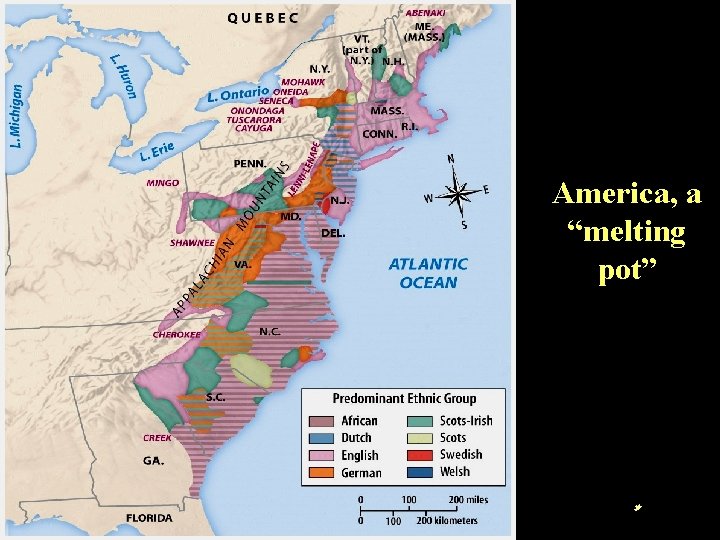
America, a “melting pot”
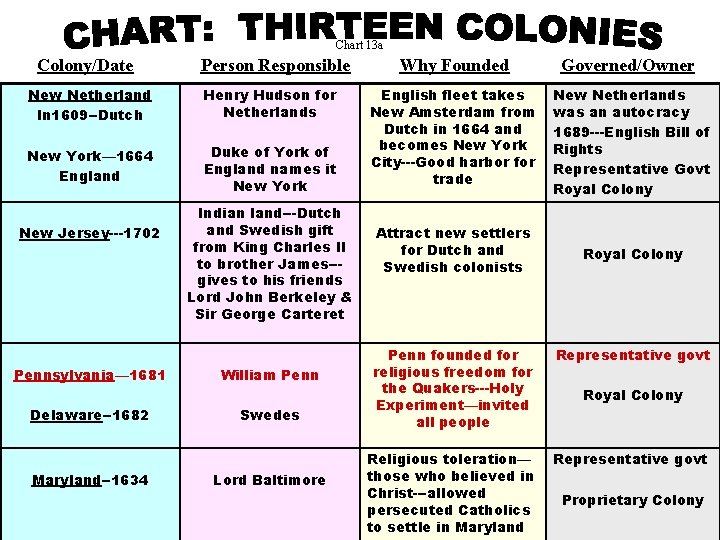
Chart 13 a Colony/Date Person Responsible New Netherland In 1609 --Dutch Henry Hudson for Netherlands New York— 1664 England Duke of York of England names it New York New Jersey---1702 Pennsylvania— 1681 Delaware--1682 Maryland--1634 Indian land---Dutch and Swedish gift from King Charles II to brother James--gives to his friends Lord John Berkeley & Sir George Carteret William Penn Swedes Lord Baltimore Why Founded Governed/Owner English fleet takes New Amsterdam from Dutch in 1664 and becomes New York City---Good harbor for trade New Netherlands was an autocracy 1689 ---English Bill of Rights Representative Govt Royal Colony Attract new settlers for Dutch and Swedish colonists Royal Colony Penn founded for religious freedom for the Quakers---Holy Experiment—invited all people Representative govt Religious toleration— those who believed in Christ---allowed persecuted Catholics to settle in Maryland Representative govt Royal Colony Proprietary Colony
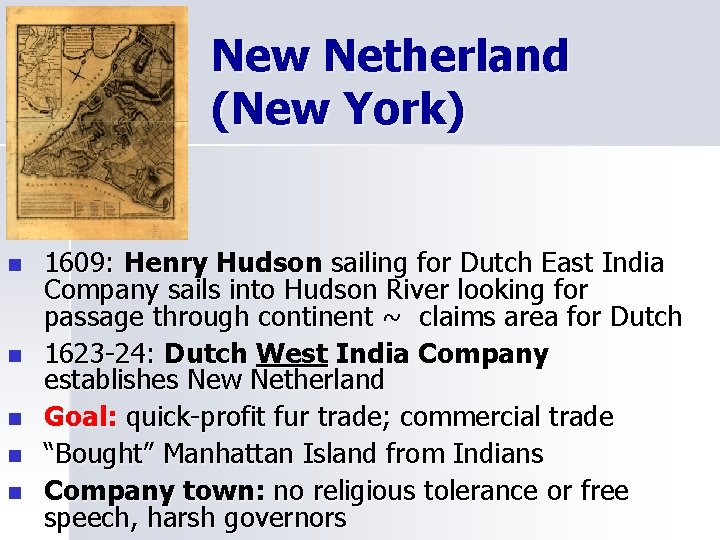
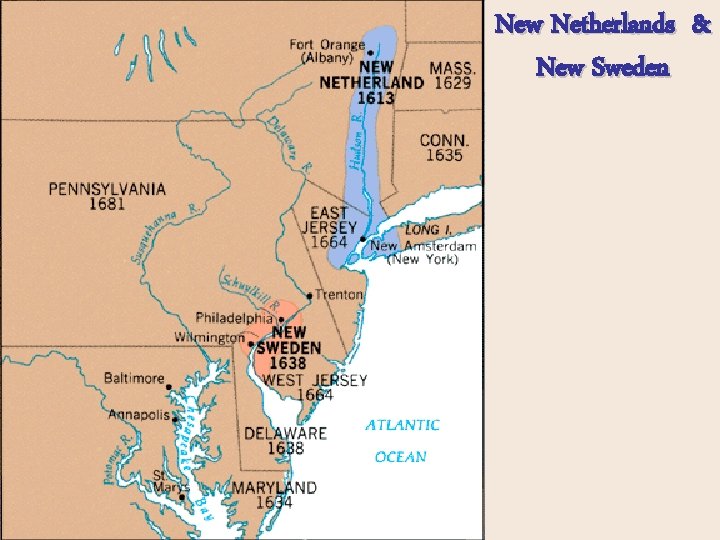
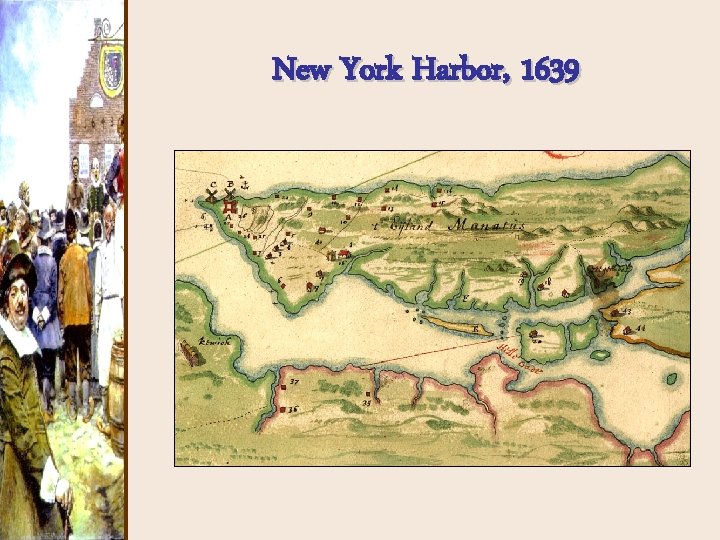
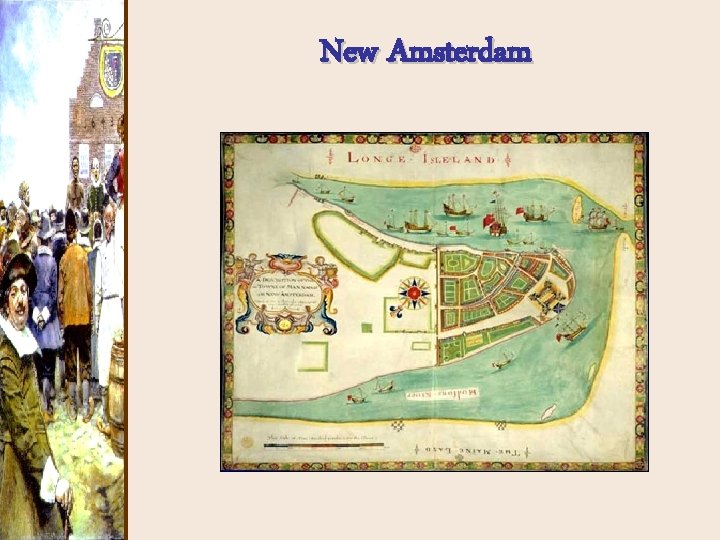
New Netherland (New York) n n n 1609: Henry Hudson sailing for Dutch East India Company sails into Hudson River looking for passage through continent ~ claims area for Dutch 1623 -24: Dutch West India Company establishes New Netherland Goal: quick-profit fur trade; commercial trade “Bought” Manhattan Island from Indians Company town: no religious tolerance or free speech, harsh governors
New Netherlands & New Sweden
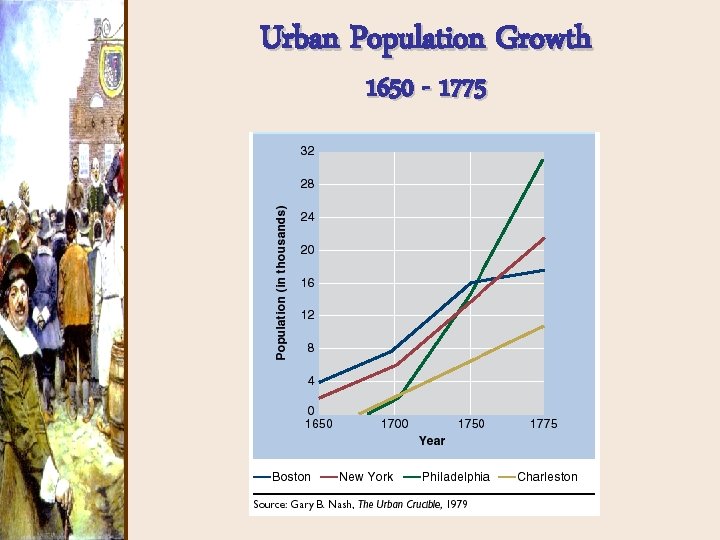
Urban Population Growth 1650 - 1775
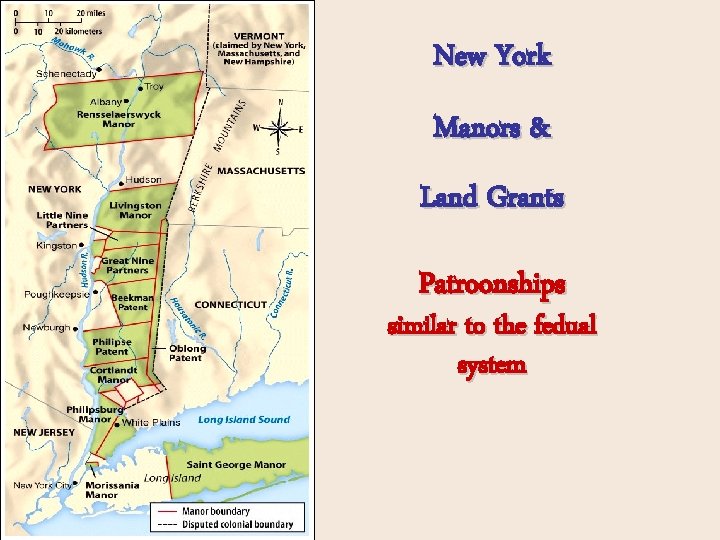
New Netherland n n Colony had aristocratic influence (a member of a ruling class or of the nobility) with large feudal estates (“patroonships” – one was larger than Rhode Island) Very diverse population: in 1640 s missionary observed 18 languages
New York Manors & Land Grants Patroonships similar to the fedual system
New York Harbor, 1639
New Amsterdam
Dutch Conflicts n Dutch cruelties to Indians brought retaliatory massacres – Dutch built wall (Wall Street) around New Amsterdam (peg leg Peter Stuyvesant. )
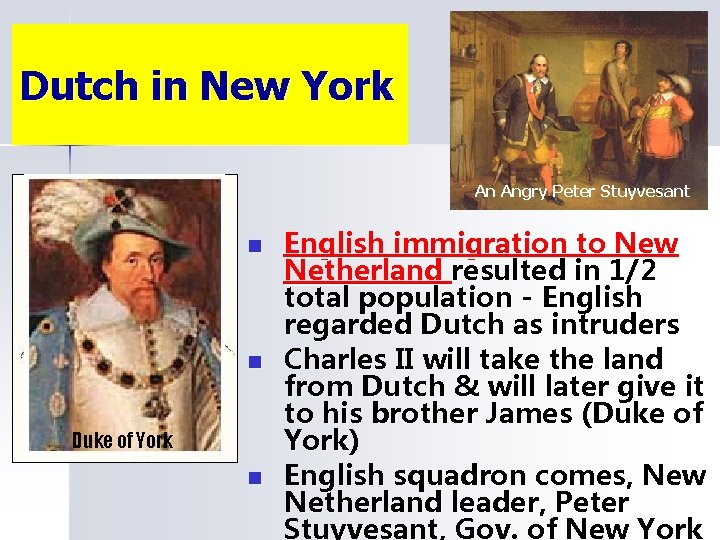
Dutch in New York An Angry Peter Stuyvesant n n Duke of York n English immigration to New Netherland resulted in 1/2 total population - English regarded Dutch as intruders Charles II will take the land from Dutch & will later give it to his brother James (Duke of York) English squadron comes, New Netherland leader, Peter Stuyvesant, Gov. of New York
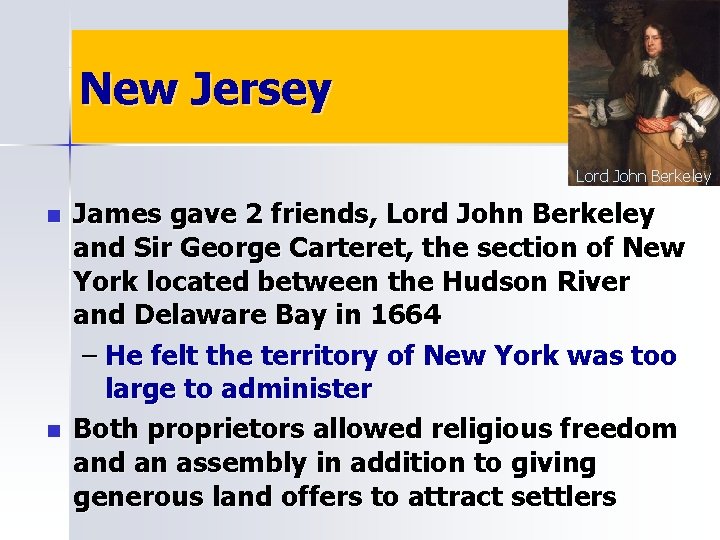
New Jersey Lord John Berkeley n n James gave 2 friends, Lord John Berkeley and Sir George Carteret, the section of New York located between the Hudson River and Delaware Bay in 1664 – He felt the territory of New York was too large to administer Both proprietors allowed religious freedom and an assembly in addition to giving generous land offers to attract settlers
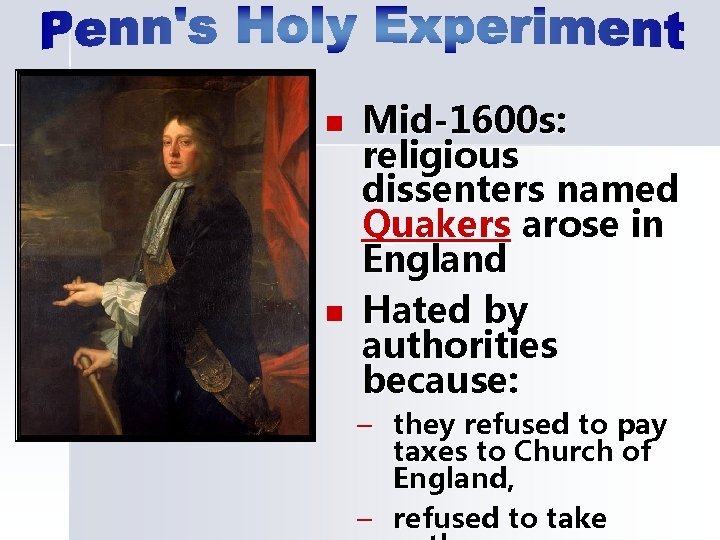
n n Mid-1600 s: religious dissenters named Quakers arose in England Hated by authorities because: – they refused to pay taxes to Church of England, – refused to take
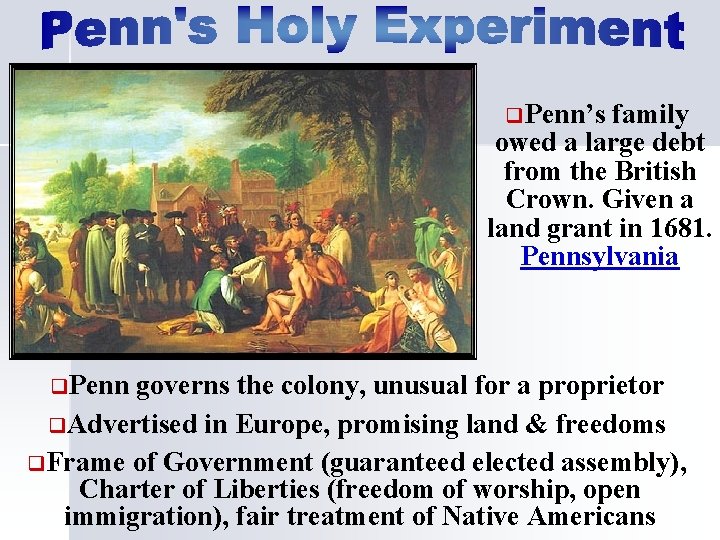
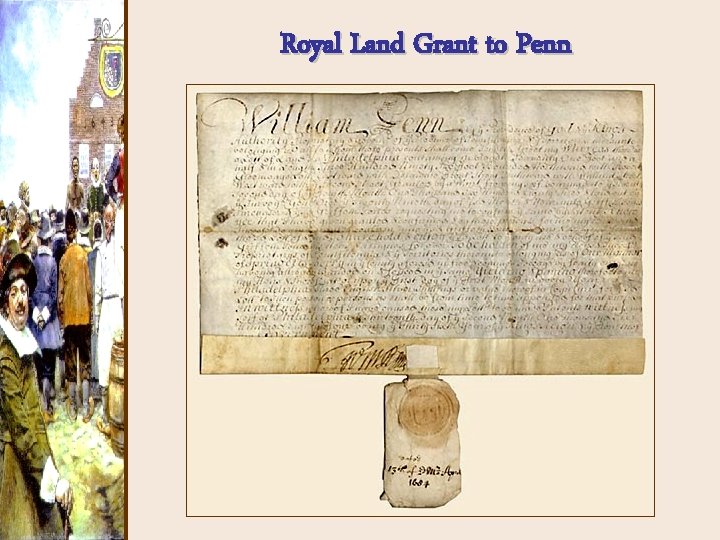
q. Penn’s family owed a large debt from the British Crown. Given a land grant in 1681. Pennsylvania q. Penn governs the colony, unusual for a proprietor q. Advertised in Europe, promising land & freedoms q. Frame of Government (guaranteed elected assembly), Charter of Liberties (freedom of worship, open immigration), fair treatment of Native Americans
Royal Land Grant to Penn
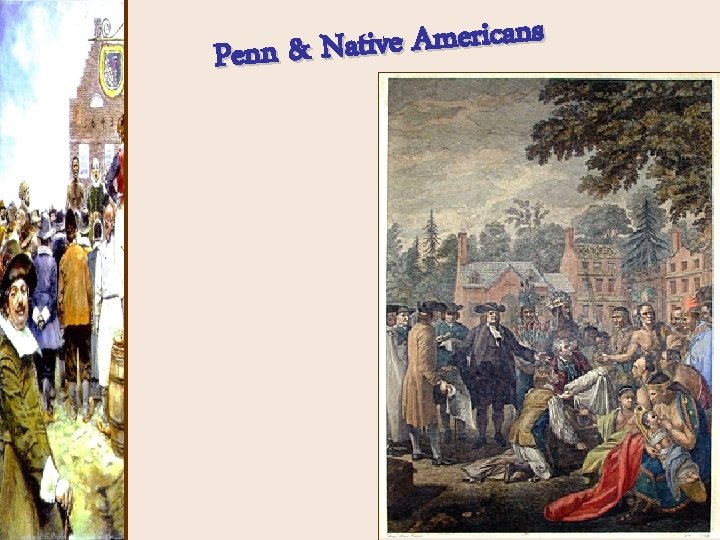
s n a c i r e m A e Penn & Nativ
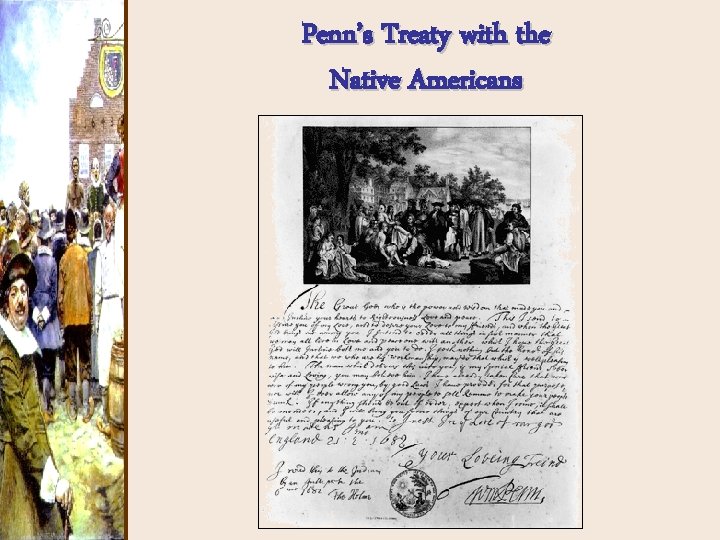
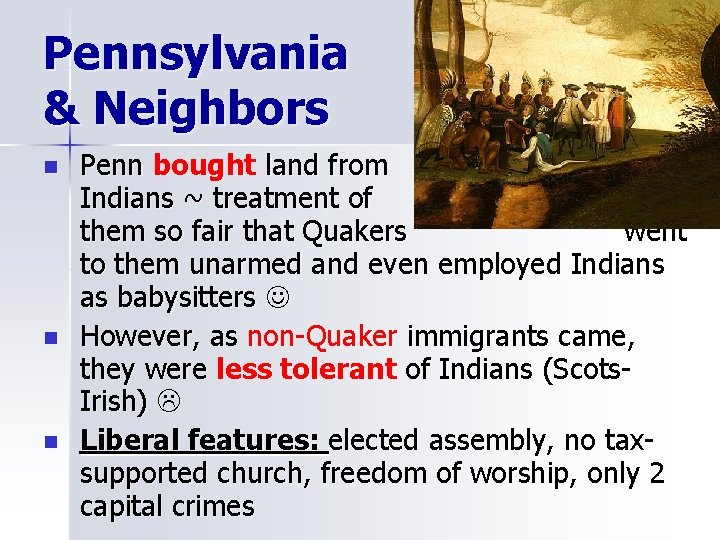
Penn’s Treaty with the Native Americans
Penn, more than any other individual founder or colonist, proved toanbe the may be set That example up tostream the nations chosen vessel through which the of as. . . a holyrights experiment. demand for respect for individual was to flow so richly into our American reservoir of precious ideals. William Penn All men have a natural and infeasible right to worship Almighty God according to the dictates of their own consciences; no man can of right be compelled to attend, erect, or support any place of worship, or to maintain any ministry against his consent; no human authority can, in any case whatever, control or interfere with the rights of conscience, and no preference shall ever be given by law to any religious establishment or modes of worship. - William Penn, Declaration of Rights
Pennsylvania & Neighbors n n n Penn bought land from Indians ~ treatment of them so fair that Quakers went to them unarmed and even employed Indians as babysitters However, as non-Quaker immigrants came, they were less tolerant of Indians (Scots. Irish) Liberal features: elected assembly, no taxsupported church, freedom of worship, only 2 capital crimes
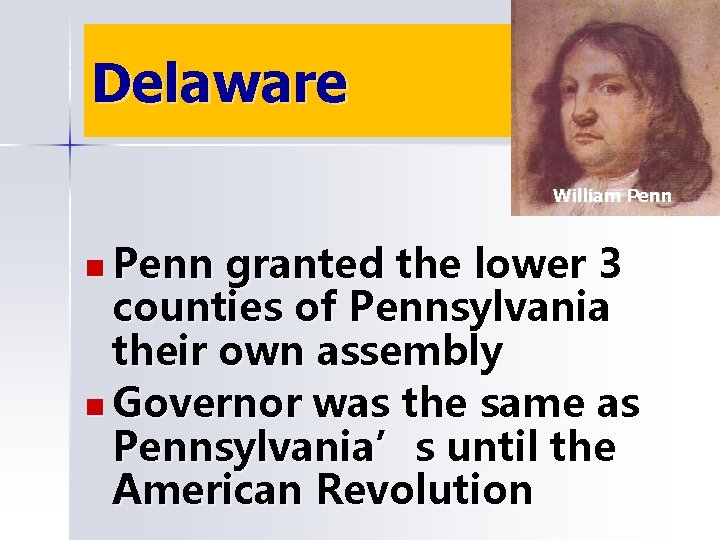
Delaware William Penn n Penn granted the lower 3 counties of Pennsylvania their own assembly n Governor was the same as Pennsylvania’s until the American Revolution
Rebellions in America during Glorious Revolution: • Leisler’s = NY = new rich win • Coode’s = MD = Catholics lose
1692 Salem Witch Trials • Young girls had “seizures” & accused others of doing it to them through witchcraft. • Why did this happen? – No one knows – Factors: eco tension b-w classes, Indian attacks, rural vs. urban, independent women • Result: – – – 19 people hanged, pressed or stoned to death in Salem (more jailed) Increase Mather, Congregationalist minister, asked for leniency Spectral evidence (not provable (dreams)) used Girls started accusing important people in town. Witchcraft stopped being a capital offensive after this