
SETTLING COLUMN ANALYSIS FOR FLOCCULATING PARTICLES Type II


- Slides: 41
SETTLING COLUMN ANALYSIS FOR FLOCCULATING PARTICLES (Type II settling)
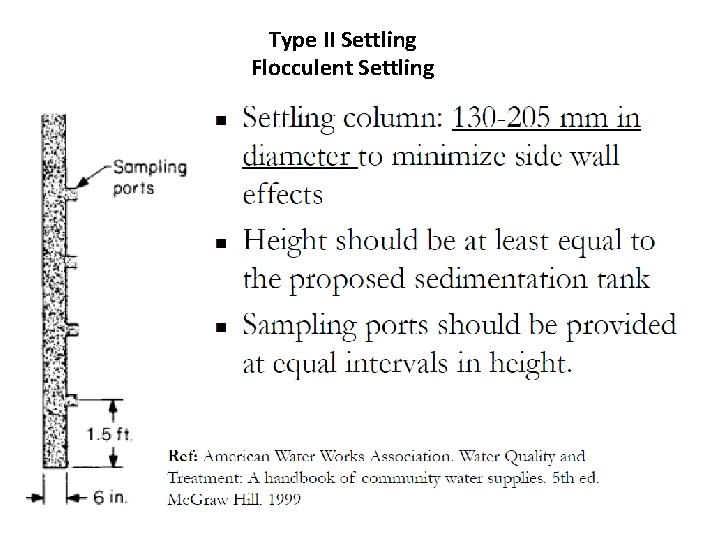
Type II Settling Flocculent Settling Flocculating but not concentrated suspension. The diameter of particles changes. This means that there is not a unique settling velocity Increase in particle size caused by flocculation varies with time. Size and settling velocity will vary with depth. Take samples over the depth of the column at set time intervals. Mustafa Nasser 2012 2
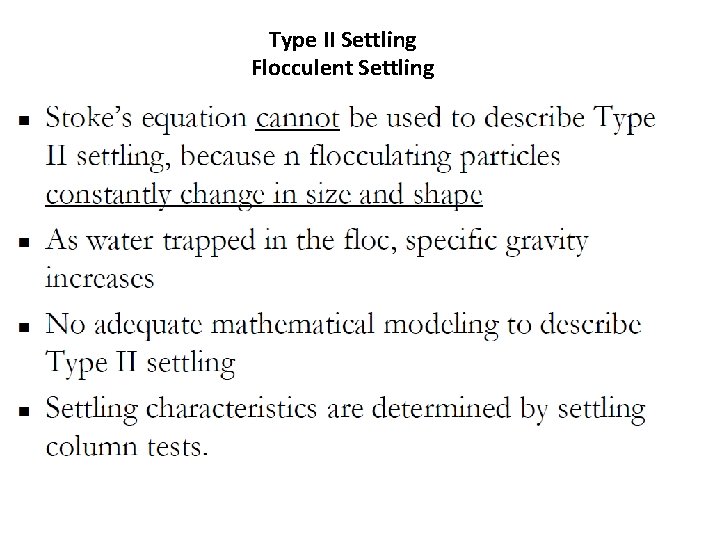
Type II Settling Flocculent Settling
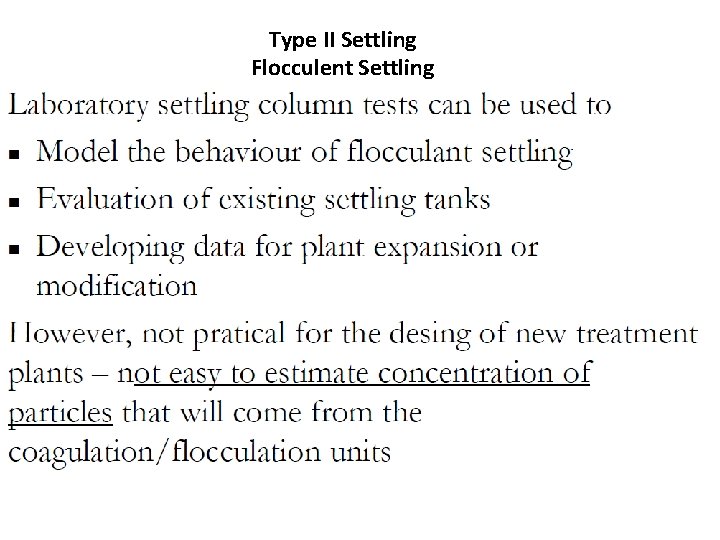
Type II Settling Flocculent Settling
Type II Settling Flocculent Settling
Type II Settling Flocculent Settling
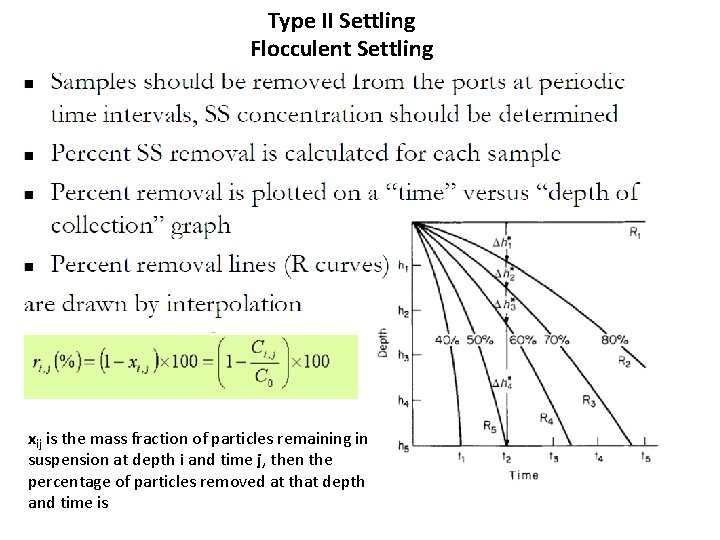
Type II Settling Flocculent Settling xij is the mass fraction of particles remaining in suspension at depth i and time j, then the percentage of particles removed at that depth and time is
Type II Settling Flocculent Settling A further complication: Concentration and settling velocity of particles are also a function of the total depth of settlement (i. e. the maximum depth through which they settle) The settling analysis must be carried out using a column having the same depth as the proposed settling basin. Mustafa Nasser 2012 8
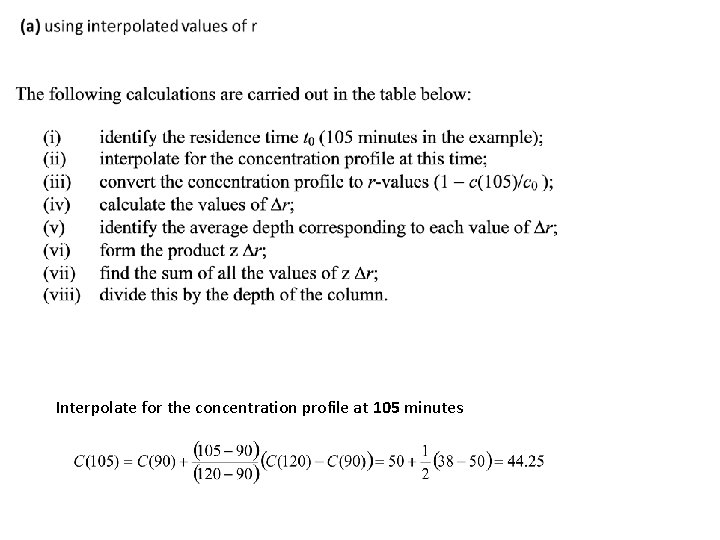
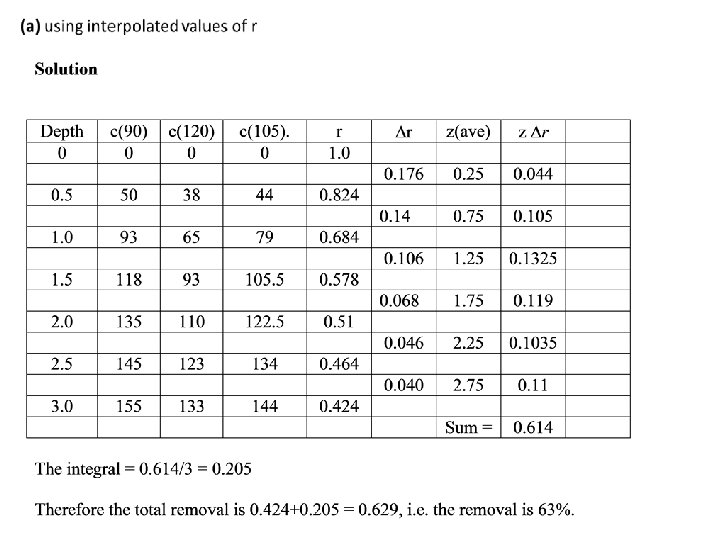
Type II Settling Flocculent Settling Ways of performing the calculation (a) BY USING INTERPOLATED VALUES OF r The following calculations are carried out in the table below: (i) (iii) (iv) (vi) (viii) identify the residence time t 0 interpolate for the concentration profile at this time; convert the concentration profile to r-values calculate the values of Δr; identify the average depth corresponding to each value of Δr; form the product z Δr; find the sum of all the values of z Δr; divide this by the depth of the column.
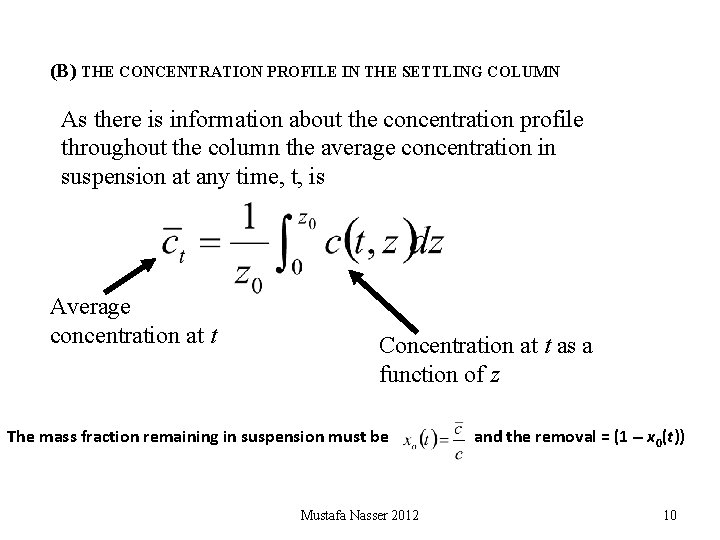
(B) THE CONCENTRATION PROFILE IN THE SETTLING COLUMN As there is information about the concentration profile throughout the column the average concentration in suspension at any time, t, is Average concentration at t Concentration at t as a function of z The mass fraction remaining in suspension must be Mustafa Nasser 2012 and the removal = (1 x 0(t)) 10
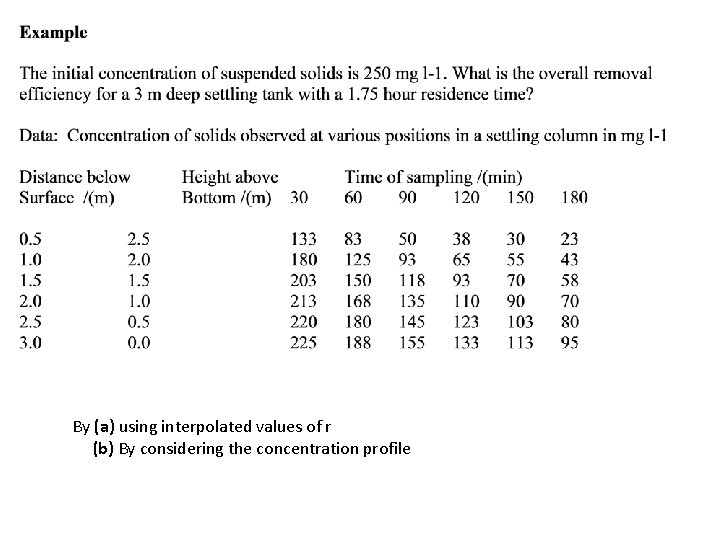
By (a) using interpolated values of r (b) By considering the concentration profile
Interpolate for the concentration profile at 105 minutes
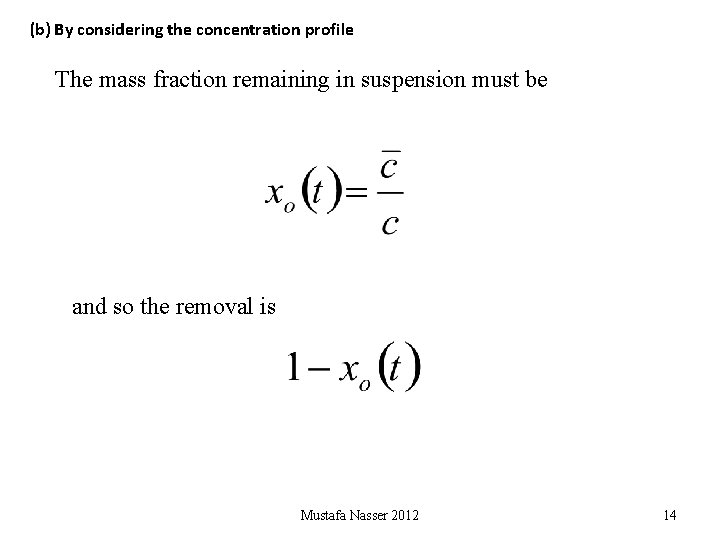
(b) By considering the concentration profile The mass fraction remaining in suspension must be and so the removal is Mustafa Nasser 2012 14
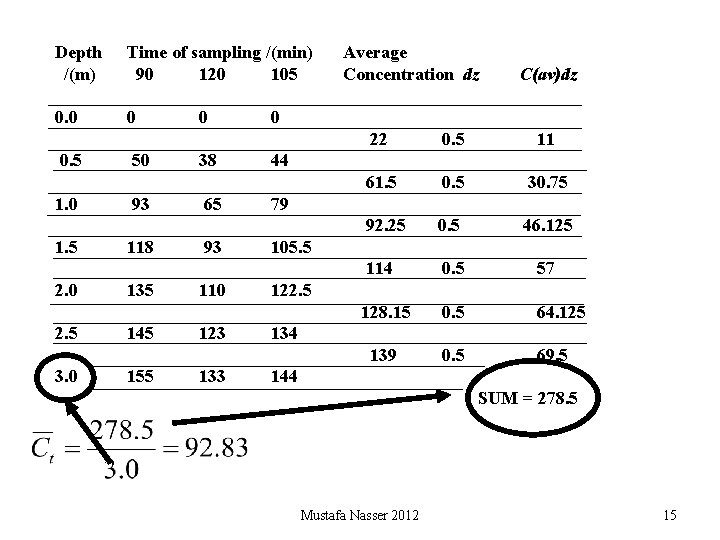
Depth /(m) Time of sampling /(min) 90 120 105 0. 0 0 0. 5 1. 0 1. 5 2. 0 2. 5 3. 0 50 93 118 135 145 155 0 38 65 93 110 123 133 Average Concentration dz C(av)dz 0 22 0. 5 11 61. 5 0. 5 30. 75 92. 25 0. 5 46. 125 114 0. 5 57 128. 15 0. 5 64. 125 139 0. 5 69. 5 44 79 105. 5 122. 5 134 144 SUM = 278. 5 Mustafa Nasser 2012 15
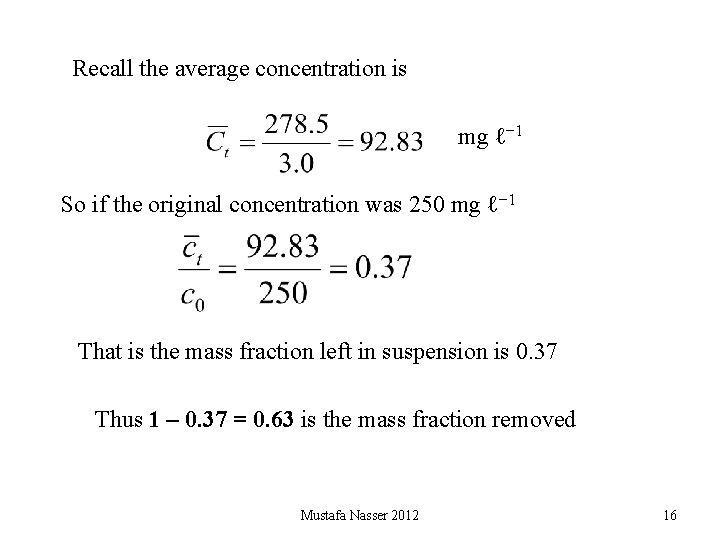
Recall the average concentration is mg ℓ− 1 So if the original concentration was 250 mg ℓ− 1 That is the mass fraction left in suspension is 0. 37 Thus 1 – 0. 37 = 0. 63 is the mass fraction removed Mustafa Nasser 2012 16
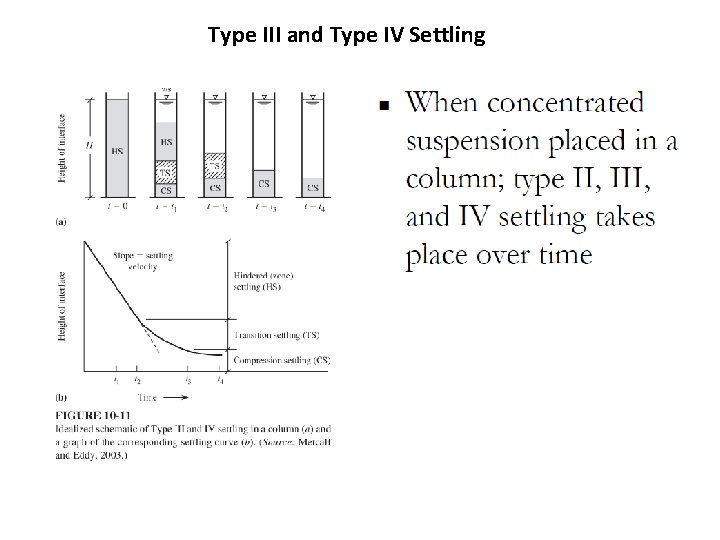
Type III and Type IV Settling
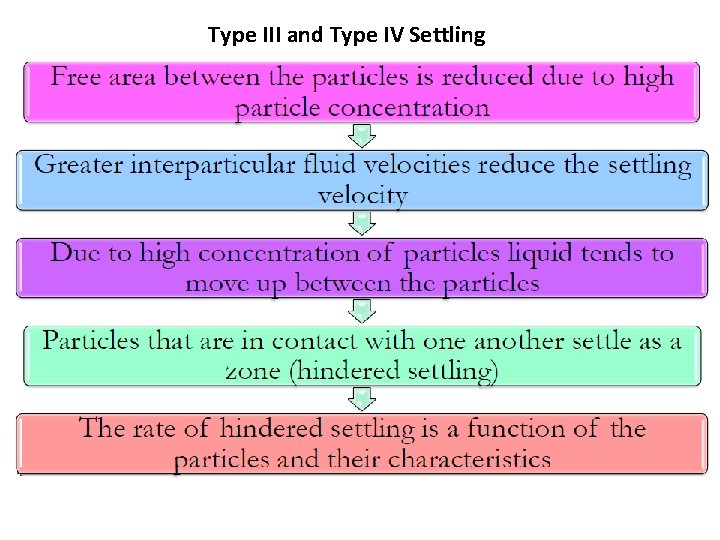
Type III and Type IV Settling
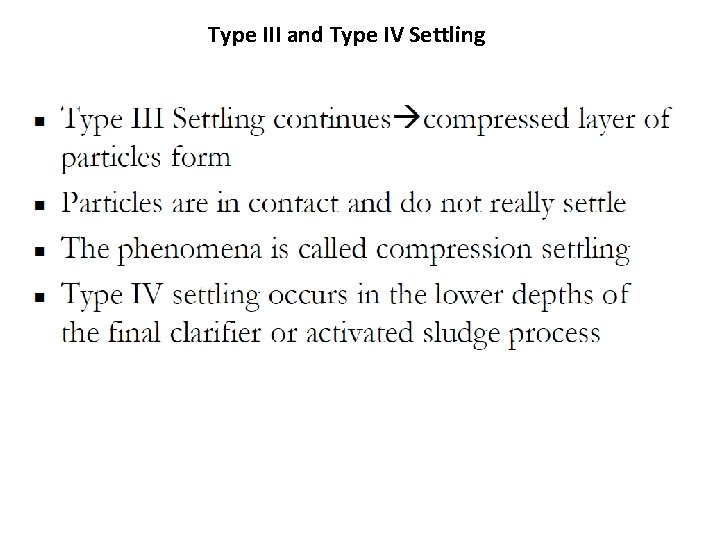
Type III and Type IV Settling
Type III and Type IV Settling
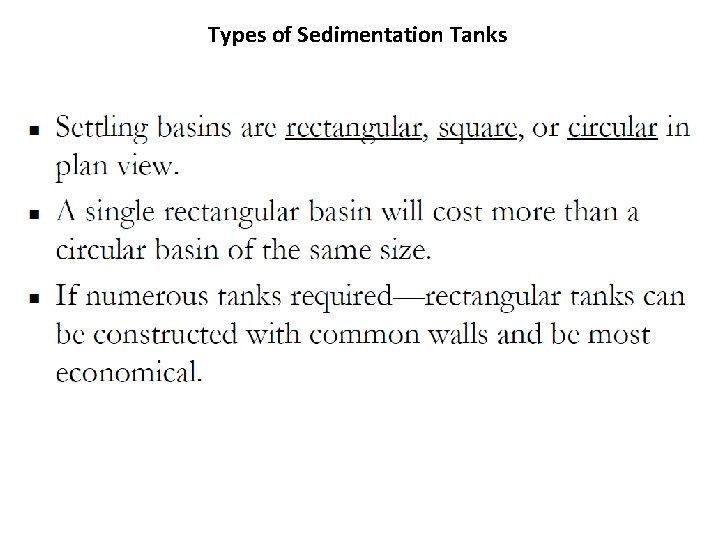
Types of Sedimentation Tanks
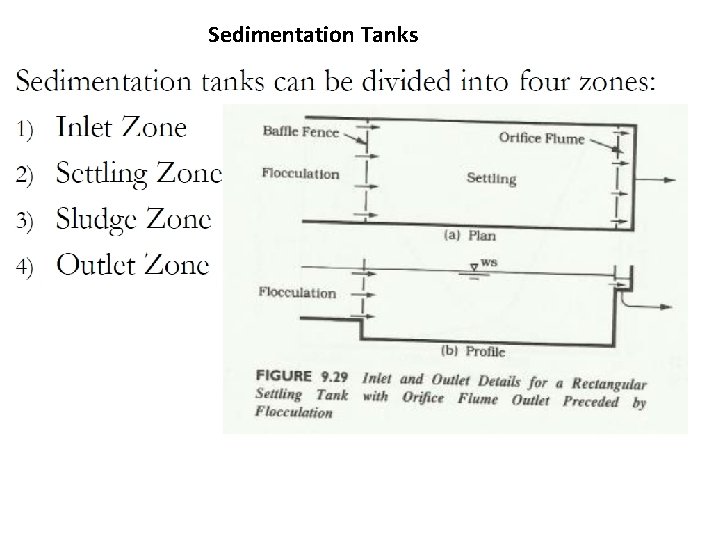
Sedimentation Tanks
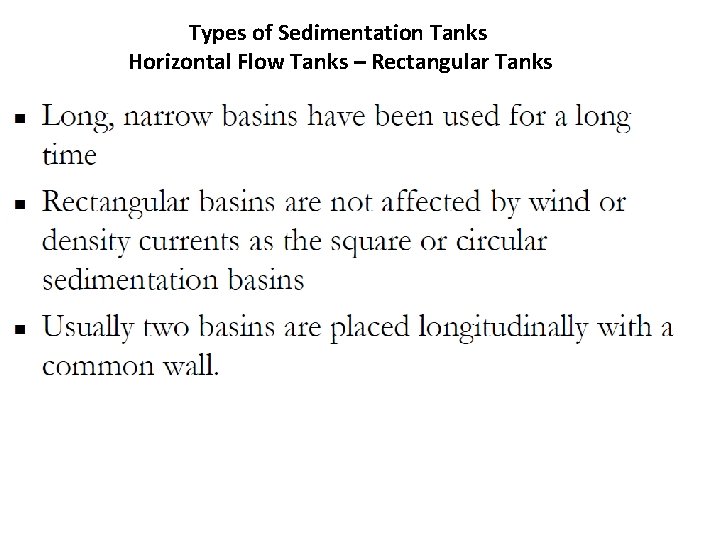
Types of Sedimentation Tanks Horizontal Flow Tanks – Rectangular Tanks
Types of Sedimentation Tanks Horizontal Flow Tanks – Rectangular Tanks
Types of Sedimentation Tanks Horizontal Flow Tanks – Rectangular Tanks
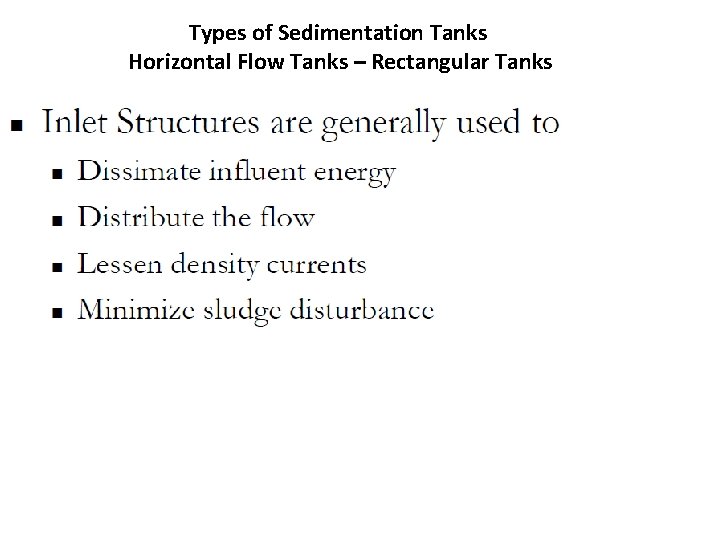
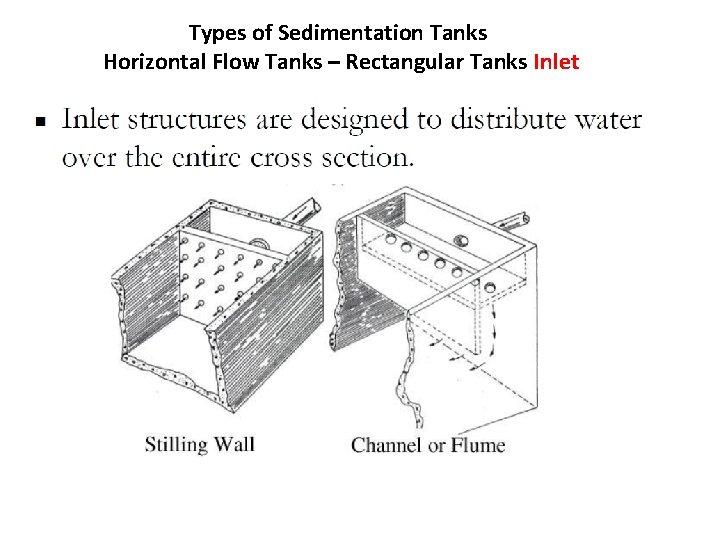
Types of Sedimentation Tanks Horizontal Flow Tanks – Rectangular Tanks Inlet
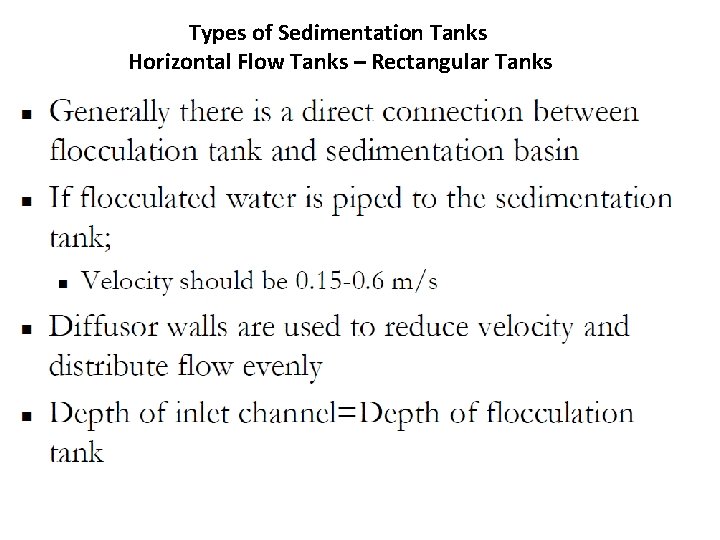
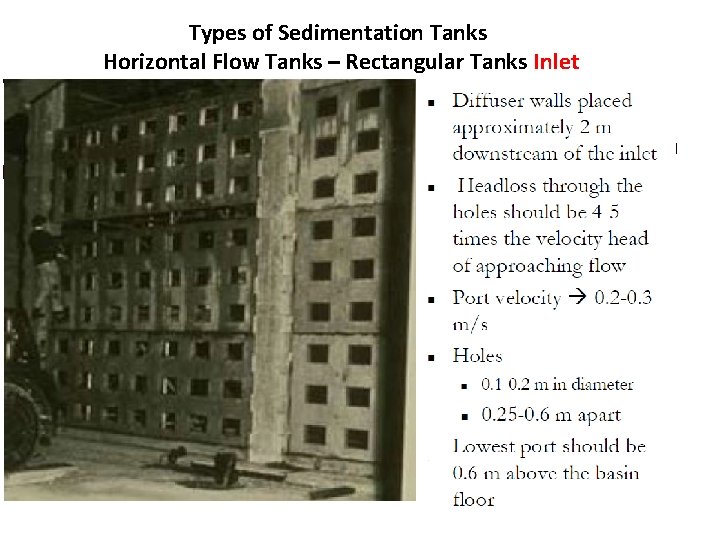
Types of Sedimentation Tanks Horizontal Flow Tanks – Rectangular Tanks Inlet
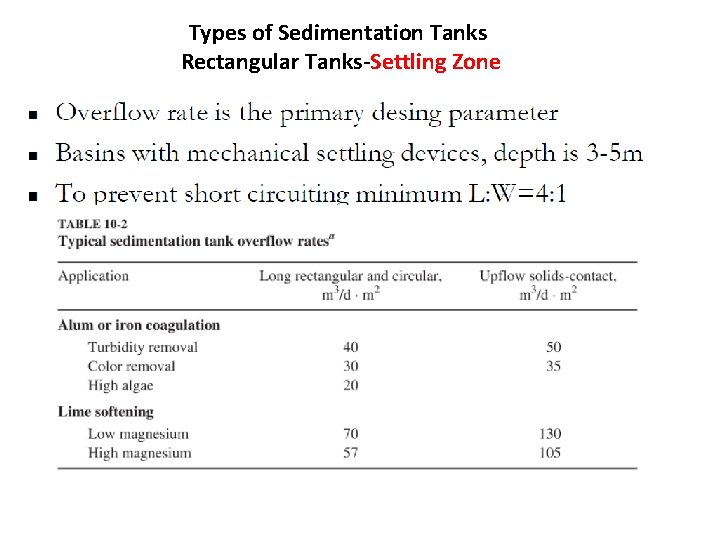
Types of Sedimentation Tanks Rectangular Tanks-Settling Zone
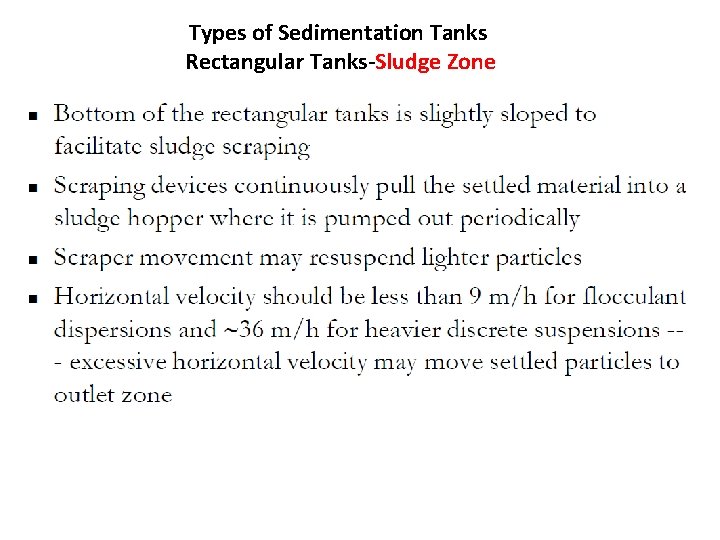
Types of Sedimentation Tanks Rectangular Tanks-Sludge Zone
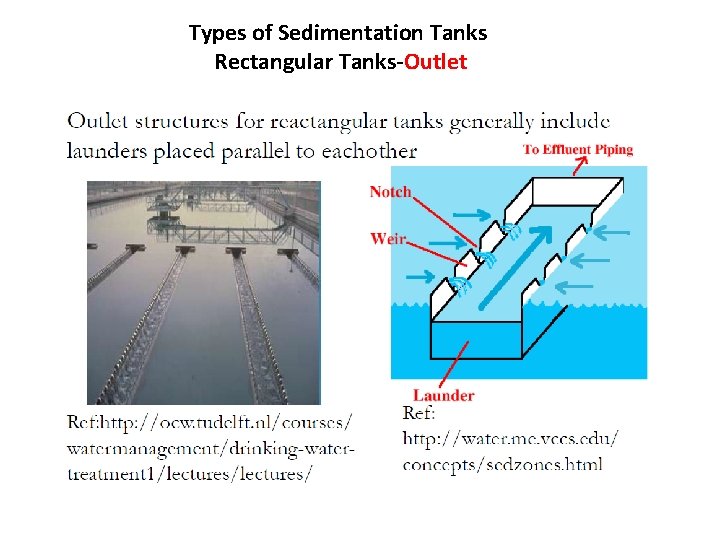
Types of Sedimentation Tanks Rectangular Tanks-Outlet
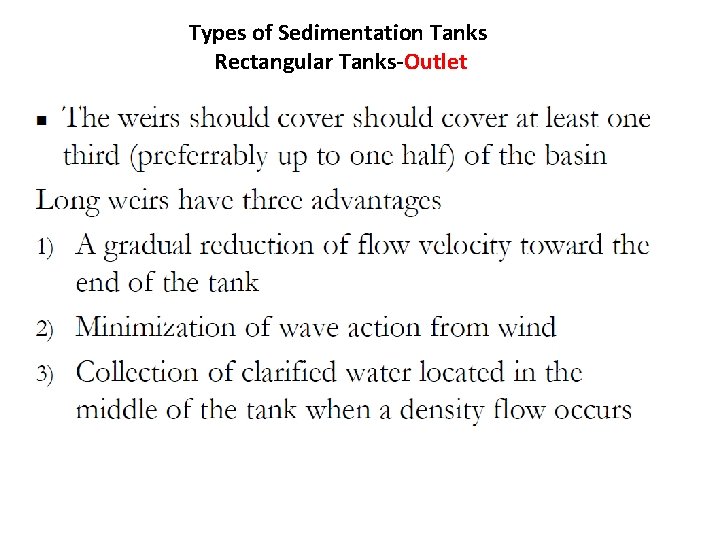
Types of Sedimentation Tanks Rectangular Tanks-Outlet
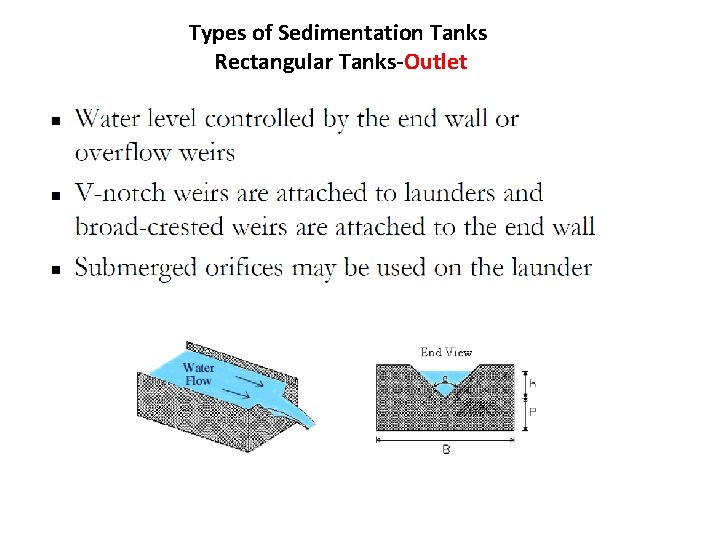
Types of Sedimentation Tanks Rectangular Tanks-Outlet
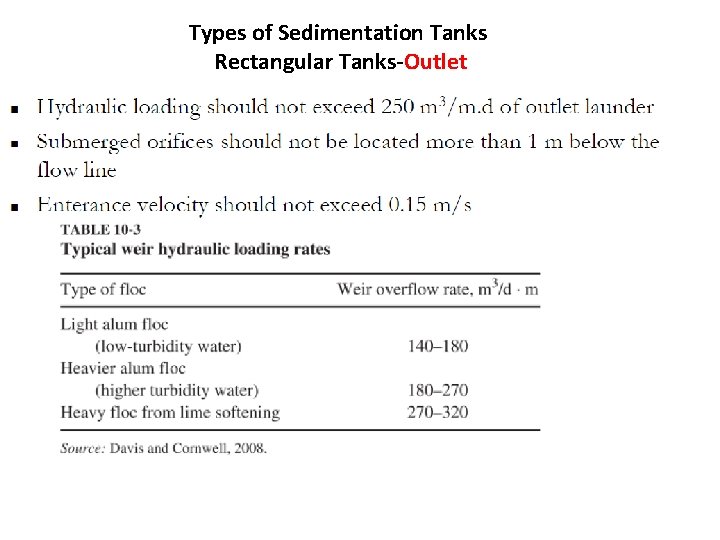
Types of Sedimentation Tanks Rectangular Tanks-Outlet
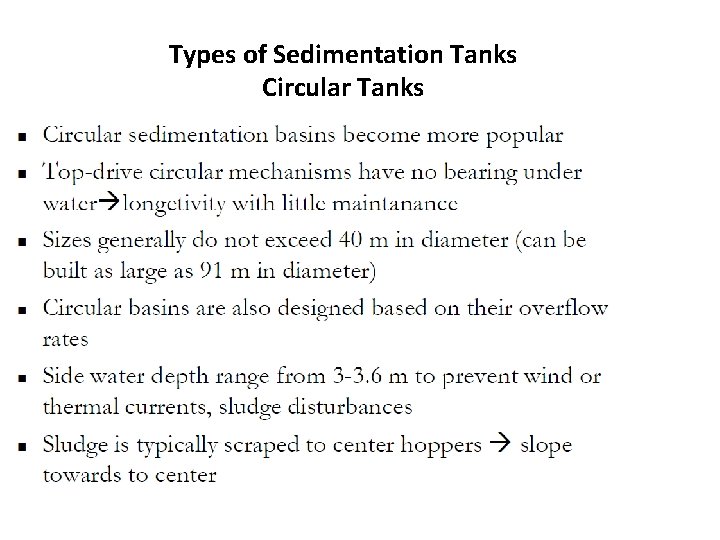
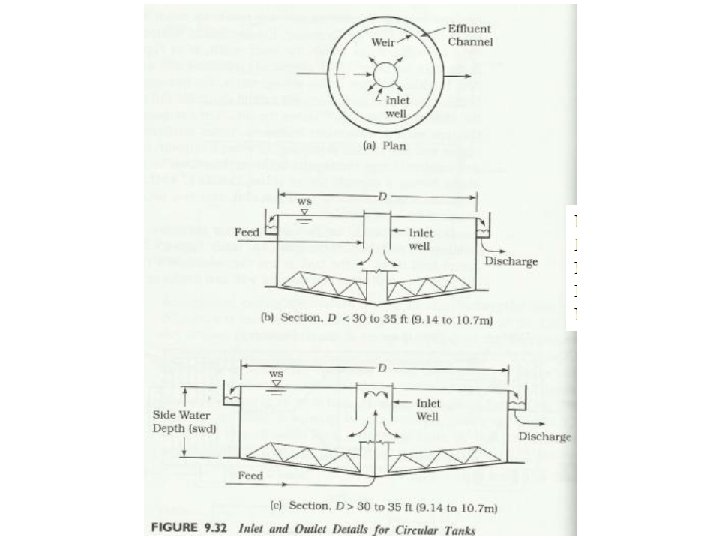
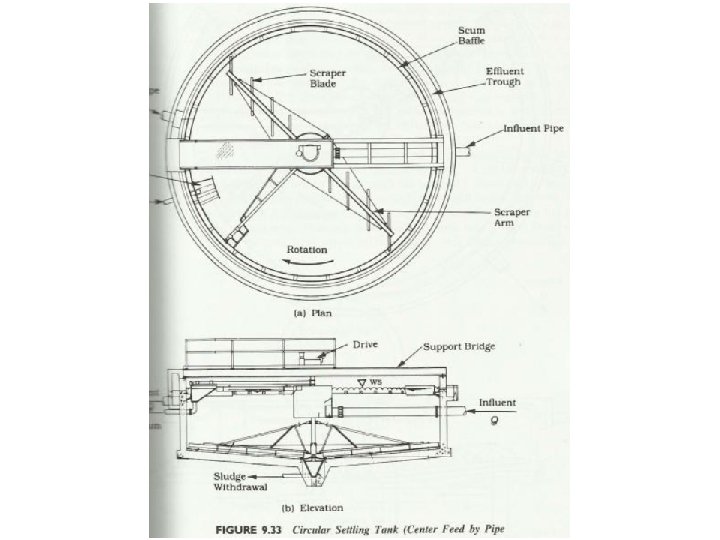
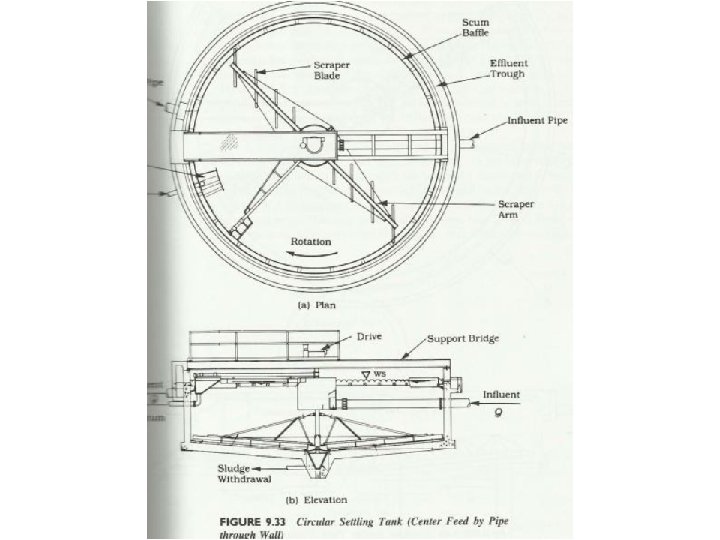
Types of Sedimentation Tanks Circular Tanks
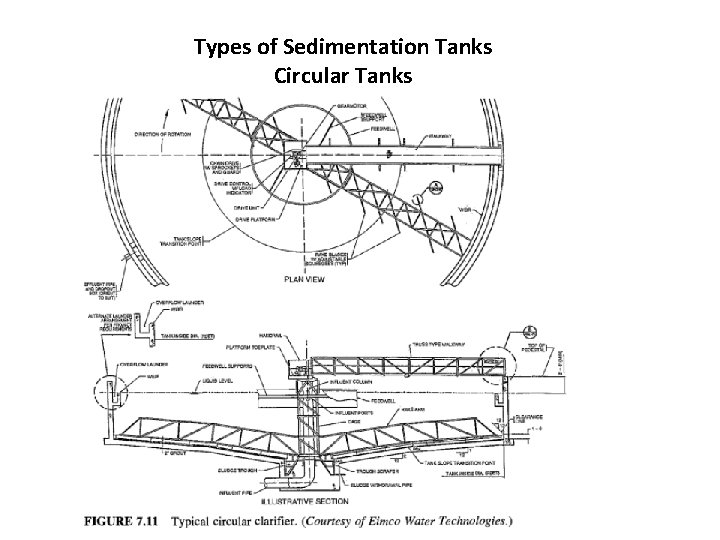
Types of Sedimentation Tanks Circular Tanks
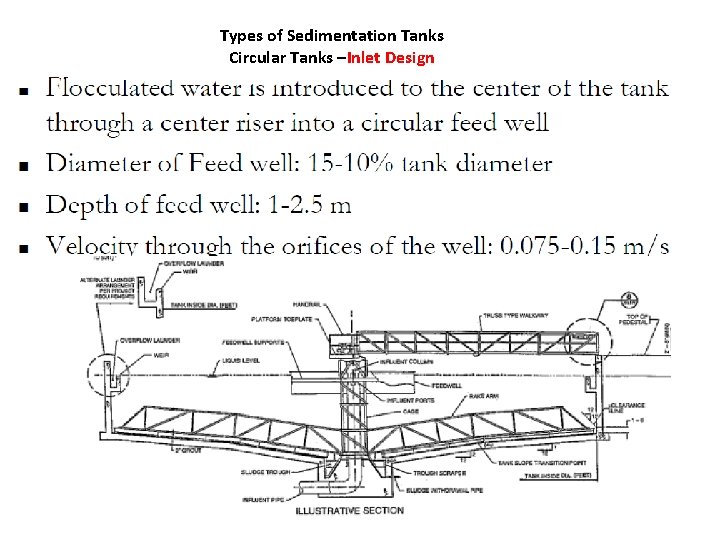
Types of Sedimentation Tanks Circular Tanks –Inlet Design
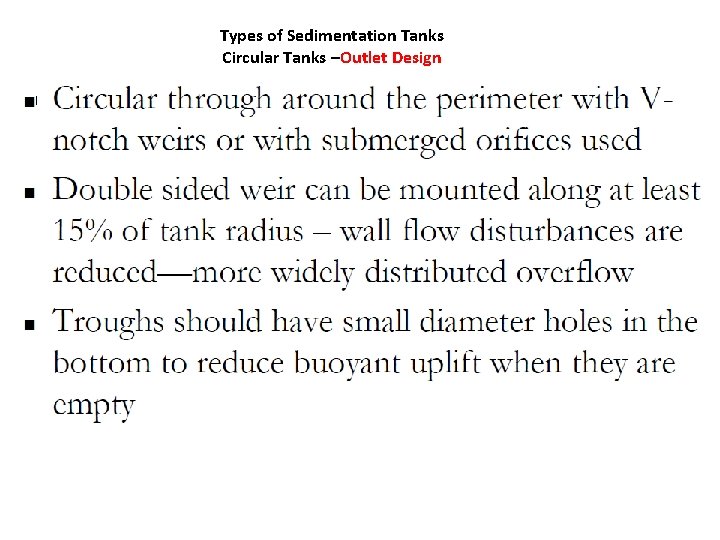
Types of Sedimentation Tanks Circular Tanks –Outlet Design
END