
Setting SMART Goals Agenda Alignment prioritization Types of
- Slides: 13
Setting SMART Goals
Agenda • • • Alignment & prioritization Types of goals Preparing the goal Readiness Making it SMART Making it happen
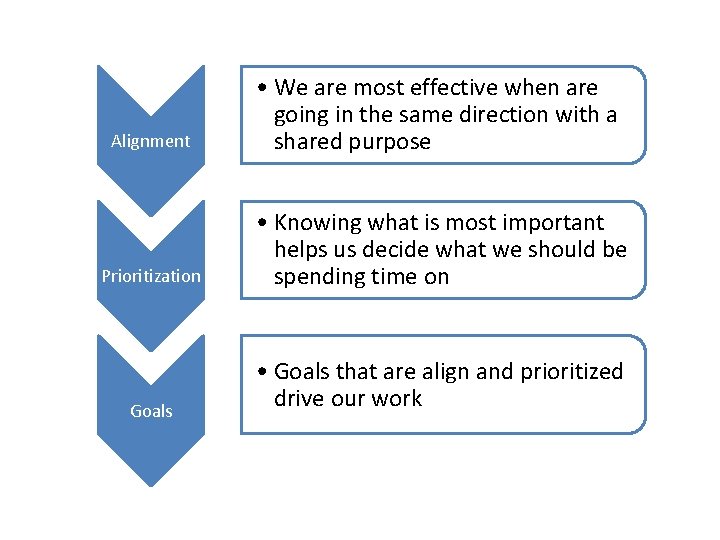
Alignment • We are most effective when are going in the same direction with a shared purpose Prioritization • Knowing what is most important helps us decide what we should be spending time on Goals • Goals that are align and prioritized drive our work
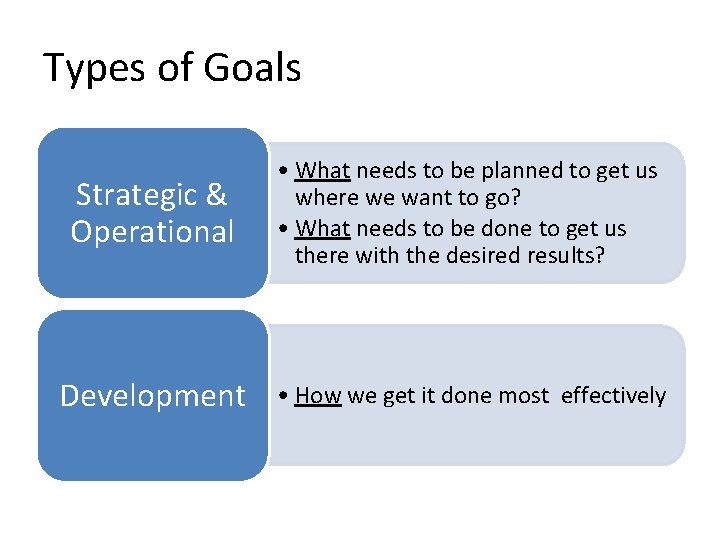
Types of Goals Strategic & Operational • What needs to be planned to get us where we want to go? • What needs to be done to get us there with the desired results? Development • How we get it done most effectively
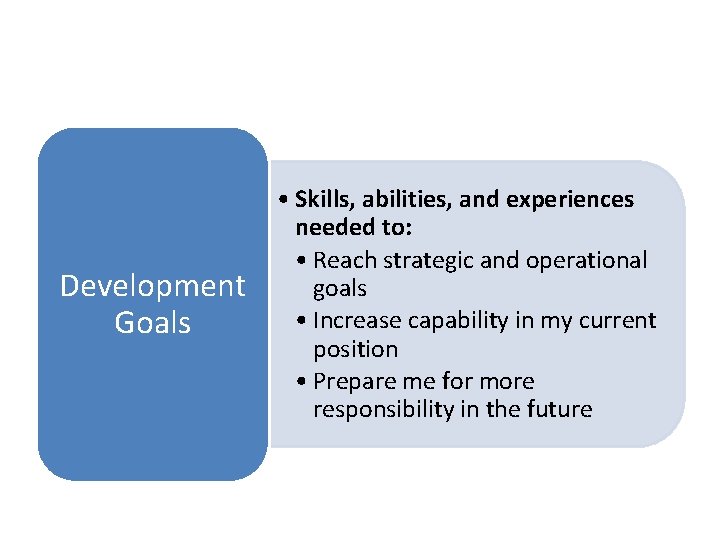
Development Goals • Skills, abilities, and experiences needed to: • Reach strategic and operational goals • Increase capability in my current position • Prepare me for more responsibility in the future
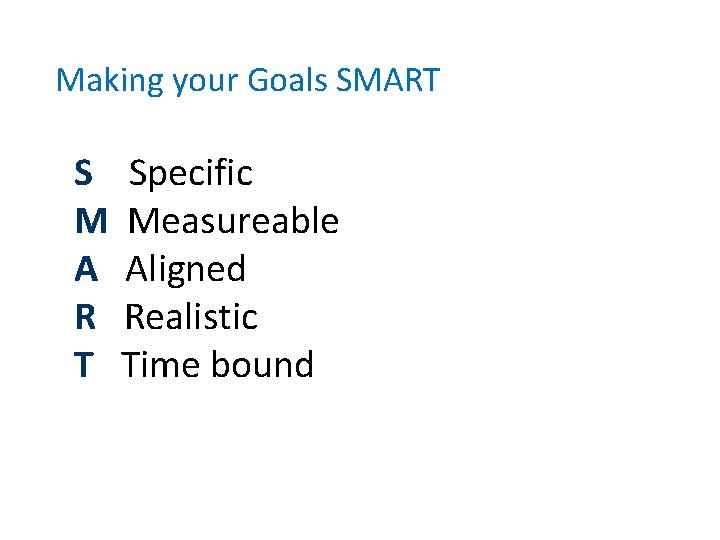
Making your Goals SMART S Specific M Measureable A Aligned R Realistic T Time bound
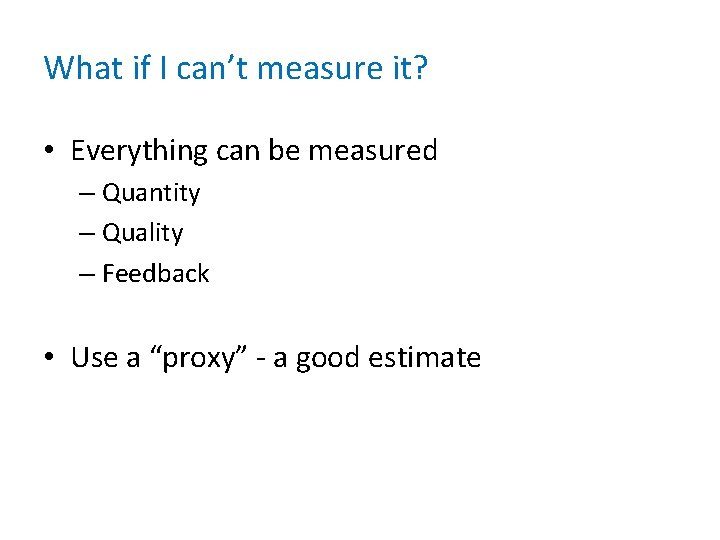
What if I can’t measure it? • Everything can be measured – Quantity – Quality – Feedback • Use a “proxy” - a good estimate
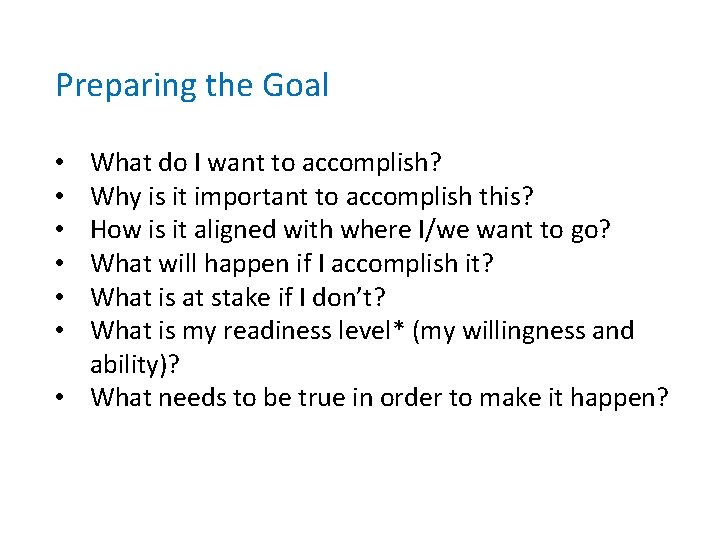
Preparing the Goal What do I want to accomplish? Why is it important to accomplish this? How is it aligned with where I/we want to go? What will happen if I accomplish it? What is at stake if I don’t? What is my readiness level* (my willingness and ability)? • What needs to be true in order to make it happen? • • •
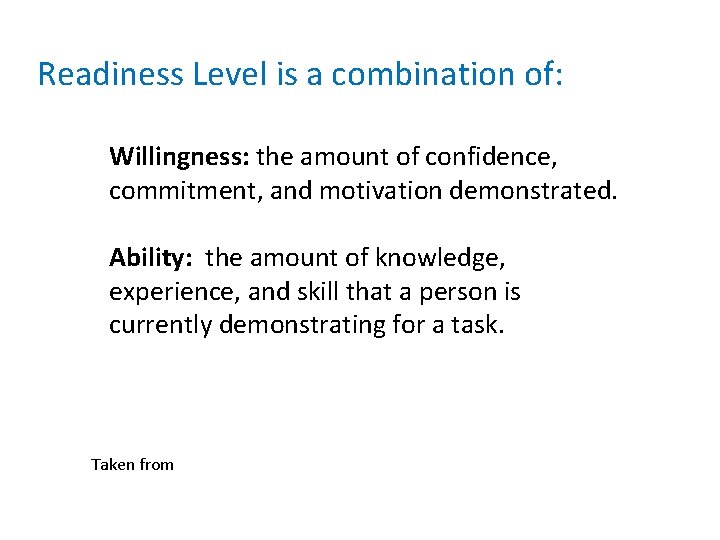
Readiness Level is a combination of: Willingness: the amount of confidence, commitment, and motivation demonstrated. Ability: the amount of knowledge, experience, and skill that a person is currently demonstrating for a task. Taken from
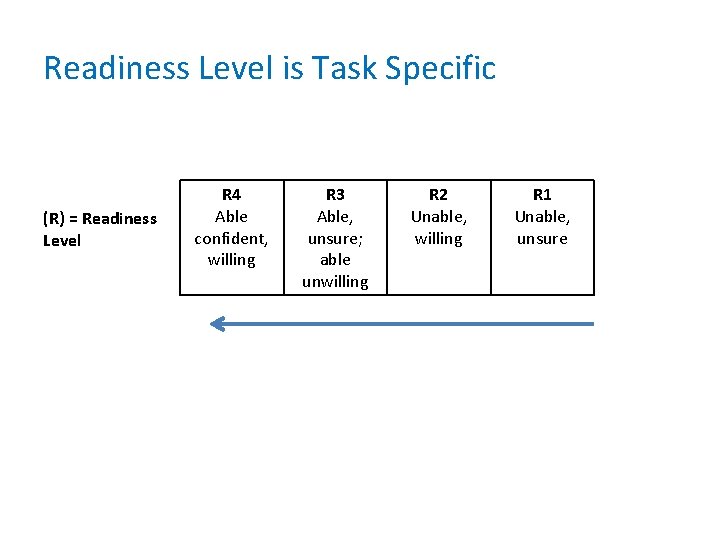
Readiness Level is Task Specific (R) = Readiness Level R 4 Able confident, willing R 3 Able, unsure; able unwilling R 2 Unable, willing R 1 Unable, unsure
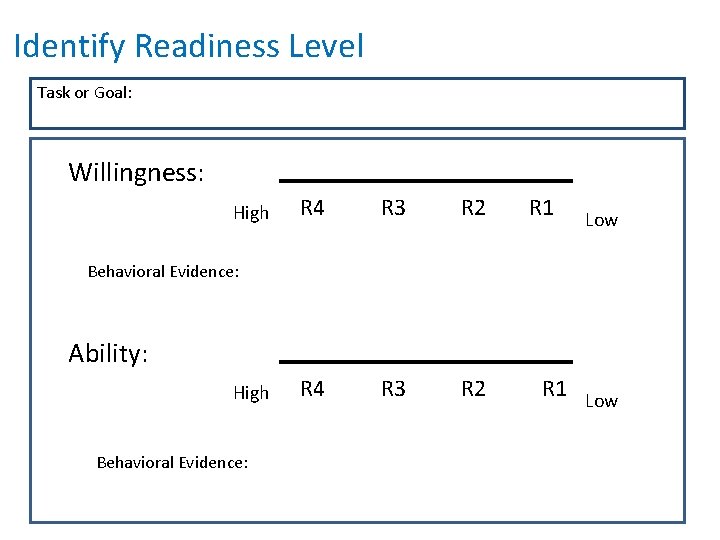
Identify Readiness Level Task or Goal: Willingness: High R 4 R 3 R 2 R 1 Low Behavioral Evidence: Ability: High Behavioral Evidence: R 1 Low
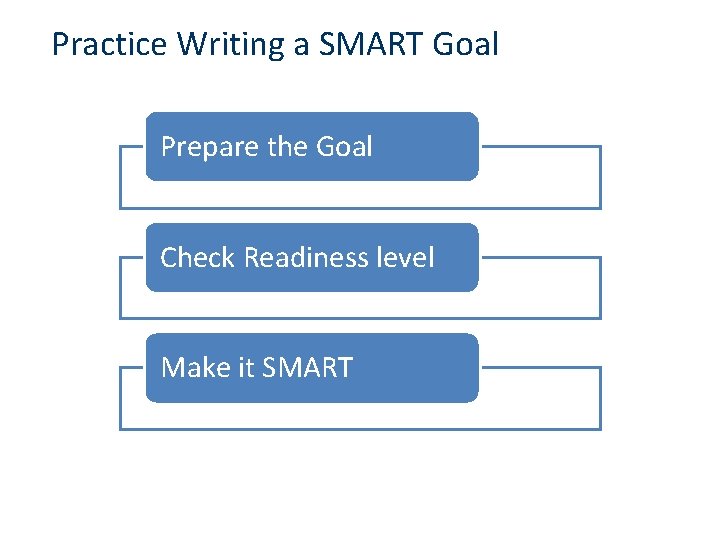
Practice Writing a SMART Goal Prepare the Goal Check Readiness level Make it SMART
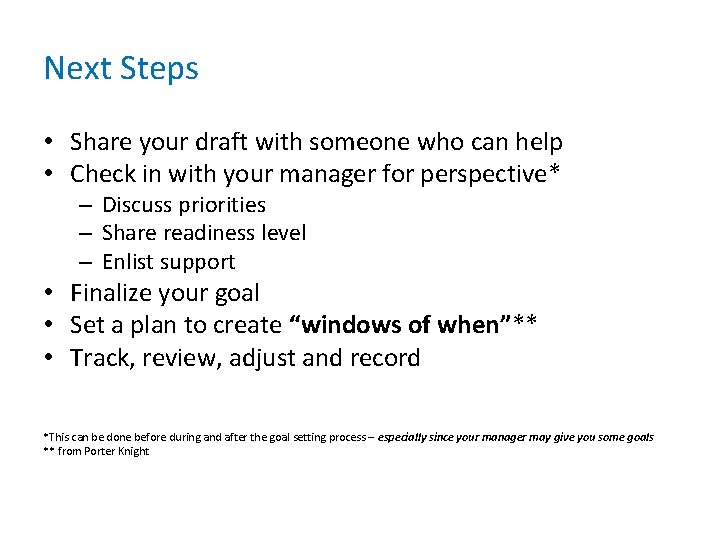
Next Steps • Share your draft with someone who can help • Check in with your manager for perspective* – Discuss priorities – Share readiness level – Enlist support • Finalize your goal • Set a plan to create “windows of when”** • Track, review, adjust and record *This can be done before during and after the goal setting process – especially since your manager may give you some goals ** from Porter Knight