
SESSION 1 Understanding ASD TIME OUT FOR PARENTS





- Slides: 88
SESSION 1 Understanding ASD
TIME OUT FOR PARENTS AIMS TO: • Increase your understanding of ASD • Identify suitable interventions and therapies for your child • Work out the best ways to manage challenging behaviour • Provide the tools needed to better support your child
SESSION PLAN • • • What is ASD? Interventions and therapies Sensory difficulties Reflection Focus for the week
WHAT IS ASD? Autism is a lifelong developmental disorder that affects the way a person communicates and relates to people around them.
DIFFERING AND DUAL DIAGNOSES • • Autism spectrum disorder Pervasive developmental disorder Asperger syndrome Dyspraxia Sensory processing disorder Communication disorder ADHD Pathological demand avoidance
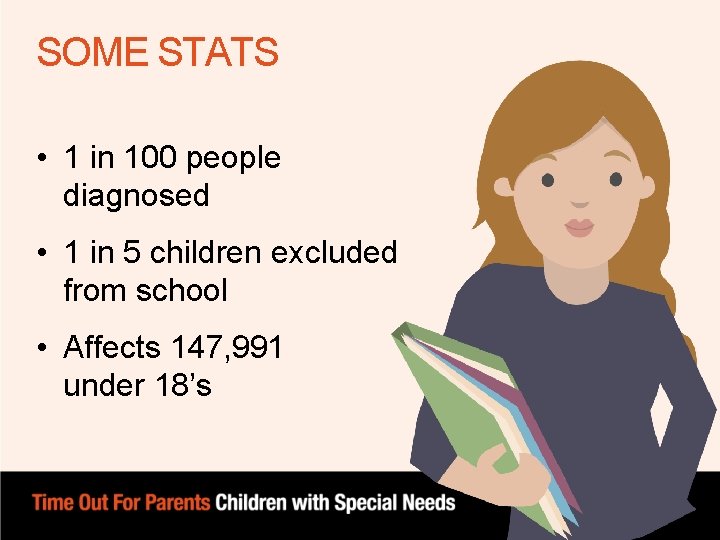
SOME STATS • 1 in 100 people diagnosed • 1 in 5 children excluded from school • Affects 147, 991 under 18’s
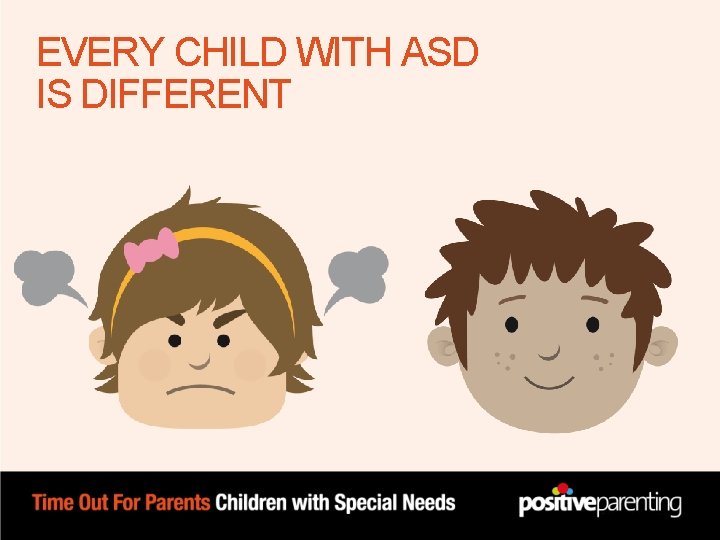
EVERY CHILD WITH ASD IS DIFFERENT
FEATURES OF ASD All those with ASD have some degree of difficulty in these areas: • Sensory processing difficulties • Social communication and social interaction • Thinking differences • Restricted and repetitive behaviours and interests
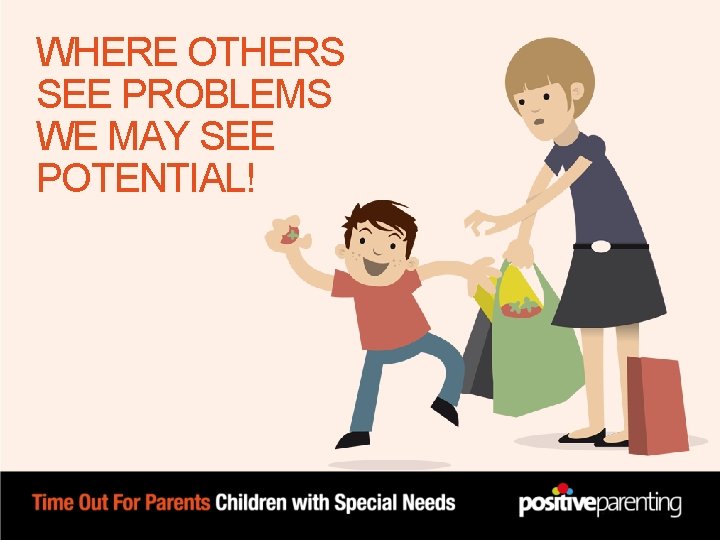
WHERE OTHERS SEE PROBLEMS WE MAY SEE POTENTIAL!
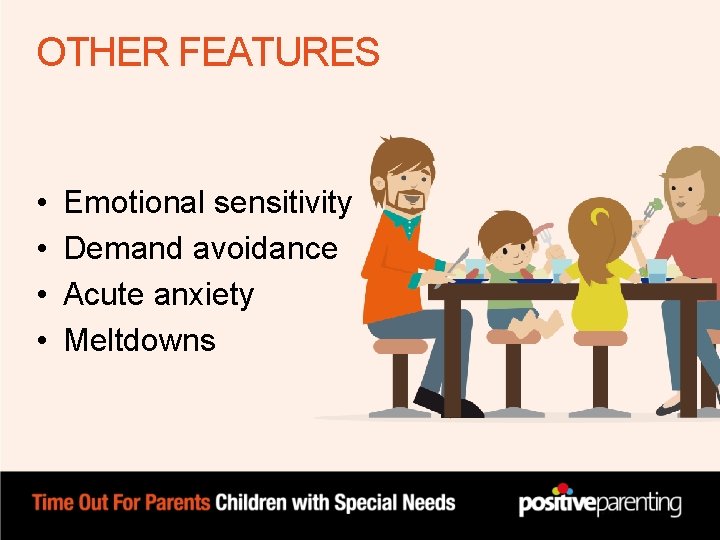
OTHER FEATURES • • Emotional sensitivity Demand avoidance Acute anxiety Meltdowns
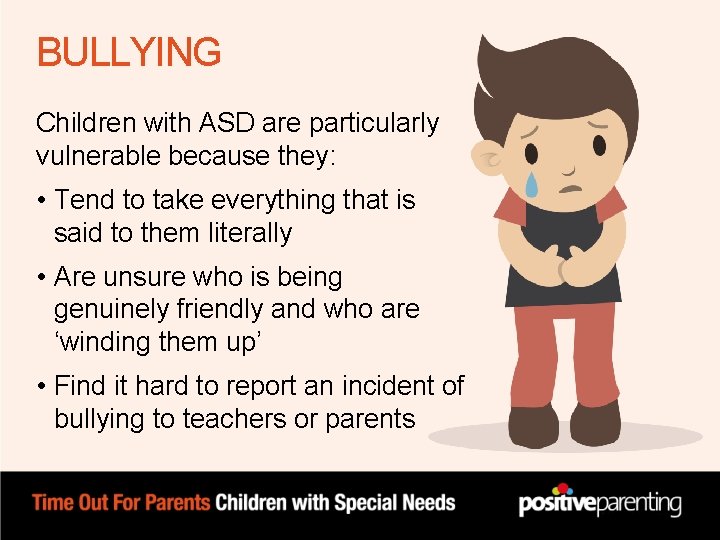
BULLYING Children with ASD are particularly vulnerable because they: • Tend to take everything that is said to them literally • Are unsure who is being genuinely friendly and who are ‘winding them up’ • Find it hard to report an incident of bullying to teachers or parents
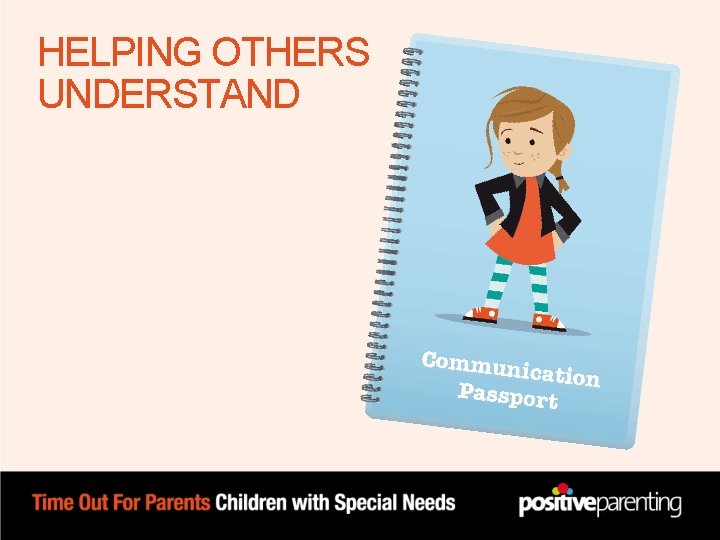
HELPING OTHERS UNDERSTAND
WHAT CAUSES ASD?
NOTHING TO DO WITH POOR PARENTING?
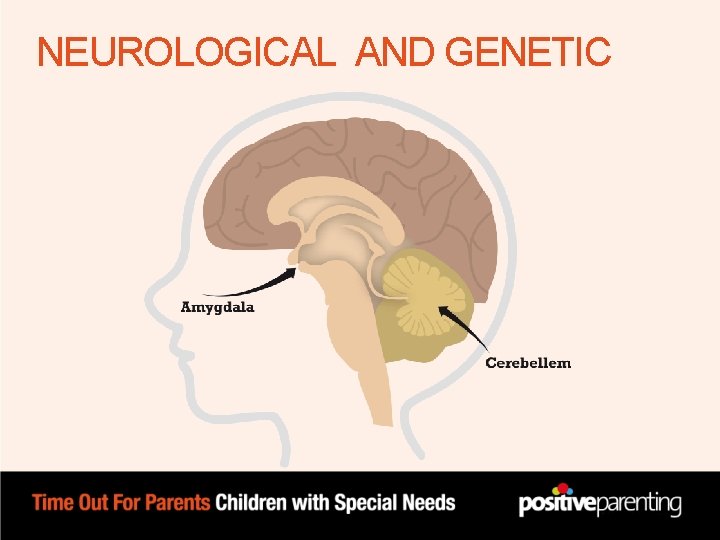
NEUROLOGICAL AND GENETIC
“Accept difference, not indifference. ” The National Autistic Society
BREAK
INTERVENTIONS AND THERAPIES “There is no known ‘cure’ for autism. This does not mean, however, that nothing can be done for a person with autism. There is a growing movement among adults with autism who don't think in terms of ‘curing’ autism but, instead, of celebrating difference. ” The National Autistic Society
“Autism is both a disability and a difference. We need to find ways of alleviating the disability while respecting and valuing the difference. ” Professor Simon Baron-Cohen
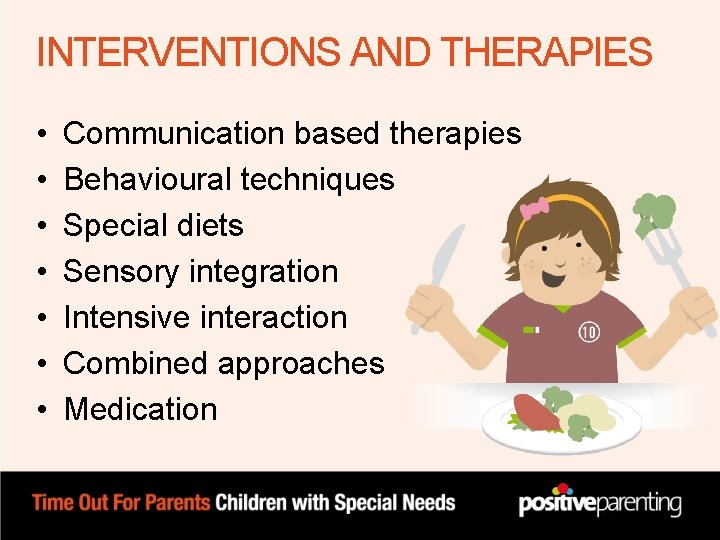
INTERVENTIONS AND THERAPIES • • Communication based therapies Behavioural techniques Special diets Sensory integration Intensive interaction Combined approaches Medication
PRINCIPLES OF BEHAVIOUR MANAGEMENT • • Routines Consistent rules Clear instructions Reward good behaviour No reward for undesirable behaviour Identify triggers Identify sensory difficulties Keep calm
WE NEED TO BE DETECTIVES!
SENSORY PROCESSING DIFFICULTIES What do we mean by the senses?
OTHER SENSES Vestibular system • Area in the inner ear that controls our balance Proprioceptive system • Sensors in our joints and muscles that tell us our body position
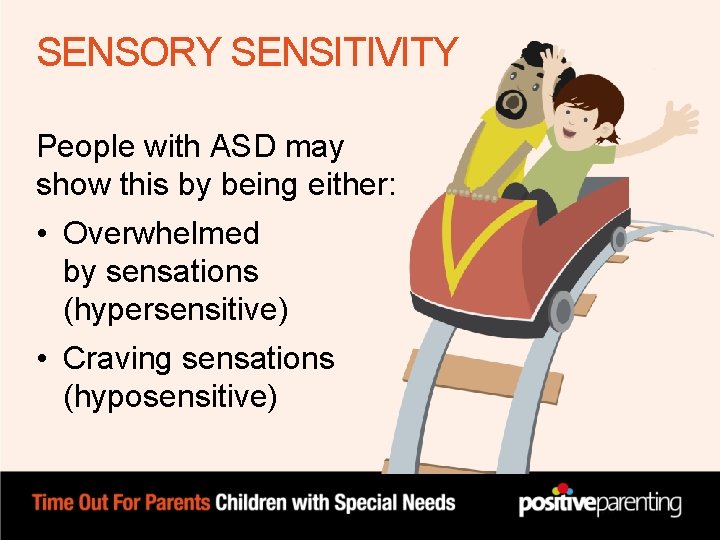
SENSORY SENSITIVITY People with ASD may show this by being either: • Overwhelmed by sensations (hypersensitive) • Craving sensations (hyposensitive)
IDENTIFYING SENSORY DIFFICULTIES Identifying and compiling a list of your child’s sensory likes and dislikes will be a great help in understanding and managing their difficulties.
SENSORY PROCESSING DIFFERENCES • • • Sight Hearing Touch Taste/smell Balance Body awareness
REFLECTION • We have got to know each other a bit. • I have explained the aims of the course. • We have started to understand what ASD is. • We have considered the features of ASD. • We have considered some of the interventions. • We have focussed on sensory issues.
FOCUS FOR THE WEEK • Compile a list of your child’s sensory likes and dislikes to share with teachers and family members. • Draw up a list of things to avoid and things that can be used as rewards for acceptable behaviour.
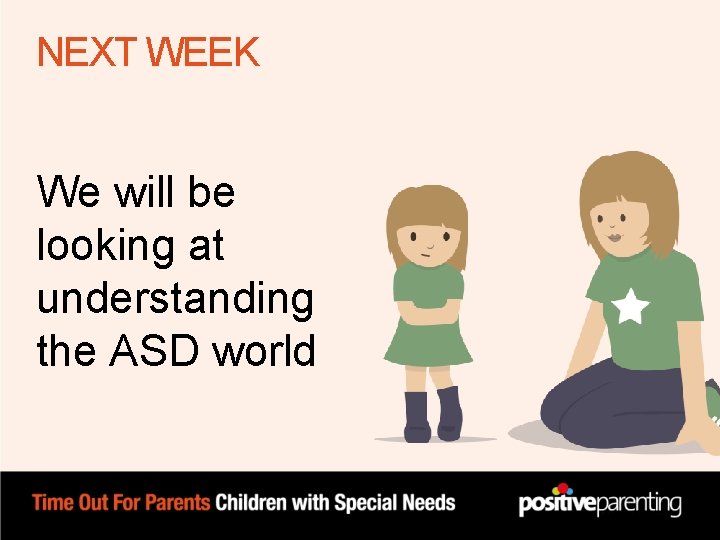
NEXT WEEK We will be looking at understanding the ASD world
SESSION 2 Understanding the ASD world
SESSION PLAN • • Too much information Communication Social interaction Thinking differences Anxiety Reflection Focus for the week
UNDERSTANDING THE ASD WORLD Too much information
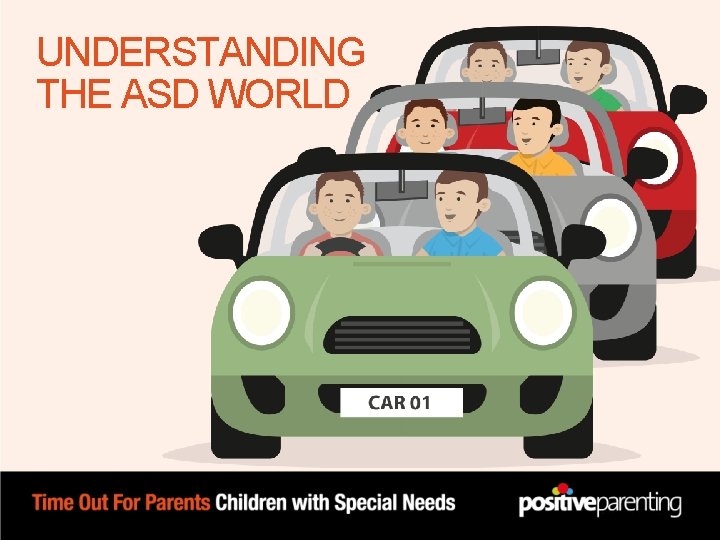
UNDERSTANDING THE ASD WORLD
UNDERSTANDING THE ASD WORLD Communication
UNDERSTANDING THE ASD WORLD Remember that someone on the autism spectrum will always have greater difficulty in understanding what is meant, and try to make allowances for this.
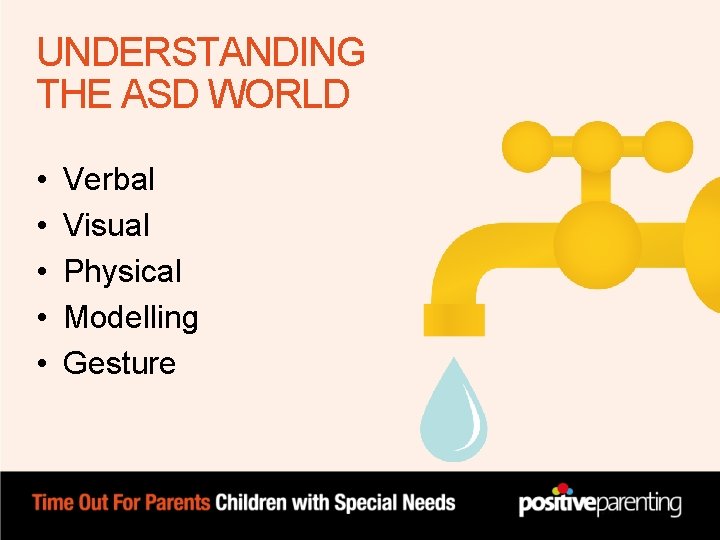
UNDERSTANDING THE ASD WORLD • • • Verbal Visual Physical Modelling Gesture
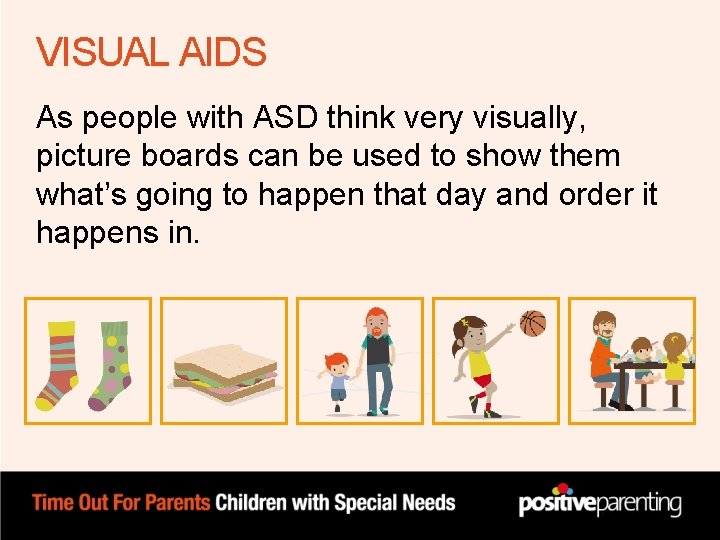
VISUAL AIDS As people with ASD think very visually, picture boards can be used to show them what’s going to happen that day and order it happens in.
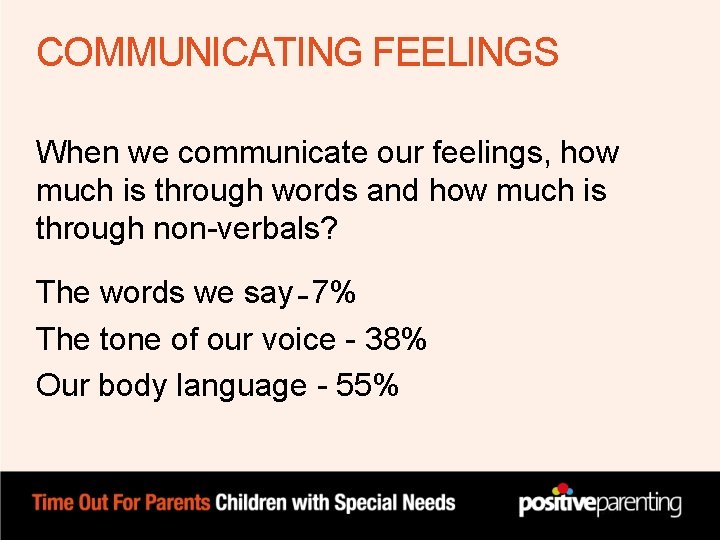
COMMUNICATING FEELINGS When we communicate our feelings, how much is through words and how much is through non-verbals? The words we say 7% The tone of our voice - 38% Our body language - 55%
UNDERSTANDING THE ASD WORLD Social interaction
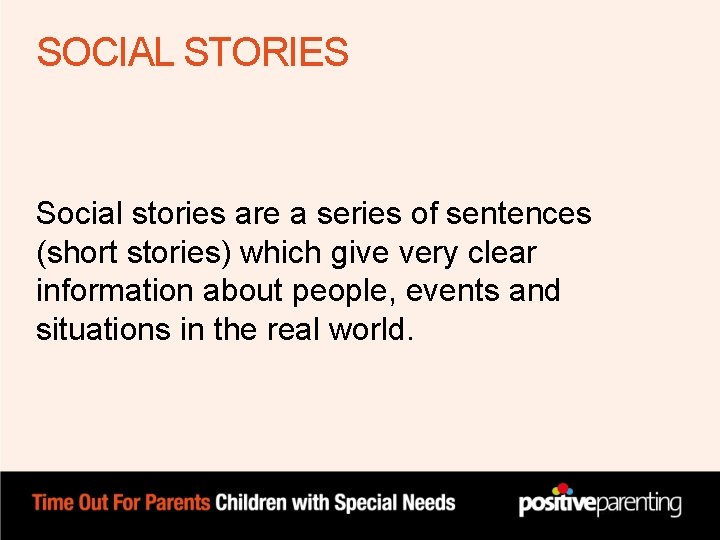
SOCIAL STORIES Social stories are a series of sentences (short stories) which give very clear information about people, events and situations in the real world.
BREAK
UNDERSTANDING THE ASD WORLD Thinking differences
DEVELOPING THEORY OF MIND SKILLS
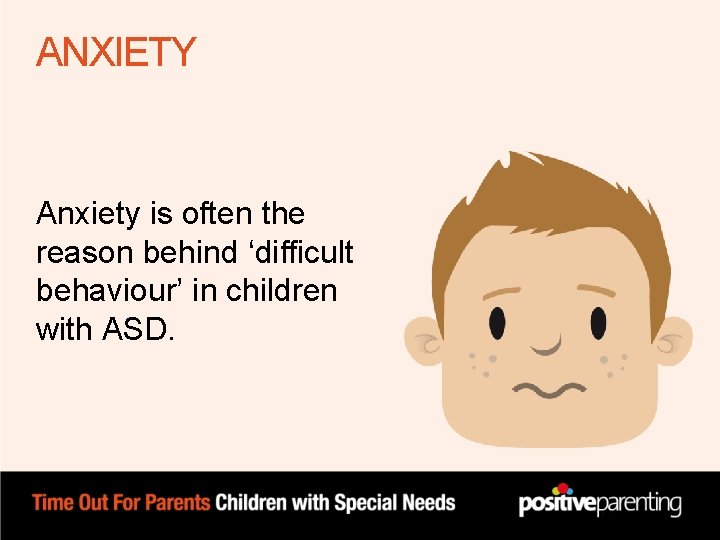
ANXIETY Anxiety is often the reason behind ‘difficult behaviour’ in children with ASD.
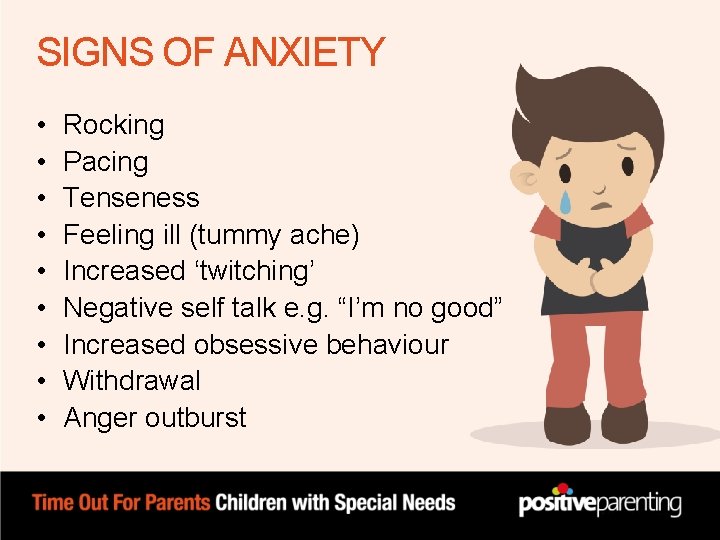
SIGNS OF ANXIETY • • • Rocking Pacing Tenseness Feeling ill (tummy ache) Increased ‘twitching’ Negative self talk e. g. “I’m no good” Increased obsessive behaviour Withdrawal Anger outburst
ANXIETY • Can you think why your child might be anxious in these situations? • How does this relate to the things we have learned in the last two weeks?
REFLECTION • We have looked in detail at the communication difficulties, social interaction and thinking differences of children with ASD. • We have considered ways in which we can help our child in these three areas. • We have looked at anxiety and its effect on the child and carer.
FOCUS FOR THE WEEK • Take something from today that you have found useful, make a note in your handbook and try it at home. • List your child’s behaviours that particularly concern you for us to look at in the next session.
NEXT WEEK We will be looking at managing repetitive behaviours and restrictive and special interests
SESSION 3 Managing repetitive behaviours and restrictive and special interests
SESSION PLAN • • Behaviours that annoy or worry Repetitive behaviours Restricted interests Special interests Self-esteem Reflection Focus for the week
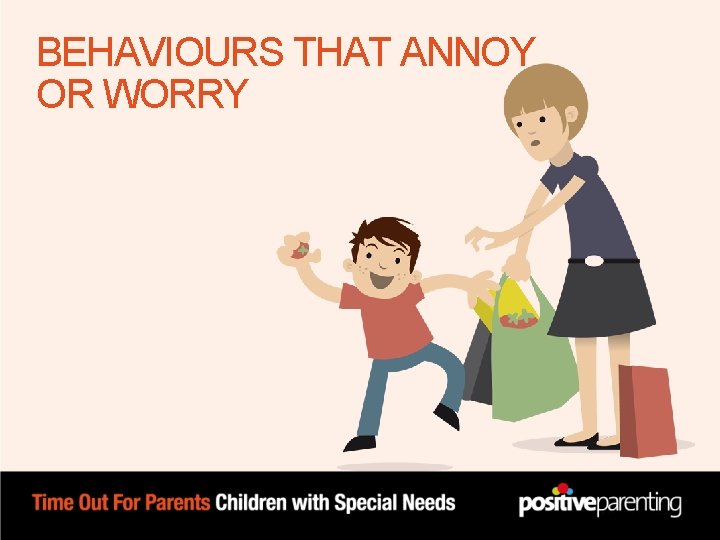
BEHAVIOURS THAT ANNOY OR WORRY
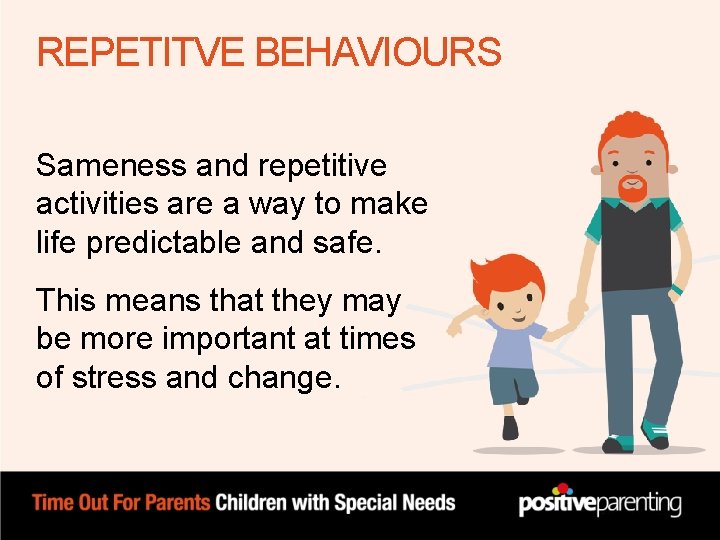
REPETITVE BEHAVIOURS Sameness and repetitive activities are a way to make life predictable and safe. This means that they may be more important at times of stress and change.
RESTRICTED INTERESTS AND RESISTENCE TO CHANGE
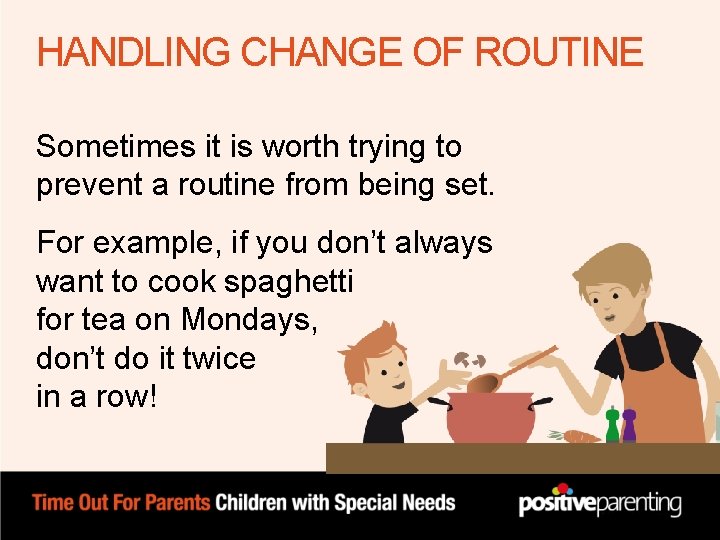
HANDLING CHANGE OF ROUTINE Sometimes it is worth trying to prevent a routine from being set. For example, if you don’t always want to cook spaghetti for tea on Mondays, don’t do it twice in a row!
BREAK
SPECIAL INTERESTS
SPECIAL INTERESTS About 10% of children with ASD have some special skill at a much higher level than their general ability. Examples are music, art, maths, or spatial awareness.
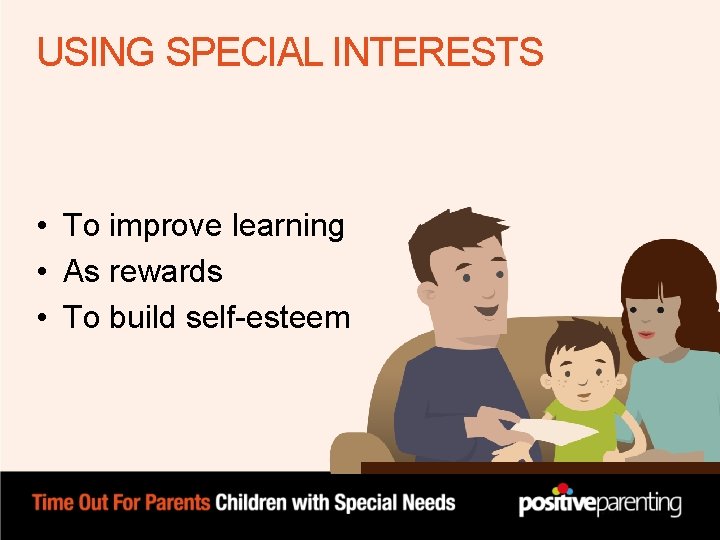
USING SPECIAL INTERESTS • To improve learning • As rewards • To build self-esteem
DISCOURAGING OBSESSIVE INTERESTS • Refusing access to a special interest can cause huge problems. • Use a clock or timer to time limit an activity. • Provide them with a timetable or visual explanation as to when they can return to their favourite pastime. • Give your child something else to do that they will enjoy while they are waiting.
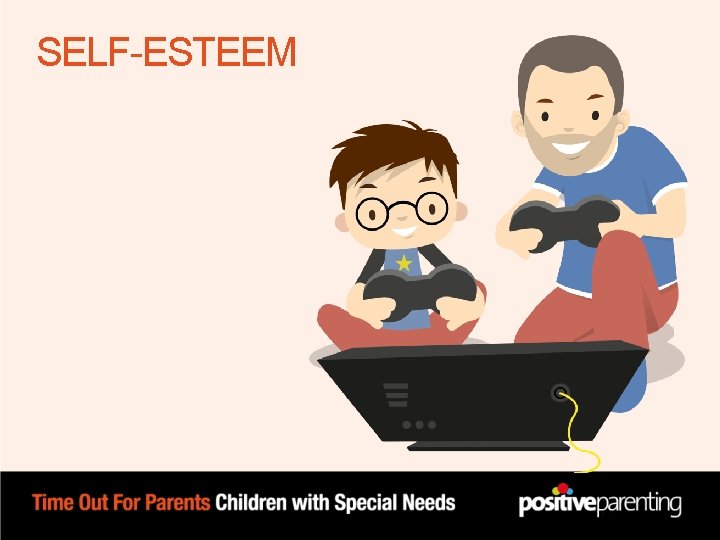
SELF-ESTEEM
REFLECTION • We have looked in detail at restricted and repetitive behaviour and interests and special interests. • We have considered when to allow repetition and routine and when to discourage unhelpful activities. • We have looked at special interests and their effects for the child and carer.
FOCUS FOR THE WEEK • Take something from today that you have found useful, make a note in your handbook and try it at home. • Share with your child the things you have identified that you love about them.
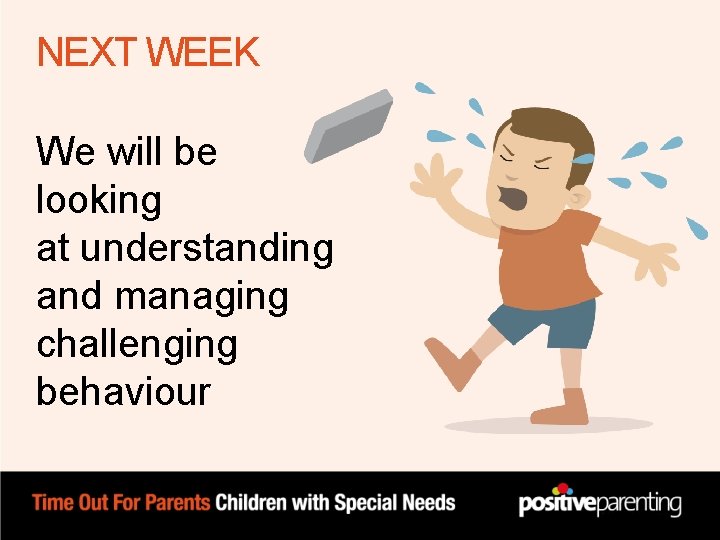
NEXT WEEK We will be looking at understanding and managing challenging behaviour
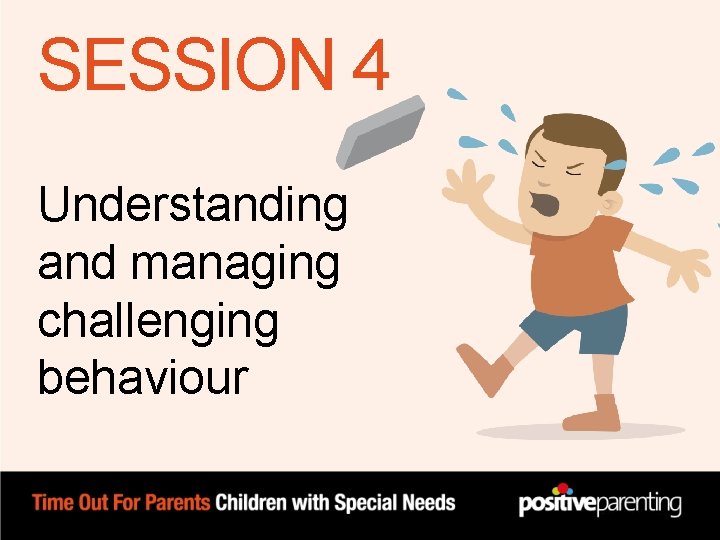
SESSION 4 Understanding and managing challenging behaviour
SESSION PLAN • • Challenging behaviours Pathological demand avoidance Problem behaviours Meltdowns There is always a reason Not all negative! Reflection
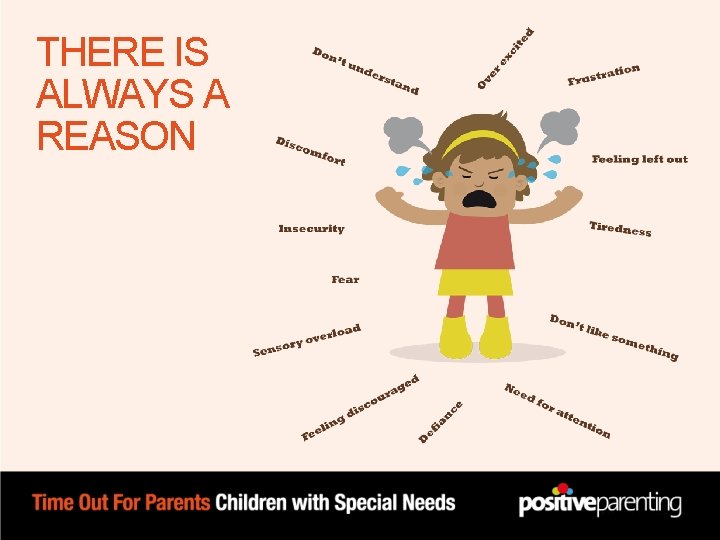
CHALLENGING BEHAVIORS • All behaviour has a reason, but it’s not always obvious. • Children ‘act out’ their needs and feelings. • It could be called a form of communication.
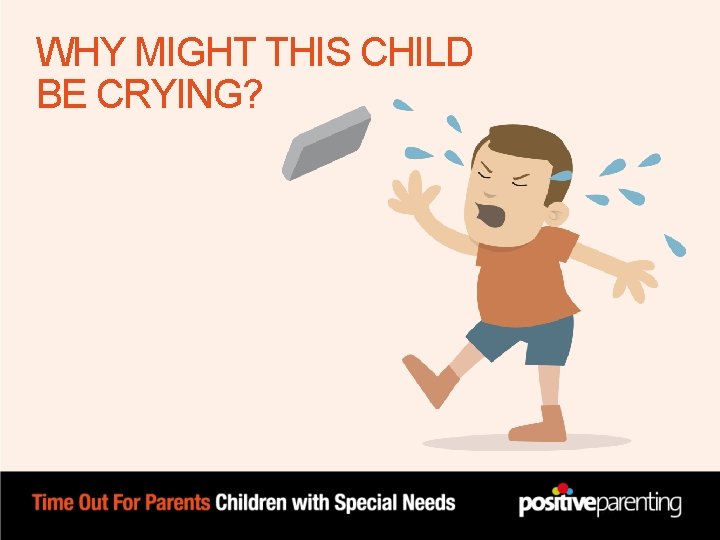
WHY MIGHT THIS CHILD BE CRYING?
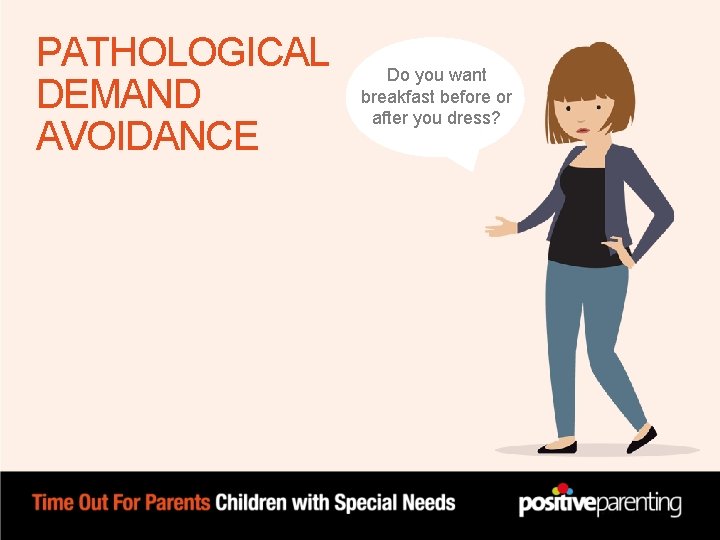
PATHOLOGICAL DEMAND AVOIDANCE Do you want breakfast before or after you dress?
PATHOLOGICAL DEMAND AVOIDANCE • Resists all ordinary demands obsessively • Sudden excessive mood swings • Obsessive behaviour often focussed on real or imagined people • Finds role play/pretending comforting
MANAGING OPPOSITIONAL BEHAVIOUR
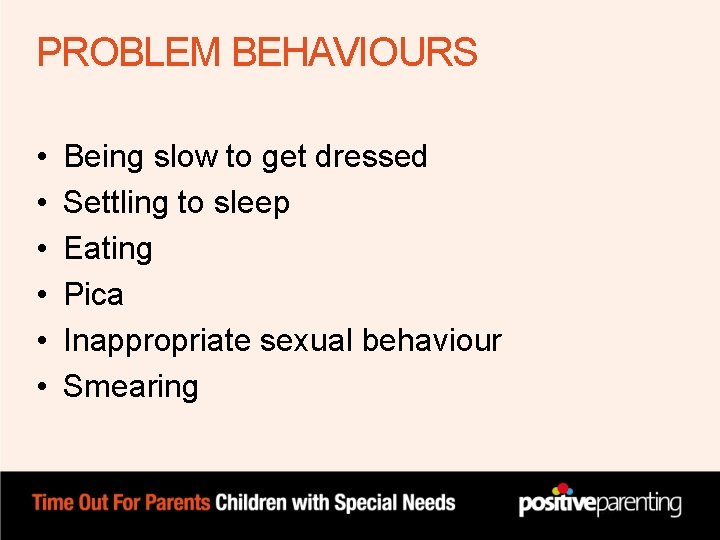
PROBLEM BEHAVIOURS • • • Being slow to get dressed Settling to sleep Eating Pica Inappropriate sexual behaviour Smearing
BREAK
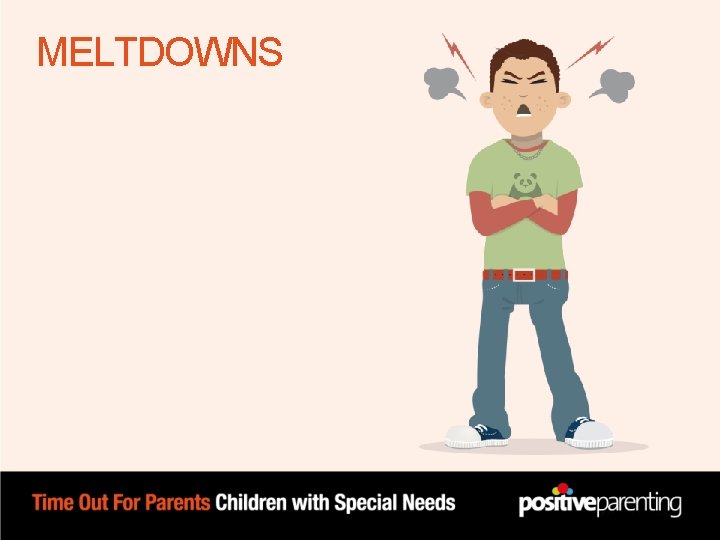
MELTDOWNS
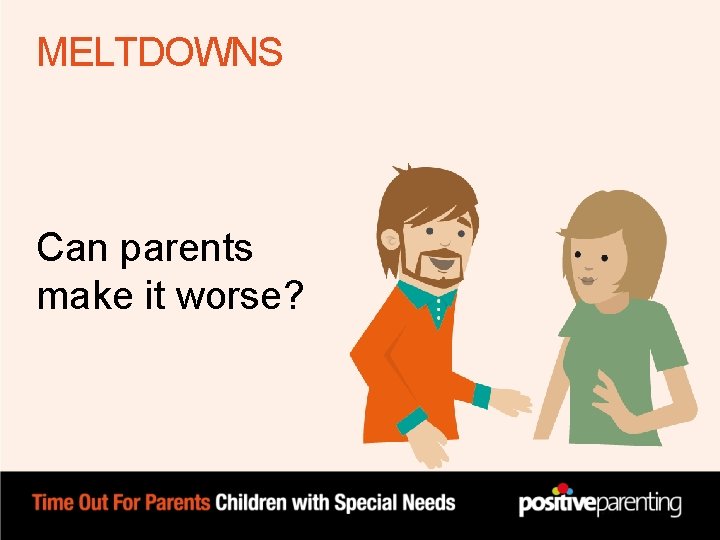
MELTDOWNS Can parents make it worse?
MELTDOWNS Recovery stage: • Get the child to a safe room, somewhere the child can gain control • After the attack children are often very tired and sorry • They will need support and reassurance
MELTDOWNS • How do you feel when your child gets into a meltdown? • What do you find yourself doing that might be making it worse?
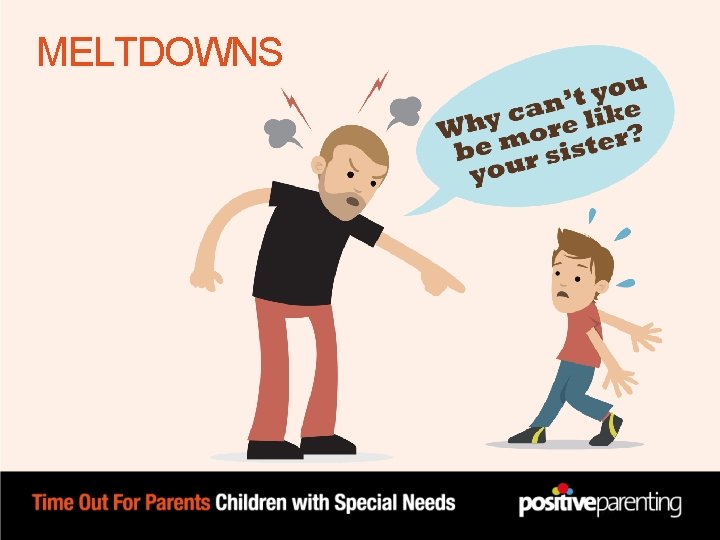
MELTDOWNS
THERE IS ALWAYS A REASON
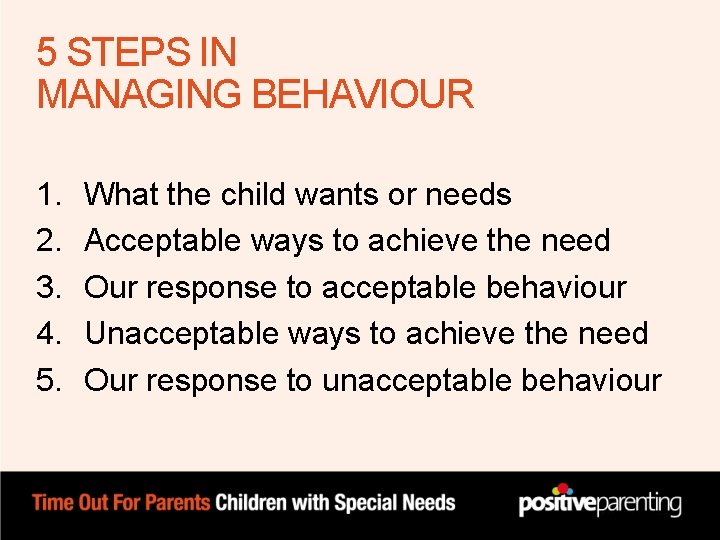
5 STEPS IN MANAGING BEHAVIOUR 1. 2. 3. 4. 5. What the child wants or needs Acceptable ways to achieve the need Our response to acceptable behaviour Unacceptable ways to achieve the need Our response to unacceptable behaviour
WHICH STRATEGY TO USE? Some behaviours are best ignored. Some need us to step in to help remove a difficulty or anxiety. Some need more direct discipline. Wisdom is in knowing when!
NOT ALL NEGATIVE
NOT ALL NEGATIVE Often our children: • Are honest and truthful • Have exceptional memories • Are reliable and punctual • Will focus on a task • Are less affected by social pressures • Enjoy their own company
REFLECTION • We looked at behaviours that are typical of all children and looked at behaviours which are more typical of children with ASD. • We considered ways to manage ASD behaviour better, using information from previous sessions.
REFLECTION • What have you enjoyed most about the course? • What is the main thing you learnt from the course? • Name one hope that you have for your family’s future.
THANK YOU FOR COMING www. careforthefamily. org. uk