
Session 1 Steps in planning cost data collection


- Slides: 17
Session 1: Steps in planning cost data collection Developing a cost data collection protocol Carol Levin, Ph. D Department of Global Health
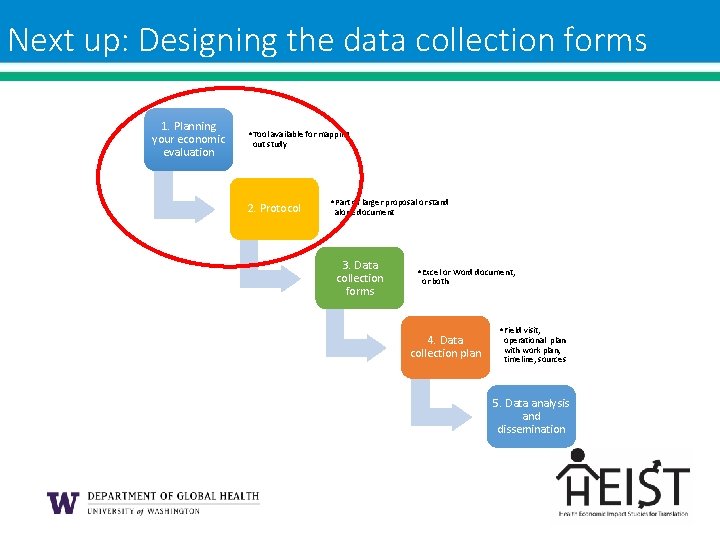
Next up: Designing the data collection forms 1. Planning your economic evaluation • Tool available for mapping out study 2. Protocol • Part of larger proposal or stand alone document 3. Data collection forms • Excel or Word document, or both 4. Data collection plan • Field visit, operational plan with work plan, timeline, sources 5. Data analysis and dissemination
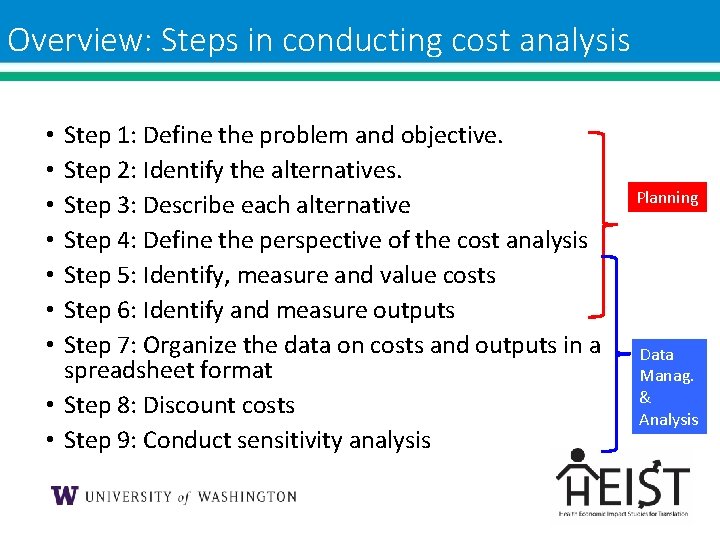
Overview: Steps in conducting cost analysis Step 1: Define the problem and objective. Step 2: Identify the alternatives. Step 3: Describe each alternative Step 4: Define the perspective of the cost analysis Step 5: Identify, measure and value costs Step 6: Identify and measure outputs Step 7: Organize the data on costs and outputs in a spreadsheet format • Step 8: Discount costs • Step 9: Conduct sensitivity analysis • • Planning Data Manag. & Analysis
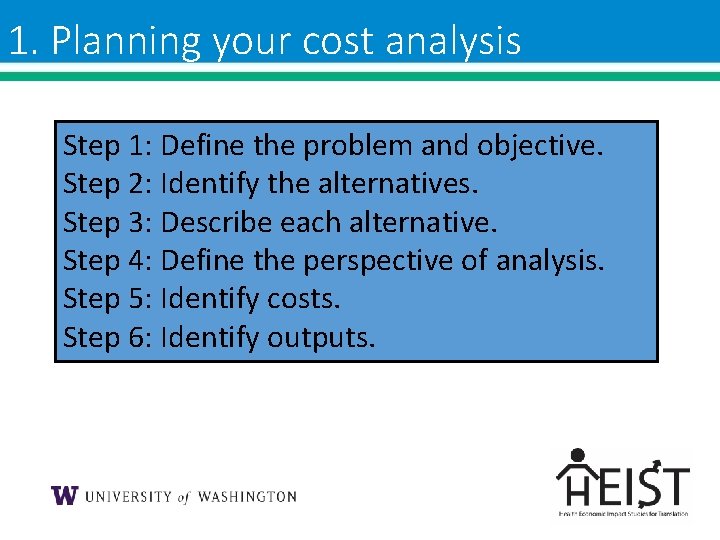
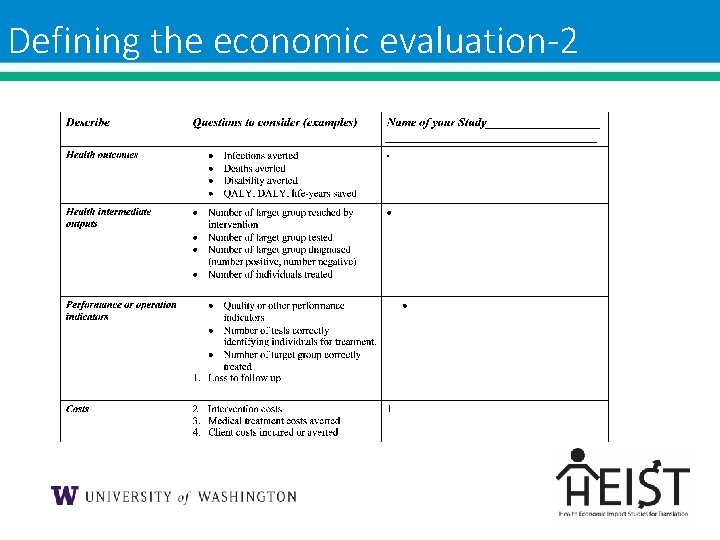
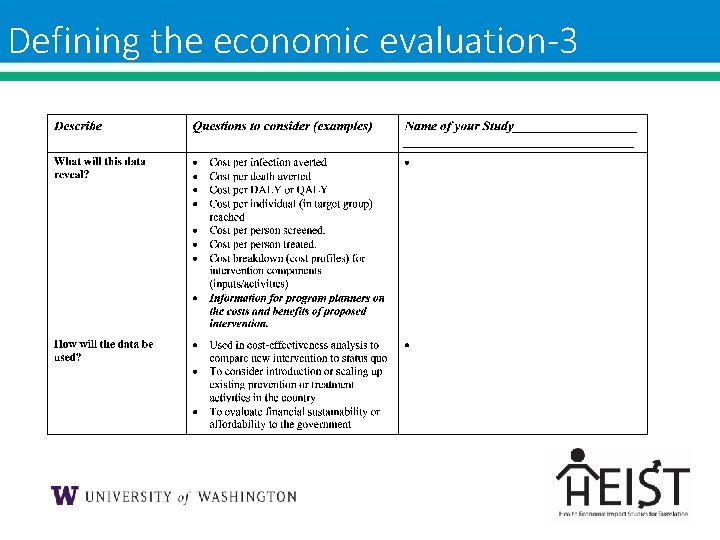
1. Planning your cost analysis Step 1: Define the problem and objective. Steps 1 -4, and parts of steps 5 and 6 Step 2: Identify the alternatives. • Is your cost a stand alone study or part of a clinical Step 3: demonstration Describe eachproject? alternative. trial or Step 4: Define the perspective analysis. • Think about the components of yourof costs study • Step Map 5: out. Identify the costs. analysis components Identify. Your outputs. • Step Tool: 6: Defining Economic Evaluation study
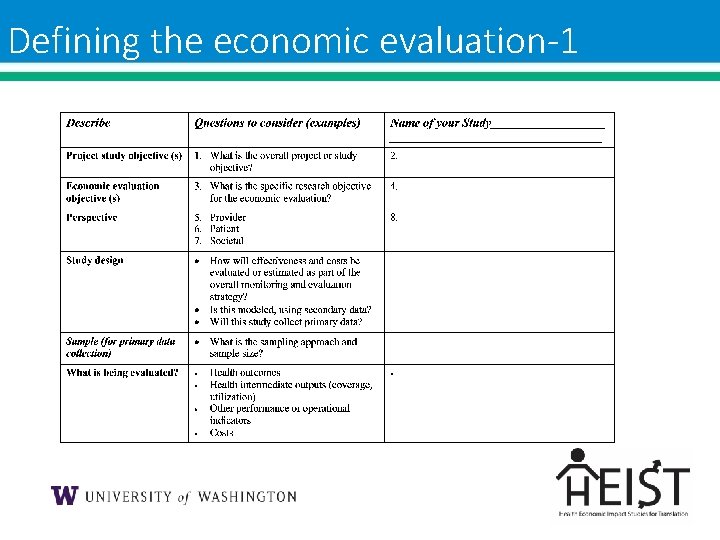
Defining the economic evaluation-1
Defining the economic evaluation-2
Defining the economic evaluation-3
2. The protocol • Keep it simple! • The protocol is developed after funding is secured. • Typically costing or cost-effectiveness is part of aim 3 of NIH proposals. • Very abbreviated section. • Boiler plate language often available. • Need an operational plan for cost data collection, and protocol is first step toward that plan. • Easier to write if you complete the tool on defining your economic evaluation.
Refer to Global Health Reference case • Provides a guide ensure that cost estimation is transparent and reflects best practices • Results will be easier to interpret, assess quality and compare with other studies. • Provides a framework for analysts to ensure they fully consider how their methods may influence the interpretation and application of their estimates. • Permits innovation in the development and application of cost estimation methods. • First version available soon https: //ghcosting. org/GHCC/
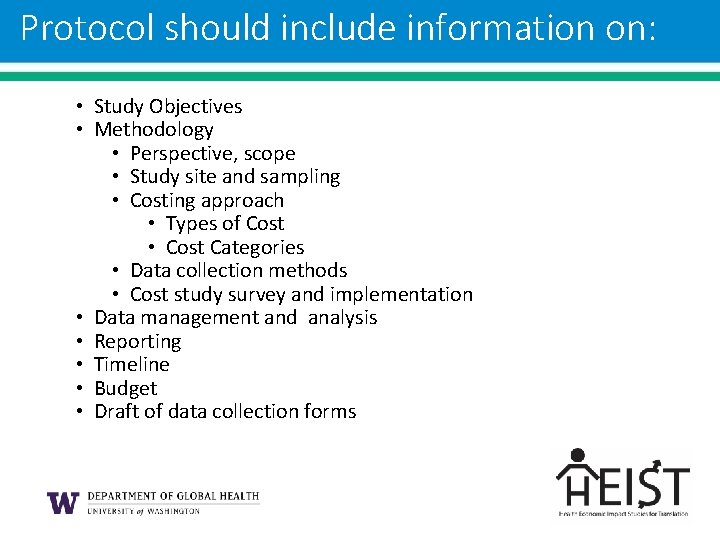
Protocol should include information on: • Study Objectives • Methodology • Perspective, scope • Study site and sampling • Costing approach • Types of Cost • Cost Categories • Data collection methods • Cost study survey and implementation • Data management and analysis • Reporting • Timeline • Budget • Draft of data collection forms
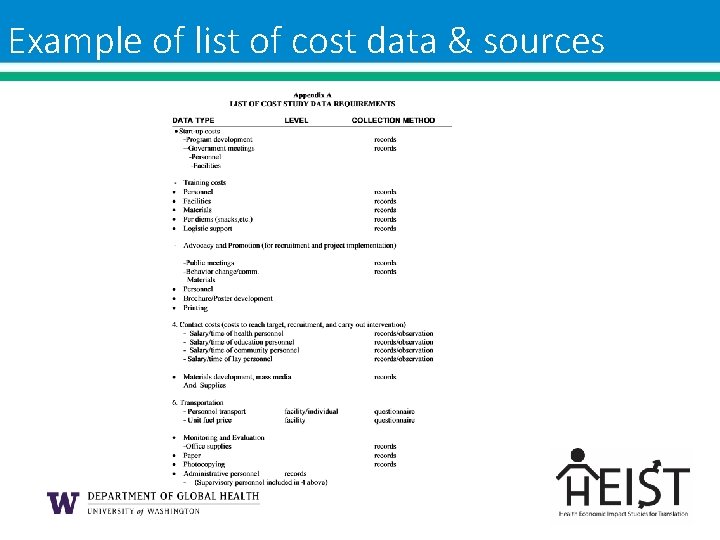
Example of list of cost data & sources
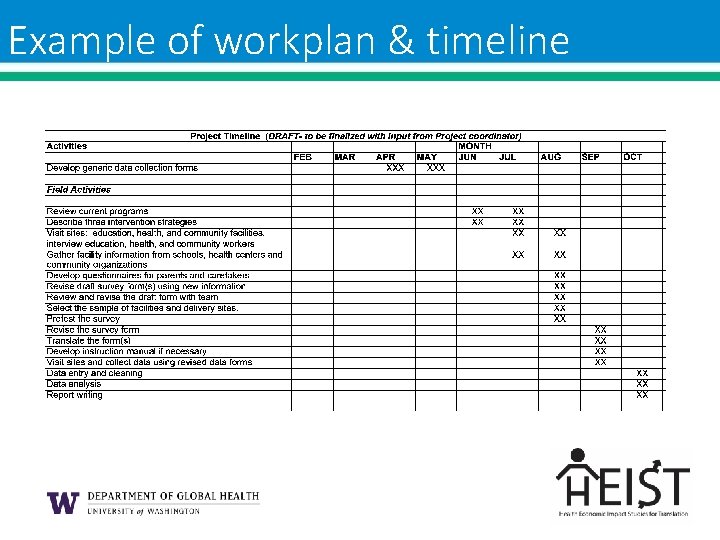
Example of workplan & timeline
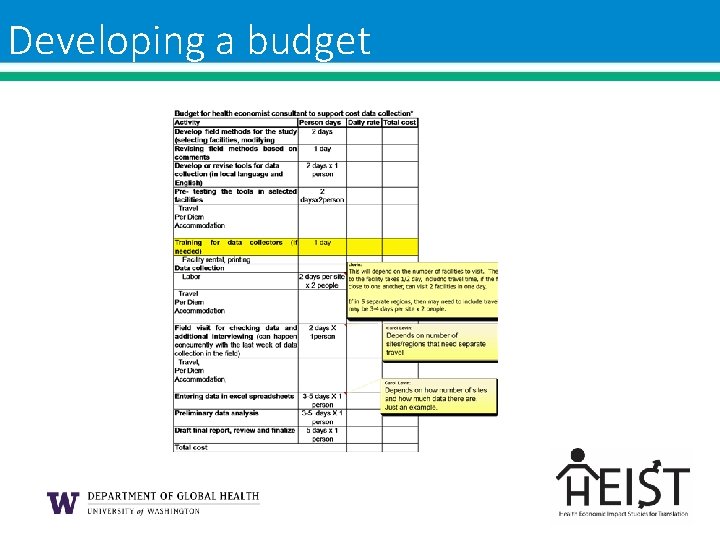
Developing a budget
Strategic approach to collecting costs v. Integrate the cost analysis along side planned or on-going evaluations of interventions v. Use a rapid, inexpensive approach v. Use rough cost estimates to look at cost profiles or break down of costs; focus on key cost drivers v. Work closely with local counterparts to collect basic data and cost information
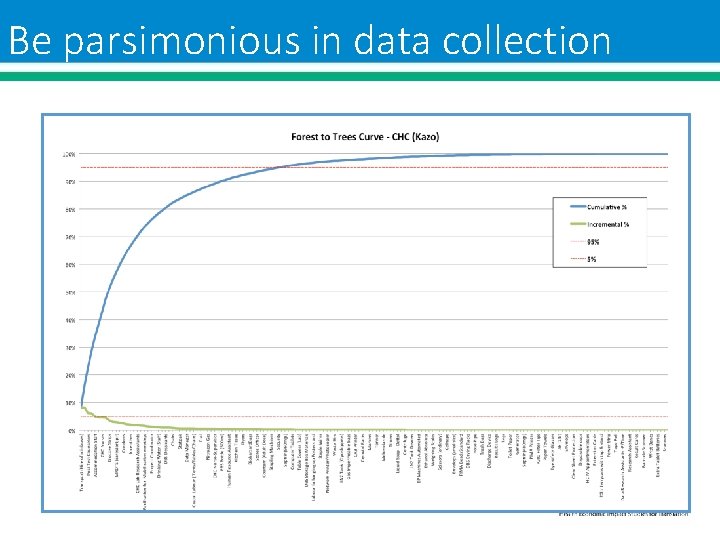
Be parsimonious in data collection
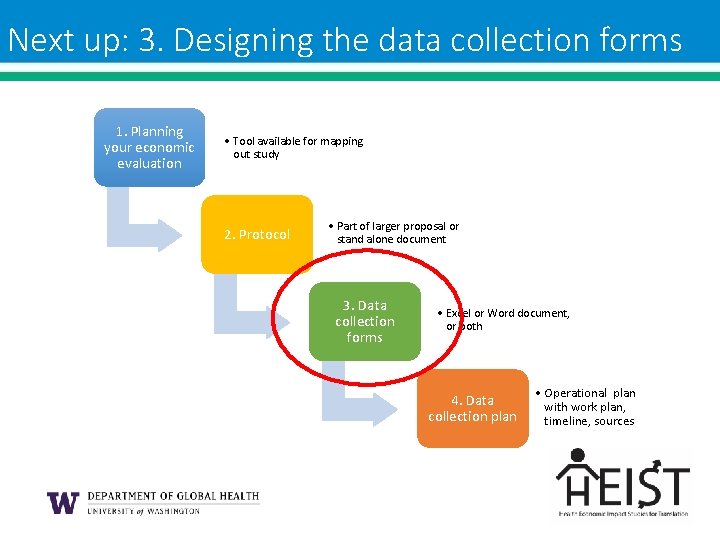
Next up: 3. Designing the data collection forms 1. Planning your economic evaluation • Tool available for mapping out study 2. Protocol • Part of larger proposal or stand alone document 3. Data collection forms • Excel or Word document, or both 4. Data collection plan • Operational plan with work plan, timeline, sources
Questions? Thank you! Contact: Carol Levin, Ph. D clevin@uw. edu