
Seratonin and Dopamine in the CNS Dopaminergic Neurons
- Slides: 13
Seratonin and Dopamine in the CNS
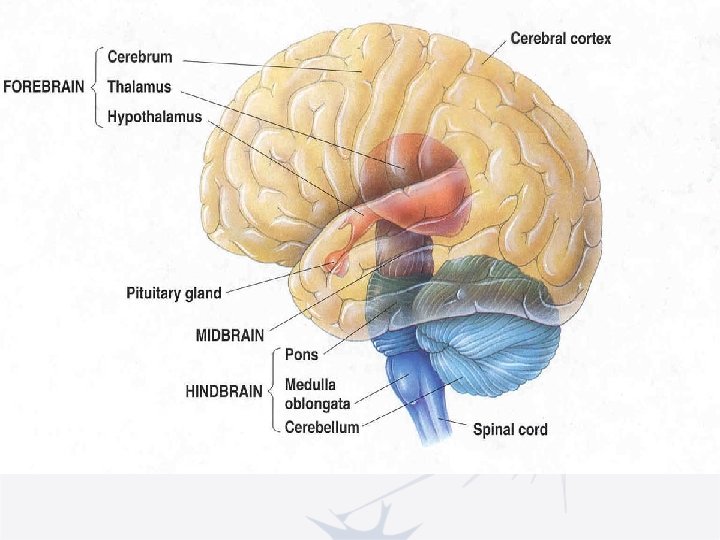
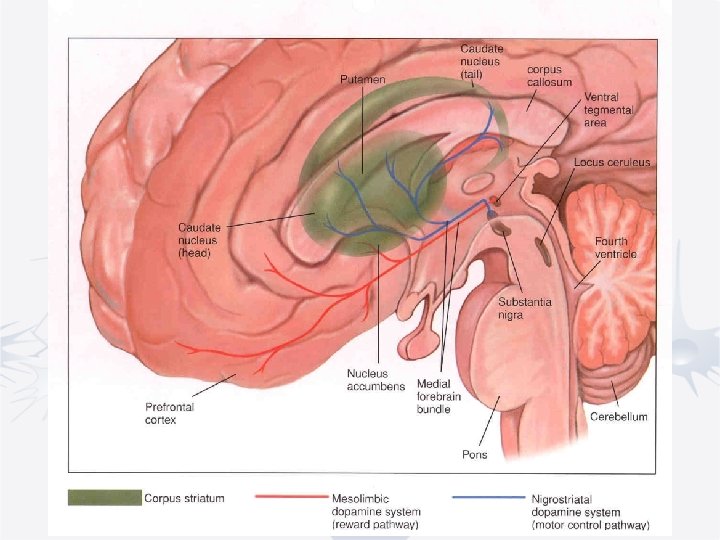
Dopaminergic Neurons • These neurons are highly concentrated in the mid-brain with axons that project into different parts of the brain • Two systems of neurons are involved: • Nigrostriatal neurons are involved in motor control and • Mesolimbic neurons are involved in emotional rewards
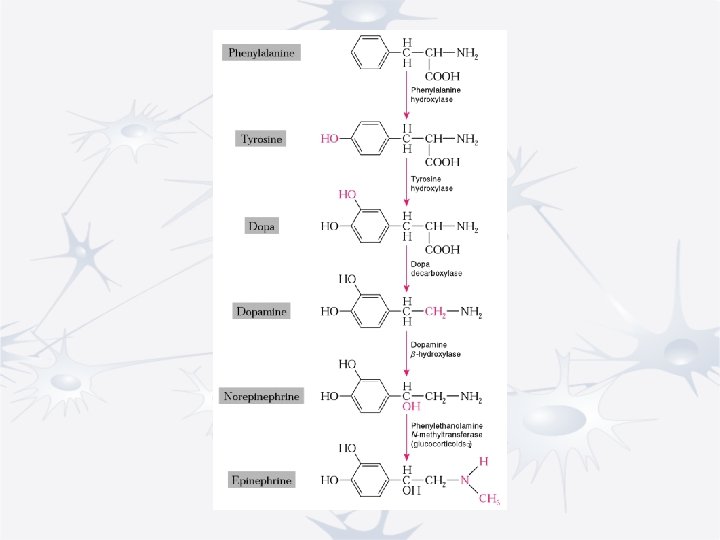
• Parkinson’s disease is caused by degeneration of dopaminergic neurons of the motor pathway. Treatment with L-Dopa alleviates symptoms. • D 2 Dopamine receptors are implicated in alcoholism.
• Cocaine blocks the reuptake of dopamine n presynptic axons, so those synapses are overstimulated. • Nicotine promotes the release of dopamine in one area of the forebrain. • Morphine, and amphetamines also affect dopaminergic pathways
• Many drugs used to treat schizophrenia (neuroleptics) are antagonists of the D 2 Dopamine receptor. Schizophrenic patients treated with these agents often develop Parkinson’s symptoms. It hypothesized that schizophrenia may be caused in part by overativity of the mesolimbic dopaminergic system.
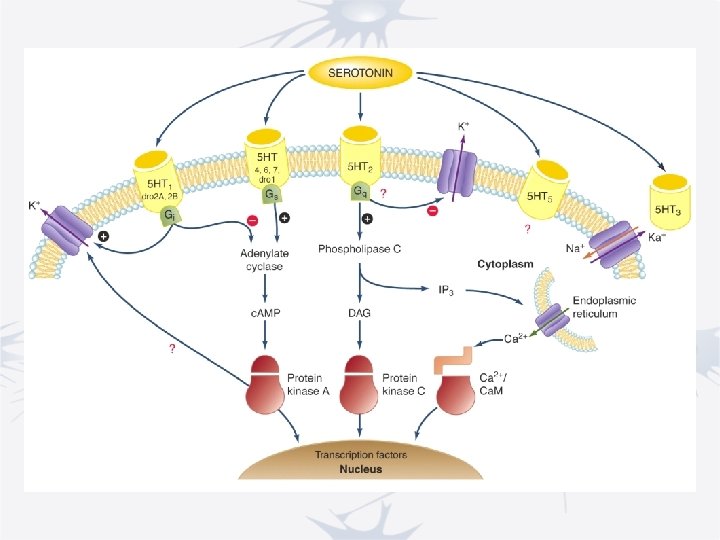
• Neurons that use seratonin are found along the midline of the brainstem. • A precursor of seratonin, tryptophan, is found in turkey and milk. • Seratonin is believed to regulate mood, appetite and cerebral circulation • LSD mimics seratonin and causes overstimulation of seratonin receptors
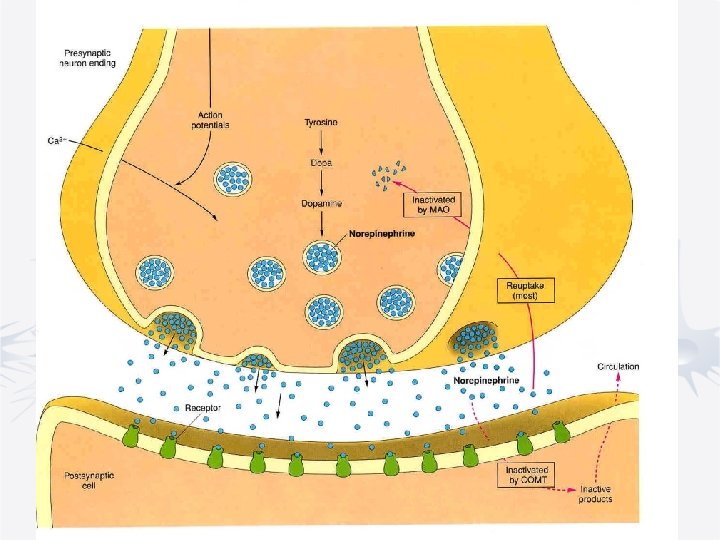
• MAO inhibitors increase the transmission of catecholamines and seratonin by blocking their distruction. • MAO inhibitors are often used to treat depression, and one MAO inhibitor, Deprenyl has also been used to treat Parkinsons. • Prozac, blocks only the reuptake of seratonin, and is somewhat more specific than some MAO inhibitors.