
Sepsis in pregnancy Recognition Diagnosis and Management surviving

- Slides: 30
Sepsis in pregnancy : Recognition, Diagnosis, and Management (surviving sepsis) Arthur Jason Vaught, M. D. Maternal-Fetal Medicine Surgical Critical Care Johns Hopkins University Robert E. Meyerhoff Professor
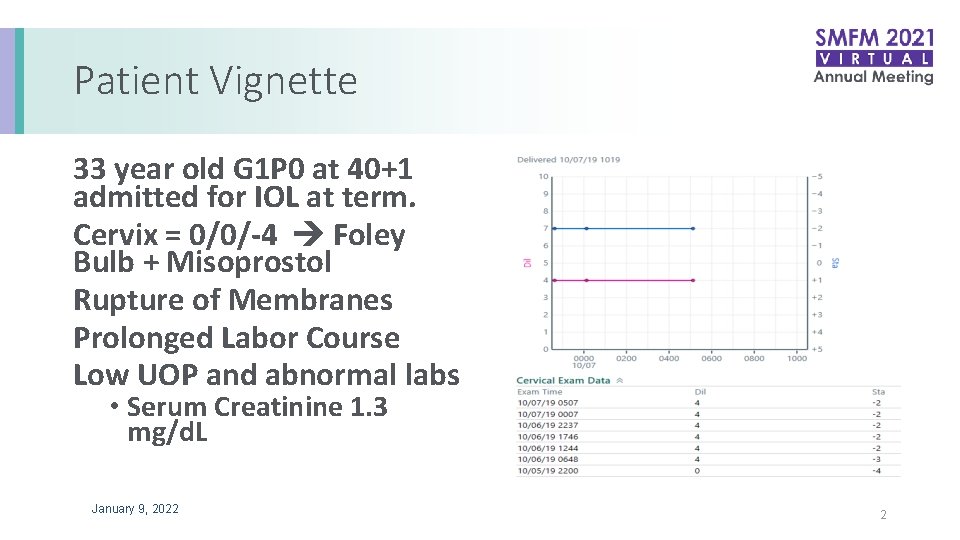
Patient Vignette 33 year old G 1 P 0 at 40+1 admitted for IOL at term. Cervix = 0/0/-4 Foley Bulb + Misoprostol Rupture of Membranes Prolonged Labor Course Low UOP and abnormal labs • Serum Creatinine 1. 3 mg/d. L January 9, 2022 2
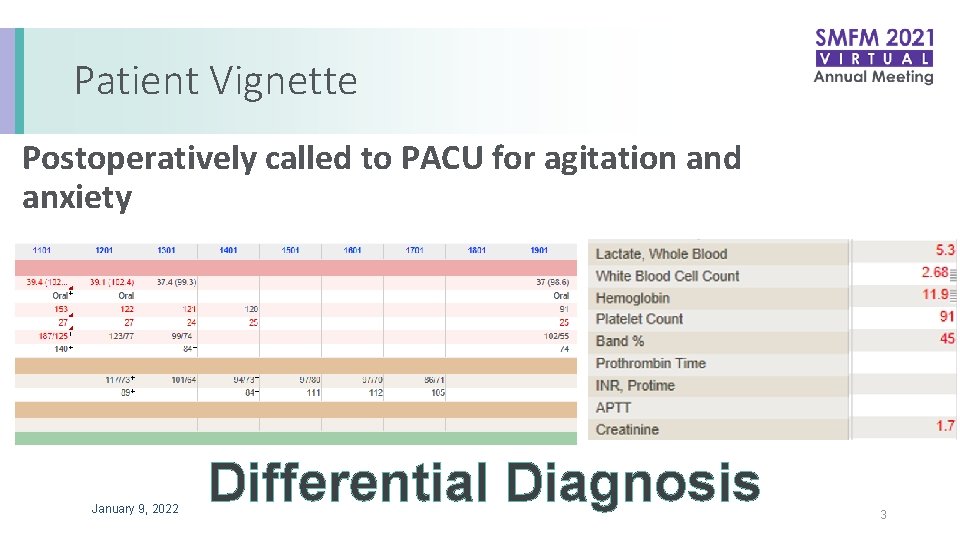
Patient Vignette Postoperatively called to PACU for agitation and anxiety January 9, 2022 Differential Diagnosis 3
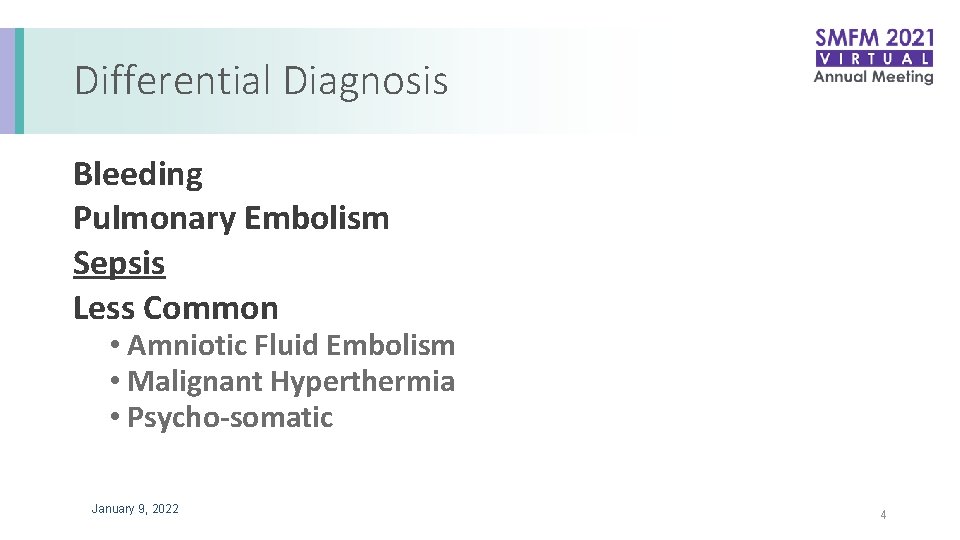
Differential Diagnosis Bleeding Pulmonary Embolism Sepsis Less Common • Amniotic Fluid Embolism • Malignant Hyperthermia • Psycho-somatic January 9, 2022 4
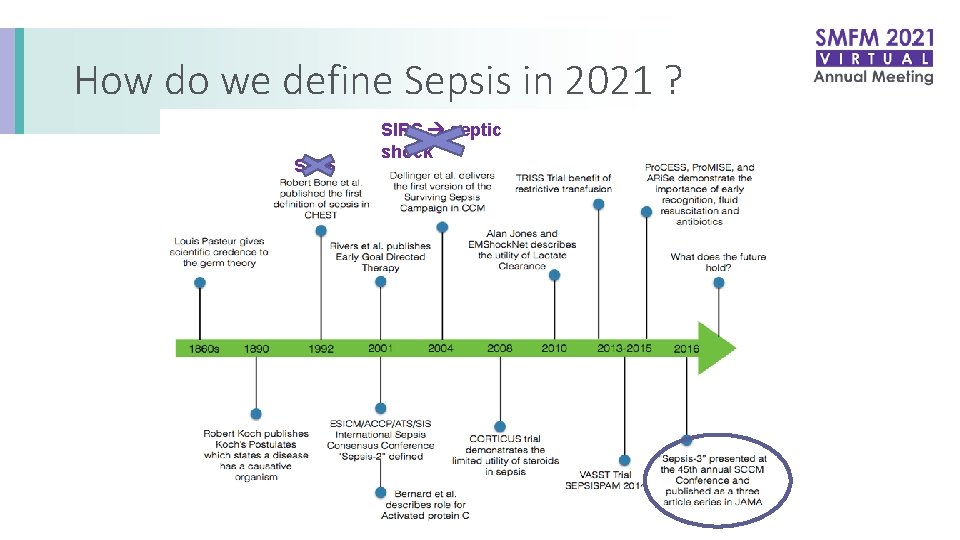
Sepsis Lecture Outline Historical background and epidemiology of sepsis and maternal sepsis Describe the general principles of the Surviving Sepsis Campaign as it relates to pregnancy Discuss patient and provider risk factors for sepsis Discuss future direction
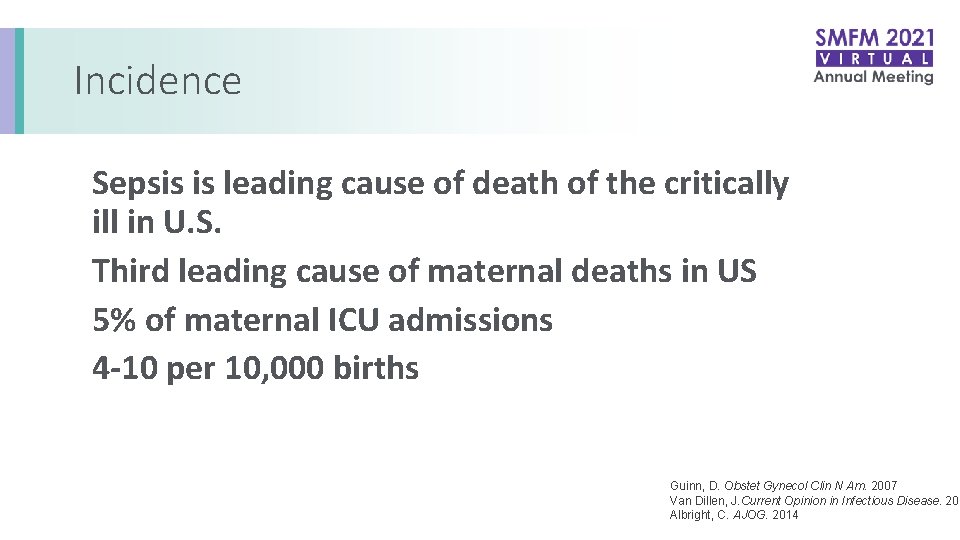
Incidence Sepsis is leading cause of death of the critically ill in U. S. Third leading cause of maternal deaths in US 5% of maternal ICU admissions 4 -10 per 10, 000 births Guinn, D. Obstet Gynecol Clin N Am. 2007 Van Dillen, J. Current Opinion in Infectious Disease. 201 Albright, C. AJOG. 2014
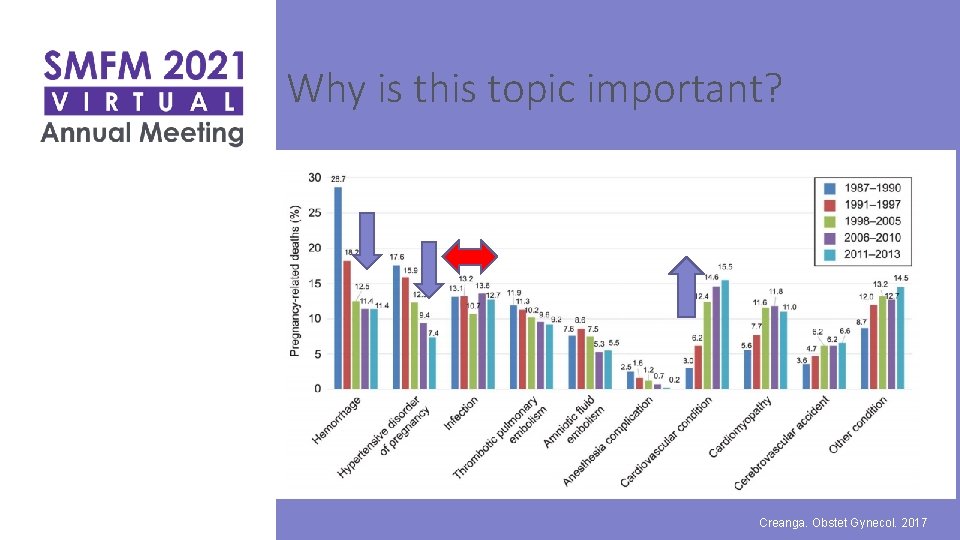
Why is this topic important? Creanga. Obstet Gynecol. 2017
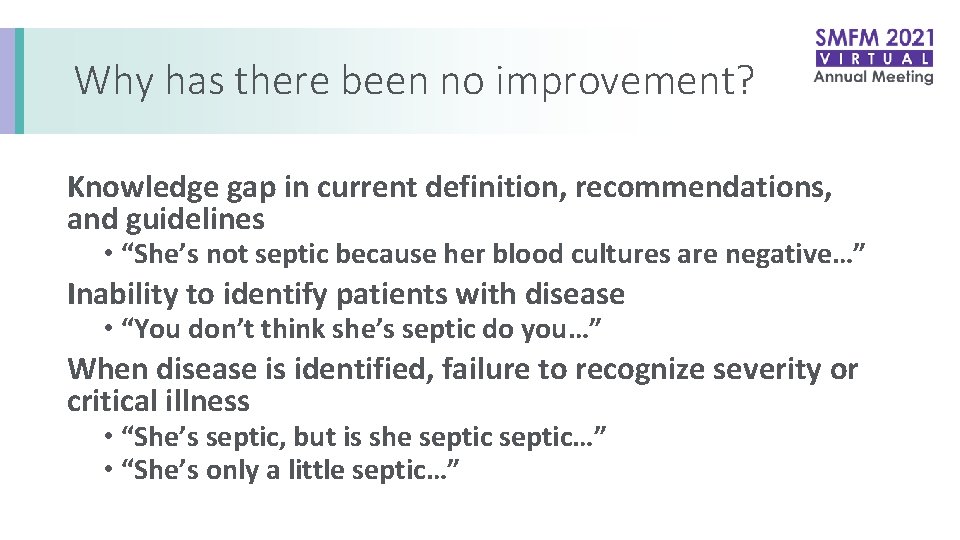
Why has there been no improvement? Knowledge gap in current definition, recommendations, and guidelines • “She’s not septic because her blood cultures are negative…” Inability to identify patients with disease • “You don’t think she’s septic do you…” When disease is identified, failure to recognize severity or critical illness • “She’s septic, but is she septic…” • “She’s only a little septic…”
How do we define Sepsis in 2021 ? SIRS septic shock
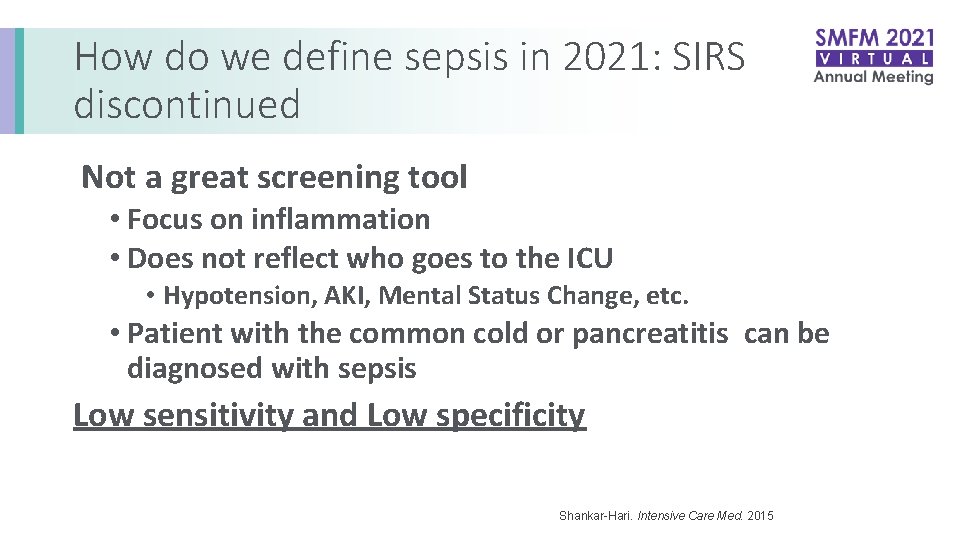
How do we define sepsis in 2021: SIRS discontinued Not a great screening tool • Focus on inflammation • Does not reflect who goes to the ICU • Hypotension, AKI, Mental Status Change, etc. • Patient with the common cold or pancreatitis can be diagnosed with sepsis Low sensitivity and Low specificity Shankar-Hari. Intensive Care Med. 2015
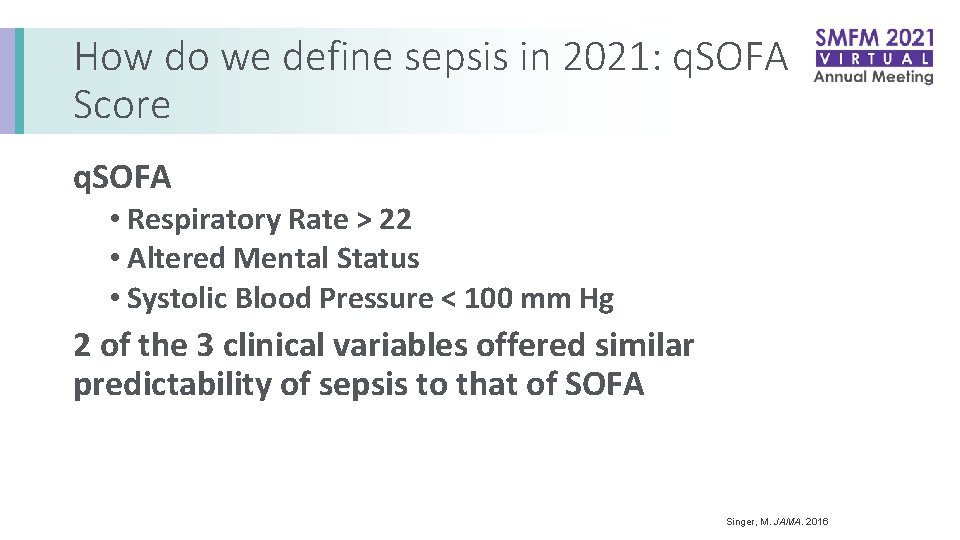
How do we define sepsis in 2021: q. SOFA Score q. SOFA • Respiratory Rate > 22 • Altered Mental Status • Systolic Blood Pressure < 100 mm Hg 2 of the 3 clinical variables offered similar predictability of sepsis to that of SOFA Singer, M. JAMA. 2016
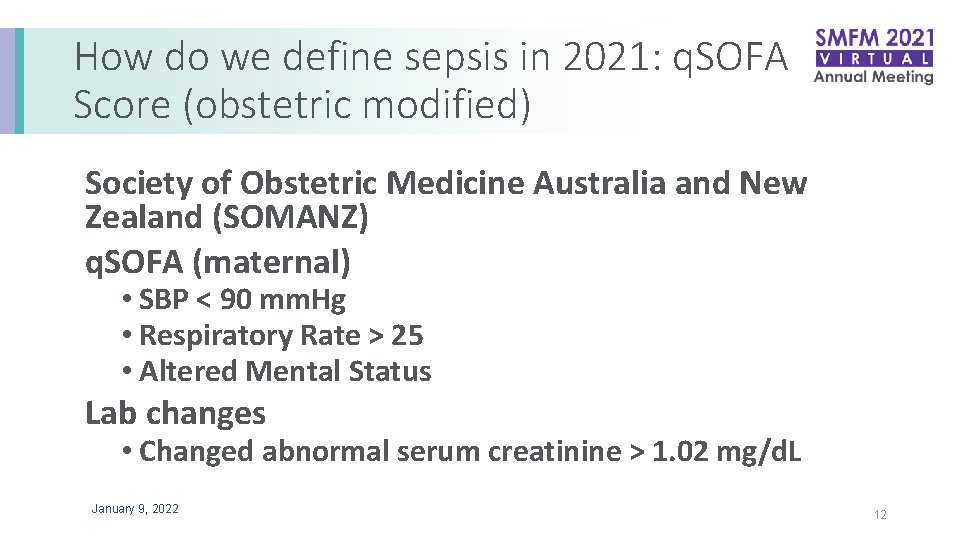
How do we define sepsis in 2021: q. SOFA Score (obstetric modified) Society of Obstetric Medicine Australia and New Zealand (SOMANZ) q. SOFA (maternal) • SBP < 90 mm. Hg • Respiratory Rate > 25 • Altered Mental Status Lab changes • Changed abnormal serum creatinine > 1. 02 mg/d. L January 9, 2022 12
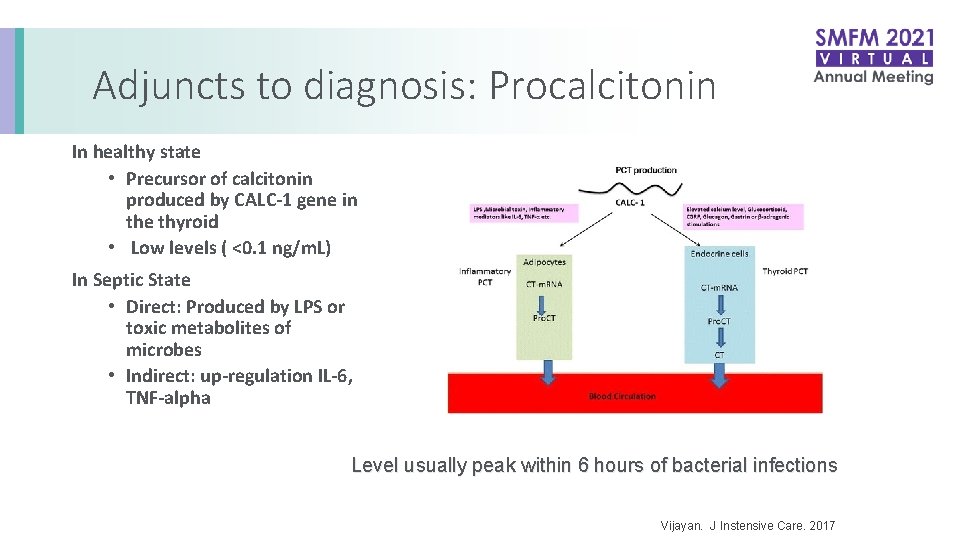
Adjuncts to diagnosis: Procalcitonin In healthy state • Precursor of calcitonin produced by CALC-1 gene in the thyroid • Low levels ( <0. 1 ng/m. L) In Septic State • Direct: Produced by LPS or toxic metabolites of microbes • Indirect: up-regulation IL-6, TNF-alpha Level usually peak within 6 hours of bacterial infections Vijayan. J Instensive Care. 2017
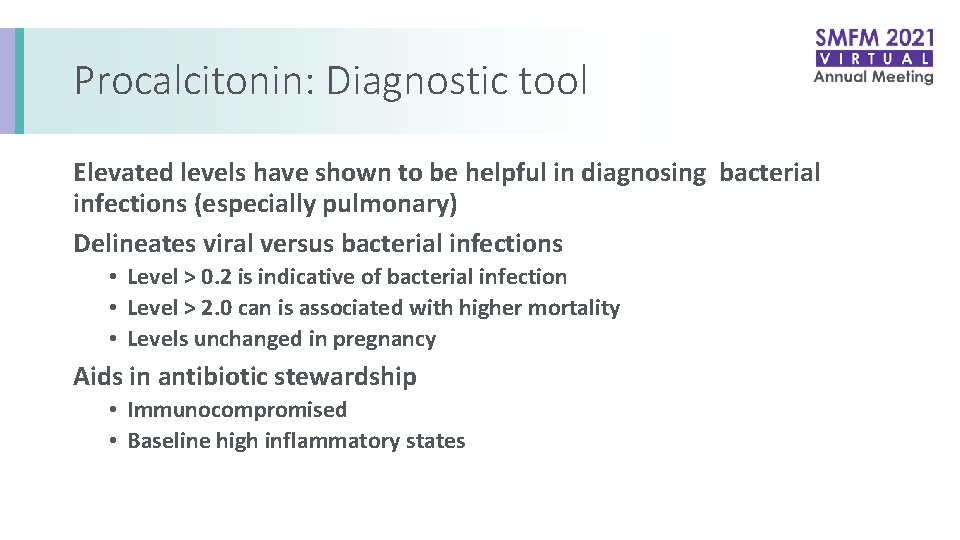
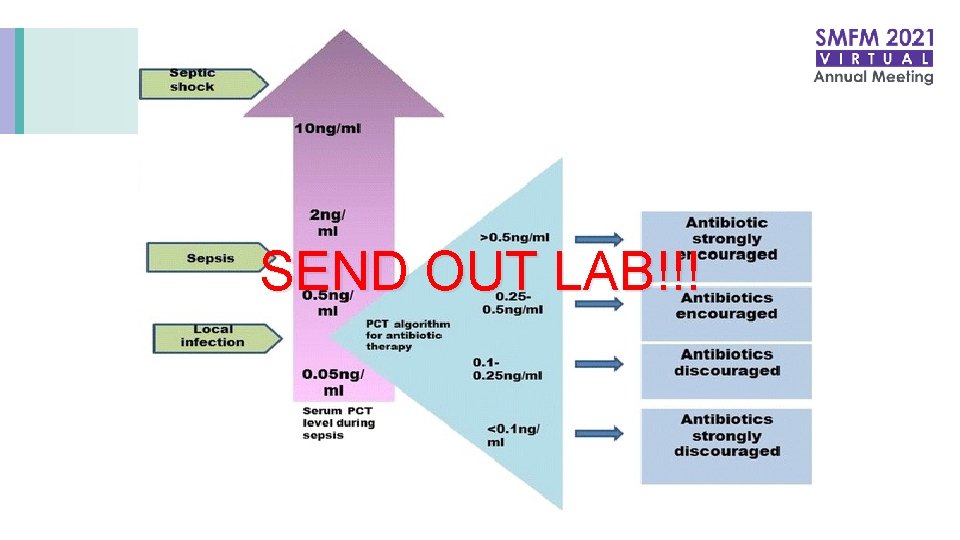
Procalcitonin: Diagnostic tool Elevated levels have shown to be helpful in diagnosing bacterial infections (especially pulmonary) Delineates viral versus bacterial infections • Level > 0. 2 is indicative of bacterial infection • Level > 2. 0 can is associated with higher mortality • Levels unchanged in pregnancy Aids in antibiotic stewardship • Immunocompromised • Baseline high inflammatory states Vijayan. J Instensive Care. 2017 Muller. BMC Infect Disease. 2007 Scheutz. Cochrane. 2018
SEND OUT LAB!!! Vijayan. J Instensive Care. 2017
Patient Vignette Diagnosed with sepsis! • • SIRS: WBC = 2. 8, Bandemia = 45%, Fever , Tachycardia q. SOFA: SBP < 90 mm. Hg, tachypnea, agitation (AMS) SOFA: Renal injury, Lactemia Source: Endomyometritis Now What !!! January 9, 2022 16
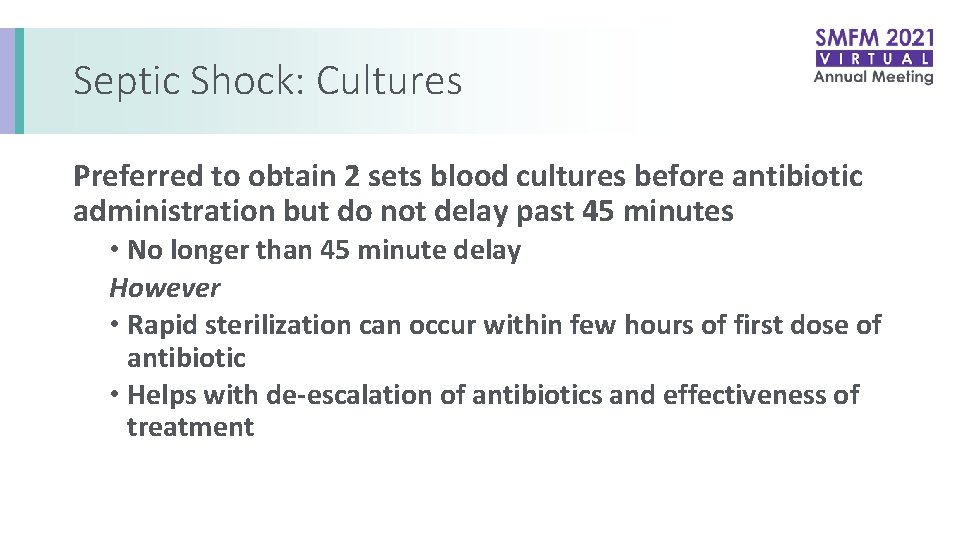
Septic Shock: Cultures Preferred to obtain 2 sets blood cultures before antibiotic administration but do not delay past 45 minutes • No longer than 45 minute delay However • Rapid sterilization can occur within few hours of first dose of antibiotic • Helps with de-escalation of antibiotics and effectiveness of treatment
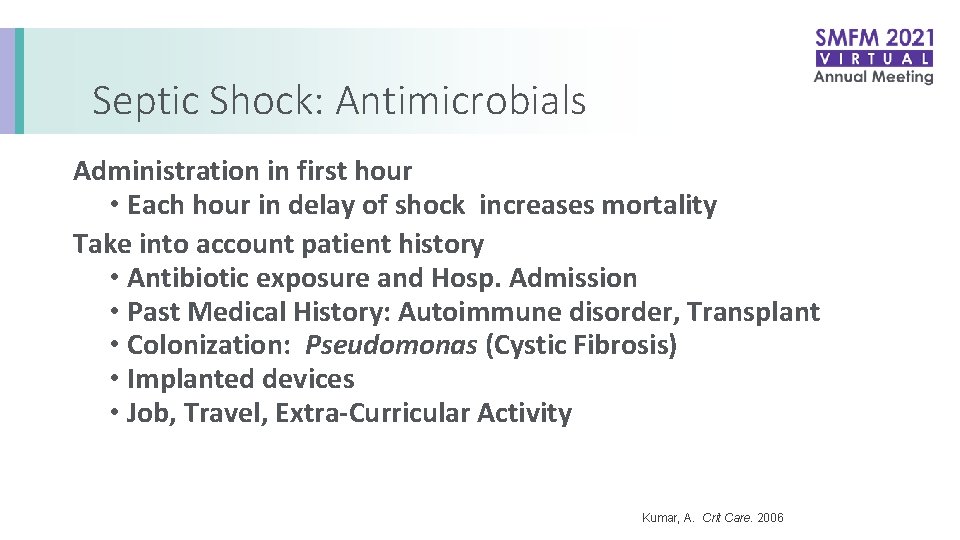
Septic Shock: Antimicrobials Administration in first hour • Each hour in delay of shock increases mortality Take into account patient history • Antibiotic exposure and Hosp. Admission • Past Medical History: Autoimmune disorder, Transplant • Colonization: Pseudomonas (Cystic Fibrosis) • Implanted devices • Job, Travel, Extra-Curricular Activity Kumar, A. Crit Care. 2006
Septic Shock: Antimicrobials Go Big and Broad in septic shock • Resistant Gram Positives (MRSA, VRE) • Vancomycin, Daptomycin, Linezolid • Resistant Gram Negatives • Pipercillin/Tazobactam, Carbapenemases • CMV infections • Valgancyclovir • Invasive Fungal Infections • Micafungin, Caspofungin
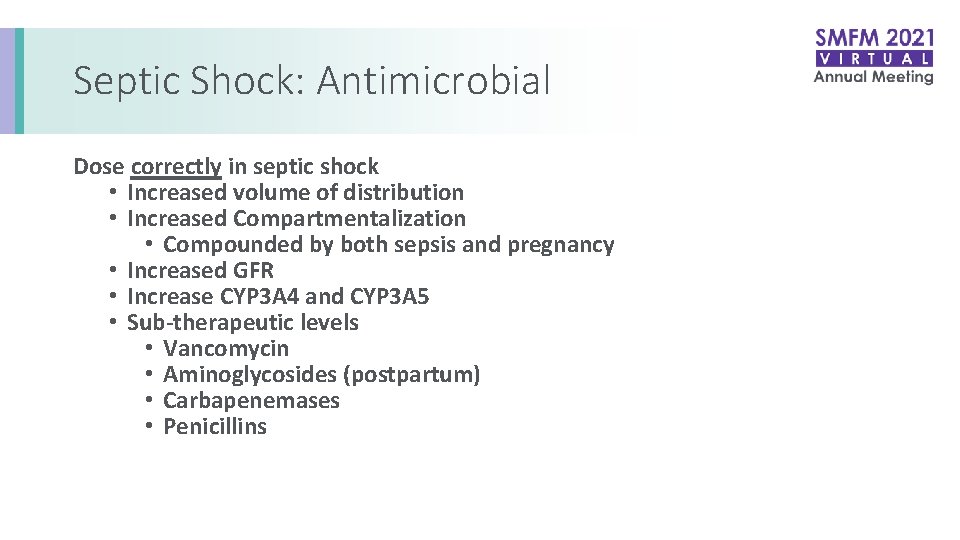
Septic Shock: Antimicrobial Dose correctly in septic shock • Increased volume of distribution • Increased Compartmentalization • Compounded by both sepsis and pregnancy • Increased GFR • Increase CYP 3 A 4 and CYP 3 A 5 • Sub-therapeutic levels • Vancomycin • Aminoglycosides (postpartum) • Carbapenemases • Penicillins
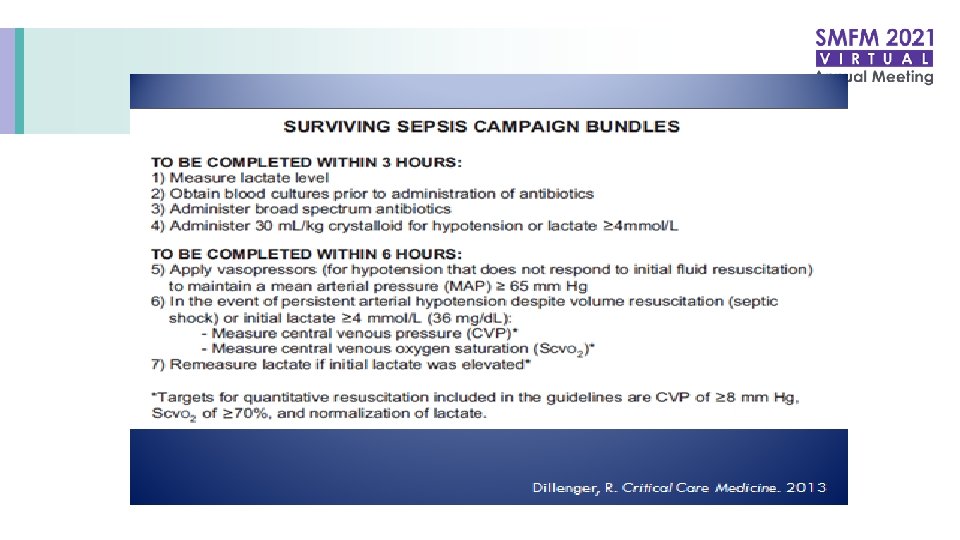
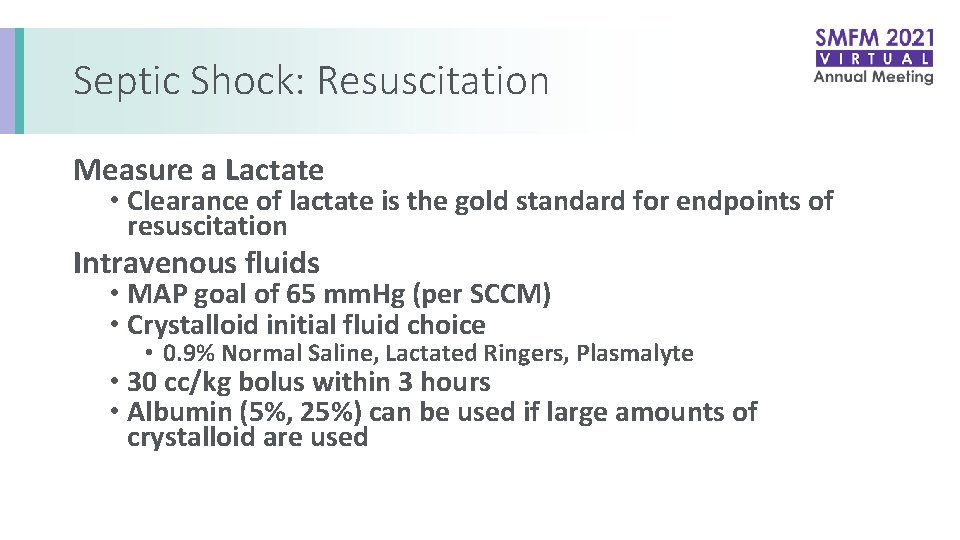
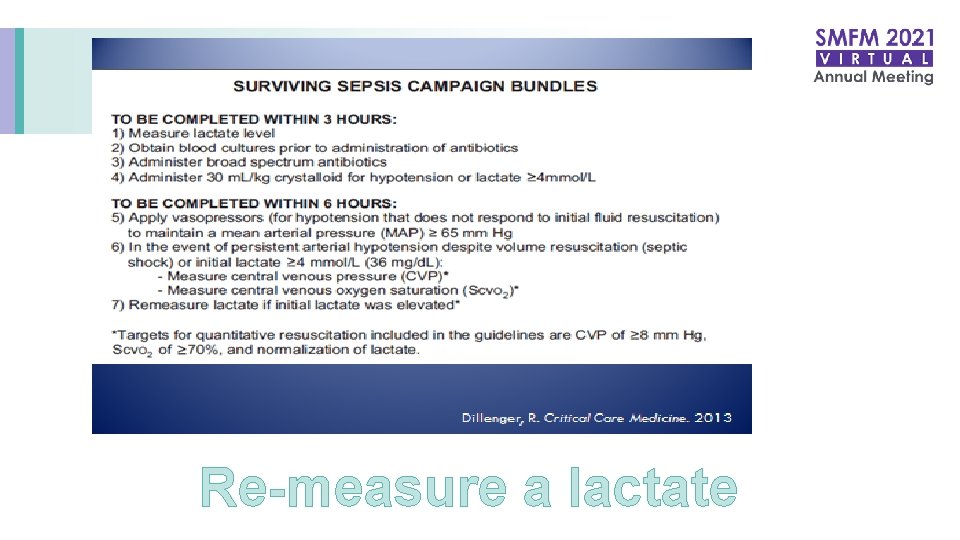
Septic Shock: Resuscitation Measure a Lactate • Clearance of lactate is the gold standard for endpoints of resuscitation Intravenous fluids • MAP goal of 65 mm. Hg (per SCCM) • Crystalloid initial fluid choice • 0. 9% Normal Saline, Lactated Ringers, Plasmalyte • 30 cc/kg bolus within 3 hours • Albumin (5%, 25%) can be used if large amounts of crystalloid are used Rhodes, A. Critical Care Medicine. 2017 Dillenger, R. Critical Care Medicine.
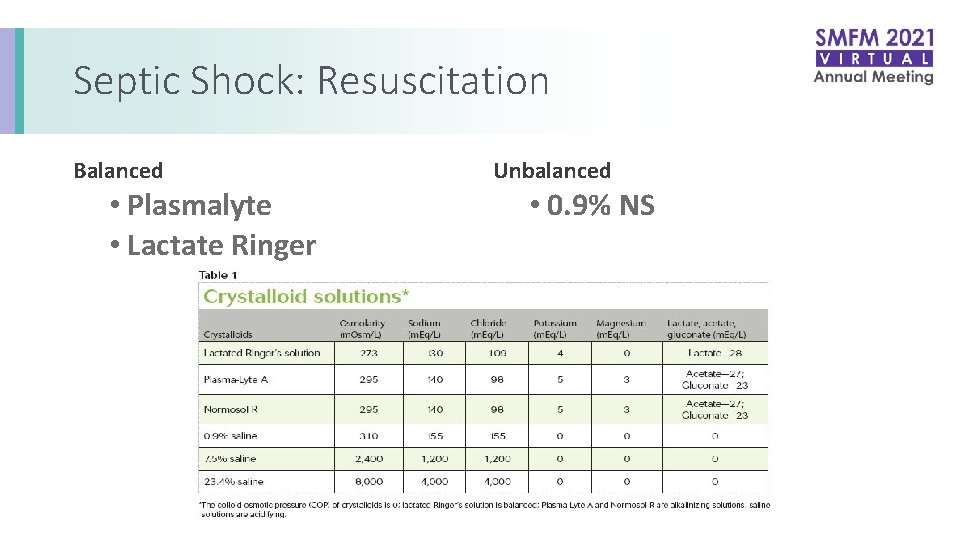
Septic Shock: Resuscitation Balanced • Plasmalyte • Lactate Ringer Unbalanced • 0. 9% NS
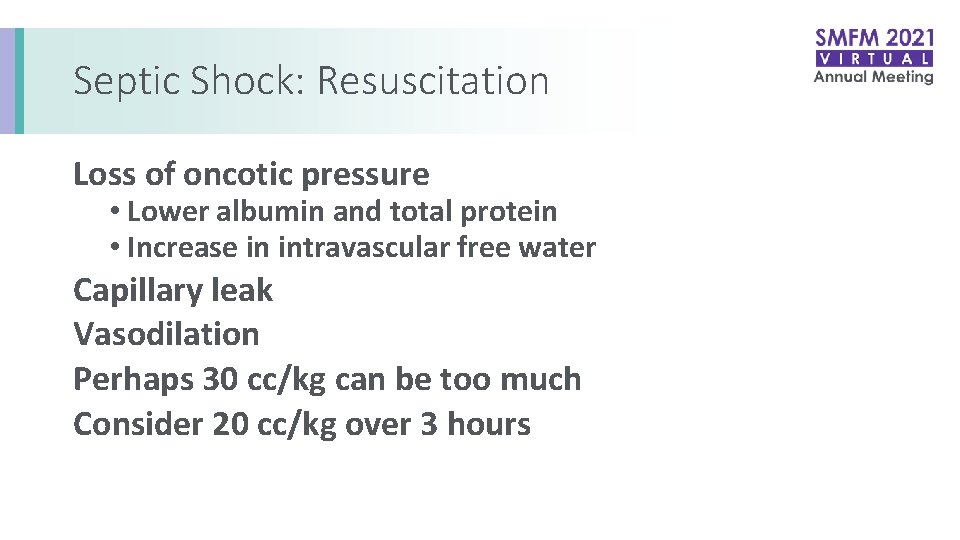
Septic Shock: Resuscitation Loss of oncotic pressure • Lower albumin and total protein • Increase in intravascular free water Capillary leak Vasodilation Perhaps 30 cc/kg can be too much Consider 20 cc/kg over 3 hours
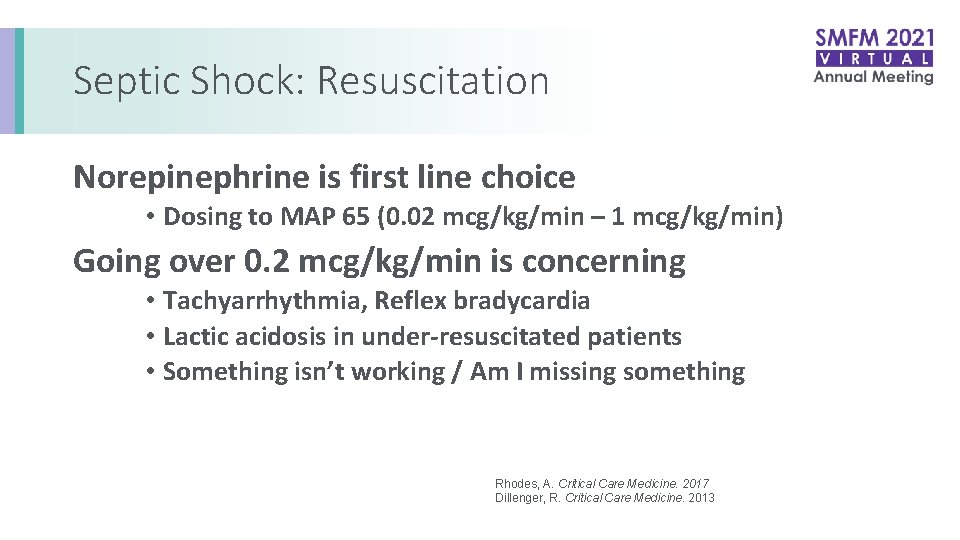
Septic Shock: Resuscitation Norepinephrine is first line choice • Dosing to MAP 65 (0. 02 mcg/kg/min – 1 mcg/kg/min) Going over 0. 2 mcg/kg/min is concerning • Tachyarrhythmia, Reflex bradycardia • Lactic acidosis in under-resuscitated patients • Something isn’t working / Am I missing something Rhodes, A. Critical Care Medicine. 2017 Dillenger, R. Critical Care Medicine. 2013
Re-measure a lactate
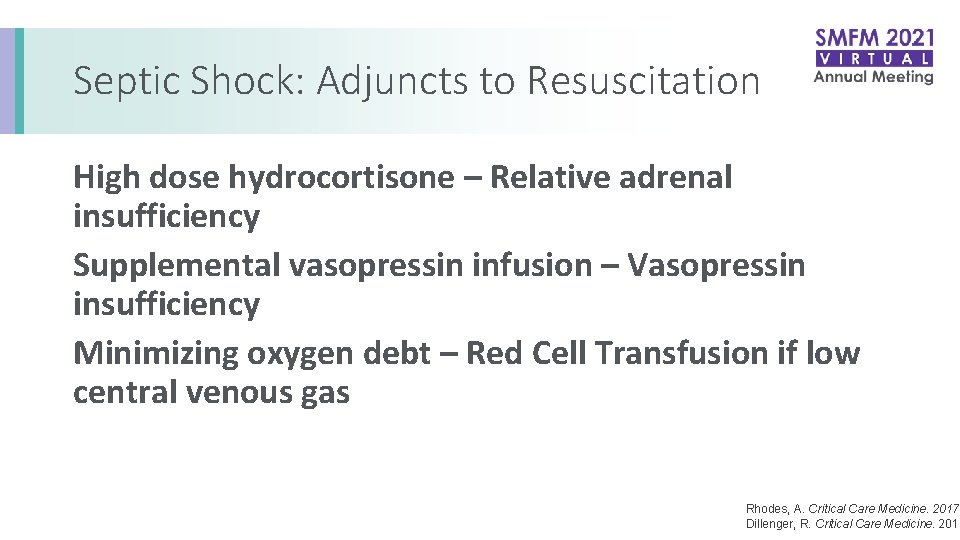
Septic Shock: Adjuncts to Resuscitation High dose hydrocortisone – Relative adrenal insufficiency Supplemental vasopressin infusion – Vasopressin insufficiency Minimizing oxygen debt – Red Cell Transfusion if low central venous gas Rhodes, A. Critical Care Medicine. 2017 Dillenger, R. Critical Care Medicine. 2013
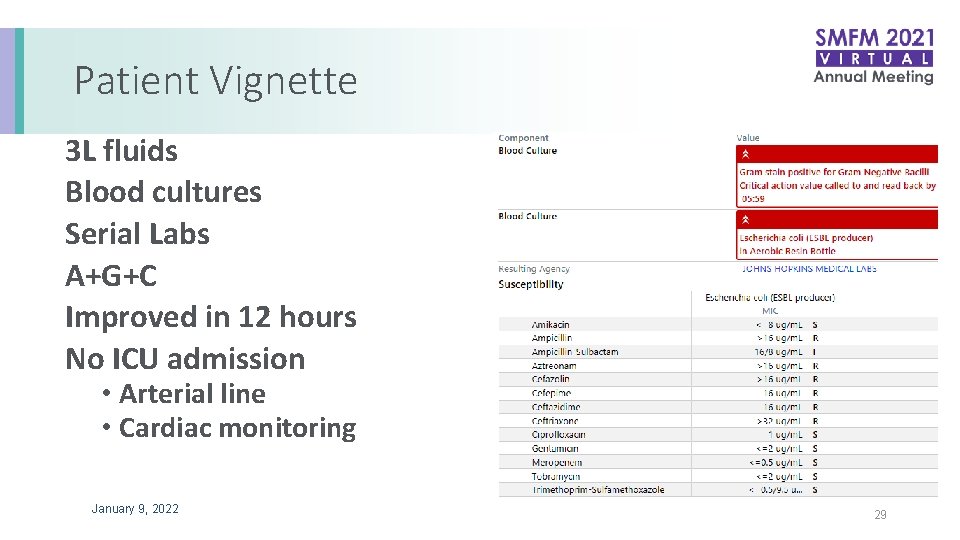
Patient Vignette 3 L fluids Blood cultures Serial Labs A+G+C Improved in 12 hours No ICU admission • Arterial line • Cardiac monitoring January 9, 2022 29
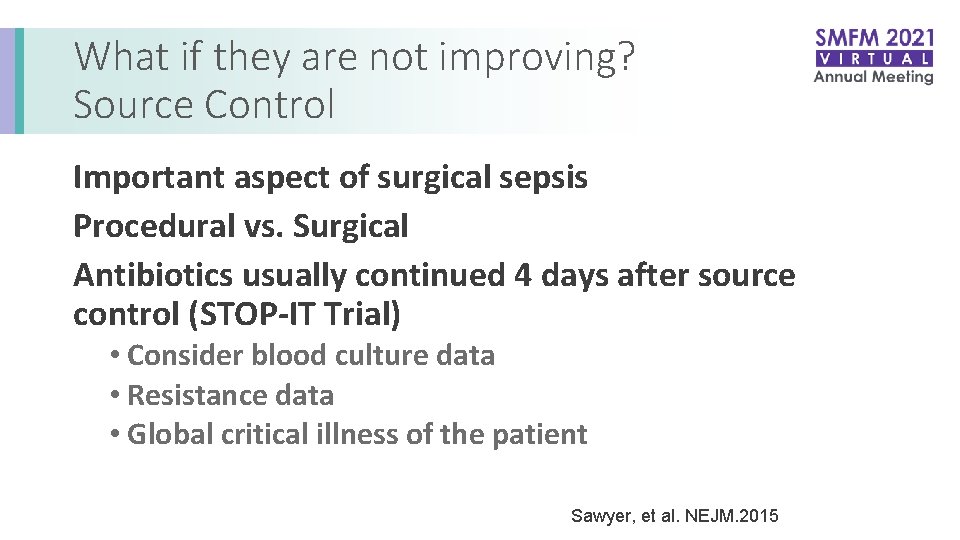
What if they are not improving? Source Control Important aspect of surgical sepsis Procedural vs. Surgical Antibiotics usually continued 4 days after source control (STOP-IT Trial) • Consider blood culture data • Resistance data • Global critical illness of the patient Sawyer, et al. NEJM. 2015
Thank you